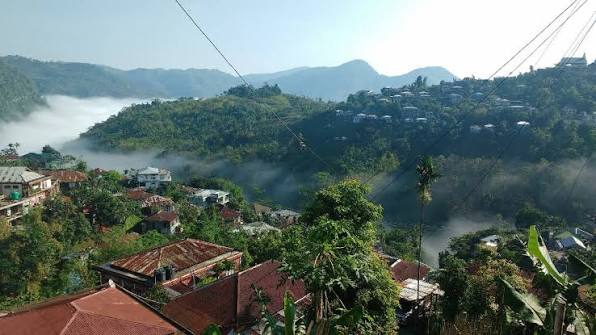
Lawngtlai: Into the Wild Hills of Southern Mizoram
Lawngtlai is a scenic destination in southern Mizoram surrounded by mountains, forests, rivers and traditional communities. Known for Phawngpui, Mizoram's highest peak, along with wildlife sanctuaries, caves and diverse tribal heritage, Lawngtlai offers a memorable experience for nature and adventure lovers.
History of Lawngtlai
Lawngtlai District was created in 1998 after being separated from the former Chhimtuipui District. The district was officially formed on 11 November 1998 and Lawngtlai town became its headquarters.
Administrative Heritage
Lawngtlai has a distinctive administrative and cultural character because it contains both the Lai Autonomous District Council and the Chakma Autonomous District Council. Their headquarters are located at Lawngtlai and Chawngte respectively.
Geography of Lawngtlai
Lawngtlai lies in the southernmost part of Mizoram. The district is divided geographically by Lunglei and Siaha districts, while the Chhimtuipui River forms an important part of its eastern landscape.
Mountains and Forests
The district is characterized by steep hills, valleys and extensive forest areas. Its natural landscape ranges from lower forested areas to high mountain environments such as Phawngpui.
Phawngpui Landscape
Phawngpui rises to approximately 2,157 metres above sea level and is the highest mountain in Mizoram. Its surrounding protected forest is part of Phawngpui National Park.
Culture and Traditions
Lawngtlai has one of the most culturally diverse landscapes in Mizoram. The major communities include the Lai, Chakma, Bawm and Pang communities, each with their own traditions, languages, folk stories and cultural practices.
Lai Culture
The Lai community has a strong cultural presence in the eastern part of the district. Traditional dances include Chawnglaizawn, Sarlamkai and Pawhlohtlawh.
Chakma Culture
The western areas of Lawngtlai have a significant Chakma population. Chakma cultural traditions, language, community life and Buddhist heritage add another distinctive dimension to the district.
Languages and Traditions
Lai, Chakma and other local languages and dialects are spoken across the district. Different communities preserve their own folk dances, stories, customs and cultural traditions.
Architecture and Heritage
Lawngtlai's heritage is closely connected with its traditional villages, community institutions and the cultural identity of the Lai and Chakma regions.
Autonomous District Councils
The Lai Autonomous District Council and Chakma Autonomous District Council are important parts of Lawngtlai's administrative and cultural heritage. They represent the distinct identity and traditional institutions of the communities living in their respective areas.
Famous Places in Lawngtlai
Phawngpui Tlang
Phawngpui Tlang, also known as the Blue Mountain, is the highest peak in Mizoram at about 2,157 metres. The mountain is surrounded by dramatic cliffs, bamboo groves, orchids and rich wildlife.
Phawngpui National Park
Phawngpui National Park covers approximately 50 square kilometres around the mountain. It is home to diverse birdlife and wildlife, including Mrs. Hume's pheasant, Blyth's tragopan, serow, mountain goat and slow loris.
Ngengpui Wildlife Sanctuary
Ngengpui Wildlife Sanctuary covers approximately 110 square kilometres and contains virgin subtropical evergreen and semi-evergreen forests. The sanctuary supports a wide variety of mammals and birds, making it an important destination for wildlife enthusiasts.
Sinemon Wildlife Sanctuary
Sinemon Wildlife Sanctuary lies in the southernmost part of Mizoram within Lawngtlai District. The sanctuary covers around 143 square kilometres and supports wildlife including leopard, wild boar, slow loris, barking deer, elephant, tiger and sambar.
Lohawka Wildlife Sanctuary
Lohawka Wildlife Sanctuary is another forested wildlife destination associated with Lawngtlai. Its landscape contains tropical semi-evergreen forests and a variety of birds and animals.
Castle of Bawinu or Beino
The Castle of Bawinu, also known as Beino, is a natural attraction listed by Mizoram Tourism in Lawngtlai District. Its distinctive landscape makes it an interesting destination for travelers exploring southern Mizoram.
Tialpari Puk Sangau
Tialpari Puk Sangau is a cave attraction located in the southeastern part of Phawngpui. It is suitable for visitors interested in exploring the natural cave landscapes of Lawngtlai.
Muallianpui Village
Muallianpui is a small village close to the Lunglei District border. Its green surroundings and location near the Indo-Bangladesh border make it an interesting rural destination for nature lovers and explorers.
Famous Dishes of Lawngtlai
The official Lawngtlai tourism sources reviewed do not provide a separate district-specific list of famous dishes. However, the district's diverse communities offer opportunities to experience traditional Mizo, Lai and Chakma food traditions.
Traditional Mizo Food
Visitors can experience simple preparations based on rice, vegetables, herbs and locally available ingredients that are common across Mizoram.
Local Community Cuisine
The presence of Lai and Chakma communities gives Lawngtlai a varied local food culture. Exploring village food and local markets can provide a more authentic experience of the region.
Famous Personalities
The official Lawngtlai district and tourism sources reviewed do not provide a dedicated list of famous personalities specifically associated with the district. The area's cultural identity is instead strongly represented by its indigenous communities, traditional leaders and autonomous institutions.
Festivals of Lawngtlai
Chawnglaizawn and Lai Cultural Celebrations
The Lai community preserves traditional dances and cultural practices that are an important part of local celebrations and community gatherings.
Chakma Cultural Festivals
Chakma communities in Lawngtlai maintain their own cultural and religious traditions, adding diversity to the festival calendar of the district.
Chapchar Kut
Chapchar Kut is one of Mizoram's best-known cultural festivals and is celebrated with traditional music, dance, clothing and community gatherings.
Things to Do in Lawngtlai
Explore Phawngpui
Explore the dramatic mountain landscapes of Phawngpui and enjoy panoramic views, forests, cliffs and high-altitude vegetation.
Wildlife Watching
Nature enthusiasts can explore the protected landscapes of Phawngpui National Park and Ngengpui Wildlife Sanctuary while observing the region's rich biodiversity.
Birdwatching
Lawngtlai is particularly attractive for birdwatchers. Phawngpui supports species such as Blyth's tragopan, Mrs. Hume's pheasant, hornbills and falcons.
Explore Caves
Adventure travelers can explore natural attractions such as Tialpari Puk Sangau and other cave environments in the district.
Experience Tribal Culture
Explore villages and communities to learn about Lai, Chakma, Bawm and Pang traditions, languages, folk dances and local lifestyles.
Nature Photography
The mountains, forests, rivers, villages and wildlife landscapes of Lawngtlai provide excellent opportunities for nature and landscape photography.
Where to Eat, Shop, and Stay
Where to Eat
Local eateries in Lawngtlai town provide opportunities to experience traditional food and everyday meals. Travelers can also explore local village food for a more regional experience.
Where to Shop
Local markets are suitable for purchasing fresh agricultural products, everyday goods and locally available traditional items.
Where to Stay
Accommodation options listed by the district administration include the Tourist Lodge at Electric Veng and the Circuit House at Lawngtlai. Visitors should confirm availability before travelling.
What is Lawngtlai Famous For?
Lawngtlai is famous for its Blue Mountain, Phawngpui National Park, wildlife sanctuaries, forests, caves and diverse tribal cultures. The district is especially attractive for travelers interested in wildlife, mountain landscapes, adventure and cultural exploration.
Best Time to Visit Lawngtlai
The period from November to March is generally suitable for exploring Lawngtlai and its outdoor attractions. Phawngpui has specific access restrictions, with eco-friendly visits permitted by the Mizoram Government from November to April.
Winter and Early Spring
The cooler months are suitable for sightseeing, hiking, wildlife experiences and exploring the mountain landscapes.
How to Reach Lawngtlai
By Air
Lengpui Airport near Aizawl is the nearest major airport option. Travelers should plan onward road transportation to Lawngtlai.
By Rail
Bairabi Railway Station is the nearest major railway connection to Mizoram. From Bairabi, travelers need to continue by road toward Lawngtlai.
By Road
Road travel is the main way to reach Lawngtlai. Mizoram Tourism lists the distance from Aizawl to Lawngtlai at approximately 296 km via NH-54, with regular Sumo services operating between the two towns.
Nearby Places
Phawngpui National Park
The national park is one of the most important natural attractions of southern Mizoram and can be included in a wildlife and mountain-focused itinerary.
Ngengpui Wildlife Sanctuary
Located around 40 km from Lawngtlai town, Ngengpui offers a rich forest environment and opportunities for wildlife exploration.
Chawngte
Chawngte is the headquarters of the Chakma Autonomous District Council and is an important cultural and administrative location within Lawngtlai District.
Muallianpui
Muallianpui provides a peaceful village experience surrounded by greenery and is located near the Lunglei District boundary.
Best Duration for a Trip
A 3–4 day trip is suitable for exploring Lawngtlai town, nearby cultural destinations and selected natural attractions. Travelers planning to visit Phawngpui and wildlife sanctuaries should consider adding extra days because of the distances and terrain.
Travel Tips
- Carry comfortable and durable footwear for mountain trails and uneven terrain.
- Check weather and access conditions before visiting protected areas.
- Follow all entry and eco-tourism rules for Phawngpui National Park.
- Take local guidance when exploring caves or remote forest areas.
- Respect Lai, Chakma and other local community customs and traditions.
- Carry sufficient cash when travelling to remote areas.
- Plan transportation in advance because many attractions are located far from Lawngtlai town.
- Check the latest Mizoram entry and Inner Line Permit requirements before travelling.
Why Visit Lawngtlai?
Lawngtlai is ideal for travelers looking beyond conventional hill-station tourism. Its combination of high mountains, protected forests, wildlife, caves, rivers and diverse tribal cultures makes it one of the most distinctive destinations in southern Mizoram.
Conclusion
Lawngtlai offers an exceptional combination of natural beauty and cultural diversity. From the towering Phawngpui and its national park to the forests of Ngengpui Wildlife Sanctuary, caves, villages and the traditions of the Lai and Chakma communities, Lawngtlai provides an adventurous and culturally rich experience for travelers exploring southern Mizoram.
"Travel is the only thing you buy that makes you richer."