Explore Jammu and Kashmir
Discover Jammu and Kashmir
Cities of Jammu and Kashmir
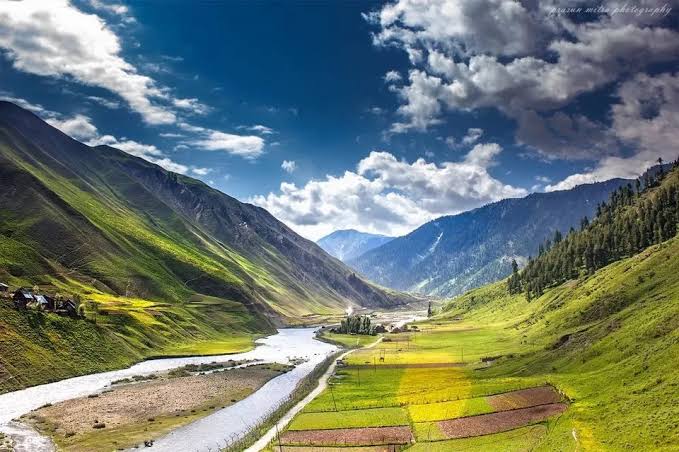
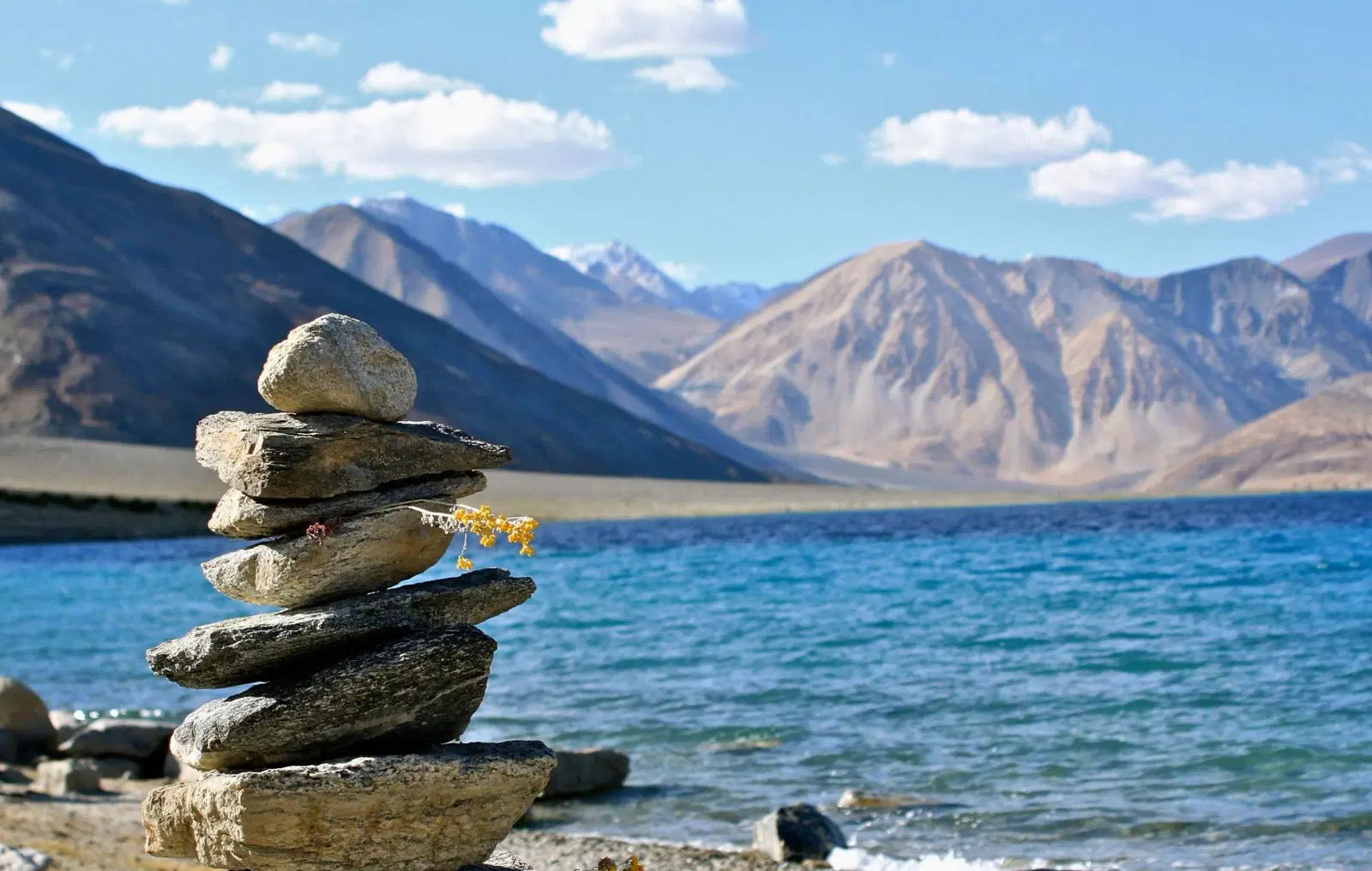
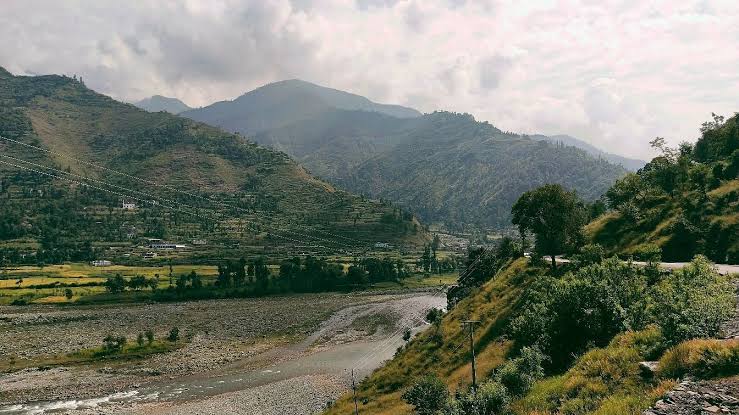
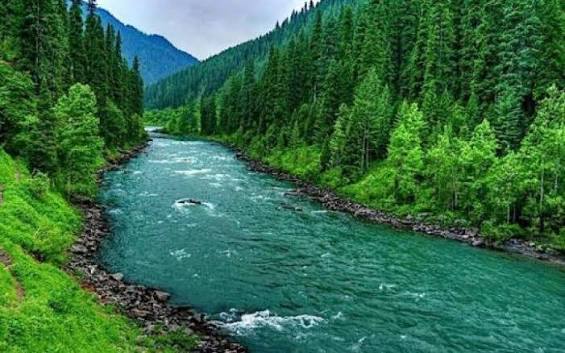
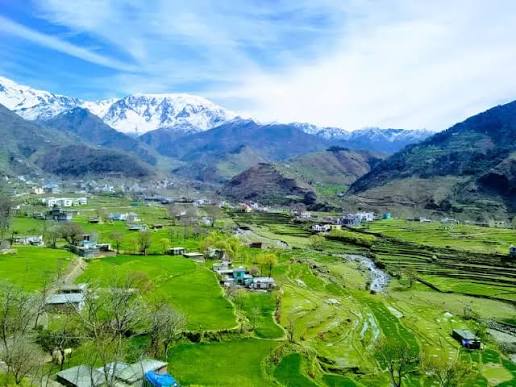
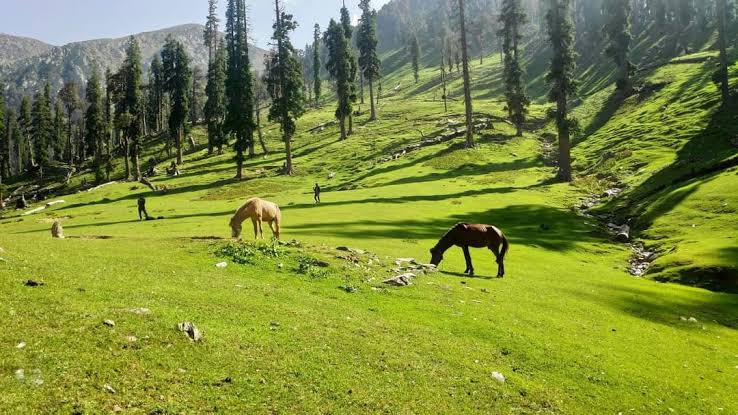
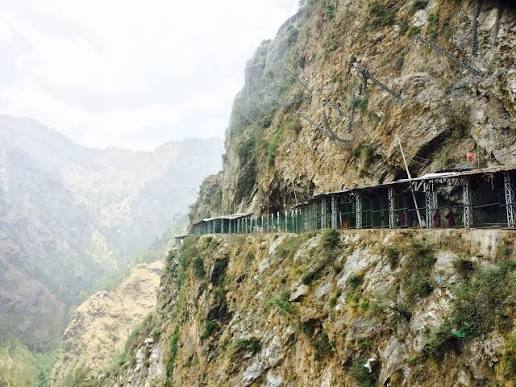
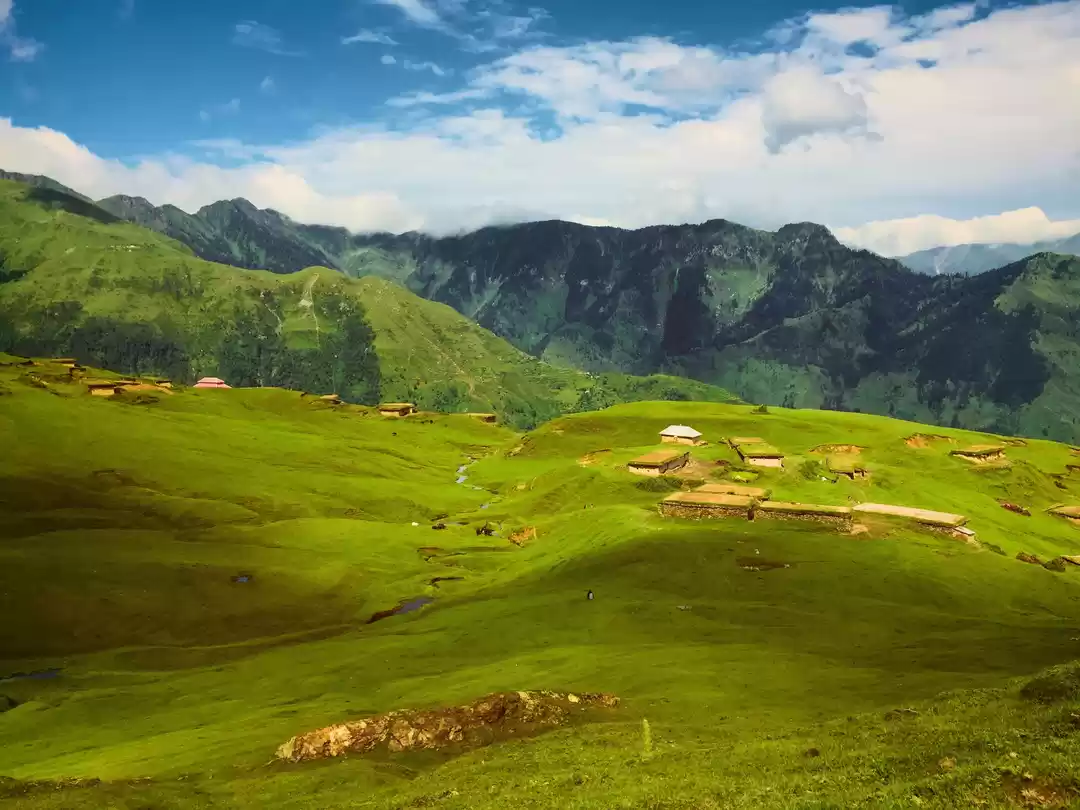
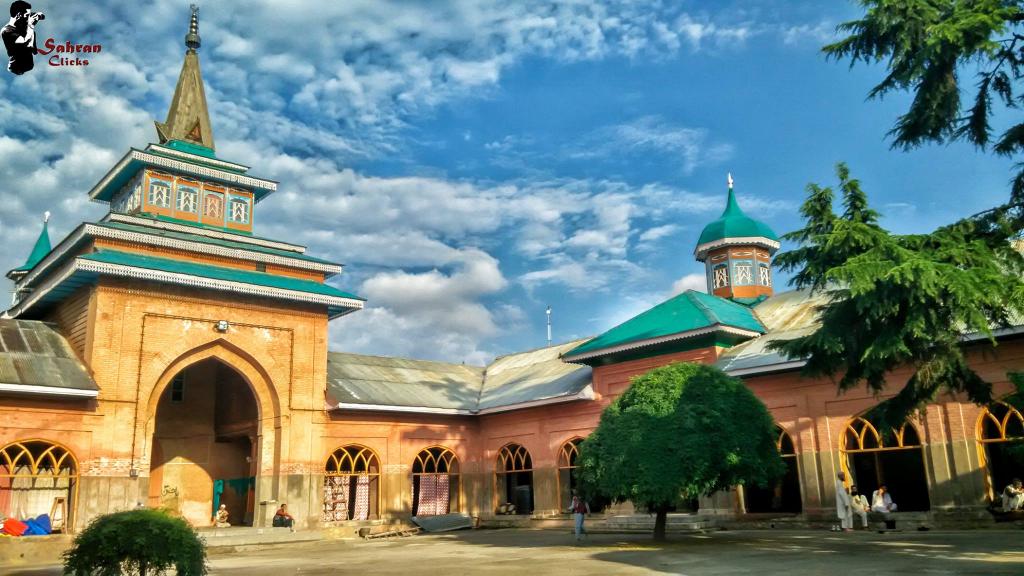
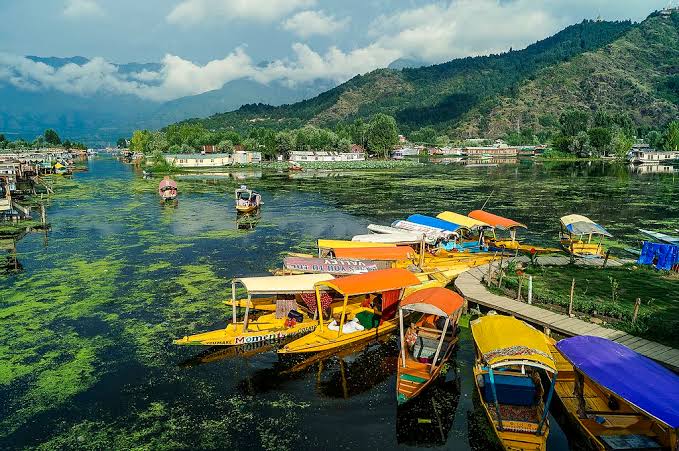
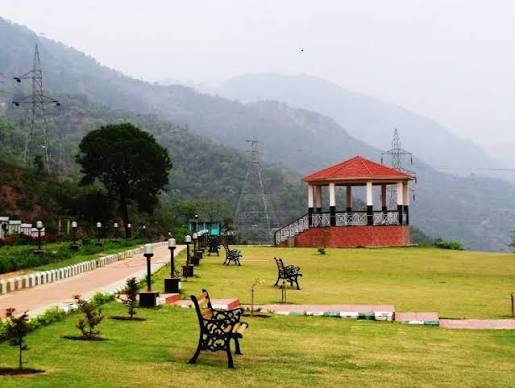
Jammu & Kashmir – Where Mountains, Lakes and Heritage Meet
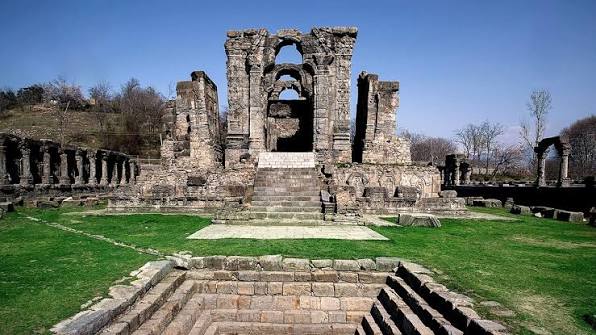
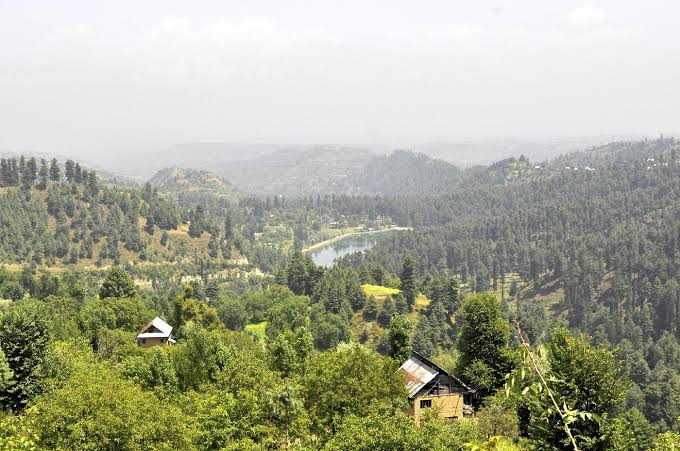
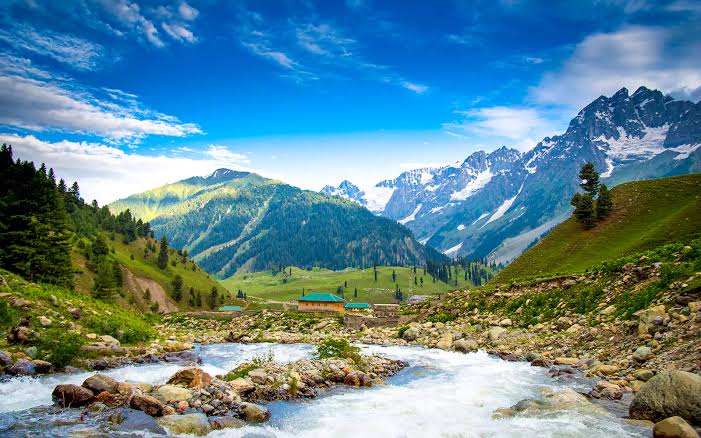
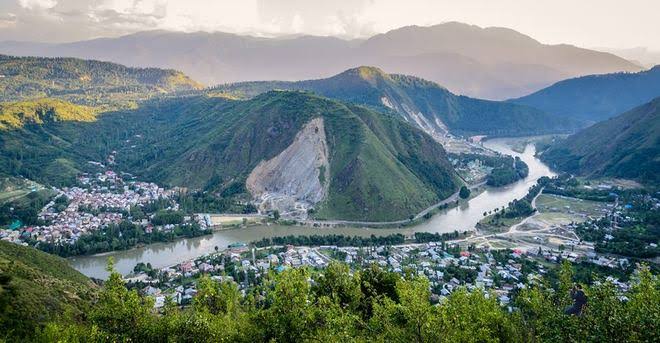
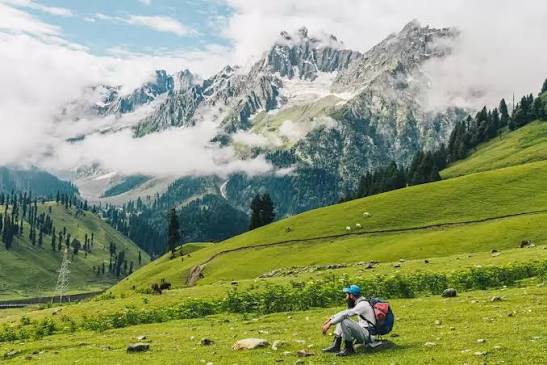
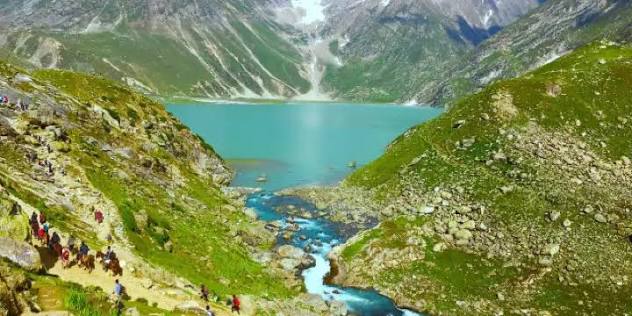
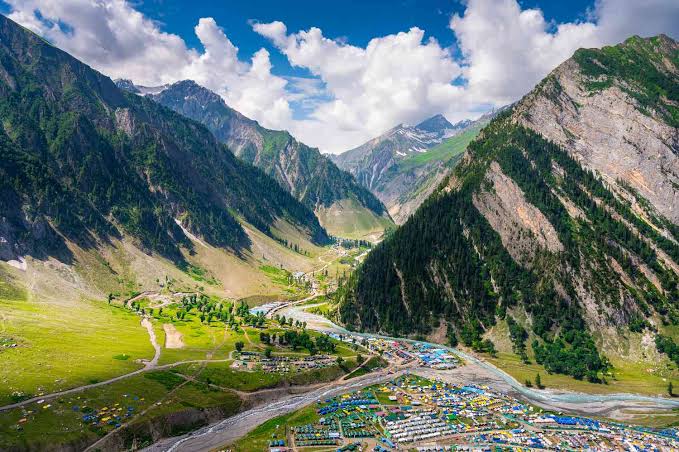
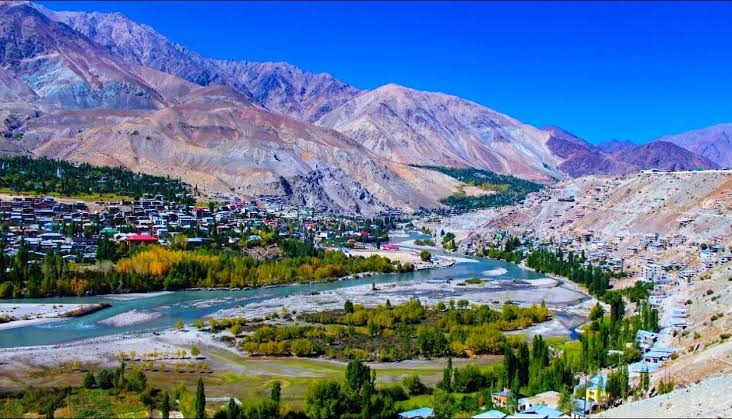
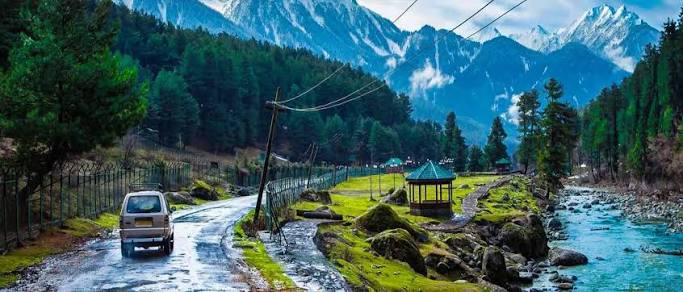
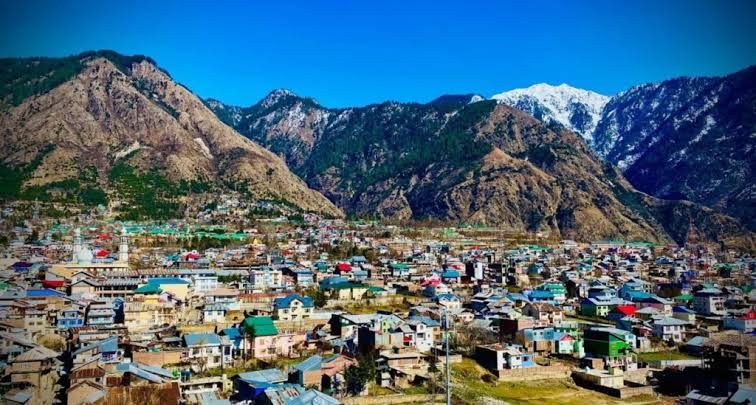
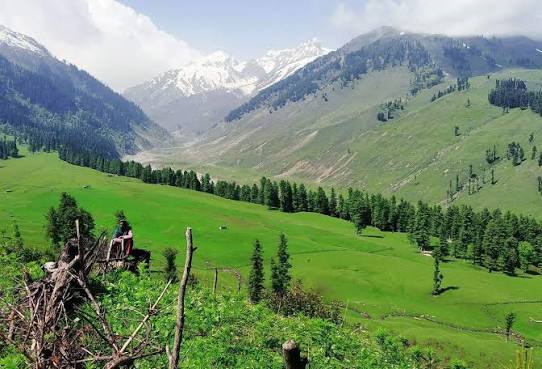
Jammu & Kashmir is one of India's most spectacular Himalayan destinations, known for its snow-covered mountains, green valleys, beautiful lakes, gardens, pilgrimage centres, rich traditions and distinctive cuisine. The region offers a remarkable combination of natural beauty, spirituality, history, culture and adventure.
From the tranquil waters of Dal Lake and the meadows of Gulmarg to the pilgrimage centres of Vaishno Devi and the historic city of Jammu, Jammu & Kashmir offers experiences for many different types of travellers.
Today, Jammu & Kashmir is a Union Territory of India, reorganised in its present administrative form on 31 October 2019. Jammu and Srinagar serve as the winter and summer capitals respectively. The region remains one of India's most important destinations for tourism, pilgrimage, handicrafts, agriculture and horticulture. :contentReference[oaicite:2]{index=2}
Why Is Jammu & Kashmir Famous and Why Should You Visit?
Jammu & Kashmir is famous for its Himalayan landscapes, scenic valleys, lakes, gardens, religious sites, traditional handicrafts and unique food culture.
- Beautiful Kashmir Valley: Famous for mountains, meadows, lakes, rivers and orchards.
- Dal Lake: One of the most recognisable attractions of Srinagar, known for houseboats and traditional shikaras.
- Gulmarg: A popular mountain destination known for snow, skiing and the Gulmarg Gondola.
- Pahalgam: Known for forests, rivers, meadows and beautiful mountain scenery.
- Sonamarg: A spectacular Himalayan destination surrounded by snow-covered peaks and alpine landscapes.
- Vaishno Devi: One of India's major pilgrimage destinations, located near Katra.
- Jammu: Known for temples, Dogra heritage, historic palaces and religious tourism.
- Mughal Gardens: Nishat Bagh, Shalimar Bagh and Chashme Shahi showcase Kashmir's historic garden tradition.
- Handicrafts: Kashmiri carpets, shawls, papier-mâché, woodwork and traditional embroidery are widely recognised.
- Kashmiri Cuisine: Dishes such as Rogan Josh, Yakhni, Dum Aloo, Wazwan preparations and Kahwa are popular.
- Adventure Tourism: Visitors can enjoy skiing, trekking, mountaineering, rafting, paragliding and other outdoor activities.
The Jammu & Kashmir Tourism Development Corporation lists destinations including Srinagar, Gulmarg, Pahalgam, Sonamarg, Gurez, Doodhpathri, Yusmarg and several lakes and gardens among the region's tourism attractions. :contentReference[oaicite:3]{index=3}
History of Jammu & Kashmir
Ancient History
Jammu & Kashmir has a long and complex history shaped by different kingdoms, religious traditions, trading routes and cultural influences. The Kashmir Valley has historically been an important centre of learning, Buddhism, Hindu traditions and later Islamic culture.
The geographical position of the region between the Indian subcontinent and Central Asia contributed to its cultural and commercial importance.
History of Jammu
The history of Jammu is closely associated with the Dogra tradition. According to the traditional account preserved by Jammu & Kashmir Tourism, the city is named after Jambu Lochan, a ruler associated with the area around the ninth century.
Jammu developed as an important settlement and later became associated with trade routes connecting the region with Kashmir and areas further west. :contentReference[oaicite:4]{index=4}
Dogra Rule
The 19th century was an important period in the political history of Jammu and Kashmir. Maharaja Gulab Singh became a central figure in the formation of the princely state of Jammu and Kashmir.
The Treaty of Amritsar in 1846 followed the First Anglo-Sikh War and established Gulab Singh as the ruler of Jammu and Kashmir under the arrangements of the treaty. The Dogra dynasty subsequently ruled the princely state until India's independence. :contentReference[oaicite:5]{index=5}
1947 and Later History
In 1947, during the period surrounding the partition of British India, the princely state of Jammu and Kashmir became the subject of conflict and political developments. Maharaja Hari Singh signed the Instrument of Accession to India in October 1947.
The region subsequently experienced major political and military developments, and its constitutional and administrative position evolved over the decades.
Reorganisation in 2019
On 31 October 2019, the former state of Jammu and Kashmir was reorganised into two Union Territories: Jammu & Kashmir and Ladakh.
The Jammu & Kashmir Reorganisation Act, 2019 established the administrative framework for the Union Territory of Jammu and Kashmir. :contentReference[oaicite:6]{index=6}
Geography of Jammu & Kashmir
Jammu & Kashmir is located in the northern part of India and forms part of the western Himalayan region. Its landscape is extremely diverse, ranging from lower hills and plains around Jammu to high mountain valleys, alpine meadows and snow-covered peaks in the Kashmir region.
The region is characterised by major mountain systems including the Pir Panjal and Himalayan ranges. The Kashmir Valley lies between major mountain ranges and contains rivers, lakes, wetlands, forests, orchards and agricultural areas.
Jammu & Kashmir's geography is one of the major reasons for its popularity as a tourism destination. JKTDC describes the region through its combination of mountains, meadows, lakes, orchards and rivers. :contentReference[oaicite:7]{index=7}
Major Geographic Features
- Himalayan Mountains
- Pir Panjal Range
- Kashmir Valley
- Chenab River
- Jhelum River
- Tawi River
- Dal Lake
- Wular Lake
- Manasbal Lake
- Alpine Meadows
- Coniferous Forests
Climate of Jammu & Kashmir
The climate varies considerably across Jammu & Kashmir because of differences in altitude and geography. Jammu generally experiences warmer summers, while the Kashmir Valley has cool summers and cold winters with snowfall in many higher areas.
| Season | General Conditions |
|---|---|
| Spring | Pleasant weather, flowering gardens and fresh green landscapes. |
| Summer | Comfortable in many parts of Kashmir, while Jammu can become considerably warmer. |
| Monsoon | Rainfall varies by location, with some areas remaining comparatively drier due to Himalayan geography. |
| Autumn | Cool weather, clear skies and beautiful golden landscapes. |
| Winter | Cold weather with snowfall in Kashmir's higher areas and popular ski destinations. |
Culture and Traditions of Jammu & Kashmir
Jammu & Kashmir has a rich cultural identity shaped by its different geographical regions and communities. The traditions of Jammu, Kashmir and the surrounding mountain areas each contribute distinctive languages, food, clothing, music, crafts and festivals.
Kashmiri Culture
Kashmiri culture is known for its traditional handicrafts, poetry, music, cuisine, woodwork, embroidery and distinctive architectural traditions.
Dogra Culture
The Jammu region has a strong Dogra cultural heritage. Traditional Dogri food, music, festivals, temples, paintings and architecture remain important elements of the region's identity.
Traditional Clothing
The pheran is one of the best-known traditional garments of Kashmir. Woollen clothing is particularly important during the cold winter months.
Handicrafts
Jammu & Kashmir is renowned for carpets, shawls, papier-mâché, walnut wood carving, embroidery and traditional textiles.
Music and Dance
Traditional music and dance forms remain an important part of local cultural celebrations, weddings and festivals.
Architecture of Jammu & Kashmir
The architecture of Jammu & Kashmir reflects centuries of religious, royal and cultural influences.
Mughal Gardens
The famous gardens of Srinagar represent the historic Mughal garden tradition. Shalimar Bagh, Nishat Bagh and Chashme Shahi are particularly known for their terraces, fountains, water channels and views of the surrounding landscape.
Mubarak Mandi Palace
Mubarak Mandi Palace in Jammu was the historic residence of the Dogra rulers. Its architecture combines several influences and reflects the region's royal heritage. :contentReference[oaicite:8]{index=8}
Temples and Shrines
Jammu & Kashmir contains numerous temples, mosques, shrines, monasteries and other religious structures reflecting the region's diverse history.
Famous Places in Jammu & Kashmir
Srinagar
Srinagar is the summer capital of Jammu & Kashmir and one of the most popular destinations in the region. The city is famous for Dal Lake, houseboats, shikaras, Mughal gardens, historic mosques and traditional markets.
Dal Lake
Dal Lake is one of Srinagar's most recognisable attractions. Visitors can enjoy shikara rides, houseboat stays and views of the surrounding mountains.
Gulmarg
Gulmarg is a famous mountain resort surrounded by meadows and high peaks. During winter, it becomes a major destination for snow activities and skiing. The Gulmarg Gondola is another major attraction.
Pahalgam
Pahalgam is known for its forests, rivers, mountain scenery and meadows. It is also associated with the route of the Amarnath Yatra.
Sonamarg
Sonamarg, meaning Meadow of Gold, is a beautiful Himalayan destination known for its mountain landscapes, meadows and access to high-altitude areas.
Doodhpathri
Doodhpathri is a scenic destination surrounded by green meadows, streams, forests and mountains. It offers a quieter alternative to some of Kashmir's more heavily visited destinations.
Yusmarg
Yusmarg is known for its peaceful meadows, forests and mountain scenery. It is suitable for visitors looking for a more relaxed nature experience.
Gurez Valley
Gurez Valley is a beautiful and comparatively remote Himalayan destination known for mountain scenery, traditional settlements, rivers and scenic landscapes.
Jammu
Jammu is the winter capital and an important gateway to several pilgrimage destinations. It is famous for temples, Dogra heritage, markets and historic sites.
Vaishno Devi and Katra
Katra is the principal base for pilgrims travelling to the Vaishno Devi shrine. The pilgrimage is one of the most important religious journeys in northern India.
Patnitop
Patnitop is a popular hill resort in the Jammu region, surrounded by forests and mountain landscapes. Activities include nature walks, trekking and adventure experiences. :contentReference[oaicite:9]{index=9}
Mansar Lake
Mansar Lake is a scenic lake near Jammu surrounded by greenery. Visitors can enjoy boating and explore the peaceful natural surroundings.
Bhaderwah
Bhaderwah is a scenic mountain destination in the Jammu region known for forests, valleys, meadows and surrounding Himalayan landscapes.
Famous Dishes of Jammu & Kashmir
The cuisine of Jammu & Kashmir is one of the most distinctive parts of its cultural identity. The food traditions of Jammu and Kashmir have their own characteristics and include both vegetarian and meat-based dishes.
Rogan Josh
Rogan Josh is one of the best-known Kashmiri dishes. It is a richly flavoured meat preparation traditionally cooked with aromatic spices.
Yakhni
Yakhni is a yoghurt-based preparation known for its delicate flavour and aromatic spices.
Kashmiri Dum Aloo
Kashmiri Dum Aloo consists of potatoes cooked slowly in a rich and aromatic gravy. It is one of the popular vegetarian dishes associated with Kashmiri cuisine.
Gushtaba
Gushtaba is a traditional Kashmiri meat preparation consisting of meatballs cooked in a yoghurt-based gravy and is often associated with the elaborate Wazwan tradition.
Wazwan
Wazwan is a traditional multi-course Kashmiri feast, particularly important during weddings and major celebrations. It features a variety of meat-based dishes prepared by specialised cooks.
Modur Pulao
Modur Pulao is a Kashmiri-style sweet and aromatic rice preparation containing spices and dry fruits.
Kaladi Kulcha
Kaladi is a traditional cheese associated particularly with the Jammu region. It is commonly enjoyed with bread or kulcha.
Rajma
Rajma is especially popular in Jammu and surrounding hill regions. Jammu's cuisine is known for dishes based on local rajma varieties.
Patisa
Patisa is a traditional sweet associated with Jammu and is popular in local markets.
Kahwa
Kahwa is a traditional Kashmiri green tea prepared with aromatic spices, saffron and dry fruits. It is particularly enjoyable during cold weather.
JKTDC highlights dishes such as Rogan Josh, Yakhni, Dum Olav, Goshtaba and Modur Pulao in its information on Kashmiri cuisine, while Jammu's cuisine includes dishes such as Rajma, Aloo Dum, Patisa and Kalaadi. :contentReference[oaicite:10]{index=10}
Famous Personalities Associated with Jammu & Kashmir
Maharaja Gulab Singh
Maharaja Gulab Singh was the founder of the Dogra dynasty that ruled Jammu and Kashmir. He played a major role in the formation of the princely state in the 19th century. :contentReference[oaicite:11]{index=11}
Maharaja Hari Singh
Maharaja Hari Singh was the last ruling Maharaja of the princely state of Jammu and Kashmir. He was the ruler during the important political developments of 1947.
Sheikh Abdullah
Sheikh Abdullah was a major political figure in the modern history of Jammu and Kashmir and served as the region's first Prime Minister after independence-era political changes.
Lal Ded
Lal Ded, also known as Lalleshwari, was a celebrated Kashmiri mystic poet whose verses remain an important part of Kashmir's literary and spiritual heritage.
Habba Khatoon
Habba Khatoon was a renowned Kashmiri poet whose poetry is remembered as an important part of Kashmiri literary culture.
Mahjoor
Ghulam Ahmad Mahjoor was a prominent Kashmiri poet whose work contributed significantly to modern Kashmiri literature.
Famous Festivals of Jammu & Kashmir
Navratri
Navratri is celebrated with particular importance in the Jammu region, especially around the Vaishno Devi pilgrimage centre.
Hemis Festival
Hemis Festival is a major Buddhist cultural celebration associated with the wider Himalayan region and is observed at Hemis Monastery in Ladakh. Travellers planning a broader Himalayan itinerary may include it separately from the Jammu & Kashmir Union Territory.
Baisakhi
Baisakhi is celebrated across Jammu with religious, agricultural and cultural significance.
Shivratri
Shivratri is celebrated with religious devotion across Jammu & Kashmir, particularly at important Shiva temples.
Urs Festivals
Urs celebrations at various Sufi shrines form an important part of the region's religious and cultural traditions.
Tulip Festival
The spring tulip season in Srinagar is one of the region's most popular seasonal attractions. The gardens become especially colourful when tulips bloom against the Himalayan landscape.
Things to Do in Jammu & Kashmir
- Take a Shikara Ride: Enjoy a traditional boat ride on Dal Lake.
- Stay on a Houseboat: Experience one of Srinagar's most distinctive accommodation traditions.
- Visit Mughal Gardens: Explore Nishat Bagh, Shalimar Bagh and Chashme Shahi.
- Enjoy Snow Activities: Visit Gulmarg during winter for skiing and snow experiences.
- Explore Pahalgam: Enjoy mountain landscapes, forests, meadows and rivers.
- Visit Sonamarg: Experience spectacular Himalayan scenery.
- Go Trekking: Several mountain areas offer trekking opportunities.
- Visit Vaishno Devi: Undertake the pilgrimage from Katra.
- Explore Jammu's Heritage: Visit temples, palaces, museums and historic markets.
- Shop for Handicrafts: Look for carpets, shawls, papier-mâché and walnut wood products.
- Try Local Cuisine: Taste Kashmiri and Dogra dishes.
- Enjoy Photography: Mountains, lakes, gardens, houseboats and valleys provide excellent photography opportunities.
- Enjoy Nature: Explore meadows, forests, rivers and alpine landscapes.
Where to Eat, Shop, and Stay in Jammu & Kashmir
Where to Eat
Srinagar and Jammu offer a wide range of restaurants, cafés, traditional eateries and local food markets.
In Srinagar, travellers should try traditional Kashmiri cuisine, while Jammu is a good place to explore Dogra dishes and regional sweets.
Where to Shop
Jammu & Kashmir is famous for traditional handicrafts and locally produced goods.
- Kashmiri carpets
- Pashmina and woollen shawls
- Papier-mâché products
- Walnut wood carving
- Traditional embroidery
- Dry fruits
- Saffron
- Traditional spices
- Local sweets
Markets in Srinagar offer many traditional Kashmiri products, while Jammu's markets are known for Dogra jewellery, handicrafts, dry fruits and regional food products. :contentReference[oaicite:12]{index=12}
Where to Stay
Travellers can find accommodation ranging from budget hotels and guesthouses to luxury hotels, resorts, houseboats and homestays.
- Budget: Guesthouses, budget hotels and selected homestays.
- Mid-Range: Comfortable hotels in Srinagar, Jammu, Pahalgam and other tourist centres.
- Luxury: Premium hotels, resorts and heritage-style properties.
- Unique Experience: Traditional houseboat stays in Srinagar.
JKTDC operates accommodation facilities across major destinations including Srinagar, Pahalgam, Gulmarg, Sonamarg, Jammu, Katra, Patnitop and other tourist areas. :contentReference[oaicite:13]{index=13}
What Is Jammu & Kashmir Famous For?
Jammu & Kashmir is particularly famous for:
- Dal Lake and Srinagar
- Gulmarg and winter tourism
- Pahalgam and its mountain landscapes
- Sonamarg
- Vaishno Devi pilgrimage
- Jammu's Dogra heritage
- Mughal Gardens
- Kashmiri carpets and handicrafts
- Pashmina and traditional shawls
- Kashmiri cuisine and Wazwan
- Saffron and dry fruits
- Himalayan landscapes
- Houseboats and shikara rides
- Adventure tourism
Best Time to Visit Jammu & Kashmir
The best time to visit depends on what type of experience you want. Spring and summer are excellent for gardens, valleys and sightseeing, while winter is popular for snow and skiing in higher destinations.
| Season | Months | What to Expect |
|---|---|---|
| Spring | March – April | Tulips, flowering gardens and pleasant weather. |
| Summer | May – June | Comfortable weather in much of Kashmir and excellent conditions for sightseeing. |
| Monsoon | July – September | Green landscapes, although rainfall and road conditions can vary. |
| Autumn | October – November | Cool weather, clear views and beautiful autumn colours. |
| Winter | December – February | Snowfall in many higher areas and excellent conditions for winter tourism. |
For general sightseeing, April to June and September to November are commonly comfortable periods. For snow experiences and skiing, winter is the preferred season for destinations such as Gulmarg.
How to Reach Jammu & Kashmir
By Air
Jammu & Kashmir has air connectivity through airports serving Jammu and Srinagar. Srinagar Airport is particularly convenient for travellers visiting the Kashmir Valley, while Jammu Airport is useful for Jammu, Katra and surrounding destinations.
By Train
Jammu is an important railway gateway to the region. Rail connectivity has also expanded towards the Kashmir Valley through the Udhampur–Srinagar–Baramulla Rail Link.
Travellers should check the latest train schedules and operational status before planning a journey.
By Road
Jammu & Kashmir is connected to neighbouring states through major highways and mountain roads. The road journey from Jammu towards Srinagar provides changing landscapes as the route passes through mountain areas.
Because mountain roads can be affected by weather, landslides and seasonal conditions, travellers should check current road conditions before starting long journeys.
Nearby Places to Visit
Amritsar
Amritsar in Punjab is famous for the Golden Temple, Jallianwala Bagh and its rich Sikh heritage.
Dalhousie
Dalhousie in Himachal Pradesh is a popular hill destination known for colonial architecture, pine forests and mountain views.
Manali
Manali is a major Himalayan destination in Himachal Pradesh known for mountains, valleys, adventure activities and winter tourism.
Chandigarh
Chandigarh is a planned modern city known for its architecture, gardens, museums and urban design.
Pathankot
Pathankot in Punjab is an important gateway towards Jammu, Himachal Pradesh and the surrounding Himalayan region.
Leh
Leh is the main urban centre of Ladakh and offers a dramatically different high-altitude Himalayan landscape. Travellers planning a trip here should treat Ladakh as a separate destination because it is now a separate Union Territory.
Best Duration for a Trip to Jammu & Kashmir
A 5 to 7-day trip is a good starting point for exploring the major attractions of the Kashmir Valley.
A sample itinerary can include:
- Day 1: Srinagar – Dal Lake and local sightseeing.
- Day 2: Srinagar – Mughal Gardens and old-city attractions.
- Day 3: Gulmarg.
- Day 4: Pahalgam.
- Day 5: Sonamarg.
- Day 6: Srinagar and shopping.
- Day 7: Flexible day or additional local sightseeing.
Travellers interested in Jammu and pilgrimage tourism can plan an additional 2 to 3 days for Jammu, Katra and nearby destinations.
Travel Tips for Jammu & Kashmir
- Check the weather forecast before travelling, especially during winter and monsoon periods.
- Carry warm clothing if visiting mountain destinations, even outside the peak winter season.
- Wear comfortable footwear because many attractions involve walking.
- Keep rain protection when travelling during periods of rainfall.
- Check road conditions before travelling through mountain routes.
- Book hotels and transport in advance during peak tourist seasons.
- Follow local rules and instructions at religious sites.
- Dress respectfully when visiting temples, mosques, shrines and other religious places.
- Ask permission before photographing people, especially in traditional communities.
- Purchase handicrafts from reputable sellers and ask about product authenticity when buying premium items.
- Keep some cash available when travelling outside major cities.
- Respect the local environment and avoid littering around lakes, mountains and meadows.
- Keep important identification and travel documents safely with you.
- For high-altitude destinations, allow sufficient time to adjust to the altitude.
Why Visit Jammu & Kashmir?
Jammu & Kashmir is worth visiting because it brings together several different travel experiences within one Himalayan region.
Visitors can begin with the lakes, gardens and heritage of Srinagar, travel to the snowy landscapes of Gulmarg, explore the meadows of Pahalgam, enjoy the mountain scenery of Sonamarg and experience the spiritual importance of Jammu and Katra.
The region is also an excellent destination for travellers interested in photography, food, handicrafts, adventure, spirituality, history and nature.
Its distinctive cuisine, traditional crafts, houseboats, gardens, mountain landscapes and cultural heritage make Jammu & Kashmir different from many other destinations in India.
Conclusion
Jammu & Kashmir is a destination where mountains, lakes, gardens, spirituality, history and culture come together. From the peaceful waters of Dal Lake and the colourful Mughal gardens of Srinagar to the snow-covered slopes of Gulmarg and the pilgrimage routes around Jammu and Katra, the region offers a wide variety of experiences.
The region's traditional cuisine, handicrafts, architecture and cultural traditions add another dimension to the journey. Travellers can enjoy everything from peaceful nature escapes and heritage exploration to adventure activities and spiritual journeys.
Whether you are visiting for the first time or returning to explore a different season, Jammu & Kashmir offers a memorable Himalayan travel experience shaped by its spectacular landscapes and rich cultural heritage.
Jammu & Kashmir is a place where every valley, lake, mountain and historic street tells a story.