
Explore Nagaland
Discover Nagaland
Cities of Nagaland
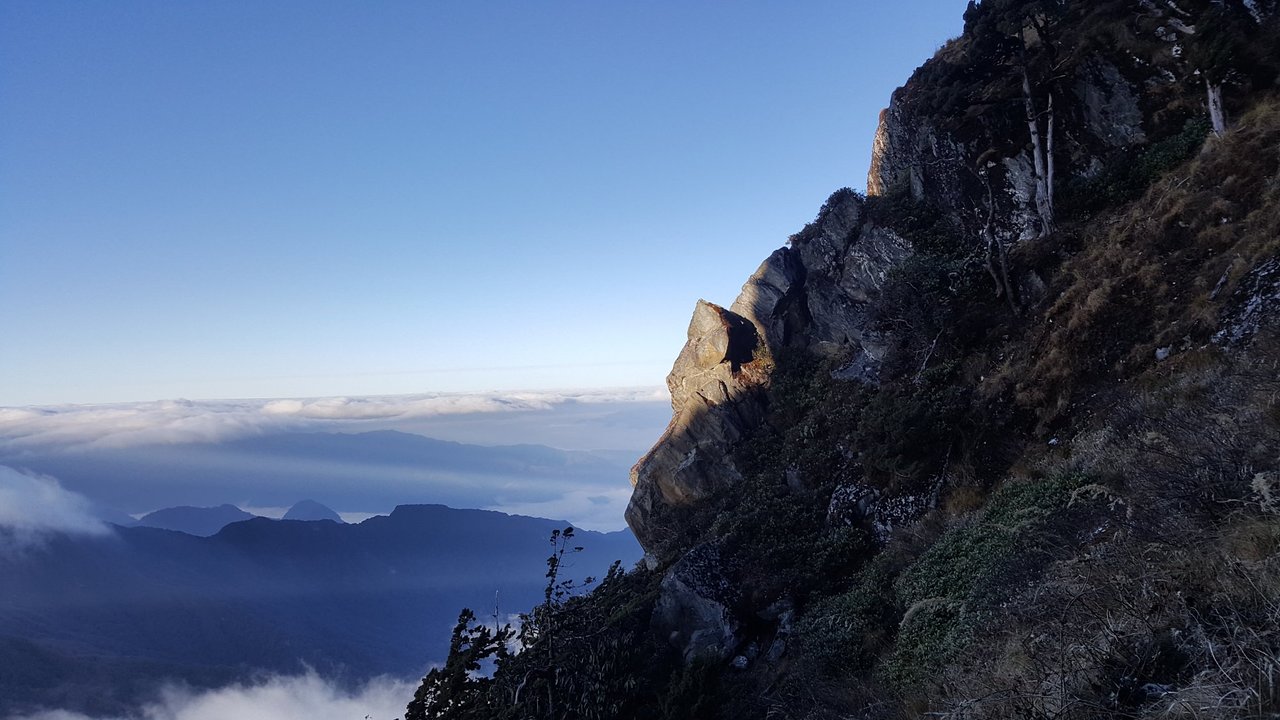
Nagaland – The Land of Festivals, Hills and Vibrant Naga Culture
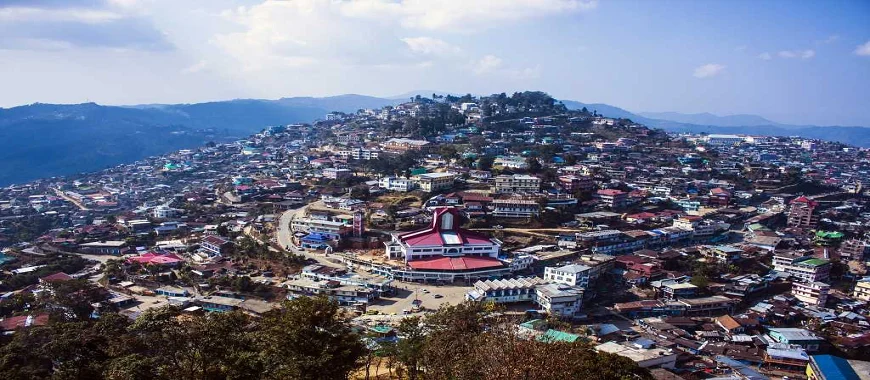
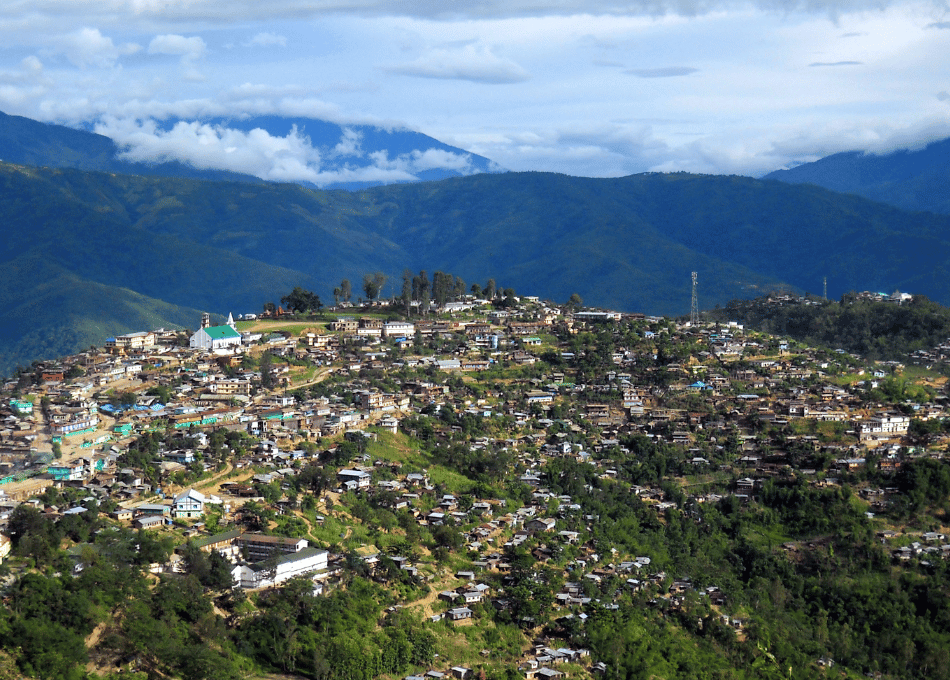
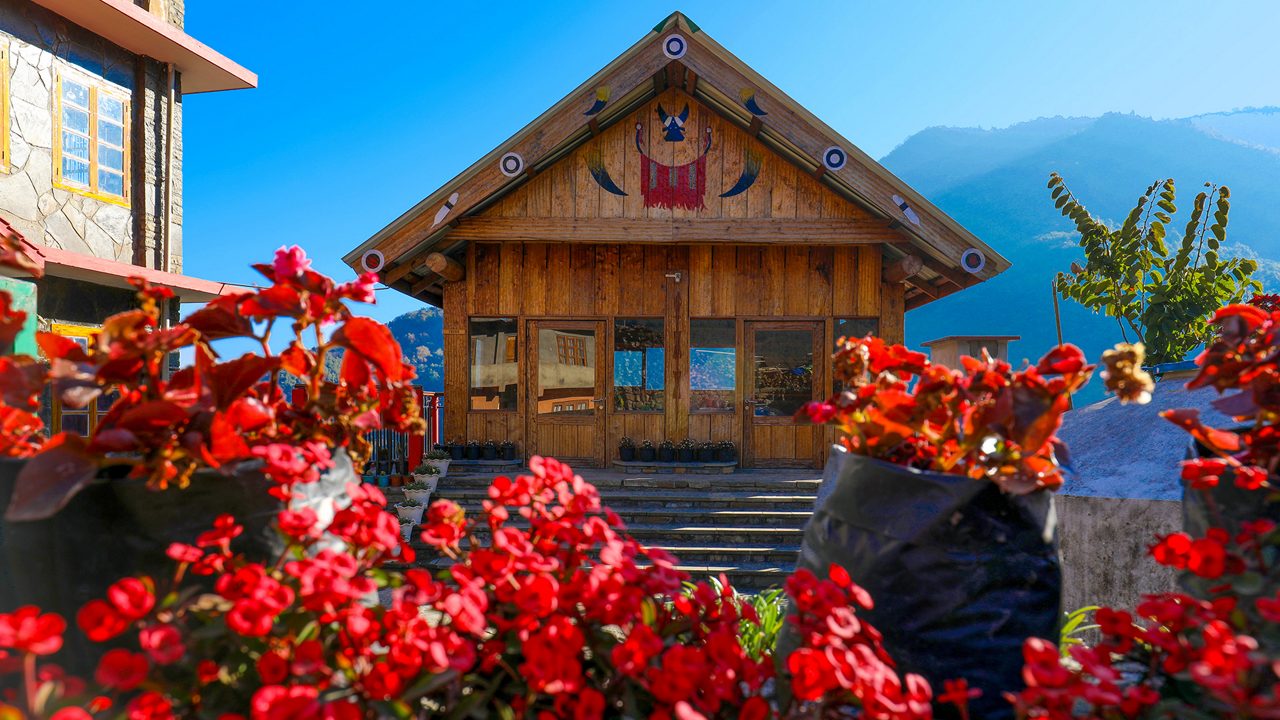
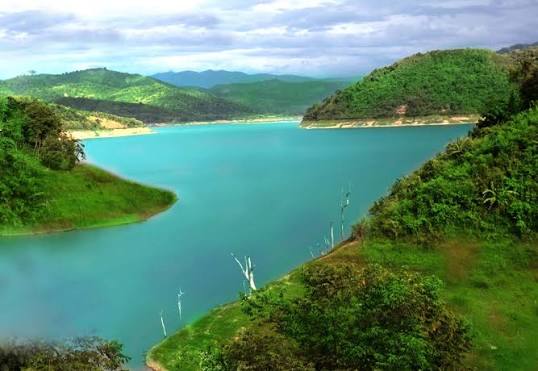
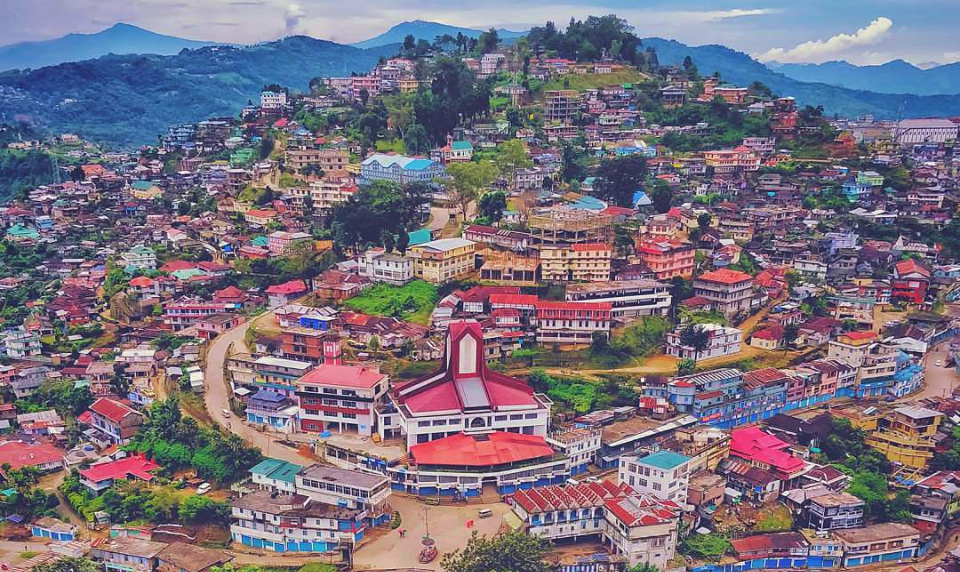
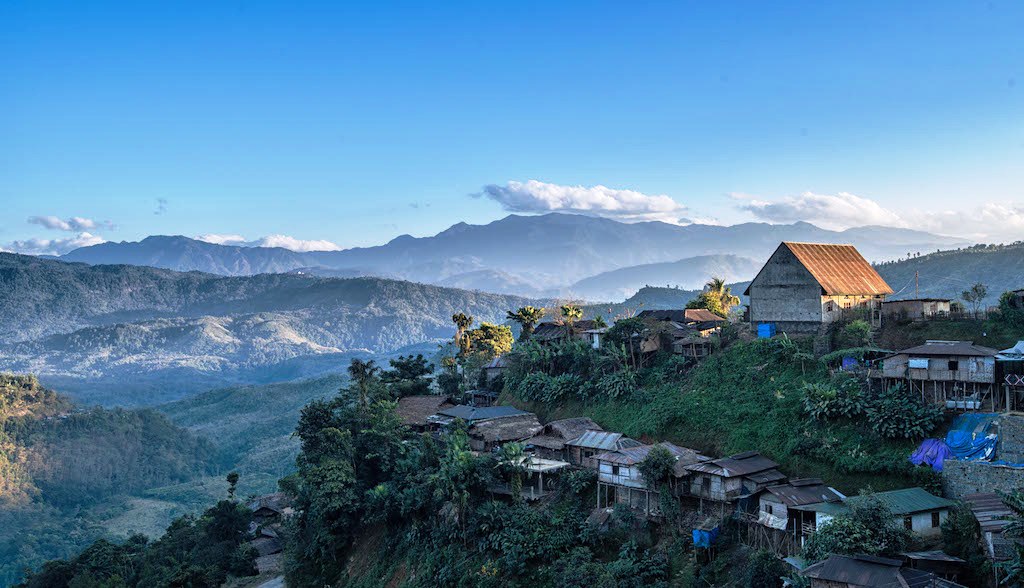
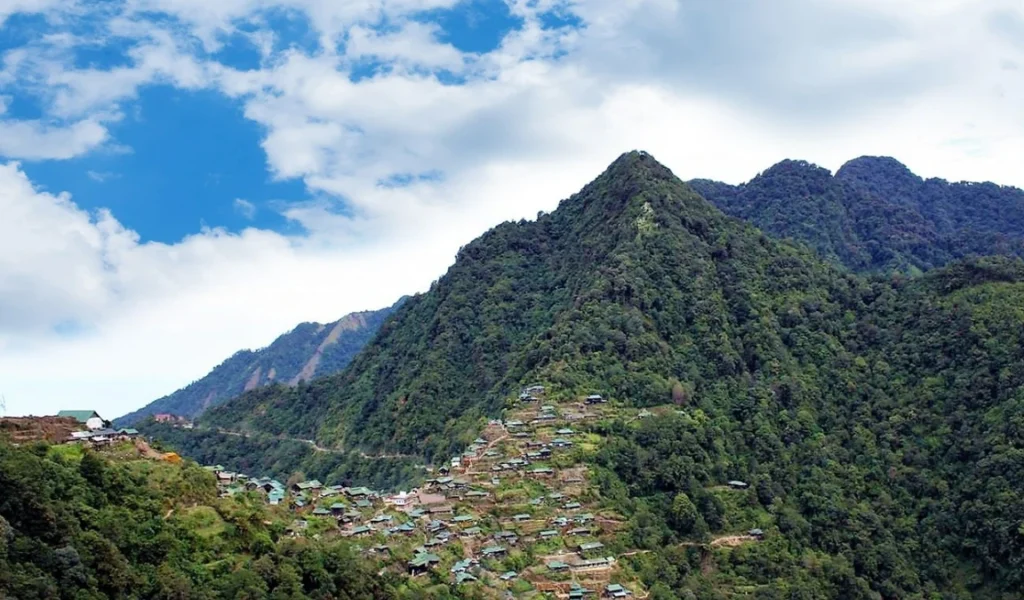
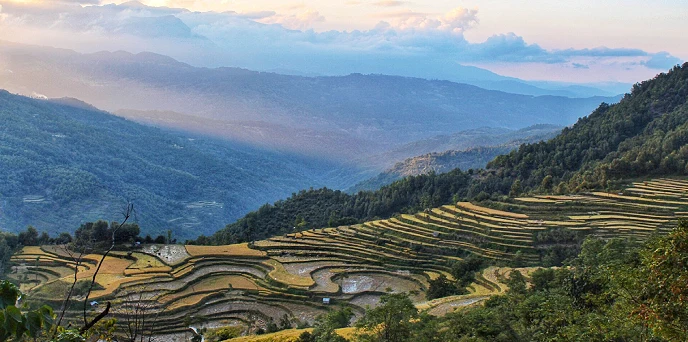
Nagaland is a beautiful state in Northeast India, famous for its spectacular hills, colourful tribal traditions, traditional villages, music, handicrafts, unique cuisine and vibrant festivals. Often known as the “Land of Festivals”, Nagaland offers travellers an opportunity to experience a distinctive combination of natural beauty and living cultural traditions.
The state became the 16th state of the Indian Union on 1 December 1963, with Kohima as its capital. Nagaland covers approximately 16,579 square kilometres and shares borders with Assam, Arunachal Pradesh, Manipur and Myanmar. :contentReference[oaicite:0]{index=0}
Nagaland is home to numerous Naga communities, each with distinctive customs, languages, traditional clothing, festivals and food traditions. The state's tourism experience therefore goes beyond sightseeing: visitors can explore villages, interact with local communities, experience traditional festivals, taste local cuisine and discover the stories preserved through songs, folklore and crafts.
From the lively streets of Kohima and the historic attractions of Dimapur to the spectacular Dzükoü Valley, Khonoma, Mon, Mount Saramati and Kisama Heritage Village, Nagaland offers a fascinating journey through the mountains and cultural heritage of Northeast India.
Why Is Nagaland Famous and Why Should You Visit?
Nagaland is famous for its combination of mountain landscapes, tribal heritage, traditional festivals, music, handicrafts and distinctive cuisine. The state's official tourism department describes its natural resources, ethnic culture, festivals, handicrafts and traditional customs as important tourism assets. :contentReference[oaicite:1]{index=1}
- Land of Festivals: Nagaland hosts numerous traditional tribal festivals throughout the year.
- Hornbill Festival: The annual Hornbill Festival showcases the cultural diversity, music, food, crafts and traditions of Nagaland.
- Beautiful Hills: Much of the state is mountainous, offering scenic valleys, forests and panoramic viewpoints.
- Dzükoü Valley: One of the most famous trekking and nature destinations in Nagaland.
- Khonoma Village: A historically important village known for its conservation traditions and scenic surroundings.
- Kohima: The capital city combines modern urban life with important cultural and historical attractions.
- Dimapur: The state's major commercial centre and an important gateway for travellers.
- Traditional Naga Food: Smoked meats, bamboo shoot, axone, local greens and rice form an important part of Naga cuisine.
- Music: Music is deeply connected with Naga life, ranging from traditional folk songs to contemporary music.
- Handicrafts: Bamboo, cane, textiles, beads and traditional craftwork are important parts of the local culture.
- Adventure: Trekking, camping, hiking, nature photography and village exploration are popular activities.
History of Nagaland
The history of Nagaland is closely connected with the many Naga communities that have lived in the mountainous region for generations. Traditional village societies developed their own systems of governance, customs, languages, agricultural practices and cultural traditions.
Traditional Naga Society
Historically, Naga communities lived largely in independent villages. Each community developed its own social structures, customary practices and traditions.
Oral traditions played a major role in preserving history. Folktales, songs, legends and stories were passed from one generation to another. The modern Nagaland State Portal continues to highlight folklore, music, traditional attire and community traditions as important parts of the state's identity. :contentReference[oaicite:2]{index=2}
British Period
British influence expanded into the Naga Hills during the nineteenth century. The region subsequently became part of the administrative arrangements of British India.
Missionary activity also had a significant influence on education, language, social institutions and religious life in the region.
Naga Hills and Assam
During the British period and after Indian independence, the Naga Hills were administered through different political and administrative arrangements connected with Assam.
The demand for greater political autonomy eventually became an important part of the region's modern history.
Formation of Nagaland
Nagaland was formally inaugurated as the 16th state of the Indian Union on 1 December 1963. Kohima became the state capital, while Dimapur developed as an important commercial and transport centre. :contentReference[oaicite:3]{index=3}
The formation of the state marked an important stage in the political and administrative history of the Naga Hills.
Geography of Nagaland
Nagaland is located in the northeastern part of India. The state is predominantly mountainous, with hills, valleys, forests and river systems forming much of its landscape.
It shares borders with:
- Assam to the west and northwest
- Arunachal Pradesh to the northeast
- Manipur to the south
- Myanmar to the east
Nearly the entire state consists of hilly terrain. The elevation rises from the lower areas bordering Assam towards the higher mountains in the southeast. Mount Saramati is the highest peak of Nagaland, reaching approximately 3,840 metres. :contentReference[oaicite:4]{index=4}
Major Rivers of Nagaland
The mountainous landscape is crossed by numerous rivers and streams. Important rivers include:
- Dhansiri
- Doyang
- Dikhu
- Milak
- Tizu
- Zungki
These rivers and their tributaries have shaped the valleys and agricultural landscapes of the state. :contentReference[oaicite:5]{index=5}
Forests and Natural Landscape
Nagaland contains a variety of forest ecosystems because of its elevation, rainfall and geographical position. The state's landscapes range from subtropical forests to high mountain environments.
Its forests are also associated with medicinal plants and diverse wildlife, making nature and eco-tourism important components of Nagaland's tourism potential. :contentReference[oaicite:6]{index=6}
Climate of Nagaland
Nagaland has a monsoonal climate with significant rainfall during the southwest monsoon. Rainfall is generally concentrated between May and September, while temperatures vary considerably according to elevation. :contentReference[oaicite:7]{index=7}
The state's official profile records average annual rainfall of approximately 1,800–2,500 mm. :contentReference[oaicite:8]{index=8}
| Season | Approximate Period | General Weather |
|---|---|---|
| Spring | March – April | Pleasant temperatures with fresh greenery and flowering landscapes. |
| Summer | May – June | Warm conditions with increasing rainfall. |
| Monsoon | June – September | Heavy rainfall and exceptionally green landscapes. |
| Autumn | October – November | Generally pleasant weather and clearer conditions. |
| Winter | December – February | Cool weather, especially in higher areas. |
People and Culture of Nagaland
Nagaland is culturally diverse, with different Naga communities maintaining their own traditions, languages, clothing, festivals and food practices.
The Nagaland State Portal currently identifies 17 major tribes, including Angami, Ao, Chakhesang, Chang, Kachari, Khiamniungan, Konyak, Kuki, Lotha, Phom, Pochury, Rengma, Sangtam, Sumi, Tikhir, Yimkhiung and Zeliang. :contentReference[oaicite:9]{index=9}
Traditional Clothing
Traditional Naga clothing is one of the most recognisable aspects of the state's cultural identity. Different communities have distinctive shawls, garments, ornaments, beads and accessories.
Traditional designs often communicate aspects of community identity, heritage and social traditions.
Music and Songs
Music is deeply embedded in Naga cultural life. Traditional songs preserve stories, memories, legends and community history.
Modern music is also an important part of Nagaland's identity. The state has promoted music as an industry, and the Hornbill Festival includes major music events and performances. :contentReference[oaicite:10]{index=10}
Village Life
Traditional village life remains an important part of the Nagaland travel experience. Visitors can explore village architecture, agricultural landscapes, community spaces and traditional homes.
Village homestays can provide opportunities to learn about local food, crafts and everyday life. :contentReference[oaicite:11]{index=11}
Famous Places to Visit in Nagaland
Kohima
Kohima is the capital of Nagaland and one of the state's most important cultural and historical centres.
The city is surrounded by hills and provides access to several major attractions, including the Kohima War Cemetery, Naga Heritage Village, State Museum and surrounding villages.
Kohima War Cemetery
The Kohima War Cemetery commemorates soldiers who died during the Second World War, particularly during the Battle of Kohima.
It is one of the most significant historical sites in the city and is maintained as a place of remembrance.
Kisama Heritage Village
Kisama Heritage Village is located near Kohima and is the principal venue for the annual Hornbill Festival.
The heritage complex brings together representations of traditional Naga village architecture and provides a cultural setting for festivals, performances, food and handicrafts.
Dzükoü Valley
Dzükoü Valley is one of Nagaland's most famous natural attractions. Located in the border region between Nagaland and Manipur, the valley is known for rolling hills, seasonal flowers, grasslands and spectacular mountain scenery.
It is especially popular among trekkers, photographers and nature lovers.
The valley is featured prominently by Nagaland Tourism as one of the state's leading natural destinations. :contentReference[oaicite:12]{index=12}
Khonoma Village
Khonoma is a historic Angami village near Kohima, famous for its beautiful mountain setting and conservation traditions.
The village has become an important example of community-based conservation and sustainable tourism in Nagaland.
It is also recognised by the Nagaland Tourism Department as an important heritage and tourism destination. :contentReference[oaicite:13]{index=13}
Dimapur
Dimapur is the commercial centre of Nagaland and an important gateway to the state.
The city is home to the historic Kachari Rajbari Ruins, one of the state's most important archaeological attractions.
Kachari Rajbari Ruins
The Kachari Rajbari Ruins in Dimapur consist of distinctive stone structures associated with the medieval Kachari civilisation.
The geometric pillars and ruins provide an interesting contrast to Nagaland's predominantly mountainous and tribal cultural attractions.
Mon
Mon, in northeastern Nagaland, is particularly associated with the Konyak community and traditional village culture.
The region is known for its distinctive cultural traditions, traditional crafts, festivals and mountainous landscapes.
Longwa Village
Longwa is one of the most fascinating villages in Mon district. The village lies close to the international boundary with Myanmar and is associated with the Konyak community.
Its distinctive location and traditional culture make Longwa a popular destination for travellers interested in cultural tourism.
Mount Saramati
Mount Saramati is the highest peak in Nagaland, reaching approximately 3,840 metres.
The mountain lies in the eastern part of the state near the Myanmar border and is an important destination for trekkers and adventure travellers. :contentReference[oaicite:14]{index=14}
Mokokchung
Mokokchung is one of the important cultural centres of the Ao Naga community.
The district is known for traditional villages, scenic hills, festivals and rich cultural heritage.
Wokha
Wokha is known for its beautiful landscapes, hills, orchards and the cultural traditions of the Lotha community.
The region provides opportunities for nature walks, photography and exploring rural Nagaland.
Phek
Phek is a mountainous district known for scenic landscapes, forests, villages and access to destinations such as Dzükoü and other trekking areas.
Shilloi Lake
Shilloi Lake, also known as Latsam Lake, is a scenic natural lake in the Phek region. It is surrounded by hills and forests and is associated with local traditions and folklore.
Japfü Peak
Japfü Peak is one of the prominent mountains near Kohima and is a popular destination for trekking and mountain views.
The surrounding region is also known for rhododendrons and scenic highland landscapes.
Famous Personalities Associated with Nagaland
Rani Gaidinliu
Rani Gaidinliu was a prominent Naga spiritual and political leader who participated in the movement against British rule.
She became an important historical figure associated with the indigenous communities of the region.
Neiphiu Rio
Neiphiu Rio is a prominent political leader from Nagaland who has served multiple terms as Chief Minister of the state.
Temjen Imna Along
Temjen Imna Along is a Nagaland political leader who has also become widely recognised through his public communication and social media presence.
Dr. T. Ao
Dr. T. Ao was a legendary Indian footballer from Nagaland and served as captain of India's football team at the 1948 London Olympics.
He remains an important sporting figure in the history of Nagaland and Indian football.
Famous Food of Nagaland
Naga cuisine is an important part of the state's cultural identity. Traditional food commonly uses locally available vegetables, herbs, bamboo shoot, fermented ingredients, smoked meat and rice.
The official Nagaland State Portal highlights ingredients such as bamboo shoot, axone, smoked meats and foraged greens as important elements of local cuisine. :contentReference[oaicite:15]{index=15}
Smoked Pork with Bamboo Shoot
Smoked pork combined with bamboo shoot is one of the well-known flavours associated with Naga cuisine. The smoking process gives the meat a distinctive flavour while bamboo shoot adds a characteristic regional taste.
Axone
Axone, made from fermented soybeans, is a distinctive ingredient used in several Naga dishes.
It is particularly associated with strong, fermented flavours and is commonly combined with meat or vegetables.
Galho
Galho is a rice-based dish prepared with vegetables, meat or other ingredients. It is often compared to a local rice porridge or one-pot meal.
Hinkejvu
Hinkejvu is a traditional vegetable-based dish associated with Naga cuisine. It is prepared using local vegetables and is known for its simple preparation.
Akibiye
Akibiye is a traditional vegetable preparation associated with Naga cuisine and reflects the importance of locally grown greens in everyday food.
Naga Chilli
Nagaland is famous for its extremely hot Naga King Chilli, also known as Bhut Jolokia in broader northeastern food culture.
Naga chillies are used in various local preparations and are an important part of the region's culinary identity.
Rice
Rice is the staple food of Nagaland and forms the foundation of many traditional meals.
Traditional Arts and Handicrafts of Nagaland
Nagaland has a rich handicraft tradition based on materials such as bamboo, cane, wood, textiles and beads.
Bamboo and Cane Crafts
Bamboo and cane are traditionally used to make baskets, storage products, furniture, household objects and decorative items.
Traditional Weaving
Handwoven textiles are an important part of Naga culture. Different communities have distinctive patterns, colours and designs.
Beadwork and Jewellery
Traditional ornaments made using beads, metal and other materials are commonly associated with Naga ceremonial clothing.
Woodcraft
Wood has historically been used for architectural elements, household objects and decorative cultural items.
Famous Festivals of Nagaland
Hornbill Festival
The Hornbill Festival is Nagaland's most internationally recognised cultural festival.
It is held annually from 1 to 10 December and was conceptualised in 2000 as a tourism promotion event showcasing Nagaland's cultural heritage. :contentReference[oaicite:16]{index=16}
The festival brings together traditional dances, music, food, handicrafts, cultural performances and events representing different Naga communities.
Sekrenyi
Sekrenyi is an important traditional festival of the Angami community. It is associated with purification, community traditions and cultural celebrations.
Moatsu
Moatsu is celebrated by the Ao community and is associated with the agricultural cycle, community gatherings, feasting and cultural activities.
Aoleang
Aoleang is an important festival of the Konyak community. It is traditionally associated with the beginning of the agricultural season and includes cultural performances and community celebrations.
Tokhu Emong
Tokhu Emong is a harvest festival celebrated by the Lotha community. It is associated with thanksgiving, community gatherings, food and reconciliation.
Tuluni
Tuluni is an important festival of the Sumi community. It is connected with the agricultural cycle and is celebrated with food, music and community activities.
Yemshe
Yemshe is a traditional festival of the Pochury community and is associated with harvest traditions and community celebrations.
Nagaland's official cultural calendar includes these and other community festivals throughout the year. :contentReference[oaicite:17]{index=17}
Wildlife and Nature in Nagaland
Nagaland's forests and mountains provide habitats for a wide variety of plants and animals.
The state's biodiversity is supported by its varied elevations, rainfall patterns and forest ecosystems.
Intanki National Park
Intanki National Park, located in the Peren region, is one of Nagaland's important protected areas.
The park provides habitat for a range of wildlife and is an important component of the state's natural heritage.
Fakim Wildlife Sanctuary
Fakim Wildlife Sanctuary is located in the eastern part of Nagaland near the Myanmar border.
The sanctuary's mountainous forests make it an interesting destination for wildlife and nature enthusiasts.
Ntangki and Other Forest Landscapes
Nagaland's forest areas provide opportunities for trekking, birdwatching, photography and nature exploration.
Things to Do in Nagaland
- Explore the cultural attractions of Kohima.
- Visit the Kohima War Cemetery.
- Attend the Hornbill Festival.
- Explore Kisama Heritage Village.
- Trek through Dzükoü Valley.
- Visit the historic Khonoma Village.
- Explore the Kachari Rajbari Ruins in Dimapur.
- Experience traditional village life.
- Visit Longwa Village in Mon district.
- Explore the landscapes around Mount Saramati.
- Try authentic Naga cuisine.
- Shop for traditional textiles and handicrafts.
- Experience local music and cultural performances.
- Go trekking and hiking.
- Enjoy camping and nature photography.
- Stay in a village homestay.
Where to Eat in Nagaland
Kohima and Dimapur offer the widest selection of restaurants and food establishments, while smaller towns and villages provide opportunities to experience traditional Naga food.
- Kohima: Explore local restaurants, cafés and traditional food establishments.
- Dimapur: Enjoy a wide variety of local and Indian cuisines.
- Mokokchung: Experience Ao-influenced traditional food.
- Mon: Explore Konyak food traditions.
- Village Homestays: One of the best ways to experience authentic home-cooked Naga cuisine.
Visitors should try traditional dishes containing bamboo shoot, axone, smoked meat, local greens and Naga chilli for a more authentic culinary experience.
Shopping in Nagaland
Nagaland offers a wide variety of traditional handicrafts and handmade products that reflect the cultural identity of different communities.
- Traditional Shawls
- Handwoven Textiles
- Bamboo Baskets
- Cane Products
- Beaded Jewellery
- Traditional Accessories
- Wooden Crafts
- Local Food Products
Kohima and Dimapur are useful places for shopping, while village craft centres can provide a more direct connection with local artisans.
Where to Stay in Nagaland
Nagaland has accommodation ranging from hotels in major cities to guesthouses, tourist lodges and village homestays.
- Kohima: Best suited for travellers looking for a wide selection of accommodation.
- Dimapur: Convenient for travellers arriving through the state's main gateway.
- Mokokchung: Suitable for exploring the central cultural region.
- Mon: Useful for exploring Konyak villages and eastern Nagaland.
- Village Homestays: Ideal for cultural immersion and local food experiences.
Accommodation can be limited in remote areas, so advance planning is recommended for longer journeys.
Best Time to Visit Nagaland
Nagaland can be visited throughout much of the year, but the best period depends on the type of experience you want.
| Period | Travel Experience |
|---|---|
| October – November | Comfortable weather, green landscapes and good conditions for sightseeing. |
| December | Ideal for experiencing the Hornbill Festival and winter landscapes. |
| January – February | Cool weather and suitable conditions for exploring hills and cultural destinations. |
| March – April | Spring landscapes, pleasant temperatures and several traditional festivals. |
| May – September | Monsoon period with heavy rainfall and exceptionally lush greenery. |
For travellers specifically interested in the Hornbill Festival, the annual festival takes place from 1–10 December. :contentReference[oaicite:18]{index=18}
How to Reach Nagaland
By Air
Dimapur Airport is the main airport serving Nagaland. It provides air connectivity to selected cities and serves as an important entry point for visitors travelling to the state. :contentReference[oaicite:19]{index=19}
From Dimapur, travellers can continue towards Kohima and other destinations by road.
By Train
Dimapur is an important railway gateway for Nagaland. Railway connectivity makes it possible for travellers from several parts of India to reach the state and continue their journey by road.
By Road
Road travel is essential for exploring Nagaland because many major tourist attractions and villages are located in hilly areas.
Kohima, Dimapur and other major towns are connected through road networks with neighbouring states.
Inner Line Permit for Nagaland
Travellers should check the latest entry requirements before visiting Nagaland. The Government of Nagaland provides information and online services related to the Inner Line Permit (ILP) for visitors.
Because entry regulations can change, travellers should verify the current requirements through the official Nagaland government or tourism portal before beginning their journey. :contentReference[oaicite:20]{index=20}
Best Duration for a Nagaland Trip
A 3 to 4-day trip can cover Kohima, Kisama, Khonoma and some nearby attractions.
A 5 to 7-day itinerary allows travellers to combine Kohima and Dimapur with destinations such as Dzükoü Valley, Mokokchung or other nearby cultural areas.
A 8 to 10-day journey is more suitable for travellers who want to explore eastern Nagaland, including Mon and Longwa, along with the central and southern parts of the state.
Travel Tips for Nagaland
- Check entry requirements: Verify the latest ILP requirements before travelling.
- Plan road journeys carefully: Mountain roads can make travel times considerably longer than expected.
- Carry suitable footwear: Many attractions involve walking, hiking or trekking.
- Respect local customs: Nagaland has diverse community traditions and cultural practices.
- Ask before photographing people: Particularly during cultural events and village visits.
- Try local cuisine: Food is an important part of the cultural experience.
- Carry some cash: Remote villages may have limited banking and digital-payment facilities.
- Book accommodation early: This is particularly important during the Hornbill Festival.
- Allow extra travel time: Hilly terrain can make road journeys slow.
- Respect the environment: Avoid littering and follow local conservation guidelines.
- Support local communities: Choose local guides, homestays and locally produced handicrafts where possible.
What Is Nagaland Famous For?
- Hornbill Festival – Nagaland's internationally recognised cultural festival.
- Kohima – The scenic capital and cultural centre of the state.
- Dzükoü Valley – A spectacular mountain valley and trekking destination.
- Khonoma Village – A historic village known for its conservation traditions.
- Kisama Heritage Village – The principal venue of the Hornbill Festival.
- Dimapur – The commercial centre and major gateway to Nagaland.
- Kachari Ruins – Important historical remains in Dimapur.
- Mon and Longwa – Important destinations associated with Konyak culture.
- Mount Saramati – The highest peak in Nagaland.
- Naga Cuisine – Known for smoked meat, bamboo shoot, axone and local chilli.
- Traditional Textiles – Colourful handwoven shawls and fabrics.
- Bamboo and Cane Crafts – Traditional handicrafts used in everyday life.
- Naga Music – Traditional folk music alongside a strong modern music scene.
- Tribal Festivals – Numerous community festivals celebrated throughout the year.
Why Visit Nagaland?
Nagaland offers travellers the opportunity to experience a side of India where mountains, forests, traditional villages, festivals, music, food and community life come together.
A journey through the state can begin in Dimapur, continue towards the hills of Kohima, explore the natural beauty of Dzükoü Valley, discover the heritage of Khonoma and experience the traditional communities of eastern Nagaland.
For nature lovers, the state's mountains, forests and valleys provide opportunities for trekking and photography. For culture enthusiasts, its festivals, traditional clothing, music, handicrafts and village life offer a deeper understanding of Naga heritage.
The combination of cultural diversity and natural landscapes is one of the defining characteristics of Nagaland's tourism experience. :contentReference[oaicite:21]{index=21}
Conclusion
Nagaland is a destination where the mountains tell stories, villages preserve traditions and festivals bring communities together. Its landscapes range from mist-covered hills and green valleys to forests, rivers and high mountain peaks.
The state's cultural diversity makes every region different. From the Angami traditions around Kohima and the Ao culture of Mokokchung to the distinctive heritage of the Konyak communities in Mon, Nagaland offers a wide variety of cultural experiences.
The spectacular Dzükoü Valley, Khonoma Village, Kisama Heritage Village, Kachari Ruins, Mount Saramati and Longwa provide travellers with opportunities to explore both nature and history.
And for those who want to experience Nagaland at its most vibrant, the Hornbill Festival brings together music, dance, food, crafts and traditions from across the state every December.
With its scenic mountains, rich tribal heritage, distinctive cuisine, traditional festivals and welcoming communities, Nagaland offers a memorable journey for travellers looking to discover the culture and landscapes of Northeast India.