Explore Tripura
Discover Tripura
Cities of Tripura
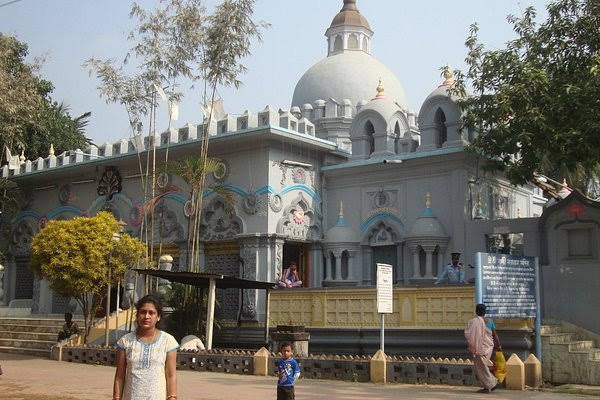
A Land Where Royal Heritage Meets Forests, Lakes and Living Culture
Tripura is a beautiful state in Northeast India known for its royal heritage, archaeological treasures, diverse communities, lush green landscapes, lakes, forests and vibrant cultural traditions. From the grand Ujjayanta Palace in Agartala to the rock carvings of Unakoti and the lakeside Neermahal Palace, Tripura offers a distinctive combination of history, culture and nature.
History
Tripura has a long history associated with the Manikya dynasty, which ruled the former princely state for centuries. The region developed its own royal traditions, architecture, literature, art and systems of administration.
The royal heritage of Tripura can still be seen in places such as Ujjayanta Palace, Neermahal and Kunjaban Palace. Tripura merged with the Indian Union in 1949 and later became a full-fledged state of India in 1972.
Manikya Dynasty
The Manikya rulers played an important role in shaping Tripura's political and cultural history. Their legacy is visible in royal architecture, historical records, coins, paintings and monuments preserved in the state.
Geography
Tripura is located in northeastern India and is surrounded on three sides by Bangladesh. It shares its eastern boundary with Assam and Mizoram.
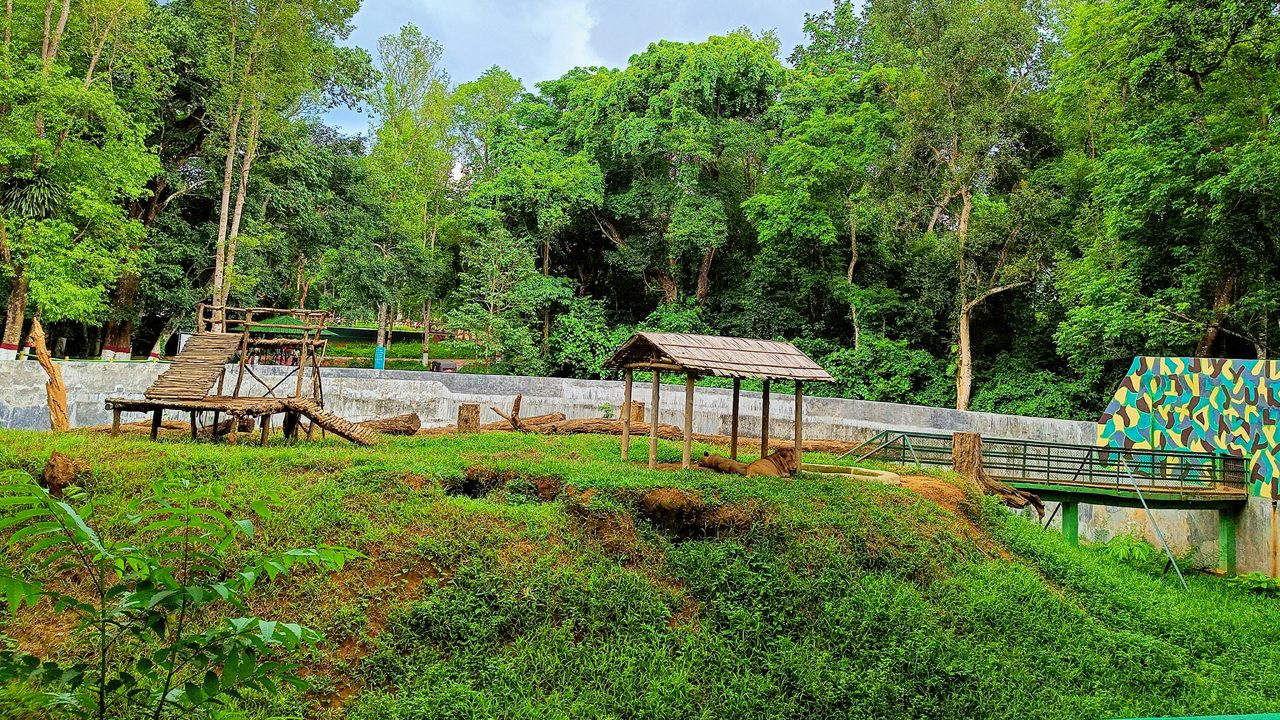
The state is characterised by low hills, valleys, forests, rivers, lakes and agricultural landscapes. Its natural environment supports a wide variety of flora and fauna.
Hills and Forests
Several hill ranges run through Tripura, creating scenic landscapes and forested areas. The state's forests are important to its ecological character and also support communities that have traditionally depended on forest resources.
Rivers and Lakes
Tripura has several rivers and water bodies that contribute to its landscapes and tourism attractions. Rudrasagar Lake is particularly famous for its association with Neermahal Palace, while Dumboor Lake is known for its scenic surroundings and boating opportunities.
Culture and Traditions
Tripura has a diverse cultural identity shaped by several tribal and non-tribal communities. Major indigenous communities include the Tripuri, Reang, Jamatia, Chakma, Halam, Mog and other tribal groups.
The state is known for its traditional music, dance, bamboo and cane crafts, textiles, jewellery, festivals and community traditions. Tripura Tourism highlights the cultural diversity of the state's ethnic groups through museums, festivals and cultural programmes.
Traditional Dance
Traditional dances are an important part of Tripura's cultural life. Different communities have their own dance forms associated with agriculture, religious occasions, festivals and community celebrations.
Bamboo and Cane Crafts
Bamboo and cane craftsmanship is one of Tripura's important traditional art forms. Local artisans create baskets, household products, decorative objects and other useful items from natural materials.
Handloom
Traditional weaving is another important part of Tripura's cultural heritage. Local textiles and traditional garments reflect the artistic identity of different communities in the state.
Architecture and Heritage
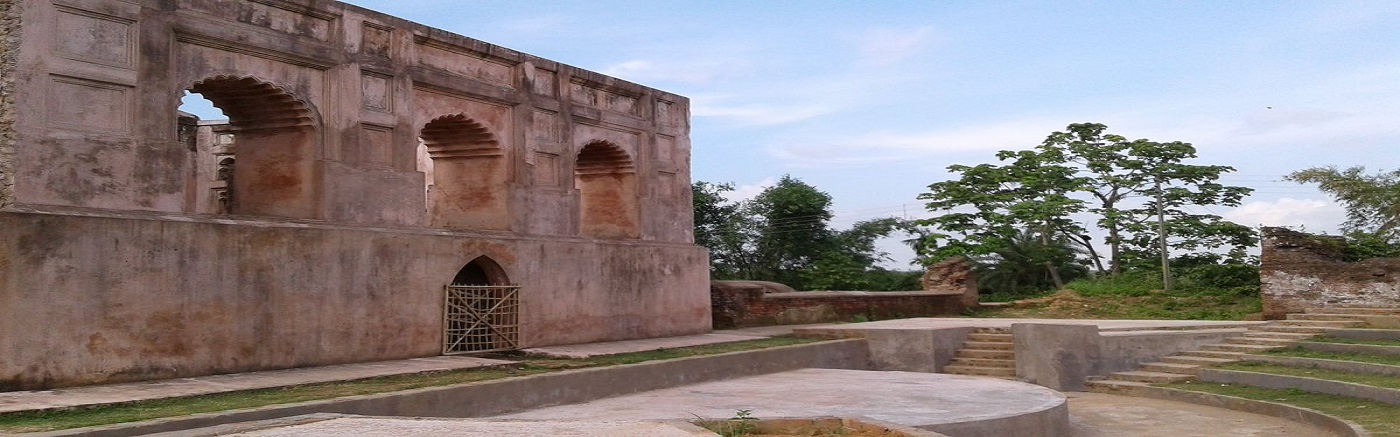
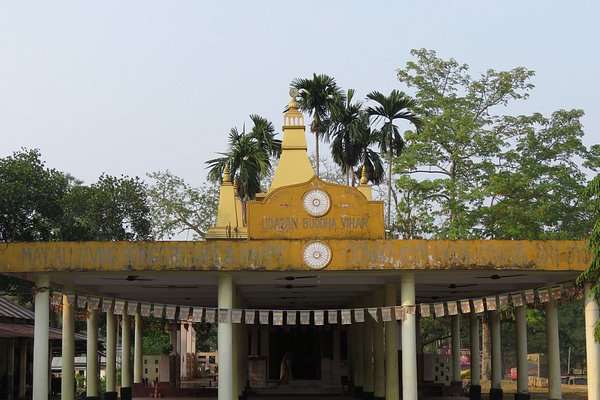
Tripura's architectural heritage reflects its royal history, Hindu and Buddhist traditions and the cultural influences of Northeast India. Palaces, temples, archaeological remains and sculptures form an important part of the state's heritage landscape.
Ujjayanta Palace
Ujjayanta Palace stands in the heart of Agartala and was constructed between 1899 and 1901 during the reign of Maharaja Radha Kishore Manikya. It is now home to the Tripura State Museum, which showcases archaeological objects, royal collections, tribal artefacts, paintings, coins and traditional crafts.
Neermahal Palace
Neermahal is a remarkable palace situated in the middle of Rudrasagar Lake. Built as a royal summer residence, it combines elements of Indian and European architectural styles and is one of Tripura's most recognisable heritage attractions.
Unakoti
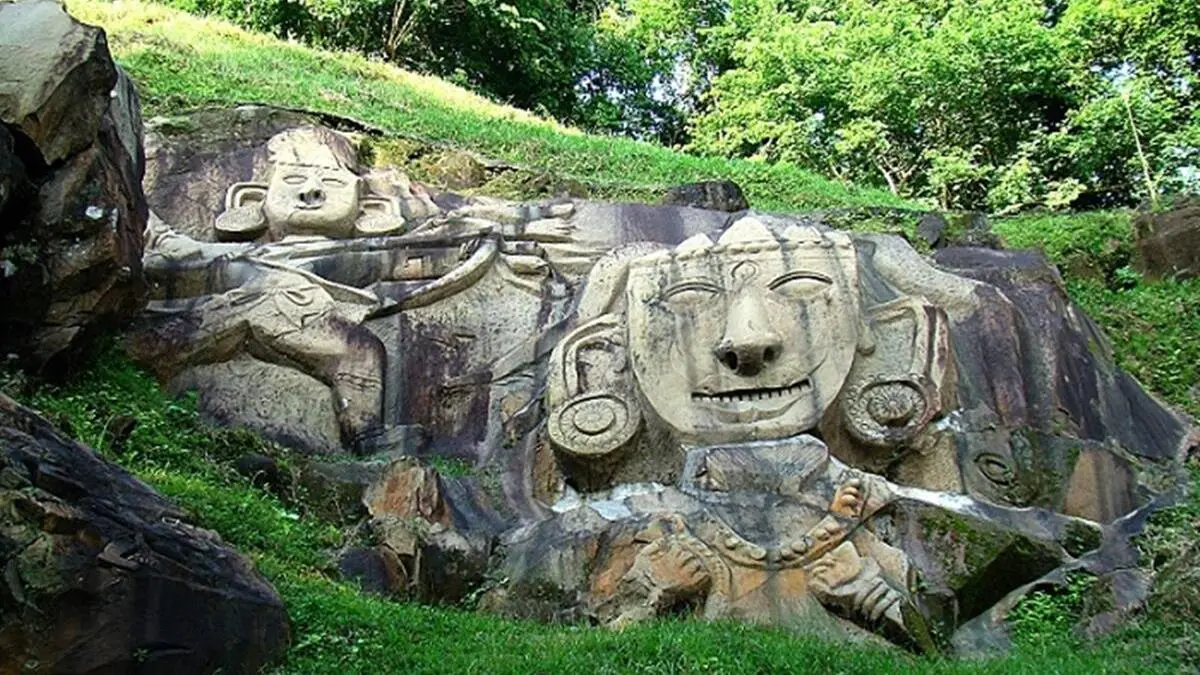
Unakoti is a major archaeological and religious site famous for its enormous rock-cut sculptures and carvings. The site contains images associated with Hindu traditions and is surrounded by forested hills.
Tripura State Museum
The Tripura State Museum at Ujjayanta Palace houses collections of sculptures, terracotta objects, coins, inscriptions, bronze images, textiles, paintings, tribal ornaments, musical instruments and handicrafts. The museum also presents the cultural heritage of different communities of Tripura and Northeast India.
Famous Places
Agartala
Agartala is the capital of Tripura and the state's principal urban centre. Major attractions include Ujjayanta Palace, Heritage Park, Jagannath Temple, Laxminarayan Temple and other cultural and religious sites.
Neermahal
Neermahal, located in Rudrasagar Lake, is one of Tripura's most distinctive heritage attractions. Visitors can combine the palace visit with boating and views of the surrounding lake landscape.
Unakoti
Unakoti is famous for its extraordinary rock sculptures carved into the hillside. The site is particularly important during the annual Ashokastami celebrations.
Udaipur
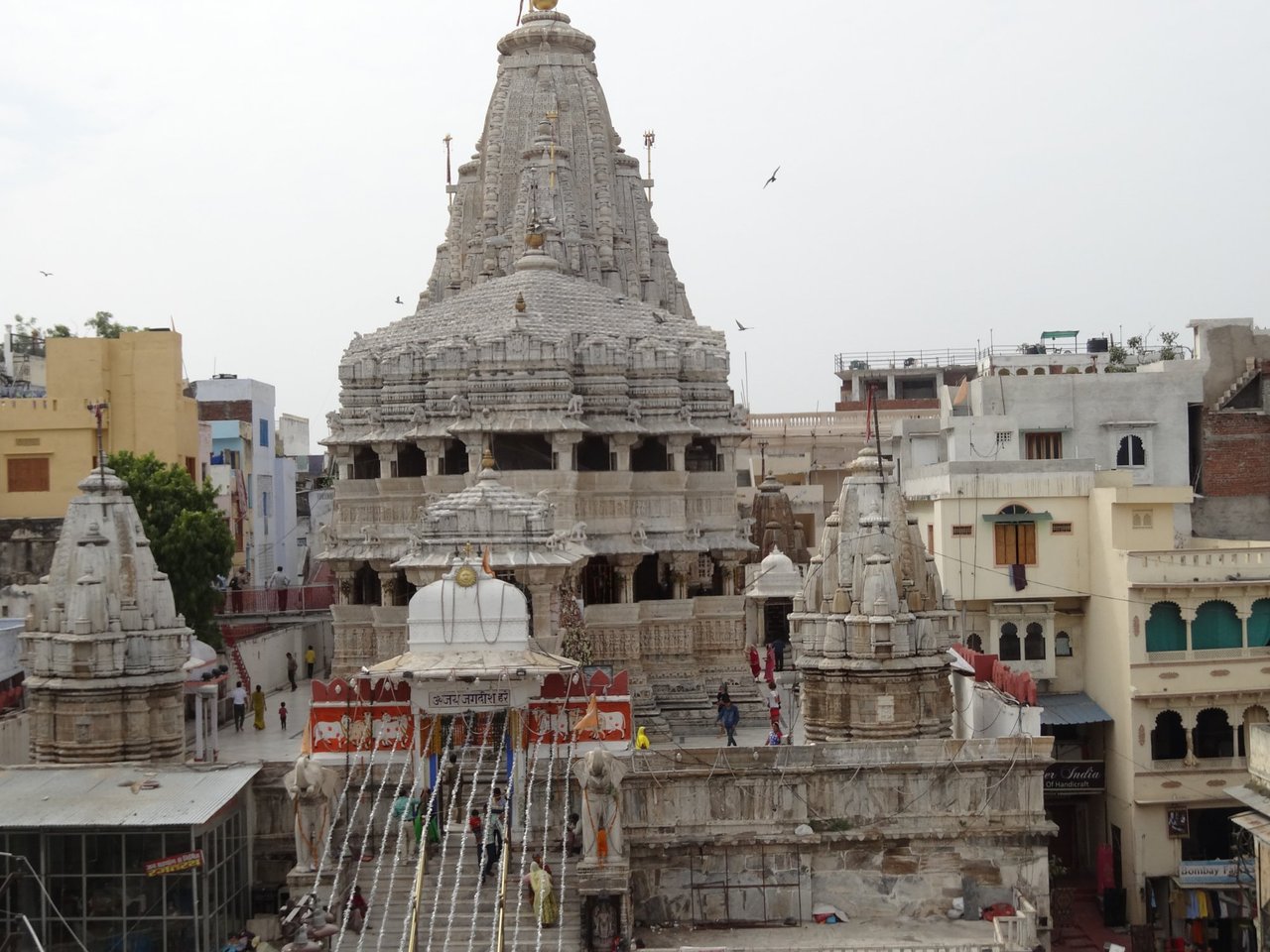
Udaipur is an important historic town in Tripura known for temples and lakes. The Tripura Sundari Temple at Matabari is one of the state's major pilgrimage destinations.
Chabimura
Chabimura is known for impressive rock carvings along the banks of the Gomati River. The site combines archaeological interest with a scenic river and hill environment.
Dumboor Lake
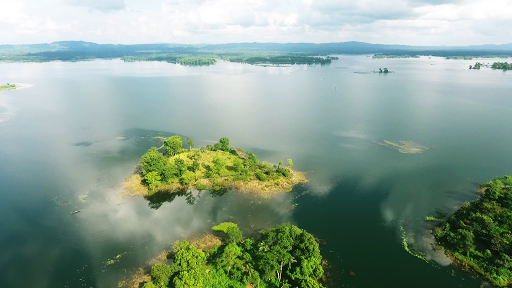
Dumboor Lake is a scenic water body surrounded by hills and greenery. Its numerous small islands and natural setting make it an important destination for boating and nature-based tourism.
Jampui Hills
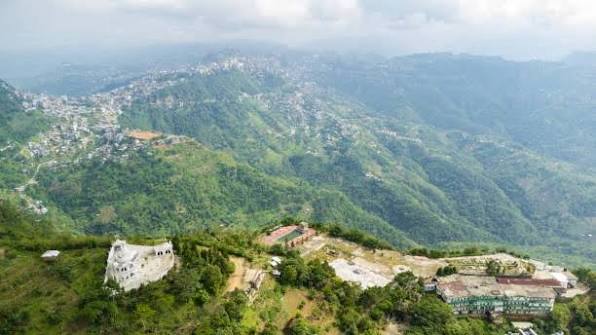
Jampui Hills is a scenic hill region in northern Tripura known for its pleasant climate, green landscapes, viewpoints and orange cultivation.
Pilak
Pilak is an important archaeological area where sculptures and remains associated with both Hindu and Buddhist traditions have been discovered. The site reflects the region's historical cultural interactions.
Famous Dishes
Mui Borok
Mui Borok is the traditional cuisine of Tripura and reflects the food traditions of the indigenous communities. It commonly makes use of locally available vegetables, herbs, fish and meat.
Chakhwi
Chakhwi is a traditional Tripuri preparation generally made using bamboo shoots and vegetables. It is associated with the state's indigenous food culture.
Muya Awandru
Muya Awandru is a traditional dish prepared using bamboo shoot and rice flour. Bamboo-based ingredients are an important part of Tripura's traditional cuisine.
Gudok
Gudok is a traditional preparation made with fermented fish and vegetables. It reflects the distinctive flavours of Tripuri food traditions.
Wahan Mosdeng
Wahan Mosdeng is a traditional pork-based preparation associated with Tripuri cuisine and is commonly enjoyed with rice.
Famous Personalities
Maharaja Bir Bikram Kishore Manikya
Maharaja Bir Bikram Kishore Manikya was an important ruler of Tripura's Manikya dynasty. His reign is associated with significant developments in education, administration, infrastructure and the modernization of Agartala.
Rabindranath Tagore and Tripura
Rabindranath Tagore had a notable historical and cultural connection with the royal family of Tripura. The Tripura State Museum includes a dedicated Tagore and Tripura gallery among its collections and exhibitions.
Festivals
Kharchi Festival
Kharchi Festival is one of Tripura's major traditional festivals and is held at the Chaturdash Devta Temple. The festival is associated with the worship of the Fourteen Gods and attracts devotees and visitors.
Garia Festival
Garia Festival is an important festival among Tripura's indigenous communities. It is associated with agriculture, prosperity and community traditions and is generally celebrated during the month of Baisakh.
Ashokastami Festival
Ashokastami Festival is celebrated at Unakoti and is associated with the site's religious and archaeological importance.
Pous Sankranti Fair
The Pous Sankranti Fair is held at Tirthamukh in January and attracts visitors for its religious and cultural significance.
Neermahal Tourism Festival
The Neermahal Tourism Festival is held at Neermahal and combines the heritage setting of the palace with cultural and tourism activities.
Boat Race Festival
The Boat Race Festival is held at destinations including Rudrasagar Lake and Gandacherra and forms part of Tripura's tourism and cultural calendar.
Things to Do
- Explore the royal heritage of Ujjayanta Palace.
- Take a boat ride around Neermahal and Rudrasagar Lake.
- Discover the rock sculptures of Unakoti.
- Visit the historic Tripura Sundari Temple at Matabari.
- Explore the archaeological remains of Pilak.
- Enjoy river and hill landscapes at Chabimura.
- Explore the scenic surroundings of Dumboor Lake.
- Visit the hill landscapes and viewpoints of Jampui Hills.
- Experience Tripura's traditional food, handicrafts and cultural festivals.
- Visit the Tripura State Museum to learn about the state's history and communities.
Where to Eat, Shop, and Stay
Eat
Agartala offers a variety of restaurants serving Indian, Bengali, North Indian, Chinese and local food. Travellers interested in traditional Tripuri cuisine can also explore local restaurants and community-based food experiences. The official tourism guide lists several dining options in Agartala.
Shop
Travellers can explore bamboo and cane products, handloom textiles, tribal handicrafts and traditional decorative items. Purbasha, the government handicrafts and handloom emporium in Agartala, is one of the places promoted for local shopping.
Stay
Agartala provides a range of hotels and guesthouses, while tourist destinations across the state also offer accommodation options. Travellers visiting remote destinations should confirm availability before travelling.
What is Tripura Famous For?
Tripura is famous for its royal palaces, Unakoti rock carvings, Neermahal, Ujjayanta Palace, tribal culture, bamboo and cane crafts, traditional cuisine, temples, lakes, festivals and green landscapes. Its combination of royal history and indigenous cultural traditions gives the state a distinctive identity.
Best Time to Visit
The cooler and relatively drier months from approximately October to March are generally comfortable for exploring Tripura's heritage and natural attractions. Winter is also suitable for visiting hill destinations and participating in several cultural events.
Travellers planning festival-based trips should check the current dates because festivals such as Kharchi, Garia, Ashokastami and Neermahal Tourism Festival follow specific annual calendars.
How to Reach
By Air
Maharaja Bir Bikram Airport in Agartala is the main airport serving Tripura. The official tourism guide notes air connections with cities including Delhi, Kolkata, Guwahati and Chennai.
By Rail
Agartala Railway Station provides rail connectivity with other parts of India. The official tourism guide notes regular services connecting Agartala with major cities through the wider railway network.
By Road
Agartala is connected by road with Guwahati, Shillong, Silchar, Karimganj, Mizoram and other destinations. Road routes also connect Tripura with Bangladesh through designated border points.
Nearby Places
Assam
Assam lies to the northeast of Tripura and provides road and rail connections with the state through destinations such as Guwahati, Silchar and Karimganj.
Mizoram
Mizoram borders Tripura to the east and can be combined with Tripura for a wider Northeast India journey.
Bangladesh
Bangladesh surrounds Tripura on much of its northern, western and southern sides. Designated border points provide international connectivity subject to applicable travel and immigration requirements.
Best Duration for a Trip
A 4 to 6 day trip can cover major destinations such as Agartala, Ujjayanta Palace, Neermahal, Udaipur and selected cultural attractions. Travellers wanting to include Unakoti, Chabimura, Dumboor Lake and Jampui Hills should plan additional days because of the distances between destinations.
Travel Tips
- Carry comfortable footwear for archaeological sites, temples and outdoor attractions.
- Keep suitable rain protection during the monsoon season.
- Respect local customs, tribal traditions and religious sites.
- Ask permission before photographing people during cultural activities.
- Check road conditions before travelling to remote hill and forest destinations.
- Carry cash when travelling to areas where digital payment facilities may be limited.
- Keep natural attractions, archaeological sites and lakes clean.
- Plan accommodation in advance during major festivals and tourism events.
Why Visit Tripura?
Tripura offers a combination of royal history, indigenous culture, archaeology, nature and traditional crafts. Travellers can explore historic palaces, ancient rock carvings, temples and museums while also experiencing forests, lakes, hills and local communities.
Conclusion
Tripura is a destination where royal heritage and indigenous traditions meet the natural beauty of Northeast India. From the magnificent Ujjayanta Palace and tranquil Neermahal to the ancient sculptures of Unakoti, the archaeological treasures of Pilak and the landscapes of Jampui Hills and Dumboor Lake, the state offers a varied travel experience filled with history, culture and nature.