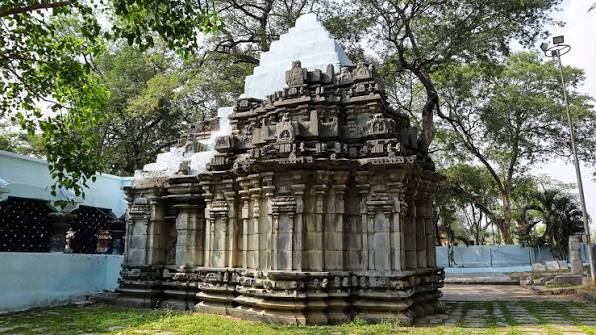
Nalgonda – Where Ancient Heritage, Forts and Spiritual Landscapes Meet
Nalgonda is a historic city and district in Telangana known for its ancient forts, temples, Buddhist heritage, reservoirs and scenic landscapes. Located in the southeastern part of the state, Nalgonda offers travellers a fascinating combination of history, spirituality, archaeology, nature and traditional Telangana culture.
From the historic Nalgonda Fort and ancient Buddhist heritage of Phanigiri to the sacred Yadadri Lakshmi Narasimha Swamy Temple and the vast waters of Nagarjuna Sagar, Nalgonda provides diverse experiences for travellers interested in heritage, pilgrimage, architecture and nature.
History of Nalgonda
Nalgonda has a rich history that stretches back to ancient times. The region was influenced by several important dynasties of the Deccan, including the Satavahanas, Ikshvakus, Chalukyas, Rashtrakutas and Kakatiyas.
The ancient Buddhist settlements found around the region, particularly at Phanigiri, provide evidence of the importance of Buddhism in this part of the Deccan. The area developed as a centre of religious and commercial activity along historic routes.
During the medieval period, Nalgonda came under the influence of the Kakatiyas and later the Bahmani Sultanate, Qutb Shahi rulers and Asaf Jahi Nizams. The historic Nalgonda Fort reflects the strategic importance of the region during these periods.
Nalgonda also played a significant role in the political and social history of Telangana during the twentieth century. The region was closely associated with the Telangana armed struggle and various movements for social and agrarian change.
After Indian independence, Nalgonda became part of Hyderabad State and later Andhra Pradesh. With the formation of Telangana in 2014, Nalgonda became one of the state's important districts. The district was subsequently reorganised, resulting in the creation of neighbouring districts such as Yadadri Bhuvanagiri and Suryapet.
Geography of Nalgonda
Nalgonda is situated in southeastern Telangana and forms part of the Deccan Plateau. The region features dry plains, rocky terrain, agricultural fields, reservoirs and river valleys.
The Krishna River is an important geographical feature of the wider region, while the Nagarjuna Sagar reservoir has played a major role in irrigation and agriculture.
Agriculture is an important part of the local economy, with crops such as paddy, cotton, chilli, pulses and other seasonal crops cultivated across the district.
The landscape becomes greener during the monsoon, while the surrounding hills, reservoirs and archaeological sites add to the region's appeal for travellers.
Culture and Traditions of Nalgonda
Traditional Lifestyle
Nalgonda reflects the traditional lifestyle of Telangana, where agriculture, village communities, religious practices and local markets remain important parts of everyday life.
The region's cultural identity has been shaped by Telugu traditions, temple customs, folk practices and the influence of rural and tribal communities.
Language and Traditions
Telugu is the principal language spoken in Nalgonda. The local form of Telangana Telugu reflects the cultural traditions and history of the region.
Traditional customs, folk stories, religious practices and local food traditions continue to be passed from one generation to another.
Music, Dance and Festivals
Folk songs, devotional music and traditional performances form an important part of Nalgonda's cultural life. Telangana folk traditions are particularly visible during village festivals, temple celebrations and community gatherings.
Festivals such as Bathukamma, Bonalu, Ugadi, Dussehra and Maha Shivaratri are celebrated with enthusiasm across the region.
Architecture of Nalgonda
Fort Architecture
Nalgonda Fort is an important example of the region's medieval defensive architecture. Its elevated location, fortification walls and historic structures reflect the strategic importance of Nalgonda.
Temple Architecture
The region is home to numerous temples representing different periods of South Indian and Deccan architecture. The modern Yadadri Lakshmi Narasimha Swamy Temple is particularly notable for its elaborate temple design and spiritual importance.
Buddhist Architecture
Archaeological sites such as Phanigiri preserve remains associated with Buddhist religious and monastic traditions. These sites provide valuable insight into the development of Buddhism in the Deccan.
Deccan and Islamic Influences
Historic structures in and around Nalgonda also reflect the influence of the Bahmani, Qutb Shahi and Nizam periods, creating a diverse architectural heritage.
Famous Places in Nalgonda
Nalgonda Fort
Nalgonda Fort is one of the city's most important historical landmarks. Located on a hill, the fort offers panoramic views of the surrounding landscape and provides an insight into the region's medieval history.
Nagarjuna Sagar
Nagarjuna Sagar is one of the most important destinations in the region, known for its massive dam, reservoir, scenic surroundings and historical significance. The area is also associated with the ancient Buddhist heritage of Nagarjunakonda.
Nagarjunakonda
Nagarjunakonda is an important archaeological and Buddhist heritage site located within the Nagarjuna Sagar reservoir. The site preserves ancient Buddhist remains, sculptures and archaeological discoveries associated with the Ikshvaku period.
Phanigiri Buddhist Site
Phanigiri is one of the important Buddhist archaeological sites in Telangana. Excavations have revealed stupas, monasteries, sculptures and other remains that highlight the importance of Buddhism in the region.
Yadadri Lakshmi Narasimha Swamy Temple
Located in the Yadadri Bhuvanagiri region, the temple is one of Telangana's most important pilgrimage destinations. Dedicated to Lord Narasimha, the temple attracts devotees throughout the year.
Panagal
Panagal is an important historical and religious destination near Nalgonda, known for its ancient temples. The Chaya Someswara Temple is particularly famous for its remarkable architectural design and distinctive pillar arrangement.
Chaya Someswara Temple
The Chaya Someswara Temple is a remarkable example of medieval temple architecture. Its unusual arrangement of pillars and the famous shadow effect inside the temple make it an interesting destination for architecture enthusiasts.
Kolanu Bharathi
Kolanu Bharathi is an ancient temple complex located in a forested setting. The peaceful surroundings and religious significance make it an interesting destination for pilgrims and nature lovers.
Mattapalli
Mattapalli is a popular pilgrimage destination situated on the banks of the Krishna River and known for the Narasimha Swamy Temple.
Famous Dishes of Nalgonda
Jonna Rotte
Jonna Rotte is a traditional Telangana flatbread prepared using sorghum flour. It is commonly served with spicy curries, chutneys and vegetable preparations.
Sarva Pindi
Sarva Pindi is a savoury Telangana pancake made using rice flour, lentils, peanuts, chillies and spices. It is a popular traditional snack.
Telangana Chicken Curry
Telangana-style chicken curry is known for its bold spices and rich flavours. It is commonly enjoyed with rice or traditional rotis.
Mutton Curry
Spicy mutton curry is popular across Nalgonda and the wider Telangana region and is often prepared during festivals, celebrations and family gatherings.
Gongura Pachadi
Gongura Pachadi is a tangy and spicy chutney made from sorrel leaves. It is traditionally served with steamed rice and ghee.
Sakinalu
Sakinalu is a traditional Telangana snack prepared using rice flour and sesame seeds. It is particularly popular during festive occasions.
Pachi Pulusu
Pachi Pulusu is a refreshing preparation made using tamarind, onions, chillies and spices. It is commonly served with rice and is especially popular during warmer months.
Famous Personalities of Nalgonda
Ravi Narayana Reddy
Ravi Narayana Reddy was a prominent social and political leader associated with the Telangana region. He played an important role in the Telangana armed struggle and social movements.
Arutla Ramchandra Reddy
Arutla Ramchandra Reddy was a notable political and social figure associated with the Telangana movement and the struggle against feudal practices in the region.
Local Folk Artists and Cultural Figures
Nalgonda's cultural identity is enriched by generations of folk singers, performers, storytellers and traditional artists who continue to preserve Telangana's folk traditions.
Festivals of Nalgonda
Bathukamma
Bathukamma is one of Telangana's most important festivals. Women create colourful floral arrangements and participate in traditional songs and dances.
Bonalu
Bonalu is a major Telangana festival dedicated to Goddess Mahankali. Devotional processions, offerings, music and traditional performances form an important part of the celebrations.
Maha Shivaratri
Maha Shivaratri is celebrated with special prayers and rituals at Shiva temples across Nalgonda, particularly at historic temple centres such as Panagal.
Ugadi
Ugadi marks the Telugu New Year and is celebrated with traditional food, prayers, family gatherings and cultural activities.
Dussehra
Dussehra is celebrated with religious ceremonies, cultural programmes and community gatherings throughout the region.
Diwali
Diwali is celebrated with lamps, sweets, family gatherings and festive shopping across Nalgonda.
Temple Festivals
Important temples in Panagal, Mattapalli, Yadadri and other pilgrimage centres organise annual festivals that attract devotees from Telangana and neighbouring states.
Things to Do in Nalgonda
Explore Nalgonda Fort
Walk through the historic fort, explore its remains and enjoy panoramic views of the surrounding landscape.
Visit Panagal Temples
Explore the Chaya Someswara Temple and other historic temples at Panagal to experience the architectural heritage of medieval Telangana.
Explore Phanigiri
Discover the Buddhist archaeological remains at Phanigiri and learn about the ancient religious and cultural history of the region.
Visit Nagarjuna Sagar
Enjoy the massive reservoir, dam and scenic surroundings while exploring one of the region's most important engineering and tourism landmarks.
Explore Nagarjunakonda
Discover ancient Buddhist remains, sculptures and archaeological collections associated with the historic Buddhist centre of Nagarjunakonda.
Visit Mattapalli
Experience the spiritual atmosphere of the Narasimha Swamy Temple located along the Krishna River.
Try Traditional Telangana Cuisine
Enjoy local dishes such as Jonna Rotte, Sarva Pindi, Gongura Pachadi, Telangana curries and traditional festive snacks.
Explore Local Markets
Visit local markets to experience everyday life in Nalgonda and discover regional food products, clothing, household items and handicrafts.
Where to Eat, Shop, and Stay in Nalgonda
Where to Eat
Nalgonda has restaurants, local eateries, cafés and traditional food outlets serving Telangana, South Indian and North Indian cuisine. Visitors can find vegetarian meals, biryani, curries, breakfast dishes and traditional snacks.
Where to Shop
Local markets are ideal for purchasing traditional clothing, regional snacks, household products and small handicrafts. Travellers can also explore locally produced agricultural and food products.
Where to Stay
Nalgonda offers hotels, budget accommodation, guest houses and business-oriented stays. Travellers visiting Nagarjuna Sagar or other nearby attractions can also find accommodation around those destinations.
What Is Nalgonda Famous For?
Nalgonda is famous for its Nalgonda Fort, ancient Phanigiri Buddhist site, Nagarjuna Sagar, Nagarjunakonda, historic Panagal temples and proximity to the important Yadadri Lakshmi Narasimha Swamy Temple.
The region is also known for its Buddhist heritage, temple architecture, Telangana cuisine, traditional festivals and important role in the social and political history of Telangana.
Best Time to Visit Nalgonda
| Season | Months | What to Expect |
|---|---|---|
| Winter | October – February | Cooler and comfortable weather, ideal for sightseeing, heritage exploration and outdoor activities. |
| Summer | March – May | Hot and dry conditions, particularly during afternoons. Outdoor activities are better planned for mornings and evenings. |
| Monsoon | June – September | Green landscapes and improved reservoir levels, making natural surroundings more attractive. |
October to February is generally the most comfortable period for exploring Nalgonda's historical monuments, temples, archaeological sites and nearby natural attractions.
How to Reach Nalgonda
By Air
The nearest major airport is Rajiv Gandhi International Airport in Hyderabad. From the airport, travellers can continue to Nalgonda by road or rail.
By Train
Nalgonda Railway Station is connected to Hyderabad, Guntur, Vijayawada and other cities through the railway network. Regular trains make rail travel a convenient option for reaching the city.
By Road
Nalgonda has good road connectivity with Hyderabad, Vijayawada, Suryapet, Miryalaguda and other cities in Telangana and Andhra Pradesh. State buses, private buses, taxis and private vehicles are convenient options.
Nearby Places to Visit from Nalgonda
Yadadri
Visit the famous Yadadri Lakshmi Narasimha Swamy Temple and explore one of Telangana's most important pilgrimage destinations.
Nagarjuna Sagar
Explore the massive dam and reservoir, enjoy scenic views and discover the historical and natural attractions around the area.
Nagarjunakonda
Discover important Buddhist archaeological remains and learn about the ancient history of the region.
Phanigiri
Explore the Buddhist archaeological site and its ancient remains, including stupas, monasteries and sculptures.
Panagal
Visit the Chaya Someswara Temple and other historic religious monuments in this important heritage centre.
Mattapalli
Experience the spiritual atmosphere of the Narasimha Swamy Temple situated along the Krishna River.
Bhuvanagiri
Explore the historic Bhongir Fort, an impressive hill fort located near Yadadri and known for its distinctive rocky setting.
Kolanu Bharathi
Visit the ancient temple complex surrounded by peaceful natural landscapes and forests.
Best Duration for a Trip to Nalgonda
One-Day Trip
Explore Nalgonda Fort and Panagal temples, enjoy local Telangana food and spend the rest of the day exploring the city.
Two-Day Trip
Explore Nalgonda's heritage attractions on the first day and visit Nagarjuna Sagar or Phanigiri on the second day.
Three-Day Trip
Spend additional time exploring Nagarjunakonda, Panagal, Phanigiri and Mattapalli while enjoying the region's cultural and culinary experiences.
Four-Day Trip
A four-day itinerary allows travellers to explore Nalgonda at a relaxed pace and include nearby destinations such as Yadadri, Bhongir, Nagarjuna Sagar and other heritage attractions.
Travel Tips for Nalgonda
- Plan outdoor sightseeing during the morning or late afternoon, especially during summer.
- Wear comfortable footwear when visiting forts, temples and archaeological sites.
- Carry sufficient drinking water during outdoor excursions.
- Dress respectfully when visiting temples and other religious sites.
- Check local weather conditions before planning trips to reservoirs and outdoor attractions.
- Try authentic Telangana dishes at local eateries for a regional food experience.
- Carry cash for smaller shops and rural markets where digital payment facilities may be limited.
- Keep sufficient travel time when visiting attractions outside Nalgonda city.
- Follow local rules at archaeological and heritage sites and avoid touching or damaging historic structures.
- Maintain cleanliness and avoid littering around temples, monuments, reservoirs and natural areas.
Why Visit Nalgonda?
Rich Historical Heritage
Nalgonda Fort, Panagal and other historic sites provide a fascinating glimpse into the medieval and ancient history of Telangana.
Buddhist Heritage
Phanigiri and Nagarjunakonda make Nalgonda an important destination for travellers interested in Buddhist history and archaeology.
Temple Architecture
The Chaya Someswara Temple, Mattapalli and nearby Yadadri offer opportunities to experience the region's diverse religious and architectural heritage.
Nagarjuna Sagar
The vast reservoir and dam create a scenic destination combining engineering, history and natural beauty.
Traditional Telangana Cuisine
Local dishes such as Jonna Rotte, Sarva Pindi, Gongura Pachadi and spicy Telangana curries provide an authentic taste of the region.
Spiritual Experiences
From historic temples to major pilgrimage centres, Nalgonda offers numerous opportunities for travellers seeking spiritual and cultural experiences.
Gateway to Southeastern Telangana
Nalgonda's location makes it a convenient base for exploring several historic, archaeological and spiritual destinations across Telangana and neighbouring Andhra Pradesh.
Conclusion
Nalgonda is a destination where ancient history, Buddhist heritage, temple architecture, spirituality and natural landscapes come together. From Nalgonda Fort and the Buddhist remains of Phanigiri to the vast waters of Nagarjuna Sagar, the historic temples of Panagal and the sacred landscapes around Mattapalli, the region offers a diverse travel experience.
Whether you are interested in archaeology, architecture, pilgrimage, history, traditional cuisine or the cultural heritage of Telangana, Nalgonda offers a rewarding journey through the ancient and living traditions of southeastern Telangana.
```"Travel is the only thing you buy that makes you richer."