Gangtok: Where Himalayan Beauty Meets Cultural Heritage
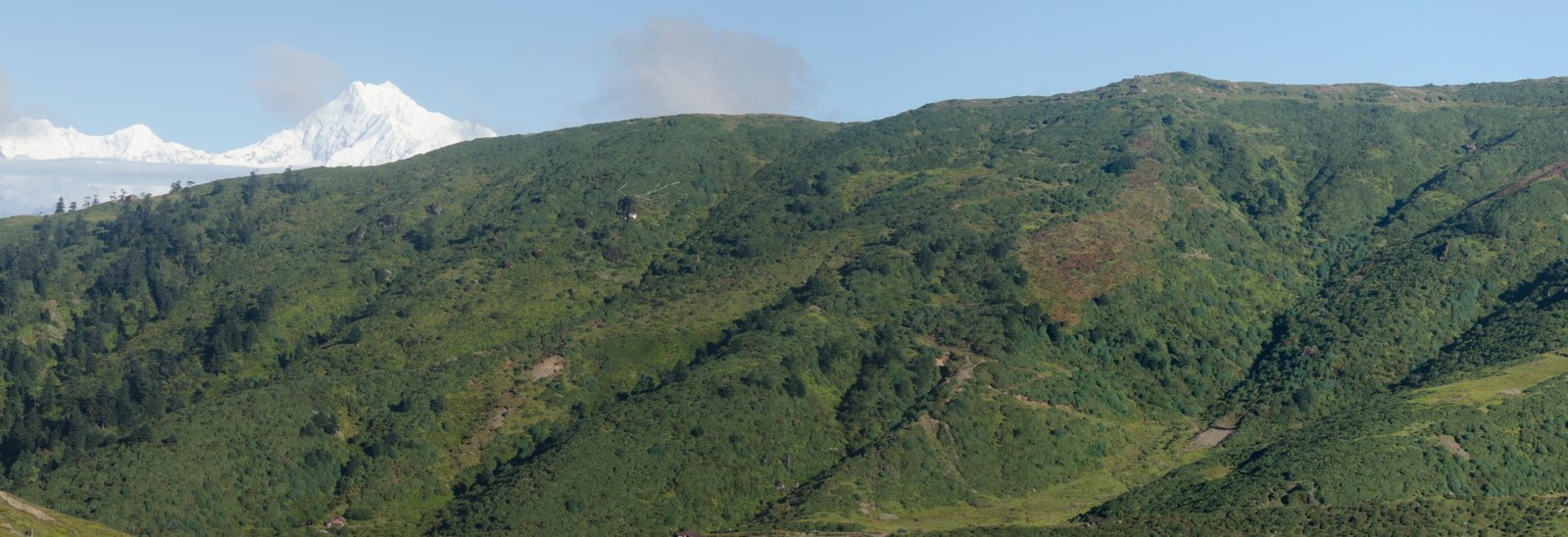
Gangtok is the beautiful capital of Sikkim, located in the eastern Himalayas and surrounded by green hills, misty mountains and spectacular views of the Kanchenjunga range. The city is known for its Buddhist monasteries, peaceful viewpoints, lively markets, traditional cuisine and welcoming atmosphere. Gangtok is also an important base for exploring the lakes, mountain passes and natural attractions of Sikkim.
History
Gangtok developed from a small settlement into an important religious, administrative and commercial centre. The construction of Gangtok Monastery in 1716 and Enchey Monastery in 1840 helped establish its religious importance. In 1894, Chogyal Thutob Namgyal shifted the capital of Sikkim from Tumlong to Gangtok, strengthening its political and administrative role.
Gangtok as the Capital
Gangtok became the capital of Sikkim and continued to develop as the state's main administrative centre. Sikkim became an Indian state in 1975, and Gangtok remains the heart of its government, tourism and business activities.
Geography
Gangtok is situated in southeastern Sikkim on a mountain ridge at an elevation of approximately 5,500 feet. Its location provides impressive views of the surrounding Himalayan landscape, deep valleys, forested slopes and distant snow-covered peaks.
Himalayan Landscape
The city is surrounded by steep hills, winding mountain roads and lush vegetation. The changing weather often brings clouds and mist across the hills, creating beautiful scenery throughout the year.
Culture and Traditions
Gangtok reflects the diverse cultural heritage of Sikkim, with Lepcha, Bhutia and Nepali communities contributing to its traditions, languages, food and festivals. Buddhist customs, traditional music, folk dances and community celebrations form an important part of local life.
Buddhist Heritage
Monasteries, stupas, prayer flags and religious artwork are important features of Gangtok's cultural landscape. Visitors can experience the city's spiritual atmosphere at places such as Enchey Monastery, Do Drul Chorten and nearby Rumtek Monastery.
Architecture and Heritage
Gangtok combines traditional Himalayan and Tibetan Buddhist architectural influences with modern buildings, markets and government structures. Its monasteries and religious monuments are among the most distinctive elements of its architectural identity.
Enchey Monastery
Enchey Monastery is an important Buddhist religious site in Gangtok. Surrounded by green hills, it is known for its peaceful atmosphere, colourful religious decorations and traditional monastery architecture.
Do Drul Chorten
Do Drul Chorten is a prominent Buddhist stupa located in the Deorali area. It is an important spiritual landmark and a popular stop for visitors interested in Buddhist traditions and religious architecture.
Famous Places
MG Marg
MG Marg is the main pedestrian-friendly shopping and entertainment street in Gangtok. It features shops, cafés, restaurants and seating areas where visitors can enjoy local food, shop for souvenirs and experience the city's lively atmosphere.
Tsomgo Lake
Tsomgo Lake, also called Changu Lake, is a spectacular high-altitude lake surrounded by mountains. Located around 38 kilometres from Gangtok, it is known for its changing seasonal appearance, snowy winter scenery and spiritual significance. Visitors must arrange the required permits before travelling.
Nathula Pass
Nathula Pass is a high-altitude mountain pass on the historic route connecting India and Tibet. It is known for its dramatic Himalayan scenery and strategic importance. Access is controlled, and visitors must obtain the required permits. Foreign tourists are not permitted beyond Tsomgo Lake under the current district tourism guidance.
Rumtek Monastery
Located around 23 kilometres from Gangtok, Rumtek Monastery is one of Sikkim's most important Buddhist monasteries. It is known for its Tibetan-inspired architecture, religious artwork and association with the Karma Kagyu school of Tibetan Buddhism.
Ganesh Tok
Ganesh Tok is a popular viewpoint offering panoramic views of Gangtok and the surrounding Himalayan mountains. On clear days, visitors can enjoy views of the Kanchenjunga range while relaxing at this scenic hilltop location.
Hanuman Tok
Hanuman Tok is a hilltop temple dedicated to Lord Hanuman. It is known for its peaceful surroundings, mountain views and spiritual atmosphere, making it a popular stop during local sightseeing.
Namgyal Institute of Tibetology
The Namgyal Institute of Tibetology is a renowned centre for the study of Tibetan and Buddhist culture. Its collections include manuscripts, statues, religious objects and traditional thangkas, making it an important destination for visitors interested in Himalayan history and art.
Bakthang Waterfall
Bakthang Waterfall is a scenic natural attraction located a short drive from Gangtok. Surrounded by green slopes, it is a popular stop for photography and sightseeing while exploring the northern side of the city.
Famous Dishes
Gangtok offers a variety of Himalayan, Tibetan, Nepali and Sikkimese flavours. Local restaurants and cafés serve comforting noodle soups, dumplings, traditional meat dishes and regional food preparations.
Momos
Momos are steamed or fried dumplings filled with vegetables or meat. They are among the most popular foods in Gangtok and are widely available at local eateries and restaurants.
Thukpa
Thukpa is a warming noodle soup prepared with vegetables or meat. It is especially enjoyable in Gangtok's cool mountain weather.
Phagshapa
Phagshapa is a traditional Sikkimese dish prepared with pork, radish and chillies. It is a popular example of the region's distinctive Himalayan cuisine.
Gundruk and Sinki
Gundruk and Sinki are traditional fermented vegetable preparations found in Himalayan food traditions. They are often served as accompaniments or incorporated into regional meals.
Famous Personalities
Thutob Namgyal
Thutob Namgyal was a Chogyal of Sikkim who played an important role in Gangtok's development by shifting the capital from Tumlong to Gangtok in 1894.
Palden Thondup Namgyal
Palden Thondup Namgyal was the last ruling Chogyal of Sikkim. His reign is part of the region's modern royal history and its transition into the Indian Union.
Festivals
Pang Lhabsol
Pang Lhabsol is an important Sikkimese festival that honours Mount Kanchenjunga as the guardian deity of the land. The celebration features religious ceremonies and traditional masked dances.
Losar
Losar marks the Tibetan and Himalayan New Year. The celebration includes prayers, family gatherings, traditional food and cultural activities among communities that observe the festival.
Saga Dawa
Saga Dawa is an important Buddhist festival commemorating significant events in the life of Gautama Buddha. Monasteries and devotees observe the occasion with prayers, religious offerings and acts of compassion.
Gangtok Food and Culture Festival
The Gangtok Food and Culture Festival showcases Sikkim's diverse cuisine, music and dance. MG Marg has traditionally hosted this event, bringing together local food vendors, performers and visitors.
Things to Do
Walk Along MG Marg
Explore the shops, cafés and restaurants of MG Marg, enjoy local snacks and experience Gangtok's lively pedestrian street.
Visit Monasteries
Discover the architecture, religious artwork and peaceful surroundings of Enchey Monastery, Do Drul Chorten and Rumtek Monastery.
Enjoy Himalayan Viewpoints
Visit Ganesh Tok and Hanuman Tok for scenic mountain views and photography opportunities when the weather is clear.
Take a Ropeway Ride
The Gangtok ropeway offers an aerial perspective of the city and the surrounding valley. Check current operating hours, ticket prices and weather conditions before visiting.
Explore Tsomgo Lake
Plan a day trip to Tsomgo Lake to experience high-altitude Himalayan scenery. Arrange the required permits and transport in advance, as access can depend on weather and road conditions.
Discover Local Food and Shopping
Try momos, thukpa and regional dishes, and browse the city's markets for traditional handicrafts, woollens, souvenirs and locally made products.
Where to Eat, Shop, and Stay
Gangtok has a wide range of restaurants, cafés, shops and accommodation options. Visitors can choose from budget guesthouses, homestays, mid-range hotels and premium properties depending on their preferences.
MG Marg
MG Marg is one of the best areas for dining and shopping. The street offers cafés, restaurants, souvenir shops and access to many central hotels.
Local Markets
Gangtok's markets offer woollen clothing, handicrafts, prayer flags, souvenirs and locally produced goods. Visitors should compare prices and choose authentic local products where possible.
Accommodation
Staying in central Gangtok provides convenient access to MG Marg, restaurants and local attractions. Accommodation farther up the hills may offer quieter surroundings and scenic views.
What is Gangtok Famous For?
Gangtok is famous for its Himalayan scenery, Buddhist monasteries, MG Marg, mountain viewpoints, vibrant food culture and access to Tsomgo Lake and Nathula Pass. It is also a major starting point for exploring other destinations across Sikkim.
Best Time to Visit
The best time to visit Gangtok is generally from March to May and October to mid-December, when conditions are often favourable for sightseeing and mountain views.
Spring and Summer
March to May brings pleasant temperatures, blooming flowers and green mountain scenery. It is a popular season for sightseeing and exploring the city's viewpoints.
Autumn and Early Winter
October to mid-December often offers clear skies and impressive Himalayan views. Temperatures can become cold, particularly in the evenings and at higher elevations.
Monsoon Travel
During the monsoon, heavy rain may affect road conditions, visibility and travel to high-altitude destinations. Check weather advisories before planning excursions.
How to Reach
By Air
Pakyong Airport serves the Gangtok region, but flight schedules and availability can vary. Bagdogra Airport in West Bengal is another commonly used gateway, followed by a road journey to Gangtok.
By Train
New Jalpaiguri Railway Station in West Bengal is a major rail gateway for visitors travelling to Gangtok. From the station, travellers can continue by taxi or other road transport.
By Road
Gangtok is connected by road with Siliguri, New Jalpaiguri and other parts of Sikkim. Shared jeeps, taxis and private vehicles are commonly used for the journey. Travel times can vary depending on traffic, weather and road conditions.
Nearby Places
Tsomgo Lake
Tsomgo Lake is a popular high-altitude excursion from Gangtok, offering spectacular mountain scenery and seasonal landscapes. A permit is required.
Nathula Pass
Nathula Pass is a major mountain destination known for its high-altitude setting and historical significance. Access is regulated and subject to permit and weather conditions.
Rumtek
Rumtek is a peaceful destination outside Gangtok, known for its monastery, traditional villages and green mountain surroundings.
Ranka Monastery
Ranka Monastery, also known as Lingdum Monastery, is a scenic Buddhist monastery surrounded by forested hills. It is a rewarding excursion for visitors interested in Buddhist architecture and peaceful surroundings.
Best Duration for a Trip
A 3–4 day trip is suitable for exploring Gangtok's main attractions, including MG Marg, monasteries, viewpoints and nearby waterfalls. Visitors who also want to explore Tsomgo Lake and Nathula Pass should plan additional time and account for permits and road conditions.
Travel Tips
- Carry warm clothing, as temperatures can drop quickly in the hills.
- Check weather and road conditions before travelling to high-altitude attractions.
- Arrange permits in advance for Tsomgo Lake and Nathula Pass where required.
- Respect religious customs when visiting monasteries and temples.
- Wear comfortable shoes for steep streets and sightseeing.
- Carry identification documents required for permits and local travel.
- Book accommodation and transport in advance during peak tourist seasons.
- Keep the city and natural attractions clean, and avoid littering.
Why Visit Gangtok?
Gangtok is an ideal destination for travellers who want to experience the beauty of the Eastern Himalayas alongside vibrant city life and cultural heritage. Its combination of mountain viewpoints, monasteries, local cuisine, shopping streets and nearby high-altitude attractions makes it suitable for families, couples, solo travellers and adventure enthusiasts.
Conclusion
Gangtok offers a memorable introduction to the natural beauty and cultural diversity of Sikkim. From the lively atmosphere of MG Marg and the spiritual landmarks of Rumtek Monastery to the breathtaking landscapes of Tsomgo Lake and Nathula Pass, the city provides a rewarding mix of sightseeing, food, history and Himalayan adventure.
"Travel is the only thing you buy that makes you richer."