Explore Sikkim
Discover Sikkim
Cities of Sikkim
New destinations are being curated
We are preparing beautiful city guides for Sikkim.
A Himalayan Land of Mountains, Monasteries and Living Traditions
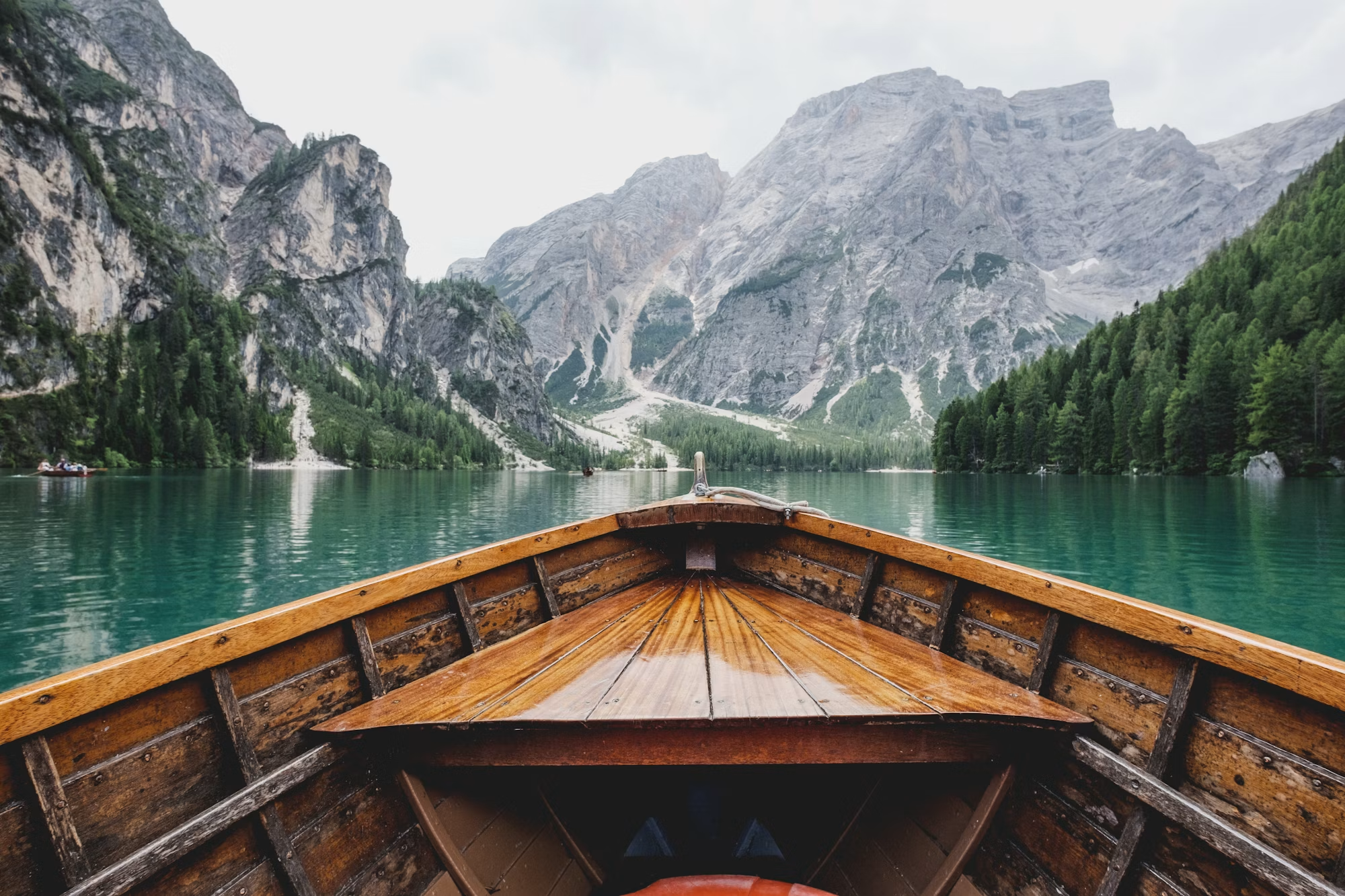
Sikkim is a Himalayan state known for its spectacular mountain landscapes, rich cultural traditions, monasteries, forests, rivers, waterfalls and diverse communities. The state is home to Mount Khangchendzonga, which holds deep spiritual importance for the people of Sikkim. From Gangtok and peaceful mountain villages to high-altitude lakes and historic monasteries, Sikkim offers a wide variety of experiences for travellers.
History
Sikkim has a long history shaped by the Lepcha, Bhutia and Nepali communities. The region was once a Himalayan monarchy and also formed part of historic trade routes connecting Tibet and India.
Yuksom has special importance in Sikkim's history. The first Chogyal, or monarch of Sikkim, was consecrated there in 1642. Sikkim later became a part of India in 1975.
Geography
Sikkim lies in the eastern Himalayas and shares international borders with Nepal to the west, Bhutan to the east and the Tibetan Plateau to the north. It also shares a boundary with West Bengal to the south.
The state covers approximately 7,096 square kilometres and has a remarkable range of landscapes and climates, from lower tropical areas to temperate and alpine environments. The Teesta and Rangeet are two major rivers of Sikkim.
Mount Khangchendzonga
Mount Khangchendzonga is one of Sikkim's defining natural and cultural landmarks. It is regarded as a sacred mountain and is closely connected with Sikkimese religious traditions, including the Pang Lhabsol festival.
Culture and Traditions
Sikkim has a diverse cultural identity shaped by different communities, including the Lepchas, Bhutias and Nepali communities. Their languages, traditions, music, dances, festivals, food and religious practices contribute to the cultural character of the state.
The state is particularly known for its Buddhist monasteries, traditional celebrations and village culture. Visitors can experience local traditions through festivals, homestays, handicrafts, music and dance.
Traditional Music and Dance
Sikkim's traditional dances include ritualistic and celebratory performances. Many dances are connected with agriculture, religious occasions, community celebrations and traditional festivals.
Traditional Crafts
Traditional handicrafts form an important part of Sikkim's cultural heritage. Visitors can find locally produced textiles, carpets, bamboo and cane products, traditional objects and other handmade items.
Architecture and Heritage
Sikkim's architectural heritage is strongly associated with its monasteries, traditional homes and historic sites. Buddhist monasteries are particularly important to the state's cultural landscape.
Dubdi Monastery
Dubdi Monastery near Yuksom was established soon after the consecration of Sikkim's first Chogyal. Located on a hill surrounded by forest, it is one of the state's historically important monasteries.
Pemayangtse Monastery
Pemayangtse Monastery is one of the oldest monasteries in Sikkim and belongs to the Nyingma tradition of Tibetan Buddhism. It stands on a hill and provides views of the surrounding Himalayan landscape.
Rabdentse
Rabdentse was the second capital of the former Kingdom of Sikkim. The ruins are located near Pemayangtse and offer views across the surrounding valley towards the Khangchendzonga range.
Famous Places
Gangtok
Gangtok, the capital of Sikkim, is situated on a mountain ridge and serves as an important administrative, business and tourism centre. The city offers views of Khangchendzonga and attractions such as MG Marg, monasteries, viewpoints and the Gangtok ropeway.
Tsomgo Lake
Tsomgo Lake is one of the important high-altitude attractions of eastern Sikkim. The lake is surrounded by mountain scenery and is included in many Sikkim travel itineraries.
Nathula Pass
Nathula Pass is a historic mountain pass in eastern Sikkim. Access is regulated, and visitors require the appropriate permit. The official tourism information notes that foreign nationals are not permitted to visit Nathula.
Yuksom
Yuksom is historically significant as the place where the first Chogyal of Sikkim was consecrated in 1642. It is also the starting point for several trekking routes and provides access to historic monasteries.
Pelling
Pelling in West Sikkim is known for its views of the Khangchendzonga range and its proximity to important heritage attractions including Pemayangtse Monastery and Rabdentse.
Ravangla
Ravangla is located on a ridge between Maenam and Tendong Hill. The town is known for mountain views, nearby monasteries, nature experiences and cultural events.
Namchi
Namchi in South Sikkim offers views of Khangchendzonga and the Rangit Valley. Attractions include the Namchi Rock Garden and the large statue of Guru Padmasambhava at Samdruptse.
Aritar
Aritar in eastern Sikkim is known for forests, paddy fields, lakes and mountain scenery. Lampokhari Lake and Aritar Gumpa are among its notable attractions.
Rumtek
Rumtek is located around 23 kilometres from Gangtok and is home to the important Rumtek Monastery. The surrounding landscape includes villages, paddy fields and forested hills.
Famous Dishes
Momos
Momos are among the most commonly available foods in Sikkim. These steamed dumplings can be filled with meat, cheese or vegetables and are commonly served with chilli sauce and soup.
Thukpa
Thukpa, also known as Gya-thuk, is a Tibetan-style noodle soup prepared with vegetables or meat. It is widely available across Sikkim.
Traditional Community Cuisine
Sikkimese cuisine extends beyond momos and thukpa. Different communities have their own cooking traditions and use locally available ingredients, creating a diverse food culture across the state.
Famous Personalities
Sikkim has been associated with historical figures, religious leaders, political figures and cultural personalities. The official tourism material consulted for this description does not provide a single consolidated list of personalities suitable for this CMS section, so specific names have not been added without additional verification.
Festivals
Pang Lhabsol
Pang Lhabsol is an important Sikkimese festival associated with Mount Khangchendzonga. It also commemorates the traditional blood brotherhood between the Lepchas and Bhutias.
Bumchu
Bumchu is celebrated at Tashiding Monastery and is associated with the opening of a sacred vessel containing holy water. The level of water is traditionally interpreted as an indication of the fortunes of the coming year.
Losar
Losar is the Tibetan New Year and is celebrated with family gatherings and traditional cultural practices.
Maghe Sankranti
Maghe Sankranti is an important festival among the Nepali community of Sikkim. The Jorethang Maghe Mela in South Sikkim is one of the major celebrations associated with the festival.
Flower Festival
The Flower Festival in Gangtok features orchids and other flowers and forms part of Sikkim's tourism calendar.
Gangtok Food and Culture Festival
The Gangtok Food and Culture Festival showcases Sikkim's multicultural cuisine together with traditional music and dance performances.
Things to Do
- Explore the cultural attractions and markets of Gangtok.
- Visit historic monasteries such as Rumtek, Pemayangtse and Dubdi.
- Explore the historic sites around Yuksom and Rabdentse.
- Enjoy mountain views from Pelling, Ravangla and Namchi.
- Visit high-altitude attractions such as Tsomgo Lake where permitted.
- Experience traditional festivals, music and cultural performances.
- Try local Sikkimese cuisine, including momos and thukpa.
- Explore village tourism and homestay experiences.
- Take part in suitable trekking, rafting and other adventure activities through authorised operators.
Where to Eat, Shop, and Stay
Eat
Gangtok offers a wide variety of restaurants and eateries serving Sikkimese, Tibetan, Indian and other cuisines. Visitors can also experience traditional food through selected homestays and local food festivals.
Shop
Travellers can explore local markets and shops for traditional handicrafts, textiles, carpets, bamboo and cane products and other locally made items.
Stay
Sikkim offers hotels, resorts, guesthouses and homestays. Homestays can provide an opportunity to experience rural life, local traditions and community hospitality.
What is Sikkim Famous For?
Sikkim is famous for its Himalayan mountains, Mount Khangchendzonga, monasteries, high-altitude lakes, forests, waterfalls, diverse cultures, traditional festivals and adventure tourism. The state's combination of natural and cultural attractions makes it one of the distinctive Himalayan destinations in India.
Best Time to Visit
The best travel period depends on the part of Sikkim and the activities planned. Spring is suitable for enjoying flowers and pleasant mountain landscapes, while autumn often provides clear Himalayan views. Winter offers a colder mountain experience, while monsoon conditions can bring heavy rainfall and affect road travel.
Travellers should check current weather, road conditions and attraction-specific access rules before visiting high-altitude destinations.
How to Reach
By Air
Pakyong Airport is Sikkim's airport and is located around 35 kilometres from Gangtok. Bagdogra Airport in West Bengal is another important gateway and is approximately 124 kilometres from Gangtok. Flight operations can depend on weather and current schedules.
By Rail
Sikkim does not currently have a railway station within the state. New Jalpaiguri (NJP) and Siliguri in West Bengal are established railheads used by travellers continuing to Sikkim by road.
By Road
Road travel is an important way to reach Sikkim. NH10 connects the Gangtok region with Siliguri and provides an important road route into the state.
Nearby Places
Darjeeling
Darjeeling in West Bengal can be combined with a Sikkim trip because of its proximity and road connectivity through the eastern Himalayan region.
Kalimpong
Kalimpong is another nearby Himalayan destination in West Bengal that can be included in a wider North Bengal and Sikkim itinerary.
Bhutan
Bhutan shares an international boundary with Sikkim to the east, although travel between the two countries is subject to applicable border and immigration requirements.
Nepal
Nepal shares an international boundary with Sikkim to the west, making the region part of the wider Himalayan cultural and geographical landscape.
Best Duration for a Trip
A 5 to 7 day trip can provide time to explore selected destinations such as Gangtok, Tsomgo Lake, Rumtek and either North, South or West Sikkim. Travellers who want to cover multiple regions of the state should plan additional days because mountain travel can take considerable time.
Travel Tips
- Carry warm clothing because temperatures can change significantly with altitude.
- Keep rain protection with you, particularly during the monsoon season.
- Check road and weather conditions before travelling to remote or high-altitude areas.
- Carry the required permits for restricted destinations such as Nathula.
- Respect monasteries, sacred sites and local cultural traditions.
- Ask permission before photographing people during religious or cultural events.
- Stay hydrated and allow time to adjust when travelling to higher elevations.
- Use authorised travel operators for regulated adventure and high-altitude activities.
Why Visit Sikkim?
Sikkim brings together Himalayan scenery, spiritual heritage, diverse communities and outdoor experiences within a relatively compact state. Travellers can move from busy Gangtok to peaceful villages, ancient monasteries, forested landscapes, high-altitude lakes and mountain viewpoints while experiencing different aspects of Sikkimese culture.
Conclusion
Sikkim is a Himalayan destination where nature, culture, history and spirituality are closely connected. From the sacred presence of Khangchendzonga and the monasteries of Yuksom and Rumtek to the lakes, valleys, forests and festivals found across the state, Sikkim offers a diverse travel experience. Its distinctive communities, traditional cuisine and mountain landscapes make it an important destination for exploring the eastern Himalayas.