Gyalshing: Where Himalayan Beauty Meets Royal Heritage
Gyalshing, also known as Geyzing, is a picturesque town in western Sikkim surrounded by green hills, forested valleys and magnificent Himalayan scenery. It is the administrative headquarters of Gyalshing district and an important gateway to the region's monasteries, historical ruins, traditional villages and mountain destinations. The town combines a lively local market with the peaceful atmosphere of the Eastern Himalayas.
History
Gyalshing has a close connection with the royal history of Sikkim. Its name is commonly interpreted as "King's Garden" and is believed to refer to royal gardens associated with the palace at Rabdentse, which served as the kingdom's capital until the early nineteenth century.
Historical Importance
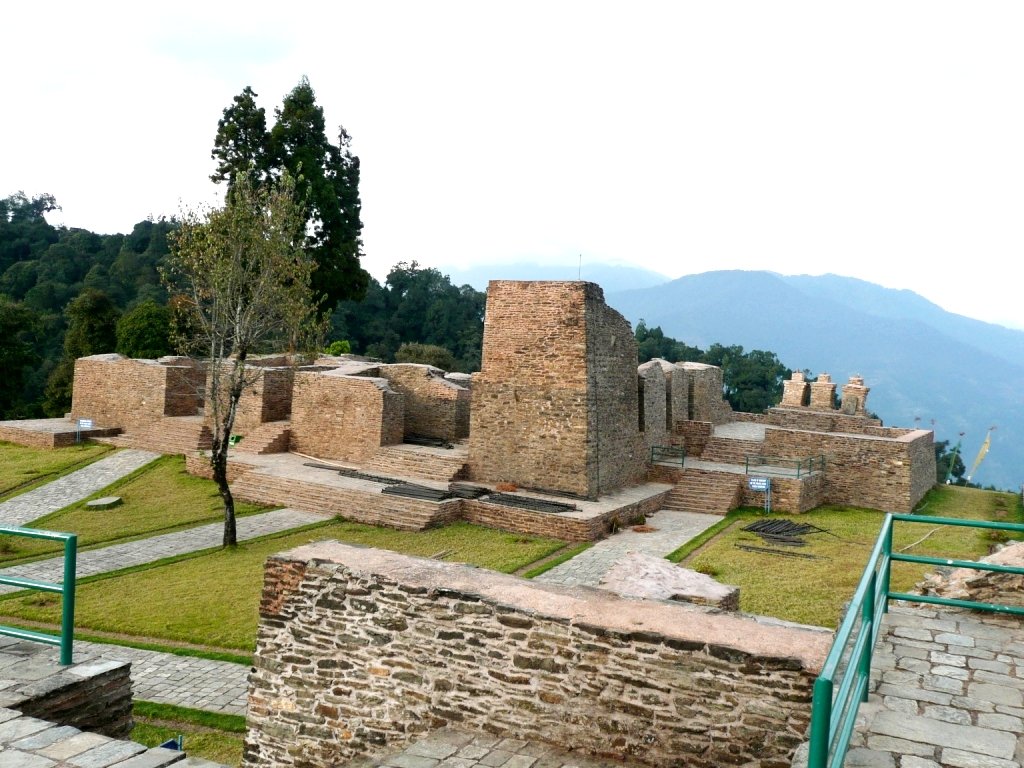
Rabdentse was the second capital of the former Kingdom of Sikkim after Yuksom. The surrounding region developed around royal centres, monasteries and traditional trade routes. Gyalshing later became an important administrative and commercial town serving nearby villages and tourist destinations.
Geography
Gyalshing is located in western Sikkim, in a mountainous region characterised by forested slopes, deep valleys, winding roads and views of the Himalayan ranges. Its elevation and green surroundings give the town a cool mountain atmosphere for much of the year.
Himalayan Landscape
The surrounding landscape includes rolling hills, river valleys, cultivated slopes and forested areas. On clear days, visitors travelling around the district can enjoy impressive views of the mountains, including the Khangchendzonga range from suitable viewpoints.
Culture and Traditions
Gyalshing reflects the diverse cultural heritage of Sikkim, including Nepali, Bhutia and Lepcha traditions. Buddhist religious practices, local festivals, traditional music, dance and village customs contribute to the area's cultural identity.
Buddhist Heritage
Monasteries are important cultural and spiritual landmarks around Gyalshing. Visitors can explore traditional Buddhist art, prayer halls, murals, religious ceremonies and peaceful monastery courtyards at destinations such as Pemayangtse, Dubdi and Sanga Choeling.
Architecture and Heritage
The region's heritage includes historic monasteries, royal archaeological ruins, traditional market buildings and religious monuments. These landmarks provide a glimpse into the former Kingdom of Sikkim and its long-standing Buddhist traditions.
Pemayangtse Monastery
Pemayangtse Monastery is one of Sikkim's oldest and most important monasteries. Located near Pelling, it is known for its traditional architecture, religious artwork, sculptures and spiritual significance.
Rabdentse Ruins
Rabdentse Ruins preserve the remains of the former royal capital of Sikkim. Visitors can walk through the forested approach to the archaeological site and explore the palace remains while enjoying views across the surrounding valleys.
Gyalshing Mendang
The Mendang, or Holy Wall, near Gyalshing Bazaar is an important religious landmark associated with Chogyal Chador Namgyal, the third ruler of Sikkim. It reflects the town's long-standing Buddhist heritage and continues to be a place of religious significance.
Famous Places
Gyalshing Bazaar
Gyalshing Bazaar is one of the town's best-known local attractions. The historic market serves nearby villages, where people gather to sell agricultural produce, vegetables, dairy products and other local goods. Visitors can explore shops, local eateries and everyday market life, particularly on busy market days.
Pemayangtse Monastery
Located near Pelling, Pemayangtse Monastery is a major destination for visitors interested in Buddhist culture and architecture. Its religious artwork and historic setting make it one of the most significant cultural attractions in the district.
Rabdentse Ruins
Rabdentse Ruins are the remains of Sikkim's second capital. The site is reached by a walk through a forested area near Pemayangtse Monastery and offers a combination of history, archaeology and scenic valley views.
Sanga Choeling Monastery and Sky Walk
Sanga Choeling Monastery is a historic Buddhist monastery near Pelling. The nearby skywalk area features a large statue of Chenrezig and a glass-bottom viewing bridge, offering visitors an unusual perspective of the surrounding mountain landscape.
Khecheopalri Lake
Khecheopalri Lake is a sacred lake revered by both Buddhists and Hindus. Surrounded by dense forest and peaceful hills, it is popularly known as a wish-fulfilling lake. Visitors come here for its spiritual atmosphere, natural beauty and quiet surroundings.
Dubdi Monastery
Dubdi Monastery is located near Yuksom and is recognised as one of the oldest monasteries in Sikkim. Its historic setting and forested surroundings make it an appealing destination for travellers interested in the early Buddhist history of the region.
Kirateshwar Mahadev Temple
Situated near the banks of the Rangit River, Kirateshwar Mahadev Temple is an important Hindu religious site. It attracts devotees and visitors interested in the region's religious diversity and riverside scenery.
Pelling
Pelling is a popular mountain destination approximately 10 kilometres from Gyalshing. It is known for its spectacular views of Khangchendzonga, monasteries, nature walks, adventure activities and access to several major attractions of western Sikkim.
Famous Dishes
Gyalshing offers a mix of Sikkimese, Nepali and Tibetan-influenced food. Local eateries and restaurants serve traditional meals, warming soups, dumplings and regional specialities that are well suited to the cool mountain climate.
Momos
Momos are steamed or fried dumplings filled with vegetables or meat. They are popular throughout Sikkim and can be found at local restaurants and eateries around Gyalshing Bazaar.
Thukpa
Thukpa is a noodle soup prepared with vegetables or meat. It is a comforting meal for visitors exploring the surrounding hills and monasteries in cool weather.
Phagshapa
Phagshapa is a traditional Sikkimese pork dish prepared with radish and chillies. It is one of the regional foods visitors may encounter at restaurants serving local Sikkimese cuisine.
Gundruk and Sinki
Gundruk and Sinki are traditional fermented vegetable preparations found in Himalayan food traditions. They are served in a variety of regional dishes and reflect the area's longstanding food-preservation practices.
Famous Personalities
Gyalshing's historical identity is closely associated with the former royal rulers of Sikkim and the Buddhist religious figures who helped establish its monasteries.
Chogyal Chador Namgyal
Chogyal Chador Namgyal was the third ruler of Sikkim and is associated with the construction of the Mendang, or Holy Wall, near Gyalshing Bazaar. The landmark remains an important part of the town's religious heritage.
Phuntsog Namgyal
Phuntsog Namgyal was the first Chogyal of Sikkim, crowned at Norbugang in Yuksom in 1642. His coronation marked an important milestone in the establishment of the Sikkimese kingdom.
Festivals
Pang Lhabsol
Pang Lhabsol is an important Sikkimese festival that honours Mount Khangchendzonga as the guardian deity of the land. The celebrations include prayers, traditional masked dances and cultural performances.
Losar
Losar marks the Tibetan and Himalayan New Year. Communities observing the festival celebrate with prayers, family gatherings, traditional food and cultural activities.
Bumchu Festival
Bumchu is an important Buddhist festival associated with Tashiding Monastery. The sacred water ceremony is linked with religious beliefs and is attended by devotees and visitors from different parts of Sikkim.
Saga Dawa
Saga Dawa is a significant Buddhist observance commemorating important events in the life of Gautama Buddha. Monasteries and devotees mark the occasion through prayers, religious offerings and acts of compassion.
Things to Do
Explore Gyalshing Bazaar
Walk through the local market, browse shops and experience the daily life of the town. It is a good place to discover local produce, regional goods and traditional food.
Visit Historic Monasteries
Explore Pemayangtse, Dubdi and Sanga Choeling monasteries to learn about Sikkim's Buddhist heritage, architecture and spiritual traditions.
Discover Royal History
Visit Rabdentse Ruins and learn about the former capital of Sikkim. The walk through the surrounding forest also offers a peaceful nature experience.
Enjoy Mountain Views
Travel towards Pelling and nearby viewpoints for panoramic views of the Himalayan landscape. Clear-weather mornings often provide the best opportunities for mountain photography.
Visit Sacred Khecheopalri Lake
Spend time beside Khecheopalri Lake, enjoy its forest surroundings and learn about its religious importance to Buddhist and Hindu communities.
Experience Local Food and Culture
Try regional dishes, visit local markets and observe traditional cultural practices in the villages and towns around Gyalshing.
Where to Eat, Shop, and Stay
Gyalshing offers local eateries, shops, lodges and basic visitor services. Travellers can use the town as a base for exploring the surrounding monasteries, historical sites and mountain destinations.
Gyalshing Bazaar
The bazaar is a convenient place to shop for everyday goods, local produce, snacks and travel essentials. Visitors can also experience the traditional market atmosphere and interact with local vendors.
Accommodation
Accommodation options include local lodges, guesthouses and hotels in Gyalshing and nearby Pelling. Travellers seeking wider choices of hotels and mountain-view stays may consider staying in Pelling.
What is Gyalshing Famous For?
Gyalshing is famous for its royal history, historic monasteries, Rabdentse Ruins, traditional bazaar and access to Pelling and other western Sikkim attractions. Its location makes it a useful starting point for exploring sacred lakes, Buddhist heritage and Himalayan landscapes.
Best Time to Visit
The best time to visit Gyalshing is generally from March to May and October to November, when conditions are often suitable for sightseeing, exploring monasteries and enjoying mountain views.
Spring and Early Summer
March to May brings green landscapes, pleasant daytime conditions and opportunities to explore monasteries, markets and nearby natural attractions.
Autumn
October and November often provide clear skies and good opportunities to enjoy Himalayan scenery. The weather can become cold in the evenings, so warm clothing is recommended.
Monsoon Travel
Heavy monsoon rain can affect visibility, roads and walking trails. Check local weather and road conditions before travelling to remote areas or planning long excursions.
How to Reach
By Air
Bagdogra Airport in West Bengal is a major airport gateway for travellers heading to Gyalshing. From the airport, visitors can continue by road through the hills of Sikkim.
By Train
New Jalpaiguri Railway Station in West Bengal is a major rail gateway for reaching Gyalshing. Taxis and other road transport are available for onward travel.
By Road
Gyalshing is connected by road with Gangtok, Pelling and other destinations in Sikkim. SNT buses and local transport services serve the town, while taxis and hired vehicles are useful for exploring nearby attractions.
Nearby Places
Pelling
Pelling is a scenic hill town near Gyalshing, known for mountain views, monasteries, the skywalk and access to other tourist attractions in western Sikkim.
Yuksom
Yuksom is a historically important settlement associated with the establishment of the Sikkimese kingdom. It is known for Norbugang Coronation Throne, Dubdi Monastery and trekking routes into the Himalayas.
Khecheopalri Lake
Khecheopalri Lake is a sacred natural attraction surrounded by forested hills. It is popular with pilgrims, nature lovers and travellers seeking a peaceful setting.
Dentam
Dentam is a scenic village in western Sikkim surrounded by hills and natural landscapes. It offers a quieter experience for travellers interested in rural scenery and exploring lesser-known destinations.
Best Duration for a Trip
A 2–3 day trip is suitable for exploring Gyalshing, its bazaar, nearby monasteries and Rabdentse Ruins. Travellers who want to include Pelling, Khecheopalri Lake and Yuksom should consider extending their stay to 4–5 days.
Travel Tips
- Carry warm clothing, as mountain temperatures can change quickly.
- Wear comfortable shoes for monastery visits and forest walks.
- Check weather and road conditions before travelling during the monsoon.
- Respect religious customs and follow monastery visitor instructions.
- Ask permission before photographing people or religious ceremonies.
- Book accommodation and transport in advance during busy holiday periods.
- Carry cash for smaller shops and local markets.
- Keep historical sites, lakes and forest trails clean.
Why Visit Gyalshing?
Gyalshing is an excellent destination for travellers who want to explore the historic and cultural side of Sikkim alongside its natural beauty. Its combination of royal heritage, Buddhist monasteries, traditional markets, sacred lakes and Himalayan scenery makes it a rewarding destination for history lovers, families, photographers and nature enthusiasts.
Conclusion
Gyalshing offers a memorable journey through the history, culture and landscapes of western Sikkim. From the lively atmosphere of Gyalshing Bazaar and the ancient Rabdentse Ruins to the spiritual beauty of Pemayangtse Monastery and the peaceful waters of Khecheopalri Lake, the region offers a wonderful combination of heritage, nature and Himalayan experiences.
"Travel is the only thing you buy that makes you richer."