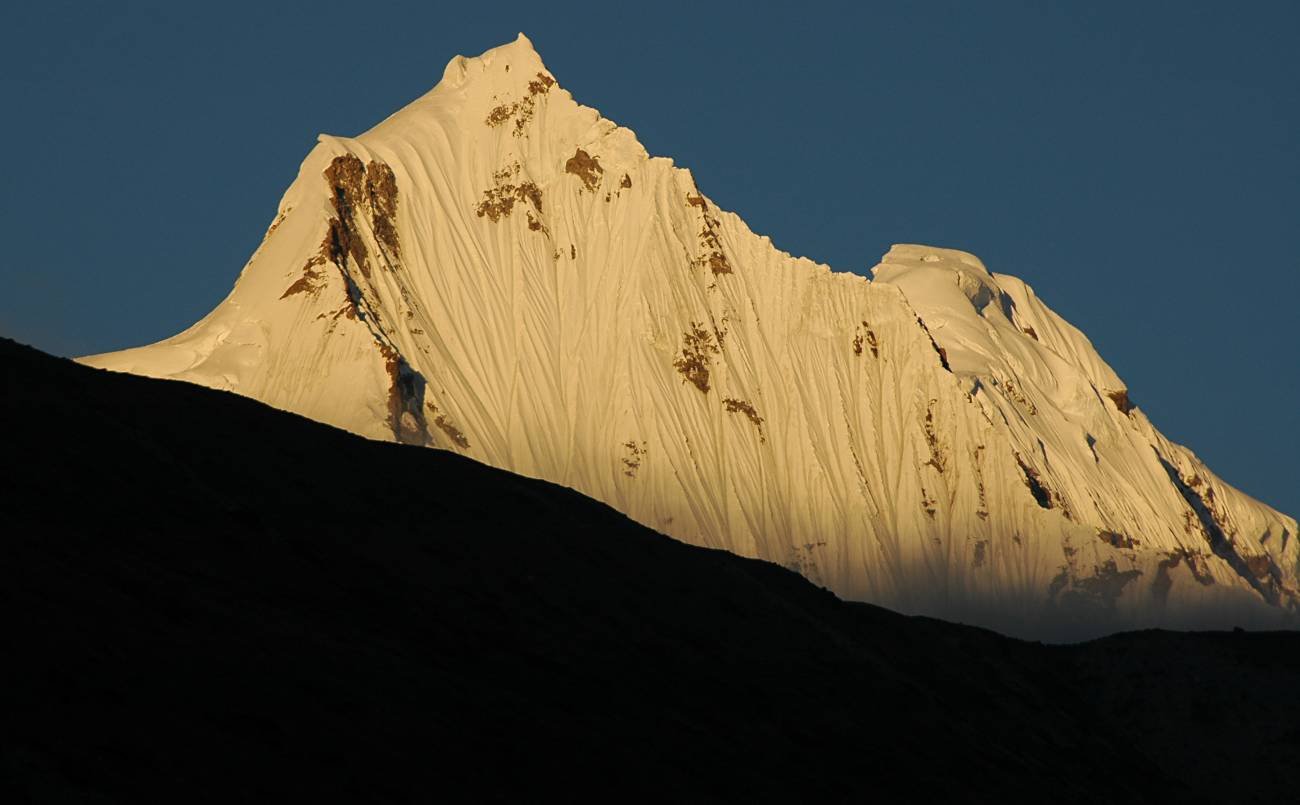
Mangan: Where Himalayan Mountains Meet Untouched Nature
Mangan is a scenic Himalayan town in northern Sikkim and the headquarters of Mangan district. Surrounded by forested mountains, deep valleys, waterfalls and the beautiful Teesta River landscape, it serves as an important gateway to North Sikkim. The region is known for its Buddhist monasteries, indigenous Lepcha heritage, alpine scenery and access to destinations such as Lachung, Yumthang Valley and Gurudongmar Lake.
History
Mangan and the surrounding region have a long history connected with the indigenous communities and traditional kingdoms of Sikkim. The area has historically been an important route connecting settlements in the lower hills with the remote valleys of northern Sikkim.
Historical Importance
Kabi Lungchok is one of the region's significant historical landmarks. According to local tradition, it marks the agreement of brotherhood between Lepcha chief Tekung Tek and Bhutia chief Khey Bhumsa. A memorial stone commemorates this important event in Sikkimese history.
Geography
Mangan district is the largest district of Sikkim by area. Its landscape ranges from green subtropical and temperate forests to alpine terrain and high-altitude areas farther north. Mangan town lies at approximately 2,000 feet above sea level, while the elevation rises significantly towards the Himalayan mountains.
Mountains and Valleys
The district is characterised by steep mountain slopes, deep valleys, dense vegetation and numerous waterfalls along its roads. The landscape changes dramatically with altitude, creating a variety of natural environments for travellers.
Teesta River
The Teesta River is one of the major geographical features of Sikkim. Its course through northern Sikkim creates dramatic river valleys and scenic landscapes around Mangan and nearby settlements.
Culture and Traditions
Mangan district is home to diverse communities, including Lepcha, Bhutia and Nepali people. Their languages, traditional practices, festivals, music and food contribute to the region's distinctive cultural identity.
Lepcha Heritage
The Lepcha community has a particularly strong historical connection with the natural landscape of northern Sikkim. Visitors can learn about Lepcha traditions, traditional houses, local knowledge and community life in areas such as Dzongu.
Village Traditions
Traditional villages in the region preserve local customs and community-based ways of life. Visitors should respect local practices, particularly when entering religious sites, private properties and culturally significant areas.
Architecture and Heritage
Mangan's heritage includes Buddhist monasteries, memorial stones, traditional Lepcha houses and cultural centres. These places offer insights into the religious traditions and indigenous history of northern Sikkim.
Phensang Monastery
Phensang Monastery was established in 1721 and belongs to the Nyingma school of Tibetan Buddhism. Set on a scenic hillside between Kabi Lungchok and Phodong, it is known for its peaceful surroundings and religious importance.
Phodong Monastery
Phodong Monastery is one of the important Buddhist monasteries of Sikkim. Built in the eighteenth century under Chogyal Gyurmed Namgyal, it is recognised for its traditional architecture, religious artwork and spiritual significance.
Rong Lungten Lee
Rong Lungten Lee is a replica of a traditional Lepcha house located at Namprikdang. Its rooms and attic illustrate elements of traditional Lepcha architecture and provide visitors with an opportunity to learn about local heritage.
Famous Places
Seven Sisters Falls
Seven Sisters Falls is a picturesque waterfall located along the highway connecting Gangtok with North Sikkim. Water cascades down a forested mountainside, creating an attractive stop for sightseeing and photography. A viewing shelter allows visitors to enjoy the waterfall from a designated area.
Singhik Viewpoint
Singhik is known for its spectacular views of Mount Khangchendzonga and Mount Siniolchu. The village is an excellent destination for mountain photography, short nature walks and peaceful views of the surrounding Himalayan landscape.
Kabi Lungchok
Kabi Lungchok is a historical site surrounded by forest. Its memorial stone commemorates the traditional brotherhood agreement between Lepcha and Bhutia leaders, making it an important destination for travellers interested in Sikkim's history.
Phensang Monastery
Phensang Monastery sits on a scenic hillside and is known for its religious atmosphere and traditional Buddhist heritage. Visitors can explore the monastery respectfully while enjoying views of the surrounding hills.
Phodong Monastery
Phodong Monastery is an important religious landmark north of Gangtok. Its historic buildings, Buddhist artwork and quiet setting make it a worthwhile stop for visitors exploring the Mangan region.
Dzongu
Dzongu is a protected area associated with the indigenous Lepcha community. Surrounded by forests, rivers, cardamom fields and mountain scenery, it offers village walks, cultural experiences and opportunities to discover traditional Lepcha life. Visitors should check local entry requirements before travelling.
Chungthang
Chungthang is an important settlement in North Sikkim, located near the confluence of the Lachen Chu and Lachung Chu rivers. It is a key route junction for travellers heading towards Lachen, Lachung and other high-altitude destinations.
Lachung
Lachung is a mountain village known for its traditional community structure, monastery and beautiful natural surroundings. It is a popular base for visiting Yumthang Valley and other nearby Himalayan attractions.
Yumthang Valley
Yumthang Valley, often called the Valley of Flowers of Sikkim, is known for alpine meadows, rhododendrons, hot springs and snow-covered mountain scenery. Its seasonal flowers and dramatic landscape make it one of the most popular destinations in North Sikkim.
Gurudongmar Lake
Gurudongmar Lake is a sacred high-altitude lake revered by both Buddhist and Hindu communities. Located in a dramatic landscape of mountains and open alpine terrain, it is one of the most remarkable natural attractions of northern Sikkim. High altitude, weather and access restrictions should be considered when planning a visit.
Famous Dishes
Mangan offers traditional Sikkimese and Himalayan cuisine influenced by Lepcha, Bhutia, Nepali and Tibetan food traditions. Visitors can find warming soups, dumplings, noodle dishes and local preparations in town eateries and homestays.
Momos
Momos are steamed or fried dumplings filled with vegetables or meat. They are popular across Sikkim and are commonly served with spicy dipping sauces.
Thukpa
Thukpa is a comforting noodle soup prepared with vegetables or meat. It is particularly enjoyable in the cool mountain climate of Mangan and surrounding villages.
Phagshapa
Phagshapa is a traditional Sikkimese pork dish prepared with radish and chillies. It represents the distinctive flavours of the region's Himalayan cuisine.
Bamboo Shoot Dishes
Bamboo shoots are used in a variety of Himalayan food preparations. Depending on the local recipe, they may be cooked with vegetables, meat or other regional ingredients.
Famous Personalities
Official district tourism sources do not provide a dedicated list of famous personalities specifically associated with Mangan town. The area's cultural history is strongly connected with indigenous Lepcha heritage, the historical relationship between Lepcha and Bhutia communities, and the Buddhist institutions of northern Sikkim.
Festivals
Losar
Losar marks the Tibetan and Himalayan New Year. Communities observing the festival celebrate with prayers, family gatherings, traditional food and cultural activities.
Saga Dawa
Saga Dawa is an important Buddhist observance commemorating significant events in the life of Gautama Buddha. Religious ceremonies, prayers and acts of compassion are central to the festival.
Pang Lhabsol
Pang Lhabsol honours Mount Khangchendzonga as the guardian deity of Sikkim. The festival features religious ceremonies and traditional masked dances that reflect the region's spiritual heritage.
Mangan Music Festival
Mangan is known for a three-day music festival traditionally held in December. The event has featured performers from Sikkim and other northeastern states, along with local handicrafts, cultural songs, dances and food.
Things to Do
Enjoy Mountain Photography
Visit Singhik and other suitable viewpoints to photograph Mount Khangchendzonga, Mount Siniolchu and the surrounding valleys. Clear weather generally offers the best visibility.
Explore Buddhist Monasteries
Discover the religious architecture, murals and peaceful surroundings of Phensang and Phodong monasteries while learning about Buddhist traditions in Sikkim.
Visit Kabi Lungchok
Explore the historical memorial stone at Kabi Lungchok and learn about the traditional agreement between Lepcha and Bhutia leaders.
Experience Lepcha Culture in Dzongu
Arrange a responsible visit to Dzongu to experience village walks, traditional Lepcha houses, local crafts and the area's distinctive cultural heritage.
Discover Waterfalls and River Valleys
Stop at Seven Sisters Falls and enjoy the scenic landscapes along the Teesta River. Always follow safety instructions around waterfalls, rivers and steep roadside viewpoints.
Plan an Excursion to Yumthang
Use Mangan as part of a wider North Sikkim itinerary to explore Lachung and Yumthang Valley. Seasonal road conditions and local travel rules can affect access.
Where to Eat, Shop, and Stay
Mangan offers local eateries, markets, guesthouses and accommodation options. Travellers can use the town as a convenient stop before continuing towards the remote valleys and high-altitude destinations of North Sikkim.
Local Markets
The town's markets provide everyday goods, local produce, snacks and some regional handicrafts. Exploring the market is a good way to experience the daily life of the district headquarters.
Homestays and Guesthouses
Homestays and guesthouses can be found in Mangan and surrounding destinations. In areas such as Dzongu, visitors may find opportunities to stay with local families and learn about traditional community life.
Travel Accommodation
For trips to Lachung, Yumthang and Gurudongmar Lake, consider arranging accommodation and transport through authorised local operators. Remote destinations may have limited services and require advance planning.
What is Mangan Famous For?
Mangan is famous for its Himalayan scenery, waterfalls, Buddhist monasteries, Lepcha cultural heritage and access to North Sikkim's alpine destinations. Singhik Viewpoint, Kabi Lungchok, Phodong Monastery and the routes towards Yumthang Valley and Gurudongmar Lake are among the region's notable attractions.
Best Time to Visit
The best time to visit Mangan depends on the attractions you want to explore. March to May is often suitable for spring scenery and flowers, while October to November can offer clearer mountain views. High-altitude destinations may have different seasonal access conditions.
Spring and Early Summer
Spring brings greener landscapes and seasonal flowers to many parts of Sikkim. It is a good period for exploring lower-altitude villages, monasteries and viewpoints.
Autumn
Autumn often provides clear skies and impressive mountain views. It is a popular season for sightseeing, photography and travelling through the valleys of North Sikkim.
Winter and Monsoon
Winter can bring very cold temperatures and snow to high-altitude areas, while monsoon rain may cause landslides and road disruptions. Check current road and weather advisories before travelling.
How to Reach
By Air
Bagdogra Airport in West Bengal is a major air gateway for Mangan and North Sikkim. Pakyong Airport may also be an option when suitable flights are operating. From either airport, travellers must continue by road.
By Train
New Jalpaiguri Railway Station in West Bengal is a major rail gateway for reaching Sikkim. Taxis and other road transport can be arranged for the onward journey to Mangan.
By Road
Mangan is connected to Gangtok and other parts of Sikkim by mountain roads. The headquarters is approximately 67 kilometres from Gangtok according to Sikkim Tourism. Journey times can vary with traffic, weather and road conditions.
Nearby Places
Singhik
Singhik is a scenic village known for panoramic views of Khangchendzonga and Siniolchu. It is ideal for photography and short nature walks.
Kabi Lungchok
Kabi Lungchok is a historical site associated with the traditional brotherhood agreement between Lepcha and Bhutia leaders.
Dzongu
Dzongu offers forested landscapes, traditional Lepcha villages, river scenery and cultural experiences for visitors who arrange the required permissions.
Chungthang
Chungthang is an important junction for journeys towards Lachen and Lachung and is known for the confluence of the Lachen Chu and Lachung Chu rivers.
Lachung and Yumthang Valley
Lachung is a popular mountain village and a base for visiting Yumthang Valley, famous for alpine scenery, rhododendrons and hot springs.
Best Duration for a Trip
A 1–2 day stay is suitable for exploring Mangan town, nearby viewpoints and monasteries. If you plan to include Dzongu, Lachung, Yumthang Valley or Gurudongmar Lake, allow additional days and confirm local travel requirements in advance.
Travel Tips
- Check the latest road status before travelling to North Sikkim, especially after heavy rain or snowfall.
- Carry warm clothing, including for trips during spring and autumn.
- Arrange permits and local transport for restricted or high-altitude destinations where required.
- Travel slowly at high altitudes and pay attention to any symptoms of altitude sickness.
- Respect local customs and ask permission before photographing people or religious ceremonies.
- Use authorised local guides and operators for remote destinations.
- Carry drinking water, essential medicines and basic travel supplies.
- Avoid standing close to unstable slopes, waterfalls or fast-flowing rivers.
- Keep forests, monasteries and natural attractions clean.
Why Visit Mangan?
Mangan is an excellent destination for travellers who want to experience the natural and cultural diversity of northern Sikkim. Its combination of mountain scenery, waterfalls, monasteries, indigenous Lepcha heritage and access to alpine valleys makes it appealing to nature lovers, photographers, adventure travellers and cultural explorers.
Conclusion
Mangan offers a memorable introduction to the landscapes and heritage of North Sikkim. From the cascading waters of Seven Sisters Falls and the mountain views of Singhik to the historic sites of Kabi Lungchok, the monasteries of Phensang and Phodong, and the routes towards Dzongu and Yumthang Valley, the region brings together nature, culture and Himalayan adventure.
"Travel is the only thing you buy that makes you richer."