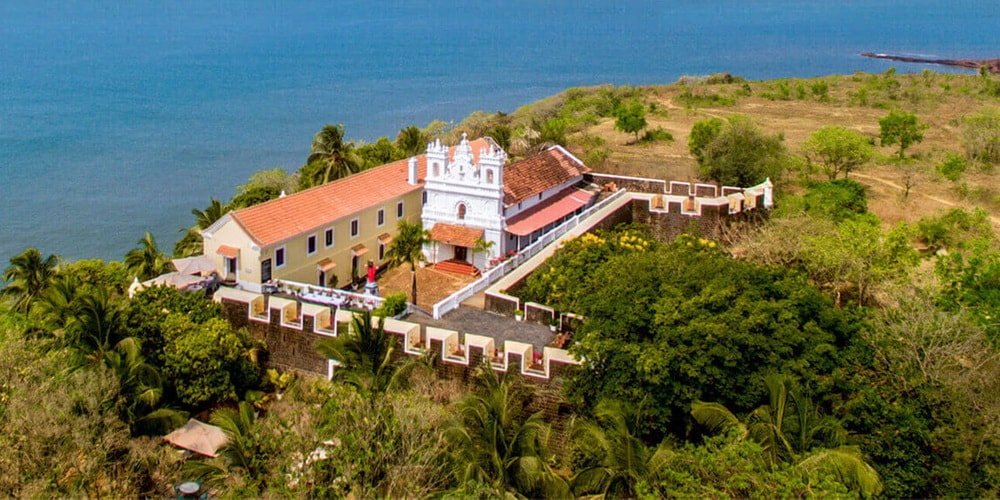
Margao (Madgaon) – The Cultural and Commercial Heart of South Goa
Located in South Goa, Margao, also known as Madgaon, is the commercial capital of Goa and the headquarters of South Goa district. The city is an important business, transport and cultural centre, while its historic neighbourhoods preserve a fascinating blend of Goan and Portuguese influences.
Known for its heritage mansions, historic churches, bustling markets, traditional food and proximity to the famous beaches of South Goa, Margao offers travellers a different side of Goa beyond the typical beach holiday. Its old-world streets, lively bazaars and cultural landmarks make it an interesting destination for visitors who want to experience the everyday character of Goa.
History of Margao
The history of Margao goes back to a time when the area was an important religious centre. The name Margao is widely associated with Mathgram, referring to the Hindu religious centres or maths that existed in the area.
- Margao developed as an important religious and settlement centre in the Salcete region.
- The area had numerous temples and religious institutions before Portuguese rule.
- Many of the older Hindu religious institutions were affected or relocated during the Portuguese period.
- Portuguese influence later shaped the city's churches, houses, streets and civic architecture.
- Margao gradually developed into an important commercial and administrative centre of South Goa.
Today, Margao reflects several layers of Goa's history, from its earlier Hindu traditions to its Portuguese-era architecture and its modern role as a major commercial city.
Geography of Margao
Margao is located in South Goa and serves as the headquarters of both Salcete taluka and South Goa district. The city lies amid the fertile landscapes of the Salcete region and is well connected to the southern coastal belt.
Margao's geography is characterised by:
Fertile agricultural land surrounding the city
Low-lying tropical landscapes typical of coastal Goa
Proximity to the Arabian Sea and South Goa's famous beaches
Important transport connections linking the city with different parts of Goa
Neighbouring villages and countryside that preserve traditional Goan landscapes
Its central position in South Goa makes Margao an important base for exploring destinations such as Colva, Benaulim, Varca, Cavelossim and other coastal areas. :contentReference[oaicite:1]{index=1}
Culture and Traditions of Margao
The culture of Margao reflects the wider multicultural character of Goa, where Hindu and Christian traditions, Konkani heritage and Portuguese influences have developed alongside one another over centuries.
Traditional Lifestyle
Margao combines the pace of a busy commercial town with the traditions of old Goan neighbourhoods. Markets, churches, temples, community spaces and traditional homes continue to play an important role in everyday life.
Language and Traditions
Konkani remains an important language of local culture, while Marathi, Hindi and English are also commonly used. The city's traditions can be seen through religious celebrations, village feasts, local markets, music, food and community gatherings.
Music, Arts and Cultural Life
Margao has a strong cultural identity and is home to venues and institutions that support music, theatre, literature and performing arts. Cultural programmes, traditional celebrations and public events contribute to the city's reputation as an important cultural centre in Goa.
The combination of local traditions, Portuguese heritage and modern urban life gives Margao a distinctive cultural character.
Architecture of Margao
Architecture is one of Margao's most attractive features. The city is particularly known for its Indo-Portuguese heritage houses, historic churches, colonial-era civic buildings and traditional neighbourhoods.
Holy Spirit Church
The Church of the Holy Spirit is one of Margao's most important landmarks. Its present structure was completed in 1675 and is recognised as an outstanding example of Goa's late-Baroque architectural tradition. Its white façade and richly decorated interior make it one of the city's most distinctive heritage structures. :contentReference[oaicite:2]{index=2}
Indo-Portuguese Heritage Houses
Historic neighbourhoods around the church and Abade Faria Road contain impressive Goan mansions featuring balconies, balcaos, decorative façades and other architectural details associated with the region's Indo-Portuguese heritage.
Seven Gables House
The House of Seven Gables, also known as Sat Burzam Ghor, is one of Margao's most recognisable historic houses. Although only three of its original seven gables remain, the structure offers a glimpse into the scale and elegance of old Goan mansions. :contentReference[oaicite:3]{index=3}
For architecture and heritage lovers, walking through Margao's older neighbourhoods is an excellent way to discover the city's historic character.
Famous Places in Margao
Margao has a combination of heritage landmarks, markets, cultural spaces and scenic viewpoints. Here are some of the places worth exploring.
Holy Spirit Church
Located near the heart of Margao, the Holy Spirit Church is one of the city's most famous landmarks. Its striking white façade and Baroque design make it an important example of Goa's historic church architecture.
Municipal Garden
The Municipal Garden, also associated with Praça Jorge Barreto, is located in the central part of the city. The surrounding area is an important commercial and civic space with shops, offices, restaurants and access to the city's market areas. :contentReference[oaicite:4]{index=4}
Margao Market
The bustling market area is one of the best places to experience the everyday atmosphere of Margao. Visitors can find spices, chillies, local produce, traditional foods, dried fish and Goan specialities, making it an interesting stop for food and culture enthusiasts. :contentReference[oaicite:5]{index=5}
House of Seven Gables
This historic mansion near the Church of the Holy Spirit is an important reminder of Margao's Portuguese-era architectural heritage. Its surviving gables and impressive scale make it a popular heritage sight.
Monte Hill
Monte Hill is home to a chapel dedicated to Our Lady of Piety. The elevated location provides beautiful views across Margao and the surrounding Salcete countryside, making it a peaceful place to visit. :contentReference[oaicite:6]{index=6}
Ravindra Bhavan
Located in Fatorda, Ravindra Bhavan is an important cultural venue associated with performances and cultural programmes in South Goa. It adds to Margao's reputation as a centre for arts and culture.
For travellers interested in heritage, architecture, markets, culture and local Goan life, Margao offers experiences beyond the state's famous beaches.
Famous Dishes of Margao
The food culture of Margao reflects the rich culinary traditions of Goa. Local markets and eateries offer a variety of seafood, meat dishes, rice-based meals, spices, pickles and traditional Goan sweets.
Goan Fish Curry and Rice
Fish curry with rice is one of Goa's most familiar traditional meals. The curry commonly combines fish with coconut, spices and tangy flavours, making it an essential part of the Goan food experience.
Goan Pork Sausages
Goan pork sausages are a popular local speciality and can be found in Margao's markets. They are strongly associated with Goa's Indo-Portuguese culinary heritage and are particularly popular among visitors looking to take home local flavours. :contentReference[oaicite:7]{index=7}
Chicken or Mutton Xacuti
Xacuti is a richly spiced Goan curry prepared with a blend of roasted spices and coconut. It is a popular dish for those who want to explore the deeper flavours of Goan cuisine.
Pork Vindaloo and Sorpotel
These dishes reflect the Portuguese influence on Goan cuisine. Vindaloo is known for its spicy and tangy flavour, while sorpotel is a traditional meat preparation often associated with festive meals.
Bebinca
Bebinca is a traditional layered Goan dessert made with ingredients such as coconut milk, eggs, sugar and flour. It is especially associated with celebrations and festive occasions.
Exploring Margao's markets and local eateries is one of the best ways to experience Goa's diverse culinary heritage.
Famous Personalities of Margao
Margao has contributed to Goa's cultural, literary, artistic and public life over the years. The city's importance as a cultural and educational centre has helped it become associated with several notable Goan personalities and institutions.
Local Writers and Cultural Figures
Margao has a strong tradition of literature, theatre, music and public cultural activities. Local writers, artists, performers and community figures have contributed to the city's reputation as one of Goa's important cultural centres.
Swami Vivekananda's Connection
Swami Vivekananda visited Goa in 1892 and is associated with a stay at the Damodar Sal in Margao. The site is therefore of interest to visitors exploring the city's historical and spiritual connections. :contentReference[oaicite:8]{index=8}
Rather than being defined by a long list of famous personalities, Margao's identity is strongly connected with the artists, writers, cultural institutions and communities that have shaped South Goa's public life.
Festivals of Margao
Festivals in Margao reflect Goa's diverse religious and cultural traditions. The city hosts celebrations associated with Christian, Hindu and wider Goan folk traditions, often bringing together large community gatherings, food, music and cultural activities.
Goa Carnival
The colourful Goa Carnival is celebrated in Margao along with other major centres of Goa. Parades, floats, music, costumes and street performances create a lively atmosphere and reflect the state's Portuguese-influenced cultural heritage. :contentReference[oaicite:9]{index=9}
Shigmo Festival
Shigmo is one of Goa's major spring festivals and is celebrated across the state, including Margao. Traditional processions, folk performances, colourful costumes and music form an important part of the celebrations. :contentReference[oaicite:10]{index=10}
Feasts and Local Religious Celebrations
Church feasts and other religious celebrations are an important part of life in Margao and surrounding villages. These occasions often combine religious observances with community gatherings and traditional food.
Purumetache Fest
The Purumetache Fest in Margao is associated with the traditional practice of stocking up on food and ingredients before the monsoon. Local produce, spices, dried fish, pickles and homemade Goan specialities are among the products associated with the celebration. :contentReference[oaicite:11]{index=11}
For visitors, experiencing a local festival provides an opportunity to see Margao's community spirit, food traditions and cultural heritage at their liveliest.
Things to Do in Margao
Margao is ideal for travellers who want to experience the heritage, food, markets and everyday culture of South Goa. Here are some of the best things to do while exploring the city:
Explore the Heritage Streets
Take a walk around the old neighbourhoods near the Holy Spirit Church and Abade Faria Road to admire traditional Goan mansions, balconies and Portuguese-influenced architecture.
Visit the Holy Spirit Church
Spend some time exploring the architecture and surroundings of the Holy Spirit Church, one of Margao's most important historic landmarks.
Explore the Local Market
Visit Margao's bustling market to discover spices, chillies, dried fish, local produce, sausages and traditional Goan ingredients. The market is also a great place to observe everyday local life.
Climb Monte Hill
Head towards Monte Hill and enjoy the peaceful surroundings and panoramic views of Margao and the Salcete countryside.
Enjoy Goan Food
Try traditional Goan dishes at local restaurants and eateries. Margao is a good place to explore both everyday Goan meals and festive specialities.
Take a Cultural Walk
A guided or self-guided heritage walk through Margao can reveal stories behind its old mansions, churches, streets and historic neighbourhoods. Goa Tourism also promotes a Margao Cultural Walk focused on heritage, culture and local stories. :contentReference[oaicite:12]{index=12}
Visit Nearby Beaches
Use Margao as a base to explore the nearby South Goa coastline. Colva and Benaulim are among the closest beach destinations, while Varca, Cavelossim and Mobor can also be reached from the city. :contentReference[oaicite:13]{index=13}
For travellers looking beyond Goa's nightlife and beach resorts, Margao offers a chance to discover the state's heritage, food, architecture and everyday culture.
Where to Eat, Shop, and Stay in Margao
As one of South Goa's largest commercial centres, Margao offers a wider range of restaurants, markets, shops, hotels and guesthouses than many smaller towns in the region.
Where to Eat
Margao has many local restaurants and eateries where visitors can try traditional Goan cuisine as well as Indian and international food. The city's market areas are especially useful for discovering local spices, sausages, snacks, seafood and other Goan specialities.
Visitors should consider trying local dishes such as fish curry rice, xacuti, vindaloo, sorpotel and Goan sweets during their stay.
Where to Shop
The Margao market is one of the best places for local shopping. Visitors can look for spices, chillies, coconut products, vinegar, dried fish, traditional foods, clothing and everyday goods. :contentReference[oaicite:14]{index=14}
For a more local shopping experience, exploring the market lanes around the central city is often more rewarding than visiting modern shopping centres.
Where to Stay
Margao has a variety of accommodation options, making it a practical base for exploring South Goa.
Depending on your budget and travel style, visitors may find:
Hotels and business-oriented stays
Budget hotels and guesthouses
Serviced accommodation and apartments
Homestays and smaller local properties
Staying in Margao can be particularly convenient for travellers who want access to South Goa's beaches, railway connections, markets and transport services.
What Is Margao Famous For?
Margao is famous for being the commercial and cultural heart of South Goa. Unlike destinations known primarily for beaches, Margao offers visitors a closer look at the everyday life, heritage and food culture of Goa.
Margao is especially known for:
Commercial importance – it is one of Goa's major business and transport hubs.
Holy Spirit Church – one of the city's most important historic and architectural landmarks.
Indo-Portuguese heritage houses – traditional mansions that showcase Goa's distinctive architectural style.
Margao Market – a lively shopping destination for spices, local foods, produce and Goan specialities.
Goan cuisine – particularly seafood, pork sausages, curries, traditional sweets and festive dishes.
Monte Hill – a peaceful viewpoint overlooking Margao and the surrounding countryside.
South Goa's beach belt – with Colva, Benaulim, Varca and other beaches within easy reach.
For visitors, Margao is not simply a place to pass through. It is a destination where history, architecture, markets, food and contemporary Goan life come together.
Best Time to Visit Margao
The best time to visit Margao is generally from November to March, when Goa experiences pleasant and relatively dry weather. This period is suitable for heritage walks, sightseeing, market visits and trips to nearby beaches.
| Season | Months | Travel Experience |
|---|---|---|
| Winter | November–February | Pleasant weather and ideal for sightseeing |
| Spring | March–April | Warm weather with good opportunities for city exploration |
| Monsoon | June–September | Heavy rainfall, lush surroundings and a quieter atmosphere |
| Post-Monsoon | October | Greener landscapes and improving weather |
November to February is generally the most comfortable period for exploring Margao and combining the city with trips to the beaches and attractions of South Goa.
How to Reach Margao
Margao is one of Goa's most important transport hubs and is well connected with other parts of the state and India. Its location makes it a convenient base for exploring South Goa.
By Air
The nearest major airport is Goa International Airport at Dabolim, while Manohar International Airport at Mopa is another option depending on the travel route. From the airport, visitors can continue to Margao by taxi, bus or other road transport.
By Train
Madgaon Junction is one of Goa's most important railway stations and is located in Margao. It receives trains connecting Goa with major cities and regions across India, making rail travel a convenient option for many visitors.
By Road
Margao is well connected by road with Panaji, Vasco da Gama, Ponda and other parts of Goa. Regular buses, taxis and private vehicles can be used to reach the city.
Once in Margao, local buses, taxis, auto-rickshaws and rental vehicles can be used to explore the city and nearby destinations.
Nearby Places to Visit from Margao
Margao's location makes it an excellent base for exploring the beaches, heritage sites and villages of South Goa.
Colva Beach
Located just a short distance from Margao, Colva Beach is one of South Goa's most popular coastal destinations. Its long sandy shoreline, beach shacks and sunset views make it a convenient beach escape from the city. :contentReference[oaicite:15]{index=15}
Benaulim Beach
Benaulim is another beautiful South Goa beach known for its relaxed atmosphere, sandy coastline and nearby restaurants and beach shacks.
Rachol Seminary
Located near the Zuari River, Rachol Seminary is a historically important religious and educational institution. Goa Tourism sources place it about 12 kilometres from Margao and trace its construction to the late 16th and early 17th centuries. :contentReference[oaicite:16]{index=16}
Loutolim
The village of Loutolim offers a glimpse into Goa's traditional rural heritage. The Ancestral Goa cultural attraction is located here, about 8 kilometres from Margao, and recreates aspects of traditional Goan village life. :contentReference[oaicite:17]{index=17}
Varca and Cavelossim
The beaches of Varca and Cavelossim lie farther along the South Goa coast and are known for their long sandy stretches, resorts and quieter coastal atmosphere.
These destinations can easily be combined with a Margao trip to create an itinerary covering heritage, food, culture, villages and beaches.
Best Duration for a Trip to Margao
A 2 to 3-day trip is generally enough to explore Margao's main heritage sites, markets, food culture and nearby attractions. Travellers who want to use Margao as a base for exploring South Goa can stay for 3 to 5 days.
A suggested itinerary could include:
Day 1: Explore the Holy Spirit Church, heritage houses, Municipal Garden and Margao market.
Day 2: Visit Monte Hill, explore local food and take a cultural or heritage walk through the city's older neighbourhoods.
Day 3: Take a day trip to Colva, Benaulim or nearby heritage destinations.
Day 4–5: Explore destinations such as Rachol, Loutolim, Varca or Cavelossim and enjoy a more relaxed South Goa experience.
For travellers mainly interested in Margao's city attractions, 2 days can be sufficient. A longer stay is better for combining the city with South Goa's beaches and surrounding villages.
Travel Tips for Margao
Margao is easy to explore compared with many remote destinations in Goa, but a few practical tips can make your visit more comfortable.
Plan heritage walks during cooler hours: Morning and late afternoon are generally more comfortable for walking around the old parts of the city.
Carry cash for local markets: Smaller vendors and market stalls may prefer cash payments.
Try local food: Visit traditional eateries and markets to experience authentic Goan flavours.
Dress respectfully at religious sites: Churches and temples are active places of worship, so appropriate clothing and behaviour are recommended.
Be careful with photography: Ask permission before photographing people, private homes or religious ceremonies.
Use Margao as a South Goa base: The city's transport connections make it convenient for visiting nearby beaches and villages.
Check seasonal weather: The monsoon can bring heavy rainfall, while summer can be hot and humid.
Keep extra time for markets: Margao's markets can be busy, especially during festive and seasonal periods.
Explore beyond the main roads: Some of the city's most interesting heritage houses and local character can be found in its older neighbourhoods.
With a little planning, Margao can provide a rewarding combination of Goan heritage, food, architecture, markets and South Goa experiences.
Why Visit Margao?
Margao is a destination for travellers who want to experience the cultural and everyday side of Goa. While the state's beaches attract visitors from around the world, Margao offers a different experience filled with heritage architecture, markets, traditional food and local life.
Discover Goa's Heritage Architecture
Historic churches and Indo-Portuguese mansions provide a fascinating glimpse into the architectural history of Goa. The areas around the Holy Spirit Church and Abade Faria Road are particularly rewarding for heritage lovers.
Experience the Local Market Culture
Margao's markets provide an authentic look at everyday Goan life. From spices and chillies to sausages, dried fish and fresh produce, the market is a great place to experience the region's food culture.
Enjoy Authentic Goan Cuisine
Margao is a good place to discover traditional dishes and local ingredients that reflect the combination of Goan, Konkani and Portuguese culinary influences.
Explore South Goa from One Convenient Base
With its railway station, road connections and proximity to beaches such as Colva and Benaulim, Margao is a practical base for exploring the southern part of Goa.
Experience a Different Side of Goa
If you want to move beyond beach resorts and discover the history, culture, architecture and everyday rhythm of Goa, Margao offers an authentic and rewarding experience.
If you enjoy heritage, food, culture, architecture, markets and relaxed South Goa travel, Margao is a destination worth adding to your Goa itinerary.
Conclusion
Margao, or Madgaon, is much more than a commercial centre of South Goa. It is a city where Goa's history, Portuguese heritage, local traditions, food culture and modern everyday life come together.
From the historic Holy Spirit Church and elegant Indo-Portuguese mansions to the lively markets and peaceful surroundings of Monte Hill, Margao offers travellers an opportunity to experience a more authentic side of Goa. Its convenient location also makes it an excellent base for exploring Colva, Benaulim, Rachol, Loutolim and other destinations across South Goa.
If you are looking for a Goa experience that combines heritage, culture, food, architecture and easy access to the southern beaches, Margao is a city that deserves a place on your itinerary.
"Travel is the only thing you buy that makes you richer."