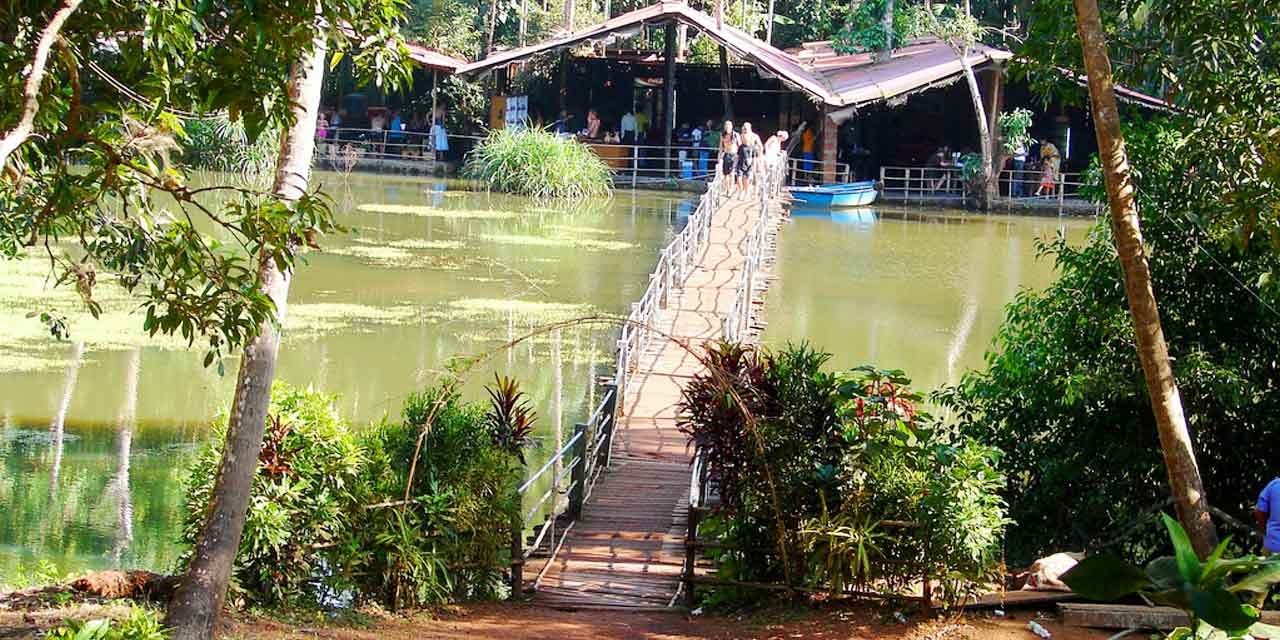
Ponda: Discover the Cultural and Spiritual Heart of Goa
Ponda, located in the eastern part of Goa, is a destination where the state's rich cultural heritage, spirituality, history and natural beauty come together. Situated around 28 km southeast of Panaji, Ponda is the headquarters of Ponda Taluka and an important transport and commercial centre of Goa.
Often known as “Antruz Mahal,” Ponda is particularly renowned for its strong cultural traditions, including music, drama and poetry. The town and its surrounding areas are also home to some of Goa's most important Hindu temples, including Shri Manguesh, Shri Nagesh, Shri Ganapati, Shri Ramnath and Shri Shantadurga, giving Ponda a distinctive spiritual identity.
Ponda's significance goes beyond its temples. The area reflects an important chapter of Goa's history, as many Hindu temples were relocated to the Ponda region during the Portuguese period. This has made the taluka an important centre of Goa's religious and architectural heritage.
For travellers, Ponda offers a different experience of Goa—one that moves beyond beaches and nightlife to explore temples, traditional culture, heritage, architecture, local food and nature. Its location also makes it a gateway to attractions such as Bondla Wildlife Sanctuary, Mahavir Wildlife Sanctuary and Dudhsagar Waterfalls.
History of Ponda
Ponda has a history closely connected with the changing political and cultural landscape of Goa. Before coming under Portuguese control, the area was ruled by the Soundekar (Raja of Sonda). Ponda later became part of the territories known as the Novas Conquistas (New Conquests) during the Portuguese period.
From Sonda Rule to Portuguese Administration
The area remained under the Raja of Sonda until the Portuguese took control of Ponda in 1791. According to the Government of Goa, Ponda was annexed along with Quepem, Canacona and Sanguem, forming part of the New Conquests. Following the takeover, Ponda developed as an administrative centre with government offices and a court. It gradually grew into an important commercial centre as well.
Ponda and Goa's Temple Heritage
One of the most important chapters in Ponda's history is its connection with Goa's Hindu temples. During the early Portuguese period and the Inquisition, many temples in Portuguese-controlled areas were destroyed or their deities were displaced. As a result, numerous temples were relocated to areas of Ponda Taluka that were outside Portuguese control at the time. This is one of the major reasons why Ponda today has such a high concentration of important Hindu temples.
This historical movement helped establish Ponda as an important religious and cultural centre of Goa. Temples dedicated to deities such as Lord Manguesh, Lord Nagesh, Lord Ganapati, Lord Ramnath and Goddess Shantadurga became an integral part of the region's identity.
Ponda in Modern Goa
Ponda's strategic location also contributed to its growth. Positioned between Panaji and Margao, the town developed into an important transport and commercial link. Today, Ponda is recognised not only for its historic temples but also as an important urban and industrial centre, while continuing to preserve its distinctive religious and cultural character.
Historical significance at a glance:
Earlier associated with the Soundekar Rajas of Sonda.
Came under Portuguese control in 1791.
Became part of the Novas Conquistas (New Conquests).
Developed as an administrative and commercial centre.
Became a major refuge and home for Hindu temples and deities displaced during the Portuguese period.
Gradually emerged as one of Goa's most important religious and cultural centres.
Geography of Ponda
Ponda is located in the eastern and central part of Goa, forming part of the state's Eastern Hill region. The town lies approximately 28 km southeast of Panaji and 17 km northeast of Margao, making it an important link between different parts of Goa.
Location and Landscape
Ponda's landscape is different from Goa's well-known coastal belt. The region is situated closer to the Western Ghats, with a combination of rolling terrain, hills, valleys, forests and agricultural areas. The Government of India's climate study identifies Ponda among Goa's Eastern Hilly Region, while parts of the taluka also fall within the central valley landscape.
The surrounding terrain and forested areas contribute to Ponda's natural character and also place it close to some of Goa's important wildlife and eco-tourism destinations.
Soil and Vegetation
Like much of Goa, Ponda has areas with lateritic soil, while alluvial and loamy soils are also found around riverbanks and lower-lying areas. These soils support agriculture and plantation-based activities. Goa's tropical environment also supports dense vegetation, particularly in areas closer to the Western Ghats.
Climate of Ponda
Ponda experiences a tropical, warm and humid climate for most of the year. Goa's climate is strongly influenced by its location along the Arabian Sea and the Western Ghats. The state experiences three broad seasons—summer, monsoon and a short winter.
Summer:
March to May, with May generally being the hottest month.
Monsoon:
Usually begins in early June and continues until late September, bringing heavy rainfall and transforming the surrounding landscape into lush green terrain.
Winter:
Mid-December to February, generally offering cooler and more comfortable conditions, particularly during the mornings and evenings.
Geography at a Glance
Location: Eastern/central Goa
Distance from Panaji: Approximately 28 km
Distance from Margao: Approximately 17 km
Terrain: Hills, valleys, plains and forested areas
Geographical region: Eastern Hilly Region and Central Valley Lands
Climate: Tropical, warm and humid
Monsoon: Mainly June to September
Natural setting: Close to the Western Ghats, forests and wildlife areas
Ponda's geographical setting is one of the reasons it offers a different experience from Goa's coastal destinations. Its hilly surroundings, tropical greenery, agricultural landscapes and proximity to the Western Ghats make it an important part of Goa's inland tourism landscape.
Culture and Traditions of Ponda
Ponda is often described as the cultural and spiritual heart of Goa, with a distinctive identity shaped by its temples, music, theatre, religious traditions and local customs. The Government of Goa refers to Ponda as “Antruz Mahal” because of its concentration of culture, music, drama and poetry.
Religious Traditions
Religion plays an important role in the cultural life of Ponda. The taluka is home to several important Hindu temples, including Shri Manguesh, Shri Nagesh, Shri Ganapati, Shri Ramnath, Shri Mhalasa and Shri Shantadurga. Many of these temples became established in Ponda after their deities were moved from other parts of Goa during the Portuguese period.
Temple traditions continue to influence everyday cultural practices, particularly through pujas, bhajans, kirtans, religious ceremonies and annual temple festivals. Goa's Department of Information and Publicity also notes that Goan Hindu communities have a strong tradition of Natak, Bhajan and Kirtan.
Music, Theatre and Performing Arts
Music has a particularly strong place in Ponda's cultural identity. The wider Goan musical tradition developed in close association with temples and religious institutions, while folk and classical forms continue to form an important part of the state's cultural heritage.
Traditional performing arts associated with Goa include Natak, Tiatr, Zagor, Dashavatari, Kalo, Fugdi, Dekhnni, Mando and Dulpod. Some traditional forms also have a direct connection with Ponda and its surrounding areas. For example, Virabhadra, a traditional folk performance associated with the worship of Lord Shiva, continues to be performed in Ponda.
A Blend of Communities and Traditions
Ponda's culture forms part of Goa's broader tradition of religious and cultural coexistence. Goa's cultural identity has been shaped by Hindu, Christian, Muslim and other communities, resulting in a diverse mixture of customs, celebrations, music and artistic traditions.
Local Lifestyle and Traditions
Traditional Goan life remains visible through temple celebrations, village gatherings, music, dance, local cuisine, agriculture and community events. Ponda's inland setting also connects its cultural life with Goa's traditional rural landscape, including farms, plantations and spice-growing areas. The region is particularly known for its cultural heritage and places of worship.
Cultural Highlights of Ponda
Antruz Mahal – Ponda's traditional cultural identity.
Temple traditions – An important part of local religious life.
Bhajan and Kirtan – Traditional devotional practices.
Natak and folk theatre – Important forms of Goan performance culture.
Music and dance – Including traditional Goan folk forms.
Virabhadra – A traditional folk performance associated with Ponda.
Village traditions – Community celebrations, agriculture and local customs.
Religious harmony – A broader characteristic of Goa's cultural landscape.
Ponda's culture is therefore not limited to its famous temples. Its music, performing arts, religious traditions and community life together create the distinctive cultural character that makes Ponda different from Goa's coastal tourist destinations.
Architecture of Ponda
Ponda's architecture reflects the religious, cultural and historical character of inland Goa. The town and its surrounding areas are particularly known for their traditional Hindu temples, many of which combine religious symbolism with distinctive Goan architectural elements.
Temple Architecture
The most prominent architectural feature of Ponda is its collection of historic Hindu temples. Temples such as Shri Manguesh, Shri Shantadurga, Shri Nagesh, Shri Ramnath and Shri Mhalasa are important examples of Goa's temple heritage.
Unlike many North Indian temple complexes, Goan temples often have a distinctive architectural character influenced by local building traditions. Their complexes may include:
Ornamental entrance gateways
Spacious temple courtyards
Deepastambhas or lamp towers
Domed or pyramidal roofs
Decorative pillars and arches
Wooden elements and carved details
Large ceremonial halls
Sacred water tanks or surrounding landscaping
Influence of Goa's Cultural History
Ponda's temple architecture also reflects the movement and preservation of Hindu religious traditions in Goa. During the Portuguese period, several Hindu deities were moved from areas under Portuguese control to regions such as Ponda. New temple complexes and rebuilt shrines subsequently became important centres of religious and cultural life.
As a result, Ponda today has an unusually rich concentration of traditional Hindu temple architecture, making it an important destination for visitors interested in Goa's heritage.
Traditional Goan Architectural Elements
Beyond temples, the wider Ponda region forms part of Goa's traditional architectural landscape. Historic Goan buildings commonly demonstrate a combination of local materials, tropical design and influences from different cultural traditions.
Features such as:
Sloping roofs designed for heavy monsoon rainfall
Laterite stone construction
Lime-plastered walls
Wooden doors and windows
Balconies and verandahs
Courtyards and open spaces
reflect the need to adapt architecture to Goa's hot, humid and rainy climate.
Architecture as a Living Heritage
What makes Ponda's architecture particularly interesting is that it is not simply preserved as historical structures. Many of its temples remain active places of worship, where traditional rituals, festivals and community gatherings continue throughout the year.
This creates a strong connection between architecture, religion and everyday culture, allowing visitors to experience Ponda's heritage as a living tradition rather than simply viewing old monuments.
Architectural Highlights of Ponda
Traditional Hindu temple complexes
Deepastambhas and ornate temple entrances
Goan-style sloping roofs
Laterite and traditional building materials
Wooden architectural details
Courtyards and ceremonial spaces
Architecture adapted to the tropical monsoon climate
A strong connection between religious architecture and local traditions
Ponda's architecture ultimately tells the story of Goa's cultural resilience. Its temples, traditional design elements and living religious spaces provide visitors with a visual understanding of how history and culture have shaped the region over centuries.
Famous Places to Visit in Ponda
Ponda is home to some of Goa's most important temples, heritage sites, wildlife areas and cultural attractions. Its inland location also makes it a convenient base for exploring several natural and historical destinations in central and eastern Goa.
1. Shri Manguesh Temple
Located at Mangeshi, the Shri Manguesh Temple is one of Goa's best-known Hindu temples and is dedicated to Lord Manguesh, a form of Lord Shiva. The temple is recognised for its distinctive Goan architecture, including its white façade, traditional temple tower and large deepastambha.
2. Shri Shantadurga Temple
Situated at Kavlem, the Shri Shantadurga Temple is dedicated to Goddess Shantadurga, who is worshipped as a peaceful form of the Divine Mother. The temple is one of Ponda's major religious landmarks and is particularly important during its annual festival celebrations.
3. Shri Nagesh Temple
The Shri Nagesh Temple at Bandora is dedicated to Lord Nagesh, a form of Lord Shiva. It is known for its traditional architecture and peaceful surroundings and forms an important part of Ponda's temple heritage.
4. Shri Ramnath Temple
Located at Ramnathi, the Shri Ramnath Temple is another important religious site in Ponda. The temple complex reflects the distinctive architectural and cultural traditions associated with Goa's Hindu temples.
5. Shri Mhalasa Narayani Temple
Located at Mardol, the Shri Mhalasa Narayani Temple is dedicated to Goddess Mhalasa. The temple is particularly notable for its traditional architecture, ornate interiors and the large ceremonial deepastambha positioned within the complex.
6. Bondla Wildlife Sanctuary
For nature lovers, Bondla Wildlife Sanctuary offers an opportunity to experience Goa's forest landscape. The sanctuary includes forested areas, wildlife facilities and nature-oriented attractions, making it suitable for families and visitors interested in Goa's biodiversity.
7. Sahakari Spice Farm
Ponda is well known for its spice plantations, and Sahakari Spice Farm provides visitors with an opportunity to explore traditional spice cultivation. Visitors can learn about spices grown in Goa while experiencing the region's tropical plantation environment.
8. Tropical Spice Plantation
Another attraction associated with Ponda's plantation landscape is the Tropical Spice Plantation, where visitors can explore Goa's traditional spice-growing practices and experience the greenery of the region.
9. Dudhsagar Waterfalls
Although located farther from Ponda, Dudhsagar Waterfalls is one of the major natural attractions accessible from the region. The spectacular waterfall, surrounded by the forests of the Western Ghats, is particularly popular among nature lovers and adventure travellers.
10. Shri Mahalaxmi Temple, Bandora
The Shri Mahalaxmi Temple in Bandora is another significant religious site in the Ponda area. The temple adds to the region's remarkable concentration of historic Hindu shrines and provides another example of Goa's living religious heritage.
Places to Explore in Ponda at a Glance
| Place | Main Attraction |
|---|---|
| Shri Manguesh Temple | Hindu temple & Goan architecture |
| Shri Shantadurga Temple | Religious heritage |
| Shri Nagesh Temple | Traditional temple architecture |
| Shri Ramnath Temple | Religious & cultural heritage |
| Shri Mhalasa Narayani Temple | Temple architecture & traditions |
| Bondla Wildlife Sanctuary | Wildlife & nature |
| Sahakari Spice Farm | Spice plantation experience |
| Tropical Spice Plantation | Plantation tourism |
| Dudhsagar Waterfalls | Nature & adventure |
| Shri Mahalaxmi Temple | Religious heritage |
Ponda's attractions offer a combination of spirituality, architecture, culture, plantations and nature, making it an ideal destination for travellers who want to explore a more traditional and inland side of Goa.
Famous Dishes of Ponda
Ponda offers visitors an opportunity to experience the traditional flavours of Goan cuisine, with dishes influenced by the region's coastal location, local agriculture, Hindu culinary traditions and Portuguese heritage. While seafood is an important part of Goa's food culture, Ponda's local food experience also includes vegetarian preparations, rice-based dishes, sweets and traditional festive foods.
1. Goan Fish Curry Rice
One of Goa's most iconic meals, fish curry rice is a staple enjoyed across the state. The curry generally combines fish with coconut, spices and kokum, creating the characteristic balance of spicy, tangy and mildly creamy flavours associated with Goan cuisine.
2. Prawn Curry
Prawns are widely used in Goan cooking. Traditional prawn curry is commonly prepared with coconut, spices and tamarind or kokum, producing a rich and tangy coastal flavour.
3. Khatkhate
Khatkhate is a traditional Goan mixed-vegetable preparation, particularly associated with Hindu Goan cuisine. It is made using a variety of seasonal vegetables and coconut-based flavours and is especially popular during religious and festive occasions.
4. Patal Bhaji
Patal bhaji is a popular Goan vegetarian preparation made with vegetables, legumes and a mildly spiced gravy. It is commonly served with bread or rice and forms part of everyday Goan food culture.
5. Dal and Rice
Simple dal-rice remains an important comfort meal in Goa. In traditional households, it may be accompanied by vegetables, pickles, papad or other local preparations.
6. Goan Poi
Poi is a traditional Goan bread made from wheat flour and often associated with local bakeries and everyday meals. Its slightly chewy texture makes it a popular accompaniment to curries and other dishes.
7. Bebinca
No exploration of Goan food is complete without Bebinca, a traditional layered dessert prepared using ingredients such as coconut milk, eggs, flour and sugar. It is especially associated with Christmas and other celebrations.
8. Neureos
Neureos are sweet pastries traditionally prepared with a filling of coconut, sugar and other ingredients. They are particularly popular during festive occasions in Goa.
9. Puran Poli
Puran Poli, a sweet flatbread filled with a mixture of lentils and jaggery, is also enjoyed within Goa's Hindu communities, particularly during festivals and religious celebrations.
10. Traditional Goan Sweets
Ponda's temple and festival culture also contributes to the popularity of traditional prasad and festive sweets, which are prepared according to local customs and offered during religious celebrations.
What to Try in Ponda
🐟 Fish Curry Rice – A classic Goan staple
🍤 Prawn Curry – Coconut-based coastal preparation
🥬 Khatkhate – Traditional mixed-vegetable dish
🥘 Patal Bhaji – Popular vegetarian preparation
🍞 Poi – Traditional Goan bread
🍰 Bebinca – Famous layered Goan dessert
🥟 Neureos – Traditional festive sweet
🫓 Puran Poli – Popular festive preparation
For food lovers, Ponda provides a chance to explore the traditional side of Goan cuisine, where everyday meals, temple traditions and festive dishes come together to reflect the region's rich cultural heritage.
Famous Personalities Associated with Ponda
Ponda and its surrounding areas have contributed to Goa's religious, cultural, literary and artistic heritage. Because Ponda is particularly known for its temples, traditional performing arts and cultural institutions, several personalities associated with the region have played important roles in preserving and promoting Goan traditions.
1. Balakrishna Bhagwant Borkar (B. B. Borkar)
B. B. Borkar, one of Goa's most celebrated poets, is an important name in Goan literature. Writing in both Konkani and Marathi, he is remembered for his contribution to modern poetry and for expressing Goa's landscapes, culture and traditions through literature.
His work forms an important part of Goa's literary heritage and is relevant when exploring the cultural identity of places such as Ponda and the wider Antruz Mahal region.
2. Ravindra Kelekar
Ravindra Kelekar was a prominent Konkani writer, poet, essayist and cultural figure. He played a significant role in the development and recognition of Konkani literature and was awarded the Jnanpith Award, India's highest literary honour.
His contribution is particularly relevant to understanding Goa's literary and linguistic heritage.
3. Dinanath Mangueshkar
Dinanath Mangueshkar, a renowned Indian classical singer and theatre personality, had strong cultural connections with Goa. He was born in Mangeshi, in the Ponda region, and belonged to a family with deep roots in Goan musical traditions.
He went on to become an influential figure in Indian classical music and Marathi theatre. His legacy also connects Ponda's cultural landscape with one of India's most famous musical families.
4. Lata Mangeshkar and the Mangeshkar Family
The Mangeshkar family has ancestral roots in Mangeshi near Ponda, giving the region an important connection with one of India's most influential musical families.
The family's association with classical and playback music has added to the cultural significance of the Mangeshi-Ponda area.
5. Traditional Artists and Cultural Practitioners
Ponda's cultural importance is not limited to nationally recognised personalities. The region has also supported generations of temple musicians, folk performers, theatre artists, poets and traditional practitioners.
Traditional forms such as Natak, Bhajan, Kirtan and folk performances continue to contribute to the cultural identity of Ponda and the wider Antruz Mahal region.
Why These Personalities Matter
The personalities connected with Ponda reflect the region's broader cultural character:
Music – Classical and traditional Goan musical heritage
Literature – Konkani and Marathi literary traditions
Theatre – Traditional and regional performing arts
Religion – Temple-linked cultural traditions
Language – Preservation and promotion of Konkani
Folk culture – Music, storytelling, dance and community performances
Ponda's connection with prominent cultural figures, particularly through Mangeshi and the wider Antruz Mahal, demonstrates why the region is considered an important part of Goa's artistic and cultural heritage.
Festivals Celebrated in Ponda
Festivals are an important part of Ponda's cultural identity. With its large number of historic temples and strong religious traditions, the region celebrates numerous Hindu festivals, temple festivals and community events throughout the year. These occasions bring together religious rituals, traditional music, processions, cultural performances and local food.
1. Shigmo
Shigmo is one of Goa's most important traditional festivals and is celebrated with great enthusiasm across Ponda. Traditionally associated with the arrival of spring, the festival features colourful processions, folk dances, music, traditional performances and decorated floats.
In Ponda and surrounding villages, Shigmo provides an opportunity to experience Goa's traditional Hindu folk culture and community celebrations.
2. Ganesh Chaturthi – Chovoth
Ganesh Chaturthi, locally known as Chovoth, is one of the most significant festivals for Goan Hindu families. Homes and temples are decorated for the celebration, while families bring Lord Ganesha idols and perform traditional rituals.
Ponda's strong Hindu cultural traditions make Chovoth particularly important in the region, with celebrations involving puja, family gatherings, traditional food and cultural activities.
3. Navratri
Navratri is celebrated across Ponda, particularly at temples dedicated to various forms of the Goddess. The nine-day festival includes prayers, special rituals and cultural activities.
The festival becomes particularly significant at important temples such as Shri Shantadurga Temple, where religious celebrations attract devotees.
4. Dussehra
Dussehra marks the culmination of Navratri celebrations and is observed at temples and communities throughout Ponda. Religious ceremonies, processions and traditional rituals form an important part of the celebrations.
5. Diwali
Diwali, the festival of lights, is celebrated by families across Ponda with traditional prayers, lamps, decorations and festive food. The festival also has strong connections with Goa's local customs and temple traditions.
6. Mahashivratri
Mahashivratri is particularly important in a region known for temples dedicated to Lord Shiva. Temples such as Shri Manguesh Temple and Shri Nagesh Temple observe special prayers and religious ceremonies during the festival.
Devotees visit temples, observe fasting and participate in night-long worship and devotional activities.
7. Temple Zatras
One of the most distinctive aspects of Ponda's festival calendar is the tradition of temple zatras, or annual temple festivals.
These celebrations can include:
Religious rituals and prayers
Processions
Traditional music
Temple decorations
Community gatherings
Cultural performances
Local food and festive offerings
Major temples in and around Ponda hold their own annual celebrations, making the region especially attractive to visitors interested in Goa's living religious traditions.
8. Sao Joao
Although Sao Joao is celebrated more widely in Goa's Christian communities, it forms part of the state's diverse festival calendar. The festival is traditionally associated with young men jumping into wells, singing, dancing and community celebrations.
9. Christmas
Christmas is also celebrated across Goa, including Ponda, reflecting the state's multicultural character. Churches, homes and public spaces are decorated, while families gather for traditional meals and celebrations.
Festivals at a Glance
| Festival | What Makes It Special |
|---|---|
| Shigmo | Folk culture, processions, music and colours |
| Chovoth | Ganesh worship and family traditions |
| Navratri | Goddess worship and temple celebrations |
| Dussehra | Religious ceremonies and cultural traditions |
| Diwali | Lamps, prayers and festive celebrations |
| Mahashivratri | Special Shiva temple worship |
| Temple Zatras | Processions, rituals and community festivities |
| Sao Joao | Traditional Goan community celebration |
| Christmas | Religious and multicultural celebrations |
Experience Ponda During a Festival
For visitors, festivals offer a different way to experience Ponda. Instead of simply visiting its temples as historical attractions, travellers can witness these places as living centres of faith, music, tradition and community life.
The combination of temple rituals, colourful processions, traditional performances and local cuisine makes festival season one of the most culturally immersive times to explore Ponda.
Things to Do in Ponda
Ponda offers a variety of experiences for travellers who want to explore Goa's spiritual, cultural, natural and traditional side. From visiting centuries-old temples and exploring spice plantations to discovering wildlife and local traditions, there are plenty of things to do in and around the town.
1. Visit the Historic Temples
Exploring Ponda's famous temples is one of the most important things to do. Visit Shri Manguesh Temple, Shri Shantadurga Temple, Shri Nagesh Temple, Shri Ramnath Temple and Shri Mhalasa Temple to experience Goa's religious heritage and traditional architecture.
2. Explore Goan Temple Architecture
Take time to observe the distinctive architectural details of Ponda's temples, including deepastambhas, traditional roofs, courtyards, decorative entrances and ornate interiors. These temples provide an opportunity to understand Goa's unique architectural traditions.
3. Experience a Temple Festival or Zatra
If your visit coincides with a temple's annual zatra, participate respectfully in the celebrations. Processions, devotional music, rituals and traditional performances offer a glimpse into Ponda's living cultural heritage.
4. Visit a Spice Plantation
Ponda is surrounded by fertile plantation areas where spices such as cardamom, pepper, cinnamon and nutmeg are cultivated. A guided plantation visit can introduce travellers to traditional farming methods and Goa's spice-growing culture.
5. Explore Bondla Wildlife Sanctuary
Nature lovers can head towards Bondla Wildlife Sanctuary to explore Goa's forest ecosystem. The sanctuary offers opportunities for wildlife viewing, nature walks and spending time in a greener, quieter environment.
6. Discover Traditional Goan Culture
Explore the villages around Ponda to experience aspects of traditional Goan life. Depending on the season, visitors may encounter local festivals, temple celebrations, folk performances, traditional music and community events.
7. Try Traditional Goan Food
A visit to Ponda is also an opportunity to taste local Goan cuisine. Try dishes such as fish curry rice, prawn curry, khatkhate, poi and traditional Goan sweets at local restaurants and eateries.
8. Explore the Mangeshi–Mardol Area
The Mangeshi and Mardol areas are particularly important for visitors interested in Goa's religious heritage. Several historic temples are located within a relatively small area, making it possible to explore multiple cultural landmarks in one trip.
9. Visit Dudhsagar Waterfalls
Adventure and nature enthusiasts can plan an excursion towards Dudhsagar Waterfalls, one of Goa's most spectacular natural attractions. The waterfall is surrounded by the forests of the Western Ghats and is especially impressive during and after the monsoon.
10. Enjoy a Peaceful Inland Goa Experience
One of the simplest things to do in Ponda is to slow down and experience inland Goa. Away from the busy beach areas, visitors can enjoy green landscapes, village roads, temples, plantations and a more relaxed atmosphere.
Things to Do in Ponda at a Glance
🛕 Visit historic temples
🏛️ Explore traditional Goan architecture
🎉 Attend a temple zatra or local festival
🌿 Explore spice plantations
🐾 Visit Bondla Wildlife Sanctuary
🎭 Experience traditional culture and folk traditions
🍛 Taste authentic Goan cuisine
📍 Explore Mangeshi and Mardol
💦 Plan a trip to Dudhsagar Waterfalls
🌴 Experience the peaceful side of inland Goa
Ponda is ideal for travellers who want more than a typical beach holiday. Its combination of temples, traditions, plantations, forests, food and village life makes it a rewarding destination for cultural and nature-focused travel.
Where to Eat, Shop, and Stay in Ponda
Ponda offers a practical mix of local eateries, traditional markets, shopping areas and accommodation options, making it convenient for travellers who want to explore central Goa while staying away from the busier coastal tourist zones.
Where to Eat in Ponda
Food is an important part of the Ponda experience, with options ranging from simple local restaurants to traditional Goan eateries.
Visitors can look for:
Goan restaurants serving fish curry rice, prawn curry and other local specialities.
Vegetarian restaurants offering traditional Goan and South Indian meals.
Local bakeries for poi, bread and Goan sweets.
Small family-run eateries for affordable, everyday meals.
Spice plantation restaurants, where meals may be served in a traditional Goan setting.
For an authentic experience, travellers should try some of the area's traditional Goan dishes rather than limiting themselves to standard tourist menus.
Where to Shop in Ponda
Ponda's shopping experience is more closely connected with local markets and everyday Goan life than with large tourist shopping centres.
Visitors can explore local markets for:
Fresh fruits and vegetables
Goan spices
Cashews
Local sweets and snacks
Traditional food products
Religious items and souvenirs
Handicrafts and locally made products
The areas around important temples can also be useful for purchasing religious souvenirs, traditional items and local products.
Where to Stay in Ponda
Ponda has accommodation options suitable for different types of travellers, although the selection is generally more modest than in major beach destinations such as Panaji, Calangute or Baga.
Travellers can find:
Budget hotels and lodges – suitable for short stays.
Mid-range hotels – a comfortable option for families and couples.
Guesthouses and homestays – useful for travellers seeking a more local experience.
Resorts and plantation stays – suitable for visitors looking for a peaceful, nature-oriented stay.
Hotels in nearby areas – useful for travellers combining Ponda with destinations such as Panaji or Margao.
Best Area to Stay
Choosing where to stay depends on the purpose of the trip:
| Traveller Type | Recommended Option |
|---|---|
| Temple & heritage travellers | Ponda town / Mangeshi–Mardol area |
| Budget travellers | Hotels and lodges around Ponda town |
| Nature lovers | Plantation or countryside stays |
| Family travellers | Comfortable hotels around the main town |
| Longer Goa trip | Ponda as a base for central/eastern Goa |
A Practical Tip
If Ponda is being visited mainly for its temples and cultural attractions, staying around Ponda town or nearby temple areas can save travel time. Those planning to explore Dudhsagar, Bondla and other natural attractions may prefer accommodation closer to the countryside.
Overall, Ponda provides a more local and relaxed food, shopping and accommodation experience compared with Goa's heavily tourist-oriented coastal belt, making it a useful base for discovering the state's cultural and inland attractions.
What Is Ponda Famous For?
Ponda is famous for its temples, cultural heritage, traditional architecture, spice plantations and connection with Goa's inland natural landscapes. Unlike Goa's coastal destinations, Ponda offers visitors an opportunity to explore the state's spiritual and cultural side.
1. Famous Hindu Temples
Ponda is best known for its concentration of important Hindu temples. Shri Manguesh, Shri Shantadurga, Shri Nagesh, Shri Ramnath and Shri Mhalasa are among the prominent temples that attract devotees as well as tourists.
2. “Antruz Mahal”
Ponda is popularly associated with the name Antruz Mahal, reflecting its importance as a centre of music, drama, poetry and traditional Goan culture.
3. Rich Religious Heritage
The region has a special place in Goa's religious history because several Hindu temples and deities were moved towards Ponda during the Portuguese period. This helped establish the area as an important centre of Hindu religious traditions in Goa.
4. Traditional Goan Architecture
Ponda's temples are known for their distinctive architectural elements, including deepastambhas, traditional roofs, courtyards, ornate entrances and decorative details. They offer visitors an opportunity to experience a style of architecture strongly associated with Goa.
5. Spice Plantations
Ponda is also known for its lush spice plantations, where visitors can learn about the cultivation of spices such as pepper, cardamom, cinnamon and nutmeg while experiencing Goa's tropical landscape.
6. Cultural Traditions
The area continues to preserve traditional forms of music, theatre, Bhajan, Kirtan and folk performances, making Ponda an important destination for people interested in Goan culture.
7. Gateway to Nature
Ponda's inland location provides access to several natural attractions, including Bondla Wildlife Sanctuary and the wider Western Ghats region, while Dudhsagar Waterfalls can also be explored as part of a wider trip.
8. Local Goan Food
Visitors can experience traditional Goan cuisine, from fish curry rice and prawn preparations to vegetarian dishes, poi and famous Goan sweets.
Why Is Ponda Famous?
In simple terms, Ponda is famous for:
🛕 Historic Hindu temples
🎭 Goan music, drama and cultural traditions
🏛️ Traditional temple architecture
🌿 Spice plantations
🌳 Forests and natural attractions
🍛 Traditional Goan cuisine
🎉 Temple festivals and local celebrations
📜 Rich religious and cultural history
Ponda's greatest appeal lies in this combination of spirituality, culture, history and nature. It offers travellers a chance to discover a quieter and more traditional side of Goa beyond its famous beaches.
Best Time to Visit Ponda
Ponda can be visited throughout the year, but the best time to explore the town and its surrounding attractions is generally from November to February. During these months, the weather is more pleasant, making it easier to visit temples, explore heritage sites, travel through the countryside and enjoy outdoor attractions.
November to February – Best Overall Period
The winter months are generally the most comfortable for sightseeing in Ponda. Temperatures are relatively mild, humidity is lower than during the monsoon, and the weather is suitable for exploring temples, plantations and nearby attractions.
Best for:
Temple sightseeing
Heritage exploration
Local markets
Spice plantation visits
Village exploration
Outdoor activities
Day trips around Goa
March to May – Summer
Summer begins to become warmer from March and can be particularly hot during April and May. Sightseeing is still possible, but visitors may find outdoor exploration more comfortable during the morning and late afternoon.
Best for:
Temple visits
Indoor cultural attractions
Short sightseeing trips
Travellers who prefer fewer crowds
If visiting during summer, carry water, sunscreen, sunglasses and light cotton clothing.
June to September – Monsoon
The monsoon brings heavy rainfall to Goa, and Ponda's inland landscape becomes particularly green and scenic. The forests, plantations and countryside look fresh during this period.
However, heavy rain can make some outdoor activities and road journeys less convenient.
Best for:
Lush green landscapes
Photography
Monsoon scenery
Spice plantation experiences
Nature lovers
Travellers should check local weather and road conditions before planning excursions to waterfalls or forest areas.
October – Post-Monsoon
October is a transition period when Goa begins moving from the rainy season towards the drier months. The landscape can still be very green, while sightseeing conditions gradually become more comfortable.
It can be a good option for travellers looking for pleasant scenery with relatively fewer visitors than the peak winter period.
Best Time by Travel Interest
| Travel Interest | Best Period |
|---|---|
| Temple & heritage sightseeing | November–February |
| Outdoor exploration | November–February |
| Spice plantations | October–March |
| Nature & greenery | June–September |
| Photography | October–February |
| Comfortable family trip | November–February |
| Fewer tourist crowds | Monsoon / shoulder season |
So, When Should You Visit Ponda?
For a first-time visit, November to February is the safest choice because the weather is generally comfortable for exploring Ponda's temples, cultural attractions and surrounding areas.
However, travellers who enjoy lush landscapes and monsoon scenery may find June to September especially beautiful, while those interested in experiencing Ponda's cultural side can also plan their trip around a major temple festival or local celebration.
How to Reach Ponda
Ponda is centrally located in Goa, making it relatively easy to reach from Panaji, Margao and other major parts of the state. Since the town is well connected by road, travellers can conveniently include Ponda in a wider Goa itinerary.
By Air ✈️
The nearest major airport is Manohar International Airport (Mopa), while Dabolim Airport in South Goa is another option.
Manohar International Airport: Located in North Goa, roughly 55–60 km from Ponda by road.
Dabolim Airport: Located near Vasco da Gama, roughly 30–40 km from Ponda, depending on the route.
From either airport, visitors can hire a taxi or private vehicle to reach Ponda.
By Road 🚌
Road travel is one of the most convenient ways to reach Ponda. The town is connected to major Goan cities and towns through the state's road network.
Approximate road distances include:
Panaji to Ponda: Around 28 km
Margao to Ponda: Around 17 km
Vasco da Gama to Ponda: Around 30 km
Visitors can travel by private car, taxi or state/private buses.
By Train 🚆
Ponda itself does not have a major railway station. Travellers arriving by train can use nearby railway stations such as Madgaon (Margao) or Karmali, and continue to Ponda by road.
Madgaon Railway Station is particularly useful for travellers arriving from major cities in South and West India.
Getting Around Ponda
Once in Ponda, visitors can use:
🚕 Taxis
🚌 Local buses
🛵 Rental scooters
🚗 Rental cars
🚶 Walking for attractions located close together
For exploring temples, spice plantations and attractions outside the town, having a private vehicle or rental vehicle can be more convenient.
Best Way to Reach Ponda
| Mode | Best For |
|---|---|
| ✈️ Flight | Travellers coming from outside Goa |
| 🚆 Train | Long-distance travellers |
| 🚌 Bus | Budget travellers |
| 🚗 Car/Taxi | Families and sightseeing |
| 🛵 Scooter | Independent local exploration |
For most visitors, travelling by road from Panaji or Margao is the simplest option. If Ponda is part of a larger Goa trip, a rental car or scooter can provide greater flexibility for visiting its temples, plantations and nearby attractions.
Nearby Places to Visit from Ponda
Ponda's central location makes it a convenient base for exploring several temples, wildlife areas, waterfalls, plantations and cultural attractions in and around Goa. Travellers can combine a visit to Ponda with these nearby destinations to create a more complete inland Goa itinerary.
1. Mangeshi
Located close to Ponda, Mangeshi is famous for the Shri Manguesh Temple, one of Goa's most prominent Hindu temples. The area is ideal for travellers interested in religious heritage and traditional Goan temple architecture.
2. Mardol
Mardol is another important temple destination near Ponda. It is home to the Shri Mhalasa Narayani Temple and is located close to several other historic temples, making it suitable for a temple-and-heritage circuit.
3. Old Goa
Located north of Ponda, Old Goa is one of the most important historical destinations in Goa. Its churches and monuments reflect the state's Portuguese-era heritage and make it an excellent addition to a Ponda trip.
4. Bondla Wildlife Sanctuary
Nature lovers can travel towards Bondla Wildlife Sanctuary, a forested destination known for its wildlife, greenery and nature-oriented attractions. It is particularly suitable for families and travellers interested in Goa's biodiversity.
5. Dudhsagar Waterfalls
One of Goa's most spectacular natural attractions, Dudhsagar Waterfalls lies towards the eastern side of the state near the Western Ghats. The multi-tiered waterfall is surrounded by dense forest and is especially impressive during and after the monsoon.
6. Bhagwan Mahavir Wildlife Sanctuary
The Bhagwan Mahavir Wildlife Sanctuary is Goa's largest protected wildlife area and forms an important part of the state's Western Ghats landscape. It offers opportunities to experience forests, wildlife and natural scenery.
7. Mollem
The Mollem region lies close to the Bhagwan Mahavir Wildlife Sanctuary and Dudhsagar area. It is a good choice for travellers looking for forest landscapes, wildlife and outdoor experiences.
8. Margao
Margao, the commercial capital of South Goa, is within convenient travelling distance of Ponda. Visitors can explore its markets, churches, Portuguese-influenced architecture and local food culture.
9. Panaji
The capital city of Goa, Panaji, is another convenient addition to a Ponda itinerary. Visitors can explore Fontainhas, the Mandovi waterfront, heritage buildings and cultural attractions.
10. Spice Plantations
The area surrounding Ponda is well known for spice plantations. Visitors can combine temple sightseeing with plantation tours to experience Goa's agricultural traditions and tropical landscape.
Nearby Destinations at a Glance
| Destination | Approximate Travel Interest |
|---|---|
| Mangeshi | Temple & heritage |
| Mardol | Temple & culture |
| Old Goa | History & architecture |
| Bondla Wildlife Sanctuary | Wildlife & nature |
| Dudhsagar Waterfalls | Waterfall & adventure |
| Bhagwan Mahavir Wildlife Sanctuary | Forest & wildlife |
| Mollem | Nature & outdoor activities |
| Margao | Markets & South Goa culture |
| Panaji | Heritage & city sightseeing |
| Spice Plantations | Agriculture & local experience |
Ponda is therefore more than a destination to visit on its own. Its location allows travellers to create a wider itinerary covering Goa's temples, heritage sites, forests, waterfalls, plantations and major cities—all within a manageable travel circuit.
Best Duration for a Trip to Ponda
The ideal duration for a Ponda trip depends on whether you want to focus only on the town's temples and cultural attractions or combine Ponda with nearby destinations such as Old Goa, Bondla, Dudhsagar and the spice plantations.
1 Day – Quick Ponda Visit
A one-day trip is suitable for travellers who want to experience Ponda's major highlights.
You can cover:
Shri Manguesh Temple
Shri Shantadurga Temple
Shri Mhalasa Temple
A local Goan lunch
A spice plantation
One additional nearby attraction
This option works particularly well as a day trip from Panaji or Margao.
2 Days – Recommended for First-Time Visitors
For most travellers, 2 days is a comfortable duration for exploring Ponda without rushing.
Day 1 – Temples & Culture
Shri Manguesh Temple
Shri Shantadurga Temple
Shri Nagesh Temple
Mardol and surrounding temple areas
Traditional Goan food
Local market or cultural exploration
Day 2 – Nature & Local Experiences
Spice plantation visit
Bondla Wildlife Sanctuary
Countryside exploration
Local food and shopping
Relaxed evening in Ponda
3 Days – Ponda + Nearby Attractions
A 3-day itinerary is ideal if you want to explore Ponda more deeply and include nearby natural and heritage destinations.
You can divide the trip into:
Day 1:
Temples and religious heritage
Day 2:
Spice plantations, local culture and countryside
Day 3:
Bondla, Mollem or a planned excursion towards Dudhsagar
4–5 Days – Extended Central Goa Experience
Travellers with more time can use Ponda as a base to explore a wider part of Goa, including:
Ponda's temples
Spice plantations
Old Goa
Panaji
Bondla Wildlife Sanctuary
Bhagwan Mahavir Wildlife Sanctuary
Mollem
Dudhsagar Waterfalls
Margao and surrounding areas
Recommended Duration
| Duration | Best For |
|---|---|
| 1 Day | Quick sightseeing |
| 2 Days | First-time Ponda visitors |
| 3 Days | Ponda + nature attractions |
| 4–5 Days | Wider central/eastern Goa exploration |
So, How Many Days Are Enough for Ponda?
For a first visit, 2 days is generally enough to experience Ponda's major temples, cultural attractions, local food and nearby plantations without making the trip feel rushed.
If you want to explore the surrounding forests, wildlife areas, waterfalls and heritage destinations as well, extending the trip to 3–5 days can provide a much more comprehensive experience.
Travel Tips for Visiting Ponda
A trip to Ponda is generally easy to plan, but a few practical tips can make the experience more comfortable—especially if you want to explore temples, plantations, villages and natural attractions around the town.
1. Dress Appropriately at Temples
Ponda is home to several important Hindu temples. Visitors should dress modestly and respectfully when entering temple premises. Some temples may have specific rules regarding footwear, photography and entry.
2. Plan Temple Visits in Advance
Check the opening hours and festival schedules of major temples before visiting. During religious festivals and annual zatras, some places can become considerably busier than usual.
3. Start Sightseeing Early
Morning is generally a comfortable time to explore temples and outdoor attractions, particularly during the warmer months. Starting early can also help you avoid the strongest afternoon heat.
4. Carry Water and Sun Protection
Goa's tropical climate can be warm and humid. Carry:
Drinking water
Sunglasses
Sunscreen
A hat or cap
Light, comfortable clothing
5. Keep Rain Protection During Monsoon
If you visit Ponda between June and September, rainfall can be heavy. Carry an umbrella or raincoat and use waterproof bags to protect phones, cameras and other valuables.
6. Choose Transport According to Your Itinerary
A scooter can be convenient for exploring nearby areas, while a car or taxi may be more comfortable for families and for longer excursions to forests, plantations and waterfalls.
7. Be Careful Around Forest and Waterfall Areas
If visiting places around Bondla, Mollem or Dudhsagar, follow local instructions and avoid entering restricted areas. During the monsoon, water levels and road conditions can change quickly.
8. Respect Local Customs
Ponda's temples and villages are living cultural spaces rather than simply tourist attractions. Visitors should:
Follow temple rules.
Ask before photographing people or ceremonies.
Avoid disturbing religious rituals.
Keep public places clean.
Respect local traditions.
9. Try Local Food
Don't limit your food experience to familiar tourist dishes. Try traditional Goan food, local breads, vegetarian preparations, seafood and regional sweets at reputable local eateries.
10. Carry Some Cash
Although digital payments are widely used, keeping some cash can be useful for small shops, local eateries, temple offerings, parking and rural areas.
11. Combine Nearby Attractions
Instead of spending the entire trip only in Ponda town, consider creating a circuit covering Mangeshi, Mardol, spice plantations, Bondla or other nearby attractions.
12. Travel Responsibly
Help preserve Ponda's cultural and natural heritage by avoiding littering, respecting wildlife and choosing responsible local tourism experiences.
Quick Travel Checklist
Dress modestly for temple visits.
Check temple timings before travelling.
Carry water and sun protection.
Carry rain protection during monsoon.
Keep cash for small local expenses.
Follow photography rules at religious sites.
Check weather before nature excursions.
Follow safety instructions around waterfalls and forests.
Try authentic local cuisine.
Respect local customs and communities.
A little preparation goes a long way in Ponda. With the right planning, travellers can comfortably experience its temples, culture, food, plantations and natural surroundings while respecting the traditions that make the region unique.
Why Visit Ponda?
Ponda is worth visiting for travellers who want to experience a different side of Goa—one shaped by spirituality, history, traditional culture, architecture and nature rather than only beaches and nightlife.
1. Explore Goa's Spiritual Heritage
Ponda is home to several of Goa's most important Hindu temples, including Shri Manguesh, Shri Shantadurga, Shri Nagesh and Shri Mhalasa. Visiting these temples offers an opportunity to understand the religious traditions that have shaped Goa over centuries.
2. Discover the Cultural Side of Goa
Ponda's identity as “Antruz Mahal” reflects its association with music, drama, poetry and traditional cultural practices. It is an excellent destination for travellers interested in experiencing Goa beyond its conventional tourist attractions.
3. Experience Traditional Architecture
The temples around Ponda showcase distinctive Goan architectural elements such as deepastambhas, courtyards, traditional roofs and decorative structures. Architecture enthusiasts can explore how local traditions and climate influenced the region's buildings.
4. Connect with Goa's History
Ponda's history is closely connected with the Sonda rulers, Portuguese-era New Conquests and the relocation of Hindu temples and deities. Exploring the region provides a deeper understanding of Goa's complex cultural history.
5. Enjoy Nature and Green Landscapes
The region's proximity to the Western Ghats, forests, plantations and wildlife areas makes Ponda appealing to nature lovers. The landscape becomes particularly lush during and after the monsoon.
6. Visit Spice Plantations
Ponda is one of the best areas in Goa to experience its traditional spice-growing culture. Plantation tours allow visitors to learn about local crops while enjoying a peaceful tropical environment.
7. Taste Authentic Goan Food
From fish curry rice and prawn dishes to traditional vegetarian preparations, poi and Goan sweets, Ponda provides opportunities to explore the state's diverse culinary traditions.
8. Enjoy a Less Beach-Centred Goa
If you have already experienced Goa's beaches, Ponda offers something different. Its temples, villages, plantations and cultural attractions provide a more relaxed inland experience.
9. Use Ponda as a Base for Exploration
Its central location makes Ponda useful for exploring nearby destinations such as Mangeshi, Mardol, Old Goa, Bondla, Mollem and other parts of central and eastern Goa.
Who Should Visit Ponda?
Ponda is particularly suitable for:
🛕 History and heritage lovers
🙏 Spiritual and temple travellers
🏛️ Architecture enthusiasts
🌿 Nature lovers
🍛 Food enthusiasts
📸 Photography enthusiasts
👨👩👧 Families
🎭 Travellers interested in Goan culture
The Ponda Experience
Visit Ponda if you want to slow down and discover Goa's cultural heart. Here, historic temples, traditional festivals, local cuisine, green plantations and centuries-old traditions come together to create an experience that feels distinctly different from the state's popular coastal destinations.
For travellers looking beyond the usual Goa itinerary, Ponda offers a chance to discover the history, spirituality and everyday cultural life that lie at the heart of Goa.
Conclusion
Ponda offers a fascinating glimpse into the cultural, spiritual and historical heart of Goa. From its celebrated temples and distinctive architecture to its traditional festivals, local cuisine and connection with Goan music and performing arts, the town represents a side of Goa that goes far beyond its famous beaches.
Its history, particularly its association with the Sonda rulers, the Portuguese-era New Conquests and the relocation of Hindu temples, has played an important role in shaping Ponda's identity. Today, these traditions continue through active temples, community celebrations and cultural practices.
The surrounding spice plantations, forests, wildlife areas and proximity to destinations such as Bondla and Dudhsagar add a natural dimension to the Ponda experience. Visitors can combine heritage sightseeing with food, nature and peaceful countryside experiences.
Whether you are interested in history, spirituality, architecture, culture, food or nature, Ponda offers something worth discovering. For travellers looking to experience a more traditional and culturally rich side of Goa, Ponda is a destination that deserves a place on the itinerary.
"Travel is the only thing you buy that makes you richer."