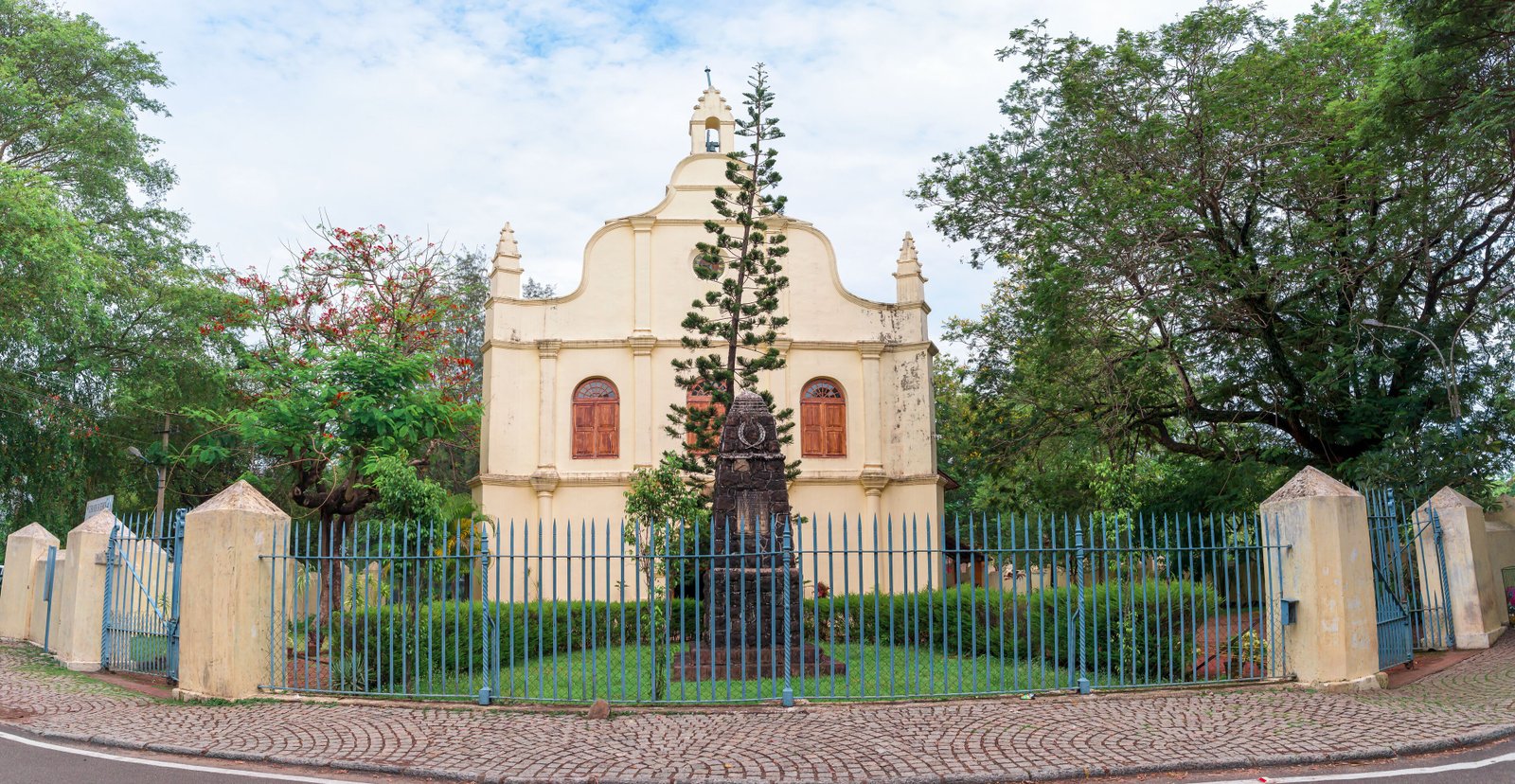
Vasco da Gama, Goa: A Historic Port City Where Heritage Meets the Arabian Sea
Vasco da Gama, commonly known as Vasco, is one of Goa's most important port cities and a significant centre of maritime activity. Located around 30 kilometres from Panaji, the city occupies the base of the peninsula leading towards Mormugao Harbour, giving it a distinctive coastal identity. It is also an important transportation hub, with Dabolim Airport located close to the city and a railway terminus serving passengers travelling to and from Goa.
Named after the Portuguese explorer Vasco da Gama, the city has a strong connection with Goa's colonial past. The Mormugao region came under Portuguese rule around 1543, and its natural harbour gradually developed into an important port on India's western coast. The historic Sada Fort, built near the tip of the peninsula, once played a strategic role in controlling maritime movement towards the Zuari River.
Vasco da Gama today is much more than a working port city. Its surroundings offer a combination of history, coastal landscapes, beaches, churches, local food and cultural experiences. Visitors can explore attractions such as the historic St. Andrew's Church, enjoy the beaches around Bogmalo and Hollant, and visit the Naval Aviation Museum, which showcases India's naval aviation heritage.
With its convenient connectivity, maritime importance and mix of Portuguese influences and Goan traditions, Vasco da Gama offers travellers a different perspective of Goa. It is a city where the character of a busy harbour meets the relaxed atmosphere of the Konkan coast, making it a worthwhile stop for anyone looking to experience a side of Goa beyond its better-known tourist destinations.
History of Vasco da Gama
The history of Vasco da Gama is closely connected with the maritime history and Portuguese period of Goa. The city developed around the strategically important Mormugao Harbour, one of the finest natural harbours on India's western coast. The region came under Portuguese control in the 16th century, and Mormugao gradually became an important centre for maritime activities and trade.
The Portuguese recognised the strategic importance of Mormugao and developed the harbour as part of their efforts to strengthen their presence along Goa's coastline. The location provided access to the Zuari River and the Arabian Sea, making the area valuable for controlling maritime movement. Historical defensive structures, including Sada Fort, were built in the wider Mormugao region to protect important approaches and monitor movement along the coast.
The development of the harbour also contributed to the growth of the settlement that eventually became known as Vasco da Gama. Over time, the area developed from a primarily maritime and strategic location into an important urban and commercial centre. Its connection with the port continued to shape the city's economy and identity.
A major turning point came in 1961, when Goa was liberated from Portuguese rule and became part of India. Following Goa's integration into India, Vasco da Gama continued to develop as an important transportation, industrial and commercial centre. The port remained central to the city's economic significance, while improved road, railway and air connectivity strengthened its role as a gateway to Goa.
Today, traces of Vasco da Gama's past can still be seen in its churches, historic sites, port surroundings and Portuguese-influenced architecture. At the same time, the city has evolved into a modern urban centre, making its history a combination of colonial heritage, maritime development and post-liberation growth.
Geography of Vasco da Gama
Vasco da Gama is situated in South Goa, within the Mormugao area, on the western coast of India. The city occupies the base of a peninsula that extends towards the Mormugao Harbour, placing it close to the Arabian Sea and giving it an important coastal and maritime character.
The city's geographical location has played a major role in its development. Mormugao Harbour is one of the key natural harbours of Goa, while the nearby Zuari River adds to the importance of the surrounding region. The combination of the harbour, coastline and river system has historically supported maritime activity and continues to influence the city's economy.
Vasco da Gama is also geographically well connected to other parts of Goa. Dabolim Airport is located nearby, while the railway network provides an important connection for passengers travelling between Vasco and other parts of Goa and India. Major roads connect the city with Panaji, Margao and other coastal and inland areas.
The landscape around Vasco da Gama is characterised by a combination of coastal plains, low hills, beaches, harbour areas and developed urban settlements. Nearby beaches such as Bogmalo and Hollant provide a more natural coastal environment, while the Mormugao harbour and surrounding industrial areas reflect the city's commercial importance.
Climate of Vasco da Gama
Vasco da Gama experiences a tropical climate, typical of coastal Goa. Summers are generally warm and humid, while the monsoon brings heavy rainfall and transforms the surrounding landscape into a lush green environment. Winters are comparatively pleasant, with lower humidity and comfortable conditions for sightseeing.
The city's proximity to the Arabian Sea also influences its weather, particularly through coastal humidity and sea breezes. The monsoon season generally lasts from June to September, while the period from October onwards gradually becomes more suitable for outdoor activities and tourism.
Overall, Vasco da Gama's geography combines sea, harbour, river, beaches and urban development, helping explain why the city has historically been important as both a maritime centre and a gateway to Goa.
Culture and Traditions of Vasco da Gama
The culture of Vasco da Gama reflects the diverse heritage of Goa, shaped by Konkani traditions, Hindu and Christian communities, Portuguese influence and the city's long association with maritime trade. This cultural mix can be seen in the city's places of worship, food, music, festivals and everyday way of life. Goa's official sources describe its cultural identity as a blend of different communities, traditions, music and dance.
A Blend of Konkani and Portuguese Influences
Konkani remains an important part of Goan identity, while Portuguese influence can still be seen in aspects of architecture, religious traditions, food and cultural practices. Vasco's history as a Portuguese-era port town has given it a distinctive character where older traditions exist alongside a modern, multicultural urban lifestyle.
Religious Harmony
Vasco da Gama reflects Goa's tradition of religious coexistence, with Hindu and Christian communities forming an important part of the region's social fabric. Temples and churches are not only places of worship but also important centres of community gatherings and celebrations. Goa's Department of Information and Publicity highlights the state's long-standing tradition of religious harmony between different communities.
Vasco Saptah
One of the most distinctive traditions associated specifically with Vasco is the annual Vasco Saptah, also known as the Damodar Bhajani Saptah. The week-long celebration takes place during the Hindu month of Shravan and is centred around the Shri Damodar Temple. A major highlight is the continuous 24-hour bhajan, accompanied by religious ceremonies, processions and a festive atmosphere throughout the city.
Music, Dance and Theatre
Music forms an important part of Goan cultural life. Traditional forms such as Mando, Dulpod, Fugdi and Dekhnni, along with folk performances and religious music, contribute to the region's cultural character. Goan theatre traditions such as Tiatr, Natak and Zagor are also an important part of the state's performing arts heritage.
Food as Part of Local Culture
Food is another important expression of Vasco's cultural identity. The city's coastal location naturally connects its cuisine with seafood, while Goa's historical influences have contributed to a distinctive culinary tradition. Local dishes, traditional sweets and Portuguese-influenced preparations are commonly associated with Goan food culture.
Overall, the culture of Vasco da Gama is best understood as a living blend of coastal Goan traditions, Konkani heritage, religious diversity and Portuguese historical influence. Rather than being defined by a single tradition, the city gets its character from the many communities and cultural influences that have shaped it over generations.
Architecture of Vasco da Gama
Vasco da Gama's architecture reflects its Portuguese colonial heritage, maritime history and Goan cultural traditions. While the city is more modern and commercial than Goa's heritage centres such as Old Goa, its historic churches, surviving fort structures and traditional buildings provide glimpses into the region's past.
Portuguese Influence
The strongest historical influence on Vasco's built environment comes from the Portuguese period. The wider Mormugao region developed under Portuguese rule from the 16th century, and the area's strategic importance as a harbour led to the construction of defensive and religious structures.
St. Andrew's Church
One of the most prominent historic landmarks in Vasco is the 400-year-old St. Andrew's Church, located near the entrance to the city. Its long history makes it an important example of Vasco's religious and architectural heritage.
Goan churches generally display European architectural influences combined with local building traditions. Portuguese-era church architecture in Goa developed through different periods and styles, with features such as decorated façades, stucco work, arches and ornate interiors appearing across the state.
Mormugao Fort
The Mormugao Fort is another important historical structure associated with the city's maritime past. Built near the Mormugao Harbour, the fort was constructed to protect the harbour and began in 1624. Although much of the original structure has disappeared, portions of its boundary wall and chapel remain.
Sada Fort and Coastal Defence
The remains of Sada Fort provide another glimpse into the military architecture of the Mormugao region. Built by the Portuguese near the tip of the peninsula, the fort was strategically positioned to control the movement of ships towards the Zuari River. Today, only remnants of its ramparts survive, but the location continues to offer historical and coastal interest.
A Blend of Heritage and Modernity
Modern Vasco da Gama has a planned urban character, with roads, commercial areas, residential neighbourhoods and port-related infrastructure forming much of the cityscape. This creates an interesting contrast between historic churches and fort remnants on one side and modern transportation, commercial and industrial infrastructure on the other.
Overall, the architecture of Vasco da Gama is not defined by a single style. Instead, it tells the story of a city shaped by Portuguese heritage, religious architecture, coastal defence and its continuing role as an important port city of Goa.
Famous Places to Visit in Vasco da Gama
Vasco da Gama and its surrounding Mormugao region offer a mix of beaches, heritage landmarks, churches, museums and coastal attractions. The city's convenient location also makes several nearby destinations easy to explore.
1. Bogmalo Beach
Located close to Vasco da Gama, Bogmalo Beach is a popular coastal attraction known for its sandy shoreline, Arabian Sea views and relatively relaxed atmosphere. It is suitable for visitors looking to enjoy a quieter beach experience while staying close to the city.
2. Hollant Beach
Hollant Beach is another scenic coastal destination near Vasco. Surrounded by greenery and sheltered waters, it offers a more peaceful alternative to some of Goa's busier beaches. It is particularly appealing for visitors interested in photography, sunset views and a calm seaside environment.
3. Naval Aviation Museum
The Naval Aviation Museum is one of Vasco's most distinctive attractions. Located at Bogmalo, the museum showcases India's naval aviation history through aircraft, weapons, equipment and other exhibits. It provides an interesting experience for visitors who want something beyond Goa's traditional beaches and heritage sites.
4. St. Andrew's Church
The historic St. Andrew's Church is an important religious and architectural landmark in Vasco da Gama. With a history of around 400 years, the church reflects the Portuguese influence that shaped much of Goa's religious and architectural heritage.
5. Mormugao Harbour
Mormugao Harbour is central to Vasco's identity as a port city. The natural harbour has played an important role in the maritime history and economic development of the region. Visitors interested in Goa's commercial and maritime heritage can appreciate its significance from the surrounding areas.
6. Mormugao Fort
Located near the harbour, Mormugao Fort was built as a defensive structure to protect the harbour and surrounding coastline. Although only parts of the original fort survive today, its remains offer an insight into the region's Portuguese-era military history.
7. Sada Fort
The remains of Sada Fort are located towards the tip of the Mormugao peninsula. Built during the Portuguese period, the fort was strategically positioned to monitor maritime movement towards the Zuari River. Its coastal setting makes it interesting for visitors combining history with scenic exploration.
8. Monkey Beach
Monkey Beach, located around the Mormugao area, is another coastal spot that can be included in a wider Vasco sightseeing itinerary. Its relatively less-commercial surroundings provide an opportunity to experience Goa's coastal landscape away from some of the state's busiest tourist areas.
A Different Side of Goa
The attractions around Vasco da Gama offer more than conventional beach tourism. From Portuguese-era churches and fortifications to naval history, natural beaches and one of Goa's important harbours, the area provides a balanced experience of history, culture and the coast. This makes Vasco a worthwhile destination for travellers who want to explore a different side of Goa.
Famous Dishes of Vasco da Gama
Vasco da Gama's food culture is deeply connected with traditional Goan cuisine, where fresh seafood, local spices, coconut and Portuguese culinary influences come together. As a coastal city, Vasco is particularly known for seafood-based preparations, while traditional Goan dishes offer plenty of options for both vegetarians and non-vegetarians.
1. Goan Fish Curry Rice
One of the most popular everyday meals in Goa, fish curry rice combines a spicy and tangy coconut-based curry with steamed rice and locally available fish. It is a staple that gives visitors a simple introduction to authentic Goan food.
2. Prawn Balchão
Prawn Balchão is a spicy, tangy preparation made with prawns cooked in a rich masala containing ingredients such as chillies, vinegar and spices. Its bold flavour reflects the Portuguese influence on Goan cuisine.
3. Chicken Cafreal
Chicken Cafreal is a popular Goan preparation made by marinating chicken in a green paste of coriander, chillies, garlic, ginger and other spices before cooking. It is commonly served with bread, rice or other local accompaniments.
4. Goan Prawn Curry
Fresh prawns cooked with coconut, spices and tamarind form another popular part of Goa's coastal cuisine. The combination of creamy coconut and mild sourness makes this dish particularly popular among seafood lovers.
5. Chicken or Mutton Xacuti
Xacuti is a richly spiced Goan curry traditionally prepared using roasted spices, coconut and chillies. It can be made with chicken, mutton or other ingredients and is known for its complex and aromatic flavour.
6. Pork Vindaloo
Goan Pork Vindaloo is one of the state's best-known dishes. It combines pork with vinegar, garlic, chillies and spices, creating a distinctive balance of heat, acidity and savoury flavours. The dish also reflects the historical Portuguese influence on Goan cuisine.
7. Sorpotel
Sorpotel is a traditional Goan pork preparation that is particularly associated with Christian Goan cuisine. It is generally slow-cooked with spices and vinegar and is commonly enjoyed during festive occasions.
8. Bebinca
For dessert, Bebinca is one of Goa's most recognisable traditional sweets. This layered dessert is prepared using ingredients such as coconut milk, eggs, flour and sugar. Its distinctive layers and rich texture make it a popular Goan dessert.
9. Goan Bread and Local Bakery Items
Traditional Goan breads such as pão, poi and other local bakery preparations are also an important part of everyday food culture. They are commonly paired with curries, meat preparations and snacks.
A Taste of Coastal Goa
Food in Vasco da Gama reflects the city's wider cultural identity—coastal, diverse and influenced by both Konkani traditions and Portuguese heritage. From fresh seafood and spicy curries to traditional breads and sweets, exploring local food is an important part of experiencing Vasco and the wider Goan culture.
Famous Personalities of Vasco da Gama
Vasco da Gama has been home to or associated with people from different fields, including politics, sports, music, literature and public life. Its location as an important Goan city and port has also connected it with personalities who have contributed to Goa's cultural and social identity.
1. Dayanand Bandodkar
Dayanand Bandodkar, Goa's first Chief Minister after its liberation, is one of the most important political figures in Goa's modern history. Although his political career was associated with the wider state rather than Vasco alone, his contribution to Goa's post-1961 political development makes him a significant personality when discussing the region.
2. Remo Fernandes
Remo Fernandes, the well-known Goan singer, composer and musician, is one of the personalities associated with Goa's distinctive contemporary music culture. His work has helped bring Goan musical influences to audiences across India and internationally.
3. Bruno Coutinho
Bruno Coutinho, one of Goa's notable footballers and a former captain of the Indian national football team, represents Goa's strong connection with football. Football has long been an important part of sporting culture across Goa, including the Mormugao region.
4. Local Cultural and Sporting Figures
Vasco da Gama and the wider Mormugao region have produced and nurtured numerous footballers, musicians, artists, educators and community leaders. The city's clubs, schools, churches and community organisations have traditionally played an important role in developing local talent.
Festivals of Vasco da Gama
Festivals in Vasco da Gama reflect the multicultural character of Goa, bringing together religious traditions, music, food and community celebrations. Both Hindu and Christian festivals are observed across the city, while traditional Goan celebrations add colour to the local cultural calendar.
1. Vasco Saptah
One of the most distinctive celebrations associated with Vasco da Gama is Vasco Saptah, a traditional Hindu religious festival held in honour of Lord Damodar. The celebration takes place over several days and is centred around devotional singing, religious ceremonies and community participation.
A major attraction is the continuous 24-hour bhajan, during which devotees participate in devotional music and prayers. The festival transforms parts of Vasco into a lively gathering place and is an important expression of the city's Hindu cultural traditions.
2. Goa Carnival
The Goa Carnival is one of the state's most famous celebrations and is also enjoyed in Vasco da Gama. Colourful parades, decorated floats, music, dancing and street performances create a festive atmosphere.
The Carnival reflects Goa's Portuguese cultural influence while also incorporating local traditions, making it one of the most visually vibrant events of the year.
3. Shigmo
Shigmo, Goa's traditional spring festival, is celebrated with colourful processions, folk performances, music and dancing. The festival is particularly associated with Goa's Hindu cultural traditions and provides an opportunity to experience traditional Goan folk culture.
4. Christmas
Christmas is widely celebrated in Vasco, reflecting the strong Christian cultural presence in Goa. Churches are decorated, homes are illuminated and families come together for religious services, traditional food and celebrations.
The period around Christmas also brings a lively atmosphere to the city's streets, churches and neighbourhoods.
5. Easter
Easter is another important Christian celebration observed by the city's Christian community. Churches hold special services and families come together to mark the occasion with religious observances and traditional meals.
6. Ganesh Chaturthi
Ganesh Chaturthi, locally known as Chavath, is an important Hindu festival celebrated by families and communities across Goa. Homes are decorated, Lord Ganesha idols are worshipped and traditional Goan food is prepared as part of the celebrations.
7. Church Feasts
Traditional church feasts are an important part of Goan community life. Churches across Vasco and the surrounding Mormugao region celebrate their patron saints with religious services, processions and community gatherings.
These feasts provide visitors with an opportunity to experience the strong connection between religion, community and local traditions in Goa.
8. New Year Celebrations
The New Year period is another lively time in Vasco da Gama. Restaurants, hotels and local establishments often organise special events, while residents and visitors gather to welcome the new year.
Experiencing Vasco Through Its Festivals
The festivals of Vasco da Gama offer more than entertainment—they provide a glimpse into the city's religious diversity, community spirit and Goan cultural heritage. From the devotional traditions of Vasco Saptah to Carnival processions, church feasts and seasonal celebrations, festivals remain an important part of life in the city.
Things to Do in Vasco da Gama
Vasco da Gama offers a combination of beaches, heritage, maritime attractions, local culture and relaxed coastal experiences. While it may not have the same tourist profile as North Goa's popular destinations, the city and its surrounding Mormugao region provide several interesting things to explore.
1. Spend Time at Bogmalo Beach
Head to Bogmalo Beach to enjoy Goa's coastline, take a walk along the shore, relax by the Arabian Sea or watch the sunset. Its proximity to Vasco makes it one of the easiest beach escapes from the city.
2. Explore Hollant Beach
For a quieter coastal experience, visit Hollant Beach. Its relatively calm surroundings and scenic setting make it suitable for photography, peaceful walks and enjoying the natural beauty of the coastline.
3. Visit the Naval Aviation Museum
Explore the Naval Aviation Museum near Bogmalo to learn about India's naval aviation history. The museum displays aircraft and other equipment and offers something different from Goa's usual beach-focused attractions.
4. Discover St. Andrew's Church
Take time to visit the historic St. Andrew's Church and appreciate its religious and architectural significance. It is one of the notable heritage landmarks associated with Vasco da Gama.
5. Explore Vasco's Maritime Heritage
Vasco's identity is closely linked to Mormugao Harbour. Exploring the harbour area and learning about its history gives visitors a better understanding of why Vasco developed into an important port city.
6. Discover Historical Forts
History enthusiasts can explore the remains of Mormugao Fort and Sada Fort. Although the structures are largely in ruins, they provide an insight into Goa's Portuguese-era coastal defence system.
7. Enjoy Local Goan Food
Trying authentic Goan seafood and traditional dishes should be part of a Vasco itinerary. Visitors can look for local preparations such as fish curry rice, prawn dishes, cafreal, xacuti and traditional Goan sweets.
8. Experience Local Festivals
If your visit coincides with a local celebration, take the opportunity to experience Vasco Saptah, Carnival, Shigmo, church feasts or other Goan festivals. These events offer a closer look at the city's traditions and community life.
9. Explore the City on Foot
Take a relaxed walk through Vasco's neighbourhoods to experience its local markets, churches, streets, shops and everyday Goan lifestyle. This is particularly useful for travellers who want to experience the city beyond its major tourist attractions.
10. Enjoy a Coastal Sunset
End the day by visiting one of the nearby beaches and watching the sunset over the Arabian Sea. The coastal setting around Vasco provides several opportunities to enjoy Goa's natural beauty without travelling far from the city.
Experience Vasco Beyond the Beaches
The best way to experience Vasco da Gama is to combine different sides of the city—heritage, maritime history, beaches, food and local culture. A visit can be as relaxed or as exploratory as you want, making Vasco a useful stop for travellers looking to discover a less conventional side of Goa.
Where to Eat, Shop, and Stay in Vasco da Gama
Vasco da Gama offers a practical mix of local eateries, seafood restaurants, markets, shopping areas and accommodation options. Since the city is an important transportation and commercial hub, travellers can find options ranging from simple local establishments to comfortable hotels.
Where to Eat
Food is an important part of the Vasco experience, particularly for visitors interested in authentic Goan cuisine.
Look for local Goan restaurants serving fish curry rice, prawn preparations, chicken cafreal and xacuti.
Explore seafood restaurants around Vasco and nearby coastal areas for fresh fish and shellfish.
Try traditional Goan bakery products such as pão, poi and local sweets.
For a more casual experience, explore small local eateries and cafés frequented by residents.
Visitors staying near Bogmalo can also find restaurants serving seafood and a variety of Indian and international cuisines.
Where to Shop
Vasco has a more local and practical shopping atmosphere compared with Goa's major tourist markets.
Explore the Vasco Municipal Market for vegetables, fruits, seafood, spices and everyday local products.
Visit local shops and markets around the city for clothing, household items and daily necessities.
Look for Goan food products, spices, cashews and traditional sweets that can be taken home as souvenirs.
Visitors interested in larger shopping complexes can travel towards nearby commercial areas of South Goa.
Where to Stay
Vasco's proximity to Dabolim Airport, railway connectivity and Mormugao Harbour makes it a convenient base for travellers who want easy transportation.
Accommodation options generally include:
Budget hotels and guesthouses
Mid-range hotels
Business-oriented hotels
Homestays and guest accommodations
Beachside stays around Bogmalo
Premium accommodation in the wider South Goa region
Choosing the Right Area
For travellers prioritising transport convenience, staying in or around Vasco is practical because of its connectivity.
Those looking for a more relaxed beach holiday may prefer accommodation around Bogmalo or other nearby coastal areas.
For travellers interested in exploring more of South Goa, Vasco can also serve as a convenient starting point for day trips to nearby destinations.
A Convenient Base for Exploring Goa
Vasco da Gama may not be Goa's biggest shopping or luxury-holiday destination, but its combination of local markets, authentic food, practical accommodation and excellent connectivity makes it a convenient place to stay while exploring the Mormugao region and nearby attractions.
What is Vasco da Gama Famous For?
Vasco da Gama is best known for its maritime importance, historic Mormugao Harbour, Portuguese heritage and strategic location in Goa. Unlike Goa's beach-focused tourist destinations, Vasco has developed a distinct identity as a working port city while still offering access to beaches, heritage sites and cultural attractions.
Mormugao Harbour
The city's strongest identity comes from Mormugao Harbour, one of Goa's most important natural harbours. The harbour has played a major role in the region's maritime history and continues to contribute to Goa's commercial and industrial activity.
Portuguese Heritage
Vasco's history is closely connected with the Portuguese period in Goa. Historic churches, fortifications and other remnants of the colonial era reflect the influence that shaped the city's development.
Important Transportation Hub
Vasco is also famous for its connectivity. Its proximity to Dabolim Airport, railway services and major road networks makes it an important gateway for people travelling to and from Goa.
Beaches and Coastal Landscape
Although Vasco itself is primarily an urban and port city, several attractive beaches are located nearby. Bogmalo Beach and Hollant Beach are among the coastal destinations that make the area appealing to visitors.
Naval Aviation Museum
The Naval Aviation Museum near Bogmalo is another distinctive attraction. It introduces visitors to India's naval aviation history and makes the Vasco area interesting even for travellers who are not primarily looking for beaches.
Vasco Saptah
The city is also known for Vasco Saptah, an important local religious and cultural celebration associated with Lord Damodar. The festival showcases the city's strong community traditions and attracts devotees from different places.
A Different Side of Goa
Perhaps what makes Vasco da Gama most interesting is its combination of port-city life, history, culture, transportation and coastal tourism. It provides visitors with an opportunity to see a side of Goa that is different from the state's better-known beach destinations.
Best Time to Visit Vasco da Gama
Vasco da Gama can be visited throughout the year, but the best time to explore the city and its surrounding attractions is generally from October to May. During these months, the weather is more suitable for sightseeing, beaches and outdoor activities.
October to February — Best for Sightseeing
The period from October to February is considered one of the most comfortable times to visit Vasco da Gama. The monsoon has ended, the landscape remains relatively green and temperatures are generally pleasant.
This period is ideal for:
Exploring historical landmarks
Visiting churches and museums
Spending time at nearby beaches
Exploring Mormugao and surrounding areas
Enjoying local food
Experiencing Goa's winter festivals and celebrations
December and January are particularly lively because of Christmas, New Year and the broader festive atmosphere across Goa.
March to May — Warm but Suitable for Beaches
The months from March to May are warmer and more humid. Daytime temperatures can make extended outdoor sightseeing less comfortable, but this period can still work well for travellers who want to enjoy beaches and coastal activities.
Early mornings and late afternoons are generally more comfortable for exploring.
June to September — Monsoon Season
The June to September monsoon brings substantial rainfall to Goa. While this is not the most convenient period for beach activities and outdoor sightseeing, the rainy season transforms the surrounding landscape into lush greenery.
Travellers who enjoy:
Monsoon scenery
Photography
Green landscapes
Quieter travel
A slower local experience
may still find this season appealing.
However, heavy rainfall can affect outdoor plans and beach activities.
Which Season Should You Choose?
| Season | Experience | Suitable For |
|---|---|---|
| October–February | Pleasant and relatively dry | Sightseeing, beaches, festivals |
| March–May | Hot and humid | Beaches, relaxed trips |
| June–September | Rainy and green | Monsoon lovers, photography |
Overall Recommendation
For a first visit to Vasco da Gama, October to February is the most convenient period because travellers can comfortably combine the city's heritage, beaches, food, cultural attractions and nearby destinations without the heavy rainfall associated with the monsoon season.
How to Reach Vasco da Gama
Vasco da Gama is one of the best-connected cities in Goa, making it relatively easy to reach by air, rail and road. Its location near Dabolim Airport and Mormugao Harbour also makes it an important gateway to the state.
By Air
The nearest airport is Dabolim Airport, which is located close to Vasco da Gama. The airport handles domestic and international flights and provides convenient access for travellers arriving in Goa by air.
From the airport, visitors can reach Vasco by taxi, private cab or other local transport.
Note: Goa also has Manohar International Airport at Mopa in North Goa. Travellers should choose the airport according to their destination, flight availability and overall itinerary.
By Train
Vasco da Gama has its own railway station, which is an important terminal in Goa's railway network.
Trains connect Vasco with several major cities and regions across India. Rail travel can be a convenient option for travellers coming from cities such as Mumbai, Bengaluru, Delhi, Pune and other parts of the country, depending on the available services.
The railway station's location within the city also makes onward travel relatively convenient.
By Road
Vasco da Gama is well connected by road with other parts of Goa.
Travellers can reach the city from:
Panaji
Margao
South Goa
North Goa
Nearby coastal towns and villages
State transport buses, private buses, taxis and rental vehicles are commonly used for road travel.
By Taxi or Cab
Taxis and app-based/local cab services can be useful for visitors who want direct transportation from the airport, railway station or other parts of Goa.
For sightseeing, hiring a private cab or rental car can be convenient if you plan to explore Vasco along with nearby beaches and attractions.
Local Transportation
Once in Vasco, travellers can use:
Local taxis
Auto-rickshaws
Buses
Rental cars
Two-wheelers
Two-wheelers can be particularly convenient for exploring nearby coastal areas, although travellers should always follow local traffic rules and carry the required documents.
Getting Around from Vasco
One of Vasco's biggest advantages is its location. From the city, travellers can easily plan trips towards Bogmalo, Hollant, Dabolim, Mormugao and other parts of South Goa.
With air, rail and road connectivity all available, Vasco da Gama works not only as a destination in itself but also as a convenient gateway for exploring Goa.
Nearby Places to Visit from Vasco da Gama
Vasco da Gama's location in South Goa makes it a convenient base for exploring several beaches, heritage sites and cultural attractions in the surrounding region. Many places can be covered as short trips from the city.
1. Bogmalo Beach
Located close to Vasco, Bogmalo Beach is one of the easiest coastal escapes from the city. Visitors can relax by the Arabian Sea, enjoy the beach atmosphere and watch the sunset.
2. Hollant Beach
Hollant Beach offers a quieter coastal experience and is surrounded by greenery. It is suitable for travellers looking for a peaceful place away from crowded tourist areas.
3. Dabolim
Located near Vasco, Dabolim is best known for its airport and its strategic location between Vasco and other parts of Goa. The surrounding area can easily be included in a Vasco itinerary.
4. Mormugao
The wider Mormugao region is closely connected with Vasco's history. Visitors can explore the harbour area, historic fort remains and coastal landscapes while learning more about Goa's maritime heritage.
5. Cansaulim
Cansaulim, located further along the South Goa coast, is known for its quieter beaches and relaxed atmosphere. It can be included in an extended coastal trip from Vasco.
6. Arossim Beach
Arossim Beach is another peaceful beach in the surrounding coastal belt. Its relatively relaxed setting makes it suitable for visitors looking to experience a quieter side of Goa.
7. Majorda
Majorda is known for its beach, traditional Goan atmosphere and connection with Goa's culinary and cultural heritage. It can be combined with nearby coastal destinations for a day trip.
8. Margao
Margao, the commercial capital of Goa, is a useful destination for travellers interested in local markets, shopping, food and South Goan urban life. It also provides access to several attractions in southern Goa.
9. Old Goa
For travellers interested in history and architecture, Old Goa is an excellent longer day-trip option. Its historic churches and monuments represent an important chapter of Goa's Portuguese and religious heritage.
10. Panaji
Goa's capital city, Panaji, is also easily accessible from Vasco. Visitors can explore the city's heritage neighbourhoods, riverfront, churches, markets and Portuguese-influenced architecture.
Exploring Beyond Vasco
One of the advantages of staying in Vasco da Gama is that travellers can combine the city with nearby beaches, heritage destinations and major Goan towns. A well-planned itinerary can therefore cover both Vasco's maritime character and the wider cultural landscape of Goa.
Best Duration for a Vasco da Gama Trip
The ideal duration for exploring Vasco da Gama depends on whether you want to visit only the city or also include nearby beaches and attractions. For most travellers, 1 to 2 days is enough to experience the main highlights of Vasco and the surrounding Mormugao region.
1-Day Trip — Quick Exploration
A one-day itinerary is suitable for travellers who are passing through Vasco or have limited time.
You can cover:
St. Andrew's Church
Vasco city and local markets
Naval Aviation Museum
Bogmalo Beach
Mormugao Harbour area
A nearby sunset spot
Traditional Goan food
This option works particularly well for travellers arriving through Dabolim Airport or Vasco railway station.
2-Day Trip — Recommended
A 2-day stay provides a more relaxed experience and allows you to explore both the city and its nearby attractions without rushing.
Day 1 – Heritage & City
Explore Vasco da Gama
Visit St. Andrew's Church
Explore the local market
Learn about Mormugao's maritime history
Visit Mormugao Fort or nearby historical sites
Enjoy traditional Goan cuisine
Day 2 – Beaches & Attractions
Visit the Naval Aviation Museum
Spend time at Bogmalo Beach
Explore Hollant Beach
Enjoy a coastal lunch
Watch the sunset
Return to Vasco for dinner
3 Days or More — Explore South Goa
If you have 3 or more days, Vasco can be used as a base for exploring destinations beyond the immediate Mormugao region.
You can add:
Cansaulim
Arossim
Majorda
Margao
Panaji
Old Goa
Other South Goa beaches and heritage attractions
This option is better for travellers who want a combination of history, beaches, food, culture and sightseeing.
Recommended Duration
| Duration | Best For |
|---|---|
| 1 Day | Quick sightseeing and transit travellers |
| 2 Days | Complete Vasco + nearby attractions |
| 3 Days | Vasco + wider South Goa exploration |
| 4–5 Days | Relaxed South Goa holiday |
Overall Recommendation
For a first-time visitor, 2 days is an ideal duration for Vasco da Gama. It provides enough time to explore the city's historic and cultural attractions, visit the nearby beaches and experience local Goan food without making the trip feel rushed.
If Vasco is part of a longer South Goa itinerary, extending the stay to 3–4 days allows travellers to explore the surrounding coastal and heritage destinations at a more relaxed pace.
Travel Tips for Vasco da Gama
Vasco da Gama is relatively easy to explore, but a few practical tips can make the trip more comfortable, especially if you plan to combine the city with nearby beaches and South Goa attractions.
1. Plan Around the Weather
For comfortable sightseeing, October to February is generally preferable. Summers can be hot and humid, while the monsoon brings heavy rainfall. Carry light cotton clothing, sunscreen and sunglasses during the warmer months, and an umbrella or rain jacket during the monsoon.
2. Carry Comfortable Footwear
If you plan to explore churches, markets, beaches and historical sites in the same trip, comfortable footwear is recommended. Sandals or suitable beach footwear can also be useful when visiting coastal areas.
3. Keep Sun Protection Handy
The coastal environment can mean strong sun exposure, particularly during the daytime. Carry:
Sunscreen
Sunglasses
Hat or cap
Reusable water bottle
4. Start Sightseeing Early
Starting your sightseeing in the morning can help you avoid the strongest afternoon heat and gives you more time to explore multiple attractions.
A good approach is to visit heritage sites and museums earlier in the day, followed by beaches and sunset spots later.
5. Check Attraction Timings
Before visiting museums, churches or historical attractions, check their current opening hours and any restrictions. Religious sites may have specific guidelines for visitors.
6. Respect Local Customs
Vasco has a strong cultural and religious heritage. Dress respectfully when visiting churches, temples and other religious places, and follow photography rules wherever applicable.
7. Try Local Food
Don't limit your meals to familiar tourist options. Try authentic Goan dishes such as fish curry rice, prawn preparations, cafreal, xacuti and bebinca at reputable local establishments.
8. Plan Beach Visits Responsibly
When visiting Bogmalo, Hollant or other nearby beaches:
Avoid leaving plastic or other waste behind.
Follow local beach safety instructions.
Be cautious during rough sea conditions.
Avoid swimming in areas where it is prohibited.
Keep valuables secure.
9. Choose Transport According to Your Itinerary
For exploring only Vasco, local transport can be sufficient. If you plan to cover several nearby beaches and attractions, a rental car, two-wheeler or private taxi can offer greater flexibility.
10. Keep Some Extra Time for Delays
Goa's roads can become busier during peak tourist periods, weekends and festivals. Keep some buffer time if you have a flight or train to catch, particularly when travelling between Vasco and the airport or railway station.
11. Carry Cash for Small Purchases
Digital payments are widely used, but keeping some cash can still be useful for small local purchases, markets, roadside stalls and certain transport situations.
12. Combine Vasco with Nearby Destinations
Vasco can be explored independently, but its location makes it especially useful as a starting point for visiting Bogmalo, Hollant, Mormugao and other parts of South Goa.
Travel Smart, Explore Slowly
The best way to experience Vasco da Gama is not to rush through its attractions. Give yourself time to explore its heritage, food, beaches, markets and local neighbourhoods. With a little planning, Vasco can become more than just a transit point—it can be an enjoyable part of a Goa itinerary.
Why Visit Vasco da Gama?
Vasco da Gama offers a different perspective of Goa, combining the character of a historic port city with coastal landscapes, cultural heritage and convenient connectivity. It is particularly appealing to travellers who want to explore more than the state's well-known beach destinations.
Experience Goa's Maritime Heritage
Vasco's identity is strongly connected with Mormugao Harbour, which has played an important role in Goa's maritime and commercial history. Exploring the harbour region helps visitors understand the city's development and its continuing economic importance.
Discover Portuguese-Era Heritage
The city's churches, fort remains and historic surroundings provide glimpses into Goa's Portuguese past. Places such as St. Andrew's Church, Mormugao Fort and Sada Fort allow visitors to connect with the region's history.
Enjoy Nearby Beaches
Vasco is surrounded by attractive coastal destinations. Bogmalo Beach and Hollant Beach offer opportunities to relax, enjoy the sea, take photographs and experience a quieter side of Goa.
Explore Something Beyond Conventional Goa
While destinations such as Baga, Calangute and Anjuna are known for their nightlife and busy tourist atmosphere, Vasco offers a more local and functional urban experience. Its streets, markets, port surroundings and neighbourhoods provide a glimpse into everyday life in Goa.
Experience Local Food and Culture
Vasco is a good place to experience traditional Goan cuisine, particularly seafood and dishes influenced by both Konkani and Portuguese culinary traditions. Local festivals, religious celebrations and community events further add to the city's cultural character.
Convenient Gateway to Goa
With Dabolim Airport, railway connectivity and road connections nearby, Vasco is one of the most convenient entry points for travellers. Its location also makes it practical for exploring South Goa and nearby coastal destinations.
Suitable for Different Types of Travellers
Vasco can appeal to:
History enthusiasts
Beach lovers
Food travellers
Photography enthusiasts
Families
Solo travellers
Visitors interested in local culture
Travellers looking for convenient accommodation near transport hubs
A City Worth Exploring, Not Just Passing Through
For many travellers, Vasco da Gama is simply a place to arrive or depart from Goa. However, spending a day or two here reveals a city with its own identity—shaped by maritime history, Portuguese heritage, Goan traditions and the Arabian Sea.
That combination makes Vasco da Gama worth including in a Goa itinerary, particularly for travellers who want to discover a more authentic and less conventional side of the state.
Conclusion
Vasco da Gama is a city that offers a different way to experience Goa. While it is widely recognised for its connection with Mormugao Harbour and maritime activity, the city also carries a rich history shaped by Portuguese influence, coastal trade and Goa's diverse cultural traditions.
From historic churches and fort remains to beaches, museums, local markets and traditional Goan cuisine, Vasco and its surrounding areas offer a varied travel experience. Attractions such as Bogmalo Beach, Hollant Beach, St. Andrew's Church and the Naval Aviation Museum make it possible to combine relaxation, history and exploration in a single trip.
Its excellent connectivity through air, rail and road further strengthens Vasco's importance as a gateway to Goa. At the same time, its local festivals, food and everyday neighbourhood life provide visitors with an opportunity to experience a side of Goa that extends beyond the state's popular tourist beaches.
Whether you are interested in history, architecture, beaches, food, culture or maritime heritage, Vasco da Gama has something worth discovering. A short visit of one or two days can introduce travellers to its main attractions, while using the city as a base can open the door to many other destinations across South Goa.
Ultimately, Vasco da Gama is more than just a transit point for travellers arriving in Goa. It is a historic coastal city with its own character—where Goan traditions, Portuguese heritage, maritime history and the beauty of the Arabian Sea come together.
"Travel is the only thing you buy that makes you richer."