Panaji – Where Goan Heritage Meets the Charm of the Mandovi
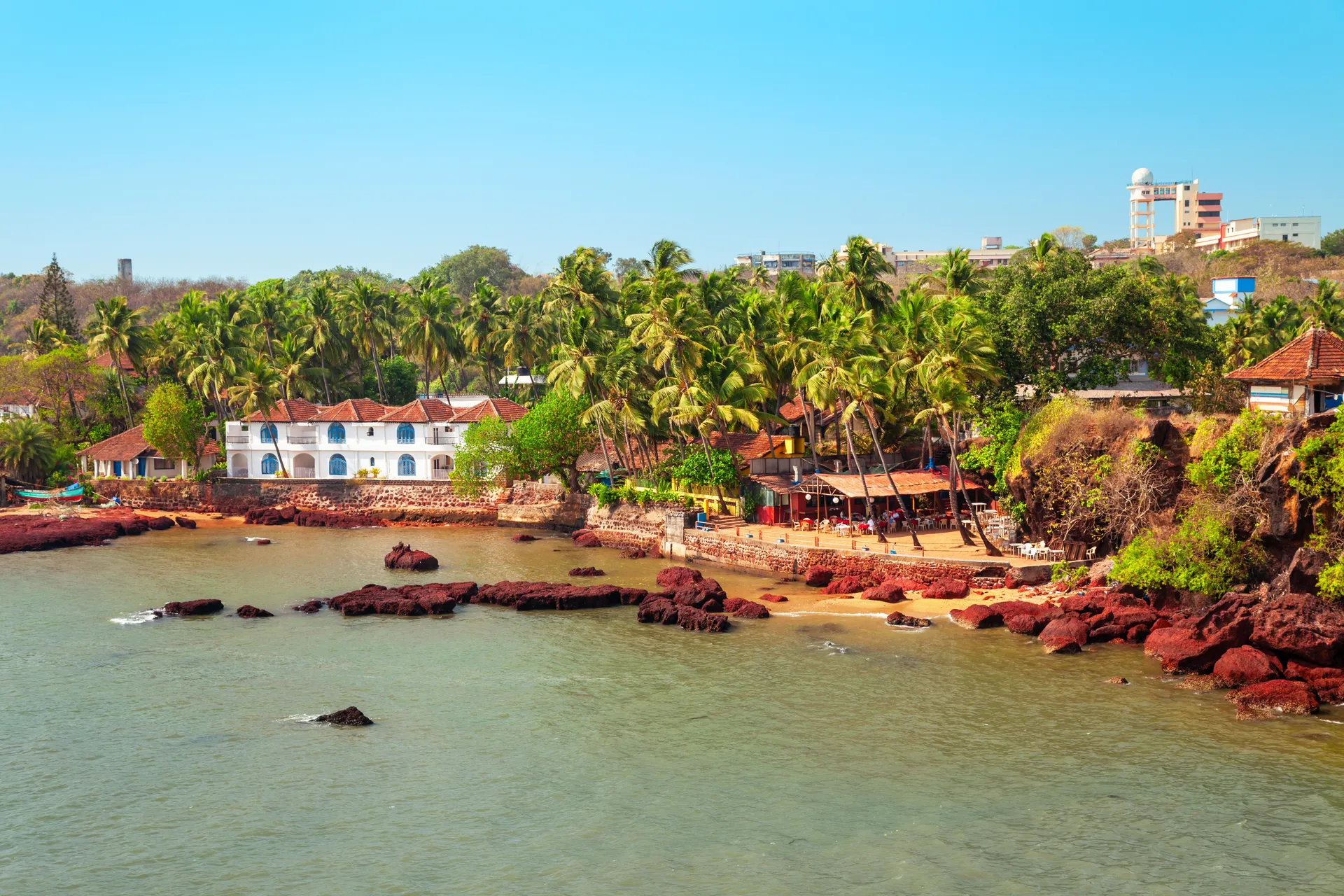
Panaji, the capital city of Goa, is a beautiful blend of Portuguese heritage, Goan culture, riverside charm, and modern city life. Located along the banks of the Mandovi River, Panaji offers a different side of Goa beyond its famous beaches. Its colourful streets, historic churches, traditional neighbourhoods, cultural spaces, and scenic waterfront make it an interesting destination for travellers.
The city is especially known for its Portuguese-influenced architecture and the colourful Latin Quarter of Fontainhas, where narrow lanes and old houses reflect Goa's colonial past. Visitors can also enjoy peaceful walks along the Mandovi waterfront, explore historic landmarks, experience Goan festivals, and taste the region's distinctive cuisine.
With its combination of history, architecture, culture, food, and scenic surroundings, Panaji is an ideal place to begin exploring the heritage and everyday character of Goa.
History of Panaji
- Early History: Briefly explain Panaji's early development and its connection with the surrounding settlements.
- Portuguese Era: Explain the arrival and influence of the Portuguese and how their administration shaped the city.
- Rise of Panaji: Explain why Panaji gradually became more important as Old Goa declined as an administrative centre.
- 1759 – A Major Turning Point: Mention the shift of the Portuguese Viceroy's residence to Panaji and the growing importance of the city.
- 19th-Century Development: Cover the development of roads, drainage, public buildings and urban infrastructure.
- 1843 – Capital of Portuguese Goa: Explain Panaji's elevation as a city and its emergence as the capital.
- 1961 – Liberation of Goa: Briefly explain the end of Portuguese rule and Goa's integration with India.
- Modern Panaji: Conclude with how the city developed into Goa's administrative and cultural centre while preserving its historic character.
This format will make the final blog much easier to read, SEO-friendly, and suitable for a travel website, while still following the source's recommendation to use short paragraphs, headings and bullets where they improve readability.
Geography of Panaji
Panaji is located in North Goa, along the banks of the Mandovi River. Its location gives the city a distinctive mix of riverfront landscapes, low-lying coastal terrain, urban areas, and nearby beaches.
Key Geographical Features
- Location: Panaji is the capital of Goa and lies in the central-northern part of the state.
- Mandovi River: The river is one of the city's most important natural features and shapes much of Panaji's landscape and waterfront.
- Coastal Setting: Panaji is close to the Arabian Sea, with Miramar Beach and other coastal areas located nearby.
- Terrain: The surrounding landscape is generally low-lying, with gentle elevations and greenery typical of Goa's coastal region.
- Nearby Natural Areas: The city is surrounded by coconut palms, greenery, waterways and the wider tropical landscape of Goa.
- Neighbouring Areas: Panaji is connected to important areas such as Ribandar, Taleigao, Dona Paula and Porvorim, making it a convenient base for exploring different parts of Goa.
Climate
Panaji experiences a tropical climate, with warm weather for most of the year.
| Season | General Experience |
|---|---|
| Summer – March to May | Warm and humid, with temperatures gradually increasing |
| Monsoon – June to September | Heavy rainfall, lush greenery and a fresh landscape |
| Winter – October to February | Pleasant and comparatively cooler, making it ideal for sightseeing |
The combination of the Mandovi River, tropical greenery and nearby coastline gives Panaji much of its scenic character and makes the city different from Goa's purely beach-focused destinations.
Culture and Traditions of Panaji
Panaji reflects the distinctive Goan culture, where Konkani traditions blend with strong Portuguese influences. The city's historic neighbourhoods, music, food, festivals, churches, and everyday lifestyle show this cultural mix. Panaji is also an important cultural centre of Goa, with institutions such as the Kala Academy and various theatre and cultural spaces.
Language
- Konkani is the official language of Goa and an important part of Goan identity.
- Marathi is also used for official purposes, while English, Hindi and Portuguese are also commonly encountered in the state.
- Konkani literature and language continue to be promoted through institutions such as the Goa Konkani Akademi, based in Panaji.
Music and Performing Arts
Music is an important part of Goan cultural life. Panaji provides a platform for both traditional and contemporary performances, including Konkani music, theatre and tiatr.
The city's cultural institutions and performance venues help preserve Goa's artistic traditions while also supporting modern forms of art and entertainment.
Portuguese and Goan Influence
One of Panaji's most distinctive cultural features is the combination of Goan traditions with Portuguese heritage. This can be seen in:
- Colourful old houses and villas
- Balconies and tiled roofs
- Historic churches
- Portuguese-influenced neighbourhoods
- Traditional food
- Local festivals and celebrations
The historic areas of Fontainhas and São Tomé are particularly important examples of this cultural character.
Local Lifestyle
Life in Panaji has a comparatively relaxed pace. Visitors can experience the local character by walking through the old quarters, visiting cafés and traditional establishments, exploring the riverside, and interacting with local communities.
Overall, Panaji's culture is best understood as a meeting point of Konkani traditions, Goan lifestyle, Portuguese heritage, music, food, and art, making the city culturally different from many other destinations in India.
Architecture of Panaji
Panaji's architecture reflects the city's rich history and its strong Portuguese and Goan influences. Walking through the older parts of the city, visitors can see colourful houses, historic churches, government buildings, traditional balconies, tiled roofs, and colonial-era structures.
Portuguese-Influenced Architecture
One of the most recognisable features of Panaji is its Portuguese-style residential architecture. Many traditional houses feature:
- Colourful painted facades
- Decorative balconies and verandas
- Red-tiled sloping roofs
- Ornamental windows and doors
- Traditional courtyard-style layouts
- Decorative ceramic tiles and architectural details
Fontainhas – The Latin Quarter
Fontainhas is one of the best places to experience Panaji's traditional architecture. Its narrow lanes and brightly coloured heritage homes create a distinctive atmosphere and showcase the city's Portuguese-era character.
The neighbourhood is particularly popular with visitors interested in heritage walks, photography and architecture.
Our Lady of the Immaculate Conception Church
Located in the heart of Panaji, this historic church is recognised by its large white façade and grand staircase. It is one of the city's most prominent landmarks and an important part of Panaji's architectural and religious heritage.
Idalcao Palace
The historic Idalcao Palace is associated with Panaji's development as an administrative centre. The building has connections to the earlier Adil Shah period and later Portuguese administration, reflecting the different historical influences that shaped the city.
A Blend of Old and New
Panaji's architectural character is not limited to its historic buildings. The city also has modern government buildings, cultural institutions, commercial spaces, and contemporary developments.
This combination of heritage houses, colonial-era structures, religious buildings and modern architecture gives Panaji a unique visual identity and makes exploring the city on foot particularly rewarding.
Famous Places to Visit in Panaji
Panaji offers a mix of heritage, architecture, riverside views, beaches, culture, and history. These are some of the key places to include in the blog:
1. Fontainhas
The colourful Fontainhas neighbourhood is one of Panaji's most charming areas. Its narrow lanes, brightly painted Portuguese-style houses, balconies, and old-world atmosphere make it ideal for a heritage walk and photography.
2. Our Lady of the Immaculate Conception Church
One of Panaji's most recognisable landmarks, this historic church is famous for its white façade and impressive staircase. It is an important religious and architectural attraction in the city.
3. Mandovi Riverfront
The Mandovi Riverfront is a popular place to enjoy views of the river and experience Panaji's relaxed atmosphere. Visitors can take a leisurely walk, enjoy the surroundings, and watch the city's waterfront come alive in the evening.
4. Miramar Beach
Located close to Panaji, Miramar Beach is known for its golden sand and views of the Arabian Sea. It is a convenient place to enjoy a peaceful sunset away from some of Goa's busier beach areas.
5. Dona Paula
The Dona Paula area is known for its scenic views where the Mandovi and Zuari rivers meet the Arabian Sea. Its viewpoint makes it a popular stop for visitors looking for coastal scenery and photography.
6. Reis Magos Fort
Located across the Mandovi River, Reis Magos Fort is a historic fort offering views of the river and surrounding landscape. Its restored structure provides an interesting look into Goa's military and colonial past.
7. Kala Academy
Kala Academy is an important cultural institution in Goa. It hosts performances, artistic programmes, theatre, music and other cultural events, making it a useful stop for travellers interested in Goa's performing arts.
8. Goa State Museum
The Goa State Museum provides an opportunity to explore the state's historical and cultural heritage through sculptures, artefacts, artworks, and other collections.
9. Adil Shah Palace
Also associated with the historical development of Panaji, Adil Shah Palace is an important heritage landmark and reflects the city's changing political history.
10. Panaji's Old Latin Quarter
Beyond individual monuments, exploring the old quarters of Panaji is an experience in itself. Walking through the streets allows visitors to discover heritage homes, colourful buildings, small cafés, local life, and Portuguese-influenced architecture.
Travel Tip: For a first-time visitor, combining Fontainhas, the church, Mandovi waterfront and nearby Dona Paula/Miramar can provide a good introduction to Panaji's heritage and scenic character.
Things to Do in Panaji
Panaji is not just a city for sightseeing. Its mix of heritage, culture, riverside scenery, food, and local experiences gives visitors several ways to explore the city.
Explore Fontainhas on Foot
Take a heritage walk through the colourful lanes of Fontainhas.
Admire traditional Portuguese-style houses and balconies.
Stop for photographs and explore the artistic character of the neighbourhood.
Enjoy the Mandovi Riverfront
Take a relaxed walk along the riverfront.
Enjoy views of the Mandovi River, especially around sunset.
Experience the lively atmosphere around Panaji's waterfront.
Visit Historic Churches
Explore Our Lady of the Immaculate Conception Church.
Learn about the religious and architectural heritage of Panaji.
Visit other historic churches and chapels in and around the city.
Discover Panaji's Heritage
Explore the old quarters of Panaji.
Look for colonial-era buildings, traditional homes and historic landmarks.
Consider taking a guided heritage tour to understand the city's Portuguese and Goan influences.
Spend Time at Nearby Beaches
Panaji's location makes it convenient to visit nearby coastal attractions such as:
Miramar Beach
Dona Paula
Other beaches and viewpoints around the city
Experience Goan Food
Trying local cuisine is an essential part of a Panaji visit. Travellers can explore traditional Goan dishes, seafood, sweets, and local flavours at eateries across the city.
Attend Cultural Performances
Visitors interested in art and culture can check programmes at Kala Academy and other cultural venues for music, theatre, dance and artistic performances.
Explore Local Markets
Spend some time exploring Panaji's markets and shops for:
Local handicrafts
Goan souvenirs
Traditional products
Clothing and accessories
Regional food products
Enjoy Panaji at a Relaxed Pace
One of the best ways to experience Panaji is simply to slow down and explore. Walking through its heritage streets, sitting by the river, discovering small cafés, and observing everyday Goan life can be as memorable as visiting its major attractions.
Famous Personalities Associated with Panaji
Panaji and its cultural life have been closely associated with several writers, artists, thinkers, and public figures who have contributed to Goa's literary and cultural identity.
Manoharrai Sardesai
Manoharrai Sardesai (1925–2006) was a renowned Konkani poet, writer, French scholar, and translator who was born in Panaji. He studied at the Sorbonne in Paris and later taught French at the University of Bombay and Goa University. His literary work played an important role in modern Konkani poetry.
Known for his Konkani poetry and literary works
Received the Sahitya Akademi Award
Honoured by the French Government with the title Chevalier de l'Ordre des Palmes Académiques
His works include Pisollim, Jayat Jage and Bebyachem Kazar
Ravindra Kelekar
Ravindra Kelekar (1925–2010) was one of Goa's most important Konkani writers, thinkers, and freedom activists. Although born in Cuncolim, his connection with Panaji began during his student years at the Lyceum High School, where he became involved in the Goa liberation movement.
Major contributor to Konkani literature
Participated in the Goa liberation movement
Worked for the recognition and development of Konkani
Received the Jnanpith Award, the first such honour for a Konkani writer
Also received the Padma Bhushan and Sahitya Akademi honours
Abbé Faria
José Custódio de Faria, popularly known as Abbé Faria, was a Goan-born Catholic priest and pioneering figure in the study of hypnotism and suggestion. A statue dedicated to him stands in Panaji, making his name an interesting part of the city's historical landscape.
Pio Esteves
Pio Esteves, born in Panaji, is a writer, journalist, poet, cartoonist, playwright, and theatre director associated with the Konkani cultural scene. His work has contributed to contemporary Goan writing and theatre, including children's tiatr productions.
A Legacy of Literature and Culture
These personalities represent different aspects of Panaji and Goa's cultural heritage—from Konkani literature and language to theatre, journalism, social activism, and intellectual life. Their contributions continue to form an important part of the cultural identity associated with the city.
Famous Dishes to Try in Panaji
Panaji is a great place to experience the flavours of traditional Goan cuisine, which combines local Konkani culinary traditions with Portuguese influences. Rice, seafood, coconut, spices, meat and vinegar are among the ingredients that give Goan food its distinctive character.
Fish Curry Rice (Xit Kodi)
Often considered the staple food of Goa, fish curry rice combines steamed rice with a coconut-based fish curry. The dish reflects Goa's close connection with its coastal waters and is an essential food experience for visitors.
Goan Fish Fry
Fresh local fish is commonly marinated with spices and fried until crisp. Depending on availability, visitors may find varieties such as pomfret and other local seafood prepared in this style.
Prawn Balchão
Prawn Balchão is a spicy and tangy preparation in which prawns are cooked with a strongly flavoured masala. It is one of the seafood preparations associated with Goan cuisine.
Pork Vindaloo
A famous Goan preparation, Vindaloo combines pork with spices and vinegar, reflecting the Portuguese influence on Goan cooking. It is particularly associated with Goan Catholic culinary traditions.
Chicken or Mutton Xacuti
Xacuti is a richly spiced Goan curry traditionally prepared with meat and a blend of local spices and coconut. It is another popular dish that visitors can look for while exploring Goan cuisine.
Sorpotel
Sorpotel is a traditional spicy pork preparation strongly associated with Goan Catholic cuisine. It is often served during important occasions and celebrations.
Khatkhate
For a vegetarian option, Khatkhate is a traditional Goan vegetable stew made with several vegetables, coconut and local spices. It is particularly popular during festivals and is enjoyed in both Hindu and Christian communities.
Bebinca
No Goan food experience is complete without trying Bebinca, a rich, layered dessert made primarily with eggs, coconut milk and other ingredients. It is especially associated with Christmas and festive occasions.
Local Goan Drinks
Visitors may also come across feni, a traditional Goan spirit made from either cashew fruit or coconut palm sap. It is an important part of Goa's culinary heritage.
Food Tip:
While exploring Panaji, travellers can look beyond familiar restaurant menus and try traditional Goan preparations made with fresh seafood, coconut, local spices and regional ingredients. Goa Tourism itself increasingly highlights cuisine as an important way to experience the state's culture and heritage.
Festivals and Celebrations in Panaji
Festivals are an important part of Goa's cultural identity, and Panaji becomes especially lively during major celebrations. The city's festivals bring together music, colourful processions, traditional performances, food, art, and community participation. Goa Tourism also highlights festivals such as Carnaval and Shigmo as important cultural experiences for visitors.
Goa Carnaval
Goa Carnaval is one of the most colourful celebrations associated with Panaji. The festival features:
Elaborate floats and colourful parades
Music and dance performances
Street entertainment
Traditional and contemporary cultural performances
The ceremonial appearance of King Momo
Panaji is one of the principal centres for the Carnaval celebrations. In 2026, the Carnaval was held across several Goan cities, including Panaji, with large crowds of residents and visitors.
Shigmo
Shigmo is a major Goan spring festival rooted in local traditions. It is known for:
Colourful processions
Folk dances
Traditional music
Decorative floats
Community celebrations
Panaji is one of the designated centres for the Shigmo celebrations. The 2026 state festival schedule listed the Panaji celebration for 7 March 2026.
Christmas
Christmas is widely celebrated in Goa and adds a special festive atmosphere to Panaji. Churches, homes and streets are decorated, while communities come together for religious services, music, traditional food and family celebrations.
São João
São João, celebrated on 24 June, is one of Goa's distinctive monsoon festivals. The celebration is particularly famous for traditional customs, music and community gatherings. While the main São João celebration is associated with villages such as Siolim, it represents the wider Goan festive culture that visitors can experience while staying in Panaji.
Cultural Events in Panaji
Panaji also hosts several cultural and artistic events throughout the year. Its role as Goa's cultural centre means visitors may encounter:
Music festivals
Art events
Theatre performances
Film-related events
Food and cultural programmes
Heritage and community celebrations
A Living Cultural Experience
For travellers, festivals offer more than entertainment. They provide an opportunity to experience Goan traditions, music, food, faith, creativity and community life. Goa Tourism describes these celebrations as living traditions that bring communities together and allow visitors to experience the cultural side of the state beyond its beaches.
Travel Tip:
Festival dates can change from year to year, so travellers should check the official Goa Tourism events calendar before planning a trip around a particular celebration.
Best Time to Visit Panaji
Panaji can be visited throughout the year, but the ideal time depends on the kind of experience you want. Goa has a tropical climate, with temperatures generally remaining warm throughout the year. The monsoon season runs mainly from June to September, while the period from October onwards generally offers more comfortable conditions for sightseeing.
October to February – Best for Sightseeing
This is generally the most comfortable period to explore Panaji.
Pleasant weather for walking through Fontainhas and the old city.
Suitable for visiting churches, heritage buildings and museums.
Good time for riverfront walks and nearby beaches.
The festive atmosphere becomes particularly lively towards the end of the year.
December and January are among Goa's busiest tourist months, so accommodation should be booked in advance.
March to May – Warm Summer Months
Summer gradually becomes hotter, with May being the warmest month. Goa Tourism notes that temperatures can cross 33°C around midday in May.
Plan outdoor sightseeing during the morning or late afternoon.
Carry water, sunscreen and light clothing.
Indoor attractions and cultural activities can be a good alternative during the hottest part of the day.
June to September – Monsoon Experience
The monsoon brings heavy rainfall to Goa, but it also transforms the landscape into a lush green setting. Goa Tourism notes that the monsoon generally lasts from June to September and attracts visitors interested in experiencing Goa's greenery and monsoon character.
Best for travellers who enjoy greenery and rain.
Waterfalls and the surrounding countryside become especially scenic.
Some outdoor and beach activities may be affected by rainfall.
Monsoon festivals and cultural experiences provide another reason to visit during this season.
Quick Guide
| Period | Best For |
|---|---|
| October–February | Heritage walks, sightseeing, beaches and festivals |
| March–May | Quieter travel and indoor/cultural exploration |
| June–September | Monsoon scenery, greenery and cultural experiences |
Overall:
For a first visit to Panaji, October to February is the most convenient period for combining sightseeing, pleasant weather and Goa's festive atmosphere.
Where to Eat, Shop and Stay in Panaji
Panaji offers a good range of options for travellers, from traditional Goan food and local markets to comfortable hotels, guesthouses and homestays. The city is also a convenient base for exploring nearby parts of Goa.
Where to Eat
Visitors can explore Panaji for both traditional Goan cuisine and a variety of other Indian and international food options.
Try Goan fish curry rice and fresh seafood.
Look for traditional dishes such as prawn balchão, pork vindaloo, xacuti and sorpotel.
Explore cafés and eateries around Fontainhas and the central city areas.
For a more local experience, try traditional Goan preparations rather than limiting yourself to beachside food.
Where to Shop
Panaji has several places where visitors can look for local products and souvenirs.
Panaji Market – useful for exploring everyday local shopping and regional products.
18th June Road – a popular shopping area with clothing, accessories, handicrafts and other goods.
Fontainhas – suitable for discovering art, souvenirs and locally inspired products.
Visitors can also look for Goan handicrafts, cashew products, spices, textiles and souvenirs to take home.
Where to Stay
Panaji has accommodation options for different types of travellers.
Budget hotels and guesthouses – suitable for backpackers and budget-conscious visitors.
Mid-range hotels – a convenient option for families and regular tourists.
Upscale hotels – suitable for travellers looking for additional facilities and comfort.
Homestays and B&Bs – a good option for visitors who want a more local experience.
Goa Tourism notes that accommodation is available across different price ranges, but December and January are peak periods, when rooms can become harder to find and advance booking is advisable.
Why Stay in Panaji?
Staying in Panaji can be particularly convenient for travellers who want to combine heritage sightseeing, cultural experiences, food, shopping and access to nearby attractions. The city also has good road connections and public transport links to other parts of Goa.
How to Reach Panaji
Panaji is well connected with other parts of Goa as well as major cities in neighbouring states. The city can be reached by air, rail and road, while Kadamba Transport Corporation (KTCL) provides bus services connecting Panaji with several destinations across Goa.
By Air
Manohar International Airport, Mopa is one of the main airports serving Goa.
KTCL operates bus services connecting Mopa Airport with Panaji.
Dabolim Airport is another airport serving Goa and is connected to Panaji by road.
Travellers can use taxis, rental vehicles or bus services to reach Panaji from the airports.
By Train
The nearest railway station to Panaji is Karmali Railway Station, located near Old Goa.
Goa is connected to Mumbai and other parts of India through the Konkan Railway network.
Goa Tourism notes that trains connect Goa with destinations in both northern and southern India, making rail travel a convenient option for many visitors.
By Road
Panaji is well connected by road with major towns and cities in Goa.
Kadamba Bus Station in Panaji is the city's main public transport hub.
Buses regularly connect Panaji with Margao, Vasco da Gama, Mapusa, Ponda and other Goan towns.
KTCL also operates inter-state bus services connecting Goa with destinations in neighbouring states.
Taxis and private vehicles are also convenient options for reaching and exploring Panaji.
Getting Around Panaji
Once in the city, visitors can use:
Local buses
Taxis
Rental cars
Two-wheelers
Walking, particularly around the heritage areas
For exploring Fontainhas and the older parts of central Panaji, walking can be an enjoyable way to experience the architecture, narrow lanes and local atmosphere.
Travel Tip:
If you are travelling during peak tourist periods, it is advisable to reserve train or long-distance bus tickets in advance. Goa Tourism also recommends advance rail reservations because trains can fill up quickly.
Nearby Places to Visit from Panaji
Panaji's central location makes it a convenient base for exploring several heritage sites, beaches, forts, villages and cultural attractions in and around Goa.
Old Goa
Located around 10 km from Panaji, Old Goa is one of the most important heritage destinations near the capital. It is famous for its historic churches and monuments, including the Basilica of Bom Jesus, Sé Cathedral and Church of St. Francis of Assisi. The Churches and Convents of Goa are recognised as a UNESCO World Heritage site.
Dona Paula
About 7 km from Panaji, Dona Paula is a scenic waterfront destination known for views of the Zuari River and Mormugao Harbour. It is a popular nearby stop for enjoying coastal scenery.
Miramar Beach
Located close to Panaji, Miramar Beach is a convenient option for travellers looking to combine a city visit with time by the sea. Its proximity makes it easy to include in a short Panaji itinerary.
Reis Magos
Situated across the Mandovi River, Reis Magos is known for its historic fort and heritage character. It can be combined with other attractions around the Mandovi region.
Chorao Island
Chorao offers a quieter side of Goa, with village landscapes, waterways and opportunities to experience the state's natural and cultural heritage. Goa Tourism has also promoted Chorao through experiences such as cycling and backwater trails.
Aguada
Aguada is another important heritage destination within easy reach of Panaji. Its fort and historic surroundings offer visitors an opportunity to explore Goa's maritime and colonial history. Goa Tourism has recently promoted heritage walks at the Aguad Port and Jail Complex as part of its experiential tourism initiatives.
Nearby Places at a Glance
| Place | Why Visit |
|---|---|
| Old Goa | Historic churches, heritage and UNESCO-listed monuments |
| Dona Paula | River and coastal views |
| Miramar | Beach and sunset experience |
| Reis Magos | Fort and heritage |
| Chorao | Village life, waterways and nature |
| Aguada | Fort, port and colonial history |
Travel Tip:
Panaji is particularly useful as a base because Goa has an extensive road network, and buses, taxis and rental vehicles make it possible to explore nearby destinations without changing accommodation.
Travel Tips for Visiting Panaji
A little planning can make a Panaji trip more comfortable and enjoyable. Since the city combines heritage areas, beaches, cultural attractions and nearby destinations, travellers should keep a few practical points in mind.
Useful Tips for Travellers
Plan according to the weather: Carry light, comfortable clothing for warmer months and an umbrella or rain protection during the monsoon.
Carry sun protection: Sunglasses, sunscreen and a water bottle are useful, especially when sightseeing outdoors.
Wear comfortable footwear: Walking is one of the best ways to explore Fontain has and the older parts of Panaji.
Follow beach safety rules: If visiting nearby beaches, swim only in designated areas and follow instructions from lifeguards. Goa Tourism advises visitors not to enter the sea after sunset or in areas marked with red flags.
Protect your belongings: Keep valuables secure while travelling and use hotel lockers or other secure storage where available.
Use authorised services: For sightseeing tours and guides, Goa Tourism recommends using government-approved travel agents, tour operators and guides.
Check photography rules: Some heritage and religious attractions may have restrictions on photography or video recording, so check before taking pictures.
Book accommodation early during peak season: December and January can be particularly busy, so advance booking is advisable.
Choose transport according to your itinerary: Buses, taxis, rental cars and two-wheelers are available for getting around Goa. For taxis, it is advisable to confirm the fare before beginning the journey.
Keep emergency information handy: Goa Tourism operates a 24-hour multilingual tourism helpline at 1364 for tourism-related information and assistance.
A Simple Panaji Travel Approach
For a comfortable first visit, travellers can combine heritage walks in the morning, cultural or indoor attractions during the afternoon, and the Mandovi waterfront or nearby coastal areas in the evening. This allows enough time to experience Panaji without rushing through its historic and cultural attractions.
Suggested Trip Duration for Panaji
Panaji can be explored comfortably in 2 days, while travellers who want to include nearby attractions can extend their stay to 3 days. The city's central location also makes it convenient to combine Panaji sightseeing with other parts of Goa. Goa Tourism's sightseeing services include tours covering important attractions across North and South Goa, and its transport network connects Panaji with major destinations across the state.
1-Day Trip – Quick Panaji Experience
If you have only one day, focus on the city's key heritage and cultural attractions:
Explore Fontainhas
Visit Our Lady of the Immaculate Conception Church
Walk around the old quarters of Panaji
Spend some time along the Mandovi Riverfront
Visit Miramar Beach or Dona Paula towards the evening
This gives visitors a quick introduction to Panaji's heritage, architecture, riverfront and coastal character.
2-Day Trip – Ideal for First-Time Visitors
A two-day stay allows a more relaxed experience.
Day 1 – Heritage & Culture
Fontainhas heritage walk
Historic churches
Panaji's old city
Goa State Museum
Kala Academy or another cultural venue
Evening by the Mandovi River
Day 2 – Nearby Attractions
Miramar Beach
Dona Paula
Reis Magos Fort
Local markets and shopping
Enjoy traditional Goan cuisine
3-Day Trip – Panaji + Nearby Goa
With three days, travellers can explore Panaji without rushing and add destinations such as:
Old Goa
Reis Magos
Dona Paula
Miramar
Chorao Island
Other nearby heritage or natural attractions
Which Duration Is Best?
| Duration | Best For |
|---|---|
| 1 Day | Quick introduction to Panaji |
| 2 Days | Heritage, culture, food and nearby attractions |
| 3 Days | Relaxed Panaji exploration with nearby Goa destinations |
Overall:
For most first-time visitors, 2 days is a good duration for Panaji, while 3 days works better for travellers who want to explore the surrounding attractions at a relaxed pace.
Travel Essentials for Panaji
A few simple preparations can make a trip to Panaji more comfortable. Since the city combines heritage walks, outdoor sightseeing, beaches, cultural attractions and nearby excursions, travellers should pack and plan according to the season.
What to Carry
Comfortable footwear: Useful for exploring Fontainhas, old Panaji and other heritage areas on foot.
Light, breathable clothes: Suitable for Goa's generally warm climate.
Umbrella or rain protection: Particularly useful during the monsoon.
Sunscreen, sunglasses and a hat: Helpful for outdoor sightseeing and beach visits.
Water bottle: Keep yourself hydrated while exploring the city.
Power bank: Useful during long sightseeing days.
Basic medicines and personal essentials: Carry any regular medication you may need.
Things to Keep in Mind
Follow traffic rules when driving or using a rental vehicle.
Use authorised money changers and keep receipts for currency exchange.
Keep valuables safely stored, particularly while sightseeing or visiting crowded areas.
For guided sightseeing, use government-approved travel agents, tour operators and guides.
Check whether photography or videography is permitted at religious and heritage sites.
Dress respectfully when visiting temples, churches and other religious places.
At beaches, follow warning signs and lifeguard instructions and avoid entering the water in unsafe conditions.
Tourism Assistance
For tourism-related information and assistance, Goa's Department of Tourism operates Tourism Helpline 1364. The multilingual service provides round-the-clock assistance and can help visitors with information about accommodation, attractions, activities and other tourism-related concerns.
Quick Tip:
The best way to experience Panaji is to balance sightseeing with some unhurried time. Explore the heritage quarters on foot, enjoy the riverfront, try local cuisine and leave some time for nearby attractions.
Responsible Tourism in Panaji
A visit to Panaji is also an opportunity to experience Goa's heritage, local culture, natural surroundings and community life responsibly. Goa Tourism's current approach increasingly focuses on experiential and regenerative tourism, encouraging visitors to go beyond conventional sightseeing while respecting local communities, culture and the environment.
How Travellers Can Travel Responsibly
Respect heritage: Treat historic buildings, churches, monuments and traditional neighbourhoods with care.
Keep the city clean: Avoid littering and use designated waste bins.
Respect local traditions: Dress appropriately and follow local customs when visiting religious and cultural sites.
Support local businesses: Choose local eateries, artisans, guides, markets and community-led experiences where possible.
Protect natural surroundings: Avoid damaging plants, waterways, beaches and other natural areas.
Reduce plastic use: Carry a reusable water bottle and minimise single-use plastic.
Travel mindfully: Explore Panaji at a relaxed pace and avoid disturbing residential neighbourhoods.
Preserve the city's character: Responsible tourism helps protect the heritage and lifestyle that make Panaji distinctive.
Goa's tourism policy places emphasis on sustainability, authenticity, safety and diversity, with the aim of allowing visitors to experience the state's historic, natural and cultural assets while preserving them for the future.
Experience Panaji Beyond Sightseeing
Panaji can be experienced through its heritage walks, local food, festivals, architecture, cultural spaces and everyday community life. This approach reflects Goa Tourism's broader "Beyond Beaches" and experiential-tourism focus, encouraging travellers to engage more deeply with Goa rather than simply visiting its most famous attractions.
Conclusion
Panaji is a charming blend of Goan culture, Portuguese heritage, historic architecture, local cuisine and riverside beauty. With its heritage streets, vibrant traditions and relaxed atmosphere, Panaji offers a memorable glimpse into the unique spirit of Goa.
So, when planning a Goa trip, make time for Panaji—not just as the state capital, but as a city where Goa's history and contemporary life continue to meet.
"Travel is the only thing you buy that makes you richer."