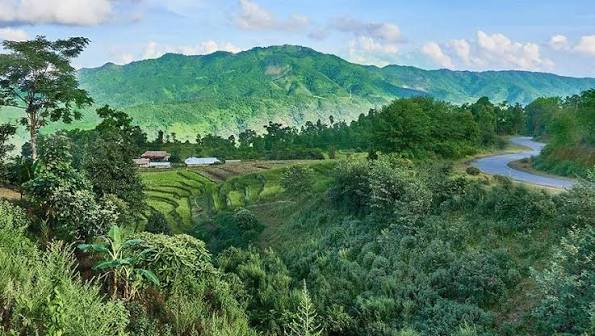
The district headquarters, also called Churachandpur, is one of Manipur's important hill towns and provides a gateway to the diverse communities and natural attractions of the region.
History
Churachandpur has a long history shaped by migration, settlement, tribal communities, agriculture, and interaction between the hills and valleys of Manipur. The district was originally known as Manipur South District and was created in 1969 during the reorganisation of Manipur. It was later renamed Churachandpur after Maharaja Churachand Singh.
The region has historically been home to numerous communities, each contributing distinctive traditions, languages, customs, and artistic practices to the district's cultural identity.
Geography
Churachandpur occupies the southwestern part of Manipur and is largely hilly. The district administration describes rugged and uneven terrain with elevations ranging from approximately 350 to 1,950 metres above sea level.
The landscape includes forests, hills, small valleys, rivers, streams, waterfalls, and agricultural areas. The Khuga River flows through the Khuga Valley, while other important drainage systems include the Tuila, Tuili, Leimatak, Tuivai, and Barak river systems.
Culture and Traditions
Churachandpur is one of Manipur's most culturally diverse regions. The district is home to communities including Thadou, Kuki, Hmar, Paite, Mizo, Vaiphei, Simte, Zou, Gangte, and others.
Traditional dances, music, handloom weaving, bamboo and cane crafts, village customs, agricultural practices, and community festivals form an important part of local culture. Manipur Tourism also highlights the distinct cultural traditions and handicrafts of the state's different ethnic communities.
Architecture
Traditional architecture is an important part of Churachandpur's cultural landscape. Village houses, community spaces, churches, and traditional structures often reflect the heritage of individual tribal communities.
The region's traditional crafts also extend into bamboo and cane work, textiles, ornaments, and other handmade products.
Famous Places
Khuga Dam
Khuga Dam is located just south of Churachandpur town and is one of the district's most popular recreational attractions. The dam is surrounded by hills and greenery and is also a popular picnic spot for local residents.
Ngaloi Waterfall
Located about 9 km from Churachandpur, Ngaloi Waterfall is surrounded by low hills and lush greenery. The cascading water and peaceful surroundings make it an attractive destination for nature lovers and photographers.
Tonglon Caves
The Tonglon Caves in the Singngat area are among the district's most interesting natural and historical attractions. The caves are associated with carvings, sculptures, and inscriptions that provide clues about the cultural history of the region.
Kaihlam Caves
Kaihlam Caves are another interesting cave attraction associated with Churachandpur's rugged hill landscape. They appeal particularly to visitors interested in natural formations and offbeat exploration.
Tribal Museum
The Tribal Museum provides an introduction to the traditional lifestyle and material culture of communities from the region. Its collections include traditional costumes, ornaments, religious accessories, bamboo and cane crafts, and other cultural objects.
Churachandpur Town
Churachandpur town is an important cultural and commercial centre surrounded by hills. Its local markets are useful for experiencing the region's handicrafts, textiles, food, and everyday life. Manipur Tourism describes it as a bustling tribal town and district headquarters.
Manipur Mountaineering Institute at Lamdan
The Manipur Mountaineering Institute at Lamdan promotes adventure and eco-tourism activities in the region. Manipur Tourism notes that its foundation stone was laid by mountaineer Tenzing Norgay during his visit to Manipur.
Tipaimukh Region
The wider Tipaimukh area is known for its remote hills, forests, rivers, and rural landscapes. It is suited to travellers interested in exploring the less-visited natural areas of southwestern Manipur.
Famous Dishes
Eromba
Eromba is a traditional Manipuri preparation made with vegetables, chillies, and commonly fermented fish. It is known for its bold and spicy flavour.
Singju
Singju is a traditional Manipuri salad prepared with vegetables, herbs, and regional ingredients. It is fresh, spicy, and widely enjoyed as part of local cuisine.
Chamthong
Chamthong, also called Kangshoi, is a light vegetable stew prepared with seasonal vegetables and herbs.
Fermented Fish Preparations
Fermented fish is an important ingredient in many traditional Manipuri dishes and adds a distinctive flavour to regional cuisine.
Rice-Based Meals
Rice is a staple food across Manipur. In Churachandpur, meals may be accompanied by locally available vegetables, herbs, meat, and other regional ingredients.
Famous Personalities
Maharaja Churachand Singh
Maharaja Churachand Singh was a prominent ruler of Manipur, after whom the district was named. His reign forms an important part of the region's modern historical narrative.
Tenzing Norgay
The legendary mountaineer Tenzing Norgay has a connection with Churachandpur through the Manipur Mountaineering Institute at Lamdan, where he laid the foundation stone during his visit to Manipur.
Local Tribal Artists and Craftspeople
Churachandpur has a strong tradition of tribal handicrafts, textiles, bamboo work, and cultural performance. Local artisans play an important role in preserving the region's diverse artistic traditions.
Festivals
Kut Festival
Kut is an important harvest festival celebrated by Kuki-Zomi communities. Music, traditional dances, cultural performances, food, and community gatherings are central to the celebrations.
Christmas
Christianity has a strong presence among several communities in Churachandpur. Christmas is celebrated with church services, music, community gatherings, and family events.
Chapchar Kut
Chapchar Kut is a traditional spring festival associated particularly with Mizo cultural traditions. It features music, dance, traditional clothing, and community celebrations.
Yaoshang
Yaoshang is widely celebrated across Manipur with sports, cultural activities, music, dancing, and community gatherings.
Lui-Ngai-Ni
Lui-Ngai-Ni is an important Naga seed-sowing festival celebrated in Manipur and represents agricultural traditions and indigenous cultural heritage.
Things to Do
- Visit the scenic Khuga Dam.
- Explore Ngaloi Waterfall.
- Discover the caves around Tonglon and Kaihlam.
- Visit the Tribal Museum.
- Explore Churachandpur's local markets.
- Shop for traditional handloom and handicrafts.
- Visit Lamdan and learn about adventure activities.
- Explore surrounding hill villages and countryside.
- Taste traditional Manipuri cuisine.
- Photograph waterfalls, forests, hills, and rural landscapes.
Where to Eat, Shop, and Stay
Where to Eat
Churachandpur town has local restaurants and eateries serving Manipuri and northeastern cuisine. Visitors interested in local food can try Eromba, Singju, Chamthong, rice-based meals, and regional meat and fish preparations.
Where to Shop
The local markets are particularly useful for finding handloom textiles, traditional clothing, bamboo and cane products, handicrafts, ornaments, and locally made goods. Manipur Tourism specifically notes the availability of arts and crafts in the local market.
Where to Stay
Churachandpur town is the most convenient base for exploring the district. Travellers should arrange accommodation in advance when visiting during major festivals or when planning trips into remote hill areas.
What is it Famous For?
Churachandpur is famous for its tribal diversity, scenic hills, Khuga Dam, Ngaloi Waterfall, Tonglon Caves, traditional handicrafts, and rich cultural traditions.
The district is particularly notable for the number of communities that live across its hills and valleys, each contributing distinctive cultural practices.
Best Time to Visit
The best time to visit Churachandpur is generally from October to April, when conditions are more comfortable for sightseeing and exploring the hills.
The post-monsoon months can be particularly attractive for nature lovers because the forests remain green and waterfalls may have good water flow.
How to Reach
By Air
The nearest major airport is Imphal International Airport. The district administration identifies Imphal's Tulihal airport as the nearest airport for Churachandpur.
By Train
Rail access is more limited than air and road access. The district administration identifies Jiribam and Dimapur as rail options for reaching the wider region, after which travellers can continue by road.
By Road
Road travel is the primary way to reach Churachandpur. The district is connected with Imphal and other parts of Manipur, and the town is approximately 64–66 km from Imphal depending on the reference point.
Nearby Places
Imphal
Manipur's capital is known for Kangla, Ima Keithel, museums, temples, and important cultural landmarks.
Bishnupur
Bishnupur offers access to Loktak Lake, Keibul Lamjao National Park, historic temples, and the cultural heritage of Moirang.
Chandel
Chandel is known for its tribal diversity, forests, waterfalls, caves, and the border town of Moreh.
Tamenglong
Tamenglong is a scenic hill district known for forests, waterfalls, rivers, and rich biodiversity.
Ukhrul
Ukhrul is known for its hills, forests, Tangkhul cultural heritage, and beautiful natural landscapes.
Best Duration for a Trip
A 2 to 3-day trip is suitable for exploring Churachandpur town, Khuga Dam, Ngaloi Waterfall, the Tribal Museum, and selected nearby attractions.
A 3 to 4-day itinerary allows more time for caves, Lamdan, hill villages, handicraft shopping, and nature exploration.
Travel Tips
- Check current local travel conditions before planning your trip.
- Follow official guidance for remote and sensitive areas.
- Carry comfortable footwear for waterfalls, caves, and hill trails.
- Carry rain protection, particularly during the monsoon season.
- Respect local tribal customs and community traditions.
- Ask permission before photographing people or private spaces.
- Do not enter caves or remote areas without appropriate local guidance.
- Carry sufficient cash when travelling outside the main town.
- Keep additional travel time for winding hill roads.
- Book accommodation in advance during major festivals.
Why Visit
Churachandpur offers a different side of Manipur, where tribal culture and dramatic hill landscapes are central to the travel experience. The district combines waterfalls, caves, forests, traditional crafts, markets, and diverse communities in a relatively unexplored setting.
It is especially appealing to travellers interested in culture, nature, photography, adventure, handicrafts, and offbeat destinations.
Conclusion
Churachandpur is a culturally diverse hill destination where nature, indigenous traditions, adventure, and rural life come together. From the waters of Khuga Dam and Ngaloi Waterfall to the mysterious Tonglon Caves and the colourful local markets, the district offers many opportunities for exploration.
For travellers looking to discover a less-touristed side of Manipur, Churachandpur provides a memorable journey through the state's rich tribal heritage and mountainous landscapes.
"Travel is the only thing you buy that makes you richer."