Explore Manipur
Discover Manipur
Cities of Manipur
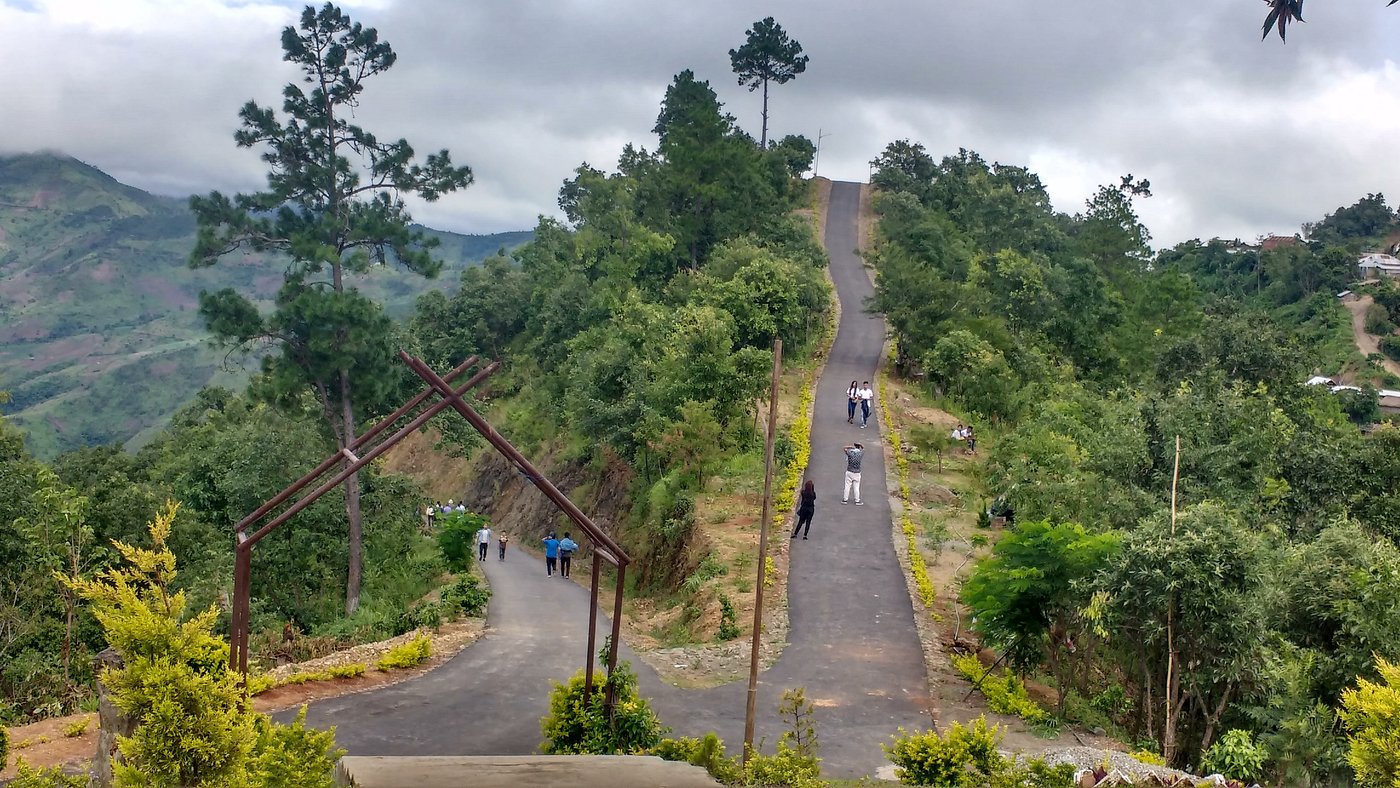
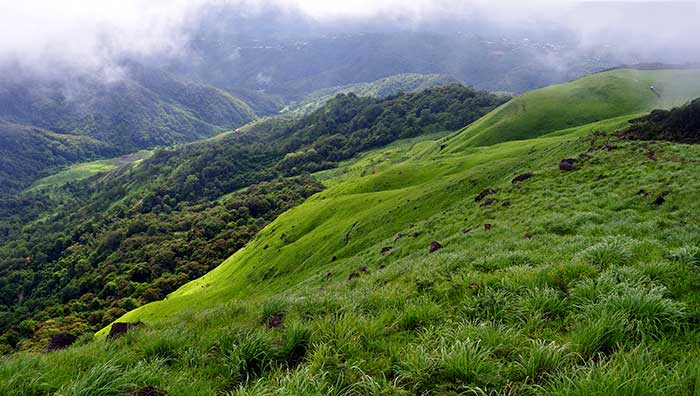
About Manipur
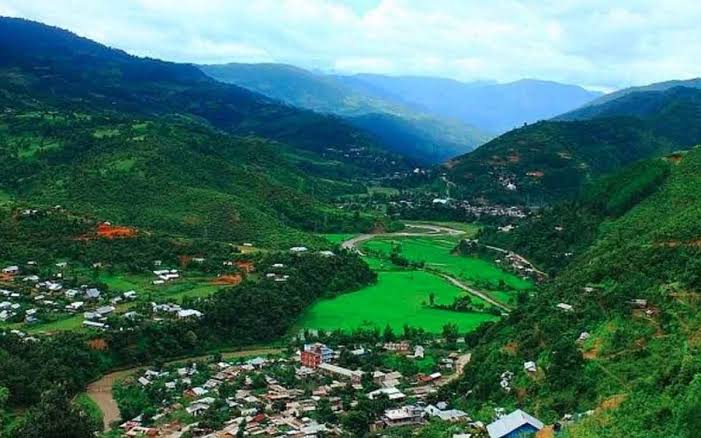
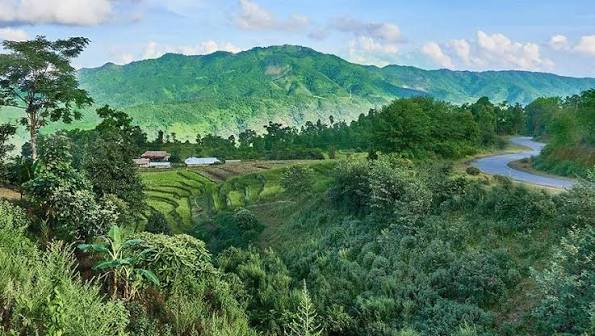
Manipur is a northeastern Indian state located in the eastern Himalaya region and bordering Myanmar. The state is characterised by a central valley surrounded by forested hills and is known for its distinctive cultural traditions, indigenous communities, handloom and handicrafts, classical dance, martial arts, wildlife and wetlands.
Manipur Tourism describes the state as a gateway toward Southeast Asia and highlights its combination of mountains, valleys, rivers, waterfalls, caves, forests, wildlife and cultural heritage.
Manipur at a Glance
- State: Manipur
- Capital: Imphal
- Area: 22,327 sq. km
- Principal state language: Manipuri/Meiteilon
- Location: Northeast India
- International border: Myanmar
- State animal: Sangai
- State flower: Shirui Lily
- State bird: Nongyeen
- State game: Manipuri Polo
- State emblem: Kangla Shaa
- Average altitude of Imphal: About 790 metres above sea level
- Average annual rainfall: About 1,467.5 mm
- Rainy season: May to October
- Major natural attraction: Loktak Lake
- Major wildlife attraction: Sangai deer
- Major cultural attraction: Manipuri classical dance
- Major historic centre: Kangla
- Major international border town: Moreh
The official Manipur Tourism profile provides these state-level statistics and symbols.
Geography of Manipur
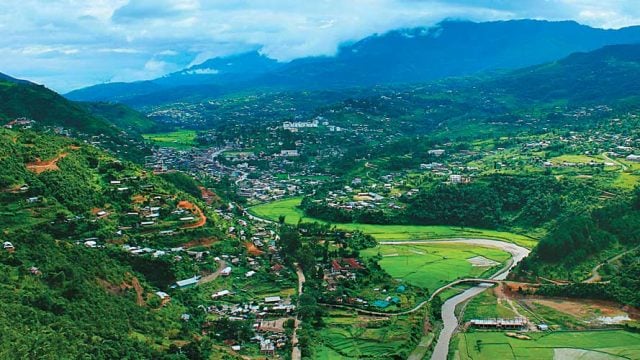
Manipur consists broadly of the Imphal Valley and surrounding hill ranges.
The landscape includes:
- Forested mountains
- Green valleys
- Lakes and wetlands
- Rivers
- Waterfalls
- Caves
- Grasslands
- Orchids
- Bamboo forests
- Agricultural areas
- Traditional villages
Around two-thirds of the state's geographical area is described by Manipur Tourism as hill tract covered by forests.
Climate
Manipur has a generally moderate-to-warm climate, with substantial variation between the valley and higher hill areas.
Summer
March to May can be warm, particularly in the Imphal Valley.
Monsoon
The rainy season generally extends from May to October. Hills and forests become particularly green during this period.
Winter
November to February generally brings cooler and drier weather, making it suitable for sightseeing and outdoor exploration.
Best Time to Visit Manipur
October to April
This is generally a comfortable period for sightseeing, heritage exploration and outdoor activities.
November to March
This period is particularly suitable for:
- Loktak Lake
- Keibul Lamjao
- Birdwatching
- Imphal sightseeing
- Heritage tours
- Hill destinations
Manipur Tourism notes that migratory birds can be seen around Keibul Lamjao particularly from November to March.
March to April
This is an especially attractive period for orchid and floral experiences, including the Khonghampat Orchidarium.
Monsoon
The rainy season is excellent for lush landscapes and waterfalls, although travel conditions can vary.
History of Manipur
Manipur has a long history of indigenous kingdoms, distinctive political institutions, cultural traditions and interactions with neighbouring regions.
Manipur Tourism traces the state's recorded history back to 33 AD, while its broader cultural traditions extend much further into antiquity.
The ancient kingdom developed its own political, cultural and religious traditions. The royal centre at Kangla became the heart of political power in the Imphal Valley.
The state experienced major political and military changes during the 19th century, culminating in the Anglo-Manipur War of 1891.
Anglo-Manipur War of 1891
The Anglo-Manipur War was a major event in the state's history.
Important figures associated with the resistance include:
- Bir Tikendrajit
- General Thangal
- Paona Brajabashi
The Khongjom War Memorial commemorates the conflict and the Manipuri resistance.
Manipur Tourism identifies Khongjom as an important historical site associated with the 1891 war.
Manipur and World War II
Manipur was an important theatre of World War II.
The Battle of Imphal and surrounding military campaigns were major events in the Burma Campaign.
Important World War II locations include:
- Imphal War Cemetery
- Imphal Peace Memorial
- Red Hill
- Japanese War Memorial
- Maibam Lokpa Ching
- surrounding battlefield landscapes
The Battle of Imphal took place in 1944 and remains an important part of Manipur's modern history.
Manipur and the Indian National Army
Moirang occupies an important place in the history of the Indian National Army.
According to Manipur Tourism, the INA flag was unfurled at Moirang on 14 April 1944. The INA Museum preserves photographs, letters, badges and other historical material connected with the movement.
Statehood
Manipur became a full-fledged Indian state in 1972.
Major Tourist Destinations
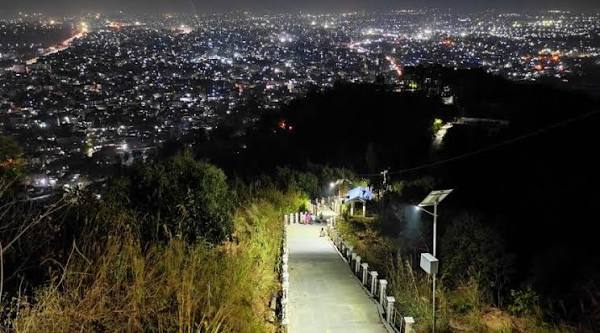
Imphal
Imphal is the capital and principal urban centre of Manipur.
Major attractions include:
- Kangla
- Ima Keithel
- Shree Shree Govindajee Temple
- Manipur State Museum
- Imphal War Cemetery
- Khwairamband Bazaar
- Bir Tikendrajit Park
- Polo Ground
- Iboyaima Shanglen
- Kangla Fort area
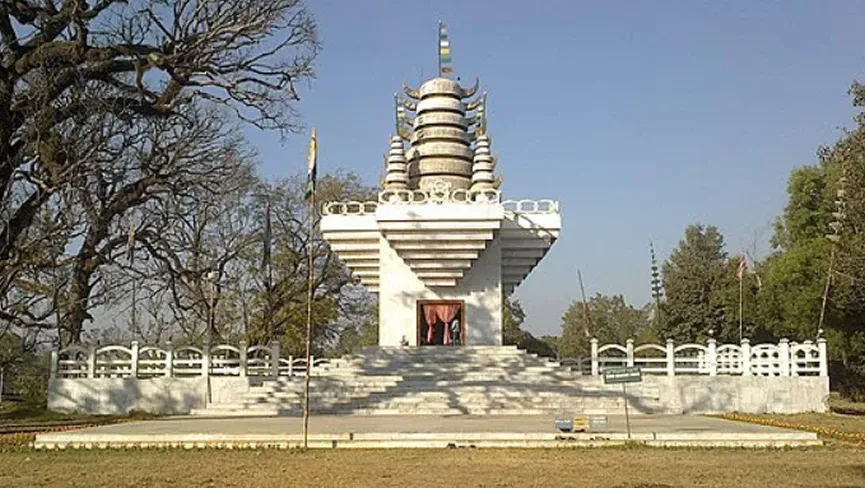
Kangla
Kangla is one of the most important historical and cultural sites in Manipur.
It was the traditional seat of political power and the royal centre of Manipur for centuries.
The complex contains:
- Historic structures
- Moats
- Temples
- Archaeological remains
- Traditional architectural elements
- Cultural monuments
Manipur Tourism describes Kangla as an embodiment of the history of Manipur's rulers and people.
Ima Keithel
Ima Keithel, or Mother's Market, is one of Imphal's most distinctive cultural attractions.
It is a historic market traditionally operated by women and is known for:
- Vegetables
- Fruits
- Fish
- Handloom products
- Traditional clothing
- Household goods
- Handicrafts
Manipur Tourism describes it as an all-women market with thousands of women traders.
Loktak Lake
Loktak Lake is one of Manipur's most famous natural landmarks.
It is particularly known for phumdis, floating masses of vegetation that create distinctive floating landscapes.
The lake supports fishing communities, traditional boats, wetlands and wildlife.
Manipur Tourism describes Loktak as the largest freshwater lake in Northeast India.
Keibul Lamjao National Park
Keibul Lamjao National Park is situated on Loktak Lake.
It is internationally famous as the world's only floating national park and is the last natural habitat of the Sangai, also known as the dancing deer.
Other wildlife includes:
- Hog deer
- Otters
- Waterfowl
- Migratory birds
Moirang
Moirang is located near Loktak Lake and has major cultural and historical significance.
Important attractions include:
- INA Museum
- Ancient Thangjing traditions
- Loktak Lake
- Moirang Lai Haraoba
- INA Memorial
Moirang is especially important for its connection with the Indian National Army.
Sendra
Sendra is a popular viewpoint overlooking Loktak Lake.
Visitors can enjoy panoramic views of:
- Loktak Lake
- Floating phumdis
- Islands
- Traditional fishing activity
- Surrounding hills
Bishnupur
Bishnupur is an important historical town south of Imphal.
Major attractions include:
- Vishnu Temple
- Loktak Lake region
- Loukoi Pat
- Historic monuments
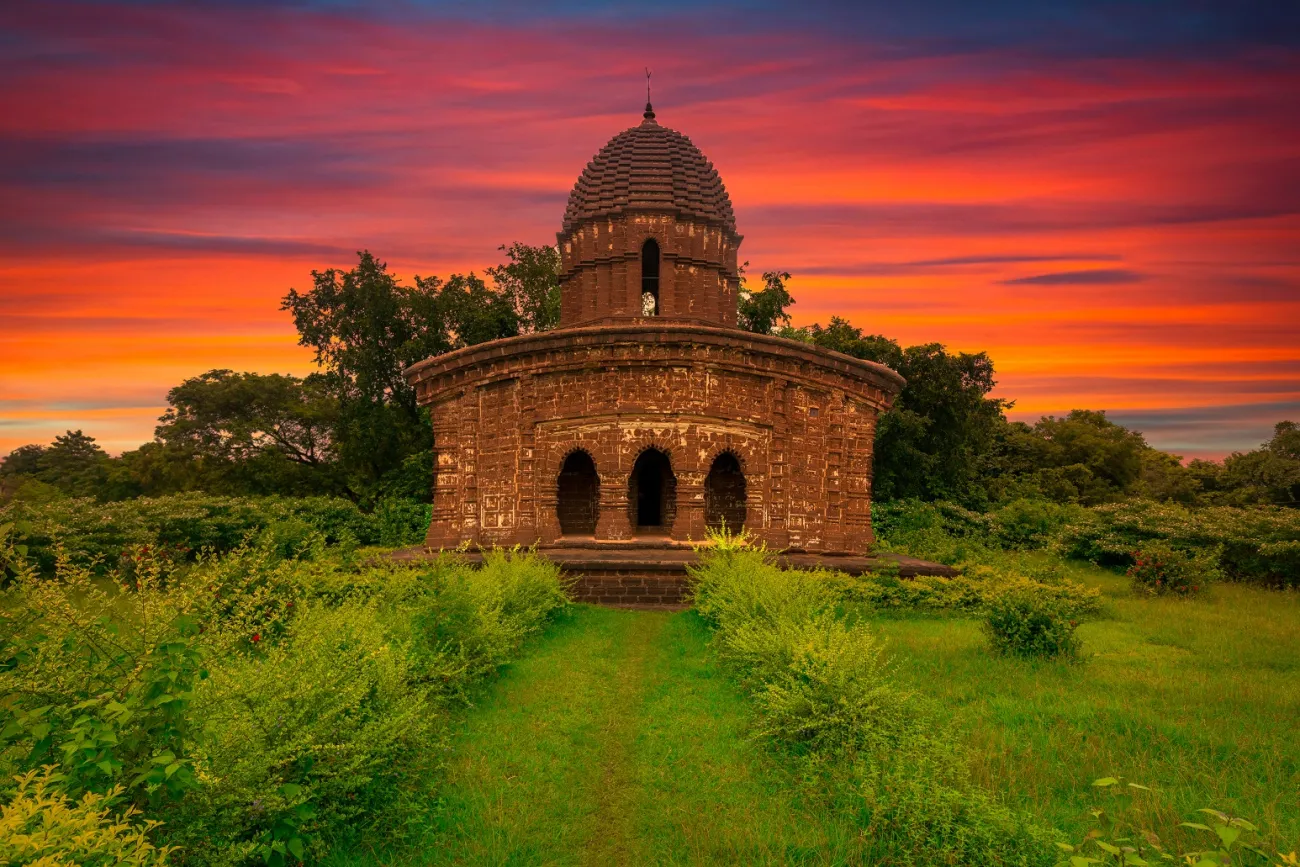
The Vishnu Temple dates to the medieval period and is known for its distinctive brick architecture.
Shirui Hills
Shirui Hills in Ukhrul district are famous for the Shirui Lily, Manipur's state flower.
The hills offer:
- Mountain scenery
- Wildflowers
- Birdwatching
- Trekking
- Forest landscapes
- Panoramic viewpoints
Manipur Tourism highlights Shirui Hills as a major nature destination.
Ukhrul
Ukhrul is a scenic hill destination known for:
- Shirui Hills
- Shirui Lily
- Indigenous culture
- Mountain scenery
- Forests
- Trekking
- Traditional villages
Moreh
Moreh is an important border town on the India–Myanmar frontier.
It is known for:
- International border location
- Trade
- Local markets
- Cultural interaction
- Proximity to Tamu in Myanmar
Manipur Tourism describes Moreh as a commercial border town and a gateway to experiencing the cross-border cultural environment.
Churachandpur
Churachandpur is an important town in southern Manipur and a centre for tribal cultures and handicrafts.
The surrounding region offers:
- Hills
- Forests
- Tribal culture
- Handicrafts
- Adventure tourism
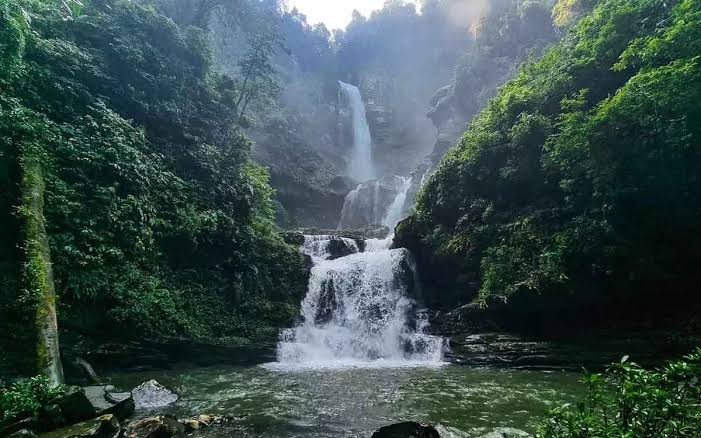
Sadu Chiru Waterfall
Sadu Chiru is a scenic waterfall destination near Imphal.
The attraction consists of multiple waterfall sections surrounded by green hills.
Khongjom
Khongjom is an important historical destination associated with the Anglo-Manipur War of 1891.
The Khongjom War Memorial commemorates the Manipuri warriors who fought during the conflict.
Red Hill
Red Hill, also called Lokpaching, is a World War II battlefield site.
The area is associated with the Battle of Imphal and contains the India Peace Memorial commemorating Japanese soldiers who died in the conflict.
Andro
Andro is a culturally important village near Imphal.
Attractions include:
- Mutua Museum
- Panam Ningthou Temple
- Traditional cultural displays
- Indigenous architecture
- Handicrafts
The Mutua Museum contains collections representing cultures from Manipur and other parts of Northeast India.
Nature and Wildlife
Manipur has exceptionally diverse ecosystems.
The state contains:
- Tropical forests
- Pine forests
- Sub-alpine vegetation
- Wetlands
- Lakes
- Orchids
- Bamboo forests
- Mountain ecosystems
Manipur Tourism reports hundreds of orchid varieties and highlights rare wildlife including the Sangai, Hoolock Gibbon, clouded leopard and several rare bird species.
Sangai Deer
The Sangai is Manipur's state animal.
It is an endangered brow-antlered deer and is strongly associated with the floating phumdi ecosystem of Keibul Lamjao.
The Sangai is popularly known as the dancing deer of Manipur because of its distinctive movement over the floating vegetation.
Keibul Lamjao National Park
The park protects the unique wetland ecosystem that supports the Sangai.
It is one of the defining wildlife destinations of Northeast India.
Orchids
Manipur is rich in orchid diversity.
The Khonghampat Orchidarium covers about 200 acres and contains more than 110 varieties according to Manipur Tourism. The main blooming period is around March and April.
Major Lakes and Water Bodies
Loktak Lake
The state's most famous lake and the centre of a unique floating wetland ecosystem.
Pumlen Pat
A major wetland and lake ecosystem in the valley.
Ikop Pat
An important wetland in the Manipur Valley.
Loukoi Pat
A scenic lake destination near Bishnupur.
Manipur Tourism lists Loukoi Pat among the state's tourism destinations and highlights boating facilities.
Rivers of Manipur
Important rivers and river systems include:
- Imphal River
- Iril River
- Thoubal River
- Nambul River
- Sekmai River
- Barak River
- Manipur River
These rivers are important to agriculture, wetlands, settlements and the state's broader ecological system.
Culture of Manipur
Manipur's culture is extremely diverse.
The state is home to communities including:
- Meitei
- Naga communities
- Kuki-Zo communities
- Meitei Pangal
- Other indigenous communities
Each community has its own traditions, languages, festivals, clothing, dances, music, food and handicrafts.
Manipur Tourism emphasises the state's ethnic diversity and distinctive cultural expressions.
Manipuri Classical Dance
Manipuri dance is one of India's major classical dance traditions.
It is particularly associated with Raas Leela, which depicts the divine relationship of Krishna and Radha.
Other traditional performance forms include:
- Pung Cholom
- Nupa Pala
- Lai Haraoba
- Khamba Thoibi
- Maibi dance
Raas Leela
Raas Leela is among the most celebrated forms of Manipuri classical dance.
It combines:
- Dance
- Music
- Devotional traditions
- Storytelling
- Vaishnavite themes
Manipur Tourism describes Raas Leela as a central expression of Manipuri classical dance.
Traditional Martial Arts
Thang-Ta
Thang-Ta is a traditional Manipuri martial art involving weapons and unarmed techniques.
It forms an important part of the state's cultural heritage.
Manipur Tourism specifically identifies Thang Ta among the state's traditional cultural practices.
Polo and Manipur
Manipur has a special connection with the history of modern polo.
The traditional Manipuri form is called Sagol Kangjei.
The sport is deeply embedded in the state's cultural history, and Manipur Tourism identifies Manipuri Polo as the state's traditional game.
Festivals of Manipur
Manipur celebrates numerous festivals representing different communities and traditions.
Important festivals include:
- Yaoshang
- Lai Haraoba
- Cheiraoba
- Ningol Chakouba
- Kut
- Gaan-Ngai
- Lui-Ngai-Ni
- Mera Hou Chongba
- Kang
- Heikru Hidongba
- Sangai Festival
- Shirui Lily Festival
- Orange Festival
- Barak Festival
Manipur Tourism lists these festivals among the state's major cultural celebrations.
Yaoshang
Yaoshang is one of Manipur's best-known festivals and is traditionally celebrated around the time of Holi.
It combines religious, cultural and community activities.
Lai Haraoba
Lai Haraoba is an important traditional Meitei festival involving ritual performances, music, dance and indigenous cultural traditions.
Ningol Chakouba
Ningol Chakouba is a distinctive Manipuri social festival centred around family relationships and the gathering of married daughters and women with their parental families.
Sangai Festival
The Manipur Sangai Festival showcases:
- Dance
- Music
- Food
- Handicrafts
- Indigenous cultures
- Tourism
- Adventure activities
The tourism department organises it as a major state-level tourism event.
Shirui Lily Festival
The Shirui Lily Festival celebrates the unique floral and cultural heritage of Ukhrul and surrounding areas.
Handloom and Handicrafts
Manipur has a strong tradition of handloom weaving and handicrafts.
Important crafts include:
- Handwoven textiles
- Phanek
- Innaphee
- Shawls
- Bamboo crafts
- Cane products
- Kauna reed products
- Pottery
- Wood carving
- Basketry
- Traditional dolls
- Musical instruments
Manipur Tourism identifies bamboo, kauna, cane, pottery, weaving and wood carving among the state's major craft traditions.
Kauna Craft
Kauna, a type of water reed, is used to make:
- Mats
- Baskets
- Bags
- Boxes
- Furniture
- Decorative items
Bamboo Craft
Bamboo is extensively used in traditional Manipuri handicrafts.
Products include:
- Baskets
- Umbrellas
- Dolls
- Musical instruments
- Household items
- Decorative objects
Traditional Clothing
Important traditional garments include:
- Phanek
- Innaphee
- Traditional shawls
- Tribal textiles
- Handwoven garments
Different communities have distinctive weaving patterns and clothing traditions.
Cuisine of Manipur
Manipuri cuisine is known for its use of fresh vegetables, herbs, fermented foods, fish and locally available ingredients.
Popular foods include:
- Eromba
- Singju
- Chamthong
- Kangshoi
- Morok Metpa
- Paknam
- Ngari
- Smoked fish
- Fermented bamboo shoot preparations
- Black rice desserts
Chak-Hao
Chak-Hao, or black rice, is one of Manipur's distinctive traditional food products.
It is used in desserts and other preparations and is valued for its distinctive colour and aroma.
Eromba
Eromba is a traditional preparation generally made with vegetables, chilli and fermented fish.
Singju
Singju is a traditional salad-style preparation combining vegetables, herbs and other ingredients.
Religious Heritage
Manipur's religious landscape includes:
- Vaishnavite Hindu traditions
- Indigenous Meitei religious traditions
- Christianity among many hill communities
- Islam among Meitei Pangal communities
- Other indigenous belief systems
Important religious sites include:
- Shree Shree Govindajee Temple
- Bijoy Govinda Temple
- Gopinath Temple
- Kaina Temple
- Panam Ningthou Temple
- Indigenous sacred sites
Manipur Tourism highlights Govindajee Temple, Kaina Temple, Gopinath Temple and other religious sites as important heritage destinations.
Important Historical Sites
Major historical attractions include:
- Kangla
- Khongjom War Memorial
- Shaheed Minar
- INA Museum
- Red Hill
- Imphal War Cemetery
- Japanese Peace Memorial
- Bishnupur Temple
- Andro cultural complex
Museums
Important museums include:
- Manipur State Museum
- INA Museum
- Mutua Museum
- Kangla Museum facilities
- War-related memorial collections
The Manipur State Museum contains collections relating to the state's rulers, tribal heritage, costumes, weapons and historical documents.
Adventure Tourism
Manipur offers opportunities for:
- Trekking
- Hiking
- Rock climbing
- Mountaineering
- Camping
- Boating
- Water sports
- Birdwatching
- Nature walks
- Photography
- Eco-tourism
The Manipur Mountaineering Institute at Lamdan promotes adventure and eco-tourism activities, while Takmu Water Sports Complex supports activities including boating, water skiing, motorboating and windsurfing.
Major Tourist Experiences
Lake Tourism
Loktak Lake provides opportunities for:
- Boating
- Photography
- Fishing-community experiences
- Birdwatching
- Scenic viewpoints
- Wetland exploration
Wildlife Tourism
- Sangai
- Keibul Lamjao
- Migratory birds
- Orchids
- Rare mammals
Cultural Tourism
- Manipuri dance
- Traditional music
- Indigenous festivals
- Handloom
- Handicrafts
- Traditional villages
Heritage Tourism
- Kangla
- INA Museum
- Khongjom
- War memorials
- Ancient temples
Adventure Tourism
- Trekking
- Hill exploration
- Rock climbing
- Water sports
- Camping
Important Cities and Towns
- Imphal
- Bishnupur
- Moirang
- Thoubal
- Ukhrul
- Churachandpur
- Moreh
- Kakching
- Senapati
- Tamenglong
- Jiribam
- Noney
- Chandel
- Andro
- Kangpokpi
Districts of Manipur
Manipur is administratively divided into 16 districts:
- Bishnupur
- Chandel
- Churachandpur
- Imphal East
- Imphal West
- Jiribam
- Kakching
- Kamjong
- Kangpokpi
- Noney
- Pherzawl
- Senapati
- Tamenglong
- Tengnoupal
- Thoubal
- Ukhrul
For your database, I recommend keeping the district names separate from tourism destination names because several tourism destinations are villages, landmarks or historical sites rather than district headquarters.
Economy of Manipur
Manipur's economy includes:
- Agriculture
- Handloom
- Handicrafts
- Horticulture
- Bamboo
- Tourism
- Fisheries
- Small-scale industries
- Trade
- Border commerce
Agriculture remains particularly important in rural areas.
Agriculture
Important agricultural and horticultural products include:
- Rice
- Maize
- Pulses
- Vegetables
- Pineapple
- Orange
- Ginger
- Turmeric
- Bamboo
- Fruits
- Oilseeds
The state's hills and valleys support different agricultural systems.
Horticulture
Manipur is known for fruit cultivation, including:
- Pineapple
- Orange
- Passion fruit
- Banana
- Lemon
- Plum
- Pear
Border Trade
Moreh is strategically important because it lies on the India–Myanmar border.
Its location makes it significant for:
- Cross-border trade
- Commerce
- Transportation
- Cultural exchange
- Southeast Asian connectivity
Transportation
By Air
Imphal Airport, officially Bir Tikendrajit International Airport, is the principal airport serving Manipur.
It provides air connectivity between Imphal and other Indian cities, subject to current airline schedules.
By Road
Road travel is an important way to reach Manipur from neighbouring northeastern states.
Important routes connect Manipur with:
- Nagaland
- Assam
- Mizoram
- Myanmar
By Rail
Rail connectivity to Manipur has been developing through the Jiribam–Imphal railway project, intended to improve connectivity between the Imphal Valley and India's wider railway network.
Travel Tips
- Plan accommodation in advance, particularly during major festivals.
- Check current local travel advisories before travelling to remote or border areas.
- Carry sufficient food and water during longer journeys outside Imphal.
- Roads in hill areas can take longer than expected.
- Weather can affect road travel during the monsoon.
- Dress respectfully when visiting temples and cultural sites.
- Follow local rules when visiting indigenous villages and sacred places.
- Do not disturb wildlife or enter restricted areas.
- Check current entry requirements before travelling to restricted or protected areas.
- Carry identification when travelling near the international border.
Manipur Tourism specifically recommends advance accommodation planning, appropriate clothing, carrying food and water outside major cities, and exercising caution with highway and rural-road travel after dark.
Famous Personalities Associated with Manipur
Maharaja Bhagyachandra
Remembered for his major contribution to the development and patronage of Manipuri Vaishnavite culture and Raas Leela.
Bir Tikendrajit
A prominent figure of the 1891 Anglo-Manipur War.
Paona Brajabashi
A celebrated Manipuri warrior associated with the Khongjom conflict.
General Thangal
A prominent military figure associated with the resistance during the Anglo-Manipur War.
Hijam Irabot
A major political and cultural personality in modern Manipur.
Interesting Facts About Manipur
- Imphal is the capital of Manipur.
- Manipur became a full Indian state in 1972.
- Loktak is the largest freshwater lake in Northeast India according to Manipur Tourism.
- Keibul Lamjao is famously described as the world's only floating national park.
- Keibul Lamjao is the natural habitat of the endangered Sangai deer.
- Sangai is the state animal of Manipur.
- Shirui Lily is the state flower.
- Manipuri Polo is the state's traditional game.
- Manipur is closely associated with the origins of modern polo.
- Manipuri classical dance is one of India's major classical dance traditions.
- Ima Keithel is a famous women-operated market in Imphal.
- Moirang has major historical importance in the history of the Indian National Army.
- Manipur contains extensive hill forests and rich orchid diversity.
- Shirui Hills are famous for the rare Shirui Lily.
- Moreh is an important India–Myanmar border town.
- Manipur has important World War II battlefield and memorial sites.
- Bamboo and kauna are important traditional craft materials.
- Manipur celebrates numerous indigenous festivals throughout the year.
Suggested Tourism Circuits
Imphal Heritage Circuit
Imphal → Kangla → Ima Keithel → Govindajee Temple → State Museum → War Cemetery
Loktak Circuit
Imphal → Bishnupur → Moirang → Loktak Lake → Sendra → Keibul Lamjao
Ukhrul Circuit
Imphal → Ukhrul → Shirui Hills → Shirui Lily landscapes → local villages
History Circuit
Imphal → Kangla → Khongjom → Moirang INA Museum → Red Hill → War Cemetery
Nature and Adventure Circuit
Imphal → Sadu Chiru → Kangchup → Loktak → Keibul Lamjao → hill destinations
Border Circuit
Imphal → Thoubal → Chandel → Moreh → India–Myanmar border region
Shopping in Manipur
Popular products include:
- Handloom fabrics
- Phanek
- Innaphee
- Shawls
- Bamboo products
- Kauna baskets
- Cane products
- Traditional jewellery
- Pottery
- Handcrafted bags
- Traditional dolls
- Local food products
Why Visit Manipur?
Manipur offers a combination of mountains, lakes, wildlife, indigenous cultures, classical dance, traditional crafts and important historical sites.
The state stands out for the extraordinary landscape of Loktak Lake and its floating phumdis, the rare Sangai deer, the unique Keibul Lamjao ecosystem, Shirui Hills, Manipuri classical dance, traditional handloom, women's markets, indigenous festivals and its important role in the history of India's Northeast and World War II.