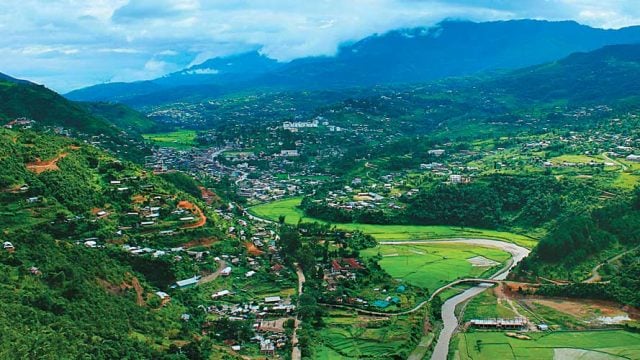
The district is particularly famous for Dzükou Valley, while places such as Yangkhullen, Makhel, Willong, Mao, and Liyai offer opportunities to discover the region's distinctive cultural and natural heritage.
History
Senapati has a rich history shaped by the many indigenous communities that have inhabited the hills for generations. The district was formerly known as Manipur North District and occupies an important position between the Imphal Valley and Nagaland.
The region contains several historic villages and cultural sites associated with Naga communities. Makhel is traditionally regarded as a place connected with the common origin and migration traditions of several Naga communities, while Yangkhullen and Willong preserve distinctive examples of traditional settlement and megalithic heritage.
Geography
Senapati is located in the northern part of Manipur, bordering Nagaland. The district has a predominantly mountainous landscape with forests, valleys, rivers, steep slopes, and agricultural terraces.
The district administration records major peaks including Isii (Iso), Khouchi, Houdu, Ngapu, and Koubru, while rivers such as the Barak, Iril, Ithoi, Irang, and Imphal drain parts of the region.
Large areas of the district are forested, giving Senapati its characteristic green mountain scenery. Agriculture, especially terrace cultivation, remains important to local communities.
Culture and Traditions
Senapati is one of Manipur's most culturally diverse hill districts. Major communities include Mao, Maram, Poumai, Thangal, Zeme, Liangmai, Rongmei, Tangkhul, Kuki, Meitei, Nepali, Vaiphei, Chothe, Chiru, and Maring communities.
Traditional agriculture, weaving, folk music, dance, village institutions, indigenous games, food traditions, and community festivals remain important aspects of life.
The cultural diversity becomes especially visible during traditional festivals, when communities celebrate agricultural cycles, family ties, harvests, and cultural identity.
Architecture
Traditional village architecture is one of Senapati's distinctive cultural features. Houses and community spaces are adapted to the mountainous environment and reflect the traditions of individual communities.
The historic villages of Yangkhullen, Maram Khullen, and Liyai are particularly interesting for visitors who want to see traditional settlement patterns and understand how communities have adapted to steep hill landscapes.
Famous Places
Dzükou Valley
Dzükou Valley is Senapati's most famous natural attraction and one of the best-known trekking destinations in Manipur. Located near the Manipur-Nagaland border, the valley is celebrated for its rolling green landscapes, seasonal flowers, and the rare Dzükou Lily. Snow can also occur during winter.
Yangkhullen
Yangkhullen is a historic Zemei village built dramatically along a steep hillside. Its traditional settlement pattern and community lifestyle make it an important cultural attraction for visitors and researchers interested in indigenous history.
Makhel
Makhel is a culturally significant site associated with Naga origin and migration traditions. Several monuments and sacred features, including monoliths and trees connected with local traditions, can be found in the area.
Willong Khullen
Willong Khullen is known for its impressive megalithic stone structures, including tall standing stones that have drawn comparisons with prehistoric monuments elsewhere in the world. The site provides a fascinating glimpse into the region's ancient cultural landscape.
Mao
Mao is a major town near the Manipur-Nagaland border and an important gateway into northern Manipur. It is also known for its agricultural markets and proximity to the route toward Dzükou Valley.
Maram Khullen
Maram Khullen is one of the district's old and significant villages. Its traditional character and cultural history make it particularly interesting for visitors looking for an authentic village experience.
Liyai
Liyai is a historic village associated with traditional monuments, stone structures, water pools, old trees, and cultural landmarks. The Barak River is said to originate from this area.
Sadu Chiru Waterfall
Sadu Chiru is a popular waterfall and picnic destination in the Sadar Hills area of Senapati. The attraction consists of multiple cascades surrounded by greenery and can be combined with a short outdoor excursion.
Koubru Mountain
Koubru is one of the prominent mountains of Manipur and is associated with local mythology and religious traditions. The mountain attracts visitors interested in trekking, spirituality, and panoramic hill landscapes.
Koubru Laikha
Koubru Laikha is known for its Shiva temple and religious significance. It attracts devotees especially during Shivratri and Kanwad celebrations.
Phuba Thapham Cave
The Haolaipai Supao Keikulu Cave in the Phuba Thapham area is among Senapati's lesser-known natural attractions. Its remote setting makes it particularly appealing to travellers interested in offbeat exploration.
Famous Dishes
Eromba
Eromba is a traditional Manipuri preparation made using vegetables, chillies, and often fermented fish. It is known for its strong and distinctive flavour.
Singju
Singju is a fresh and spicy Manipuri salad prepared using vegetables, herbs, and regional ingredients.
Chamthong
Chamthong, also known as Kangshoi, is a light vegetable stew made with seasonal vegetables and herbs.
Smoked and Fermented Foods
Traditional hill communities use smoking, fermentation, and locally available herbs to preserve and flavour meat, fish, and vegetables.
Rice-Based Meals
Rice is a staple throughout Manipur, often accompanied by vegetables, herbs, meat, or locally prepared fermented foods.
Famous Personalities
Local Tribal Leaders and Cultural Figures
Senapati's cultural identity has been shaped by generations of village leaders, community elders, artisans, musicians, farmers, and traditional knowledge holders. Their contributions remain important to the preservation of indigenous customs.
Indigenous Athletes and Artists
The district has contributed individuals involved in sports, music, traditional performance, education, and public life, reflecting the strong community and cultural traditions of the hill region.
Festivals
Thounii
Thounii is the New Year cultural festival of the Poumai Nagas, celebrated on 5 January. It is associated with cultural renewal, social interaction, and family reunions.
Chiithuni
Chiithuni is a six-day annual festival of the Mao Nagas, traditionally celebrated during the December-January period. The festival focuses on cultural heritage and community interaction.
Saleni
Saleni is a traditional Mao festival associated with the completion of paddy transplantation. It reflects the close relationship between agricultural cycles and cultural life.
Ponghi
Ponghi is a seven-day traditional festival of the Maram Nagas, associated with the completion of paddy transplantation.
Laonii
Laonii is a sacred Poumai festival associated with the agricultural season and the completion of paddy transplantation. It is also an occasion for strengthening family and community relationships.
Things to Do
- Trek through the spectacular Dzükou Valley.
- Explore the historic village of Yangkhullen.
- Visit the cultural and sacred landscape of Makhel.
- See the megalithic stones at Willong Khullen.
- Explore Mao and its surrounding mountain scenery.
- Visit Maram Khullen and experience traditional village life.
- Discover the historic landscape of Liyai.
- Enjoy the scenery around Sadu Chiru Waterfall.
- Explore Koubru Mountain and its surrounding religious sites.
- Photograph mountain landscapes, villages, forests, and seasonal flowers.
- Try traditional Manipuri and local hill cuisine.
- Experience indigenous festivals when visiting during the appropriate season.
Where to Eat, Shop, and Stay
Where to Eat
Senapati town and larger settlements offer local eateries serving Manipuri and northeastern cuisine. Visitors can try traditional vegetable dishes, rice-based meals, fermented foods, smoked preparations, and local snacks.
Where to Shop
Local markets offer handloom textiles, traditional clothing, bamboo and cane products, handicrafts, agricultural produce, and locally made food products. Village markets can provide a more authentic shopping experience.
Where to Stay
Senapati town provides the most convenient base for exploring the district. Mao and other larger settlements also provide accommodation options, while travellers heading toward remote trekking destinations should arrange stays and local transport in advance.
What is it Famous For?
Senapati is famous for Dzükou Valley, Dzükou Lily, tribal cultures, traditional hill villages, Willong's megalithic stones, Makhel, Yangkhullen, Mao, and its scenic mountain landscapes.
The district is particularly attractive to travellers interested in trekking, indigenous culture, photography, and offbeat destinations.
Best Time to Visit
The best time to visit Senapati depends on the experience you want.
October to February is generally suitable for comfortable hill travel, while the June to September period can offer especially lush landscapes in Dzükou Valley. Manipur Tourism specifically highlights Dzükou's scenic beauty from the end of June through September.
For trekking, always check current weather and trail conditions before setting out.
How to Reach
By Air
The nearest airport is Imphal International Airport. From Imphal, Senapati and its surrounding attractions can be reached by road.
By Train
Rail access to the district is limited. Travellers can use rail connections serving the wider Manipur and neighbouring Assam/Nagaland region and continue by road. Current train services should be checked before planning the journey.
By Road
Road is the primary way to explore Senapati. National Highway 2 passes through the district, connecting the region with Imphal and Nagaland. Mao is an important gateway on the Manipur-Nagaland route.
Nearby Places
Imphal
Manipur's capital is known for Kangla Fort, Ima Keithel, museums, temples, and the state's major cultural landmarks.
Ukhrul
Ukhrul is a scenic hill district known for Shirui Hills, Tangkhul culture, forests, and the famous Shirui Lily.
Tamenglong
Tamenglong offers rugged mountains, forests, caves, waterfalls, and rich biodiversity.
Kangpokpi
Kangpokpi is another hill district of Manipur known for its mountain landscapes and diverse communities.
Kohima
Across the state border in Nagaland, Kohima offers mountain scenery, Naga culture, markets, and important historical sites.
Best Duration for a Trip
A 2 to 3-day trip is suitable for exploring Senapati town, Mao, selected villages, and nearby natural attractions.
A 3 to 4-day itinerary is better for including Dzükou Valley, Willong Khullen, Makhel, Yangkhullen, and other remote attractions.
Travel Tips
- Check current local travel conditions before travelling to Manipur's hill districts.
- Check weather and trail conditions before trekking to Dzükou Valley.
- Hire experienced local guides for remote trails and caves.
- Carry sufficient drinking water and basic trekking supplies.
- Wear sturdy footwear for steep and uneven terrain.
- Carry rain protection, especially during the monsoon.
- Respect village customs and seek permission before photographing people or ceremonies.
- Do not remove stones, artefacts, plants, or other materials from heritage sites.
- Keep additional travel time for winding mountain roads.
- Arrange accommodation and transport in advance for remote destinations.
Why Visit
Senapati is ideal for travellers seeking a less-explored side of Manipur. Its combination of dramatic mountains, indigenous cultures, ancient villages, megalithic sites, forests, waterfalls, and trekking routes creates an experience very different from the state's valley destinations.
The district is particularly rewarding for people interested in tribal culture, trekking, photography, nature, history, and offbeat travel.
Conclusion
Senapati is a remarkable hill destination where nature and indigenous heritage exist side by side. The spectacular Dzükou Valley provides the district's signature landscape, while Yangkhullen, Makhel, Willong, Mao, and Liyai reveal the deep cultural history of its mountain communities.
For travellers exploring Manipur beyond Imphal, Senapati offers a memorable journey through green valleys, traditional villages, ancient stones, forests, and diverse tribal traditions.
"Travel is the only thing you buy that makes you richer."