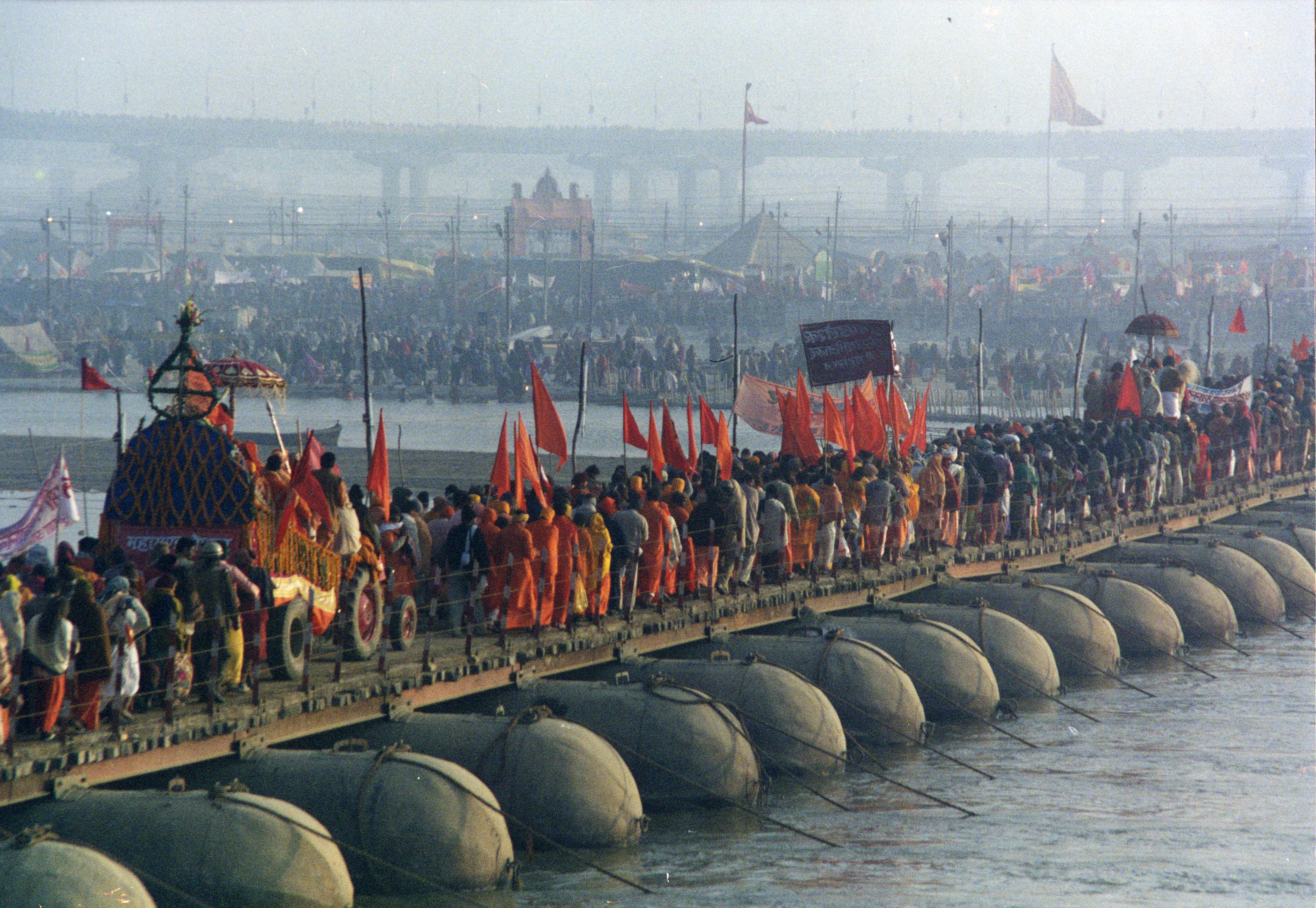
Allahabad: Where Sacred Rivers Meet India's History
Allahabad, officially known as Prayagraj, is one of the most historically and spiritually significant cities in Uttar Pradesh. Located at the meeting point of the Ganga, Yamuna and the traditionally believed invisible Saraswati rivers, the city is home to the sacred Triveni Sangam, an important pilgrimage destination for Hindus.
Beyond its religious importance, Allahabad has played a remarkable role in India's freedom movement, education, literature and public life. From the grand gatherings of the Kumbh Mela to the historic halls of Anand Bhawan, Mughal-era monuments, colonial architecture and lively local markets, the city offers a memorable mix of faith, heritage and everyday Indian culture.
1. History of Allahabad
The history of Allahabad stretches back to ancient times, when the region was known as Prayag. Ancient Hindu texts refer to it as Teerthraj, meaning the king of pilgrimage centres. Its location at the confluence of three sacred rivers helped establish its importance as a centre of worship, learning and religious gatherings.
During the Mughal period, Emperor Akbar established a strategically important settlement here in the 16th century and named it Illahabas. The name later became Allahabad. The impressive Allahabad Fort, built under Akbar, reflects the city's importance during this era.
Under British rule, Allahabad developed into a major administrative, educational and judicial centre. It became closely associated with India's freedom struggle, particularly through the Nehru family and Anand Bhawan. The city witnessed important political activities and became a centre for leaders, writers and intellectuals.
The city was officially renamed Prayagraj in 2018. Today, both Allahabad and Prayagraj remain widely recognised names, especially in historical references, travel searches and local identity.
2. Geography of Allahabad
Allahabad lies in the southern part of Uttar Pradesh, in the fertile plains of northern India. Its most distinctive geographical feature is the Triveni Sangam, where the Ganga and Yamuna meet, along with the Saraswati, which is traditionally believed to flow underground.
The surrounding riverbanks, broad floodplains and seasonal sandy areas shape the city's landscape. The rivers have influenced its religious traditions, settlement patterns, local economy and annual pilgrimages.
Allahabad experiences hot summers, a monsoon season and comparatively cool winters. Winter is generally comfortable for sightseeing and outdoor exploration, while summer afternoons can be extremely hot.
3. Culture and Traditions of Allahabad
Allahabad's culture brings together religious traditions, literary heritage, education and the historical influence of different communities. Hindi and Urdu have strong cultural associations with the city, which has contributed to poetry, journalism, literature and public debate.
Religious life is especially visible around the Sangam, temples and riverbanks. Pilgrims visit throughout the year, while large gatherings during Magh Mela and Kumbh-related events transform the city into a major centre of devotion.
The city also has a strong academic identity shaped by institutions such as the University of Allahabad. Its parks, libraries, historic neighbourhoods and cultural venues reflect a long tradition of scholarship and public life.
Visitors can experience this heritage through local markets, traditional food, religious ceremonies, historic buildings and conversations with residents who maintain the city's distinctive blend of old and new.
4. Architecture of Allahabad
Allahabad features a varied architectural landscape, including Mughal fortifications, religious structures, colonial-era buildings and modern bridges. Each style reflects a different period in the city's history.
Mughal Architecture
Allahabad Fort, built by Emperor Akbar near the Sangam, is among the city's most important historic structures. Its massive walls and strategic location highlight its former military and administrative importance.
Colonial Architecture
Buildings such as All Saints Cathedral, the Allahabad High Court and historic university structures reflect Gothic, European and Indo-Saracenic influences. These landmarks give parts of the city a distinctive colonial-era character.
Traditional and Religious Architecture
Temples and riverfront structures reflect the city's spiritual identity. The architecture around the Sangam and Daraganj offers a glimpse into the relationship between religious practices and the river landscape.
Modern Landmarks
The New Yamuna Bridge is a striking modern structure and a popular landmark for visitors interested in engineering and riverside views.
5. Famous Places to Visit in Allahabad
Triveni Sangam
The Triveni Sangam is the city's most celebrated attraction. It is regarded as the meeting point of the Ganga, Yamuna and the traditionally believed invisible Saraswati. Visitors can take a boat ride, observe religious rituals or experience the peaceful atmosphere of the river confluence.
Allahabad Fort
Built by Emperor Akbar in the 16th century, Allahabad Fort stands close to the Sangam. It is historically associated with Mughal rule and houses important heritage features, including the Ashoka Pillar and religious sites. Access to parts of the fort may be restricted, so visitors should confirm the current entry arrangements before planning a visit.
Anand Bhawan
Anand Bhawan is a historic residence associated with the Nehru family and India's freedom movement. Now functioning as a museum, it offers visitors an opportunity to learn about the political history of modern India and the lives of prominent national leaders.
Khusro Bagh
Khusro Bagh is a walled garden containing Mughal-era tombs associated with Prince Khusro and members of the royal family. Its sandstone structures, decorative details and peaceful garden setting make it a worthwhile stop for history and architecture enthusiasts.
Hanuman Mandir, Daraganj
The famous reclining Hanuman Temple near the Ganga is a major place of worship. It attracts devotees throughout the year, particularly during religious occasions and festivals.
Allahabad Museum
Located near Chandra Shekhar Azad Park, Allahabad Museum houses collections related to art, archaeology, history and India's freedom movement. It is a useful stop for visitors who want to explore the city's cultural and historical background.
Chandra Shekhar Azad Park
Also known historically as Alfred Park and Company Bagh, this large urban park is associated with freedom fighter Chandra Shekhar Azad. It offers open green spaces and access to nearby cultural attractions.
All Saints Cathedral
Also known as Patthar Girja, All Saints Cathedral is a prominent colonial-era church noted for its Gothic architectural style, arches and detailed interiors. Visitors should check visiting hours and any restrictions before arriving.
Allahabad University
The University of Allahabad, established in 1887, is one of India's historic universities. Its academic legacy has helped shape the city's reputation as an important centre of education, literature and public life.
New Yamuna Bridge
The New Yamuna Bridge offers a striking view of modern Allahabad and the Yamuna River. It is particularly noticeable from nearby riverfront areas and is a useful landmark when exploring the city's southern side.
6. Famous Dishes of Allahabad
Allahabad's food culture reflects the wider culinary traditions of Uttar Pradesh, with popular street snacks, chaat, sweets and filling vegetarian meals. Exploring local food stalls and established eateries is a rewarding part of the visit.
Kachori and Sabzi
Kachori served with spicy potato curry is a popular breakfast choice. It is commonly enjoyed at local food shops and traditional eateries.
Chaat
Chaat is a favourite street-food option, with combinations of crisp snacks, potatoes, chutneys, spices and yoghurt. Local vendors offer different versions depending on the season and their own recipes.
Samosa and Jalebi
Samosas are a familiar savoury snack, while jalebi is a popular sweet treat. Together, they make a classic combination for an afternoon snack or a quick stop during sightseeing.
Golgappa and Aloo Tikki
Golgappa and aloo tikki are widely enjoyed by street-food lovers. These snacks are especially popular in busy market areas and are best purchased from clean, well-maintained stalls.
Rabri and Local Sweets
Milk-based sweets, rabri and other traditional desserts are worth trying at established sweet shops. The available varieties may differ between neighbourhoods and seasons.
Tea and Local Snacks
Tea stalls and small eateries are an everyday part of the city's food culture. They offer convenient places to take a break while exploring markets, university areas and historic neighbourhoods.
7. Famous Personalities Associated with Allahabad
Jawaharlal Nehru
Jawaharlal Nehru, India's first Prime Minister, was born in Allahabad. The Nehru family's association with the city is closely connected with Anand Bhawan and the country's independence movement.
Indira Gandhi
Indira Gandhi, India's first woman Prime Minister, was born in Allahabad. Her family history and early life are linked to the city's political and national heritage.
Harivansh Rai Bachchan
Harivansh Rai Bachchan was a celebrated Hindi poet associated with Allahabad's rich literary tradition. His work remains widely read and admired in Hindi literature.
Mahadevi Varma
Mahadevi Varma was a leading Hindi poet and writer associated with the Chhayavad literary movement. Her contribution to Hindi poetry and prose forms an important part of the city's literary legacy.
Chandra Shekhar Azad
Chandra Shekhar Azad was a prominent revolutionary in India's freedom struggle. The city remembers him through Chandra Shekhar Azad Park, which is associated with his final stand against British forces.
Motilal Nehru
Motilal Nehru was a lawyer, political leader and an important figure in the Indian National Congress. His residence and political activities helped make Allahabad a significant centre of the independence movement.
Amitabh Bachchan
Amitabh Bachchan, one of India's most recognised film actors, was born in Allahabad. His connection with the city is often mentioned as part of its wider contribution to Indian arts and public life.
8. Famous Festivals of Allahabad
Magh Mela
Magh Mela is an annual religious gathering held around the Sangam, generally during January and February. Pilgrims arrive for ritual bathing, prayer and spiritual observances. Temporary facilities and transport arrangements may be introduced during the event.
Kumbh Mela
Allahabad, now Prayagraj, is one of the principal destinations associated with the Kumbh Mela. The gathering attracts devotees, religious leaders and visitors from across India and abroad. The event follows a special cycle, so travellers should verify the official dates before planning a trip.
Maha Kumbh Mela
The Maha Kumbh is an exceptionally large religious gathering associated with the Sangam. It brings together pilgrims, saints, cultural programmes and extensive temporary arrangements. Accommodation, traffic and security conditions can change significantly during the event.
Makar Sankranti
Makar Sankranti is an important occasion for ritual bathing and religious observances at the Sangam. It can attract large crowds, particularly when it coincides with major mela activities.
Holi
Holi is celebrated with colours, sweets, family gatherings and community festivities. Visitors can experience the seasonal energy of the city while respecting local customs and taking ordinary crowd-safety precautions.
Diwali
Diwali brings homes, shops and temples to life with lights and decorations. The festival adds a festive atmosphere to the city, although individual events and riverfront activities may vary from year to year.
Dussehra
Dussehra is celebrated with religious performances, processions and festive gatherings. Local traditions and organised events offer visitors an opportunity to experience the city's community celebrations.
9. Things to Do in Allahabad
- Visit Triveni Sangam: Take a boat ride and observe the sacred confluence of the rivers.
- Explore the city's temples: Visit important religious sites such as the reclining Hanuman Temple.
- Discover freedom-movement history: Explore Anand Bhawan and learn about the Nehru family's role in India's independence.
- Walk through Khusro Bagh: Appreciate the Mughal tombs, sandstone architecture and garden setting.
- Visit Allahabad Museum: Explore historical collections, art and cultural exhibits.
- Spend time at Chandra Shekhar Azad Park: Enjoy a walk through one of the city's well-known green spaces.
- Admire historic architecture: See All Saints Cathedral and the city's historic educational and administrative buildings from permitted public areas.
- Try local street food: Sample kachori-sabzi, chaat, golgappa and traditional sweets.
- Explore local markets: Browse shops for everyday goods, clothing, snacks and regional products.
- Experience a religious gathering: If your visit coincides with Magh Mela or a Kumbh event, check official guidance and plan transport in advance.
10. Where to Eat, Shop, and Stay in Allahabad
Where to Eat
For local food, explore established eateries, sweet shops and street-food stalls around busy market areas and central neighbourhoods. Try traditional breakfast dishes, chaat, snacks and sweets. Choose hygienic food outlets, particularly during crowded festival periods.
Where to Shop
Civil Lines is a useful area for organised shopping, restaurants and everyday services. Traditional markets and commercial streets across the city offer clothing, household items, snacks, religious goods and other local purchases. Market opening hours can vary by shop and day.
Where to Stay
Allahabad offers a range of accommodation, from budget lodges and guesthouses to mid-range and more comfortable hotels. Central areas such as Civil Lines can be convenient for transport, restaurants and general sightseeing, while accommodation closer to the Sangam may suit pilgrims.
During Magh Mela and Kumbh-related events, rooms can become scarce and prices may rise. Book early, check the exact location of your accommodation and confirm transport access before arrival.
11. What is Allahabad Famous For?
Allahabad, or Prayagraj, is best known for its sacred geography, religious gatherings and role in India's national history. Its most distinctive attractions include:
- Triveni Sangam: The sacred confluence of the Ganga, Yamuna and traditionally believed Saraswati.
- Kumbh Mela: One of the world's largest religious gatherings, held according to a special cycle.
- Magh Mela: An important annual pilgrimage and bathing festival.
- Allahabad Fort: A historic Mughal-era fort associated with Emperor Akbar.
- Anand Bhawan: A museum and landmark linked to the Nehru family and India's freedom movement.
- Khusro Bagh: A historic garden complex containing Mughal-era tombs.
- Literature and education: A strong tradition associated with Hindi and Urdu writing and the University of Allahabad.
- Freedom-movement heritage: Connections with Jawaharlal Nehru, Motilal Nehru and other important national figures.
12. Best Time to Visit Allahabad
The most comfortable general period for sightseeing is usually October to March, when the weather is cooler than during the peak summer months. Winter is especially suitable for exploring monuments, parks and religious sites.
Winter: October to March
Cooler conditions make this period suitable for outdoor sightseeing. Magh Mela often takes place around January and February, creating a special atmosphere around the Sangam, although crowds can be substantial.
Summer: April to June
Summer temperatures can become very high. If visiting during this season, plan outdoor activities for early morning or evening, carry water and avoid prolonged exposure to midday heat.
Monsoon: July to September
The monsoon brings rainfall and can affect river levels, riverbank access and outdoor plans. Check local weather and safety guidance before arranging a boat ride or visiting low-lying areas.
Travel tip: If your main reason for visiting is a major religious gathering, plan around its officially announced dates rather than relying only on the general tourist season.
13. How to Reach Allahabad
By Air
Prayagraj Airport, also known as Bamrauli Airport, serves the city. Flight routes and frequency can vary by season, so check current services and schedules before booking. Depending on your route, you may also compare flights to other major airports in Uttar Pradesh and nearby regions.
By Train
Rail is a practical way to reach the city. Major stations serving the area include Prayagraj Junction, Prayag and Prayagraj Rambagh. Check the station shown on your ticket because the city has multiple railway stations and your arrival point can affect local travel time.
By Road
Allahabad is connected by roads and highways to other cities in Uttar Pradesh and neighbouring states. Buses, taxis and private vehicles are common options for reaching the city. Road travel times depend on traffic, route conditions and seasonal restrictions.
Local Transport
Auto-rickshaws, e-rickshaws, taxis and local buses can help visitors move between railway stations, hotels, markets and tourist attractions. During large religious events, road closures and crowd-control arrangements may change the usual routes.
14. Nearby Places to Visit from Allahabad
Kaushambi
Kaushambi is an important historical and archaeological destination in the wider region. It is associated with ancient settlements and Buddhist heritage, making it a worthwhile excursion for visitors interested in early Indian history.
Shringverpur
Shringverpur, located on the road towards Lucknow, is associated with local traditions about Lord Rama and Nishadraj. It offers a cultural and religious excursion beyond the city's main attractions.
Chitrakoot
Chitrakoot is a significant religious destination associated with the Ramayana tradition. Its temples, riverfront locations and surrounding landscapes make it suitable for travellers interested in pilgrimage and cultural heritage. Check travel times before planning it as a day trip.
Varanasi
Varanasi is a major spiritual city known for its Ganga ghats, Kashi Vishwanath Temple, boat rides and traditional cultural life. It can be added to a wider Uttar Pradesh itinerary, although it generally requires a separate travel plan rather than a short local excursion.
Ayodhya
Ayodhya is an important religious destination associated with Lord Rama. Its temples and pilgrimage sites make it a possible extension to a longer trip through Uttar Pradesh.
Lucknow
Lucknow, the capital of Uttar Pradesh, is known for its Awadhi cuisine, historic architecture, markets and cultural traditions. It offers a different urban experience from Allahabad and can be included in a multi-city journey.
15. Best Duration for a Trip to Allahabad
The ideal trip length depends on whether you are visiting mainly for pilgrimage, history or a wider regional holiday.
- 1 day: Visit Triveni Sangam, one or two important temples and a nearby local food area. This is suitable for a short visit, but the schedule may feel rushed.
- 2 days: A practical choice for most first-time visitors. Cover the Sangam, Anand Bhawan, Khusro Bagh, Allahabad Museum and selected religious sites at a comfortable pace.
- 3 days: Allows more time for historic architecture, parks, local markets, food exploration and a nearby excursion.
- 4 days or more: Consider a longer stay if you want to explore the wider region or are visiting during a major religious gathering.
During Kumbh-related events and Magh Mela, allow additional time for traffic, security arrangements, walking distances and crowds.
16. Travel Tips for Allahabad
- Check event dates: Confirm official dates and arrangements before travelling for Magh Mela or Kumbh-related gatherings.
- Start early: Early mornings are often more comfortable for visiting the Sangam and major religious sites.
- Respect local customs: Dress appropriately at temples and follow instructions at religious sites.
- Use authorised boat services: Confirm fares and safety arrangements before boarding a boat at the Sangam.
- Check monument access: Parts of Allahabad Fort may be restricted. Confirm current visitor access before making it a key stop.
- Stay hydrated: Summer temperatures can be severe, so carry drinking water and limit midday outdoor activity.
- Keep valuables secure: Be attentive in crowded markets, railway stations and large religious gatherings.
- Book accommodation early: Demand can rise sharply during festivals and major pilgrimage events.
- Check river conditions: Rainfall and seasonal river levels can affect access to riverbanks and boat services.
- Verify transport details: Confirm the railway station, airport transfer and local road arrangements before departure.
- Choose food carefully: Prefer clean food outlets and drink safe water, especially when trying street food.
17. Why Visit Allahabad?
Allahabad is a destination where spirituality, national history, literature and everyday city life come together. The sacred Sangam offers a distinctive pilgrimage experience, while Anand Bhawan and other historical landmarks reveal the city's connection with India's independence movement.
Visitors can explore Mughal-era architecture, colonial buildings, museums, parks and traditional markets, then discover the local food culture through popular snacks and sweets. The city also offers a valuable starting point for a wider journey through the religious and historical destinations of Uttar Pradesh.
Whether you are a pilgrim, a history enthusiast, a student of Indian culture or a traveller exploring the state, Allahabad offers meaningful experiences beyond a conventional sightseeing trip.
18. Conclusion
Allahabad, officially known as Prayagraj, remains one of Uttar Pradesh's most distinctive destinations. Its identity is shaped by the sacred Triveni Sangam, the grandeur of the Kumbh Mela, historic monuments, literary achievements and an enduring role in India's freedom struggle.
From the peaceful riverbanks and historic gardens to Anand Bhawan, museums and lively local markets, the city offers a variety of experiences for different kinds of travellers. With thoughtful planning, respect for local traditions and attention to seasonal conditions, a visit to Allahabad can become a rewarding journey through India's spiritual and historical heritage.
"Travel is the only thing you buy that makes you richer."