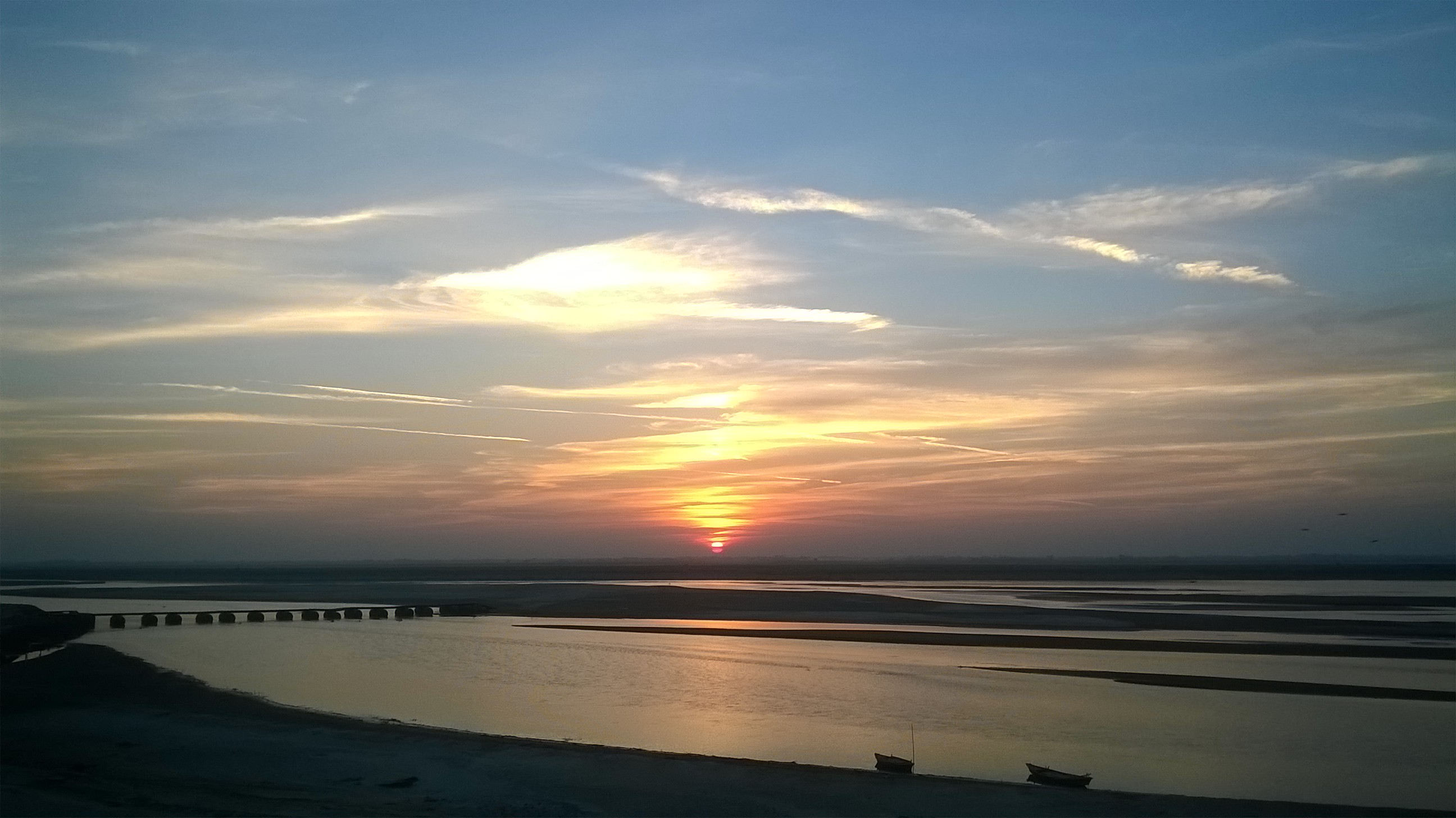
Bahraich: Discover Sacred Heritage, Forest Landscapes and the Flavours of the Terai
Located in the Terai region of northern Uttar Pradesh, Bahraich is a destination where spiritual traditions, historical stories, agricultural life and natural landscapes come together. Close to the Nepal border, the city serves as an important centre for the surrounding district and offers access to religious landmarks, traditional markets and the remarkable forests and wetlands of the region.
Bahraich is especially known for Dargah Sharif, a major pilgrimage destination, and its connection with the legendary Maharaja Suheldev. Beyond the city, visitors can explore Katarniaghat Wildlife Sanctuary, part of Dudhwa Tiger Reserve, where forest habitats and river ecosystems support a remarkable variety of wildlife. The district's food identity also includes Chamcham, a traditional chhena-based sweet.
Whether you are interested in religious tourism, regional history, wildlife or traditional North Indian food, Bahraich offers a distinctive introduction to the cultural and natural heritage of Uttar Pradesh.
1. History of Bahraich
Bahraich has a history shaped by its location in the northern plains, its rivers and forests, and its importance as a regional religious and commercial centre. The district's official historical account includes several traditional explanations for the city's name and its early past.
Origin of the Name Bahraich
One traditional explanation connects the name Bahraich with the word Bharaich and the region's association with the Bhar community or dynasty. Another local account links the area with ancient religious traditions and forest settlements. These explanations form part of the district's historical narratives rather than a single universally established origin.
Ancient Religious Traditions
Local traditions connect the region with ancient sages, forest settlements and stories from Hindu religious literature. The Sarayu River and other waterways have also contributed to the area's religious and cultural identity. Such traditions remain important in the way many local temples and pilgrimage places are understood today.
Ghazi Saiyyad Salar Masud and Dargah Sharif
Bahraich is widely known for the Dargah of Ghazi Saiyyad Salar Masud, a major pilgrimage site visited by devotees from different communities. Historical accounts and religious traditions surrounding Salar Masud have developed over centuries. The dargah remains one of the most recognisable landmarks associated with the city.
Maharaja Suheldev and the Battle Tradition
Maharaja Suheldev is remembered in regional tradition for fighting Ghazi Saiyyad Salar Masud near Bahraich. The district administration describes the encounter as a famous battle dated to 1034. The story is preserved through later historical and literary accounts, including the Persian work Mirat-i-Masudi. Visitors should understand the detailed narrative through its historical sources and traditions.
Bahraich in the Modern Period
Over time, Bahraich developed as an administrative, agricultural and trading centre for the surrounding region. Today, the city is the headquarters of Bahraich district and serves communities across a landscape known for farming, forest resources, religious destinations and rural markets.
2. Geography of Bahraich
Bahraich lies in north-eastern Uttar Pradesh, within the Terai belt near the international border with Nepal. The district has fertile plains, river systems, agricultural land and forested areas that distinguish it from many other parts of the state.
The Sarayu and Ghaghra Rivers
The Sarayu and Ghaghra are important rivers in the wider geography of Bahraich district. Their surrounding plains support agriculture and shape the region's wetlands and rural landscape. River conditions can change seasonally, particularly during the monsoon.
The Terai Landscape
The northern part of the district includes forested Terai terrain with grasslands, wetlands and rich biodiversity. Areas around Mihinpurwa and Katarniaghat are particularly important for nature and wildlife tourism. Visitors should use authorised routes and follow forest department guidance.
Agriculture and Rural Life
Wheat, rice, sugarcane and other crops contribute to the district's agricultural economy. Farming, food processing and local trade remain important to everyday life, while traditional crafts provide additional cultural and economic value.
Climate
Bahraich experiences hot summers, a monsoon season and cooler winters. October to March is generally a comfortable period for visiting temples and exploring the city. Wildlife trips require additional seasonal planning because rainfall, forest access and animal activity can affect the experience.
3. Culture and Traditions of Bahraich
Bahraich's culture reflects the traditions of the Terai and eastern Uttar Pradesh. Religious gatherings, local fairs, agricultural celebrations, traditional sweets and rural crafts all contribute to the district's identity.
Religious Diversity
The district is home to important Hindu and Muslim religious destinations, including Mari Mata Mandir and Dargah Sharif. These places attract pilgrims and visitors throughout the year, with attendance often increasing during annual fairs and religious observances.
Language and Everyday Life
Hindi and Urdu are widely used in the district. Regional speech, local markets and community gatherings reflect the cultural connections between the Terai, Awadh and neighbouring areas. Visitors can experience this everyday culture through local food shops, markets and village communities.
Traditional Crafts
Bahraich is associated with wheat-stalk handicrafts, an eco-friendly craft in which artisans transform processed stalks into decorative and useful items. The craft reflects the connection between local agriculture and traditional skills. Visitors interested in handicrafts should ask local sellers or artisan groups where authentic products are available.
Festivals and Fairs
Religious fairs are an important part of Bahraich's cultural calendar. Dargah Sharif attracts large gatherings, while local temples organise special worship during Navratri and other festivals. Dates and visitor arrangements can vary, so checking locally before travelling is recommended.
4. Architecture of Bahraich
Bahraich's built heritage includes religious shrines, temples, memorial sites and traditional structures. The city's architecture is closely connected with the spiritual practices and historical memories of the communities that maintain these places.
Dargah Sharif
Dargah Sharif is the city's best-known religious landmark. The shrine complex is associated with Ghazi Saiyyad Salar Masud and attracts pilgrims from different parts of India. Its architecture and atmosphere reflect the long-standing role of the site as a centre of devotion.
Mari Mata Mandir
Mari Mata Mandir is situated near the Sarayu River and the Bahraich-Lucknow Highway. The temple is a well-known local place of worship, with devotees visiting throughout the year and especially during Navratri.
Sangharini Mandir
Sangharini Mandir, dedicated to forms of Goddess Kali, is another important religious destination in the city. The temple attracts devotees during Chaitra and Ashwin Navratri, when special worship takes place.
Maharaja Suheldev Memorial
The Maharaja Suheldev Smarak project commemorates the regional tradition associated with Maharaja Suheldev. The memorial site at Nagraura is intended to honour the king's place in local historical memory and offers another point of interest for visitors exploring Bahraich's heritage.
5. Famous Places to Visit in Bahraich
Dargah Sharif of Ghazi Saiyyad Salar Masud
Dargah Sharif is among the most important pilgrimage destinations in Bahraich. Devotees visit the shrine to offer prayers and participate in religious gatherings. Its annual fair draws large crowds, making it a central part of the city's spiritual and cultural life. Visitors should check dates, entry arrangements and local crowd guidance before planning a visit during the fair.
Katarniaghat Wildlife Sanctuary
Katarniaghat Wildlife Sanctuary is one of the district's most remarkable natural attractions. Located in the Terai landscape, it forms part of Dudhwa Tiger Reserve and protects forests, grasslands, wetlands and river habitats. Wildlife associated with the sanctuary includes gharials, Gangetic dolphins, crocodiles, deer and numerous bird species. Sightings are never guaranteed, so visitors should enjoy the habitat as well as the wildlife.
Mari Mata Mandir
Mari Mata Mandir is a prominent religious site near the Sarayu River and the Bahraich-Lucknow Highway. Devotees visit to offer prayers, especially during Navratri. It is a useful stop for travellers interested in the city's religious traditions.
Sangharini Mandir
Sangharini Mandir is dedicated to Goddess Kali and is an established centre of local devotion. The temple receives visitors during the two annual Navratri periods, making it a relevant destination for travellers exploring Bahraich's religious heritage.
Maharaja Suheldev Smarak
Located in Nagraura, the Maharaja Suheldev memorial site commemorates the legendary king associated with Bahraich's history. It is a place to learn about the regional story of Suheldev and how historical memory is represented through public monuments.
Chittaura Lake Area
Chittaura Lake is associated with the traditional account of the battle between Maharaja Suheldev and Ghazi Saiyyad Salar Masud. The area may interest visitors who want to explore the landscape connected with this historical narrative. Confirm access and current local facilities before visiting.
Mihinpurwa
Mihinpurwa is an important settlement for travellers exploring the northern part of Bahraich district and the forested Terai region. It is commonly used as a gateway for trips towards Katarniaghat. Arrange transport and any required wildlife permissions in advance.
Nanpara
Nanpara is a notable town in Bahraich district and an important local commercial centre. It can be included in a wider trip to explore the district's markets, transport connections and surrounding rural areas.
6. Famous Dishes of Bahraich
Bahraich's food culture reflects the cuisine of Uttar Pradesh, with wheat-based meals, rice, lentils, seasonal vegetables, dairy products and traditional sweets. The Uttar Pradesh government's One District One Cuisine programme identifies Chamcham as a signature food speciality of Bahraich.
Chamcham
Chamcham is a traditional sweet made from chhena, a fresh cheese prepared by curdling milk. It is shaped, cooked in syrup and often finished with a light coating or filling. In Bahraich, pink and yellow sandwich-style varieties are particularly associated with the local sweet-making tradition. Try freshly prepared chamcham from an established sweet shop.
Jalebi
Jalebi is a popular North Indian sweet made from fermented batter that is fried into spirals and soaked in sugar syrup. It is often enjoyed warm at breakfast or as a snack with tea.
Kachori and Samosa
Kachori and samosa are widely available savoury snacks in local markets. They are commonly served with chutneys or other accompaniments and offer an easy way to experience everyday street food.
Roti, Rice and Dal
Traditional meals often include roti, rice, lentils, seasonal vegetables, curd and pickles. These familiar dishes reflect the agricultural foundations of the region and are widely available in local restaurants and dhabas.
Sugarcane and Jaggery Products
Sugarcane is an important crop in the district, and jaggery is part of the wider food culture of rural Uttar Pradesh. Visitors may find jaggery and other locally produced agricultural foods in markets, particularly where seasonal produce is sold.
7. Famous Personalities of Bahraich
Bahraich's historical identity is closely associated with figures preserved in regional traditions, particularly Maharaja Suheldev and Ghazi Saiyyad Salar Masud. The district has also contributed to the cultural and literary life of Uttar Pradesh.
Maharaja Suheldev
Maharaja Suheldev is remembered in regional historical tradition as a king associated with Shravasti who fought Ghazi Saiyyad Salar Masud near Bahraich. The story is an important part of local historical memory and is commemorated through the Maharaja Suheldev memorial project. Historical accounts of the battle should be read in the context of the sources through which the tradition has been preserved.
Ghazi Saiyyad Salar Masud
Ghazi Saiyyad Salar Masud is the figure associated with Bahraich's famous Dargah Sharif. He is remembered in religious tradition and later historical narratives, and the shrine connected with his name remains a major pilgrimage destination.
Local Artisans and Craft Workers
Artisans involved in wheat-stalk handicrafts and other traditional rural crafts contribute to the district's living cultural heritage. Their work connects agricultural materials with decorative design and provides a source of livelihood for local communities.
Farmers and Food Producers
Farmers, sugarcane growers, food processors and sweet makers are central to Bahraich's economy. Their work supports local markets and helps preserve the region's agricultural and culinary traditions.
8. Festivals and Fairs in Bahraich
Bahraich's religious calendar includes major Hindu festivals, Muslim religious observances and annual gatherings at local shrines. Some events attract visitors from beyond the district and can affect transport and accommodation availability.
Dargah Sharif Mela
The annual fair at Dargah Sharif is one of Bahraich's best-known public gatherings. Devotees visit the shrine for prayer and religious observance, and the event brings activity to surrounding markets. Check the current dates and crowd-management arrangements before travelling.
Navratri
Navratri is celebrated through worship of Goddess Durga and her forms. Mari Mata Mandir and Sangharini Mandir are among the local temples where devotees gather for special prayers during Chaitra and Ashwin Navratri.
Mahashivratri
Mahashivratri is dedicated to Lord Shiva and is observed at temples across the region. Worship, fasting and devotional activities form part of the occasion. Confirm local temple schedules if planning a visit around the festival.
Diwali
Diwali is celebrated with lamps, decorations, prayers and family gatherings. Sweet shops and markets become especially lively as people purchase sweets and gifts for the occasion.
Holi
Holi is celebrated with colours, music and community gatherings. Local customs vary by neighbourhood and village, so visitors should follow local guidance and respect people's personal boundaries.
Eid al-Fitr and Eid al-Adha
Eid al-Fitr and Eid al-Adha are important occasions for Muslim communities in Bahraich. Prayer gatherings, family visits and charitable activities form part of the celebrations. Visitors should be respectful of worshippers and local customs.
9. Things to Do in Bahraich
- Visit Dargah Sharif: Learn about the shrine's religious importance and observe its traditions respectfully.
- Explore Katarniaghat Wildlife Sanctuary: Experience the Terai forest landscape and look for birds and wildlife with authorised local guides.
- Visit Mari Mata Mandir: Discover one of the city's notable Hindu religious sites.
- Explore Sangharini Mandir: Learn about the local worship traditions associated with Goddess Kali.
- Discover Maharaja Suheldev's legacy: Visit the memorial site and explore the regional story associated with Chittaura Lake.
- Try Bahraich Chamcham: Sample the district's signature chhena-based sweet from a reputable confectioner.
- Browse local markets: Explore sweet shops, seasonal produce and everyday goods.
- Discover traditional crafts: Look for wheat-stalk handicrafts and other locally made products.
- Explore the Terai region: Plan a day trip towards Mihinpurwa and other accessible destinations, following local transport and forest guidance.
10. Where to Eat, Shop and Stay in Bahraich
Where to Eat
Look for local restaurants, dhabas, snack shops and sweet shops in the main market areas of Bahraich. These are practical places to try everyday North Indian meals and the district's Chamcham speciality. Ask local residents for recommendations and choose places that maintain good food hygiene.
Where to Shop
Local markets are suitable for buying sweets, seasonal produce, daily necessities and traditional handicrafts. If purchasing wheat-stalk craft products, ask about the material and making process so you can identify locally produced items.
Where to Stay
Bahraich city is a practical base for visiting urban attractions and religious landmarks. Travellers can compare hotels, guesthouses and budget accommodation near the city centre and transport points. For trips to Katarniaghat, check accommodation options and forest rest-house availability through official tourism or forest department channels. Advance planning is advisable for wildlife trips and busy festival periods.
11. What Is Bahraich Famous For?
Bahraich is known for a combination of religious, historical, culinary and natural attractions:
- Dargah Sharif: A major pilgrimage site associated with Ghazi Saiyyad Salar Masud.
- Maharaja Suheldev: A legendary king remembered in the district's historical traditions.
- Katarniaghat Wildlife Sanctuary: A protected Terai ecosystem within Dudhwa Tiger Reserve.
- Chamcham: A traditional chhena-based sweet recognised under Uttar Pradesh's One District One Cuisine programme.
- Mari Mata Mandir: A well-known religious destination near the Sarayu River.
- Wheat-Stalk Handicrafts: Traditional craft products made from processed agricultural stalks.
- Agriculture: Wheat, rice, sugarcane and other crops contribute to the district's economy.
12. Best Time to Visit Bahraich
The best general period for visiting Bahraich is October to March, when temperatures are usually more comfortable for sightseeing and outdoor activities. The ideal timing also depends on whether you are visiting religious landmarks or planning a wildlife trip.
Winter: October to March
Winter is generally suitable for exploring the city, visiting temples and shrines, and planning excursions into the Terai region. Carry warm clothing for early mornings and evenings.
Summer: April to June
Summer can be hot, particularly in open areas and during midday. Plan temple visits early in the day, carry drinking water and use sun protection. Wildlife outings should be arranged according to official sanctuary guidance and prevailing conditions.
Monsoon: July to September
The monsoon brings rainfall to the Terai and can affect forest access, river levels and road conditions. Check current conditions before visiting Katarniaghat or other rural areas, and follow any restrictions announced by forest authorities.
Best Time for Wildlife Viewing
For Katarniaghat Wildlife Sanctuary, check current opening arrangements, safari or boat availability where applicable, and seasonal access with official forest or eco-tourism authorities. Wildlife sightings depend on natural conditions and cannot be guaranteed.
13. How to Reach Bahraich
By Road
Bahraich is connected by road to Lucknow, Gonda and other towns in Uttar Pradesh. Buses, taxis and private vehicles are practical options. The district administration identifies Gonda as an important nearby transport hub, approximately 65 km away. Check current road conditions and travel times before departure.
By Train
Bahraich has a railway station with services connecting it to other places through the regional rail network. The district administration also identifies Gonda as an important rail connection. Confirm the latest train schedules, routes and station information before booking.
By Air
Chaudhary Charan Singh International Airport in Lucknow is the main airport option for reaching Bahraich. The district administration lists the airport at approximately 144 km by road. From Lucknow, travellers can continue by taxi, bus or a combination of rail and road transport.
Reaching Katarniaghat
Katarniaghat Wildlife Sanctuary is outside Bahraich city, in the district's northern forest region. The Uttar Pradesh Eco-Tourism Development Board provides route and accommodation information. Plan the journey in advance, confirm the operating status of access points and follow forest department instructions.
14. Nearby Places to Explore
Katarniaghat Wildlife Sanctuary
Katarniaghat is the district's standout nature destination, known for its Terai forests, wetlands, river habitats and diverse wildlife. It is best explored with appropriate planning and guidance from authorised local services.
Mihinpurwa
Mihinpurwa is a useful settlement for travellers heading towards the forest areas in northern Bahraich district. It can serve as a practical point for arranging local transport and checking access information for nearby natural attractions.
Nanpara
Nanpara is an important town in the district with local markets and transport connections. It can be included in a wider journey through Bahraich and the Nepal-border region.
Chittaura Lake Area
Chittaura Lake is associated with the local tradition of Maharaja Suheldev and the battle with Ghazi Saiyyad Salar Masud. It may appeal to visitors interested in regional history and the landscape connected with local legends.
Shravasti
Shravasti is an important Buddhist and religious destination in the wider region. It can be combined with Bahraich on a longer cultural itinerary, particularly for travellers interested in ancient religious history.
Gonda
Gonda is a nearby regional centre with transport links and commercial services. It can be useful when planning onward travel or a broader trip through the northern districts of Uttar Pradesh.
Lucknow
Lucknow offers a wider range of accommodation, shopping, historic monuments and transport connections. Travellers can combine Bahraich's religious and natural attractions with the cultural and culinary experiences of the state capital.
15. Best Duration for a Trip to Bahraich
One day: Focus on Dargah Sharif, one or two city temples and a local food stop to sample Chamcham.
Two days: Two days allow time to explore Bahraich's religious and historical attractions at a relaxed pace, with an optional visit to the Maharaja Suheldev memorial area.
Three days: A three-day itinerary can include the city, selected historical sites and a planned excursion towards Katarniaghat, subject to transport and sanctuary access.
Four days or more: Allow additional time if wildlife is the main purpose of your trip or if you wish to combine Bahraich with Shravasti, Gonda or Lucknow.
16. Travel Tips for Bahraich
- Check the Dargah Sharif fair dates and crowd arrangements before travelling during major gatherings.
- Dress respectfully at religious places and follow local instructions regarding footwear, photography and entry.
- Plan Katarniaghat trips through authorised forest or eco-tourism channels.
- Do not feed, approach or disturb wildlife, and remain within permitted visitor areas.
- Check weather, road conditions and access restrictions before travelling to forest or river areas.
- Try Chamcham from an established sweet shop and check freshness before purchasing it to take home.
- Carry water, comfortable footwear and sun protection during warmer months.
- Confirm train schedules and onward transport rather than relying on older travel information.
- Ask permission before photographing worshippers, local residents or private property.
- Book accommodation in advance during festivals or wildlife-focused travel periods.
17. Why Visit Bahraich?
Bahraich offers an appealing combination of spiritual heritage, historical traditions, local cuisine and natural beauty. Dargah Sharif and the temples of the city provide a rich religious experience, while the story of Maharaja Suheldev connects the district with the historical memory of northern India.
Beyond the city, Katarniaghat Wildlife Sanctuary offers a very different experience through its forests, wetlands and river ecosystems. The district's Chamcham sweet and wheat-stalk handicrafts also provide an introduction to its culinary and craft traditions.
For travellers looking beyond the most familiar tourist cities of Uttar Pradesh, Bahraich is a destination where culture, pilgrimage and nature can be explored together.
18. Conclusion
Bahraich is a distinctive destination in northern Uttar Pradesh, shaped by its religious landmarks, historical traditions, agricultural economy and the natural landscapes of the Terai. From the devotion surrounding Dargah Sharif and Mari Mata Mandir to the wildlife habitats of Katarniaghat and the sweetness of local Chamcham, the district offers a varied travel experience.
Plan your visit according to your interests, check current transport and attraction information, and allow enough time for both the city and its surrounding region. Whether you come for pilgrimage, local culture, food or wildlife, Bahraich offers an opportunity to discover an important and often overlooked part of Uttar Pradesh.
"Travel is the only thing you buy that makes you richer."