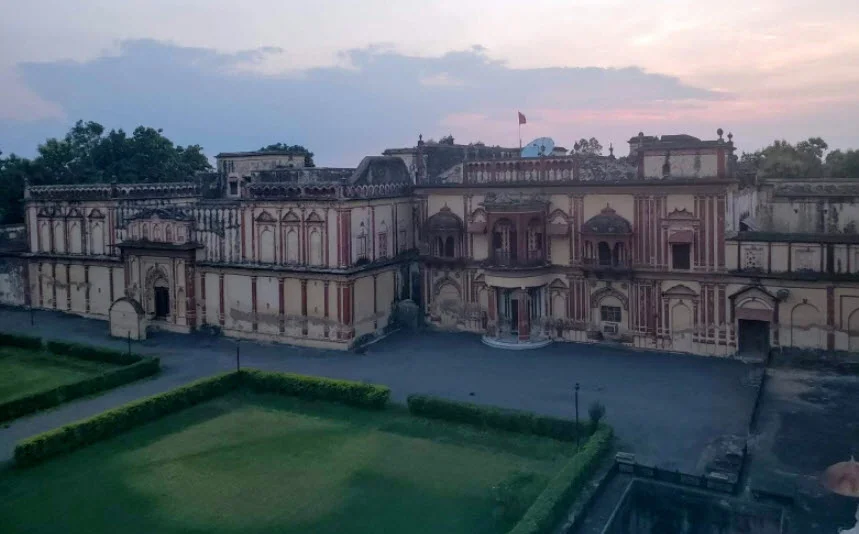
Amethi: A Journey Through Heritage, Poetry and Spiritual Traditions
Amethi is a historic town and district in Uttar Pradesh, known for its political associations, religious landmarks, literary heritage and traditional rural life. The district headquarters is Gauriganj, while Amethi town is an important local centre. The region combines historical settlements, agricultural landscapes, temples, Sufi heritage and growing industrial activity.
Amethi offers travellers an opportunity to discover a quieter side of Uttar Pradesh. The mausoleum of celebrated poet Malik Muhammad Jayasi connects the region with medieval Indian literature, while Nandmahar Dham and Gadhamafi Dham attract devotees. The district's towns, village fairs, traditional markets and religious sites provide a glimpse into the everyday culture of eastern Uttar Pradesh.
Whether you are interested in history, spiritual travel, regional literature or local traditions, Amethi offers a meaningful journey beyond the state's more frequently visited tourist destinations.
1. History of Amethi
Amethi's history is closely connected with the wider historical development of the Awadh region and eastern Uttar Pradesh. Its settlements have traditionally depended on agriculture, local trade, religious institutions and connections with neighbouring towns.
The district has long-standing cultural and literary associations. The town of Jais is connected with the medieval Sufi poet Malik Muhammad Jayasi, best known for the epic poem Padmavat. His literary legacy remains an important part of the region's identity, and his mausoleum is among the district's recognised places of interest.
Amethi also has a history of local estates, religious institutions and traditional settlements. Places such as Ramnagar and other historic localities preserve associations with regional rulers and local heritage. The area developed through changing political and administrative arrangements over several centuries.
In modern times, Amethi became nationally prominent for its political associations and its role in Indian public life. Industrial development, including facilities in Jagdishpur and other parts of the district, has added another dimension to its economy.
The present district of Amethi was created on 1 July 2010. It was initially named Chhatrapati Shahuji Maharaj Nagar and was later renamed Amethi. Today, the district combines historical identity, agriculture, religious tourism, education and industry.
2. Geography of Amethi
Amethi lies in the eastern part of Uttar Pradesh and forms part of the Ayodhya administrative division. The district is characterised by fertile plains, agricultural land, villages, market towns and expanding urban settlements.
Agriculture remains an important part of local life. The surrounding countryside includes fields, village roads, ponds and settlements linked to the district's principal towns. These landscapes shape the local economy, food traditions and seasonal activities.
Amethi experiences hot summers, a monsoon season and cooler winters. Summer temperatures can rise considerably, while rainfall during the monsoon supports agriculture but may affect rural road conditions. Winter is generally more comfortable for exploring outdoor attractions and travelling between towns.
The district's settlement pattern includes Amethi town, Gauriganj, Jais, Musafirkhana, Tiloi and Jagdishpur. Each contributes to the district through commerce, administration, industry or cultural activity.
3. Culture and Traditions of Amethi
Amethi's cultural identity reflects the traditions of eastern Uttar Pradesh and the wider Awadh region. Hindi and Awadhi are associated with everyday communication, storytelling, folk traditions and local community life.
Religious diversity is visible in the district's temples, ashrams, Sufi heritage sites and local festivals. These places serve as centres for prayer, community gatherings and annual celebrations.
Traditional fairs and melas bring together devotees, traders, food vendors and visitors from surrounding villages. Nandmahar Dham and Gadhamafi Dham are among the places associated with religious activity in the district.
The region also has a literary connection through Malik Muhammad Jayasi and the cultural history of Jais. His poetry forms part of a wider tradition in which devotional ideas, Sufi thought and storytelling contributed to medieval Indian literature.
Local markets, seasonal celebrations, village fairs and family food traditions offer visitors a way to experience Amethi's culture beyond its major landmarks.
4. Architecture of Amethi
Amethi's architectural heritage is spread across religious sites, traditional settlements, memorial structures and modern public institutions. The district does not have one concentrated monumental city centre; instead, its places of interest are located across different towns and villages.
Sufi Heritage Architecture
The mausoleum of Malik Muhammad Jayasi at Jais is an important landmark associated with the region's literary and spiritual history. It connects the physical landscape with the legacy of a celebrated medieval poet.
Temple Architecture
Nandmahar Dham, Gadhamafi Dham and other local temples reflect the religious traditions of the district. Their importance comes from their devotional practices, community gatherings and annual events as well as their physical structures.
Ashram and Pilgrimage Sites
Local ashrams and pilgrimage destinations contribute to the district's religious landscape. Visitors should confirm opening arrangements and local customs before planning a visit to smaller religious sites.
Modern Institutional Architecture
Amethi's newer buildings include educational institutions, administrative offices and industrial facilities. These structures reflect the district's continuing development and its growing role in education, manufacturing and public administration.
5. Famous Places to Visit in Amethi
Malik Muhammad Jayasi Mazar, Jais
The mausoleum of Malik Muhammad Jayasi is one of the district's most significant cultural landmarks. Jayasi was a celebrated Sufi poet of medieval India, remembered especially for Padmavat. His association with Jais makes the site important for visitors interested in literature, Sufi traditions and regional history. Check local access and visitor arrangements before travelling.
Nandmahar Dham
Nandmahar Dham, located in the Gauriganj area, is a religious destination associated with Lord Krishna, Lord Balram and Nand Baba. Devotees visit the site for prayers and religious observances. The dham is among the attractions highlighted by the district administration.
Gadhamafi Dham
Gadhamafi Dham is situated in Madhopur village, approximately seven kilometres from Gauriganj according to the district tourism website. The site is associated with Lord Hanuman and attracts devotees from nearby communities. Visitors should confirm directions and local arrangements before setting out.
Bhupathi Bhawan, Ramnagar
Bhupathi Bhawan in the Ramnagar area is mentioned among the district's local landmarks and is associated with regional estate history. Since visitor facilities and access may be limited, it is best to confirm the location and permission arrangements before planning a dedicated visit.
Kalikan Devi Temple, Sangrampur
Kalikan Devi Temple in the Sangrampur area is a local religious destination associated with devotion to the goddess. It can be included in a wider trip through Amethi's temple sites, especially for travellers interested in regional religious traditions.
Hanumangarhi Temple
Hanumangarhi is among the temples associated with the wider Amethi region. As with other smaller religious sites, visitors should confirm the exact location, opening times and local access arrangements before travelling.
Swami Paramhans Ashram, Tikarmafi
The Tikarmafi area is associated with ashram traditions and spiritual activity. Such sites offer insight into the religious life of the region and may be of interest to visitors seeking quieter destinations. Confirm visitor access before planning a stop.
Jais
Jais is an important town in the district with literary and cultural associations, particularly through Malik Muhammad Jayasi. Exploring the town offers a closer look at local markets, settlement patterns and the region's historical identity.
Gauriganj
Gauriganj is the district headquarters and a key centre for administration, commerce and local transport. It is a practical base for exploring nearby attractions such as Nandmahar Dham and Gadhamafi Dham.
Jagdishpur Industrial Area
Jagdishpur is known for industrial development and manufacturing facilities. It is primarily a commercial and industrial destination rather than a conventional sightseeing attraction, and access to individual industrial premises may be restricted.
6. Famous Dishes of Amethi
Amethi's food culture reflects the wider culinary traditions of eastern Uttar Pradesh and Awadh. Everyday meals commonly include wheat-based breads, rice, lentils, vegetables and seasonal ingredients. Local eateries and sweet shops provide familiar regional dishes, although specialities can vary between towns and villages.
Kachori and Aloo Sabzi
Kachori served with spicy potato curry is a popular breakfast option across Uttar Pradesh. Visitors can look for this filling combination at local eateries and market stalls, particularly in the morning.
Samosa
Samosas are a familiar savoury snack found in tea stalls, sweet shops and small restaurants. They are often served with chutney and make a convenient bite during a day of sightseeing.
Chaat
Chaat is popular across the region and may include potatoes, crisp snacks, chutneys, spices and other toppings. Market areas are useful places to discover local variations prepared by individual vendors.
Jalebi and Traditional Sweets
Jalebi and other Indian sweets are widely available at local sweet shops. They are enjoyed during ordinary meals as well as festivals, family gatherings and religious occasions.
Dal, Roti and Seasonal Vegetables
Simple meals featuring dal, roti, rice and seasonal vegetables form an important part of everyday food culture. These dishes offer visitors an accessible introduction to home-style cooking in the region.
Tea and Local Snacks
Tea stalls are common in towns and village markets. A cup of tea with biscuits, samosas or other snacks is a simple way to experience the everyday rhythm of local life.
7. Famous Personalities Associated with Amethi
Malik Muhammad Jayasi
Malik Muhammad Jayasi was a celebrated medieval Indian Sufi poet associated with Jais. His best-known work, Padmavat, is an important composition in the literary history of the region. His legacy connects Amethi with India's broader traditions of poetry, storytelling and Sufi thought.
Rajiv Gandhi
Rajiv Gandhi, former Prime Minister of India, had a prominent political association with Amethi. The constituency became widely recognised nationally through his political career and its place in modern Indian electoral history.
Sanjay Gandhi
Sanjay Gandhi was a political figure associated with the Nehru-Gandhi family and with Amethi's modern political history. His name is also associated with institutions and memorial references in the region.
Rahul Gandhi
Rahul Gandhi has had a significant political association with Amethi through parliamentary elections and public life. The constituency's place in national politics has helped bring attention to the district beyond Uttar Pradesh.
Smriti Irani
Smriti Irani is a political leader associated with Amethi through her parliamentary tenure representing the constituency. Her connection forms part of the district's recent political history.
Ram Manohar Lohia
Ram Manohar Lohia was a prominent socialist thinker and freedom fighter born in Akbarpur, which is now in Ambedkar Nagar district rather than Amethi. He belongs to the wider history of eastern Uttar Pradesh and should not be described as a native of Amethi district.
8. Famous Festivals of Amethi
Navratri
Navratri is celebrated with prayers, temple visits and devotional activities dedicated to the goddess. Local shrines may attract additional visitors during the festival, and arrangements vary between locations.
Ram Navami
Ram Navami marks the birth of Lord Rama and is observed through prayers, religious gatherings and temple activities. The festival is celebrated in many communities across Uttar Pradesh.
Janmashtami
Janmashtami celebrates the birth of Lord Krishna. Temples and devotees mark the occasion with devotional singing, decorations and prayers. Sites associated with Krishna traditions may see increased activity around the festival.
Holi
Holi is celebrated with colours, sweets, music and community gatherings. The festival creates a lively atmosphere in towns and villages throughout the district.
Diwali
Diwali brings lamps, decorations, prayers and festive meals to homes and markets. Shops often become busier as residents purchase sweets, gifts and decorations.
Local Temple Fairs
Religious destinations such as Nandmahar Dham and Gadhamafi Dham may attract devotees during special observances and local fairs. Dates and activities can vary, so check local announcements before planning a festival visit.
Regional Melas and Community Gatherings
Village fairs and local religious gatherings are an important part of the district's community life. They may include devotional activities, food stalls and local trade, offering visitors a glimpse of regional traditions.
9. Things to Do in Amethi
- Visit Malik Muhammad Jayasi's mausoleum: Explore a landmark associated with the region's medieval literary and Sufi heritage.
- Explore Nandmahar Dham: Learn about the religious traditions connected with Krishna, Balram and Nand Baba.
- Visit Gadhamafi Dham: Discover a local Hanuman shrine near Gauriganj.
- Explore Jais: Visit the historic town associated with Malik Muhammad Jayasi and browse its local surroundings.
- Discover Gauriganj: Explore the district headquarters and its markets and everyday commercial life.
- Visit local temples: Explore Kalikan Devi Temple and other religious sites after confirming directions and access.
- Experience a local fair: If your dates align, attend a community mela and discover local food and traditions.
- Explore traditional markets: Browse everyday goods, clothing, snacks and locally traded products.
- Discover the countryside: Experience the agricultural landscape and village settlements of eastern Uttar Pradesh respectfully.
- Try regional food: Sample kachori, samosas, chaat, jalebi and home-style meals at clean local eateries.
10. Where to Eat, Shop, and Stay in Amethi
Where to Eat
Amethi town, Gauriganj and Jais offer local eateries, tea stalls and sweet shops serving familiar North Indian food. Visitors can look for kachori-sabzi, samosas, chaat, jalebi and everyday meals featuring dal, roti and vegetables.
Food choices may be more limited in smaller villages and near rural attractions. Plan meals around the larger towns when travelling between sites, choose hygienic food outlets and drink safe water.
Where to Shop
Local markets in Amethi, Gauriganj and Jais provide everyday shopping options, including clothing, household goods, snacks and local products. Market visits offer a practical way to experience the district's commercial life.
Jagdishpur and other industrial areas are primarily associated with manufacturing and business rather than conventional tourist shopping. Visitors should distinguish public markets from industrial premises where access may be restricted.
Where to Stay
Accommodation in the district includes local hotels, guesthouses and budget stays, especially around larger towns and transport connections. Gauriganj and Amethi town may be practical bases depending on your planned attractions.
Travellers seeking a wider range of accommodation can compare options in nearby larger cities, depending on their itinerary. Confirm the location, check-in arrangements and transport availability before booking.
11. What Is Amethi Famous For?
Amethi is known for its historical, literary, political and religious associations. Its principal points of interest include:
- Malik Muhammad Jayasi: The medieval Sufi poet associated with Jais and the literary work Padmavat.
- Nandmahar Dham: A religious site associated with Krishna, Balram and Nand Baba.
- Gadhamafi Dham: A Hanuman shrine in the Gauriganj area.
- Political heritage: The district's association with national politics and the Amethi parliamentary constituency.
- Gauriganj: The district headquarters and a centre for administration and commerce.
- Jais: A town with literary and cultural associations.
- Religious traditions: Temples, ashrams, local fairs and community celebrations.
- Agriculture and industry: The district's agricultural economy and industrial activity in areas such as Jagdishpur.
12. Best Time to Visit Amethi
The generally comfortable period to explore Amethi is October to March, when cooler weather is suitable for visiting religious sites, markets and outdoor attractions. The best dates may also depend on local temple events and festivals.
Winter: October to March
Winter is generally a comfortable period for sightseeing and travelling between towns. Mornings and evenings can be cool, so carry light warm clothing when visiting during December and January.
Summer: April to June
Summer can be very hot, especially in the afternoon. Plan outdoor activities for early morning or later in the day, carry water and use sun protection.
Monsoon: July to September
The monsoon brings rainfall and can affect rural roads and outdoor plans. Check the weather forecast before visiting smaller settlements or sites with limited visitor facilities.
Travel recommendation: For a first visit focused on heritage and local culture, the cooler months are generally the most convenient. If you want to attend a specific fair, confirm the date with local or official sources before booking.
13. How to Reach Amethi
By Train
The district is served by railway stations in and around Amethi, including stations serving Amethi town, Gauriganj and Jais. The most suitable station depends on your destination within the district. Check current train schedules and confirm the station on your ticket before arranging local transport.
By Road
Amethi is connected by road to Ayodhya, Sultanpur, Rae Bareli, Pratapgarh and other towns in Uttar Pradesh. Buses, taxis and private vehicles are common options for travelling to the district. Journey times vary according to traffic, route and road conditions.
By Air
Air travellers should compare current flight options to nearby airports, including Lucknow and Ayodhya where suitable services are available. The best choice depends on flight schedules and the onward journey to your destination in Amethi district. Confirm current routes before booking.
Local Transport
Auto-rickshaws, e-rickshaws, local vehicles and taxis can help visitors move between railway stations, markets and religious sites. Transport may be less frequent in rural areas, so arrange return travel in advance when visiting attractions outside the main towns.
14. Nearby Places to Visit from Amethi
Ayodhya
Ayodhya is a major religious destination associated with Lord Rama. Its temples, pilgrimage sites and religious traditions make it a natural addition to a wider journey through eastern Uttar Pradesh. Check current crowd-management and access arrangements before visiting major sites.
Sultanpur
Sultanpur is a nearby district with local markets, religious places and agricultural landscapes. It offers a regional urban experience and can be included in a wider trip through eastern Uttar Pradesh.
Pratapgarh
Pratapgarh is known for its agricultural surroundings, regional markets and cultural traditions. It can be considered for travellers exploring lesser-known towns in the region.
Rae Bareli
Rae Bareli offers local heritage, markets and religious sites. Its road connections make it a possible addition to a multi-destination itinerary through central and eastern Uttar Pradesh.
Ayodhya Region
The wider Ayodhya region contains numerous religious and cultural destinations. Travellers interested in temples, historic settlements and regional traditions can plan a longer trip using current transport information.
Varanasi
Varanasi is famous for the Ganga ghats, Kashi Vishwanath Temple, evening Ganga Aarti and traditional cultural life. It is better suited to a separately planned excursion or a longer regional itinerary than a short local visit from Amethi.
Journey times depend on the chosen route, traffic and transport mode. Check current travel connections before arranging day trips.
15. Best Duration for a Trip to Amethi
The ideal duration depends on whether you are visiting for religious purposes, local history or a wider exploration of the district.
- 1 day: Visit selected attractions around Amethi town or Gauriganj, such as a local temple and the nearby markets.
- 2 days: Explore Amethi town, Jais, Malik Muhammad Jayasi's mausoleum and selected religious sites, subject to local access.
- 3 days: Allow more time for Nandmahar Dham, Gadhamafi Dham, local temples and market visits across different parts of the district.
- 4 days or more: Consider a longer stay if you plan to attend a local fair or combine Amethi with Ayodhya and other nearby destinations.
For most visitors, two days is a reasonable starting point for exploring the principal cultural and religious attractions at a comfortable pace.
16. Travel Tips for Amethi
- Confirm your destination: Amethi is both a town and a district, while Gauriganj is the district headquarters. Check the exact location of each attraction before travelling.
- Verify opening arrangements: Smaller temples, ashrams and historic sites may not have published visitor timings.
- Plan rural transport: Arrange return transport when visiting attractions outside the larger towns.
- Respect religious customs: Dress appropriately and follow local instructions at temples, shrines and ashrams.
- Check festival dates: Confirm local event schedules before planning a trip around a fair or religious gathering.
- Prepare for the weather: Carry water and sun protection in summer and rainwear during the monsoon.
- Choose hygienic food outlets: Prefer freshly prepared meals and safe drinking water.
- Carry some cash: Smaller shops and rural vendors may not accept digital payments in every situation.
- Book accommodation in advance: Reserve rooms early if travelling during busy periods or major local events.
- Respect photography rules: Ask permission before photographing people and follow restrictions at religious sites.
- Check road conditions: Rainfall and rural road conditions may affect travel between towns and villages.
17. Why Visit Amethi?
Amethi offers a chance to explore a lesser-known part of Uttar Pradesh through its literary heritage, religious landmarks and everyday regional culture. Jais connects the district with the legacy of Malik Muhammad Jayasi, while Nandmahar Dham and Gadhamafi Dham reflect the importance of local pilgrimage traditions.
The district's towns and villages offer an experience of eastern Uttar Pradesh beyond the main tourist circuits. Visitors can explore markets, attend local fairs when dates align, discover the agricultural landscape and learn about the district's modern political and industrial associations.
For travellers interested in regional history, literature, spirituality and cultural exploration, Amethi can be a rewarding destination. It can also be combined with Ayodhya and other nearby places for a longer journey through Uttar Pradesh.
18. Conclusion
Amethi is a region where literary heritage, religious traditions, political history and rural life come together. The mausoleum of Malik Muhammad Jayasi, Nandmahar Dham, Gadhamafi Dham and the historic associations of Jais give the district a distinct cultural identity.
From exploring religious landmarks and local markets to discovering the surrounding countryside, visitors can experience a quieter and more local side of Uttar Pradesh. With thoughtful planning, attention to local access arrangements and respect for community traditions, Amethi offers a meaningful journey through the history and culture of the region.
"Travel is the only thing you buy that makes you richer."