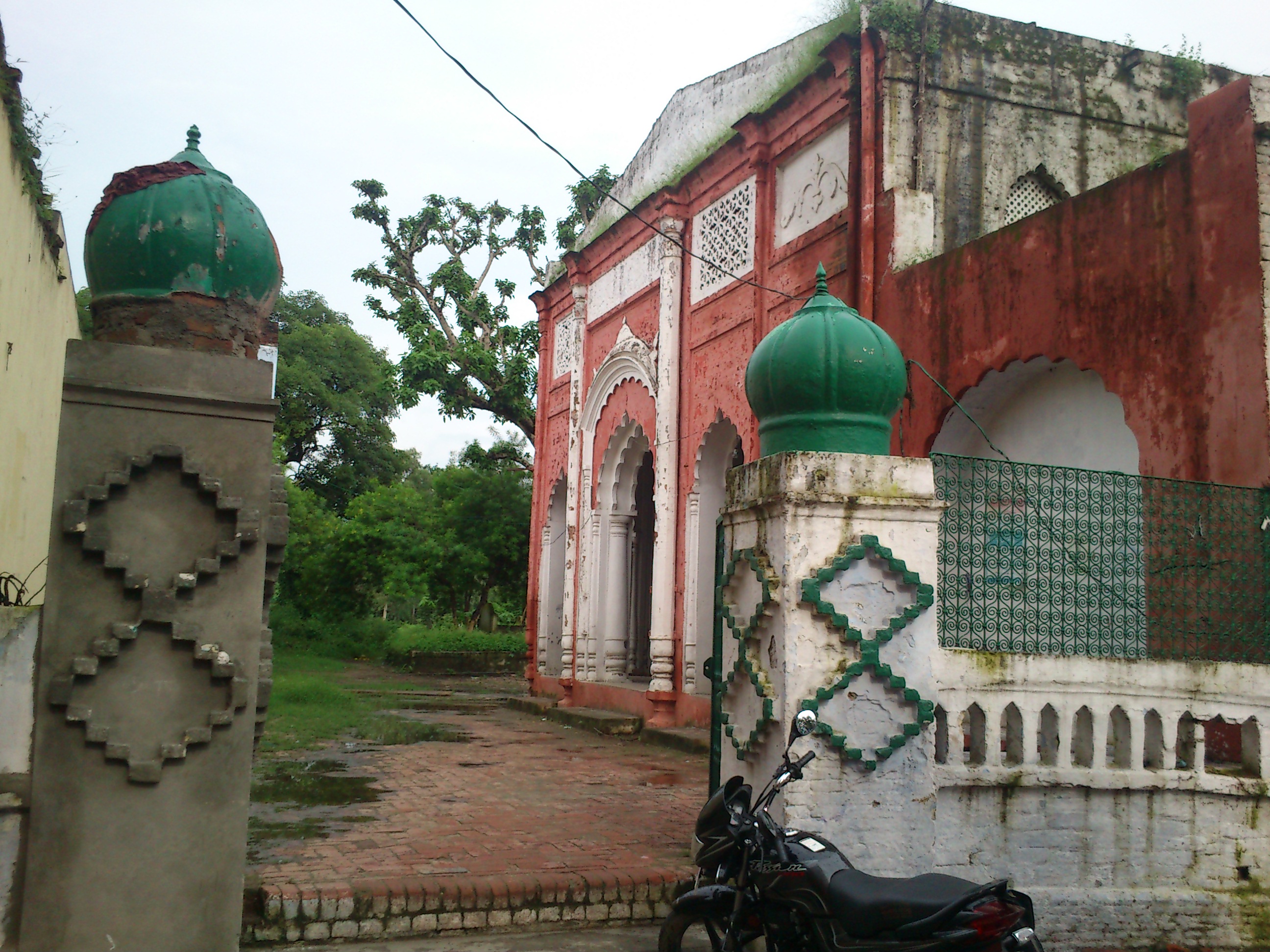
Amroha: A Historic City of Sacred Shrines, Music and Traditional Craftsmanship
Located in western Uttar Pradesh, Amroha is a historic city known for its religious heritage, traditional woodcraft, handcrafted dholaks and lively local markets. Its identity reflects centuries of cultural exchange, with Hindu temples, Sufi shrines, mosques and historic neighbourhoods forming an important part of everyday life. Amroha is particularly recognised for its distinctive dholak-making industry, which has helped bring its craftsmanship to audiences far beyond the region. Visitors can explore Vasudev Mandir and Tulsi Park, historic shrines such as Majar Shah Vilayat Sahib, the traditional stepwell known as Bayen Ka Kuan and the nearby Ganga ghats at Tigri. With its regional food, religious gatherings and skilled artisans, Amroha offers an interesting introduction to the history and living culture of western Uttar Pradesh.
1. History of Amroha
Amroha is regarded as an old settlement in western Uttar Pradesh, and several local traditions describe its origins. One popular explanation connects the name with aam, meaning mango, and rohu, a type of fish associated with the region. Other local accounts link the city to a ruler named Amarjodh or Amar Jodh and to later resettlement traditions. These explanations are part of regional historical narratives and should not be treated as a single conclusively established origin.
Over the centuries, Amroha developed as a regional centre with religious institutions, traditional neighbourhoods, markets and craft-based occupations. The city came under different ruling powers, including the Mughals, and its historic shrines and old structures reflect the area's long cultural history.
Amroha became the headquarters of a newly formed district on 15 April 1997, initially known as Jyotiba Phule Nagar. The district later returned to the name Amroha. Today, the city is recognised for its religious heritage, dholak manufacturing, woodcraft and agricultural connections.
2. Geography of Amroha
Amroha is situated in western Uttar Pradesh, within the fertile plains of the Ganga region. The surrounding landscape includes agricultural fields, villages, settlements and river-linked areas. The Ganga forms an important geographical feature along the wider district's western side, while smaller rivers and watercourses contribute to local agriculture and settlement patterns.
The region has a typical North Indian climate, with hot summers, a monsoon season and cool winters. Agriculture is an important source of livelihood, and the wider district is known for crops and horticultural produce, including mangoes. The landscape is predominantly flat, making road and rail travel between nearby towns relatively straightforward.
The nearby village of Tigri, situated along the Ganga, is particularly important during the annual Ganga Mela. Its riverbank setting creates a major religious gathering place during Kartik Purnima.
3. Culture and Traditions of Amroha
Amroha's cultural identity reflects the traditions of western Uttar Pradesh and a long history of religious and artistic exchange. Hindu temples, Sufi shrines, mosques and other religious institutions form part of the city's cultural landscape. Local fairs, devotional gatherings and seasonal festivals bring residents together throughout the year.
Traditional craftsmanship is another defining part of Amroha's identity. The city is well known for making dholaks, the double-headed hand drums used in folk music, devotional singing and other musical traditions. Woodworking and handloom-related activities also contribute to the area's craft heritage.
Hindi and Urdu are used in local life, alongside regional speech varieties. Visitors can experience Amroha's culture through its markets, religious sites, food shops and artisan workshops. Respectful behaviour at sacred places and permission before photographing people or ceremonies help ensure positive interactions with local communities.
4. Architecture of Amroha
Amroha's architecture includes historic religious buildings, shrines, mosques, temples, traditional houses and water structures. Its built heritage reflects the city's long settlement history and the influence of different communities and periods.
Vasudev Mandir and Tulsi Park form a significant religious complex, while Majar Shah Vilayat Sahib and Dargah Bhure Shah are important Sufi heritage sites. Bayen Ka Kuan, a historic stepwell, illustrates the importance of traditional water structures in the region. Older neighbourhoods also preserve buildings and gateways associated with the city's earlier layout.
Although Amroha is not primarily known for monumental forts or grand royal palaces, its smaller historic structures, sacred sites and craft traditions provide a distinctive architectural experience for visitors interested in local history.
5. Famous Places in Amroha
Vasudev Mandir and Tulsi Park
Vasudev Mandir and Tulsi Park is an important religious attraction in Amroha. The site includes a pond, temples and religious structures associated with local traditions. Popular accounts connect the place with stories from the Mahabharata period and Lord Krishna, although these are religious traditions rather than independently established historical dates. Visitors can explore the temple surroundings while following local customs and entry guidelines.
Majar Shah Vilayat Sahib
Majar Shah Vilayat Sahib is a well-known Sufi shrine dedicated to Syed Hussain Shrafuddin Shah Wilayat. The shrine attracts devotees from Amroha and other parts of India. Local tradition associates Shah Wilayat with the early Mughal period, and an annual Urs is held in his honour. The shrine is an important part of Amroha's spiritual heritage.
Dargah Bhure Shah
Dargah Bhure Shah is another religious landmark recognised by the district administration. The shrine forms part of Amroha's wider Sufi heritage and attracts visitors seeking a quiet place for prayer and reflection. Visitors should observe the customs of the shrine and ask before taking photographs.
Nasiruddin Sahib Ki Majaar
Nasiruddin Sahib Ki Majaar is among the religious sites listed in the official district tourism information. It reflects the city's tradition of revered shrines and devotional gatherings. It can be included in a local heritage visit alongside other religious landmarks in Amroha.
Bayen Ka Kuan
Bayen Ka Kuan is a historic stepwell, also known as a baoli, associated with the city's traditional water-management heritage. Such structures once helped communities access water and served as important features of local life. The site is of interest to visitors who want to discover the lesser-known architectural history of Amroha.
Moradabadi Darwaza
Moradabadi Darwaza is a historic gateway associated with the old city. Local heritage accounts identify it as a surviving reminder of the former boundary wall and gateways of Amroha. The structure offers a glimpse into the city's earlier urban layout and is worth considering on a heritage walk, subject to local access and traffic conditions.
Tigri Ganga Ghat
Tigri is a settlement on the banks of the Ganga and is best known for its annual Ganga Mela. The riverbank becomes an important pilgrimage destination during Kartik Purnima, when devotees gather for ritual bathing and religious observances. Outside the fair period, the area may offer a quieter experience of the river landscape, although local conditions and access can vary.
Gajraula
Gajraula is a town within the Amroha district, situated along a major road corridor. It has developed as an industrial and commercial centre and offers an insight into the district's modern economy. Travellers passing through the area may find restaurants and roadside services, depending on their route.
Hasanpur
Hasanpur is an important town in the Amroha district, with local markets, religious sites and connections to the surrounding agricultural countryside. It can be included in a wider exploration of the district beyond Amroha city.
Naugaon Sadat
Naugaon Sadat is another town in the district known for its local communities and commercial activities. It is part of the wider network of settlements that support the region's agriculture and cottage industries.
6. Famous Dishes of Amroha
Amroha Mangoes
The wider Amroha region is known for mango cultivation, and mangoes are an important part of its agricultural identity. During the summer season, visitors may find fresh mangoes and mango-based products in local markets. Varieties and availability depend on the season and harvest conditions.
Rohu Fish Preparations
Rohu is a freshwater fish commonly eaten across northern India. Local food traditions may include fish curries and fried preparations, although recipes differ between households and restaurants. Visitors who eat fish can ask local eateries about their daily preparations.
Kachori
Kachori is a popular savoury snack across Uttar Pradesh. It is usually filled with spiced lentils or other ingredients and served with chutney or potato curry. It is a convenient breakfast or evening snack while exploring the city.
Samosa and Pakora
Samosas and pakoras are common snacks sold at local food stalls and small eateries. They are often served hot with chutney and tea, making them popular choices for a quick break between sightseeing stops.
Chaat
Chaat is a favourite street-food category in the region, with preparations combining crisp snacks, potatoes, yoghurt, chutneys and spices. Individual shops may offer their own variations, so visitors can sample different flavours from reputable vendors.
Jalebi and Imarti
Jalebi and imarti are traditional sweets available at many North Indian sweet shops. Their syrupy sweetness makes them popular at breakfast, during festivals and at family celebrations.
Rabri and Milk-Based Sweets
Rabri and other milk-based sweets are widely enjoyed across Uttar Pradesh. Local sweet shops may offer seasonal or regional variations. Choose fresh products from reputable establishments, particularly in hot weather.
Everyday North Indian Meals
Restaurants in Amroha commonly serve everyday North Indian dishes such as dal, seasonal vegetables, roti, rice, paneer preparations and thalis. These meals are practical options for travellers looking for familiar food during a city visit.
7. Famous Personalities Associated with Amroha
Syed Hussain Shrafuddin Shah Wilayat
Syed Hussain Shrafuddin Shah Wilayat is a revered Sufi figure associated with Amroha. His shrine, Majar Shah Vilayat Sahib, remains one of the city's principal religious attractions. The annual Urs held in his honour reflects the continuing importance of Sufi devotional traditions in local life.
Nasiruddin Sahib
Nasiruddin Sahib is associated with a shrine in Amroha that is recognised in the district's tourism information. The site forms part of the city's wider religious heritage and reflects the importance of revered spiritual figures in local traditions.
Bhure Shah
Bhure Shah is remembered through the dargah bearing his name in Amroha. The shrine is one of the city's recognised religious sites and contributes to the area's rich tradition of devotional places and spiritual gatherings.
Amroha's Dholak Artisans
Rather than being associated with a single famous individual, Amroha's dholak-making heritage is sustained by generations of artisans. Their work involves shaping wooden shells, preparing the drumheads and decorating the finished instruments. The craft is an important part of the city's identity and contributes to its recognition beyond the region.
Local Woodworkers and Craft Communities
Amroha's woodworkers and craft communities are important contributors to the city's traditional economy. Their skills support the manufacture of musical instruments and other wooden products. These artisans preserve practical knowledge and craftsmanship passed down through families and workshops.
8. Festivals of Amroha
Tigri Ganga Mela
Tigri Ganga Mela is one of the most important annual gatherings in the Amroha district. Held near the Ganga at Tigri around Kartik Purnima, the fair attracts large numbers of devotees who come for ritual bathing, prayers and religious observances. Temporary markets and community activities add to the atmosphere. Dates and crowd-management arrangements vary each year, so check local announcements before travelling.
Urs at Majar Shah Vilayat Sahib
The annual Urs at Majar Shah Vilayat Sahib commemorates the revered Sufi figure associated with the shrine. Devotees visit for prayers and religious observances, and the event contributes to Amroha's spiritual and cultural life. Visitors should follow the shrine's instructions and local arrangements during the gathering.
Diwali
Diwali is celebrated with lamps, decorations, sweets and family gatherings. Markets become lively as people shop for festive goods and gifts. Visitors can enjoy the atmosphere while being mindful of crowds and local customs.
Holi
Holi is celebrated with colours, music, sweets and community gatherings across the region. Local celebrations vary between neighbourhoods and communities. Visitors should ask permission before applying colours or photographing people and should follow local guidance during public events.
Eid al-Fitr and Eid al-Adha
Eid festivals are important occasions for Muslim communities in Amroha. Celebrations include prayers, family visits, festive meals and charitable traditions. Visitors should be respectful around prayer gatherings and be aware that local opening hours and transport patterns may change during major religious holidays.
Janmashtami and Other Hindu Festivals
Janmashtami and other Hindu festivals are observed at temples and community spaces in and around Amroha. Celebrations may include devotional singing, prayers, decorations and special worship. Visitors can experience these traditions respectfully by following temple customs and local instructions.
9. Things to Do in Amroha
- Visit Vasudev Mandir and Tulsi Park to explore one of the city's recognised religious sites.
- Discover the spiritual heritage of Majar Shah Vilayat Sahib and Dargah Bhure Shah.
- Explore Bayen Ka Kuan and learn about the role of historic stepwells in local life.
- Look for historic structures such as Moradabadi Darwaza during a local heritage walk.
- Visit dholak workshops to learn about the traditional process of making musical instruments, where public access is permitted.
- Explore local markets for handcrafted goods, wooden products and regional items.
- Sample local snacks, traditional sweets and seasonal mangoes.
- Plan a trip to Tigri during the Ganga Mela if the dates suit your itinerary.
- Explore nearby towns such as Gajraula and Hasanpur to discover the wider district.
- Experience the city's religious and cultural traditions while respecting local customs.
10. Where to Eat, Shop, and Stay in Amroha
Where to Eat
Amroha has local restaurants, sweet shops, tea stalls and small eateries serving North Indian food. Visitors can try kachori, samosa, pakora, chaat, jalebi and everyday meals such as dal, vegetables, roti and rice. Seasonal mangoes are worth looking for during the summer. Choose clean, well-maintained establishments and check current local recommendations for opening hours.
Where to Shop
Local markets are suitable for everyday shopping, clothing, household goods, sweets and regional products. Amroha is especially known for its handcrafted dholaks, which make distinctive souvenirs for music lovers. Some workshops may sell directly to customers, but visitors should confirm availability, prices, shipping arrangements and whether workshop visits are permitted.
Where to Stay
Amroha offers local hotels and guesthouses, while additional accommodation options may be available in nearby commercial centres. Staying near the main city area is convenient for religious sites, markets and local transport. Travellers visiting Tigri for the Ganga Mela should book accommodation and transport well in advance because demand can rise substantially during the fair.
Compare recent guest reviews, location, amenities and cancellation policies before booking. For a short visit, choose accommodation that minimises travel time between your planned attractions.
11. What Is Amroha Famous For?
Amroha is best known for its dholak-making industry, traditional woodcraft, religious landmarks and cultural heritage. Its handcrafted dholaks are made using wooden shells and drumheads, with artisans combining practical woodworking skills and decorative finishing.
The city is also known for Majar Shah Vilayat Sahib, Dargah Bhure Shah, Vasudev Mandir and Tulsi Park, and the historic stepwell at Bayen Ka Kuan. Nearby Tigri becomes a major pilgrimage destination during the annual Ganga Mela. Mango cultivation, local markets and regional food traditions add to Amroha's distinctive character.
12. Best Time to Visit Amroha
October to March is generally a comfortable period for visiting Amroha. Cooler temperatures make it easier to explore temples, shrines, historic structures and local markets. The winter season is also suitable for a trip to Tigri, especially if the Ganga Mela falls within your travel dates.
- October to March: Generally suitable for sightseeing, religious visits, shopping and heritage walks.
- April to June: Summers can be very hot. Plan outdoor activities early in the morning or later in the afternoon and carry sufficient drinking water.
- July to September: Monsoon rainfall can affect road conditions and river levels. Check weather conditions before visiting riverside areas.
If you want to attend the Tigri Ganga Mela, plan around Kartik Purnima and confirm the current year's dates through official district announcements. The summer months may be more suitable for finding seasonal mangoes in local markets.
13. How to Reach Amroha
By Train
Amroha Railway Station connects the city with the wider rail network, including routes serving Moradabad and Delhi. Train schedules, stops and journey times vary, so check current railway information before booking your trip.
By Road
Amroha is accessible by road from Moradabad, Delhi and other towns in western Uttar Pradesh. Buses, taxis and private vehicles can be used depending on your starting point. The city lies in a region served by major road corridors, making road travel a practical option for many visitors. Check current traffic and route conditions before departure.
By Air
Amroha does not have a major commercial airport within the city. Delhi's Indira Gandhi International Airport is a commonly considered option for travellers arriving by air, followed by onward travel by road or rail. Moradabad's airport infrastructure and commercial services may be limited, so verify actual flight availability before relying on it.
Local Transport
Auto-rickshaws, cycle-rickshaws, taxis and other local transport options may be available for travelling around the city. For Tigri and other places outside the city centre, arrange transport in advance and confirm the return journey, especially during large religious gatherings.
14. Nearby Places to Visit from Amroha
Tigri
Tigri is best known for its location along the Ganga and its annual Ganga Mela. It is an important pilgrimage destination during Kartik Purnima and can also be considered for a riverside excursion outside the main fair period, subject to local conditions.
Gajraula
Gajraula is a commercial and industrial town in the Amroha district. It offers roadside services and a look at the area's modern industrial development. Travellers passing through the region may use it as a convenient stop on a longer road journey.
Hasanpur
Hasanpur is a town with local markets, religious sites and agricultural connections. It can be included in a broader exploration of the Amroha district for visitors interested in regional life beyond the main city.
Naugaon Sadat
Naugaon Sadat is another town within the district. It is connected with local commerce and traditional occupations and can be visited as part of a wider route through the surrounding countryside.
Moradabad
Moradabad is a major nearby city famous for its brassware industry and metal handicrafts. It offers additional shopping, dining and transport options and can be combined with Amroha for a broader western Uttar Pradesh itinerary.
Sambhal
Sambhal is a historic town in western Uttar Pradesh known for its religious sites, traditional markets and local heritage. It can be considered as an excursion for travellers exploring the region's historic settlements.
Hastinapur
Hastinapur is associated with the epic traditions of the Mahabharata and is an important religious destination for both Hindu and Jain pilgrims. Visitors interested in mythology, temples and heritage can consider it as part of a longer journey from Amroha.
15. Best Duration for a Trip to Amroha
One to two days is generally sufficient for exploring the principal attractions within Amroha city. A longer stay allows time for nearby towns, religious sites and local craft experiences.
- 1 day: Visit selected sites such as Vasudev Mandir and Tulsi Park, Majar Shah Vilayat Sahib, and Bayen Ka Kuan, then explore local markets.
- 2 days: Explore additional religious landmarks, learn about dholak craftsmanship where workshop visits are possible, and include a trip to Tigri or another nearby destination.
- 3 days: Allow time for a relaxed exploration of the wider district, including Gajraula, Hasanpur or other regional sites.
If your visit coincides with the Ganga Mela or a major Urs, allow additional time for crowds, local transport and religious events.
16. Travel Tips for Amroha
- Check opening hours and local access arrangements for temples, shrines and historic structures.
- Dress respectfully at religious sites and follow local customs regarding footwear and photography.
- Ask permission before photographing worshippers, artisans, private homes or religious ceremonies.
- Buy handcrafted dholaks from reputable artisans and ask about wood, construction, tuning and care if you plan to use the instrument.
- Visit during cooler hours in summer and carry drinking water and sun protection.
- Confirm the dates of Tigri Ganga Mela and the annual Urs before arranging travel.
- Expect heavier traffic and larger crowds around Tigri during Kartik Purnima.
- Keep valuables secure in busy markets and during large gatherings.
- Use reputable food shops and check the freshness of perishable items, especially in hot weather.
- Check transport schedules and arrange a return journey before visiting sites outside the city.
- Keep the riverbank clean and follow safety instructions around the Ganga.
17. Why Visit Amroha?
Amroha is a rewarding destination for travellers interested in traditional craftsmanship, religious heritage and the everyday culture of western Uttar Pradesh. Its dholak-making industry offers a distinctive insight into musical instrument production, while its temples, Sufi shrines and historic stepwell reveal the city's layered past.
The nearby Tigri Ganga Mela adds a major cultural and religious experience to the region, and local markets provide opportunities to discover seasonal produce and traditional goods. Amroha is particularly suitable for travellers seeking an authentic regional experience beyond the better-known tourist centres of Uttar Pradesh.
18. Conclusion
Amroha combines a long history of religious traditions with a living heritage of craftsmanship and local commerce. From Vasudev Mandir and Tulsi Park to Majar Shah Vilayat Sahib, Dargah Bhure Shah and Bayen Ka Kuan, its landmarks reveal different aspects of the city's cultural identity. Its dholak-making tradition, seasonal mangoes, local food and the nearby Ganga Mela add further reasons to explore the region. For visitors interested in heritage, music, traditional crafts and the cultural life of western Uttar Pradesh, Amroha offers a worthwhile and distinctive travel experience.
"Travel is the only thing you buy that makes you richer."