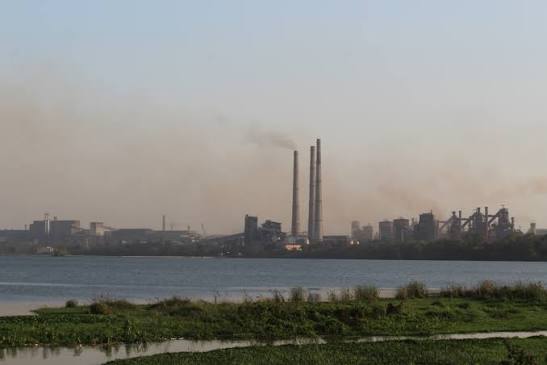
Bokaro, Jharkhand: A Complete Journey Through Steel, Nature and Tourism | Aonego
Located in the eastern part of Jharkhand, Bokaro is a district best known for being home to one of India's largest steel plants, yet it offers far more than its industrial identity suggests. With planned townships, scenic dams, and pockets of natural beauty, Bokaro presents a unique blend of modern urban planning and Jharkhand's characteristic forested landscape. In this detailed guide by Aonego, let's explore everything you need to know about Bokaro.
Geographical Overview of Bokaro
Bokaro district lies in the eastern part of Jharkhand, bordered by Giridih to the north, Dhanbad to the east, Ramgarh to the west, and Purulia district of West Bengal along parts of its southern frontier. The district takes its name from the Bokaro River, which flows through the region and has historically played an important role in shaping the local landscape and economy.
Bokaro's terrain features a mix of the Chota Nagpur plateau's characteristic hills and forests, along with the more planned, urbanized landscape of Bokaro Steel City, one of India's prominent planned industrial townships. This blend of natural plateau terrain and modern urban development gives the district a distinctive character within Jharkhand. The climate here is subtropical, with hot summers, a moderate monsoon season, and cool, pleasant winters, which are considered the best time to explore the district.
Historical Significance of Bokaro
Bokaro's modern identity is closely tied to India's post-independence industrial development. In the 1960s, the Indian government, with assistance from the Soviet Union, established the Bokaro Steel Plant as part of the country's broader push toward industrial self-sufficiency. This led to the planned development of Bokaro Steel City, one of India's earliest and most significant planned industrial townships, designed with wide roads, organized sectors, and modern infrastructure.
Before its transformation into an industrial hub, the wider Bokaro region was historically part of the Chota Nagpur plateau area, with a long history of tribal habitation and traditional forest-based livelihoods, a heritage that continues to shape much of the district's rural areas outside the steel city.
Bokaro was established as an independent district in 1991, carved out of Giridih district to provide focused administrative attention to this rapidly industrializing region of Jharkhand.
Culture and Traditions of Bokaro
The culture of Bokaro reflects a fascinating blend of modern industrial life and traditional tribal heritage, given the district's dual identity as both a planned steel city and a region with deep-rooted Adivasi communities. Hindi is widely spoken in the urban and industrial areas, while tribal languages and dialects remain prevalent in the rural and forested parts of the district, home to communities such as the Santhal and Munda peoples.
Major festivals celebrated in Bokaro include Durga Puja, Diwali, Holi, and Chhath Puja, observed with enthusiasm across the district's diverse population. Tribal festivals such as Sarhul, celebrating the arrival of spring and the flowering of the sal tree, and Karma, a harvest festival honoring nature, are also observed with great significance in the district's rural and tribal communities, reflecting Jharkhand's deep connection to nature worship.
Traditional cuisine in Bokaro includes tribal and regional dishes such as Dhuska, Pitha, and Rugra (a wild mushroom delicacy), alongside more widely enjoyed North Indian fare found throughout the urbanized steel city.
Top Places to Visit in Bokaro
If you're planning to explore Bokaro, here are some places worth including in your itinerary:
1. Bokaro Steel Plant and City Park
While the steel plant itself is primarily an industrial facility, the surrounding City Park in Bokaro Steel City offers a well-maintained green space with gardens, walking paths, and recreational areas, reflecting the town's carefully planned urban design.
2. Jawaharlal Nehru Biological Park
Located within Bokaro Steel City, this park serves as both a zoological garden and a green recreational space, home to various animal species and a popular spot for families and nature enthusiasts alike.
3. Bokaro Dam and Garga Dam
These dams and reservoirs near Bokaro offer scenic views and peaceful surroundings, popular among locals for picnics and leisurely outings, and a good spot to see how water resources have been harnessed to support the district's industrial and agricultural needs.
4. Tenughat Dam
Located on the border of Bokaro district, Tenughat Dam is a significant reservoir on the Damodar River, offering picturesque views and serving as an important source of irrigation and hydroelectric power for the wider region.
5. Rural and Tribal Villages of Bokaro
Beyond the planned steel city, the rural areas of Bokaro district offer visitors an authentic glimpse into tribal life in Jharkhand, with traditional villages, forest-based livelihoods, and cultural practices that contrast sharply with the district's industrial core.
Economy and Industry of Bokaro
Bokaro's economy is overwhelmingly shaped by the presence of the Bokaro Steel Plant, one of the largest integrated steel plants in India, operated by Steel Authority of India Limited (SAIL). The plant serves as the primary economic engine of the district, providing employment to a large portion of the local population, either directly or through ancillary industries connected to steel production.
Beyond the steel industry, agriculture remains important in the district's rural areas, with paddy, maize, and pulses cultivated in the plateau region. Coal mining also plays a role in the district's economy, given Jharkhand's broader reputation as a mineral-rich state, with Bokaro benefiting from its proximity to the coal-rich Dhanbad region.
Education and Healthcare Facilities
Bokaro Steel City is home to well-developed educational infrastructure, including several reputed schools and colleges established originally to serve the steel plant's workforce and their families. This has given the district a comparatively strong educational foundation relative to many other parts of Jharkhand.
Healthcare facilities in Bokaro include the Bokaro General Hospital, a large facility originally established to serve the steel plant's employees, along with other government and private hospitals across the district, providing relatively robust medical care compared to many rural districts in the state.
How to Reach Bokaro
Bokaro is well connected by rail and road, with Bokaro Steel City railway station offering connectivity to major cities across India, including Delhi, Kolkata, and Mumbai. By road, national highways link Bokaro to Dhanbad, Ranchi, and other important cities in Jharkhand, making bus and private vehicle travel convenient. The nearest major airport is Birsa Munda Airport in Ranchi, though Bokaro also has a smaller domestic airport with limited connectivity.
Best Time to Visit Bokaro
The best time to visit Bokaro is between October and March, when the weather is cool and pleasant, ideal for exploring the district's parks, dams, and rural surroundings. Summers can get quite hot, making outdoor exploration less comfortable, while the monsoon season, though beneficial for the surrounding plateau's greenery, can occasionally disrupt travel plans due to rainfall.
Conclusion
Bokaro offers a unique blend of India's industrial ambition and Jharkhand's rich natural and tribal heritage. From the planned modernity of Bokaro Steel City and its well-maintained parks to the scenic beauty of Tenughat Dam and the cultural richness of surrounding tribal villages, Bokaro presents a side of Jharkhand that combines development with tradition.
At Aonego, we always strive to bring you authentic and detailed information about every corner of India, especially places that often don't make it to mainstream tourism lists. Bokaro is a fine example of how industrial progress and cultural heritage can coexist within a single district.
If you're planning a trip to Jharkhand, consider adding Bokaro to your itinerary for a blend of industrial history, scenic dams, and tribal culture. Stay connected with Aonego for more insights into such hidden gems across Jharkhand and India.
"Travel is the only thing you buy that makes you richer."