East Singhbhum, Jharkhand: A Complete Journey Through Steel, Culture and Tourism | Aonego
Located in the southeastern part of Jharkhand, East Singhbhum is a district that seamlessly blends industrial modernity with rich tribal heritage. Home to Jamshedpur, India's first planned industrial city and the base of Tata Steel, this district offers a unique combination of urban development, scenic hills, and deep-rooted Ho and Santhal tribal traditions. In this detailed guide by Aonego, let's explore everything you need to know about East Singhbhum.
Geographical Overview of East Singhbhum
East Singhbhum district lies in the southeastern part of Jharkhand, bordering Odisha to the south and West Bengal to the east. It is surrounded by West Singhbhum to the west and Saraikela Kharsawan to the north. The district's headquarters is Jamshedpur, often referred to as the "Steel City" of India.
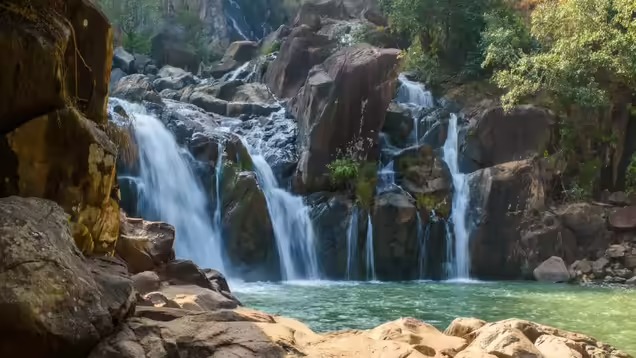
The terrain of East Singhbhum forms part of the Chota Nagpur plateau, characterized by rolling hills, forests, and river valleys. The Subarnarekha and Kharkai rivers flow through the district, playing a crucial role in supporting both agriculture and the industrial activities centered around Jamshedpur. This combination of natural plateau landscape and planned urban development gives the district a distinctive dual character within Jharkhand. The climate here is subtropical, with hot summers, a moderate monsoon season, and mild, pleasant winters, which are considered the best time to explore the district.
Historical Significance of East Singhbhum
East Singhbhum's modern identity is closely tied to the establishment of Jamshedpur by Jamsetji Tata in 1908, marking the birth of India's first major steel plant and one of the country's earliest planned industrial cities. This development transformed the region from a predominantly tribal and agricultural area into a significant industrial hub, attracting workers and settlers from across India while still retaining its deep tribal roots.
Before this industrial transformation, the wider Singhbhum region had a long history of habitation by indigenous communities, particularly the Ho and Santhal tribes, whose presence in the area dates back centuries. The region's forests and mineral-rich terrain made it historically significant, eventually attracting colonial and industrial interest that would shape its future development.
East Singhbhum was formed as a separate district when the larger Singhbhum district was divided into East and West Singhbhum, allowing for more focused administrative attention on the rapidly industrializing Jamshedpur region.
Culture and Traditions of East Singhbhum
The culture of East Singhbhum reflects a fascinating blend of industrial cosmopolitanism and traditional tribal heritage. Hindi and Bengali are widely spoken in the urban areas of Jamshedpur, given the historical influx of workers from various parts of India, while Ho and Santhali languages remain prevalent among the district's indigenous communities in rural areas.
Major festivals celebrated throughout the district include Durga Puja, Diwali, Holi, and Chhath Puja, observed with particular grandeur in Jamshedpur given its diverse, multicultural population. Tribal festivals such as Sarhul, marking the arrival of spring, and Karma, a harvest festival, hold deep significance in the district's rural and tribal communities, showcasing the enduring connection between the Ho and Santhal peoples and the natural world.
Traditional cuisine in East Singhbhum includes tribal dishes such as Dhuska, Pitha, and Rugra, alongside a wide variety of regional and pan-Indian cuisine available throughout cosmopolitan Jamshedpur, reflecting the city's diverse population.
Top Places to Visit in East Singhbhum
If you're planning to explore East Singhbhum, here are some places worth including in your itinerary:
1. Jubilee Park
One of the most popular attractions in Jamshedpur, Jubilee Park is a sprawling, well-maintained garden complex featuring a zoological park, rose garden, and musical fountain, making it a favorite spot for families and visitors alike.
2. Dimna Lake
Located amid scenic hills on the outskirts of Jamshedpur, Dimna Lake offers a peaceful natural retreat, popular for boating and picnicking, and provides a refreshing escape from the city's industrial bustle.
3. Tata Steel Zoological Park
Home to a variety of animal species, this zoological park in Jamshedpur is a popular destination for families and wildlife enthusiasts, reflecting the city's commitment to green spaces alongside its industrial identity.
4. Dalma Wildlife Sanctuary
Situated on the Dalma Hills near Jamshedpur, this sanctuary is known for its elephant population and offers trekking opportunities along with scenic views of the surrounding landscape, making it a favorite among nature lovers.
5. Ho and Santhal Tribal Villages
The rural areas surrounding Jamshedpur offer visitors a chance to experience the traditional lifestyles of the Ho and Santhal communities, including their distinctive art, customs, and forest-based livelihoods that have been preserved for generations.
Economy and Industry of East Singhbhum
East Singhbhum's economy is dominated by the presence of Tata Steel, one of India's largest and oldest steel manufacturing companies, headquartered in Jamshedpur. This industrial giant, along with numerous ancillary industries, provides employment to a significant portion of the district's population and has shaped Jamshedpur into one of India's most well-planned industrial cities.
Beyond steel and heavy industry, agriculture remains important in the district's rural areas, with paddy, maize, and pulses cultivated across the plateau region. Forest-based livelihoods also continue to support tribal communities in more remote parts of the district, while tourism centered around Jubilee Park, Dimna Lake, and Dalma Wildlife Sanctuary contributes to the local economy as well.
Education and Healthcare Facilities
Jamshedpur is home to well-established educational institutions, including XLRI Jamshedpur, one of India's premier business schools, along with numerous engineering colleges, schools, and universities that have developed alongside the city's industrial growth. This has given East Singhbhum a strong reputation for quality education within Jharkhand.
Healthcare facilities in the district include Tata Main Hospital, a well-regarded institution originally established to serve Tata Steel's workforce, along with numerous other government and private hospitals, giving East Singhbhum relatively robust healthcare infrastructure compared to many other districts in the state.
How to Reach East Singhbhum
East Singhbhum is well connected by rail and road, with Tatanagar Junction in Jamshedpur serving as a major railway station offering connectivity to Delhi, Kolkata, Mumbai, and other important cities across India. By road, national highways link the district to Ranchi, Kolkata, and Bhubaneswar, making bus and private vehicle travel convenient. Sonari Airport in Jamshedpur provides limited domestic flight connectivity, with Kolkata's airport also serving as a major alternative for travelers.
Best Time to Visit East Singhbhum
The best time to visit East Singhbhum is between October and March, when the weather is cool and pleasant, ideal for exploring Jubilee Park, Dimna Lake, and Dalma Wildlife Sanctuary. Summers can get quite hot, making outdoor exploration less comfortable, while the monsoon season, though beneficial for the surrounding plateau's greenery, can occasionally disrupt travel plans due to rainfall.
Conclusion
East Singhbhum represents a remarkable convergence of India's industrial ambition and Jharkhand's rich tribal heritage. From the planned urban beauty of Jamshedpur's Jubilee Park to the wildlife-rich Dalma hills and the enduring traditions of the Ho and Santhal communities, this district offers a compelling blend of modernity and tradition.
At Aonego, we always strive to bring you authentic and detailed information about every corner of India, especially places that often don't make it to mainstream tourism lists. East Singhbhum stands as a shining example of how industrial progress and indigenous culture can coexist and thrive together.
If you're planning a trip to Jharkhand, consider adding East Singhbhum to your itinerary for a blend of industrial heritage, scenic parks, wildlife, and tribal culture. Stay connected with Aonego for more insights into such hidden gems across Jharkhand and India.
"Travel is the only thing you buy that makes you richer."