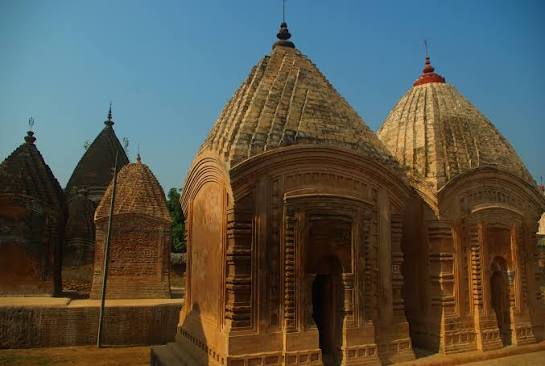
Dumka, Jharkhand: A Complete Journey Through Tribal Heritage and Tourism | Aonego
Located in the eastern part of Jharkhand, Dumka serves as the sub-capital of the state and the administrative heart of the Santhal Parganas region. Known for its strong Santhal tribal identity, scenic hills, and peaceful rural landscapes, Dumka offers a meaningful window into Jharkhand's indigenous culture and natural beauty. In this detailed guide by Aonego, let's explore everything you need to know about Dumka.
Geographical Overview of Dumka
Dumka district lies in the eastern part of Jharkhand, within the Santhal Parganas division, close to the border with West Bengal. It is bordered by Deoghar to the west, Godda to the north, Jamtara to the south, and Birbhum district of West Bengal to the east. The district's terrain features the characteristic hills and forests of the Chota Nagpur plateau, combined with fertile valleys that support agriculture.
Several small rivers and streams flow through the district, contributing to its agricultural productivity, while the surrounding hills add scenic variety to the landscape. This blend of forested hills and cultivated valleys gives Dumka a peaceful, rural character typical of much of the Santhal Parganas region. The climate here is subtropical, with hot summers, a moderate monsoon season, and mild, pleasant winters, which are considered the best time to explore the district.
Historical Significance of Dumka
Dumka's history is deeply connected to the Santhal Parganas region and its significance as a center of Santhal tribal life and resistance. The district holds particular historical importance due to its association with the Santhal Hul (rebellion) of 1855, one of the most significant tribal uprisings against British colonial rule, led by the legendary Santhal leaders Sidhu and Kanhu Murmu, who hailed from this region.
This rebellion, though ultimately suppressed, played a crucial role in shaping colonial policy toward tribal areas and remains a powerful symbol of Adivasi resistance and identity in Jharkhand's history. Dumka's significance as a center of Santhal culture and political consciousness continued into the modern era, eventually leading to its recognition as the sub-capital of Jharkhand following the state's formation in 2000, a status reflecting the importance of the Santhal Parganas region within the state's political landscape.
Culture and Traditions of Dumka
Dumka's culture is deeply rooted in Santhal tribal traditions, with Santhali being widely spoken alongside Hindi and Bengali, given the district's proximity to West Bengal. The Santhal community's rich artistic heritage, including traditional music, dance, and painting, forms a central part of the district's cultural identity, with Dumka often regarded as one of the key centers of Santhal culture in Jharkhand.
Sarhul, celebrating the blossoming of the sal tree and the arrival of spring, and Sohrai, a harvest festival marked by intricate wall paintings, are celebrated with great enthusiasm in Dumka's tribal communities. The Santhal community also observes Baha and other seasonal festivals connected to nature worship. Alongside these tribal celebrations, festivals such as Durga Puja, Diwali, and Holi are also observed throughout the district.
Traditional cuisine in Dumka includes Santhal dishes such as Pitha, Handia (a traditional rice beer), and dishes prepared using locally foraged forest produce, alongside more widely enjoyed regional fare common throughout Jharkhand and neighboring West Bengal.
Top Places to Visit in Dumka
If you're planning to explore Dumka, here are some places worth including in your itinerary:
1. Masanjore Dam
Also known as the Canada Dam, given the assistance received from Canada during its construction, Masanjore Dam on the Mayurakshi River is one of the most scenic attractions in the district, offering beautiful views and a peaceful setting for visitors.
2. Basukinath Temple
An important pilgrimage site near Dumka, Basukinath Temple is dedicated to Lord Shiva and attracts devotees throughout the year, particularly during the holy month of Sawan, often visited by pilgrims traveling to or from Deoghar's Baidyanath Temple.
3. Hijla Vihar
A scenic spot near the confluence of local rivers, Hijla Vihar offers a peaceful natural setting popular among visitors and locals for leisure and relaxation.
4. Sidhu Kanhu Park and Memorial Sites
Dedicated to the legendary leaders of the Santhal Hul rebellion, these memorial sites in and around Dumka honor the historical legacy of Sidhu and Kanhu Murmu, offering visitors insight into this important chapter of tribal resistance history.
5. Santhal Tribal Villages
The rural areas surrounding Dumka offer an authentic experience of Santhal village life, including traditional homes, community practices, and the distinctive art forms this community is known for, providing a meaningful cultural experience for visitors.
Economy and Agriculture of Dumka
Agriculture forms the backbone of Dumka's economy, with paddy, maize, and pulses cultivated across the district's fertile valleys. Forest-based livelihoods also remain important for many rural and tribal communities, given the district's proximity to forested hill regions.
Beyond agriculture, Dumka's status as the sub-capital of Jharkhand has contributed to some administrative and government-related economic activity. Religious tourism connected to Basukinath Temple, along with local trade and small-scale industries, further support the district's economy.
Education and Healthcare Facilities
Dumka is home to Sido Kanhu Murmu University, named after the historical Santhal leaders, reflecting the district's deep connection to its tribal heritage while serving as an important center of higher education for the Santhal Parganas region. The district also has numerous schools and colleges catering to the broader educational needs of its population.
Healthcare facilities in Dumka include government hospitals and primary health centers spread across the district, along with private clinics in the main town areas. As the sub-capital, Dumka has seen gradual improvements in healthcare infrastructure to serve both administrative staff and the general population.
How to Reach Dumka
Dumka is connected by road to major towns in Jharkhand and West Bengal, including Deoghar, Bhagalpur, and Kolkata, via state and national highways. The district has limited direct rail connectivity, with nearby stations in Deoghar and Rampurhat (West Bengal) serving as more accessible rail links for travelers. By road, buses and private vehicles remain the primary means of travel to and from Dumka. The nearest major airport is Deoghar Airport, with Kolkata's airport also serving as an alternative for travelers coming from further away.
Best Time to Visit Dumka
The best time to visit Dumka is between October and March, when the weather is cool and comfortable for exploring Masanjore Dam, Basukinath Temple, and the surrounding tribal villages. Visiting during Sawan offers a chance to witness the religious fervor surrounding Basukinath Temple, though this period also brings larger crowds. Summers can get quite hot, making outdoor exploration less comfortable during that season.
Conclusion
Dumka stands as a meaningful gateway into Jharkhand's Santhal tribal heritage and the historic legacy of the Santhal Hul rebellion. From the scenic beauty of Masanjore Dam to the spiritual significance of Basukinath Temple and the enduring memory of Sidhu and Kanhu Murmu, Dumka offers travelers a deeply cultural and historical experience within the Santhal Parganas region.
At Aonego, we always strive to bring you authentic and detailed information about every corner of India, especially places that often don't make it to mainstream tourism lists. Dumka is a fine example of how tribal history and identity continue to shape a region's character and pride.
If you're planning a trip to Jharkhand, consider adding Dumka to your itinerary for an authentic experience of Santhal culture, scenic dams, and pilgrimage heritage. Stay connected with Aonego for more insights into such hidden gems across Jharkhand and India.
"Travel is the only thing you buy that makes you richer."