Khunti, Jharkhand: A Complete Journey Through Birsa Munda's Legacy and Tourism | Aonego
Located in the southern part of Jharkhand, Khunti is a district of profound historical and cultural significance, widely known as the birthplace of the legendary tribal freedom fighter Birsa Munda. Surrounded by forested hills and home to a strong Munda tribal population, Khunti offers travelers a deeply meaningful journey into Jharkhand's indigenous heritage and its powerful legacy of resistance. In this detailed guide by Aonego, let's explore everything you need to know about Khunti.
Geographical Overview of Khunti
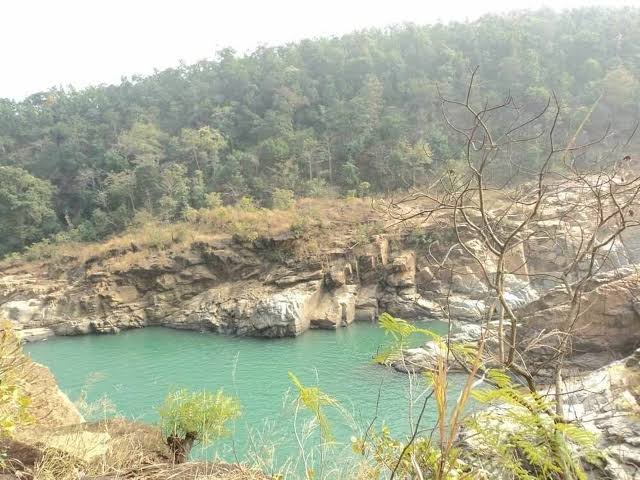
Khunti district lies in the southern part of Jharkhand, close to the state capital, Ranchi. It is bordered by Ranchi to the north, Simdega to the west, West Singhbhum to the south, and Saraikela Kharsawan to the east. The district forms part of the Chota Nagpur plateau, characterized by forested hills, rocky outcrops, and river valleys that give it a scenic and rugged natural landscape.
Several small rivers and streams flow through the district, supporting agriculture in the valley areas, while the surrounding forests contribute to Khunti's rich biodiversity. This combination of plateau terrain, dense forest cover, and river valleys makes Khunti one of the more ecologically significant districts in southern Jharkhand. The climate here is subtropical, with hot summers, a monsoon season that brings lush greenery to the forests, and cool, pleasant winters, which are considered the best time to explore the district.
Historical Significance of Khunti
Khunti holds a place of immense historical importance as the birthplace of Birsa Munda, one of India's most revered tribal freedom fighters and a symbol of Adivasi resistance against colonial exploitation. Born in the village of Ulihatu within present-day Khunti district, Birsa Munda led the Munda Rebellion (Ulgulan) in the late 19th century, fighting against British colonial policies and the exploitative landlord system that threatened tribal land rights and autonomy.
Birsa Munda's movement, though ultimately suppressed by colonial forces, left an indelible mark on India's freedom struggle and remains a powerful symbol of tribal identity and pride across Jharkhand and beyond. His legacy played a significant role in shaping the later demand for a separate tribal-majority state, eventually realized with the formation of Jharkhand in 2000.
Khunti was established as an independent district in 2007, carved out of Ranchi district to honor and preserve the historical and cultural significance of this region, deeply connected to one of India's most celebrated tribal leaders.
Culture and Traditions of Khunti
The culture of Khunti is deeply rooted in Munda tribal traditions, with Mundari widely spoken alongside Hindi and Sadri throughout the district. Given its status as Birsa Munda's homeland, the district carries a strong sense of tribal pride and cultural preservation, with traditional customs, art forms, and oral histories playing a central role in community life.
Sarhul, celebrating the blossoming of the sal tree and the arrival of spring, is one of the most significant festivals in Khunti, observed with great devotion across the district's Munda communities. Karma, a harvest festival honoring nature and ancestral spirits, is also celebrated with traditional songs and dances. Birsa Munda's birth anniversary, observed on November 15th, which also marks Jharkhand's statehood day, is celebrated with particular reverence throughout the district.
Traditional cuisine in Khunti includes tribal dishes such as Dhuska, Pitha, and Rugra, alongside Handia, a traditional rice beer commonly enjoyed during festivals and community gatherings, reflecting the deep connection between Khunti's Munda communities and their natural surroundings.
Top Places to Visit in Khunti
If you're planning to explore Khunti, here are some places that deserve a spot on your itinerary:
1. Ulihatu
The birthplace of Birsa Munda, Ulihatu is a village of immense historical significance, preserving memories and memorials connected to this legendary tribal leader. A visit here offers a deeply meaningful connection to the roots of Adivasi resistance in India.
2. Birsa Munda Memorial Sites
Various memorials and statues dedicated to Birsa Munda can be found throughout the district, honoring his contribution to tribal rights and India's broader freedom struggle, serving as important sites of reflection and remembrance.
3. Panchghagh Falls
A scenic waterfall located near Khunti, Panchghagh Falls is formed by five separate streams converging into a single cascade, offering a beautiful natural spectacle, particularly stunning during and after the monsoon season.
4. Rajadera Falls
Another notable natural attraction in the district, Rajadera Falls offers a peaceful setting amid forested surroundings, popular among visitors seeking a quieter nature experience away from more crowded destinations.
5. Munda Tribal Villages
The rural areas surrounding Khunti provide visitors an authentic opportunity to experience Munda tribal life, including traditional customs, art, and forest-based livelihoods that continue to be preserved across generations.
Economy and Agriculture of Khunti
Agriculture and forest-based livelihoods together form the backbone of Khunti's economy. The district's valley areas support the cultivation of paddy, maize, and pulses, while the surrounding forests provide additional livelihood opportunities through the collection of forest produce for many of the district's tribal communities.
Given Khunti's historical significance, heritage tourism connected to Birsa Munda's legacy has also become an increasingly important part of the local economy, drawing visitors interested in learning about this pivotal chapter of India's tribal and freedom struggle history. Small-scale trade and local markets further contribute to the district's economic activity.
Education and Healthcare Facilities
Khunti has been gradually developing its educational infrastructure, with government and private schools, along with a few colleges, serving the district's predominantly tribal youth population. Given the district's historical significance, several institutions and initiatives here also focus on preserving and promoting awareness of Birsa Munda's legacy and tribal culture.
Healthcare facilities in Khunti include government hospitals and primary health centers spread across the district, along with a limited number of private clinics in the main town areas. Given its proximity to Ranchi, residents also have relatively convenient access to more specialized medical care when needed.
How to Reach Khunti
Khunti is well connected by road to Ranchi, given its relatively close proximity to the state capital, with state highways providing convenient access for travelers. The district has limited direct rail connectivity, making Ranchi the more practical gateway for most visitors arriving by train or air. By road, buses and private vehicles offer convenient travel options to and from Khunti. The nearest major airport is Birsa Munda Airport in Ranchi, fittingly named after the district's most celebrated historical figure.
Best Time to Visit Khunti
The best time to visit Khunti is between October and March, when the weather is cool and comfortable for exploring Ulihatu, Panchghagh Falls, and the surrounding tribal villages. Visiting around November 15th offers the opportunity to witness the district's spirited celebrations of Birsa Munda's birth anniversary and Jharkhand's statehood day. The monsoon season, from July to September, is a beautiful time to see the district's waterfalls at their fullest, though travel through forested terrain should be approached with some caution during heavy rains.
Conclusion
Khunti stands as one of Jharkhand's most historically and culturally significant districts, forever connected to the legacy of Birsa Munda and the enduring spirit of tribal resistance and pride. From the deeply moving experience of visiting Ulihatu to the natural beauty of Panchghagh Falls and the rich traditions of its Munda communities, Khunti offers travelers a journey that is as educational as it is inspiring.
At Aonego, we always strive to bring you authentic and detailed information about every corner of India, especially places that carry profound historical and cultural significance. Khunti stands as a powerful testament to the courage and legacy of one of India's most celebrated tribal leaders.
If you're planning a trip to Jharkhand, Khunti is an essential destination, especially for those interested in tribal history, Adivasi culture, and the inspiring story of Birsa Munda. Stay connected with Aonego for more insights into such extraordinary destinations across Jharkhand and India.
"Travel is the only thing you buy that makes you richer."