Explore Jharkhand
Discover Jharkhand
Cities of Jharkhand
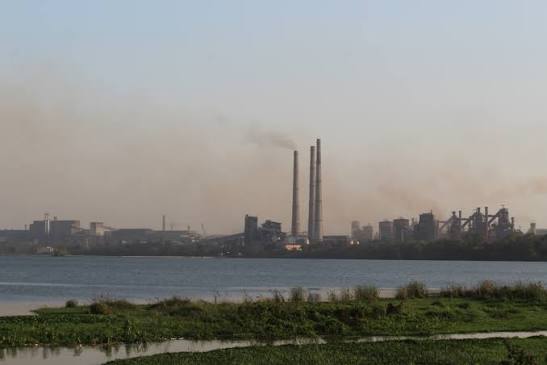
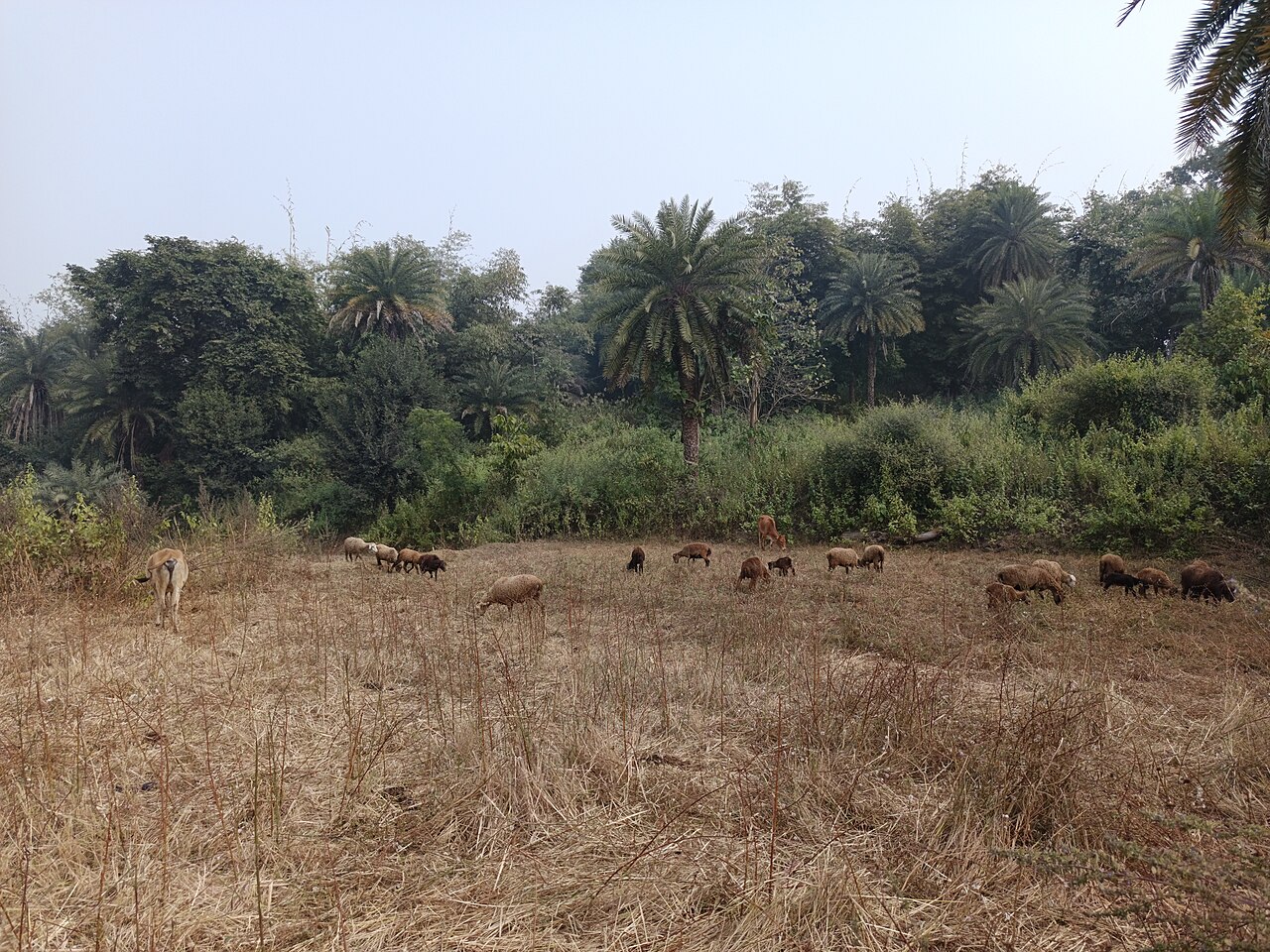
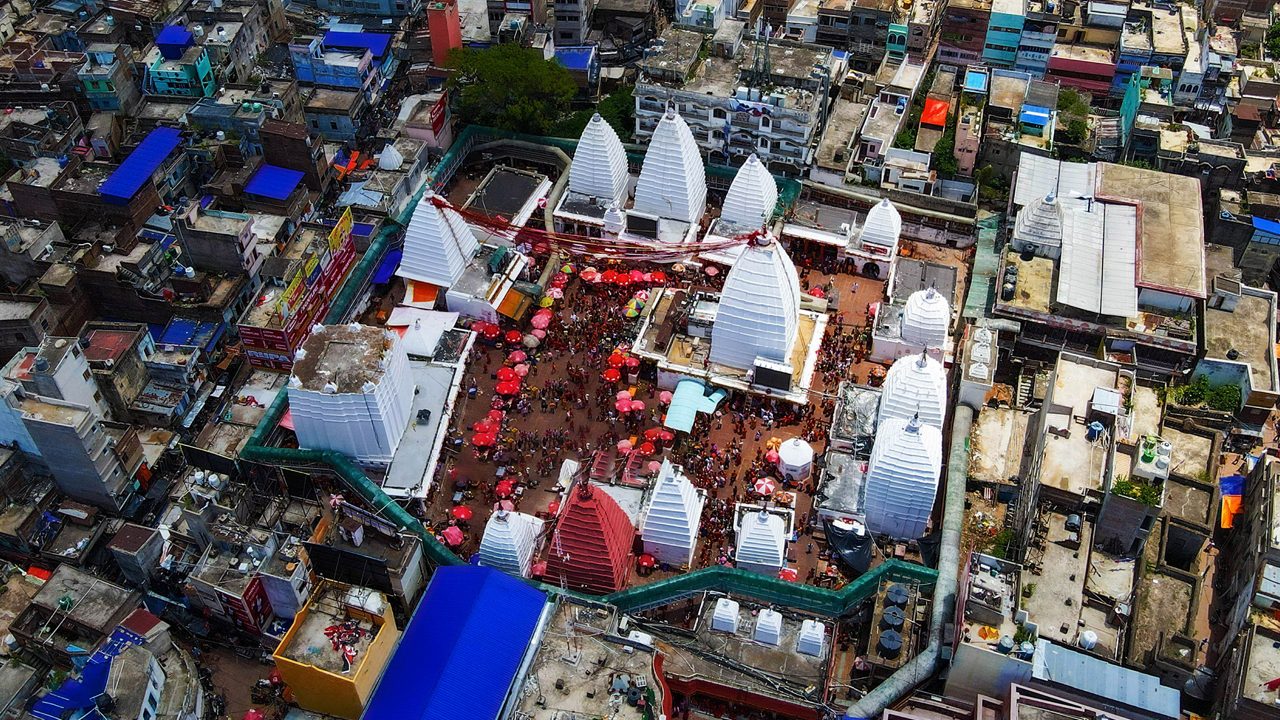
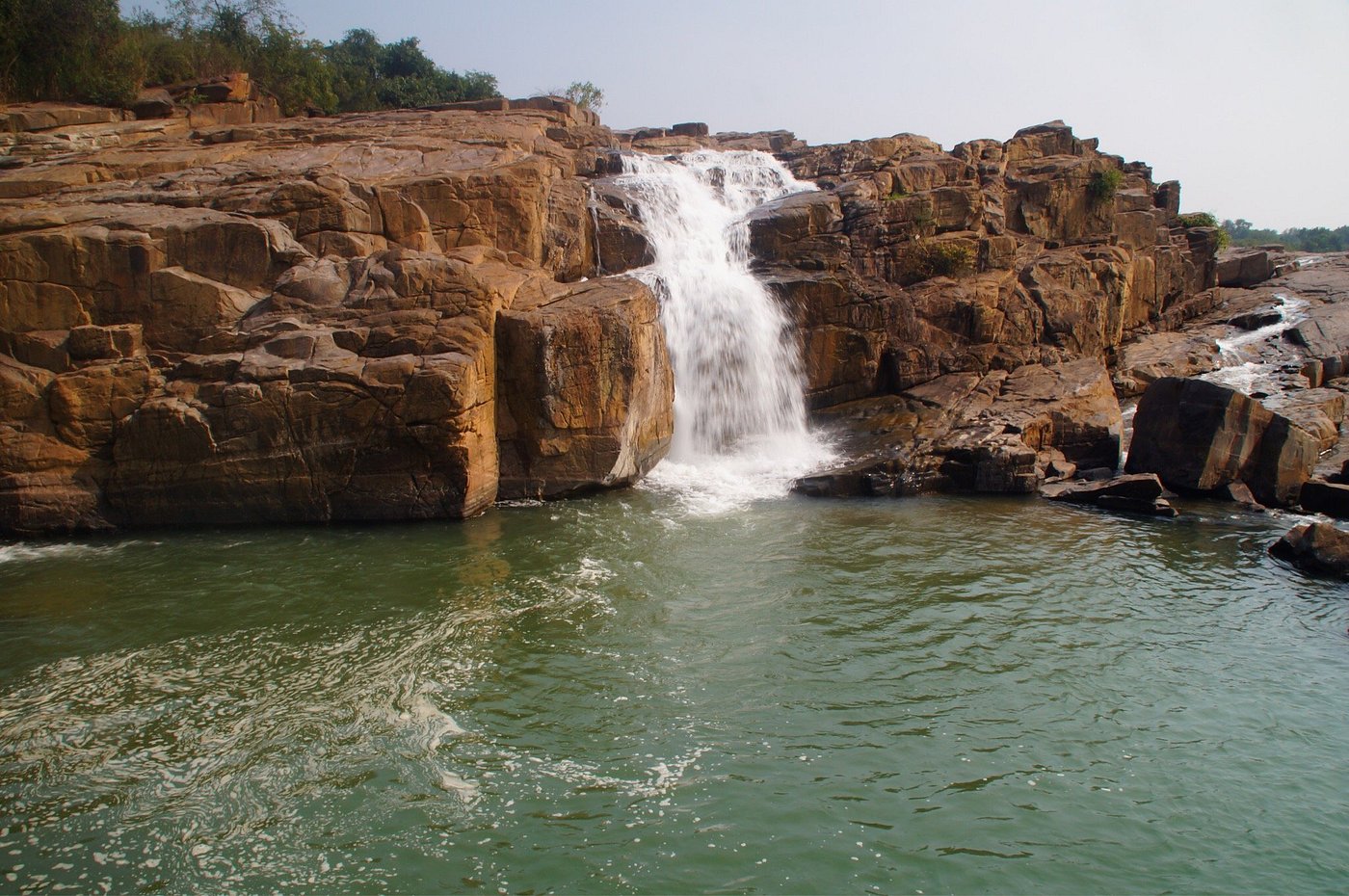
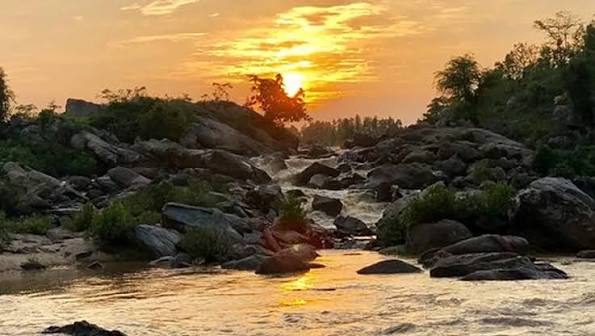
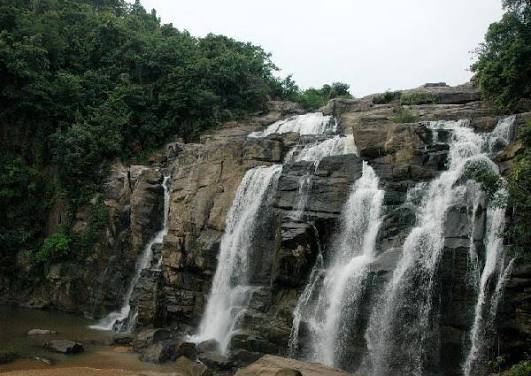
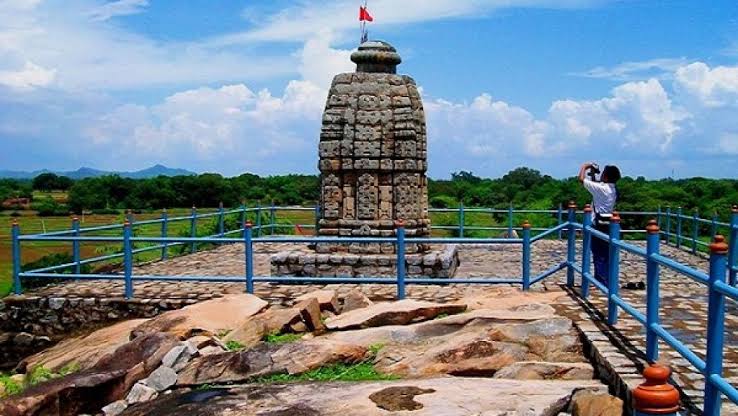
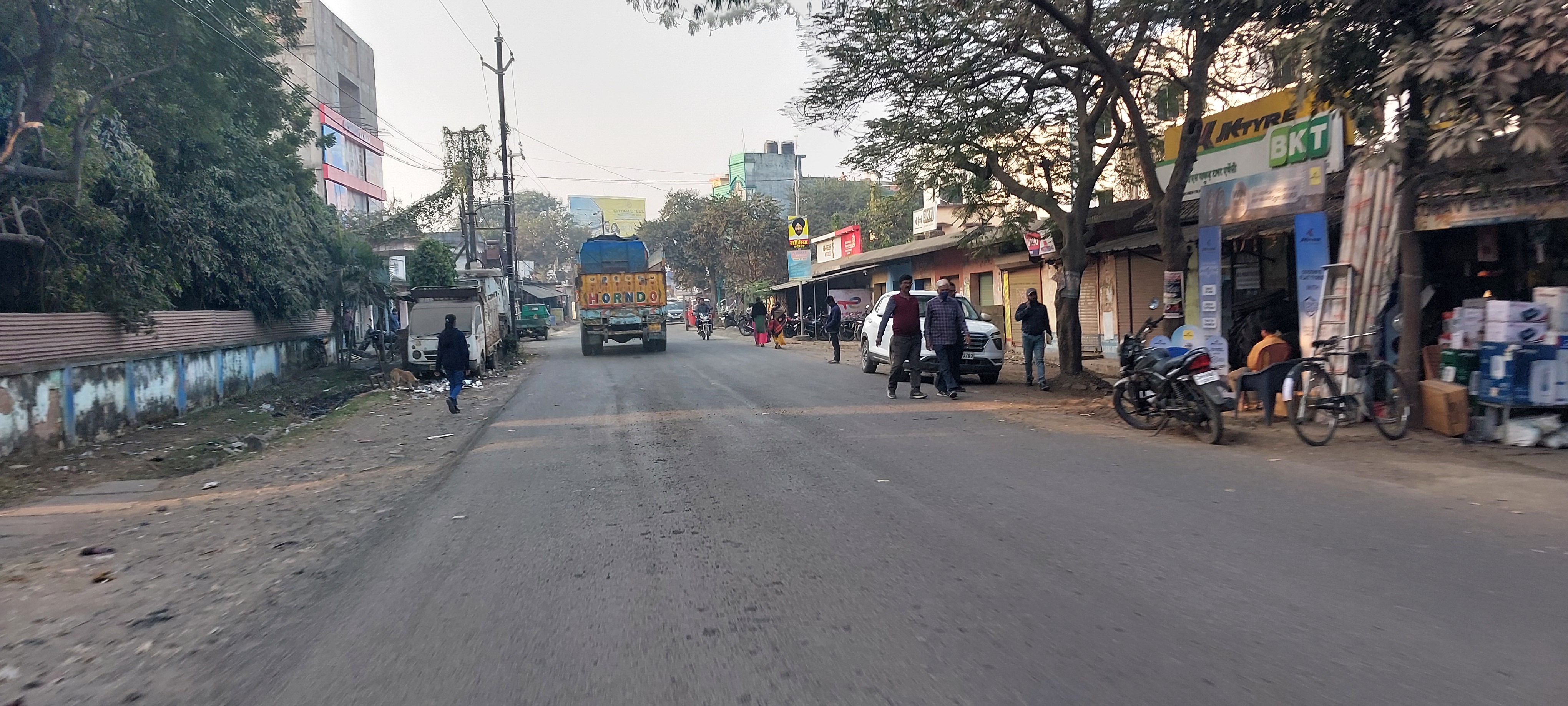
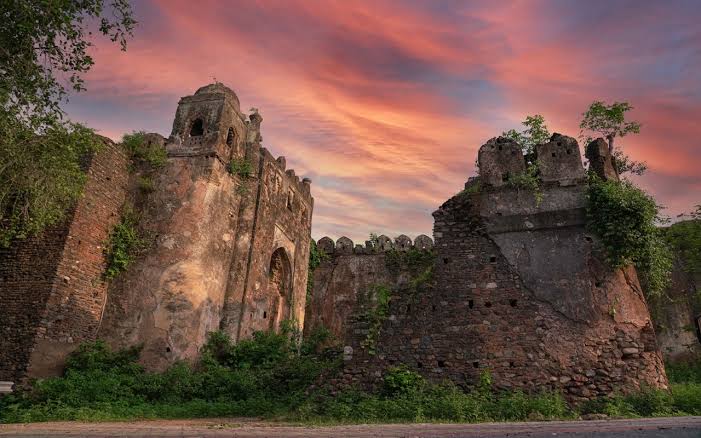
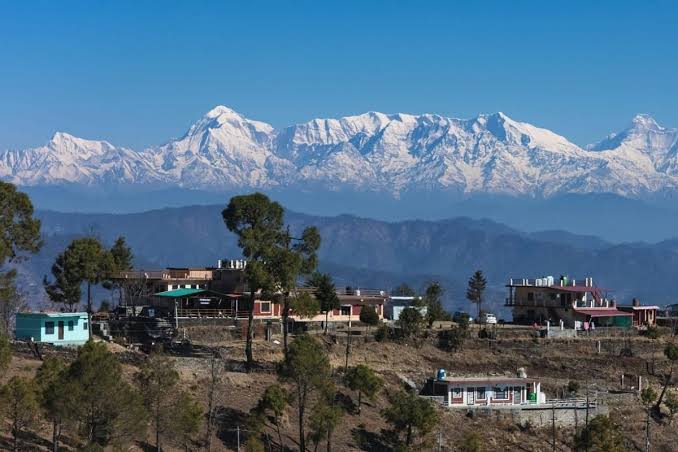
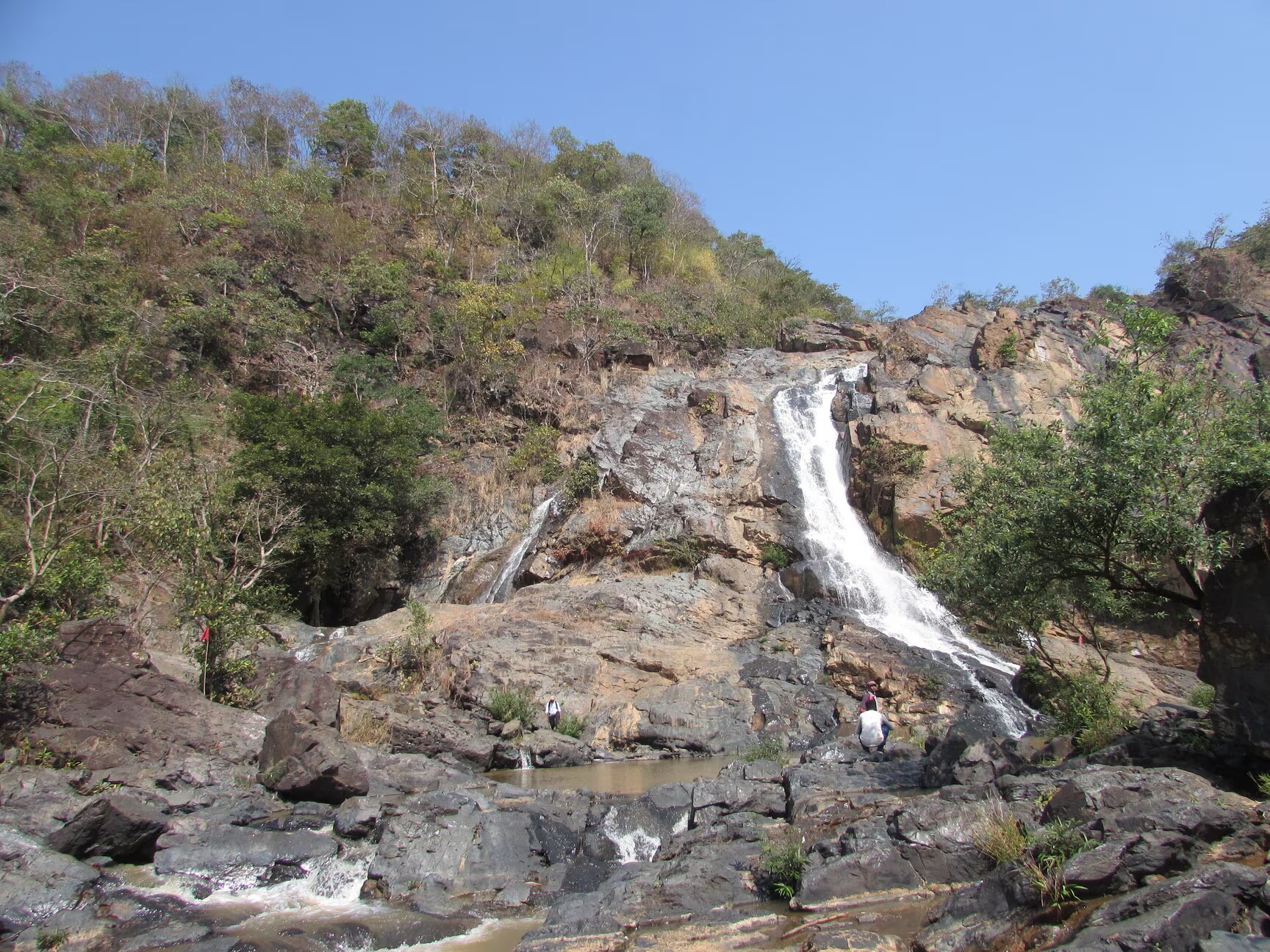
Jharkhand – The Land of Forests, Waterfalls and Tribal Heritage
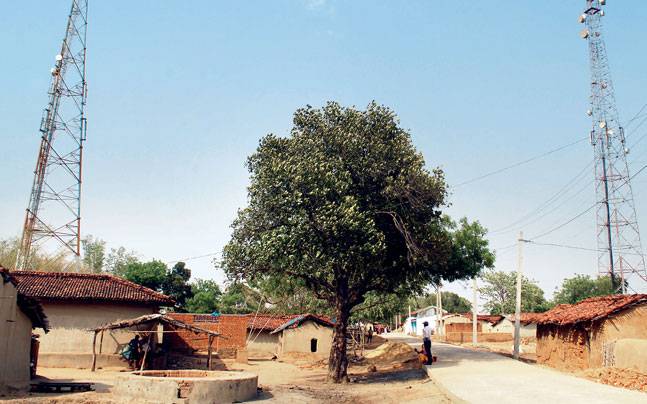
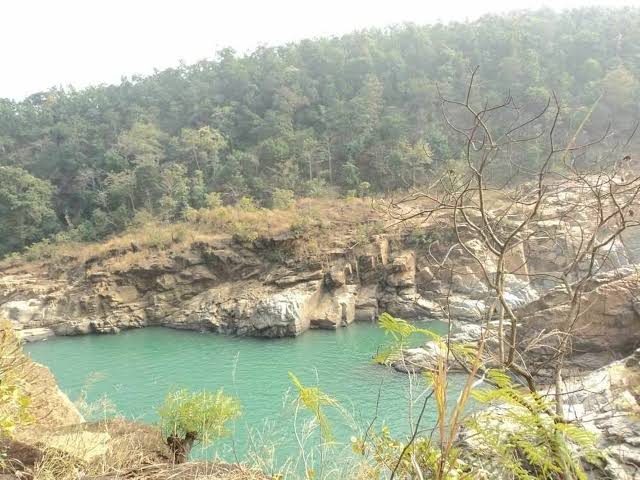
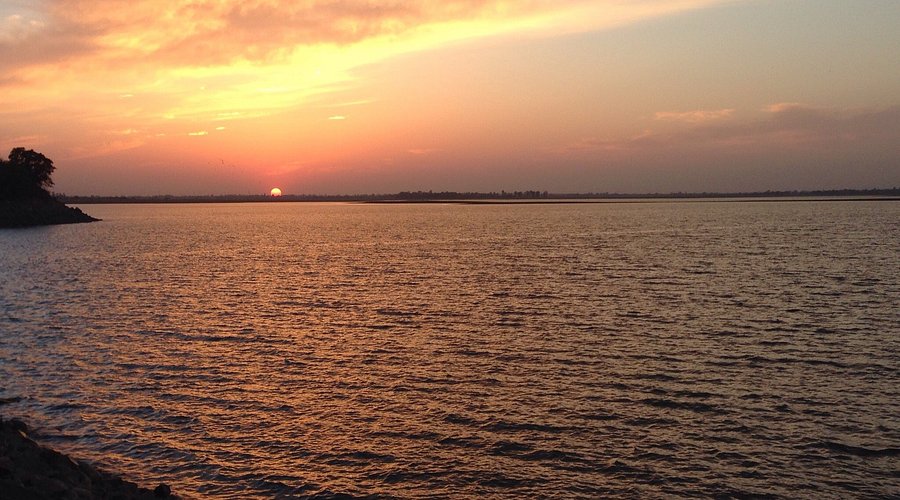
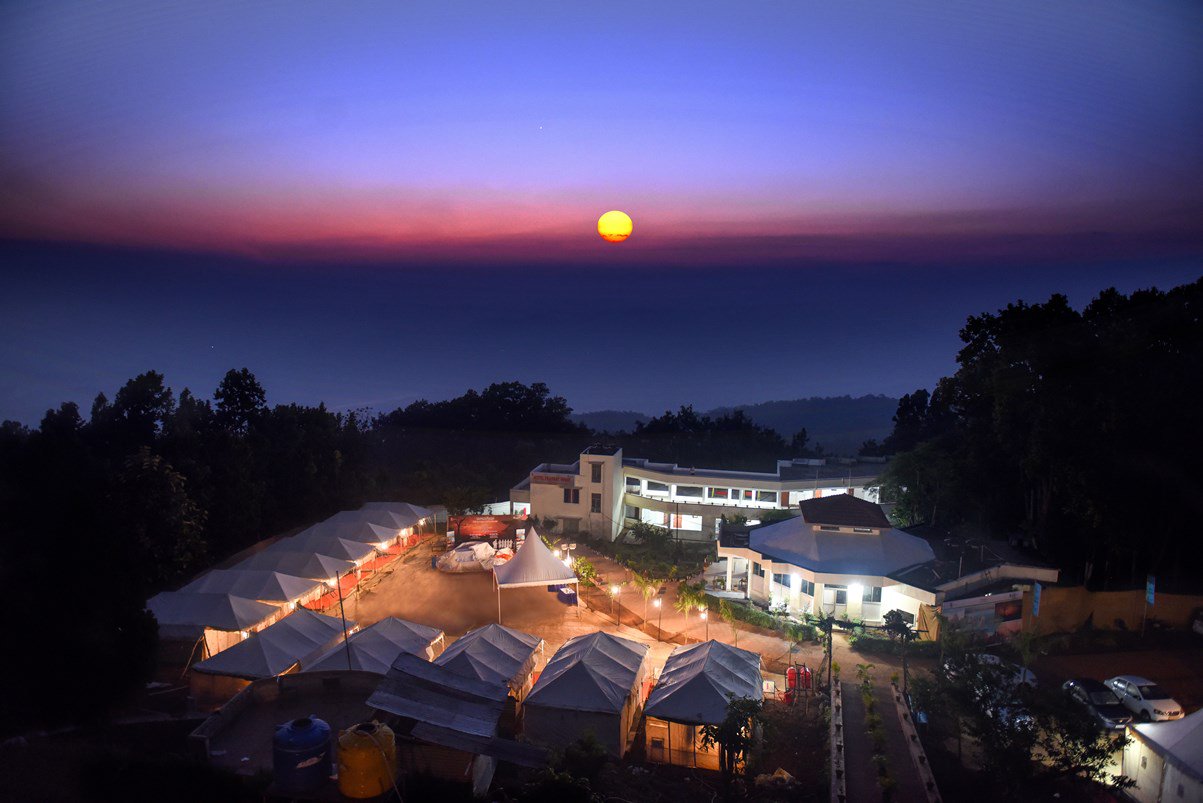
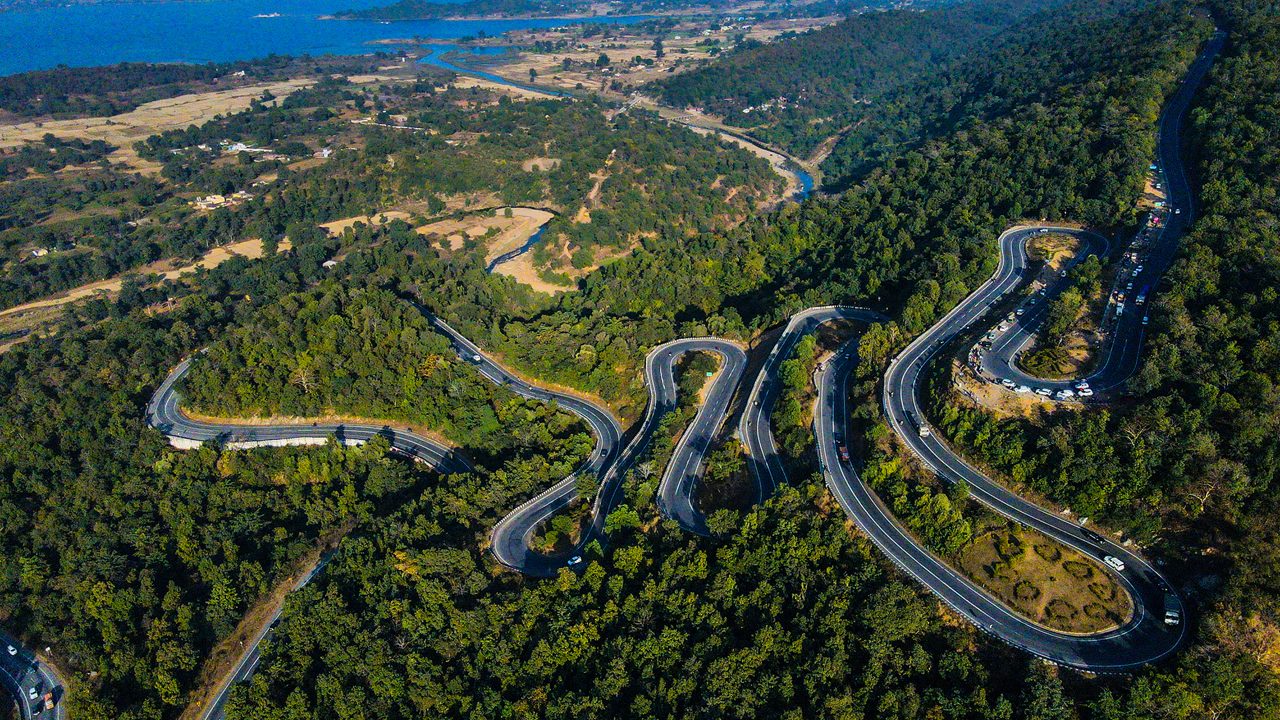
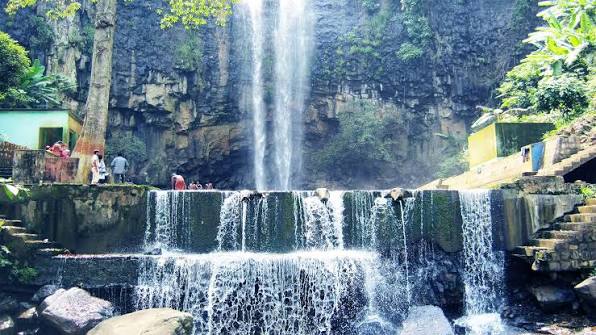
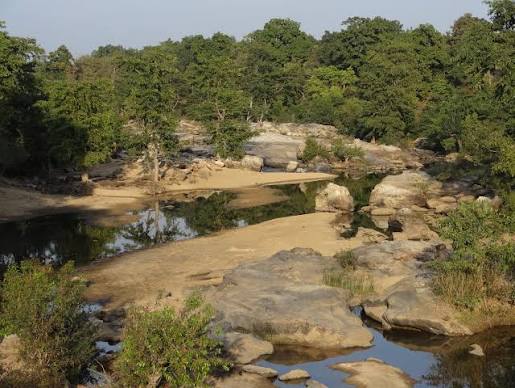
Jharkhand is a beautiful state in eastern India, known for its dense forests, spectacular waterfalls, rolling hills, rich mineral resources, wildlife, tribal traditions and ancient religious heritage. The name Jharkhand is commonly associated with the meaning “Land of Forests”, reflecting the important role that forests and natural landscapes have played in the identity of the region.
Created on 15 November 2000 from the southern part of the former state of Bihar, Jharkhand became the 28th state of India. Ranchi is the capital, while Dumka serves as the sub-capital. The state currently has 24 districts grouped into 5 divisions. :contentReference[oaicite:0]{index=0}
Jharkhand offers a fascinating combination of natural beauty, tribal culture, spirituality, history, wildlife and industrial heritage. From the spectacular waterfalls around Ranchi to the sacred temples of Deoghar and Parasnath, the state provides many different experiences for travellers.
Why Is Jharkhand Famous and Why Should You Visit?
Jharkhand is especially famous for its waterfalls, forests, hills, wildlife, tribal communities, mineral wealth, religious destinations and unique cultural traditions.
- Waterfalls: Jharkhand is home to spectacular waterfalls such as Hundru Falls, Dassam Falls and Jonha Falls.
- Forests: Large forested areas provide a rich natural environment and support diverse wildlife.
- Tribal Culture: Santhal, Munda, Oraon, Ho and other indigenous communities have contributed greatly to the state's cultural identity.
- Ranchi: The capital is surrounded by waterfalls, hills, forests and natural attractions.
- Deoghar: Famous for the Baidyanath Jyotirlinga and pilgrimage tourism.
- Parasnath: A major Jain pilgrimage destination located around the Parasnath Hills.
- Betla National Park: An important wildlife destination in the Palamu region.
- Netarhat: A scenic hill destination known for forests, sunsets and pleasant weather.
- Jamshedpur: A major industrial city known for its planned development and steel industry.
- Mineral Resources: Jharkhand is one of India's major mineral-rich states.
- Tribal Festivals: Sarhul, Karma, Sohrai and other festivals showcase the state's traditional culture.
- Traditional Handicrafts: Bamboo work, tribal paintings, dokra metal craft, textiles and woodwork are important cultural products.
The Jharkhand Government highlights the state's forests, rivers, waterfalls, wildlife, tribal culture and religious destinations as important parts of its identity. :contentReference[oaicite:1]{index=1}
History of Jharkhand
Ancient History
The region that forms present-day Jharkhand has a long history of human habitation. Its forests, hills and mineral resources influenced settlement patterns and the development of communities over centuries.
During ancient times, parts of the region were connected with larger political and cultural centres of northern and eastern India. The mineral wealth of the Chota Nagpur Plateau also made the region economically important.
Magadha and Ancient Kingdoms
During the period of the Mahajanapadas, the region surrounding present-day Jharkhand came under the influence of powerful kingdoms such as Magadha.
The state's location south of the Ganges and its natural resources contributed to its importance to neighbouring kingdoms and empires.
Medieval Period
During the medieval period, different parts of Jharkhand came under the influence of regional kingdoms and neighbouring powers. However, the forested and hilly geography allowed many indigenous communities to maintain strong local traditions and systems of social organisation.
British Period
The arrival of British colonial rule brought major changes to the region. Jharkhand's forests and mineral resources became increasingly important to colonial economic interests.
Mining, land revenue systems, forest policies and commercial exploitation affected local communities and contributed to several tribal uprisings.
Birsa Munda and Tribal Resistance
Birsa Munda is one of the most important historical figures associated with Jharkhand. Born in 1875, he became a tribal leader, religious figure and prominent symbol of resistance against British rule and exploitative land and forest systems.
His movement, commonly associated with the Ulgulan, became an important chapter in the history of tribal resistance in eastern India.
Other important tribal leaders associated with resistance movements include Sidhu and Kanhu Murmu, who played major roles in the Santhal rebellion of 1855–56.
Formation of Jharkhand
The demand for a separate Jharkhand state developed over several decades and was closely connected with questions of tribal identity, regional development, land, forests, culture and political representation.
After a long political movement, Jharkhand was officially created as India's 28th state on 15 November 2000, the birth anniversary of Birsa Munda. :contentReference[oaicite:2]{index=2}
Geography of Jharkhand
Jharkhand is located in eastern India and is largely characterised by the Chota Nagpur Plateau. The state is surrounded by Bihar to the north, Uttar Pradesh and Chhattisgarh to the west, Odisha to the south and West Bengal to the east. :contentReference[oaicite:3]{index=3}
The plateau landscape, forests, hills, rivers and waterfalls give Jharkhand a distinctive geographical character.
| Geographical Feature | Details |
|---|---|
| Region | Eastern India |
| Capital | Ranchi |
| Sub-Capital | Dumka |
| Area | Approximately 79,714 sq. km. |
| Districts | 24 |
| Divisions | 5 |
| Major Plateau | Chota Nagpur Plateau |
| Important Rivers | Damodar, Subarnarekha, South Koel, Barakar and Sankh |
The official state profile identifies the Chota Nagpur Plateau as the dominant geographical region and notes that rivers including the Koel, Damodar, Brahmani, Kharkai and Subarnarekha originate or have important upper watersheds within the state. :contentReference[oaicite:4]{index=4}
Forests of Jharkhand
Forests are one of the defining features of Jharkhand. Forest and woodland cover a significant part of the state and provide habitats for elephants, tigers, deer, birds and numerous other species.
The state government reports that forests and woodlands cover more than 29% of Jharkhand's geographical area. :contentReference[oaicite:5]{index=5}
Major Rivers
- Damodar River
- Subarnarekha River
- South Koel River
- Barakar River
- Sankh River
- Kharkai River
These rivers contribute to agriculture, water resources, ecosystems and the scenic landscapes of the state.
Climate of Jharkhand
Jharkhand has a predominantly tropical climate with distinct seasonal variations. The plateau geography means that several areas, particularly around Ranchi and other elevated regions, can experience comparatively pleasant weather during winter.
| Season | Approximate Period | Weather |
|---|---|---|
| Winter | November – February | Cool and generally pleasant, especially in plateau areas. |
| Summer | March – Mid-June | Hot, with high temperatures during May. |
| Monsoon | June – September | Rainy and humid, with greener landscapes and fuller waterfalls. |
| Autumn | October – November | Generally pleasant as the monsoon gradually withdraws. |
The Jharkhand Government identifies November to February as the most pleasant part of the year, while March to mid-June forms the hot-weather season. :contentReference[oaicite:6]{index=6}
Culture of Jharkhand
Jharkhand has a distinctive cultural identity shaped by its indigenous communities, regional traditions, forests and agricultural lifestyle.
The state is home to numerous tribal communities, including Santhal, Munda, Oraon, Ho, Kharia and others. Tribal traditions remain an important part of the state's festivals, music, dance, art and social life. :contentReference[oaicite:7]{index=7}
Tribal Communities
- Santhal
- Munda
- Oraon
- Ho
- Kharia
- Bhumij
- Birhor
- Asur
Folk Music
Traditional music is an important part of Jharkhand's cultural life. Folk instruments, community singing and seasonal songs are commonly associated with festivals and village celebrations.
Folk Dance
Popular traditional dance forms include Chhau, Jhumair, Paika and Santhali dances. These performances often combine music, community participation and traditional costumes.
Traditional Art
Jharkhand is also known for tribal art traditions, wall paintings, bamboo crafts, woodwork, metalwork and other forms of traditional craftsmanship.
Famous Places to Visit in Jharkhand
1. Ranchi
Ranchi is the capital of Jharkhand and one of the state's most popular tourist bases. The city is surrounded by waterfalls, forests, hills, lakes and cultural attractions.
Major attractions around Ranchi include Hundru Falls, Dassam Falls, Jonha Falls, Rock Garden, Tagore Hill and Jagannath Temple.
2. Hundru Falls
Hundru Falls is one of Jharkhand's most famous waterfalls. The Subarnarekha River plunges from a considerable height to create a spectacular natural attraction.
The waterfall is particularly impressive during and after the monsoon season when the flow increases.
3. Dassam Falls
Dassam Falls is located near Ranchi and is formed by the Kanchi River. Surrounded by greenery and rocky landscapes, it is one of the most popular natural attractions in the Ranchi region.
4. Jonha Falls
Jonha Falls, also known as Gautamdhara, is another scenic waterfall near Ranchi. Visitors can enjoy the surrounding forested landscape and the natural beauty of the area.
5. Netarhat
Netarhat is a peaceful hill destination in Latehar district. Often associated with forests, hills, sunrise and sunset views, Netarhat provides a refreshing escape from busy urban areas.
6. Betla National Park
Betla National Park is one of Jharkhand's most important wildlife destinations. It forms part of the Palamau Tiger Reserve landscape and is known for its forests and diverse wildlife.
Visitors may encounter elephants, deer, gaur and various bird species, while the larger landscape supports important wildlife populations.
7. Deoghar
Deoghar is one of Jharkhand's most important pilgrimage destinations. It is famous for the Baba Baidyanath Temple, one of the twelve Jyotirlingas traditionally recognised in Hinduism.
The city attracts large numbers of pilgrims, especially during the Shravani Mela.
8. Parasnath Hills
Parasnath Hills in Giridih district are among the most important Jain pilgrimage destinations in India. The hill is associated with numerous Jain temples and sacred sites.
9. Jamshedpur
Jamshedpur is one of India's major industrial cities and is closely associated with the Tata steel industry. The city is known for its planned layout, parks, lakes and industrial heritage.
Popular attractions include Jubilee Park, Tata Steel Zoological Park, Dimna Lake and Dalma Wildlife Sanctuary.
10. Dalma Wildlife Sanctuary
Located near Jamshedpur, Dalma Wildlife Sanctuary is known for its forested hills and elephant population. The sanctuary provides opportunities for wildlife and nature experiences.
11. Hazaribagh
Hazaribagh is known for forests, hills, lakes and wildlife. The region provides access to natural attractions and the Hazaribagh Wildlife Sanctuary area.
12. Patratu
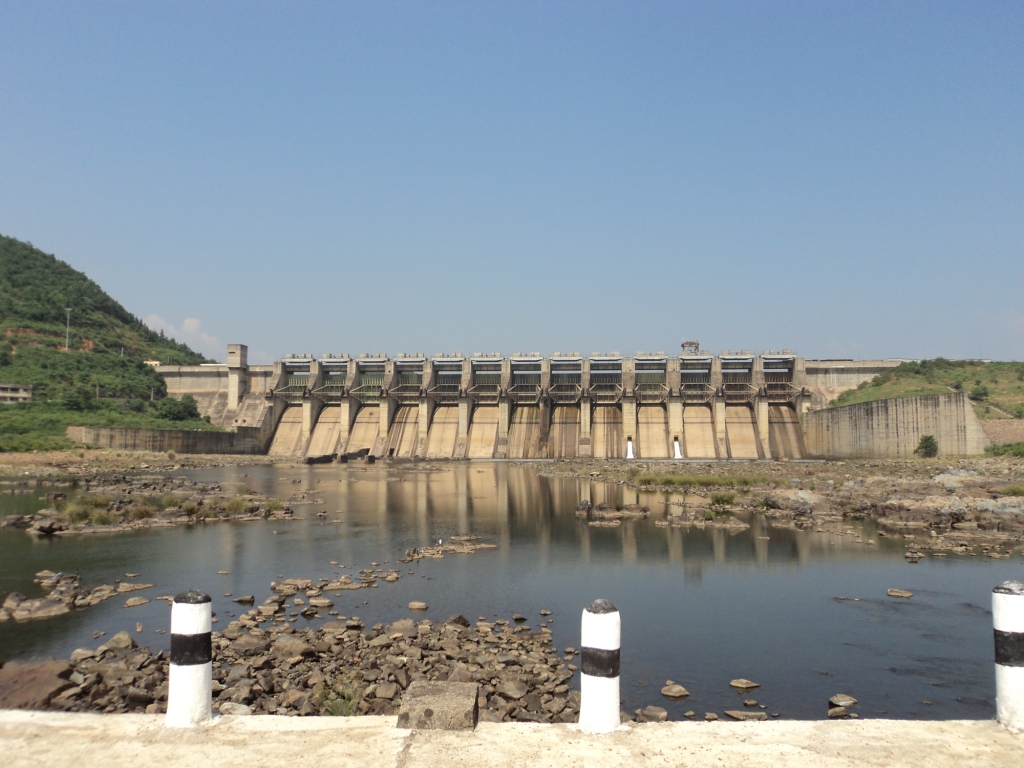
Patratu is known for its scenic valley, reservoir and winding roads through the hills. Patratu Dam is one of the most popular attractions in the region.
13. Rajrappa
Rajrappa is an important religious destination known for the Chhinnamasta Temple, located near the confluence of the Damodar and Bhairavi rivers.
14. Maluti Temples
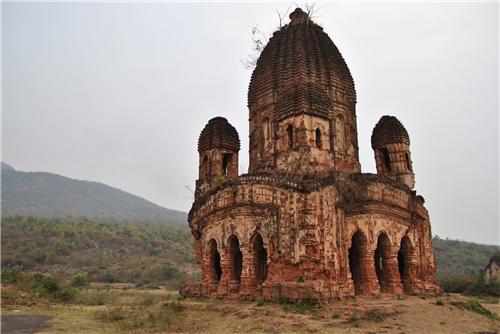
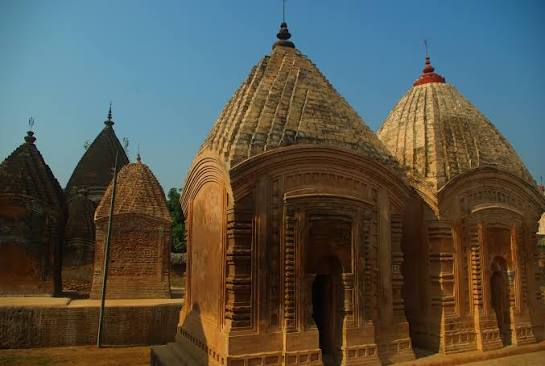
The historic temple village of Maluti in Dumka district is known for its collection of terracotta temples and distinctive architectural heritage.
15. Palamu Forts
The historic Palamu Forts near Betla provide an interesting combination of heritage and natural surroundings. The forts are associated with the history of the Chero rulers of the region.
Famous Waterfalls of Jharkhand
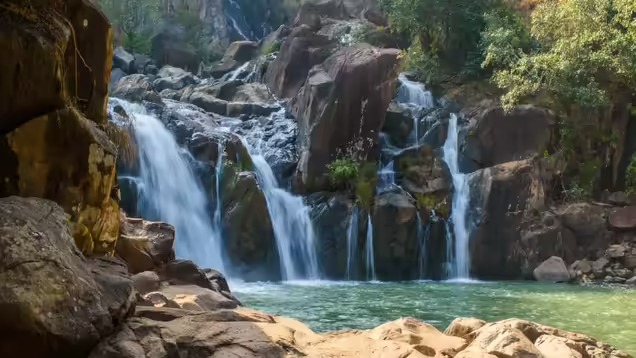
Waterfalls are among Jharkhand's most recognisable natural attractions. The state's plateau terrain and numerous rivers create several spectacular cascades.
- Hundru Falls
- Dassam Falls
- Jonha Falls
- Hirni Falls
- Usri Falls
- Lodh Falls
- Panch Gagh Falls
- Lower Ghaghri Falls
The waterfalls are generally at their most impressive during or shortly after the monsoon, although travellers should take care around slippery rocks and strong water currents.
Famous Food of Jharkhand
Jharkhand's cuisine reflects its tribal, rural and regional traditions. Many traditional dishes are prepared using locally available grains, vegetables, forest produce and seasonal ingredients.
Popular Jharkhand Dishes
- Dhuska: A popular deep-fried rice and lentil preparation often served with curry.
- Rugra: A seasonal forest produce traditionally used in local cuisine.
- Chilka Roti: A traditional rice-based preparation.
- Arsa Roti: A traditional sweet preparation made during festivals and special occasions.
- Malpua: A popular sweet dish enjoyed across the region.
- Thekua: A traditional sweet snack commonly associated with festivals.
- Handia: A traditional fermented rice drink associated with tribal communities.
- Dubki Roti: A traditional preparation found in parts of the region.
- Baigan Bharta: Roasted and mashed eggplant prepared with spices.
- Dal Pitha: A rice-based preparation filled with lentils and spices.
Famous Personalities Associated with Jharkhand
Birsa Munda
Birsa Munda is perhaps the most widely recognised historical personality associated with Jharkhand. He was a tribal leader and freedom fighter whose movement challenged British rule and exploitative systems affecting tribal communities.
Sidhu Murmu
Sidhu Murmu was one of the principal leaders of the Santhal rebellion of 1855–56. He is remembered as an important figure in the history of tribal resistance.
Kanhu Murmu
Kanhu Murmu, brother of Sidhu Murmu, was another major leader of the Santhal rebellion and remains an important figure in Jharkhand's historical memory.
Jaipal Singh Munda
Jaipal Singh Munda was an important tribal leader, politician and advocate for the political and social interests of indigenous communities. He also represented India in hockey at the 1928 Olympics and was associated with the movement for a separate Jharkhand state.
Mahendra Singh Dhoni
Mahendra Singh Dhoni was born in Ranchi and became one of India's most successful international cricketers. He captained India to major international titles and remains strongly associated with Jharkhand's sporting identity.
Deepika Kumari
Deepika Kumari is an internationally recognised Indian archer from Jharkhand. She has represented India at major international competitions and has contributed significantly to the state's sporting profile.
Famous Festivals of Jharkhand
Sarhul
Sarhul is one of the major festivals celebrated by several tribal communities of Jharkhand. It is closely connected with nature, forests, trees and the arrival of spring.
Karma Festival
Karma is a major tribal festival associated with the worship of the Karma tree and celebrations involving music, dance and community gatherings.
Sohrai
Sohrai is traditionally associated with agriculture, cattle and harvest celebrations. Homes are often decorated with distinctive traditional paintings during the festival.
Tusu Festival
Tusu is a popular winter and harvest-related festival celebrated particularly in rural areas. Traditional songs and community celebrations are important parts of the festival.
Chhath Puja
Chhath Puja is widely celebrated in Jharkhand, with devotees gathering near rivers, ponds and other water bodies to offer prayers to the Sun.
Shravani Mela
The Shravani Mela at Deoghar is one of the state's largest religious gatherings. Devotees travel to Baba Baidyanath Temple during the holy month of Shravan.
Jamshedpur International Film Festival and Cultural Events
Jharkhand's cities also host modern cultural events, while traditional tribal festivals remain important throughout the state.
Tribal Art and Handicrafts of Jharkhand
Jharkhand's tribal communities have a rich tradition of arts and crafts.
- Sohrai Paintings
- Khovar Art
- Bamboo Crafts
- Wood Carving
- Dokra Metal Craft
- Terracotta Work
- Traditional Textiles
- Tribal Jewellery
Sohrai and Khovar paintings are particularly associated with Jharkhand's traditional wall-art heritage and use natural motifs inspired by animals, plants and everyday life.
Wildlife and Nature in Jharkhand
Jharkhand's forests provide habitat for a diverse range of wildlife. The state's protected areas and forest landscapes are particularly important for elephants, tigers, deer, gaur and numerous bird species.
Betla National Park
Betla National Park is one of Jharkhand's best-known wildlife destinations. It is part of the larger Palamau Tiger Reserve landscape and provides opportunities for wildlife viewing and forest exploration.
Dalma Wildlife Sanctuary
Dalma Wildlife Sanctuary near Jamshedpur is particularly known for its elephant population and forested hill environment.
Hazaribagh Wildlife Sanctuary
The Hazaribagh region is known for forests, hills and wildlife habitats and provides opportunities for nature exploration.
Palamau Tiger Reserve
The Palamau Tiger Reserve is one of India's important tiger conservation landscapes and contains extensive forest areas in the western part of Jharkhand.
Things to Do in Jharkhand
- Visit the waterfalls around Ranchi.
- Explore the forests and wildlife of Betla National Park.
- Visit the sacred Baidyanath Temple in Deoghar.
- Explore the Jain pilgrimage sites around Parasnath.
- Enjoy the scenic landscape of Netarhat.
- Visit Patratu Dam and explore the surrounding hills.
- Explore the historic Palamu Forts.
- Visit Rajrappa and the Chhinnamasta Temple.
- Explore the industrial heritage of Jamshedpur.
- Visit tribal villages and cultural centres where appropriate.
- Experience traditional Jharkhand cuisine.
- Shop for tribal handicrafts and traditional artwork.
- Enjoy photography around waterfalls, forests and hills.
- Attend traditional cultural festivals.
- Explore the natural landscapes of Hazaribagh and surrounding regions.
Best Time to Visit Jharkhand
The best time to visit Jharkhand depends on the type of experience you are looking for. The cooler months are generally comfortable for sightseeing, while the monsoon brings the state's waterfalls and forests to life.
| Season | Months | Travel Experience |
|---|---|---|
| Winter | November – February | Cool and comfortable weather for sightseeing, heritage and wildlife trips. |
| Summer | March – June | Hot in many areas, although hill destinations can provide some relief. |
| Monsoon | July – September | Green landscapes and impressive waterfalls, with possible rain-related travel disruptions. |
| Autumn | October – November | Pleasant weather and greener landscapes after the monsoon. |
October to March is generally a comfortable period for exploring many parts of Jharkhand. If waterfalls are the main attraction, the monsoon and immediately following months can provide particularly impressive scenery.
How to Reach Jharkhand
By Air
Birsa Munda Airport in Ranchi is the principal airport serving Jharkhand's capital and provides air connectivity with major Indian cities.
Travellers visiting other parts of the state can also consider nearby airports outside Jharkhand depending on their destination.
By Train
Jharkhand has an extensive railway network because of its industrial importance. Major railway centres include Ranchi, Jamshedpur, Dhanbad, Bokaro, Deoghar and Hazaribagh.
By Road
Jharkhand is connected by highways with Bihar, West Bengal, Odisha, Chhattisgarh and Uttar Pradesh. Road travel is particularly convenient for exploring waterfalls, hill destinations and rural areas.
Local Transportation in Jharkhand
- State and private buses
- Auto-rickshaws
- Taxis
- App-based cab services in major cities
- Rental cars
- Local trains
- Private vehicles for waterfall and hill trips
For destinations located away from major cities, hiring a private vehicle can be convenient because many waterfalls, forests and rural attractions are spread across larger areas.
Shopping in Jharkhand
Jharkhand offers a combination of modern shopping areas and traditional handicraft markets.
What to Buy
- Tribal paintings
- Sohrai artwork
- Khovar paintings
- Bamboo products
- Dokra metal crafts
- Wooden handicrafts
- Traditional textiles
- Tribal jewellery
- Local honey
- Forest and agricultural products
Where to Stay in Jharkhand
Jharkhand offers accommodation ranging from budget hotels and guesthouses to luxury hotels, resorts and nature-oriented properties.
- Ranchi: Best suited for city sightseeing and exploring nearby waterfalls.
- Jamshedpur: Suitable for business, industrial tourism and nearby nature destinations.
- Deoghar: Convenient for pilgrimage and temple tourism.
- Netarhat: Suitable for a peaceful hill and nature getaway.
- Betla: Convenient for wildlife and forest experiences.
- Hazaribagh: Suitable for exploring forests, hills and nearby attractions.
Famous Religious Places in Jharkhand
Baba Baidyanath Temple – Deoghar
The Baba Baidyanath Temple is one of the most important Hindu pilgrimage destinations in Jharkhand and is traditionally recognised as one of the twelve Jyotirlingas.
Parasnath Hills – Giridih
Parasnath Hills are one of the most sacred Jain pilgrimage destinations in India. The hill is associated with numerous Jain Tirthankaras and temples.
Rajrappa Temple
The Chhinnamasta Temple at Rajrappa is an important Shakti pilgrimage centre situated near the confluence of the Damodar and Bhairavi rivers.
Jagannath Temple – Ranchi
The Jagannath Temple in Ranchi is an important religious landmark and hosts an annual Rath Yatra.
Major Cities of Jharkhand
Ranchi
Ranchi is the capital city and an important centre for administration, education, business and tourism.
Jamshedpur
Jamshedpur is one of India's best-known industrial cities and is closely connected with the Tata steel industry.
Dhanbad
Dhanbad is widely associated with coal mining and is an important industrial and commercial centre.
Bokaro
Bokaro is another major industrial city and is particularly known for its steel plant and planned urban development.
Deoghar
Deoghar is one of Jharkhand's most important pilgrimage cities and a major destination for religious tourism.
Hazaribagh
Hazaribagh is known for forests, hills, lakes and its surrounding natural landscapes.
Nearby Places to Visit from Jharkhand
- Kolkata: Explore the cultural and historical capital of West Bengal.
- Bodh Gaya: Visit one of the world's most important Buddhist pilgrimage destinations.
- Rajgir: Explore ancient Buddhist and Jain heritage in Bihar.
- Varanasi: Experience one of India's most historic religious cities.
- Puri: Visit the famous Jagannath Temple and Odisha's coast.
- Bhubaneswar: Explore Odisha's temples and architectural heritage.
- Raipur: Explore the capital and cultural attractions of Chhattisgarh.
Suggested Jharkhand Travel Plans
2-Day Ranchi Trip
- Day 1: Ranchi city, Jagannath Temple, Rock Garden and Tagore Hill.
- Day 2: Hundru Falls, Dassam Falls and nearby natural attractions.
3-Day Nature Trip
- Day 1: Ranchi sightseeing and nearby waterfalls.
- Day 2: Patratu Valley and Patratu Dam.
- Day 3: Netarhat and surrounding forest landscapes.
4-Day Heritage and Pilgrimage Trip
- Day 1: Ranchi sightseeing.
- Day 2: Deoghar and Baidyanath Temple.
- Day 3: Rajrappa and nearby heritage attractions.
- Day 4: Parasnath Hills and surrounding areas.
Travel Tips for Jharkhand
- Choose the season carefully: Summer can be hot, while monsoon travel can involve heavy rain.
- Visit waterfalls carefully: Rocks can become extremely slippery during and after the monsoon.
- Carry comfortable footwear: Many natural attractions involve walking on uneven terrain.
- Carry drinking water: Keep sufficient water during long road trips.
- Respect tribal communities: Follow local customs and ask permission before photographing people.
- Respect religious places: Follow local dress and entry guidelines.
- Plan wildlife trips: Check safari timings and entry requirements in advance.
- Keep the environment clean: Avoid plastic waste around waterfalls, forests and wildlife areas.
- Use local guides where useful: Local knowledge can improve experiences at heritage and nature destinations.
- Plan remote journeys: Some natural attractions have limited public transportation.
What Is Jharkhand Famous For?
- Waterfalls and forests
- Chota Nagpur Plateau
- Tribal culture
- Birsa Munda
- Santhal heritage
- Baba Baidyanath Temple
- Parasnath Hills
- Betla National Park
- Netarhat
- Patratu Valley
- Jamshedpur
- Coal and mineral resources
- Sohrai and Khovar art
- Traditional tribal festivals
- Dhuska and other local dishes
Why Visit Jharkhand?
Jharkhand is an excellent destination for travellers looking beyond India's most heavily commercialised tourist circuits. Its biggest attractions are its natural landscapes, waterfalls, forests, wildlife, tribal culture and spiritual heritage.
Travellers can explore the waterfalls around Ranchi, experience the forests of Betla, visit the sacred temples of Deoghar and Rajrappa, explore the Jain heritage of Parasnath and discover the industrial history of Jamshedpur and Dhanbad.
The state also offers an opportunity to learn about the traditions of indigenous communities through festivals, music, dance, art and food.
Conclusion
Jharkhand is a fascinating destination where forests, waterfalls, hills, wildlife, spirituality and tribal heritage come together. From the spectacular Hundru and Dassam Falls to the peaceful landscapes of Netarhat, the wildlife of Betla and the spiritual importance of Deoghar and Parasnath, the state offers a diverse travel experience.
Its history is equally significant, with the legacy of Birsa Munda, the Santhal rebellion and the long movement for a separate Jharkhand state forming an important part of its identity.
For nature lovers, history enthusiasts, pilgrims, wildlife enthusiasts and travellers interested in indigenous cultures, Jharkhand provides many opportunities for exploration.
Jharkhand is a land where forests, waterfalls, ancient traditions and vibrant tribal culture create a distinctive travel experience in eastern India.