History
Pathankot is an ancient settlement with a history shaped by Rajput rulers, Sikh traditions and its strategic location near the Himalayan foothills. Historical accounts associate the wider region with the former princely state of Nurpur, whose rulers controlled territories around the foothills.
The region was ruled by Rajput dynasties before coming under British control during the nineteenth century. Its location on routes connecting Punjab with Jammu and the hill regions made it an important transportation and military centre.
Pathankot was formerly a tehsil of Gurdaspur district and became a separate district on 27 July 2011. Today, it serves as an important gateway for travellers heading towards Dalhousie, Chamba, Kangra and other Himalayan destinations.
Geography
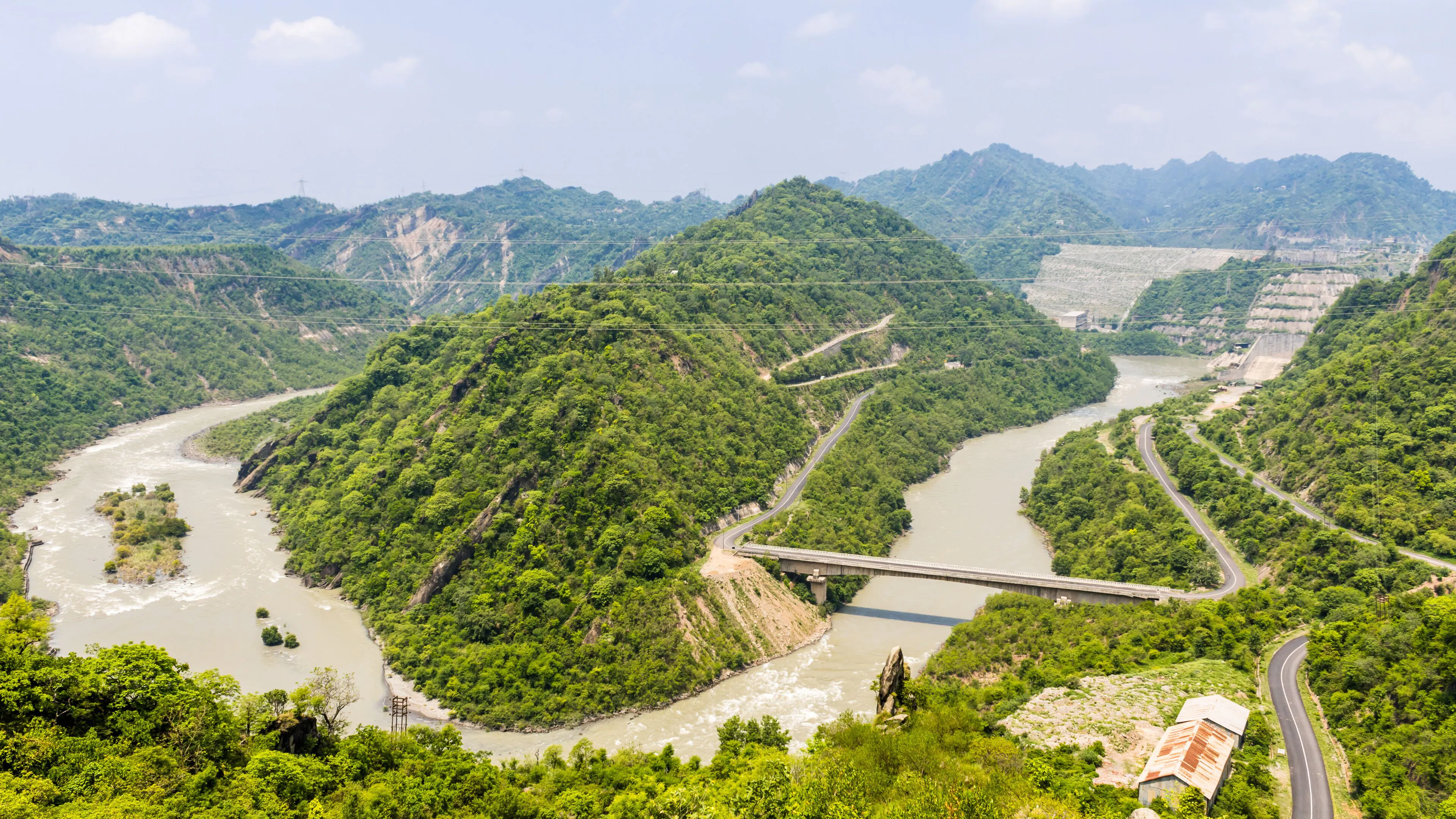
Pathankot lies in northeastern Punjab, close to the borders of Himachal Pradesh and Jammu and Kashmir. The Ravi and Chakki rivers, together with the nearby Shivalik ranges, contribute to the area's varied landscape.
The district combines urban settlements, agricultural plains, forested foothills and river valleys. Its geographical position makes it an important transport junction connecting the Punjab plains with the northern mountains.
Pathankot experiences hot summers, monsoon rainfall and comparatively cool winters. The surrounding hills and water bodies provide opportunities for scenic excursions and outdoor recreation.
Culture and Traditions
Pathankot reflects a blend of Punjabi culture and the traditions of neighbouring Himalayan regions. Punjabi is widely spoken, while local communities maintain strong religious, family and village traditions.
Gurudwaras, Hindu temples and other religious institutions play important roles in community life. Festivals such as Baisakhi, Lohri, Diwali and Gurpurabs are celebrated with prayers, traditional food, music and gatherings.
The region's proximity to the hills also creates cultural connections with Kangra and other parts of Himachal Pradesh.
Architecture
Pathankot's architectural heritage includes historic forts, ancient temples, cave shrines and religious buildings.
Shahpurkandi Fort
Shahpurkandi Fort is a historic fortification overlooking the Ravi River. Associated with the Pathania Rajput rulers, it was built for strategic defence and remains an important reminder of the region's military history.
Nurpur Fort
Nurpur Fort, historically known as Dhameri Fort, is located in nearby Himachal Pradesh and is a popular excursion from Pathankot. Its remains showcase the region's Rajput heritage, while the Brij Raj Swami Temple inside the complex is particularly notable for the worship of Lord Krishna and Meera Bai.
Mukteshwar Temple
Mukteshwar Temple is a sacred cave-temple complex dedicated to Lord Shiva. Situated on a hill near the Ravi River, it features ancient shrines and religious structures associated with local traditions.
Famous Places
Mukteshwar Temple
Mukteshwar Temple is one of Pathankot's most significant religious attractions. The cave shrines and scenic surroundings make it appealing to both pilgrims and travellers interested in history.
Ranjit Sagar Dam
Ranjit Sagar Dam, also known as Thein Dam, is built across the Ravi River. Its large reservoir and surrounding green hills make the area a popular scenic destination.
Kathlour Wildlife Sanctuary
Kathlour Wildlife Sanctuary protects wildlife and natural habitats in the district's foothill region. It is a destination for nature enthusiasts interested in local biodiversity and birdlife.
Atal Setu
Atal Setu is a cable-stayed bridge near the Basohli region. The bridge and its surrounding landscape make it an interesting stop for visitors exploring the Ravi River valley.
Gurudwara Shri Barth Sahib
Located in Barth village, Gurudwara Shri Barth Sahib is an important Sikh religious site associated with Baba Sri Chand. The peaceful setting makes it a worthwhile stop on a religious itinerary.
Shahpurkandi Fort
This historic fort offers insight into the Rajput rulers who controlled parts of the foothills. Its position above the Ravi valley adds scenic value to the historical visit.
Nurpur Fort
Nurpur Fort is a rewarding excursion for visitors interested in ancient architecture and religious heritage. The Brij Raj Swami Temple within the fort complex is one of its distinctive features.
Kathgarh Temple
Kathgarh Temple is dedicated to Lord Shiva and Goddess Parvati. It is known for its unusual Shiva lingam and its location near the confluence of the Beas and Choch rivers.
Ashapurni Mandir
Ashapurni Mandir is a well-known Hindu temple in Pathankot city. Devotees visit to offer prayers to the goddess, and the temple is an important part of the city's religious life.
Dhar Nature Retreat and Awareness Camp
Located in the Dhar Kalan area, this nature retreat provides access to forest landscapes and outdoor experiences. It is suitable for travellers looking for a break from the city's busy streets.
Pathankot Old Fort Remains
Pathankot's historic fort remains are associated with the city's early settlement and Rajput history. Although much of the original structure has disappeared, the site represents an important part of the city's past.
Famous Dishes
Sarson da Saag and Makki di Roti
This classic Punjabi winter meal combines mustard greens with cornmeal flatbread. It is commonly served with butter, jaggery and lassi.
Chole Bhature
Spiced chickpeas paired with fluffy fried bread are a popular meal across Pathankot's restaurants and roadside eateries.
Punjabi Parathas
Stuffed parathas filled with potatoes, cauliflower, radish or paneer are common breakfast favourites.
Rajma Chawal
Rajma served with rice is a popular North Indian comfort food and is widely available in local eateries.
Punjabi Lassi
Lassi is a traditional yoghurt-based drink that pairs well with spicy Punjabi meals and is especially refreshing in summer.
Pinni
Pinni is a traditional Punjabi sweet made with flour, ghee, sugar and nuts. It is particularly popular during winter.
Samosa and Pakora
These savoury snacks are popular at tea stalls and local markets, especially during rainy weather and cooler evenings.
Famous Personalities
Jatpal
Jatpal, also known in historical accounts as Rana Bhet, is associated with the establishment of the Rajput dynasty that ruled the wider Nurpur region. His legacy forms part of the area's early political history.
Jaspal Singh Pathania
Jaspal Singh Pathania is associated with the construction of Shahpurkandi Fort in the early sixteenth century. The fort remains an important symbol of the region's Rajput heritage.
Guru Nanak Dev Ji
Guru Nanak Dev Ji is associated with several religious traditions across the Punjab foothills. Pathankot's district history also records a local tradition connecting the city's establishment with the first Sikh Guru.
Festivals
Baisakhi
Baisakhi is celebrated with religious observances, traditional food and Punjabi cultural activities. Its connection with the agricultural calendar makes it an important festival across the region.
Lohri
Lohri is a popular winter festival celebrated with bonfires, folk songs, dancing and traditional treats such as peanuts, jaggery and rewri.
Gurpurabs
Gurpurabs are observed at gurdwaras throughout Pathankot with prayers, devotional singing, processions and community langar.
Diwali
Diwali is celebrated with lamps, decorations, sweets and family gatherings. Temples and markets become especially lively during the festive period.
Shivratri
Shivratri is important for devotees of Lord Shiva, particularly at temples such as Mukteshwar Temple. Pilgrims gather for prayers and religious observances.
Things to Do
- Explore the historic Shahpurkandi Fort.
- Visit Mukteshwar Temple and its cave shrines.
- Enjoy the scenery around Ranjit Sagar Dam.
- Visit Kathlour Wildlife Sanctuary, subject to permitted access.
- Explore Gurudwara Shri Barth Sahib.
- Visit Ashapurni Mandir.
- Take a day trip to Nurpur Fort.
- Discover Kathgarh Temple.
- Photograph the Ravi River valley and surrounding foothills.
- Explore Pathankot's local markets.
- Try traditional Punjabi food at local dhabas.
- Use Pathankot as a starting point for trips to Dalhousie, Chamba and Kangra.
Where to Eat, Shop, and Stay
Where to Eat
Pathankot has restaurants, dhabas, sweet shops and casual eateries serving Punjabi and North Indian food. Popular options include parathas, chole bhature, rajma chawal, lassi and traditional sweets.
The markets around the city centre and transport hubs are convenient places to find meals and refreshments.
Where to Shop
Pathankot's markets offer clothing, footwear, household goods, traditional Punjabi products and everyday essentials.
Visitors can also shop for woollen garments and travel supplies because the city serves as a gateway to nearby hill destinations.
Where to Stay
Pathankot offers budget hotels, guesthouses and business accommodation. Staying near the railway station or main transport corridors is convenient for travellers planning onward journeys.
For a nature-focused trip, visitors can also explore accommodation options around the Dhar Kalan and Ranjit Sagar areas, subject to availability.
What is Pathankot Famous For?
- Its location near Punjab, Himachal Pradesh and Jammu and Kashmir
- Shahpurkandi Fort
- Mukteshwar Temple
- Ranjit Sagar Dam
- Kathlour Wildlife Sanctuary
- Gurudwara Shri Barth Sahib
- Atal Setu
- Kathgarh Temple
- Historic Rajput heritage
- Scenic rivers and Himalayan foothills
- Its role as a railway and road transport hub
Best Time to Visit
The best time to visit Pathankot is October to March, when the weather is generally more comfortable for exploring temples, forts and outdoor attractions.
The monsoon and post-monsoon period can bring lush scenery around the rivers and dam reservoir, although heavy rain may affect road conditions.
Summer visits are possible, but outdoor sightseeing is best planned for early morning or late afternoon.
How to Reach
By Air
Pathankot has an airport, but commercial flight availability may be limited. Travellers should check current schedules before making plans. Depending on their itinerary, alternatives include Amritsar and Jammu airports.
By Train
Pathankot Junction is an important railway station connecting Punjab with destinations in northern India. It is also a useful transit point for travellers heading towards parts of Himachal Pradesh and Jammu.
By Road
Pathankot is well connected by road with Gurdaspur, Amritsar, Jammu and several hill destinations. Buses, taxis and private vehicles make it convenient to explore the surrounding region.
Nearby Places
Dalhousie
Dalhousie is a scenic hill station in Himachal Pradesh known for colonial architecture, pine forests and mountain views. It is a popular onward destination from Pathankot.
Chamba
Chamba is a historic town in Himachal Pradesh, renowned for ancient temples, traditional handicrafts and mountain scenery.
Dharamshala
Dharamshala is known for its Himalayan setting, Tibetan culture, monasteries and the residence of the Dalai Lama in McLeod Ganj.
Kangra
Kangra offers historic temples, mountain scenery and the remains of Kangra Fort. It is a worthwhile destination for history and nature enthusiasts.
Nurpur
Nurpur is a historic town known for Nurpur Fort and the Brij Raj Swami Temple. Its heritage makes it an appealing excursion from Pathankot.
Basohli
Basohli, in Jammu and Kashmir, is known for its artistic heritage, hill scenery and access to Atal Setu. It can be combined with a visit to the Ravi valley.
Best Duration for a Trip
A 2-day trip is sufficient to explore Pathankot's principal attractions.
Day 1: Visit Mukteshwar Temple, Ashapurni Mandir, Gurudwara Shri Barth Sahib and Shahpurkandi Fort.
Day 2: Explore Ranjit Sagar Dam and the surrounding landscape, then visit Kathgarh Temple or take an excursion to Nurpur Fort.
A 3–4 day itinerary allows additional time for nature excursions and nearby destinations such as Dalhousie or Chamba.
Travel Tips
- Visit between October and March for comfortable sightseeing.
- Check local access conditions before visiting forts and dam areas.
- Follow all security and photography restrictions around military or restricted infrastructure.
- Wear comfortable footwear when exploring hilltop sites and cave temples.
- Dress respectfully at religious sites.
- Carry water and sun protection during summer.
- Check weather and road conditions during the monsoon.
- Plan transport ahead if visiting several attractions outside the city.
- Confirm flight schedules before relying on Pathankot Airport.
- Allow extra time when travelling onward into the Himalayan foothills.
Why Visit Pathankot?
Pathankot combines the convenience of a major transport hub with access to the natural beauty and heritage of northern Punjab. Its forts, cave temples, gurdwaras, wildlife areas and river landscapes make it a rewarding stop for travellers interested in history, spirituality and nature.
Its greatest advantage is its location: visitors can explore Pathankot's own attractions before continuing towards Dalhousie, Chamba, Kangra and other Himalayan destinations.
Conclusion
Pathankot is more than a gateway to the mountains. Its Rajput heritage, historic forts, religious sites and scenic surroundings reveal a distinctive side of Punjab shaped by its proximity to the Himalayas.
Whether visiting Mukteshwar Temple, exploring Shahpurkandi Fort, enjoying the views around Ranjit Sagar Dam or using the city as a base for a wider northern India journey, Pathankot offers a worthwhile mix of history, culture and nature.
"Travel is the only thing you buy that makes you richer."