History
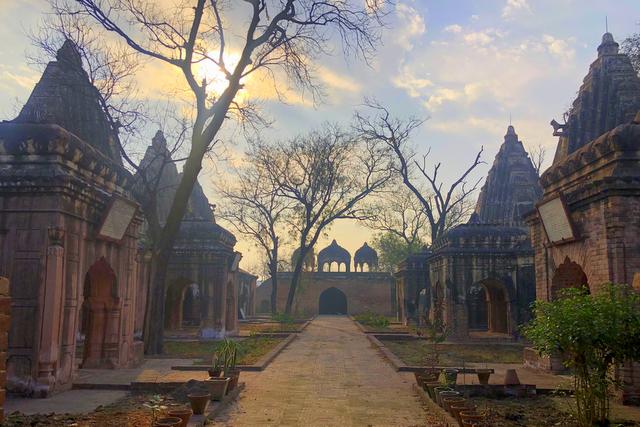
Sangrur has a rich history shaped by regional rulers, Sikh traditions and the development of princely states in Punjab. The town became an important centre under the rulers of Jind State, one of the princely states that existed during British rule.
The rulers of Jind contributed to the development of Sangrur through palaces, gardens, religious buildings and public institutions. The city's historical identity is closely associated with Maharaja Raghubir Singh, under whose rule Sangrur developed as an important centre of the princely state.
After India's independence, Jind State became part of the Patiala and East Punjab States Union (PEPSU). Following the reorganisation of Punjab in 1966, Sangrur developed into an important administrative and commercial centre.
The wider district also contains settlements associated with Sikh religious history, traditional agriculture and Punjab's rural cultural heritage.
Geography
Sangrur lies in the Malwa region of southeastern Punjab. The district is characterised by flat plains, fertile agricultural fields, rural settlements and an extensive network of roads connecting it with other parts of Punjab and Haryana.
Agriculture plays a central role in the local economy, with wheat, rice, cotton and other crops cultivated across the district.
The climate features hot summers, monsoon rainfall and cool winters. The cooler months are generally best for visiting historical buildings, religious sites and local markets.
Culture and Traditions
Sangrur reflects the traditional culture of Malwa Punjab, where agriculture, religious gatherings, folk music and village fairs remain important.
Punjabi is the principal language, while Bhangra, Giddha and folk singing are common features of cultural celebrations.
The city's princely heritage adds another dimension to its identity, visible in its historic gardens, palaces and older urban neighbourhoods. Sikh gurdwaras and Hindu temples also serve as important centres of worship and community life.
Baisakhi, Lohri, Gurpurabs, Diwali and other festivals are celebrated with prayers, traditional food, music and gatherings.
Architecture
Sangrur's architecture reflects the legacy of the Jind princely state, Sikh religious traditions and traditional Punjabi construction.
Banasar Bagh
Banasar Bagh is one of Sangrur's best-known historical attractions. The garden complex is associated with the rulers of Jind State and features landscaped grounds, water features and historic structures. It is a pleasant place to explore the city's royal-era heritage.
Sheesh Mahal
Sheesh Mahal is a historic building associated with Sangrur's princely past. Its name refers to the decorative mirrorwork traditionally associated with palace architecture. Visitors should check current access arrangements before planning an interior visit.
Jindal Fort and Historic Buildings
Sangrur's historical landscape includes older buildings and structures linked with the Jind rulers. These sites reflect the town's evolution as an administrative and cultural centre.
Famous Places
Banasar Bagh
Banasar Bagh is one of Sangrur's principal attractions. Its landscaped grounds and historic character make it suitable for a relaxed walk and a glimpse into the city's princely heritage.
Sheesh Mahal
Sheesh Mahal represents the architectural traditions of Sangrur's royal era. It is of interest to visitors exploring the historic buildings and cultural legacy of the former Jind State.
Gurdwara Nanakiana Sahib
Gurdwara Nanakiana Sahib is an important Sikh religious site in the Sangrur region. It attracts devotees and visitors interested in Sikh heritage and the religious history of Malwa Punjab.
Gurdwara Mastuana Sahib
Mastuana Sahib, near Sangrur, is an important religious and educational centre associated with Sant Atar Singh. The complex attracts pilgrims and visitors interested in Sikh spirituality and education.
Akal College and Mastuana Sahib Complex
The Mastuana Sahib area is known for its educational institutions and religious environment. Visitors can learn about the region's contribution to Sikh education and community development.
Bhai Gurdas Ji Memorial
Bhai Gurdas Ji is an important figure in Sikh literary and religious history. Sites and institutions associated with his name reflect the wider region's respect for Sikh scholarship and tradition.
Malerkotla
Malerkotla, now a separate district headquarters, is a nearby historic town known for its princely heritage, religious diversity and distinctive architecture. It is a useful excursion for travellers exploring the wider Sangrur region.
Dhuri
Dhuri is an important town in the Sangrur region and a railway and commercial centre. Its markets and surrounding villages offer a glimpse into everyday life in Malwa Punjab.
Sunam Udham Singh Wala
Sunam is historically associated with Shaheed Udham Singh, the Indian revolutionary who assassinated Michael O'Dwyer in 1940 to avenge the Jallianwala Bagh massacre. The town is an important destination for visitors interested in India's freedom struggle.
Chhajli and Nearby Villages
The rural settlements around Sangrur provide opportunities to experience traditional Punjabi agriculture, village life and local religious traditions.
Famous Dishes
Sarson da Saag and Makki di Roti
This classic Punjabi winter meal combines mustard greens with cornmeal flatbread. It is often served with butter, jaggery and lassi.
Punjabi Parathas
Stuffed parathas filled with potatoes, cauliflower, radish or paneer are popular breakfast favourites throughout the district.
Chole Bhature
Spiced chickpeas served with fluffy fried bread are a common option at local restaurants and roadside eateries.
Rajma Chawal
Rajma served with rice is a popular North Indian comfort food available in local eateries.
Punjabi Lassi
Lassi is a traditional yoghurt-based drink that complements Punjabi meals and is particularly refreshing during warmer weather.
Pinni
Pinni is a traditional Punjabi sweet made with flour, ghee, sugar and nuts. It is especially popular during winter and festive occasions.
Kheer
Kheer is a traditional milk-and-rice dessert commonly prepared for family celebrations and religious gatherings.
Famous Personalities
Maharaja Raghubir Singh
Maharaja Raghubir Singh was an important ruler of Jind State associated with the development of Sangrur. His reign contributed to the town's princely-era architecture and public spaces.
Sant Atar Singh
Sant Atar Singh of Mastuana Sahib was a prominent Sikh spiritual leader and educationist. He contributed to Sikh religious education and is closely associated with Mastuana Sahib near Sangrur.
Udham Singh
Udham Singh was a revolutionary freedom fighter born in Sunam. He is remembered for assassinating Michael O'Dwyer in 1940 in retaliation for the Jallianwala Bagh massacre and remains an important figure in India's independence history.
Bhai Gurdas Ji
Bhai Gurdas Ji was a renowned Sikh scholar, poet and theologian whose writings played an important role in Sikh religious literature. His legacy is respected throughout Punjab.
Festivals
Baisakhi
Baisakhi is celebrated throughout Sangrur with religious gatherings, traditional food, Punjabi music and fairs. Its agricultural significance makes it an important occasion in the Malwa region.
Gurpurabs
Gurpurabs are observed at gurdwaras across the district with prayers, devotional singing, processions and community langar.
Lohri
Lohri is a popular winter festival marked by bonfires, folk songs, dancing and traditional foods such as peanuts, jaggery and rewri.
Diwali and Bandi Chhor Divas
These festivals are celebrated with lights, prayers and family gatherings. Sikh communities observe Bandi Chhor Divas alongside Diwali.
Hola Mohalla
Hola Mohalla is observed by Sikh communities through religious programmes, martial traditions and community gatherings.
Local Fairs
Religious institutions and villages around Sangrur host local fairs during the year. These gatherings often include devotional activities, food stalls and traditional community celebrations.
Things to Do
- Explore Banasar Bagh and its historic surroundings.
- Discover Sangrur's princely-era architecture.
- Visit Gurdwara Nanakiana Sahib.
- Explore Mastuana Sahib and its educational institutions.
- Visit Sunam to learn about Udham Singh's legacy.
- Explore Malerkotla's historic neighbourhoods.
- Browse Sangrur's local markets.
- Try traditional Punjabi food at local dhabas.
- Experience rural Malwa culture in nearby villages.
- Photograph the region's agricultural landscapes.
- Attend local religious fairs when they coincide with your visit.
Where to Eat, Shop, and Stay
Where to Eat
Sangrur has local restaurants, Punjabi dhabas, sweet shops and casual eateries serving regional and North Indian food.
Visitors can try parathas, chole bhature, seasonal Punjabi dishes, lassi and traditional sweets. Local dhabas are a good choice for an informal regional food experience.
Where to Shop
Sangrur's markets offer Punjabi clothing, footwear, textiles, sweets, household goods and everyday products.
Visitors can explore traditional markets for Punjabi suits, embroidered fabrics and locally made goods while experiencing the commercial life of a Malwa town.
Where to Stay
Sangrur has budget hotels, guesthouses and other accommodation options for short visits.
Travellers planning a wider regional itinerary can also consider staying in Patiala or another nearby major town, depending on transport arrangements and sightseeing plans.
What is Sangrur Famous For?
- Banasar Bagh
- Sheesh Mahal and princely-era heritage
- The former Jind State
- Gurdwara Nanakiana Sahib
- Mastuana Sahib
- Sant Atar Singh
- Sunam and Udham Singh's legacy
- Traditional Malwa Punjabi culture
- Agriculture and rural markets
- Punjabi food and local fairs
Best Time to Visit
The best time to visit Sangrur is October to March, when the weather is generally more comfortable for exploring gardens, religious sites and historic neighbourhoods.
Winter is particularly suitable for sightseeing and enjoying Punjabi food. Spring can also be pleasant for visiting gardens and travelling through the surrounding countryside.
Summer temperatures can be very high, so outdoor activities are best planned for early morning or evening during the hotter months.
How to Reach
By Air
The nearest major airport is Chandigarh International Airport, which provides domestic and selected international connections. Sangrur can be reached from the airport by road.
Travellers should compare routes and schedules based on their starting city and onward journey.
By Train
Sangrur has its own railway station, with connections to regional destinations. Dhuri is another important nearby railway junction that can provide additional travel options.
Check current train schedules before planning your trip.
By Road
Sangrur is connected by road with Patiala, Barnala, Malerkotla, Dhuri and other towns in Punjab.
Buses, taxis and private vehicles are convenient options for reaching the district and visiting nearby attractions.
Nearby Places
Sunam
Sunam is associated with freedom fighter Udham Singh and offers an important historical connection to India's independence movement.
Malerkotla
Malerkotla is known for its former princely-state heritage, historic religious sites and distinctive cultural traditions.
Patiala
Patiala is famous for Qila Mubarak, Moti Bagh Palace, Sheesh Mahal, Baradari Gardens and its distinctive royal-era culture.
Barnala
Barnala offers a quieter experience of Malwa Punjab, with local markets, religious sites and agricultural surroundings.
Dhuri
Dhuri is a commercial and railway town with traditional markets and access to surrounding rural settlements.
Fatehgarh Sahib
Fatehgarh Sahib is an important Sikh pilgrimage destination associated with the martyrdom of the younger Sahibzadas of Guru Gobind Singh Ji. It is a meaningful addition to a wider heritage itinerary.
Best Duration for a Trip
A 1–2 day trip is generally sufficient to explore Sangrur and selected nearby attractions.
Day 1: Visit Banasar Bagh, explore the historic city centre, visit Gurdwara Nanakiana Sahib and sample local Punjabi food.
Day 2: Explore Mastuana Sahib, take a trip to Sunam and visit nearby towns or villages.
A longer itinerary allows additional time to explore Patiala, Malerkotla and other heritage destinations in the Malwa region.
Travel Tips
- Visit between October and March for comfortable weather.
- Check opening hours and access arrangements for historic buildings.
- Dress respectfully at gurdwaras and temples.
- Cover your head and remove footwear before entering Sikh shrines.
- Carry water and sun protection during warmer months.
- Try local dhabas for traditional Punjabi meals.
- Ask permission before photographing people in villages.
- Check local dates for religious fairs and festivals.
- Arrange transport ahead if visiting multiple towns in one day.
- Combine Sangrur with nearby Malwa destinations for a broader trip.
Why Visit Sangrur?
Sangrur offers a quieter experience of Punjab's royal history, religious traditions and rural culture. Its historic gardens and buildings preserve memories of the Jind princely state, while Mastuana Sahib and other religious sites reflect the district's Sikh heritage.
The nearby town of Sunam adds an important freedom-fighting connection through Udham Singh. Together with its traditional markets, Punjabi cuisine and agricultural landscapes, Sangrur provides a rewarding introduction to the cultural heritage of Malwa Punjab.
Conclusion
Sangrur is a destination where princely history, Sikh traditions and everyday Punjabi life come together. From Banasar Bagh and its royal-era legacy to Mastuana Sahib and Sunam's association with Udham Singh, the district offers several meaningful places to explore.
For travellers interested in heritage, culture, religious tourism and rural Punjab, Sangrur makes a worthwhile stop on a journey through the Malwa region.
"Travel is the only thing you buy that makes you richer."