Explore Punjab
Discover Punjab
Cities of Punjab
Amritsar
Barnala
Bathinda
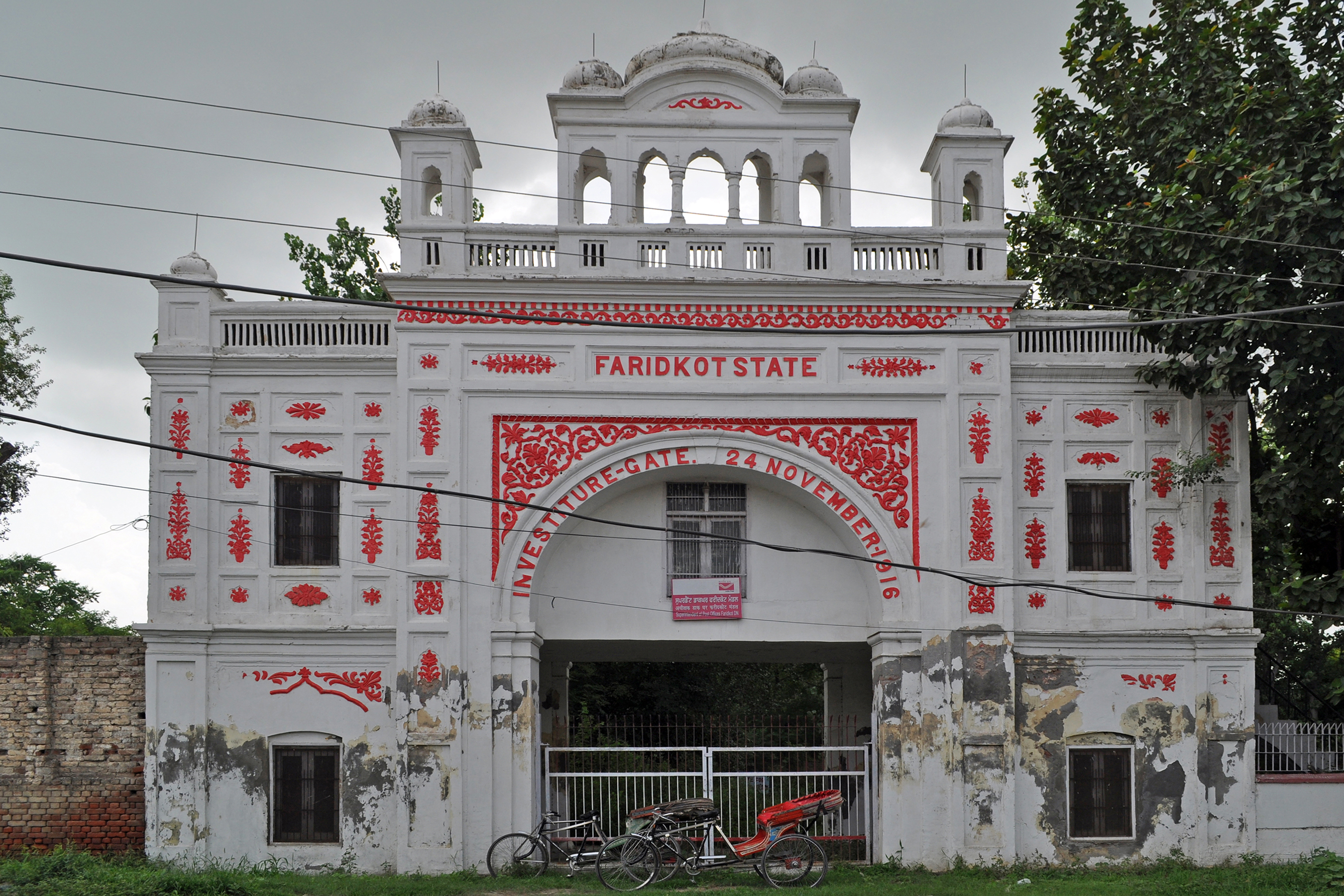
Faridkot
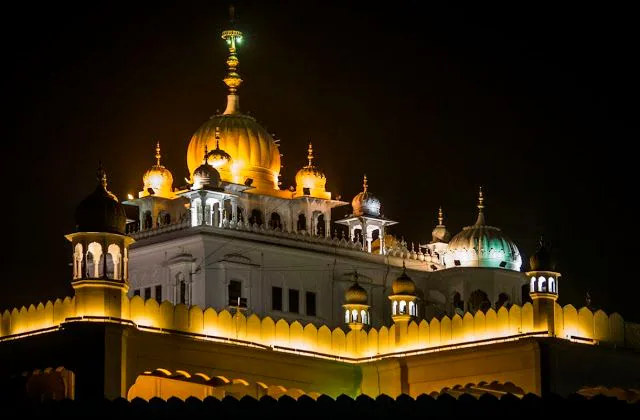
Fatehgarh Sahib
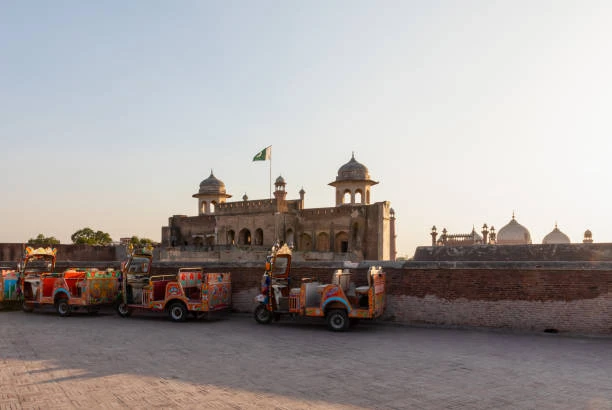
Fazilka
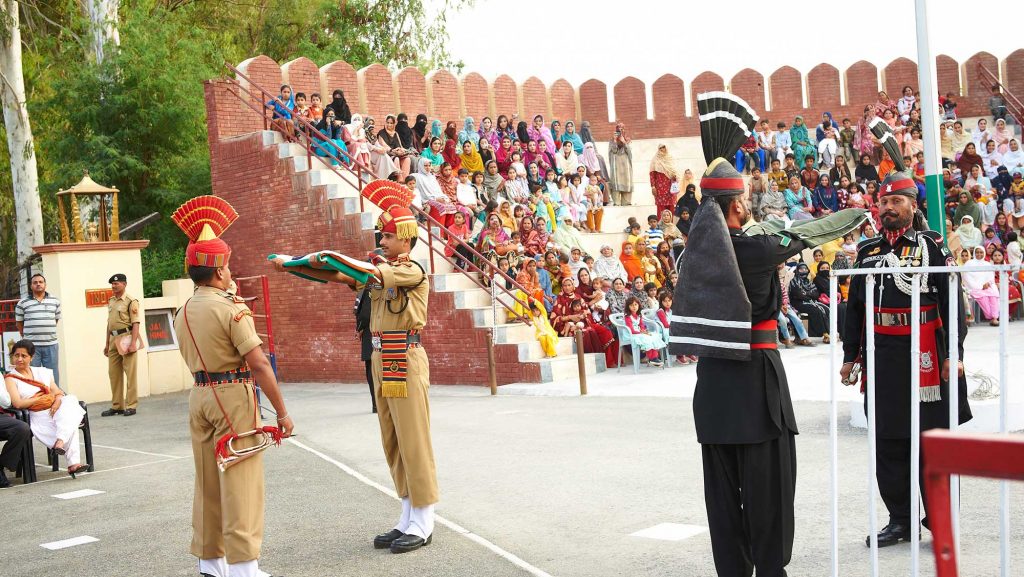
Firozpur
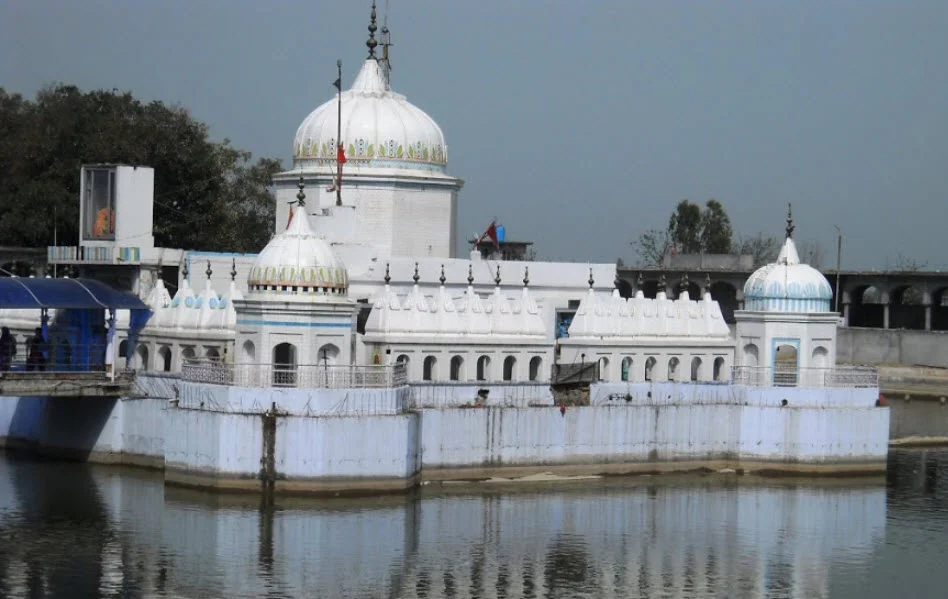
Gurdaspur
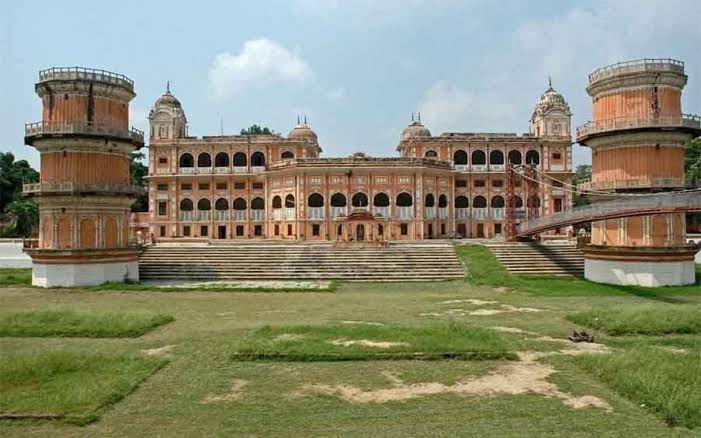
Hoshiarpur
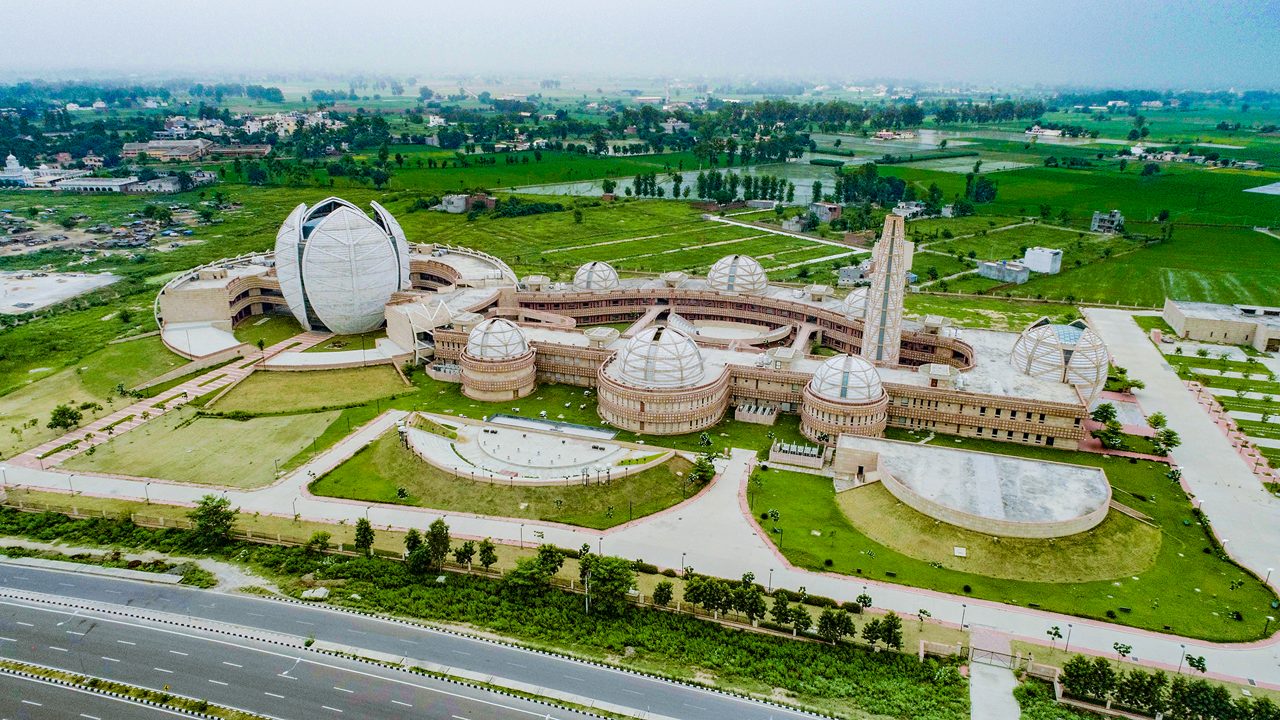
Jalandhar
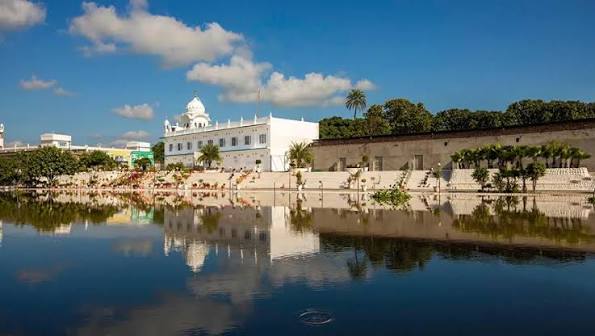
Kapurthala
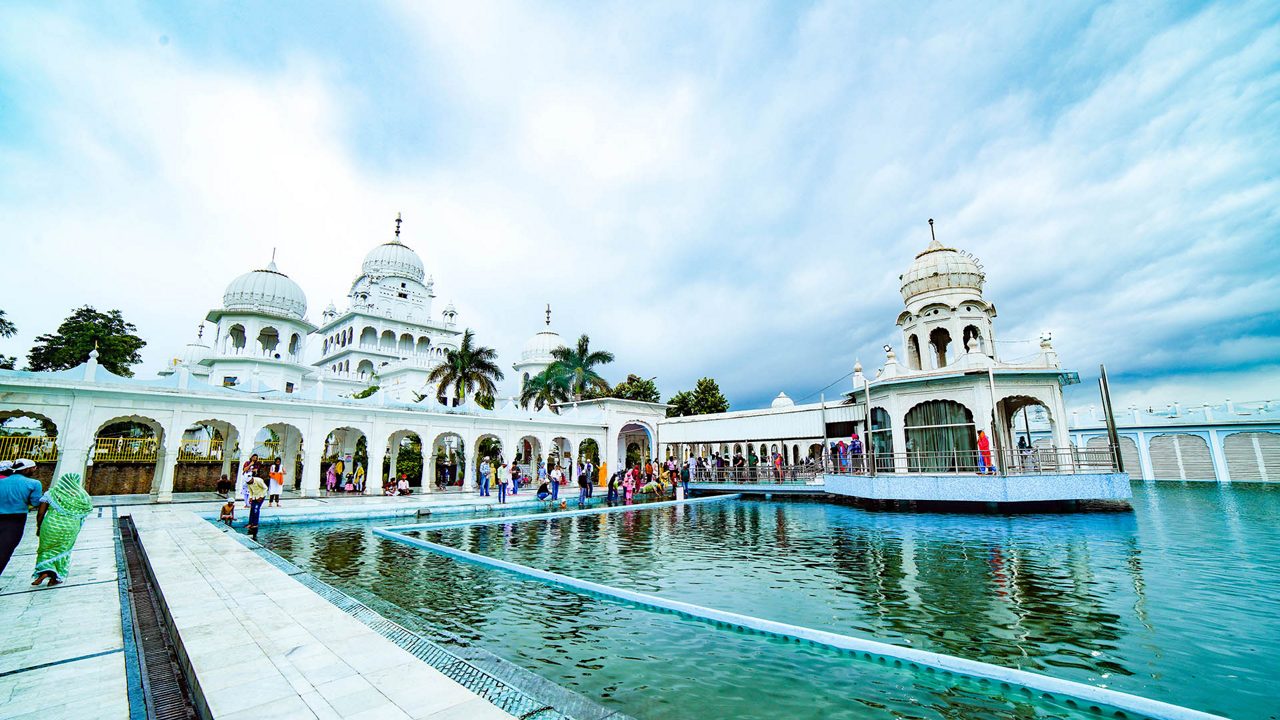
Ludhiana
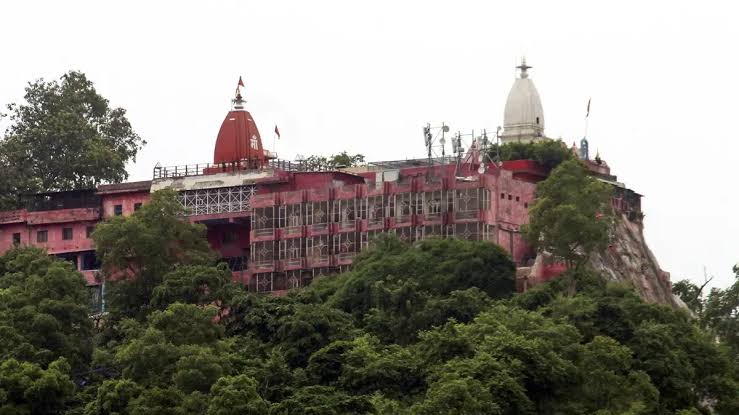
Mansa
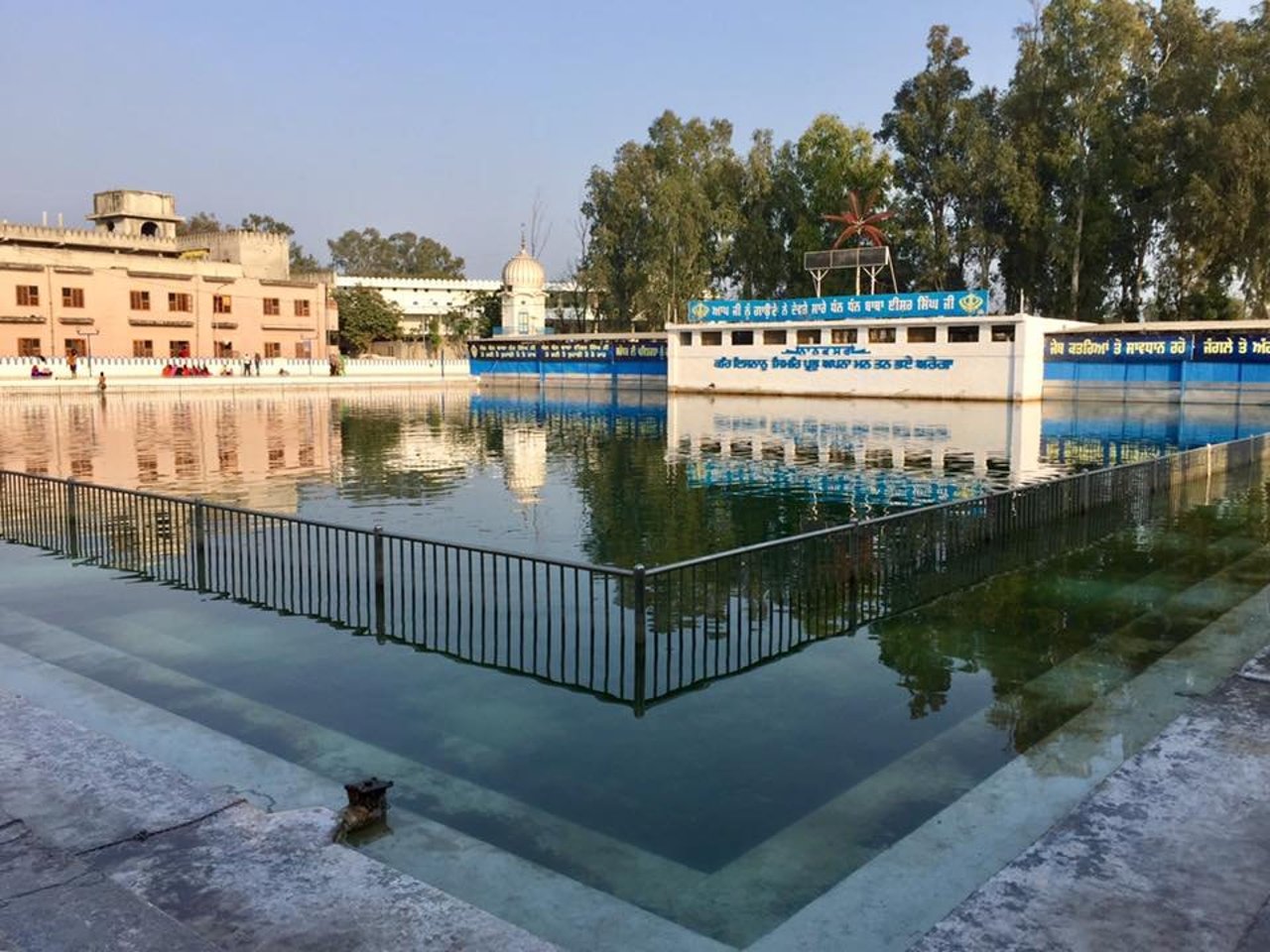
Moga
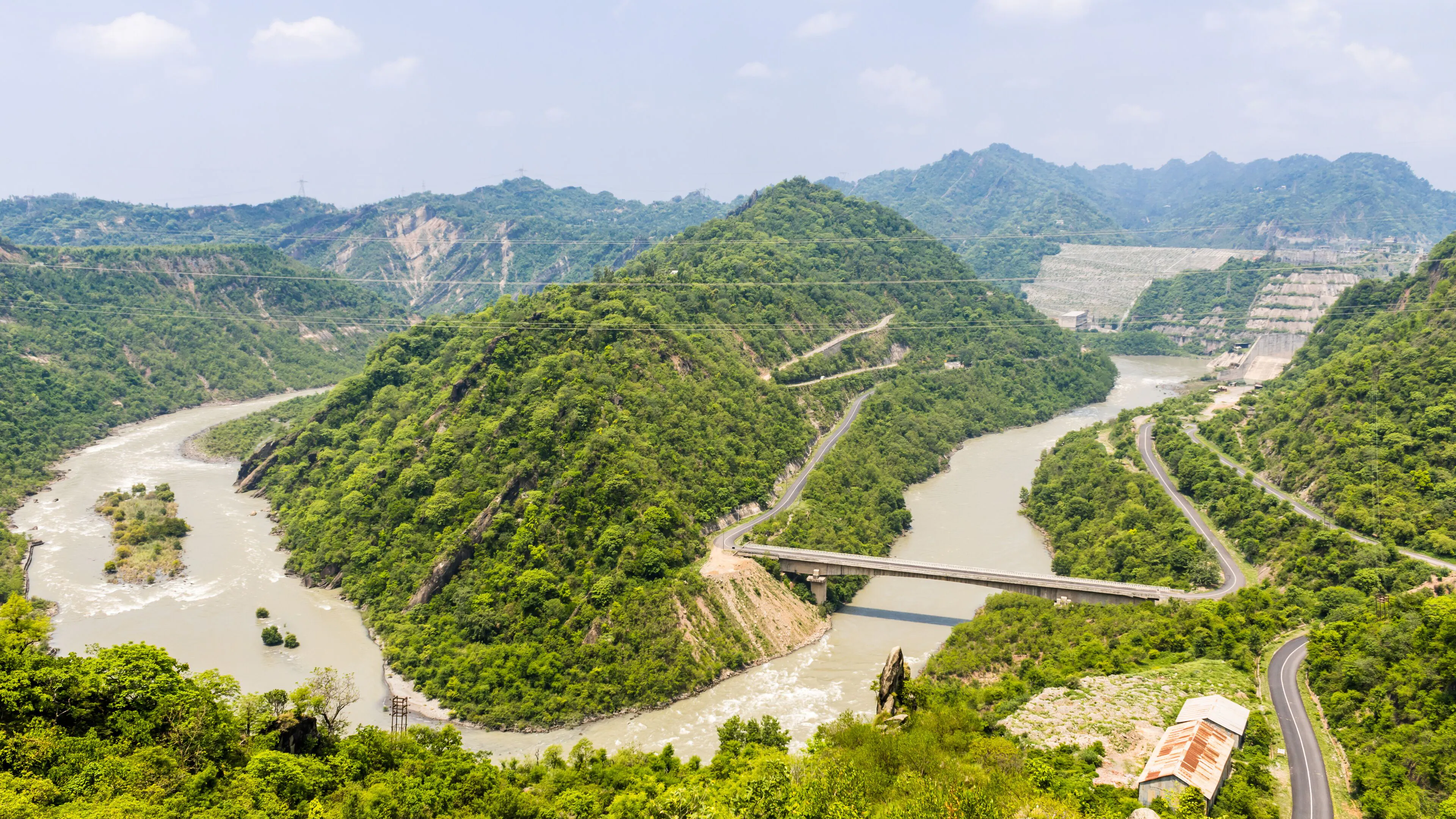
Pathankot
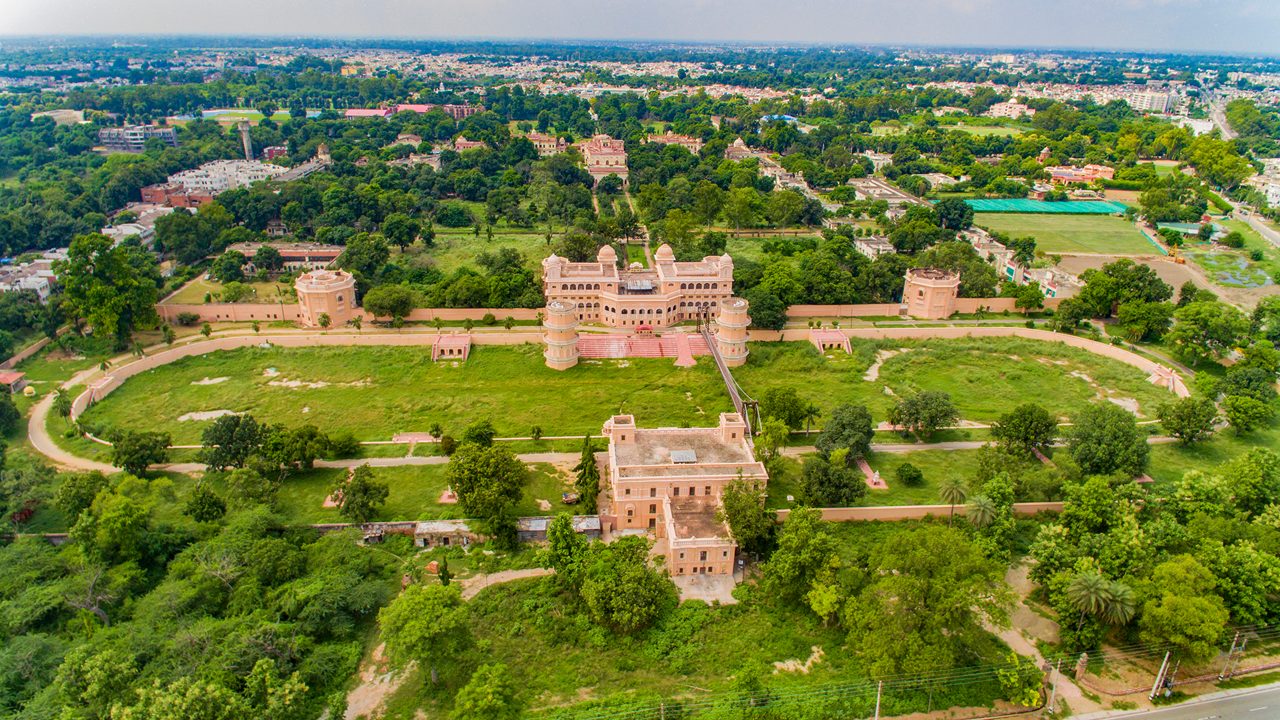
Patiala
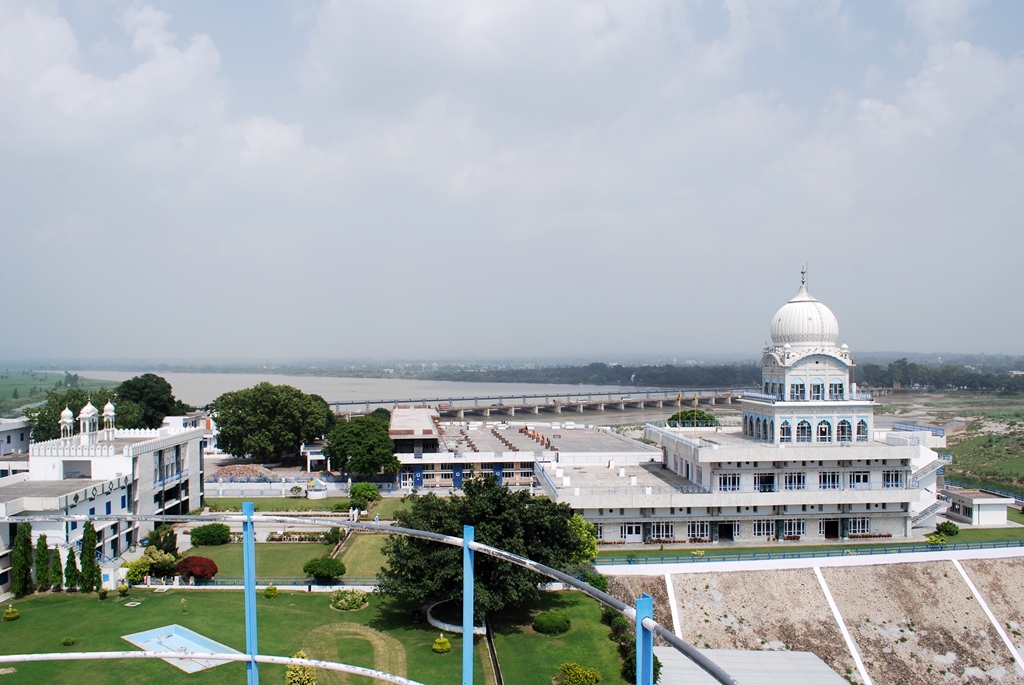
Rupnagar
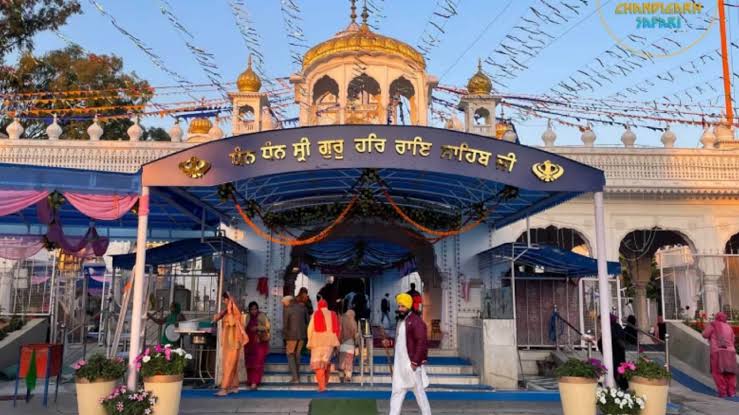
Sahibzada Ajit Singh Nagar
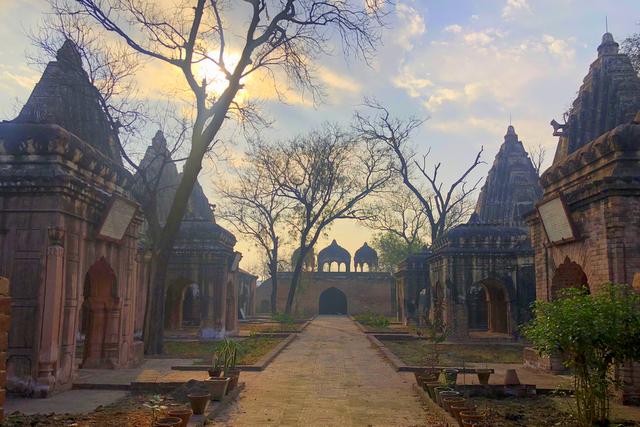
Sangrur
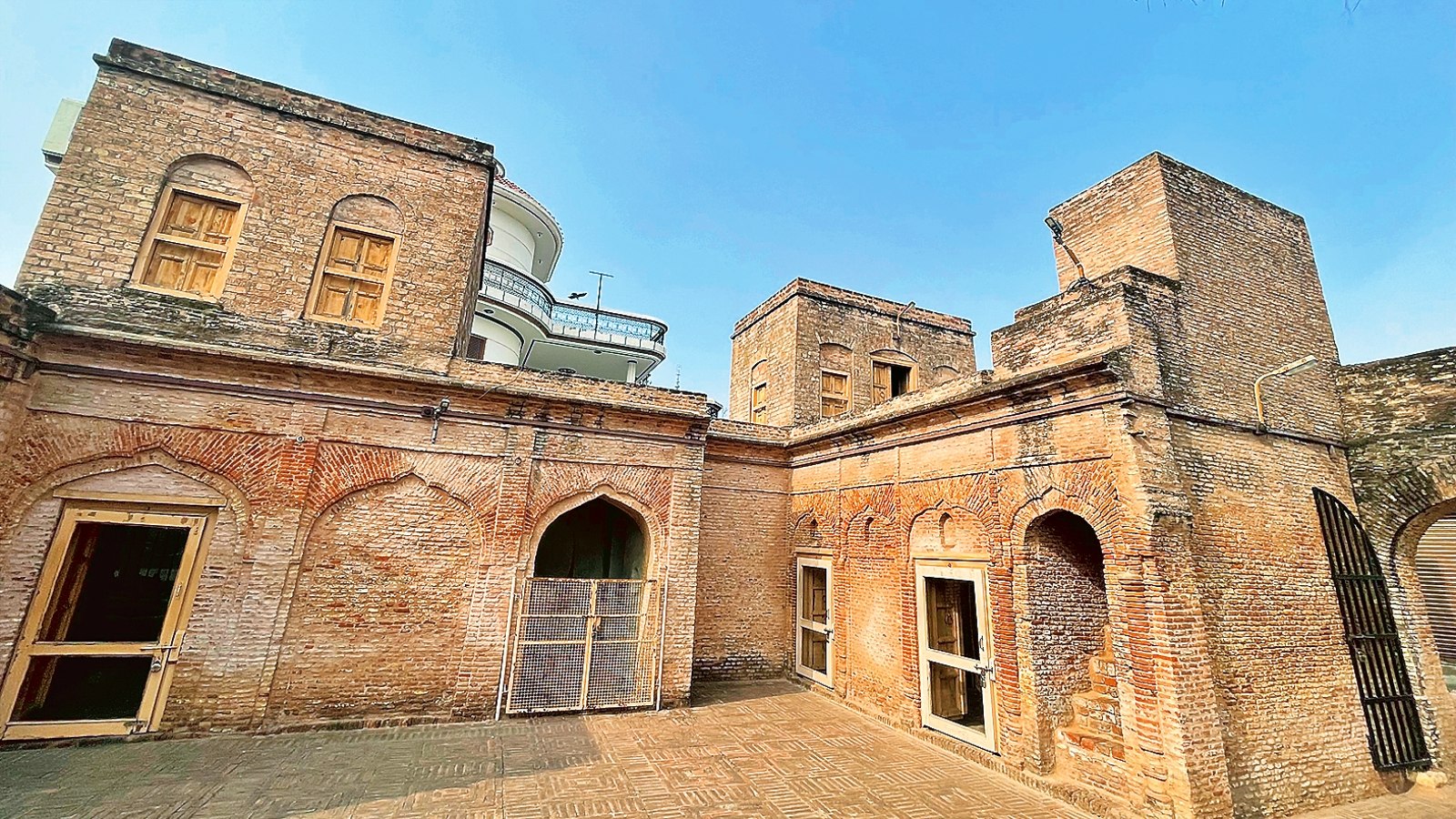
Shahid Bhagat Singh Nagar
Sri Muktsar Sahib
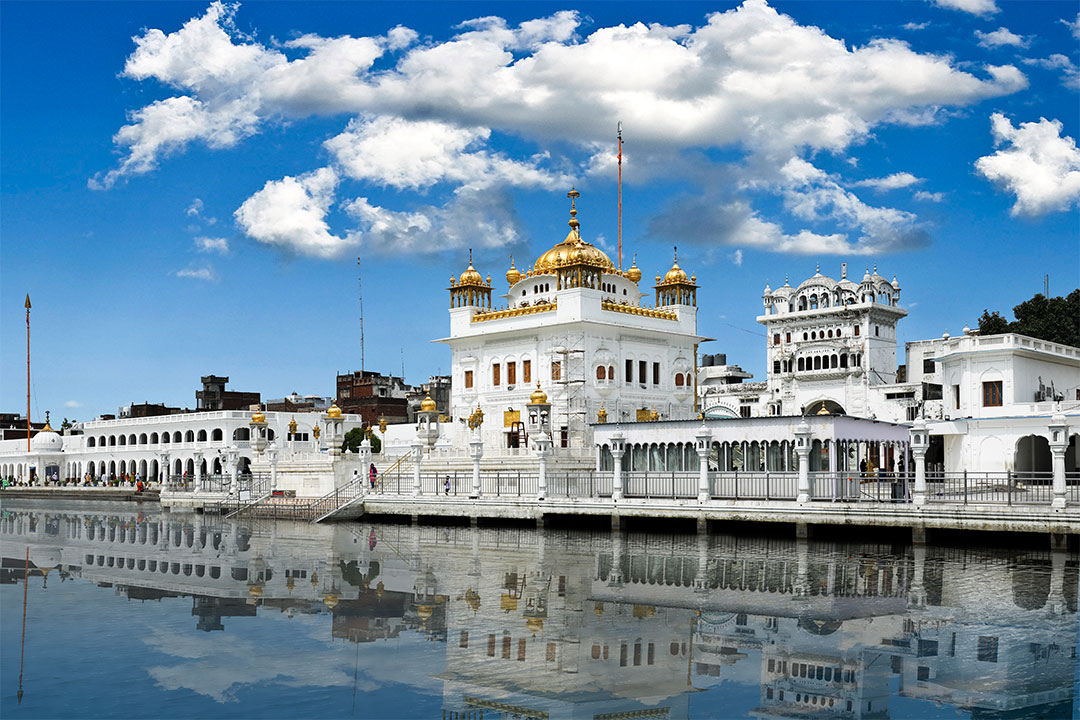
Tarn Taran
Punjab – Where Golden Fields, Sacred Heritage and Punjabi Spirit Come Together
Punjab, located in the northwestern part of India, is a land of vibrant culture, deep-rooted traditions, historic cities, fertile agricultural landscapes and warm hospitality. Often associated with the spirit of Punjabiyat, the state is famous for its energetic music and dance, colourful festivals, rich cuisine, magnificent Sikh heritage and golden wheat fields.
Punjab is home to some of India's most important historical and religious landmarks. The magnificent Golden Temple in Amritsar, the historic Jallianwala Bagh, the Wagah-Attari Border and the historic city of Anandpur Sahib attract visitors throughout the year.
The state also offers a strong connection with rural India. Vast agricultural fields, traditional villages, local markets, Punjabi folk music, bhangra performances and community celebrations provide travellers with an opportunity to experience the everyday character of Punjab.
From spiritual journeys and historical exploration to food, shopping, festivals and village experiences, Punjab offers a colourful and memorable travel experience shaped by history, faith, agriculture and Punjabi culture.
History of Punjab
Punjab has one of the richest and most complex histories in the Indian subcontinent. Its location between Central Asia, northern India and the Indus region made it an important centre for ancient kingdoms, trade, migration and cultural exchange.
Ancient Punjab
The wider Punjab region was associated with the ancient Indus Valley Civilisation. Archaeological sites in the region provide evidence of some of the world's earliest urban settlements.
The region was later associated with the ancient Vedic tradition and became an important geographical area in the development of early Indian civilisation.
Alexander and the Ancient Kingdoms
Punjab became famous in ancient history during the invasion of Alexander of Macedon. Alexander fought several battles in the region, including the famous Battle of the Hydaspes against King Porus.
The rivers and fertile plains of Punjab made the region strategically important to several ancient kingdoms.
Mughal Period
During the medieval period, Punjab came under the influence of various ruling dynasties, including the Delhi Sultanate and the Mughal Empire.
The region's strategic location made it an important part of the political and military history of northern India.
Rise of Sikhism
The history of Punjab is deeply connected with the development of Sikhism.
Guru Nanak Dev Ji, the founder of Sikhism, was born at Talwandi, now known as Nankana Sahib in present-day Pakistan. The teachings of the Sikh Gurus gradually shaped the religious, cultural and social identity of the Punjab region.
The Sikh Gurus established important religious centres and institutions across the region, many of which remain major pilgrimage destinations today.
Sikh Empire
During the early 19th century, Maharaja Ranjit Singh established the Sikh Empire with Lahore as its capital.
His reign represented an important period of political consolidation and cultural development in the Punjab region.
British Period
Punjab was annexed by the British in 1849 after the Anglo-Sikh wars. The region subsequently became an important part of British India.
The colonial period also witnessed major developments in agriculture, irrigation, railways and administration.
Jallianwala Bagh
One of the darkest chapters in Punjab's modern history was the Jallianwala Bagh massacre of 1919 in Amritsar.
The incident became an important turning point in India's freedom movement and remains an important part of India's modern history.
Partition of India
The Partition of 1947 had a profound impact on Punjab. The historic Punjab region was divided between India and Pakistan, resulting in large-scale migration and enormous social disruption.
Indian Punjab was subsequently reorganised several times, eventually taking its present form after the creation of Haryana and Himachal Pradesh from parts of the former Punjab state.
Geography and Climate of Punjab
Punjab is located in northwestern India and shares international boundaries with Pakistan to the west. Within India, it borders Jammu and Kashmir, Himachal Pradesh, Haryana and Rajasthan.
The state is primarily characterised by fertile plains and an extensive agricultural landscape.
Rivers of Punjab
The name Punjab is traditionally associated with the idea of the “land of five rivers”. The major rivers historically associated with the region are:
- Sutlej
- Beas
- Ravi
- Chenab
- Jhelum
Today, the Sutlej, Beas and Ravi flow through the Indian state of Punjab, while the Chenab and Jhelum primarily flow through Pakistan.
Agricultural Landscape
Punjab is one of India's best-known agricultural regions. Its fertile plains and extensive irrigation systems support the cultivation of crops such as wheat, rice, maize, cotton and sugarcane.
The state's agricultural identity is one of the most recognisable aspects of its landscape and culture.
Climate
Punjab has a continental climate, with hot summers, monsoon rainfall and cool winters.
Summer temperatures can become very high, while winters can be cold, particularly during December and January.
Culture and Traditions of Punjab
Punjab has a vibrant cultural identity known for its music, dance, food, clothing, festivals and strong sense of community.
Punjabi Language
Punjabi is the principal language of Punjab. Punjabi literature, poetry and folk traditions form an important part of the state's cultural identity.
Bhangra
Bhangra is one of Punjab's most famous traditional dance forms. Originally associated with agricultural celebrations, it has developed into an internationally recognised symbol of Punjabi culture.
Giddha
Giddha is a traditional Punjabi folk dance generally performed by women. It combines rhythmic movements, singing and traditional verses known as boliyan.
Punjabi Music
Punjab has a rich musical tradition that includes folk songs, devotional music, qawwali influences and contemporary Punjabi music.
Traditional instruments such as the dhol, tumbi, algoza and chimta are strongly associated with Punjabi music.
Traditional Clothing
Traditional Punjabi clothing includes the salwar kameez, phulkari textiles, turbans and colourful dupattas.
Phulkari, meaning flower work, is a traditional embroidery style that is particularly associated with Punjab.
Village Life
Rural life remains an important part of Punjab's identity. Traditional farming communities, village fairs, agricultural festivals, tractors, fields and community gatherings provide a distinctive cultural experience.
Architecture of Punjab
Punjab's architecture reflects its Sikh heritage, Mughal influences, colonial history and traditional Punjabi construction.
Golden Temple
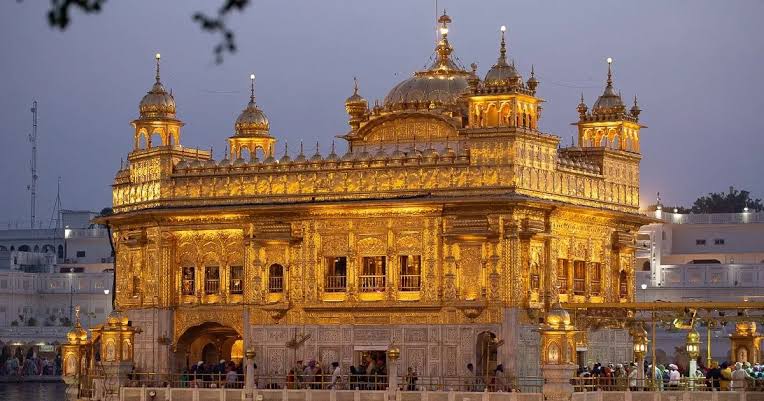
The Golden Temple, officially known as Harmandir Sahib, is the most famous architectural and religious landmark of Punjab.
The temple stands in the centre of the sacred Amrit Sarovar and is known for its golden exterior, intricate decoration and spiritual atmosphere.
Akal Takht Sahib
Akal Takht Sahib is located within the Golden Temple complex and holds immense importance in Sikh religious tradition.
Gobindgarh Fort
Gobindgarh Fort in Amritsar is a historic fort associated with the Sikh period and later military history.
The fort has been developed as a heritage destination with museums, cultural performances and historical experiences.
Qila Mubarak
Qila Mubarak in Patiala is an important example of Sikh-era architecture and is part of the city's rich royal heritage.
Patiala Heritage Architecture
Patiala is known for its palaces, forts, gardens and historic buildings that reflect the former princely state's royal traditions.
Famous Places to Visit in Punjab
Amritsar
Amritsar is Punjab's most famous tourist destination and an important centre of Sikh heritage.
The city is home to the Golden Temple, Jallianwala Bagh, Partition Museum, Gobindgarh Fort and vibrant local markets.
Golden Temple
The Golden Temple is the spiritual heart of Sikhism and one of India's most visited religious landmarks.
Its peaceful sarovar, golden architecture, devotional music and community kitchen make it a deeply memorable place to visit.
Jallianwala Bagh
Jallianwala Bagh is a historic memorial in Amritsar associated with the 1919 massacre.
The site serves as an important reminder of India's freedom struggle.
Partition Museum
The Partition Museum in Amritsar documents personal stories, photographs, objects and memories connected with the Partition of 1947.
It provides visitors with an opportunity to understand the human impact of one of the most significant events in modern South Asian history.
Wagah-Attari Border
The Attari-Wagah border is famous for its daily ceremonial activities involving Indian and Pakistani border forces.
The ceremony attracts large numbers of visitors and has become one of the most recognisable experiences associated with a trip to Amritsar.
Jalandhar
Jalandhar is one of Punjab's major cities and is known for sports goods manufacturing, temples, markets and cultural attractions.
Ludhiana
Ludhiana is one of Punjab's largest industrial cities and is particularly known for its textile, hosiery and manufacturing industries.
The city also provides access to rural Punjab and agricultural landscapes.
Patiala
Patiala is famous for its royal heritage, traditional culture, handicrafts and distinctive style of Punjabi dress and music.
Important attractions include Qila Mubarak, Moti Bagh Palace and Sheesh Mahal.
Anandpur Sahib
Anandpur Sahib is one of the most important Sikh pilgrimage destinations in Punjab.
The city is associated with the Sikh Gurus and is particularly famous for Hola Mohalla.
Virasat-e-Khalsa
Virasat-e-Khalsa in Anandpur Sahib is a major museum and cultural complex dedicated to Sikh history and heritage.
Its distinctive architecture and detailed exhibitions make it an important destination for understanding Punjab's religious and cultural history.
Bathinda
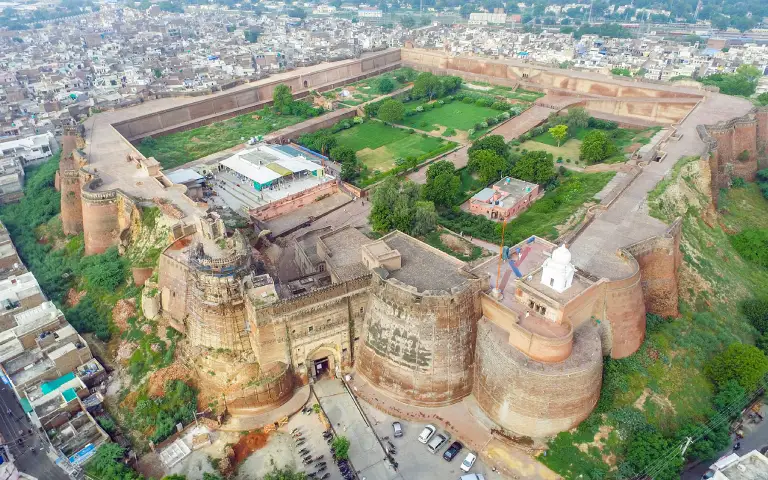
Bathinda is one of Punjab's historic cities and is known for Qila Mubarak, an ancient fort associated with the region's long history.
Harike Wetland
Harike Wetland is an important wetland and bird habitat in Punjab.
It attracts migratory birds during the winter season and is a useful destination for nature lovers and birdwatchers.
Ropar Wetland
Ropar Wetland, also known as Rupnagar Wetland, is another important natural area associated with migratory birds and aquatic ecosystems.
Famous Dishes of Punjab
Punjabi cuisine is one of the most popular regional cuisines in India and is known for its rich flavours, dairy products, breads, grilled foods and hearty meals.
Amritsari Kulcha
Amritsari Kulcha is a famous stuffed flatbread associated with Amritsar. It is generally served hot with chole, curd, chutney or vegetables.
Makki di Roti and Sarson da Saag
Makki di Roti and Sarson da Saag are among the most recognisable traditional Punjabi dishes.
The combination of cornmeal flatbread and mustard greens is particularly popular during winter.
Chole Bhature
Chole Bhature consists of spicy chickpea curry served with deep-fried bread. It is widely enjoyed across Punjab.
Tandoori Chicken
Tandoori Chicken is a famous Punjabi-style dish in which marinated chicken is cooked in a traditional tandoor.
Amritsari Fish
Amritsari Fish is a popular preparation of fish coated in a seasoned batter and fried until crisp.
Rajma Chawal
Rajma Chawal combines kidney bean curry with rice and is a popular comfort food across northern India, including Punjab.
Lassi
Lassi is a traditional Punjabi yoghurt-based drink. It can be served sweet or savoury and is particularly refreshing during the warmer months.
Phirni
Phirni is a creamy rice-based dessert traditionally served chilled and flavoured with ingredients such as cardamom and saffron.
Gajar Halwa
Gajar Halwa is a popular winter dessert made using grated carrots, milk, sugar and ghee.
Famous Personalities of Punjab
Guru Nanak Dev Ji
Guru Nanak Dev Ji was the founder of Sikhism and the first of the ten Sikh Gurus. His teachings emphasised equality, honest living, compassion and devotion.
His teachings remain central to Punjab's religious and cultural identity.
Maharaja Ranjit Singh
Maharaja Ranjit Singh was the founder and most prominent ruler of the Sikh Empire.
His reign is an important part of Punjab's political and cultural history.
Bhagat Singh
Bhagat Singh was an important revolutionary figure in India's freedom movement.
He was born in Banga in the Punjab region, which is now in Pakistan, and remains one of the most widely remembered figures associated with India's independence struggle.
Maharaja Dalip Singh
Maharaja Dalip Singh was the last Maharaja of the Sikh Empire and the youngest son of Maharaja Ranjit Singh.
Amrita Pritam
Amrita Pritam was a celebrated Punjabi poet, novelist and writer whose work explored themes of love, identity, partition and human emotion.
She remains one of the most important literary figures associated with Punjabi culture.
Shiv Kumar Batalvi
Shiv Kumar Batalvi was a renowned Punjabi poet known for his emotional poetry and songs.
His literary work continues to have a strong influence on Punjabi literature and popular culture.
Gurdas Maan
Gurdas Maan is a prominent Punjabi singer, songwriter and actor known for his contribution to Punjabi music and popular culture.
Diljit Dosanjh
Diljit Dosanjh is a Punjabi singer and actor who has contributed significantly to the international popularity of Punjabi music and entertainment.
Festivals of Punjab
Baisakhi
Baisakhi is one of Punjab's most important festivals. It is associated with the harvest season and holds major significance in Sikh history because the Khalsa was established by Guru Gobind Singh Ji on Baisakhi in 1699.
The festival is celebrated with fairs, music, dancing, religious gatherings and community meals.
Gurpurab
Gurpurab celebrations commemorate important events in the lives of the Sikh Gurus.
Gurdwaras are beautifully decorated, devotional singing is organised and community meals known as langar are served.
Hola Mohalla
Hola Mohalla is a major Sikh festival celebrated especially in Anandpur Sahib.
The festival features martial arts demonstrations, processions, music, religious activities and displays of traditional Sikh skills.
Lohri
Lohri is a popular winter festival celebrated with bonfires, traditional songs, dancing and festive food.
It is particularly associated with the winter harvest season and is an important social celebration in Punjab.
Maghi Mela
Maghi Mela is an important religious and cultural gathering held at Muktsar Sahib.
The event has historical connections with the Sikh tradition and attracts pilgrims from different parts of Punjab.
Diwali
Diwali is celebrated across Punjab with lights, decorations, family gatherings and religious activities.
At the Golden Temple in Amritsar, the illumination of the complex creates a particularly memorable sight.
Things to Do in Punjab
- Visit the magnificent Golden Temple in Amritsar.
- Explore the historic Jallianwala Bagh.
- Visit the Partition Museum.
- Attend the ceremony at the Attari-Wagah Border.
- Explore Gobindgarh Fort.
- Visit Anandpur Sahib and Virasat-e-Khalsa.
- Explore the royal heritage of Patiala.
- Try authentic Punjabi food.
- Enjoy Amritsari kulcha and lassi.
- Experience traditional Punjabi music and bhangra.
- Explore local markets and handicraft shops.
- Visit Punjab's rural villages.
- Enjoy a traditional Punjabi farm experience.
- Explore Harike Wetland for birdwatching.
- Visit historic forts, museums and monuments.
- Experience Punjabi festivals and village fairs.
Where to Eat in Punjab
Punjab is an excellent destination for travellers who enjoy hearty North Indian food and traditional Punjabi cuisine.
Amritsar
Amritsar is one of the best places to explore traditional Punjabi food. The old city around the Golden Temple is particularly popular for local dishes, sweets and street food.
Patiala
Patiala offers traditional Punjabi restaurants, local sweets and regional food experiences.
Ludhiana
Ludhiana has a wide selection of traditional restaurants as well as modern cafés and restaurants.
Must-Try Foods
- Amritsari Kulcha
- Makki di Roti and Sarson da Saag
- Amritsari Fish
- Tandoori Chicken
- Chole
- Lassi
- Phirni
- Jalebi
Where to Shop in Punjab
Punjab offers a variety of shopping experiences, from traditional handicrafts and textiles to modern markets and local food products.
Amritsar Markets
The markets around Amritsar are popular for phulkari textiles, Punjabi juttis, traditional clothing, handicrafts and religious souvenirs.
Hall Bazaar
Hall Bazaar in Amritsar is one of the city's well-known shopping areas, offering clothing, handicrafts, accessories, food products and souvenirs.
Phulkari
Phulkari embroidery is one of Punjab's most famous traditional crafts. Visitors can find embroidered dupattas, shawls, clothing and decorative textiles.
Punjabi Jutti
Traditional Punjabi juttis are popular souvenirs and are available in many markets across the state.
Patiala
Patiala is known for traditional clothing, handicrafts and products associated with Punjabi royal and cultural heritage.
Where to Stay in Punjab
Punjab offers accommodation ranging from affordable guesthouses to luxury hotels and heritage properties.
- Budget: Guesthouses, hostels, lodges and affordable hotels.
- Mid-Range: Comfortable hotels and family-friendly properties in major cities.
- Luxury: Premium hotels, resorts and heritage properties.
- Heritage Stay: Historic and palace-style properties, particularly around Patiala and other heritage destinations.
- Religious Stay: Pilgrims can also find accommodation near major gurdwaras.
Amritsar is the most convenient base for first-time visitors because many of Punjab's major attractions can be explored from the city.
What Is Punjab Famous For?
- Golden Temple
- Sikh Heritage
- Amritsar
- Jallianwala Bagh
- Wagah-Attari Border
- Bhangra and Giddha
- Punjabi Music
- Punjabi Cuisine
- Baisakhi
- Phulkari Embroidery
- Punjabi Jutti
- Fertile Agricultural Fields
- Anandpur Sahib
- Patiala's Royal Heritage
- Warm Punjabi Hospitality
Best Time to Visit Punjab
The cooler months are generally the most comfortable period for exploring Punjab's cities, religious sites, historical attractions and rural landscapes.
| Season | Months | What to Expect |
|---|---|---|
| Winter | November – February | Cool weather, comfortable sightseeing and excellent conditions for exploring cities and heritage sites. |
| Spring | March – April | Pleasant to warm weather and the colourful atmosphere of the harvest season. |
| Summer | May – June | Very hot weather, particularly during the afternoon. |
| Monsoon | July – September | Rainfall and greener landscapes, although humidity can be high. |
November to February is generally a comfortable period for a first trip to Punjab.
March and April can be particularly interesting for travellers who want to experience the agricultural landscape and Baisakhi celebrations.
Visitors planning to attend major religious festivals should check the festival calendar and accommodation availability before travelling.
How to Reach Punjab
By Air
Sri Guru Ram Dass Jee International Airport in Amritsar is the major airport for travellers visiting Punjab.
Chandigarh Airport also provides convenient access to the southern and eastern parts of the state and the wider Chandigarh region.
By Train
Punjab has a well-developed railway network connecting its major cities with Delhi, Jammu, Rajasthan, Uttar Pradesh, Maharashtra and other parts of India.
Amritsar, Ludhiana, Jalandhar, Patiala and Bathinda are important railway destinations.
By Road
Punjab is well connected to neighbouring states by national highways and major roads.
Road travel is convenient for exploring Amritsar, Jalandhar, Ludhiana, Patiala, Anandpur Sahib and rural destinations.
Nearby Places to Visit from Punjab
Chandigarh
Chandigarh is a modern planned city known for its architecture, gardens, museums and urban design. It can easily be combined with a Punjab itinerary.
Dalhousie
Dalhousie in Himachal Pradesh offers mountain scenery, colonial architecture and pleasant weather.
Pathankot
Pathankot is an important gateway towards the Himalayan regions of Himachal Pradesh and Jammu and Kashmir.
Anandpur Sahib
Anandpur Sahib is an important Sikh pilgrimage centre and is particularly significant during Hola Mohalla.
Harike Wetland
Harike is a useful destination for birdwatching and nature exploration, particularly during the winter migratory season.
Best Duration for a Trip to Punjab
A 2-day trip can cover the major attractions of Amritsar, including the Golden Temple, Jallianwala Bagh, Partition Museum and Wagah-Attari Border.
A 4-day trip allows travellers to explore Amritsar along with destinations such as Anandpur Sahib or Patiala.
A 5 to 7-day trip is suitable for exploring multiple cities, historical sites, religious destinations, food experiences and rural Punjab.
Travellers interested in a deeper cultural journey can spend a week or longer exploring Punjab at a slower pace.
Travel Tips for Punjab
- Wear respectful clothing when visiting gurdwaras and religious places.
- Cover your head before entering a gurdwara.
- Remove your shoes before entering the main prayer areas of gurdwaras.
- Follow local religious customs and instructions.
- Try the community langar experience at a gurdwara where appropriate.
- Carry warm clothing during winter, particularly for early mornings and evenings.
- Protect yourself from the strong summer heat by carrying water, sunscreen and sunglasses.
- Book accommodation early during major festivals and holiday periods.
- Keep sufficient time for traffic when travelling between major cities.
- Try authentic local food from established eateries and traditional markets.
- Ask permission before photographing people, particularly during religious ceremonies.
- Respect the peaceful environment of religious and memorial sites.
- Carry some cash for local markets and smaller establishments.
- Explore beyond major cities to experience Punjab's rural landscapes and village culture.
Why Visit Punjab?
Punjab offers a distinctive combination of spiritual heritage, history, food, music, agriculture, festivals and vibrant everyday culture.
For travellers interested in Sikh history and spirituality, places such as the Golden Temple, Anandpur Sahib and numerous historic gurdwaras provide meaningful cultural experiences.
History lovers can explore Jallianwala Bagh, the Partition Museum, Gobindgarh Fort and historic sites across the state.
Food lovers can enjoy famous Punjabi dishes such as Amritsari Kulcha, Sarson da Saag, Makki di Roti, Amritsari Fish and lassi.
Punjab's music and dance traditions provide another reason to visit. The energetic sounds of the dhol, colourful bhangra performances and traditional festivals create a lively atmosphere.
The state's agricultural landscapes also offer a different perspective on Punjab. Travellers who venture into the countryside can experience fields, villages, traditional food and rural hospitality.
Punjab is therefore a destination where history and spirituality meet food, music, agriculture and a strong cultural identity.
Conclusion
Punjab is a destination that combines centuries of history with a vibrant contemporary culture. Its sacred gurdwaras, historic landmarks, fertile fields, colourful festivals, traditional crafts and famous cuisine make it one of India's most distinctive regions.
From the peaceful surroundings of the Golden Temple and the historic significance of Jallianwala Bagh to the energy of Punjabi music, the flavours of Amritsari cuisine and the royal heritage of Patiala, every part of the journey reveals a different side of Punjab.
The state is equally rewarding for travellers interested in spirituality, history, food, culture, photography or rural experiences.
Whether you are visiting for a short pilgrimage, a historical journey, a food-focused trip or a wider exploration of Punjabi culture, Punjab offers an unforgettable travel experience filled with heritage, warmth, tradition and the unmistakable spirit of Punjabiyat.