History
Sri Muktsar Sahib occupies a special place in Sikh history because of the Battle of Muktsar in 1705, fought near Khidrana against Mughal forces pursuing Guru Gobind Singh Ji. Forty Sikh warriors who had earlier left the Guru returned to fight alongside him, inspired by Mai Bhago.
The warriors attained martyrdom in the battle and became known as the Chali Mukte, meaning the Forty Liberated Ones. According to Sikh tradition, Guru Gobind Singh Ji tore up their earlier disclaimer renouncing their relationship with him, granting them spiritual liberation. The settlement subsequently became known as Muktsar, meaning the pool of liberation. <Cite refs={["turn902800search4","turn902800search2"]}/>
The area developed into an important Sikh pilgrimage centre, with several gurdwaras commemorating events and locations associated with the battle. The annual Maghi gathering became one of the region's most significant religious events.
Sri Muktsar Sahib became a separate district of Punjab in 1995. Today, it is known for its Sikh heritage, agricultural economy, traditional footwear and rural culture. <Cite refs={["turn902800search4","turn902800search9"]}/>
Geography
Sri Muktsar Sahib lies in southwestern Punjab, within the Malwa region. The district borders Bathinda, Faridkot and Firozpur districts, with Rajasthan and Haryana located to the south. <Cite refs={["turn902800search9","turn902800search11"]}/>
The landscape is predominantly flat, with fertile agricultural fields, villages, irrigation channels and market towns. Agriculture is central to the local economy, and wheat, cotton, rice and other crops contribute to the district's rural character.
The climate features hot summers, monsoon rainfall and cool winters. The cooler months are generally the most comfortable for exploring the district's religious and historical sites.
Culture and Traditions
Sri Muktsar Sahib's cultural identity is deeply rooted in Sikh traditions and Malwa Punjabi culture. Religious observances, community langar, folk music and village fairs are important elements of local life.
Punjabi is the principal language, while Bhangra, Giddha and traditional folk singing feature in celebrations and cultural gatherings.
The district is also known for its Muktsari jutti, a traditional style of Punjabi footwear sold in shops around the city. The Maghi Mela brings together religious devotion, cultural activities, local markets and traditional rural commerce. <Cite refs={["turn902800search4","turn902800search3"]}/>
Architecture
The architectural heritage of Sri Muktsar Sahib is primarily religious, with historic gurdwaras, sacred water tanks, memorial shrines and distinctive Sikh religious structures.
Sri Darbar Sahib
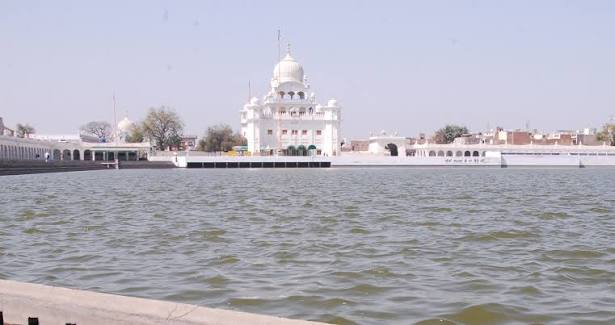
Sri Darbar Sahib is the principal Sikh shrine in the city. Located beside the sacred sarovar, it forms the centre of pilgrimage activity, particularly during Maghi. Its development reflects centuries of religious patronage and renovation. <Cite refs={["turn902800search0","turn902800search5"]}/>
Gurdwara Tibbi Sahib
Gurdwara Tibbi Sahib commemorates the sandy mound traditionally associated with Guru Gobind Singh Ji's position during the Battle of Muktsar. The shrine's elevated setting and marble-clad structure make it an important part of the city's religious landscape. <Cite refs={["turn902800search0"]}/>
Gurdwara Tambu Sahib
Gurdwara Tambu Sahib commemorates the place where the Sikh warriors are traditionally believed to have taken positions behind trees and shrubs that resembled tents. Its name refers to the Punjabi word tambu, meaning tent. <Cite refs={["turn902800search0"]}/>
Mukta Minar
Mukta Minar is a prominent modern monument near the district administrative complex. Featuring a structure inspired by the Sikh Khanda symbol, gardens and an open-air theatre, it commemorates the 300th anniversary of the martyrdom of the Chali Mukte. <Cite refs={["turn902800search6"]}/>
Famous Places
Sri Darbar Sahib
Sri Darbar Sahib is the most important pilgrimage destination in Sri Muktsar Sahib. Visitors come to pay their respects, participate in prayers and visit the sacred sarovar associated with the city's history.
Gurdwara Tibbi Sahib
This historic shrine commemorates the battlefield position associated with Guru Gobind Singh Ji. It is an essential stop for visitors interested in the Battle of Muktsar and Sikh military history.
Gurdwara Tambu Sahib
Gurdwara Tambu Sahib preserves the memory of the Chali Mukte and their courageous stand during the battle. It is part of the cluster of historic Sikh shrines around the main sarovar.
Gurdwara Shahidganj Sahib
Gurdwara Shahidganj Sahib, also known as Angitha Sahib, commemorates the traditional cremation site of the martyrs of the Battle of Muktsar. It is one of the city's most significant memorial shrines. <Cite refs={["turn902800search0"]}/>
Gurdwara Rakabsar Sahib
Gurdwara Rakabsar Sahib is associated with a local tradition involving Guru Gobind Singh Ji's horse and a broken stirrup. The shrine forms part of the important Sikh heritage circuit around the main pilgrimage complex. <Cite refs={["turn902800search0"]}/>
Mukta Minar
Mukta Minar is a modern landmark commemorating the sacrifice of the Forty Liberated Ones. Its gardens and open-air theatre provide a different architectural experience from the city's older gurdwaras.
Angooran Wali Mosque
Angooran Wali Mosque is an old mosque near the railway station. It represents another layer of the city's religious heritage and adds diversity to its historic urban landscape. <Cite refs={["turn902800search0"]}/>
Gurudwara Guptsar Sahib, Chhatteana
Located in Chhatteana village in the Gidderbaha area, Gurudwara Guptsar Sahib is a historic Sikh shrine that can be included in a district-wide religious itinerary. <Cite refs={["turn902800search1"]}/>
Sarai Naga
Sarai Naga is traditionally identified as the birthplace of Guru Angad Dev Ji, the second Sikh Guru. The village is an important destination for devotees interested in the early history of Sikhism and lies approximately 15 kilometres from Sri Muktsar Sahib city according to the district tourism information. <Cite refs={["turn902800search0"]}/>
Malout
Malout is one of the district's major towns and a commercial centre surrounded by agricultural settlements. It is useful for visitors exploring the southern part of Sri Muktsar Sahib district.
Gidderbaha
Gidderbaha is another important town in the district, known for its local markets and rural surroundings. It provides a convenient stop for exploring nearby villages and religious sites.
Famous Dishes
Sarson da Saag and Makki di Roti
This classic Punjabi winter meal combines mustard greens with cornmeal flatbread. It is often served with butter, jaggery and lassi.
Punjabi Parathas
Stuffed parathas filled with potatoes, cauliflower, radish or paneer are popular breakfast options throughout the district.
Chole Bhature
Spicy chickpeas served with fluffy fried bread are widely available at local eateries and roadside food stalls.
Dal Makhani
Slow-cooked black lentils prepared with butter and cream are a popular Punjabi dish served at restaurants and dhabas.
Punjabi Lassi
Lassi is a traditional yoghurt-based drink that complements Punjabi meals and is particularly refreshing during the summer.
Pinni
Pinni is a traditional Punjabi sweet made with flour, ghee, sugar and nuts. It is especially popular during winter.
Muktsari Jutti
Although not a dish, Muktsari jutti deserves mention as a signature local speciality. This traditional Punjabi footwear is an important part of the district's craft and commercial identity. <Cite refs={["turn902800search4"]}/>
Famous Personalities
Mai Bhago
Mai Bhago was a courageous Sikh woman who inspired the Forty Liberated Ones to return to Guru Gobind Singh Ji. She fought in the Battle of Muktsar and became an enduring symbol of Sikh bravery, faith and leadership. <Cite refs={["turn902800search4","turn902800search7"]}/>
Guru Gobind Singh Ji
Guru Gobind Singh Ji, the tenth Sikh Guru, is central to Sri Muktsar Sahib's identity. The Battle of Muktsar and the sacrifice of the Chali Mukte are among the defining events associated with his life.
Guru Angad Dev Ji
Guru Angad Dev Ji was the second Sikh Guru. His traditional association with Sarai Naga gives the village an important place in the district's religious heritage. <Cite refs={["turn902800search0"]}/>
Gurdas Mann
Gurdas Mann is a renowned Punjabi singer, songwriter and actor associated with Gidderbaha in Sri Muktsar Sahib district. His contribution to Punjabi music has earned him recognition across India and among Punjabi-speaking communities worldwide. <Cite refs={["turn902800search4"]}/>
Mangal Dhillon
Mangal Dhillon was a Punjabi actor, writer and director known for his work in Indian television and cinema. The district administration's historical information identifies him among the personalities connected with Sri Muktsar Sahib. <Cite refs={["turn902800search4"]}/>
Festivals
Maghi Mela
Maghi Mela is the most important annual event in Sri Muktsar Sahib. Held in January, it commemorates the sacrifice of the Chali Mukte during the Battle of Muktsar.
The event features religious processions, prayers, kirtan, community langar and a large gathering of pilgrims. A traditional cattle fair is also held at Lambi Dhab during the Maghi period. <Cite refs={["turn902800search3","turn902800search8"]}/>
Gurpurabs
Gurpurabs are celebrated at gurdwaras throughout the district with devotional singing, prayers, processions and community meals.
Baisakhi
Baisakhi is celebrated with religious observances and Punjabi cultural activities. Its connection with the agricultural calendar makes it particularly meaningful in the Malwa region.
Lohri
Lohri is a popular winter festival celebrated with bonfires, folk songs, dancing and traditional foods such as peanuts, jaggery and rewri.
Diwali and Bandi Chhor Divas
These festivals are observed with prayers, illumination and family gatherings. Bandi Chhor Divas is particularly significant within Sikh religious tradition.
Things to Do
- Visit Sri Darbar Sahib and the sacred sarovar.
- Explore Gurdwara Tibbi Sahib and Gurdwara Tambu Sahib.
- Pay respects at Gurdwara Shahidganj Sahib.
- Learn about the Chali Mukte and Mai Bhago.
- Visit Mukta Minar and its surrounding gardens.
- Explore Angooran Wali Mosque.
- Visit Sarai Naga and its religious heritage sites.
- Explore Malout and Gidderbaha.
- Shop for traditional Muktsari juttis.
- Sample Punjabi food at local dhabas.
- Experience the Maghi Mela if visiting in January.
- Explore the surrounding agricultural villages.
Where to Eat, Shop, and Stay
Where to Eat
Sri Muktsar Sahib has local restaurants, dhabas, sweet shops and casual eateries serving Punjabi and North Indian food.
The areas around the central markets and religious complex are practical places to find meals and refreshments. During Maghi, food stalls and community langar contribute to the atmosphere of the pilgrimage gathering.
Where to Shop
The city is particularly known for Muktsari jutti, traditional Punjabi footwear available from shops around the main gurdwara and central market areas.
Visitors can also shop for Punjabi clothing, textiles, sweets, snacks and everyday goods in the local markets. <Cite refs={["turn902800search4"]}/>
Where to Stay
Accommodation options include budget hotels, guesthouses and religious lodging facilities in and around Sri Muktsar Sahib. The district tourism website also lists accommodation options in Malout and Gidderbaha. <Cite refs={["turn902800search0"]}/>
During Maghi Mela, demand for accommodation can increase substantially, so advance planning is advisable.
What is Sri Muktsar Sahib Famous For?
- The Battle of Muktsar
- The Chali Mukte, or Forty Liberated Ones
- Mai Bhago
- Sri Darbar Sahib
- Gurdwara Tibbi Sahib
- Gurdwara Tambu Sahib
- Gurdwara Shahidganj Sahib
- Mukta Minar
- The annual Maghi Mela
- Sarai Naga and its association with Guru Angad Dev Ji
- Traditional Muktsari jutti
- Sikh pilgrimage and Punjabi Malwa culture
Best Time to Visit
The best time to visit Sri Muktsar Sahib is October to March, when the weather is generally more comfortable for sightseeing and visiting religious sites.
January is particularly significant because of Maghi Mela, when large numbers of devotees gather in the city to commemorate the Chali Mukte. The city becomes especially lively during this period, but accommodation and local transport may be busier than usual. <Cite refs={["turn902800search2","turn902800search3"]}/>
Summer can be extremely hot, so travellers visiting between April and June should plan outdoor activities for early morning or evening.
How to Reach
By Air
The district administration identifies Sri Guru Ram Dass Jee International Airport in Amritsar as the nearest international airport, approximately 180 kilometres away. Bathinda Airport is another regional option, although flight availability should be checked before travelling. <Cite refs={["turn902800search1","turn902800search6"]}/>
From the airport, visitors can continue to Sri Muktsar Sahib by taxi or road transport.
By Train
Sri Muktsar Sahib has its own railway station on the Bathinda–Firozpur railway corridor. Train frequency and connections vary, so travellers should confirm schedules before departure. Bathinda is another useful railway hub for onward journeys. <Cite refs={["turn902800search1"]}/>
By Road
Sri Muktsar Sahib is connected by road with Bathinda, Faridkot, Firozpur, Malout and other towns in Punjab. Bus services, taxis and private vehicles are practical options for reaching the city and visiting nearby gurdwaras.
Nearby Places
Bathinda
Bathinda is known for Qila Mubarak, Rose Garden and the nearby Takht Sri Damdama Sahib at Talwandi Sabo. It is a useful destination to combine with a Sri Muktsar Sahib pilgrimage.
Faridkot
Faridkot offers royal-era heritage, historic buildings and Sikh religious sites. Its attractions complement Sri Muktsar Sahib's focus on Sikh history.
Firozpur
Firozpur is known for its military heritage and memorials connected with India's freedom struggle. It can be included in a wider historical itinerary through southwestern Punjab.
Malout
Malout is a major town in Sri Muktsar Sahib district, with local markets and an agricultural economy. It is a convenient stop when exploring the southern part of the district.
Gidderbaha
Gidderbaha is an important commercial town surrounded by rural settlements. It is also associated with Punjabi cultural figures and provides access to nearby religious sites.
Talwandi Sabo
Talwandi Sabo is home to Takht Sri Damdama Sahib, one of Sikhism's five Takhts. It is a major pilgrimage destination and an excellent addition to a Sikh heritage tour of the Malwa region.
Best Duration for a Trip
A 1–2 day trip is generally sufficient to explore the main attractions of Sri Muktsar Sahib.
Day 1: Visit Sri Darbar Sahib, the sarovar, Gurdwara Tambu Sahib, Gurdwara Tibbi Sahib, Gurdwara Shahidganj Sahib and Mukta Minar.
Day 2: Visit Sarai Naga, explore the local markets and shop for Muktsari jutti, or travel towards Gidderbaha and nearby religious sites.
If travelling during Maghi Mela, allow additional time for the religious gatherings and crowds.
Travel Tips
- Plan your visit between October and March for comfortable weather.
- Visit in January if you want to experience Maghi Mela.
- Book accommodation early during major religious events.
- Cover your head and remove footwear before entering gurdwaras.
- Dress modestly and respect religious customs.
- Follow instructions regarding photography inside religious complexes.
- Carry water and sun protection during warmer months.
- Keep some cash for local shops and small purchases.
- Allow extra time for travel during Maghi Mela.
- Check railway schedules and onward transport before travelling.
Why Visit Sri Muktsar Sahib?
Sri Muktsar Sahib is one of the most meaningful destinations for understanding Sikh history. Its connection with the Chali Mukte, Mai Bhago and Guru Gobind Singh Ji gives the city exceptional religious and historical importance.
Beyond its pilgrimage sites, the district offers a glimpse of Malwa's agricultural culture, traditional Punjabi markets and the distinctive craft of Muktsari jutti. The annual Maghi Mela brings together history, faith and community life on a remarkable scale.
Conclusion
Sri Muktsar Sahib is much more than a district headquarters in southwestern Punjab. It is a place of remembrance, devotion and cultural continuity, shaped by the sacrifice of the Chali Mukte and the leadership of Mai Bhago.
From Sri Darbar Sahib and Gurdwara Tibbi Sahib to Mukta Minar and the lively Maghi Mela, the district offers visitors a meaningful journey into Sikh heritage. Its traditional footwear, rural landscapes and Punjabi hospitality make it a rewarding stop for anyone exploring the history and culture of Punjab.
"Travel is the only thing you buy that makes you richer."