East Garo Hills
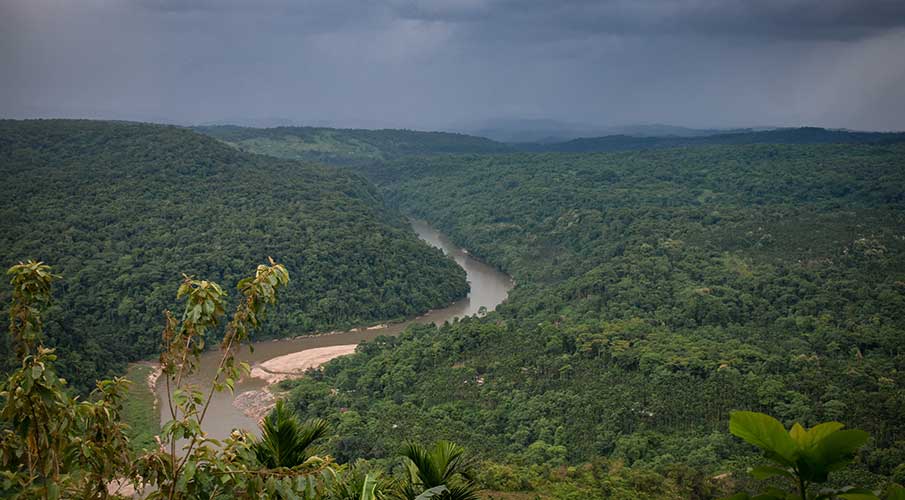
East Garo Hills is a beautiful district in Meghalaya known for its rugged hills, green forests, rivers, lakes, traditional villages and rich Garo cultural heritage. The district offers a peaceful combination of natural beauty, history, tribal traditions and rural tourism.
Williamnagar is the headquarters of East Garo Hills. The town is situated near the Simsang River and serves as an important administrative, commercial and cultural centre of the Garo Hills region.
History of East Garo Hills
East Garo Hills was upgraded from a sub-division to a full-fledged district in 1976. The district was later reorganised in 2012 when the North Garo Hills district was created from the former Resubelpara Civil Sub-Division.
Williamnagar and Historical Heritage
Williamnagar was named after Captain Williamson A. Sangma, the first Chief Minister of Meghalaya. The town is located on the plains near the Simsang River, an area associated with important events in the history of Garo resistance against British expansion.
Chisobibra and Pa Togan Nengminja Sangma
Chisobibra is an important historical site near Williamnagar. It is associated with Pa Togan Nengminja Sangma, a respected Garo warrior who led resistance against British forces. He died at Chisobibra on 12 December 1837. A memorial and park commemorate his contribution and sacrifice.
Geography of East Garo Hills
East Garo Hills is located in the Garo Hills region of Meghalaya. The district is bordered by South Garo Hills to the south, West Garo Hills to the west, West Khasi Hills to the east and North Garo Hills to the north.
Landscape and Terrain
The district features rolling hills, forested slopes, river valleys, lakes, agricultural fields and remote villages. Its natural environment provides excellent opportunities for eco-tourism, photography, hiking and cultural exploration.
Rivers
The Simsang River is one of the most important rivers associated with the Garo Hills region. The Manda and Damring rivers also originate in the wider East Garo Hills landscape.
Culture and Traditions
East Garo Hills is home to a vibrant Garo cultural community. Traditional music, dance, festivals, oral histories, village customs and indigenous knowledge form an important part of local life.
Garo Community
The Garo people are known for their hospitality, traditional clothing, community celebrations and close relationship with nature. Local culture is expressed through songs, dances, food traditions, handicrafts and seasonal festivals.
Traditional Lifestyle
Many villages in East Garo Hills continue to follow traditions connected with agriculture, forests, rivers and community life. Visitors can experience the peaceful atmosphere of rural Meghalaya and learn about local customs.
Famous Places to Visit in East Garo Hills
Williamnagar
Williamnagar is the district headquarters and a major growth centre in the Garo Hills region. Located near the Simsang River, the town is a useful starting point for exploring historical sites, lakes, forests and nearby villages.
Chisobibra
Chisobibra is a historically important location associated with Pa Togan Nengminja Sangma. The site includes a memorial and park dedicated to the Garo warrior and offers visitors an opportunity to learn about the region’s resistance history.
Simsang Basin
The Simsang Basin is known for its scenic river landscape, green hills and cultural importance. The river and its surrounding countryside provide opportunities for photography, nature walks and peaceful sightseeing.
Tasek Lake
Tasek Lake is one of the scenic natural attractions associated with East Garo Hills. Surrounded by greenery and peaceful landscapes, the lake offers opportunities for nature observation, photography and relaxation.
Memo Lake
Memo Lake is a beautiful lake in the East Garo Hills region. Its quiet surroundings and natural scenery make it a suitable location for picnics, sightseeing and enjoying the landscape of the Garo Hills.
Chisobibra Memorial
The Chisobibra Memorial commemorates Pa Togan Nengminja Sangma and the history of Garo resistance against British forces. The site combines historical importance with the natural beauty of the surrounding hills and forest.
Natural Beauty and Eco-Tourism
East Garo Hills has considerable potential for eco-tourism because of its forests, lakes, rivers, waterfalls and biodiversity. The district is suitable for travellers who prefer less-crowded destinations and nature-based experiences.
Popular Outdoor Activities
- Hiking through hill and forest trails
- Nature walks
- Bird watching
- Landscape photography
- Lake and river sightseeing
- Picnicking near scenic locations
- Exploring traditional villages
- Learning about local plants and wildlife
Wildlife and Biodiversity
The wider Garo Hills region is known for its rich biodiversity and forest ecosystems. The surrounding areas provide habitats for several species of birds, mammals, reptiles and native plants.
Nature Exploration
Visitors interested in wildlife and ecology can explore forest landscapes and nearby protected areas in the broader Garo Hills region. Wildlife observation should always be carried out responsibly and with respect for local conservation rules.
Food in East Garo Hills
The cuisine of East Garo Hills reflects the food traditions of the Garo community. Rice, vegetables, fish, meat, bamboo shoots, herbs and locally available ingredients are commonly used in traditional meals.
Popular Food Experiences
- Traditional rice-based meals
- Garo-style meat preparations
- Fresh fish and river-based dishes
- Seasonal vegetables and local herbs
- Bamboo shoot preparations
- Fermented food items
- Traditional pickles and local snacks
Festivals Celebrated in East Garo Hills
Festivals are an important part of life in East Garo Hills. They celebrate harvests, community identity, traditional beliefs, music, dance and cultural heritage.
Wangala Festival
The Wangala Festival is one of the most important festivals of the Garo community. It is a harvest celebration featuring traditional drums, dance, colourful clothing, music and community gatherings.
Other Cultural Celebrations
- Annual Winter Festival
- Local harvest celebrations
- Traditional Garo dance programmes
- Community fairs and cultural gatherings
- Religious and seasonal celebrations
Things to Do in East Garo Hills
- Explore Williamnagar and its surrounding areas.
- Visit the Chisobibra Memorial.
- Learn about Pa Togan Nengminja Sangma and Garo history.
- Enjoy the scenery of the Simsang Basin.
- Visit Tasek Lake and Memo Lake.
- Explore forest trails and traditional villages.
- Experience Garo food, music and cultural traditions.
- Enjoy bird watching and nature photography.
- Attend local festivals when available.
Shopping in East Garo Hills
Visitors can explore local markets in Williamnagar and nearby villages to purchase traditional clothing, bamboo and cane products, handmade baskets, local snacks, agricultural products and other regional items.
Traditional Handicrafts
Bamboo and cane crafts, woven products and handmade household items reflect the creativity and traditional skills of the local communities. Buying locally produced goods can help support artisans and small businesses.
Where to Stay in East Garo Hills
Accommodation is mainly available in Williamnagar and other important local centres. Visitors may find hotels, lodges, guesthouses and homestays depending on the location and season.
Homestay Experience
A homestay, where available, can provide an opportunity to experience local hospitality, traditional food, village life and the customs of the Garo community.
Best Time to Visit East Garo Hills
The best time to visit East Garo Hills is generally from October to April, when the weather is more suitable for sightseeing, hiking, photography and exploring lakes and historical sites.
Monsoon Season
The monsoon season brings lush greenery, full-flowing rivers and beautiful waterfalls. However, heavy rainfall may make roads and trekking paths slippery. Visitors should check local weather conditions before travelling.
How to Reach East Garo Hills
By Road
Williamnagar is connected by road with Tura, neighbouring districts of Meghalaya and parts of Assam. Buses, shared taxis, private vehicles and hired cars are commonly used to reach the district.
By Train
There is no major railway station in Williamnagar. Travellers generally use railway stations in Assam, particularly Guwahati, and continue the journey to East Garo Hills by road.
By Air
The nearest major airport for many travellers is Lokpriya Gopinath Bordoloi International Airport in Guwahati, Assam. From Guwahati, visitors can travel by road to Williamnagar. The distance and travel time may vary according to the route and road conditions.
Nearby Tourist Destinations
- Tura: An important town in the Garo Hills region known for Tura Peak and scenic surroundings.
- Nokrek National Park: A biodiversity-rich destination known for forests, wildlife and the famous citrus species.
- Siju Cave: A major limestone cave attraction in the Garo Hills region.
- Balpakram National Park: A scenic protected area associated with Garo folklore and biodiversity.
- Wari Chora: Known for its clear river, gorges, rapids and beautiful landscapes.
- North Garo Hills: Known for lakes, waterfalls, forests and traditional Garo villages.
Suggested East Garo Hills Travel Itinerary
One-Day Trip
- Begin the day in Williamnagar.
- Visit Chisobibra and the Pa Togan Nengminja Sangma Memorial.
- Explore the Simsang Basin and nearby scenic areas.
- Enjoy a traditional local meal.
- Return to Williamnagar in the evening.
Two-Day Trip
- Day 1: Explore Williamnagar, Chisobibra and the surrounding historical sites.
- Day 2: Visit Tasek Lake, Memo Lake or another nearby natural attraction.
- Include village visits, nature walks and local food experiences.
What is East Garo Hills Famous For?
East Garo Hills is famous for its rugged hills, forests, rivers, lakes, Garo tribal culture and historical sites. The district is particularly associated with Williamnagar, the Simsang Basin, Chisobibra and the memory of Garo warrior Pa Togan Nengminja Sangma.
Travel Tips for East Garo Hills
- Carry rain protection, especially during the monsoon season.
- Wear comfortable shoes for walking on uneven and slippery paths.
- Carry drinking water, insect repellent and basic medicines.
- Check road and weather conditions before visiting remote locations.
- Hire local guides for unfamiliar trails and forest areas.
- Respect Garo traditions, local customs and historical memorials.
- Avoid littering near lakes, rivers, waterfalls and forests.
- Ask for permission before photographing local people or ceremonies.
- Carry cash when travelling to remote areas.
Why Visit East Garo Hills?
East Garo Hills is an ideal destination for travellers who want to explore the natural and cultural richness of Meghalaya beyond the most popular tourist centres. Its scenic landscapes, traditional communities, historical sites and peaceful lakes offer a rewarding experience for nature lovers, history enthusiasts and cultural explorers.
Conclusion
East Garo Hills is a beautiful district of Meghalaya where history, nature and Garo culture come together. From the administrative town of Williamnagar and the historic Chisobibra Memorial to the Simsang Basin, Tasek Lake and Memo Lake, the district offers a peaceful and memorable travel experience. Its forests, rivers, cultural traditions and scenic surroundings make East Garo Hills a valuable destination for responsible and immersive tourism.
"Travel is the only thing you buy that makes you richer."