North Garo Hills
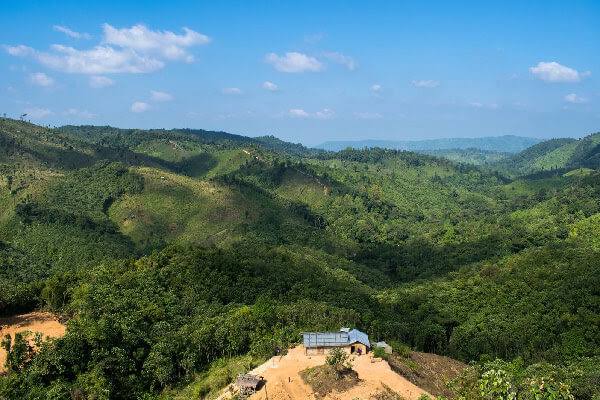
North Garo Hills is a scenic district in Meghalaya, located in the northern part of the Garo Hills region. The district is known for its green hills, forests, rivers, lakes, waterfalls, traditional villages and rich Garo tribal culture. It is an emerging destination for nature lovers, cultural explorers, photographers, hikers and travellers seeking peaceful places away from crowded tourist centres.
Resubelpara is the headquarters of North Garo Hills. The district shares a long border with Assam and acts as an important gateway to the Garo Hills region.
History of North Garo Hills
North Garo Hills has a strong historical connection with the wider Garo Hills region and the traditional communities living in the area. The district was formed to improve administration and development in the northern part of Garo Hills.
Administrative Development
Resubelpara was established as a development block headquarters in 1952. It later became an administrative unit, then a civil sub-division, and was eventually declared a full-fledged district in 2012.
Regional Heritage
The history of North Garo Hills is closely associated with the traditions, customary practices, oral histories and community life of the Garo people. The district continues to preserve a strong connection with its cultural and natural surroundings.
Geography of North Garo Hills
North Garo Hills forms the northernmost part of the Garo Hills region of Meghalaya. It is bordered by Assam to the north and east, East Garo Hills to the south, West Khasi Hills to the east and parts of West Garo Hills to the west.
Area and Landscape
The district covers an area of approximately 1,086 square kilometres. Its landscape includes rolling hills, forests, rivers, agricultural fields, lakes and small villages.
Climate
North Garo Hills has a subtropical climate with substantial rainfall. The monsoon season brings lush greenery, flowing streams and active waterfalls, while the winter months are generally more comfortable for outdoor activities.
Culture and Traditions
The indigenous Garo community is the dominant population of North Garo Hills. Other communities, including Rabhas, Hajongs, Kacharis and Boros, also contribute to the cultural diversity of the district.
Garo Community
The Garo people are known for their hospitality, traditional music, dance, colourful clothing, community celebrations and close relationship with nature. Food, music and dance are important parts of cultural life in the district.
Traditional Lifestyle
Many villages in North Garo Hills maintain traditional practices connected with agriculture, forests, rivers and community life. Visitors can experience local customs, village landscapes and the peaceful lifestyle of the Garo Hills.
Famous Places to Visit in North Garo Hills
Resubelpara
Resubelpara is the district headquarters and an important administrative and commercial centre. It is also a convenient starting point for exploring nearby lakes, waterfalls, rivers and cultural attractions.
Jolding Wari
Jolding Wari is a scenic lake located near Mendipathar. It is believed to have been formed during the great earthquake of 1897. The peaceful surroundings make it suitable for sightseeing, photography and nature-based activities.
Radi Nokat
Radi Nokat is known for its unusual natural rock formations, many of which are conical in shape and resemble traditional Shivling forms. The site attracts visitors interested in natural landscapes and religious significance.
Na.ka Chikong
Na.ka Chikong is a popular location for picnics, angling and enjoying scenic river views. The area is known for its natural beauty, rock formations and peaceful surroundings.
Rasna Dare
Rasna Dare is a waterfall located near Rajasimla village. It is considered a suitable destination for picnics, short treks, nature walks and photography, especially during the rainy season.
Chitim Tim Dare
Chitim Tim Dare is a waterfall located near Babukona village along the Assam–Meghalaya border. The waterfall is a relatively new attraction in the area and is surrounded by rural landscapes and natural scenery.
Ganna Ramram Lake
Ganna Ramram Lake is a beautiful lake situated near Boda A.pal village. The lake is surrounded by forests and is associated with local legends about spirits and traditional Garo beliefs. It is suitable for picnicking, camping, angling, hiking, bird watching and peaceful nature experiences.
Rongma Gitil
Rongma Gitil is a natural attraction located in Chachinat village. Local legends explain the name through a story involving two sisters and a falling rock. The location offers visitors an opportunity to explore the region’s natural scenery and oral traditions.
Rangdokram
Rangdokram is located near Mendipathar and is known for a traditional bell-shaped rock in the forest. Local stories connect the rock with community gatherings and traditional village communication practices.
Sawal Wari
Sawal Wari is a scenic river destination located at Ildek Akong village. It is popular among local visitors and offers a peaceful environment for enjoying the river, greenery and surrounding countryside.
Rangjokram Lake
Rangjokram Lake is located near Resubelpara town. The large water body is known for its peaceful surroundings, fish varieties and opportunities for angling, camping, picnicking and nature observation.
Natural Beauty and Adventure Tourism
North Garo Hills has considerable potential for eco-tourism and outdoor activities. Its forests, rivers, lakes, hills and waterfalls create opportunities for visitors who enjoy nature and adventure.
Popular Outdoor Activities
- Hiking through forest and hill trails
- Nature walks
- Bird watching
- Angling and fishing activities
- Camping near suitable lakes and rivers
- Picnicking in scenic locations
- Waterfall exploration
- Landscape photography
Food in North Garo Hills
The cuisine of North Garo Hills reflects the food traditions of the Garo community and other local communities. Rice, vegetables, meat, fish, herbs and locally available ingredients are commonly used in regional dishes.
Popular Food Experiences
- Traditional rice-based meals
- Garo-style meat preparations
- Fresh fish and river-based dishes
- Seasonal vegetables and local herbs
- Bamboo shoot preparations
- Traditional pickles and fermented foods
- Local tea and snacks
Festivals Celebrated in North Garo Hills
Festivals are an important part of cultural life in North Garo Hills. They celebrate harvests, community traditions, religious beliefs, music, dance and local identity.
Major Festivals
- Annual Winter Festival: A cultural celebration featuring community activities and local performances.
- Nokpante Festival: A festival connected with traditional Garo community practices.
- Megaru Festival: A cultural celebration highlighting local traditions.
- 50 Drums Wangala Festival: A colourful harvest celebration featuring traditional drums, dance and music.
- Domahi or Magh Bihu: A seasonal festival celebrated in parts of the region.
- Song Kristan Dance: A cultural and religious performance tradition.
Things to Do in North Garo Hills
- Explore the district headquarters at Resubelpara.
- Visit Jolding Wari and Rangjokram Lake.
- Enjoy the scenery around Na.ka Chikong and Sawal Wari.
- Visit Rasna Dare and Chitim Tim Dare waterfalls.
- Explore Ganna Ramram Lake and its forest surroundings.
- Experience Garo culture, music and traditional food.
- Participate in hiking, camping, angling and bird watching.
- Photograph the hills, rivers, lakes and village landscapes.
- Learn about local legends and traditional community practices.
Shopping in North Garo Hills
Visitors can explore local markets in Resubelpara and nearby villages to purchase everyday goods, traditional clothing, bamboo and cane products, handmade items, local snacks and agricultural products.
Traditional Handicrafts
Bamboo and cane crafts, baskets, woven products and traditional household items reflect the skills and creativity of the local communities. Purchasing locally made products can support artisans and small businesses.
Where to Stay in North Garo Hills
Accommodation options are mainly available in Resubelpara and other important local centres. Visitors may find hotels, guesthouses, lodges and homestays depending on the location and season.
Homestay Experience
Staying with a local family, where available, can provide an opportunity to experience traditional food, village life, local customs and the hospitality of the Garo community.
Best Time to Visit North Garo Hills
The best time to visit North Garo Hills is generally from October to April, when the weather is more suitable for sightseeing, hiking, camping and exploring natural attractions.
Monsoon Season
The monsoon season brings dense greenery, flowing rivers and impressive waterfalls. However, heavy rainfall may make roads and trekking paths slippery. Visitors should check local weather conditions before travelling.
How to Reach North Garo Hills
By Road
North Garo Hills is connected by road with parts of Meghalaya and neighbouring Assam. Road travel is the main way to reach Resubelpara and the district’s natural attractions.
By Train
Travellers generally use railway stations in Assam, particularly around Guwahati and other connected towns, before continuing to North Garo Hills by road.
By Air
Visitors arriving by air can use Lokpriya Gopinath Bordoloi International Airport in Guwahati, Assam, and continue their journey by road. Travel time depends on the destination within North Garo Hills and road conditions.
Nearby Tourist Destinations
- Tura: An important town in the Garo Hills region known for hills, viewpoints and cultural attractions.
- Nokrek National Park: A biodiversity-rich area known for forests, wildlife and the native citrus species.
- Siju Cave: A major limestone cave attraction in the Garo Hills region.
- Balpakram National Park: A scenic and culturally significant protected area in southern Garo Hills.
- Wari Chora: Known for its clear river, gorges, rapids and scenic landscapes.
- Shillong: The capital of Meghalaya and a major cultural and tourism centre.
Suggested North Garo Hills Travel Itinerary
One-Day Trip
- Begin the day in Resubelpara.
- Visit Rangjokram Lake or another nearby scenic location.
- Explore local markets and experience regional food.
- Visit a nearby river, waterfall or village.
- Return to Resubelpara in the evening.
Two-Day Trip
- Day 1: Explore Resubelpara, Rangjokram Lake, Jolding Wari and local markets.
- Day 2: Visit a waterfall or lake such as Rasna Dare, Chitim Tim Dare or Ganna Ramram Lake.
- Include a village walk, nature photography and a traditional food experience.
What is North Garo Hills Famous For?
North Garo Hills is famous for its green hills, forests, rivers, lakes, waterfalls, peaceful villages and rich Garo tribal culture. The district is particularly known for attractions such as Jolding Wari, Ganna Ramram Lake, Rangjokram Lake, Radi Nokat, Na.ka Chikong and Rasna Dare.
Travel Tips for North Garo Hills
- Carry rain protection, especially during the monsoon season.
- Wear comfortable shoes suitable for hiking and uneven paths.
- Carry drinking water, basic medicines and insect repellent.
- Check road and weather conditions before visiting remote locations.
- Hire local guides for unfamiliar trails and forest areas.
- Respect Garo traditions, village customs and local beliefs.
- Avoid littering near lakes, rivers, waterfalls and forests.
- Carry cash when travelling to remote areas.
- Ask for permission before photographing local people or cultural activities.
Why Visit North Garo Hills?
North Garo Hills is an ideal destination for travellers looking for peaceful natural surroundings and authentic cultural experiences. Its lakes, rivers, waterfalls, forests and traditional Garo villages offer opportunities for eco-tourism, adventure, photography and cultural exploration.
Conclusion
North Garo Hills is a beautiful and relatively less-explored district of Meghalaya. With its scenic lakes, forest-covered hills, waterfalls, rivers, traditional festivals and welcoming Garo communities, the district offers a memorable experience for nature lovers and cultural travellers. Resubelpara and the surrounding attractions provide an excellent starting point for discovering the natural and cultural richness of northern Garo Hills.
"Travel is the only thing you buy that makes you richer."