Explore Meghalaya
Discover Meghalaya
Cities of Meghalaya
Meghalaya
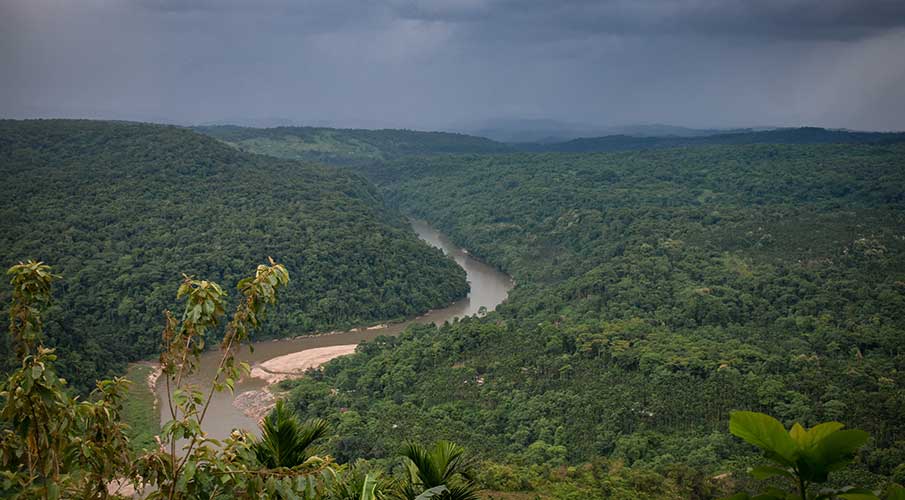
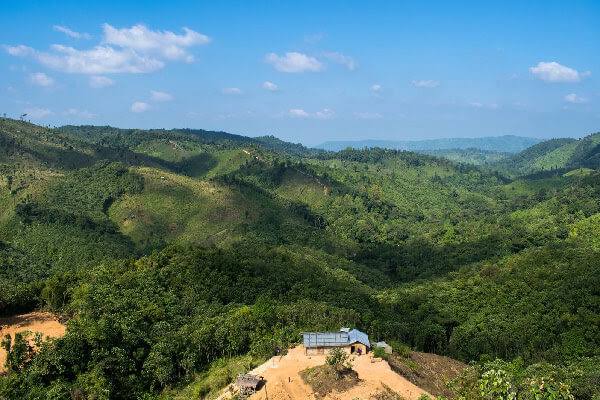
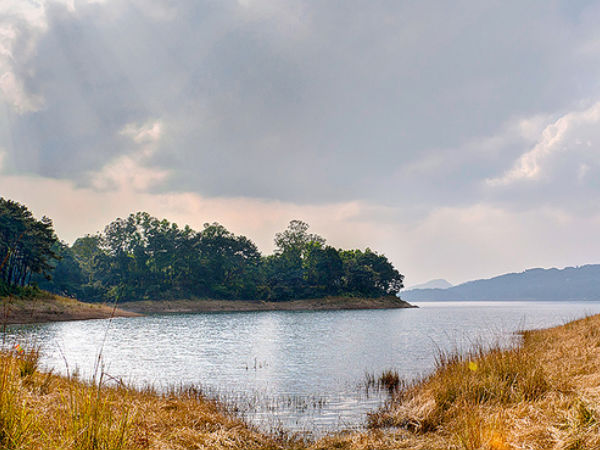
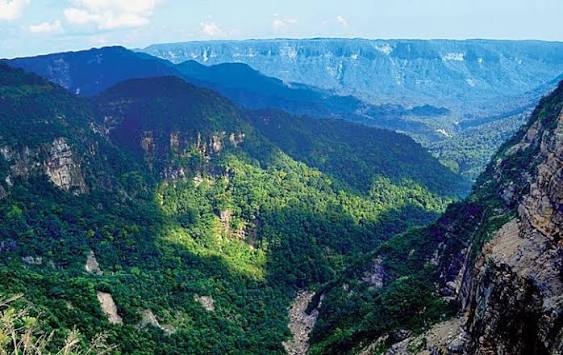
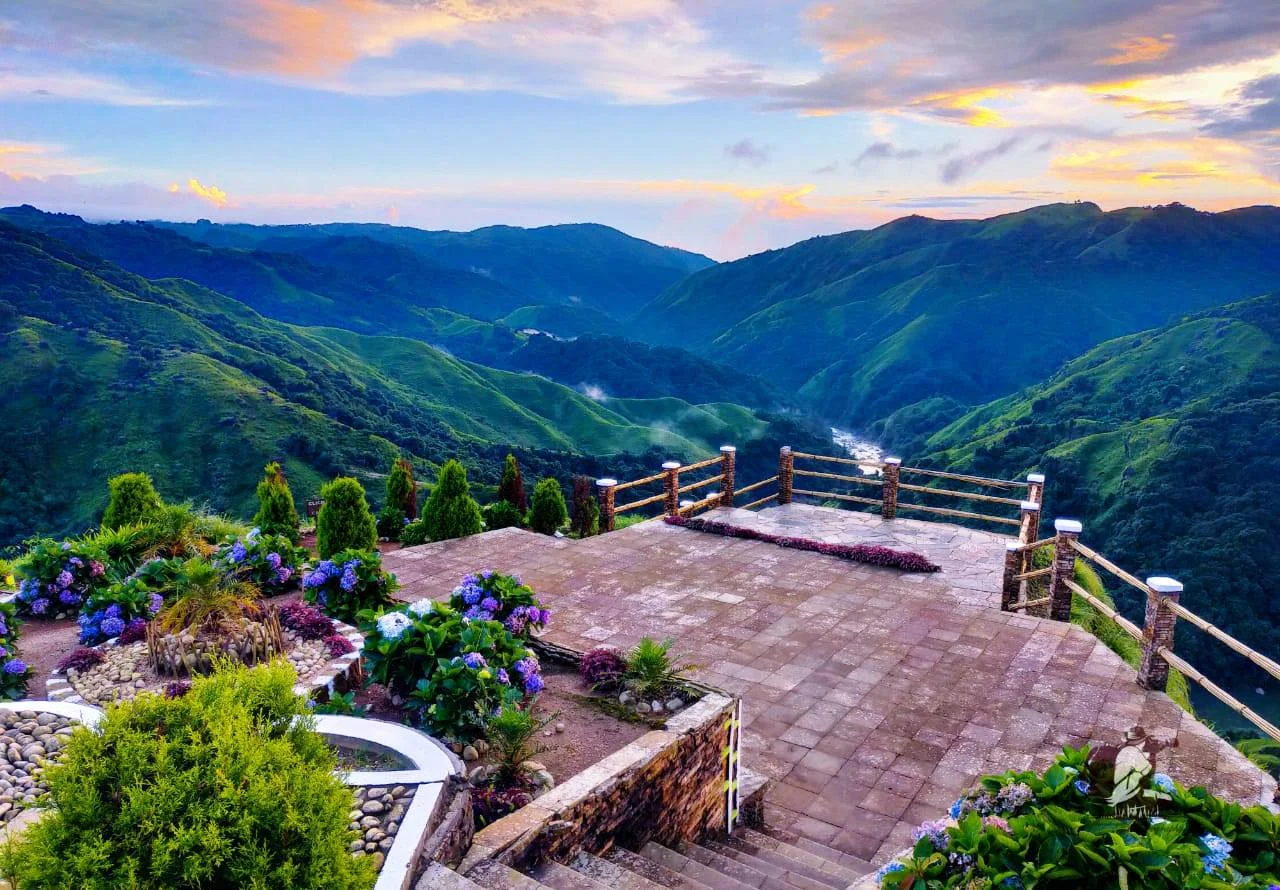
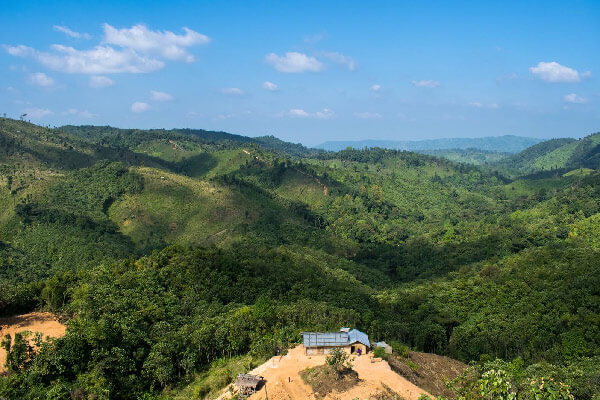
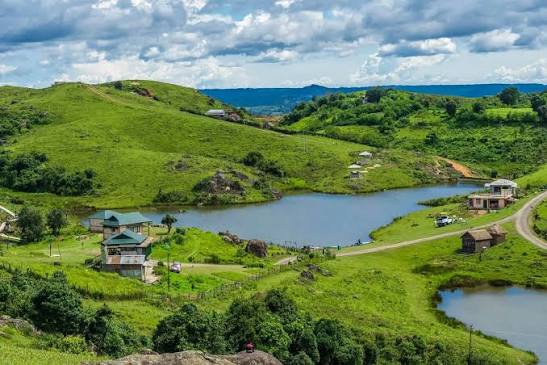
Meghalaya, meaning “Abode of Clouds”, is one of the most beautiful states in northeastern India. Known for its mist-covered hills, lush green valleys, waterfalls, caves, forests and peaceful villages, Meghalaya is a popular destination for nature lovers, adventure enthusiasts and cultural travellers.
The state is famous for its unique landscapes, rich tribal traditions, pleasant hill-station atmosphere and remarkable natural attractions. Shillong is the capital of Meghalaya and serves as an important centre for tourism, education, culture and administration.
History of Meghalaya
Meghalaya has a rich cultural and historical background connected with the Khasi, Jaintia and Garo communities. These indigenous communities have preserved their own languages, traditions, social systems, music, dance and customary practices for generations.
Formation of the State
Meghalaya became an autonomous state in 1970 and achieved full statehood on 21 January 1972. The state was formed to provide a separate administrative identity to the major hill communities of the region.
Tribal Heritage
The cultural heritage of Meghalaya is closely connected with the Khasi, Jaintia and Garo peoples. Traditional community practices, festivals, village institutions and respect for nature continue to shape the identity of the state.
Geography and Natural Beauty
Meghalaya is known for its green hills, deep valleys, dense forests, limestone caves, rivers and waterfalls. The state receives heavy rainfall in many areas, creating a landscape filled with streams, lush vegetation and misty mountains.
Hills and Valleys
The Khasi Hills, Jaintia Hills and Garo Hills form the major geographical regions of Meghalaya. Each region offers a different combination of natural scenery, cultural traditions and tourist attractions.
Waterfalls and Rivers
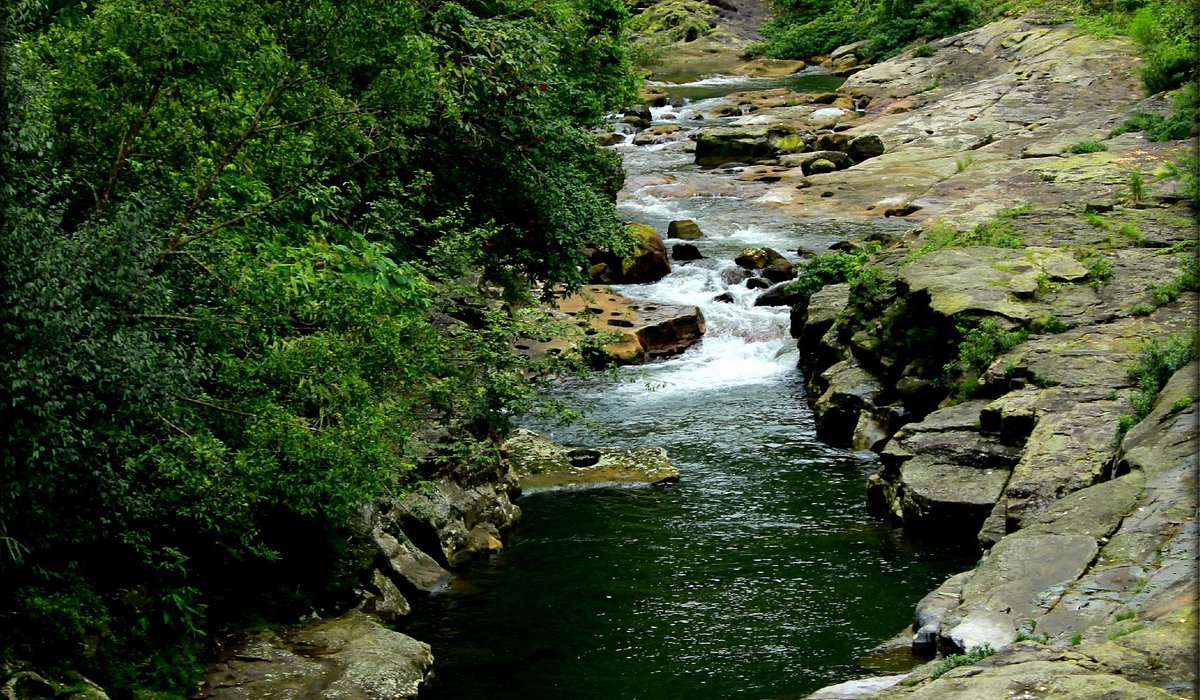
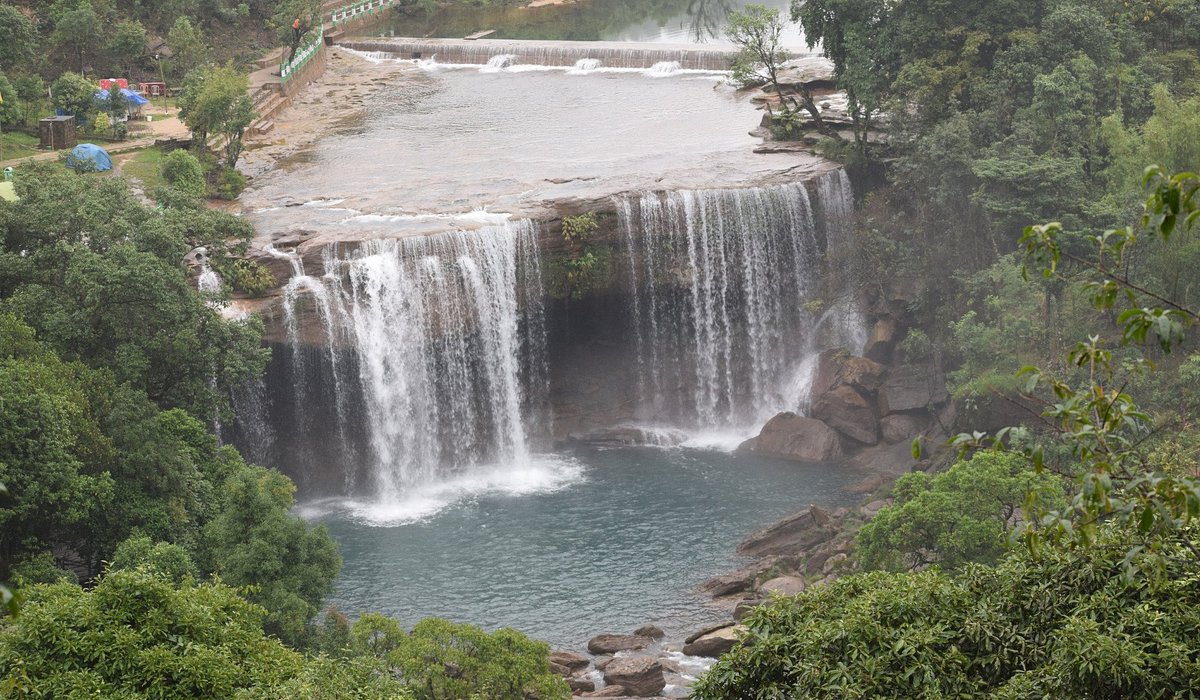
Meghalaya is home to numerous waterfalls and clear mountain streams. During the monsoon season, many waterfalls become especially impressive because of the increased flow of rainwater.
Culture and Traditions
Meghalaya has a vibrant cultural identity influenced by the Khasi, Jaintia and Garo communities. Traditional music, dance, handicrafts, local festivals and village customs are important parts of the state’s social life.
Traditional Lifestyle
Many communities in Meghalaya maintain a close relationship with forests, rivers and the natural environment. Traditional village life, local markets and community celebrations provide visitors with an opportunity to experience the cultural richness of northeastern India.
Music and Dance
Traditional songs, drums, dances and colourful cultural performances are important features of festivals and community gatherings throughout Meghalaya.
Famous Places to Visit in Meghalaya
Shillong
Shillong is the capital of Meghalaya and one of the most popular hill stations in northeastern India. It is known for its pleasant climate, scenic viewpoints, lakes, waterfalls, music culture, cafés and lively markets.
Popular Attractions in Shillong
- Umiam Lake
- Ward’s Lake
- Shillong Peak
- Elephant Falls
- Lady Hydari Park
- Police Bazaar
- Don Bosco Museum
Cherrapunji
Cherrapunji, also known as Sohra, is famous for its heavy rainfall, green landscapes, waterfalls, caves and living root bridges. It is one of Meghalaya’s most important destinations for nature and adventure tourism.
Popular Attractions in Cherrapunji
- Nohkalikai Falls
- Seven Sisters Falls
- Mawsmai Cave
- Arwah Cave
- Thangkarang Park
- Living root bridges
Mawsynram
Mawsynram is well known for its exceptional rainfall and beautiful natural surroundings. The area features green hills, misty valleys, caves and peaceful rural landscapes.
Living Root Bridges
The living root bridges of Meghalaya are among the state’s most unique attractions. These bridges are traditionally created by guiding the roots of rubber fig trees across streams and rivers. Over time, the roots grow stronger and form natural bridges that can be used by local communities.
Wah Kaba Falls
Wah Kaba Falls is a scenic waterfall near Cherrapunji. Surrounded by green hills and deep valleys, the waterfall is a popular location for sightseeing and photography.
Dawki
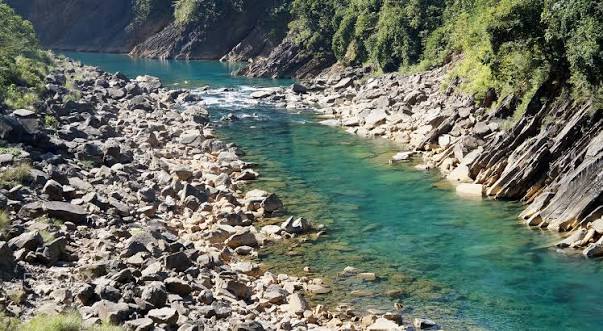
Dawki is famous for the beautiful Umngot River, known for its clear water and scenic surroundings. The town is located near the India–Bangladesh border and is a popular destination for boating and river views.
Shnongpdeng
Shnongpdeng is a peaceful riverside destination known for boating, camping, kayaking and adventure activities. Visitors can enjoy the clear river, surrounding hills and relaxing natural environment.
Jowai
Jowai is an important town in the Jaintia Hills region. It is known for its natural scenery, traditional culture, waterfalls, lakes and nearby attractions.
Nongpoh
Nongpoh is a scenic town located near Umiam Lake. It is surrounded by green hills and is often visited by travellers travelling between Shillong and Guwahati.
Famous Waterfalls in Meghalaya
- Nohkalikai Falls: One of the most famous waterfalls in India, located near Cherrapunji.
- Seven Sisters Falls: A wide waterfall flowing over a green cliff during the rainy season.
- Elephant Falls: A popular waterfall near Shillong.
- Krang Suri Falls: Known for its blue-green water and scenic surroundings.
- Wah Kaba Falls: A beautiful waterfall surrounded by hills and valleys.
- Sweet Falls: A scenic natural attraction near Shillong.
Famous Caves in Meghalaya
Meghalaya is known for its limestone caves and underground natural formations. Cave exploration is a popular activity for adventure travellers and visitors interested in geology.
- Mawsmai Cave: A popular cave near Cherrapunji.
- Arwah Cave: Known for its natural rock formations and fossils.
- Siju Cave: An important cave system in the Garo Hills region.
- Liat Prah Cave: Part of the extensive cave networks of the Jaintia Hills.
- Krem Mawmluh: A notable cave near Cherrapunji.
Food in Meghalaya
The cuisine of Meghalaya reflects the food traditions of its indigenous communities. Rice, vegetables, pork, fish, bamboo shoots and locally available herbs are commonly used in traditional dishes.
Popular Foods of Meghalaya
- Jadoh: A traditional rice and meat dish associated with Khasi cuisine.
- Dohneiihong: A pork dish prepared with black sesame.
- Doh Khlieh: A traditional pork salad-style preparation.
- tungrymbai: A fermented soybean preparation.
- Pickled bamboo shoots: A popular regional accompaniment.
- Pumaloi: A traditional steamed rice preparation.
- Minil songa: A traditional Garo rice preparation.
Festivals Celebrated in Meghalaya
Festivals in Meghalaya celebrate the agricultural traditions, cultural identity and spiritual beliefs of the Khasi, Jaintia and Garo communities. These festivals feature music, dance, traditional clothing, food and community gatherings.
Important Festivals
- Wangala Festival: A major harvest festival celebrated by the Garo community.
- Shad Suk Mynsiem: A traditional Khasi festival featuring music and dance.
- Nongkrem Dance Festival: An important Khasi cultural and religious celebration.
- Behdienkhlam: A significant festival celebrated by the Jaintia community.
- Autumn Festival: A popular cultural celebration in Shillong.
Things to Do in Meghalaya
- Explore the hills and viewpoints of Shillong.
- Visit the waterfalls of Cherrapunji.
- Walk across living root bridges.
- Explore limestone caves.
- Enjoy boating on the Umngot River.
- Go camping in Shnongpdeng.
- Try trekking through forest trails and hill villages.
- Visit local markets and handicraft shops.
- Experience traditional music, food and festivals.
- Explore museums and cultural centres.
Shopping in Meghalaya
Meghalaya offers a variety of traditional handicrafts, woven products, bamboo items, cane products, handmade decorations, local food products and tribal-style accessories.
Popular Shopping Items
- Bamboo and cane handicrafts
- Traditional woven fabrics
- Handmade baskets
- Local honey
- Organic spices and herbs
- Traditional shawls and clothing
- Locally produced food items
Where to Stay in Meghalaya
Meghalaya offers a wide range of accommodation options, including hotels, guesthouses, homestays, resorts, lodges and eco-camps. Shillong provides the largest variety of facilities, while destinations such as Cherrapunji, Dawki and Shnongpdeng offer scenic homestays and nature-based accommodation.
Homestay Experience
Staying in a local homestay is a good way to experience the culture, food and hospitality of Meghalaya. Visitors can learn about local traditions and enjoy the peaceful atmosphere of hill villages.
Best Time to Visit Meghalaya
The best time to visit Meghalaya depends on the type of experience visitors want. The months from October to April are generally suitable for sightseeing, outdoor activities and exploring the major tourist destinations.
Monsoon Season
The monsoon months bring heavy rainfall and dramatic waterfalls. Travellers who enjoy misty hills, lush greenery and powerful waterfalls may prefer the rainy season, but they should be prepared for slippery roads, travel delays and changing weather conditions.
How to Reach Meghalaya
By Air
The nearest major airport for many travellers is Lokpriya Gopinath Bordoloi International Airport in Guwahati, Assam. From Guwahati, visitors can travel to Shillong and other destinations in Meghalaya by road.
By Road
Meghalaya is connected by road with Guwahati and other northeastern destinations. Shared taxis, buses, private vehicles and rental cars are commonly used for travelling within the state.
By Train
Travellers generally use railway stations in and around Guwahati before continuing to Meghalaya by road.
Nearby Tourist Destinations
- Guwahati: A major city in Assam and an important gateway to northeastern India.
- Kaziranga National Park: A famous wildlife destination in Assam.
- Haflong: A scenic hill destination in Assam.
- Silchar: An important town in southern Assam.
- Majuli: A culturally important river island in Assam.
Suggested Meghalaya Travel Itinerary
Three-Day Meghalaya Trip
- Day 1: Explore Shillong, Ward’s Lake, Shillong Peak and local markets.
- Day 2: Visit Cherrapunji, Nohkalikai Falls, Mawsmai Cave and nearby viewpoints.
- Day 3: Explore waterfalls, local villages or nearby natural attractions.
Five-Day Meghalaya Trip
- Day 1: Arrive in Shillong and explore the city.
- Day 2: Visit Umiam Lake and other attractions around Shillong.
- Day 3: Explore Cherrapunji and its waterfalls and caves.
- Day 4: Visit Dawki and enjoy views of the Umngot River.
- Day 5: Explore Shnongpdeng or nearby villages before returning.
What is Meghalaya Famous For?
Meghalaya is famous for its misty hills, heavy rainfall, waterfalls, limestone caves, living root bridges, clear rivers, tribal culture and beautiful hill villages. It is also known for destinations such as Shillong, Cherrapunji, Mawsynram, Dawki and Shnongpdeng.
Travel Tips for Meghalaya
- Carry rain protection throughout the year, especially during the monsoon.
- Wear comfortable shoes suitable for trekking and slippery paths.
- Keep warm clothing for hill areas and evenings.
- Plan extra travel time because roads may be affected by rain.
- Respect local customs, village traditions and religious places.
- Avoid littering near waterfalls, rivers, caves and forests.
- Hire local guides for cave exploration and longer treks.
- Carry cash when visiting remote areas where digital payment facilities may be limited.
Why Visit Meghalaya?
Meghalaya is an ideal destination for travellers seeking natural beauty, adventure, peace and cultural experiences. Its dramatic waterfalls, green mountains, living root bridges, caves and welcoming communities make it one of the most distinctive travel destinations in India.
Conclusion
Meghalaya is a breathtaking northeastern state that combines spectacular landscapes with rich indigenous culture and unforgettable travel experiences. From the lively streets of Shillong to the waterfalls of Cherrapunji, the clear waters of Dawki and the remarkable living root bridges, Meghalaya offers something for nature lovers, photographers, adventure seekers and cultural explorers.