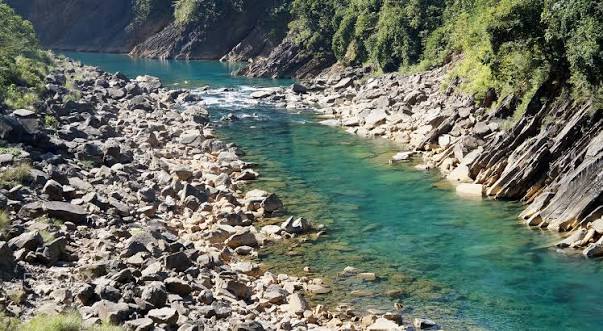
Where Waterfalls, Rivers and Jaintia Heritage Meet
East Jaintia Hills is a scenic district in Meghalaya known for its green landscapes, waterfalls, rivers, lakes and rich Jaintia or Pnar cultural heritage. With Khliehriat as its headquarters, the district offers a combination of natural attractions, traditional festivals, local crafts and historic sites.
History
East Jaintia Hills District was created from the former Khliehriat Civil Sub-Division on 31 July 2012. Before becoming a district, an Administrative Unit was established in 1976, which was upgraded to a full Civil Sub-Division in 1982.
Khliehriat was selected as the district headquarters. The district is part of the historical Jaintia Hills region and remains closely connected with the traditions and heritage of the Jaintia or Pnar people.
Geography
East Jaintia Hills occupies the easternmost part of Meghalaya and covers approximately 2,040 square kilometres. It shares boundaries with Assam, Bangladesh and West Jaintia Hills.
The district has an elevation of around 1,200 metres above sea level. The landscape includes high plateaus, valleys, forests, rivers, waterfalls and lakes. The NH 44 corridor connects the district with Shillong and parts of Assam.
Culture and Traditions
The Pnar or Jaintia people form one of the major communities of East Jaintia Hills. Other communities include the War, Biate, Hmar, Garo and Khasi people.
Jaintia society is traditionally matrilineal. The Pnar language is widely spoken, while English is the official language. Traditional culture includes music, dance, weaving, wood-carving, cane and bamboo work, jewellery and other handicrafts.
Traditional Crafts
Local craftsmanship includes artistic weaving, wood-carving, cane and bamboo work, carpet and silk weaving, musical instruments, jewellery and articles made from pineapple fibre.
Traditional Clothing
Traditional Jaintia clothing includes garments such as ryndia stem, thoh saru, khyrwang, sapjat and other locally recognised dress styles. Traditional ornaments are also worn during cultural celebrations and festivals.
Architecture and Heritage
East Jaintia Hills has a mixture of traditional cultural heritage and historic structures. The district's heritage can be seen through its traditional crafts, old temples, monolithic traditions and culturally significant places.
Borghat Temple
Borghat Temple at Borghat village is an old brick temple associated with the Jaintia rulers. The temple is primarily dedicated to Lord Shiva and contains distinctive carvings. It stands near the remains associated with the historic Borkhat Palace.
Famous Places
Moopun Waterfalls
Moopun Waterfalls is located at Mutong village on the Umjhai River. The waterfall drops from a height of around 110 feet and is surrounded by natural scenery. A stone bridge above the waterfall and a natural swimming pool below add to the attraction.
Umhang Lake
Umhang Lake is located at Bataw village and is described by the district administration as the largest natural lake in Jaintia Hills. Local tradition connects the formation of the lake with a story about an elderly woman who discovered water while searching for relief from thirst.
Tisang River
The Tisang River can be approached from Borghat village. The river flows through a landscape of forests and villages and is known locally as a place for riverside camping.
Lukha River and Lukha Bridge
The Lukha River flows through a mountainous landscape towards Bangladesh. The nearby Lukha Bridge is described by the district administration as the longest bridge in East Jaintia Hills and serves as an important connection towards eastern Assam.
Rynji Falls
Rynji Falls lies in the western part of the district near the boundary with West Jaintia Hills. The waterfall is situated in a less accessible area and requires a walk from the nearest road.
Umbyrlein Falls
Umbyrlein Falls is another natural attraction in East Jaintia Hills. The waterfall forms part of the district's growing collection of scenic locations for nature and outdoor experiences.
Moolamylliang Village
Moolamylliang Village is listed by the district administration as a destination for adventure, recreation and natural or scenic beauty. Its village landscape provides an opportunity to experience the rural side of East Jaintia Hills.
Sahksaw
Sahksaw, located near Cham Cham village, is a scenic fish sanctuary surrounded by a peaceful natural setting.
Famous Dishes
Rice-Based Food
Rice is the main food of the people of the district. It is commonly accompanied by meat, vegetables and locally available ingredients.
Bamboo Shoot Preparations
Bamboo shoots are among the forest-sourced ingredients traditionally used in local food. Other ingredients mentioned by the district administration include mushrooms, wild ferns and local vegetables.
Local Vegetables
Traditional food also includes vegetables collected from forests and locally cultivated produce. These ingredients form an important part of everyday food traditions in the district.
Famous Personalities
The official East Jaintia Hills district sources consulted do not provide a dedicated list of famous personalities associated with the district. Therefore, specific names have not been added here without reliable supporting information.
Festivals
Beh Deinkhlam
Beh Deinkhlam is one of the important traditional festivals of the Jaintia community. It is generally celebrated during the rainy season, particularly around July or August.
Chad Shukra
Chad Shukra is another important Jaintia festival associated with the cultural traditions of the Pnar community.
Chad Pastieh
Chad Pastieh is among the traditional festivals observed by the Pnar community and forms part of the cultural heritage of East Jaintia Hills.
Nulding Kut
Nulding Kut is celebrated annually by the Biate community in the Saipung area, with the district administration noting its observance on 11 January.
Things to Do
- Explore the scenic Moopun Waterfalls.
- Visit Umhang Lake and enjoy its natural surroundings.
- Discover the landscapes around the Tisang River.
- Visit Lukha River and Lukha Bridge.
- Explore the less-accessible Rynji Falls.
- Visit Borghat Temple and learn about its historical heritage.
- Explore local villages and experience Pnar culture and traditional crafts.
- Enjoy riverside and nature-based activities where locally permitted.
Where to Eat, Shop, and Stay
Eat
Khliehriat is the district headquarters and a practical base for finding everyday dining options. Visitors can look for local preparations based on rice, meat, vegetables and traditional ingredients such as bamboo shoots and wild greens.
Shop
Travellers interested in local products can look for traditional weaving, cane and bamboo products, jewellery, carpets, silk items and handicrafts associated with Jaintia culture.
Stay
Khliehriat provides a practical base for exploring the district. Meghalaya's tourism department also promotes accommodation development, including homestays, in connection with tourism development.
What is East Jaintia Hills Famous For?
East Jaintia Hills is known for its Jaintia/Pnar culture, waterfalls, rivers, lakes, forests, traditional festivals and historic heritage. Attractions such as Moopun Waterfalls, Umhang Lake, Lukha River, Rynji Falls and Borghat Temple showcase the district's natural and cultural character.
Best Time to Visit
The district experiences a humid subtropical monsoon climate. The rainy season generally extends from mid-May to September, while October and November are relatively cooler. Winter is generally dry and cold.
Travellers interested in waterfalls should consider seasonal rainfall and local weather conditions when planning outdoor activities. Those interested in cultural experiences can also plan around traditional festival periods.
How to Reach
By Road
East Jaintia Hills is connected by road with other parts of Meghalaya and Assam. National Highway 44 passes through the district and provides an important road connection towards Shillong and eastern Assam.
By Air
Travellers can reach Meghalaya by air and continue towards East Jaintia Hills by road. The nearest suitable airport should be selected according to current flight availability and the planned route.
By Rail
Travellers arriving by train need to continue the journey by road to reach East Jaintia Hills. Current train and road connections should be checked before travelling.
Nearby Places
West Jaintia Hills
West Jaintia Hills lies to the north and west of East Jaintia Hills and can be combined with the district for a wider exploration of the Jaintia Hills region.
Assam
Assam borders East Jaintia Hills to the north and east, making the district accessible as part of a broader northeastern India road journey.
Bangladesh Border Region
The southern boundary of East Jaintia Hills touches Bangladesh. The region offers a distinctive landscape where the hills of Meghalaya meet the plains towards the international border.
Best Duration for a Trip
A 2 to 3 day trip can be planned for exploring selected attractions around Khliehriat, Moopun, Umhang, Borghat and nearby natural areas. Travellers who want to explore more remote waterfalls and villages may need additional time.
Travel Tips
- Carry comfortable footwear for waterfalls, trails and village visits.
- Keep rain protection with you, particularly during the monsoon season.
- Check local weather and road conditions before visiting remote attractions.
- Respect local customs, sacred places and community traditions.
- Ask permission before photographing people during cultural activities.
- Keep waterfalls, rivers, forests and village areas clean.
- For less-accessible attractions such as Rynji Falls, plan for walking and local guidance.
Why Visit East Jaintia Hills?
East Jaintia Hills brings together natural scenery and living Jaintia heritage. Its waterfalls, rivers, lakes, forests and traditional cultural practices provide varied experiences for travellers looking to explore a quieter part of Meghalaya.
Conclusion
East Jaintia Hills is a fascinating destination in Meghalaya where Jaintia culture, natural landscapes and historical heritage come together. From the waters of Moopun and Umhang to the Lukha River, Rynji Falls and Borghat Temple, the district offers a diverse range of places to explore while experiencing the traditions of the Pnar people.
"Travel is the only thing you buy that makes you richer."