South Garo Hills – Where Forests, Rivers and Garo Culture Come Together
South Garo Hills is a beautiful district in Meghalaya, known for its green hills, dense forests, rivers, caves, waterfalls, wildlife and rich Garo tribal culture. The district offers peaceful natural surroundings and exciting experiences for travellers interested in nature, adventure, photography and traditional village life.
History
South Garo Hills became a separate district in 1992. The region has a strong connection with the history and traditions of the Garo people, whose lifestyle has traditionally been closely linked with forests, agriculture, rivers and the surrounding hills.
Historical and Cultural Background
The communities of South Garo Hills have preserved their traditional customs, folk music, dance, festivals, handicrafts and village practices over generations. The history of the region is reflected in its local traditions and close relationship with nature.
Geography
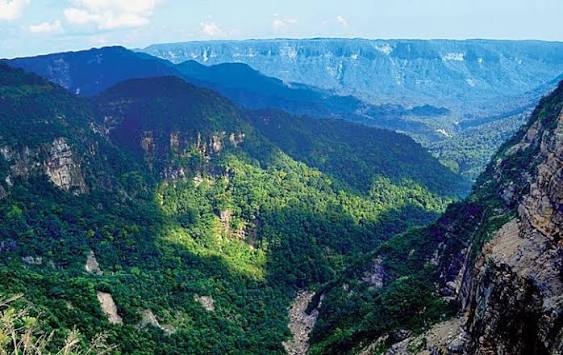
South Garo Hills is located in the southern part of Meghalaya and shares its southern boundary with Bangladesh. The district is characterised by forest-covered hills, deep valleys, rivers, rocky landscapes, waterfalls and limestone formations.
Climate and Natural Environment
The region receives heavy rainfall during the monsoon season. The rainy months make the forests, rivers and waterfalls especially attractive, while the winter and spring seasons are more comfortable for sightseeing and outdoor activities.
Landscape of South Garo Hills
The landscape includes green hills, thick forests, river valleys, caves and scenic viewpoints. These natural features make South Garo Hills a suitable destination for eco-tourism, trekking, wildlife observation and nature photography.
Culture and Traditions
The Garo community plays an important role in the cultural identity of South Garo Hills. The local culture can be seen through traditional clothing, village life, folk songs, group dances, agricultural customs, handicrafts and community celebrations.
Traditional Garo Lifestyle
Traditional Garo life is closely connected with farming, forests and natural resources. Bamboo and cane are commonly used to make household products, baskets, decorative items and other handicrafts.
Music, Dance and Clothing
Traditional music and dance are important parts of Garo celebrations. Colourful traditional clothing, musical instruments and community performances add to the cultural richness of the region.
Architecture
South Garo Hills is not mainly known for large palaces or monumental buildings. Its architectural character can be experienced through traditional village houses, bamboo structures, local community spaces and buildings designed according to the region's climate and natural surroundings.
Traditional Houses
Traditional houses in the Garo Hills region often use locally available materials such as bamboo, wood and thatch. These structures reflect the practical knowledge and environment-friendly building practices of local communities.
Famous Places
Balpakram National Park
Balpakram National Park is one of the most important natural attractions of the Garo Hills region. It is known for its dramatic plateaus, deep gorges, forests, wildlife, medicinal plants and traditional local legends.
Natural Beauty of Balpakram
The park offers impressive views of forested landscapes, cliffs, valleys and natural formations. It is suitable for nature lovers, photographers and visitors interested in biodiversity and conservation.
Siju Caves
Siju Caves are famous limestone caves with narrow passages, underground chambers and interesting rock formations. The caves are among the most popular natural attractions in the Garo Hills region.
Exploring the Caves
Visitors should explore Siju Caves with local guidance and suitable equipment. Some sections may be difficult to access, so travellers should follow safety instructions and avoid entering restricted areas.
Wari Chora
Wari Chora is a scenic destination known for its clear river, rocky surroundings, green valleys and dramatic natural landscape. The winding river creates a peaceful setting that is especially attractive for photography and nature exploration.
Baghmara
Baghmara is the headquarters of South Garo Hills and an important base for exploring the district. The town is surrounded by hills, rivers and forests and provides access to several nearby natural attractions.
Baghmara Reserve Forest
Baghmara Reserve Forest is known for its greenery and biodiversity. Visitors can enjoy nature walks, birdwatching and peaceful forest surroundings while following local forest rules.
Jadesil Falls
Jadesil Falls is a scenic waterfall surrounded by greenery. The waterfall is especially beautiful after the monsoon season, when the water flow increases and the surrounding landscape becomes fresh and vibrant.
Famous Dishes
The food of South Garo Hills reflects traditional Garo cooking methods and locally available ingredients. Rice is an important part of the local diet and is commonly served with vegetables, fish, meat and seasonal ingredients.
Traditional Rice Meals
Rice-based meals are a regular part of local food culture. They are often served with fresh vegetables, fish, meat or other regional side dishes.
Bamboo Shoot Preparations
Bamboo shoots are used in several traditional dishes. They add a distinctive flavour and are often prepared with vegetables, fish or meat.
Smoked and Fermented Foods
Smoked and fermented food items are associated with traditional food practices in the Garo Hills region. These preparations are valued for their unique taste and traditional methods of preservation.
Famous Personalities
South Garo Hills is strongly connected with the wider cultural and historical heritage of the Garo Hills region. Local leaders, artists, community figures and cultural practitioners have contributed to the preservation of Garo traditions.
Pa Togan Nengminja Sangma
Pa Togan Nengminja Sangma is remembered as an important Garo historical figure who resisted British forces in the nineteenth century. His legacy remains significant within the history and cultural memory of the Garo Hills region.
Festivals
Wangala Festival
Wangala is one of the most important festivals associated with the Garo community. It is traditionally celebrated as a thanksgiving festival after the harvest. The celebration includes drums, traditional music, colourful clothing, group dances and community gatherings.
Traditional Celebration
During Wangala, people come together to celebrate their agricultural traditions and cultural identity. The festival provides an opportunity to enjoy traditional songs, dances, food and community performances.
Things to Do
Nature Exploration
Visitors can explore forests, hills, rivers, waterfalls and scenic valleys throughout South Garo Hills. Guided nature walks are a good way to discover the area's natural beauty.
Adventure Activities
The district offers opportunities for trekking, hiking, cave exploration, river viewing, photography and offbeat travel experiences. Local guidance is recommended for remote locations and forest areas.
Cultural Experiences
Travellers can learn about Garo traditions, visit local villages, observe handicrafts, taste regional food and experience traditional festivals when visiting during the celebration season.
Where to Eat, Shop, and Stay
Where to Eat
Local eateries and small restaurants in Baghmara are suitable for trying simple regional meals, rice-based dishes, vegetables, fish and meat preparations. Travellers visiting remote attractions should carry snacks and drinking water.
Where to Shop
Local markets may offer bamboo and cane products, traditional clothing, handicrafts, seasonal food items and other products made by regional communities.
Where to Stay
Baghmara is the main place to search for accommodation in South Garo Hills. Visitors may find guesthouses, basic hotels, homestays and other simple lodging options. Accommodation should be confirmed in advance when travelling to remote areas.
Accommodation Options
Budget travellers can look for basic guesthouses and homestays. Visitors seeking a more comfortable stay should plan ahead because accommodation choices may be limited outside the main town.
What Is South Garo Hills Famous For?
South Garo Hills is famous for its lush green forests, hills, rivers, caves, waterfalls, wildlife, Garo tribal culture and peaceful natural surroundings. Its major attractions include Balpakram National Park, Siju Caves, Wari Chora and Baghmara.
Best Time to Visit
The best time to visit South Garo Hills is generally from October to April, when the weather is more comfortable for sightseeing, nature walks and outdoor activities.
Winter and Spring
The months from October to April are suitable for exploring forests, caves, rivers, villages and scenic destinations.
Monsoon Season
The monsoon season brings fresh greenery and stronger waterfalls. However, heavy rain may cause slippery roads, difficult travel conditions and changes in river levels.
How to Reach
By Air
Guwahati in Assam is generally the most practical major air gateway for travellers visiting South Garo Hills. From Guwahati, visitors can continue by road towards Meghalaya.
By Rail
Guwahati is also the major railway gateway for reaching South Garo Hills. From the railway station, travellers can use taxis or road transport to reach Baghmara.
By Road
South Garo Hills is connected by road with other parts of Meghalaya and neighbouring regions. Baghmara can be reached by road from major towns in the Garo Hills area. Travel may take longer during the monsoon season.
Nearby Places
Siju Caves
Siju Caves are worth visiting for their limestone formations, underground passages and natural surroundings.
Balpakram National Park
Balpakram is a major destination for exploring forests, cliffs, valleys, wildlife habitats and unique natural landscapes.
Wari Chora
Wari Chora offers beautiful river views, green valleys and peaceful surroundings for photography and nature lovers.
Baghmara
Baghmara is useful as a starting point for exploring nearby attractions and learning about the local culture of South Garo Hills.
Best Duration for a Trip
A trip of 3 to 4 days is suitable for exploring the main attractions of South Garo Hills comfortably.
Suggested Travel Plan
Day 1 – Arrival in Baghmara
Arrive in Baghmara, check into your accommodation and explore the town and nearby natural surroundings.
Day 2 – Visit Siju Caves
Explore Siju Caves with local guidance and enjoy the surrounding forests and scenic landscapes.
Day 3 – Explore Balpakram
Spend the day exploring the natural beauty of Balpakram National Park while following forest and conservation guidelines.
Day 4 – Wari Chora and Local Exploration
Visit Wari Chora or another nearby scenic location, enjoy river views and interact respectfully with local communities.
Travel Tips
Before You Travel
- Check weather and road conditions before starting your journey.
- Plan accommodation in advance, especially during peak travel periods.
- Carry comfortable shoes for walking on uneven and slippery paths.
- Keep rain protection with you during the monsoon season.
During Nature Visits
- Hire local guides for caves, forests and remote destinations.
- Do not disturb wildlife or damage plants and natural formations.
- Avoid plastic waste and carry reusable water bottles.
- Follow all forest, national park and local safety instructions.
Respect Local Culture
Respect local customs, traditional clothing, village spaces and religious or cultural practices. Ask permission before photographing people or private community activities.
Responsible Tourism
Responsible tourism helps protect the forests, rivers, wildlife and cultural heritage of South Garo Hills. Visitors should keep the surroundings clean and support local guides, artisans and small businesses whenever possible.
Why Visit South Garo Hills?
South Garo Hills is an excellent destination for travellers who want to experience the quieter and less-explored side of Meghalaya. Its forests, caves, rivers, waterfalls, wildlife and Garo traditions offer a combination of adventure, relaxation and cultural discovery.
Conclusion
South Garo Hills is a beautiful destination where natural landscapes and traditional Garo culture come together. From Balpakram National Park and Siju Caves to Wari Chora, Baghmara and peaceful forest villages, the district offers memorable experiences for nature lovers, adventure seekers and cultural explorers.
"Travel is the only thing you buy that makes you richer."