West Garo Hills – Where Garo Culture Meets the Wild Beauty of Meghalaya
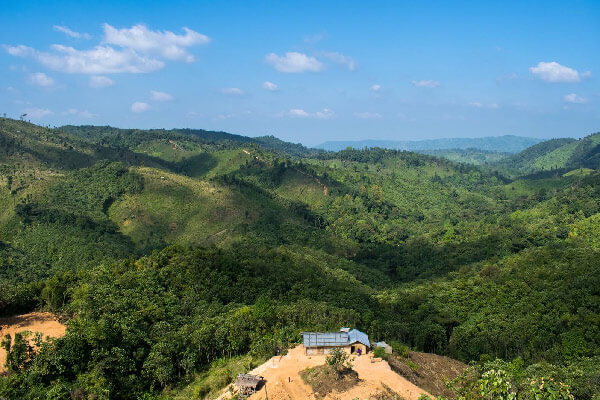
West Garo Hills is a scenic district in the western part of Meghalaya, known for its green mountains, dense forests, rivers, waterfalls, wildlife and rich Garo cultural heritage. Tura, the district headquarters, serves as an important gateway to the natural and cultural attractions of the Garo Hills region.
The district offers a combination of nature, adventure, traditional village life, heritage and peaceful landscapes. From the heights of Tura Peak and the forests of Nokrek to the rivers and waterfalls around the district, West Garo Hills provides many experiences for travellers looking to explore a less-crowded side of Meghalaya.
History
The Garo Hills district was divided into West Garo Hills and East Garo Hills in October 1976. In June 1992, the former West Garo Hills district was further divided, creating the present West Garo Hills and South Garo Hills districts. Tura became the headquarters of West Garo Hills and is one of the largest towns in Meghalaya.
Tura and the Development of the Region
Tura developed as an important administrative and commercial centre of the Garo Hills. Today, it remains an important base for travelling to several natural, cultural and historical attractions in West Garo Hills.
Geography
West Garo Hills lies in the western part of Meghalaya. It is bordered by East Garo Hills to the east, South Garo Hills to the south-east, Assam's Goalpara district to the north and north-west, and Bangladesh towards the south.
Hills and Mountain Ranges
The district is predominantly hilly, with plains along parts of its northern, western and south-western boundaries. The Tura Range is one of its most important mountain ranges and includes several prominent peaks, including Tura Peak and Nokrek Peak.
Tura Range
The Tura Range stretches across the Garo Hills and forms an important natural watershed. Nokrek, rising to about 1,412 metres, is the highest peak in the Garo Hills and lies within the protected landscape of the Nokrek region.
Rivers and Water Systems
The hills of West Garo Hills are the source of several rivers and streams. Important rivers include the Jinjiram, Kalu or Ganol, Didak, Bogai, Rongai and Dareng. These rivers contribute greatly to the natural beauty and ecological importance of the region.
Culture and Traditions
Garo culture is an important part of life in West Garo Hills. Traditional customs, music, dance, clothing, festivals, village life and agricultural practices continue to form an important part of the region's cultural identity.
Garo Community and Lifestyle
The Garo community has a distinctive cultural heritage and a traditionally matrilineal social system. Local life has a close relationship with agriculture, forests, rivers and the surrounding hills.
Traditional Music and Dance
Music and dance play an important role in Garo celebrations. Traditional drums, gongs, horns, colourful clothing and coordinated group dances are commonly associated with major cultural celebrations.
Traditional Village Life
Traditional Garo villages preserve distinctive customs and community practices. Sasatgre, near the Nokrek region, is particularly known for maintaining traditional Garo patterns of village life and architecture.
Architecture
Traditional Garo architecture makes extensive use of locally available materials such as timber, bamboo, cane and thatch. Different types of traditional structures have specific functions within Garo community life.
Nokmong
The Nokmong is a traditional Garo household structure designed to accommodate family life and different household activities. It can include spaces for sleeping, cooking, storage and other daily requirements.
Nokpante
A Nokpante is traditionally associated with unmarried young men in a Garo settlement. It also served as a place where younger members could learn traditional skills, customs, games and aspects of community life from elders.
Jamsreng and Jamatal
Jamsreng and Jamatal are smaller traditional structures associated with agricultural fields and orchards. They were used for activities such as storing produce, resting and staying near cultivation areas.
Borang
A Borang is a traditional elevated or treetop structure used in certain areas, particularly where protection from wild animals was necessary. These structures reflect the practical adaptation of traditional Garo architecture to the local environment.
Famous Places
Nokrek Biosphere Reserve
Nokrek is one of the most important natural attractions of West Garo Hills. The Nokrek landscape is known for thick forests, rare plants and wildlife. It is also associated with a rare citrus species and a National Citrus Gene Sanctuary.
Nokrek Peak
Nokrek Peak is the highest peak in the Garo Hills. The surrounding forest landscape provides a spectacular setting for trekking, nature exploration and wildlife observation.
Tura Peak
Tura Peak rises above the town of Tura and is one of the district's most recognisable natural landmarks. The peak offers scenic views towards the surrounding valleys, the Brahmaputra plains and areas towards Bangladesh.
Exploring Tura Peak
Tura Peak is suitable for visitors interested in nature, photography and trekking. The surrounding Tura Range is also important as a forest and water catchment area.
Pelga Falls
Pelga Falls is located about 7 kilometres from Tura and is a popular scenic destination. The area includes a footpath, viewpoint and a traditional Garo bamboo bridge over the Ganol River, adding to its natural and cultural appeal.
Wadagokgre
Wadagokgre is an important historical and archaeological site in West Garo Hills. Archaeological investigations have revealed evidence of an ancient settlement and religious centre dating to the early centuries of the Common Era.
Sasatgre
Sasatgre is a village located near the Nokrek region. It is known for its traditional Garo-style houses, cultural practices and orange plantations. The village provides an opportunity to experience traditional rural life surrounded by green hills.
Chibragre
Chibragre lies near the meeting point of the Ganol and Rongram rivers. Surrounded by rocks, pools and greenery, it is a popular location for picnics, fishing and enjoying the natural scenery.
Rombagre
Rombagre is located along the Tura-Williamnagar road and is known for a protected water pool in the Simsang River. The clear water and surrounding picnic areas make it a pleasant destination for nature lovers.
Famous Dishes
Food in West Garo Hills reflects the traditional lifestyle and locally available ingredients of the Garo community. Rice, vegetables, fish, meat and seasonal forest and agricultural produce form an important part of traditional meals.
Traditional Rice Meals
Rice is an important staple in the region and is commonly served with vegetables, fish, meat and locally prepared side dishes.
Bamboo Shoot Preparations
Bamboo shoots are used in traditional cooking across the region and add a distinctive flavour to a variety of local preparations.
Smoked and Fermented Foods
Smoking and fermentation are traditional food preparation and preservation methods found in the Garo Hills. These foods offer visitors an opportunity to experience regional flavours and traditional cooking practices.
Famous Personalities
West Garo Hills is strongly connected with the cultural and historical heritage of the Garo Hills. The region has produced community leaders, cultural figures and public personalities who have contributed to the development and preservation of Garo identity.
Local Garo Cultural Figures
Traditional community leaders, village elders, artists and cultural practitioners continue to play an important role in preserving Garo music, dance, customs, craftsmanship and oral traditions.
Festivals
Wangala Festival
Wangala is the best-known festival associated with the Garo community. Traditionally connected with the harvest, it is a celebration of thanksgiving and prosperity. The festival usually takes place around October or November, although the exact timing can vary between villages.
Wangala Dance
The celebration features colourful traditional clothing, drums, gongs, horns and group dancing. Men and women participate in coordinated performances that showcase the cultural heritage of the Garo people.
Other Traditional Dances
Other traditional Garo dance forms include Ajima Roa, Mi Sua, Chambil Mpa, Do-kru Sua, Kambe Toa, Gaewang Roa and Napsepgrika. These performances reflect the diversity of Garo cultural traditions.
Things to Do
Trekking and Hiking
The hills around Tura and Nokrek provide opportunities for trekking and hiking. Travellers should use local guidance when exploring forested or less-developed routes.
Nature and Wildlife Exploration
Visitors can explore forests, rivers and protected natural areas while observing the rich biodiversity of the Garo Hills. Wildlife associated with the Nokrek landscape includes elephants, hoolock gibbons, hornbills and other forest species.
Photography
The mountains, forests, rivers, waterfalls, traditional villages and cultural celebrations provide excellent subjects for photography.
Fishing and Picnicking
Places such as Pelga Falls, Chibragre and Rombagre are suitable for enjoying peaceful outdoor experiences, including picnics and river-side activities where permitted.
Where to Eat, Shop, and Stay
Where to Eat
Tura offers the widest range of food options in the district, including local restaurants and eateries where visitors can try regional and everyday Indian dishes. Travellers exploring remote areas should carry snacks and drinking water.
Where to Shop
Local markets in Tura and other towns offer everyday goods, regional products, traditional clothing, bamboo and cane products and locally produced items.
Traditional Handicrafts
Bamboo, cane, timber and other locally available materials are important in traditional Garo craftsmanship. Handmade products can provide visitors with a practical connection to the region's cultural traditions.
Where to Stay
Tura is the most convenient base for exploring West Garo Hills and offers a wider choice of accommodation. Travellers can also look for guesthouses, homestays and smaller accommodation options near selected tourist areas.
What Is West Garo Hills Famous For?
West Garo Hills is famous for Tura, Tura Peak, Nokrek, lush forests, waterfalls, rivers, traditional Garo villages, archaeological sites and rich Garo culture. The district is particularly attractive for nature tourism, trekking, photography, wildlife experiences and cultural exploration.
Best Time to Visit
The cooler and comparatively drier months are generally more comfortable for exploring West Garo Hills, particularly for trekking, sightseeing and outdoor activities.
October to April
This period is suitable for exploring Tura, Tura Peak, Nokrek, villages, waterfalls and other outdoor attractions. It also overlaps with the period when Wangala celebrations are commonly held.
Monsoon Season
The rainy season brings fresh greenery, flowing streams and waterfalls, but heavy rain can make roads and trekking routes more difficult. Visitors should check local weather and road conditions before travelling.
How to Reach
By Air
The nearest major airport is Gopinath Bordoloi International Airport in Guwahati, Assam. From Guwahati, travellers can continue to Tura by road.
By Train
Guwahati Railway Station is the nearest major railway gateway. From Guwahati, travellers can use buses, shared vehicles, taxis or other road transport to reach Tura.
By Road
West Garo Hills is connected by road through NH 217. Tura is approximately 220 kilometres from Guwahati by road. Bus and shared-vehicle services are available from Guwahati and Shillong to Tura.
Nearby Places
East Garo Hills
East Garo Hills lies to the east of West Garo Hills and offers additional opportunities to explore Garo landscapes, rivers, lakes and traditional culture.
South Garo Hills
South Garo Hills lies towards the south-east and is known for attractions such as Balpakram National Park, Siju Caves and Wari Chora.
Tura to Baghmara
Baghmara, the headquarters of South Garo Hills, can be reached from Tura by road. The journey provides an opportunity to explore more of the wider Garo Hills region.
Nokrek and Surrounding Villages
Villages and natural areas around Nokrek offer opportunities to experience traditional Garo life, forest landscapes and agricultural practices.
Best Duration for a Trip
A 3 to 4 day trip is suitable for experiencing the major attractions around Tura and exploring selected natural and cultural destinations in West Garo Hills. Travellers planning longer treks or visits to more remote areas can extend their stay.
Suggested Travel Plan
Day 1 – Explore Tura
Arrive in Tura, settle into your accommodation and explore the town and its local markets. Enjoy the surrounding hills and experience the atmosphere of the Garo Hills' largest urban centre.
Day 2 – Tura Peak and Pelga Falls
Visit Tura Peak for scenic views and continue towards Pelga Falls to enjoy the waterfall, river landscape and traditional bamboo bridge.
Day 3 – Nokrek and Sasatgre
Explore the Nokrek region with suitable local guidance and visit Sasatgre to experience traditional Garo village life and surrounding orange plantations.
Day 4 – Chibragre or Rombagre
Spend the final day enjoying the riverside scenery of Chibragre or Rombagre before returning to Tura.
Travel Tips
Plan Your Journey
- Check weather and road conditions before travelling.
- Plan accommodation in Tura or nearby areas in advance.
- Carry comfortable footwear for trekking and walking.
- Keep rain protection with you, particularly during the monsoon.
For Forest and Trekking Areas
- Use local guides for remote forest and trekking routes.
- Follow forest and protected-area regulations.
- Do not disturb wildlife or damage plants.
- Carry drinking water and basic essentials during outdoor activities.
Respect Local Culture
Respect Garo customs, village traditions and community spaces. Ask permission before photographing people or entering private areas, and dress appropriately when visiting cultural or religious places.
Keep West Garo Hills Clean
Avoid littering and single-use plastic wherever possible. Responsible tourism helps protect the forests, rivers, wildlife and cultural heritage that make West Garo Hills special.
Why Visit West Garo Hills?
West Garo Hills offers a different side of Meghalaya where mountains, forests, rivers and traditional Garo culture come together. It is a destination for travellers who enjoy nature, trekking, photography, wildlife, village experiences and offbeat exploration.
Conclusion
West Garo Hills is a fascinating destination in Meghalaya with a rich combination of natural beauty and cultural heritage. From Tura Peak and Nokrek to Pelga Falls, Sasatgre, Chibragre and Rombagre, the district offers memorable experiences for nature lovers, adventure seekers and travellers interested in discovering Garo traditions and landscapes.
"Travel is the only thing you buy that makes you richer."