Where Hills, Heritage and Kongu Culture Meet
Salem is a historic city in western Tamil Nadu and the headquarters of Salem District. Surrounded by hills and dotted with hillocks, the city combines the traditions of ancient Kongu Nadu with a modern industrial and commercial identity.
Salem is particularly known for its mangoes, traditional silver anklets, textiles and industries, while the wider region offers attractions ranging from the cool hills of Yercaud and the historic Sankagiri Fort to the massive Mettur Dam and numerous temples.
History
Salem has a long history extending back to prehistoric times. Stone implements and other archaeological evidence indicate the presence of early human communities in the region. The district administration also records Roman coins discovered at Koneripatti, suggesting the area's historical links with wider trade networks.
Over the centuries, the region came under the influence of the Pandiyas, Pallavas, Cholas, Hoysalas, Vijayanagara rulers and Madurai Nayaks. Later, Hyder Ali and Tipu Sultan controlled the region before British rule was established.
Salem became a district headquarters under British administration, and the development of railways, roads and the Mettur Dam contributed significantly to the region's modern growth.
Geography
Salem lies in western Tamil Nadu and is characterised by a landscape of hills, hillocks and surrounding plains. The district forms part of the historic Kongu Nadu region and shares boundaries with several districts of Tamil Nadu as well as Karnataka.
The Servarayan Hills around Yercaud form one of the most prominent highland landscapes near the city, while the Kaveri River and Mettur Dam are important geographical and economic features of the wider district.
Culture and Traditions
Salem's cultural identity is closely connected with Kongu Nadu traditions, temple worship, weaving, agriculture, local markets and traditional crafts.
Kongu Heritage
The region's traditional culture has developed around farming communities, temples, local markets and village traditions. Many rural customs continue alongside Salem's modern urban lifestyle.
Textile Tradition
Salem has long been associated with weaving and textile production. Traditional sari and fabric production remains part of the city's commercial and cultural identity.
Traditional Silver Anklets
Salem is known for its traditional silver anklets, an important local handicraft associated with the city's skilled artisans and jewellery-making traditions.
Mango Culture
Salem is widely associated with mango cultivation, particularly the Malgoa variety. Mangoes from the region are an important part of Salem's agricultural identity and local markets.
Architecture
Salem's architectural heritage can be experienced through its historic temples, religious structures and fort-related sites. The city and surrounding region feature traditional South Indian temple architecture alongside structures associated with later periods.
Sugavaneswarar Temple
The Sri Sugavaneswarar Temple near the old Salem Bus Stand is one of the city's historic Shiva temples. The temple contains sculptures and historical features that reflect Salem's religious heritage.
Kottai Mariamman Temple
Kottai Mariamman Temple is a prominent historic shrine located in the Fort area of Salem. The temple is closely associated with the city's annual Mariamman festival.
Sankagiri Fort
Sankagiri Fort is a historic fort maintained by the Archaeological Survey of India. Its elevated location and defensive structures reflect the strategic importance of the region during earlier periods.
Famous Places
Yercaud
Yercaud is the best-known hill destination associated with Salem. Located in the Servarayan range of the Eastern Ghats at an elevation of about 1,515 metres, it is known for its pleasant climate, forests, coffee plantations, viewpoints, lake and waterfalls.
Yercaud Lake
Yercaud Lake is a scenic natural lake surrounded by wooded areas and gardens. Boating is one of the popular activities around the lake.
Killiyur Falls
Killiyur Falls is located around 3 km from Yercaud Lake. The waterfall is particularly attractive after suitable monsoon rainfall, when water flows down the rocky landscape of the Shevaroy Hills.
Shervarayan Temple
The Shervarayan Temple is situated inside a narrow cavern in the Yercaud hills. The temple is associated with Lord Shervarayan and attracts visitors as both a religious and natural attraction.
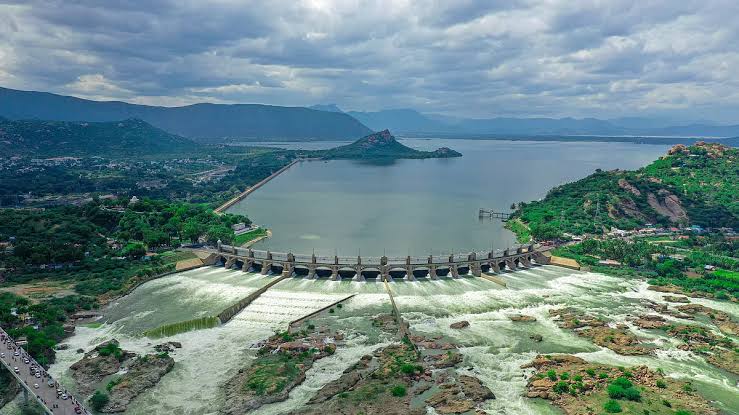
Mettur Dam
Mettur Dam is one of Salem District's major landmarks. Built across the Kaveri River between 1925 and 1934, the dam created the Stanley Reservoir and plays an important role in irrigation and water management.
Mettur Dam Park
The park opposite the dam provides lawns, fountains and open spaces overlooking the reservoir. It is a popular recreational stop for visitors exploring Mettur.
Sankagiri Fort
Sankagiri Fort is a historic hill fort located about 22 km from Salem. Its strategic position and surviving structures make it an important heritage attraction.
Kurumbapatti Zoological Park
Kurumbapatti Zoological Park is located around 12 km from Salem Bus Stand and provides a green setting for visitors interested in local wildlife and nature.
1008 Lingam Temple
The 1008 Lingam Temple at Ariyanoor is known for its large collection of Shiva Lingams arranged within the temple complex. It is one of the distinctive religious attractions around Salem.
Kurunji and Yercaud Landscapes
The hills around Yercaud are known for their forest vegetation, coffee and spice plantations, fruits and seasonal flowering. The region also has viewpoints such as Pagoda Point that provide views across the surrounding valleys.
Famous Dishes
Salem Mangoes
Fresh mangoes are among Salem's most recognisable local products. The district administration particularly highlights the Malgoa variety along with several other cultivated varieties.
Kongu-Style Food
Traditional Kongu cuisine is part of Salem's wider food culture. Rice-based meals, vegetable preparations, lentil dishes and regional meat preparations are commonly found in local eateries.
South Indian Breakfast
Idli, dosa, vada, pongal and other South Indian breakfast dishes are widely available throughout Salem and are a familiar part of everyday local dining.
Traditional Snacks
Local tea shops, bakeries and markets offer a variety of Tamil snacks, savouries and sweets that can be enjoyed while exploring the city.
Famous Personalities
Avvaiyar
Local tradition associates the Tamil poetess Avvaiyar with Salem. She remains one of the most respected figures in Tamil literary heritage.
Salem Ramasamy Mudaliar
Salem Ramasamy Mudaliar was among the notable public figures associated with the region and is remembered in the district's historical accounts.
C. Rajagopalachari
C. Rajagopalachari, popularly known as Rajaji, had an important political association with Salem. The district administration identifies Salem as one of the places where several prominent political figures began their public careers.
C. Vijayaraghavachariar
C. Vijayaraghavachariar was a prominent political leader associated with Salem and played a role in India's early nationalist political movement.
Dr. P. Subbarayan
Dr. P. Subbarayan was another notable political figure associated with Salem and its public life during the pre-independence period.
Festivals
Kottai Mariamman Festival
The annual Kottai Mariamman Temple festival is one of Salem's important religious celebrations. The festival traditionally takes place around July–August and includes a variety of rituals and community observances.
Yercaud Summer Festival
The Yercaud Summer Festival is traditionally held around the last week of May. Flower shows, cultural programmes, recreational events and other activities form part of the celebration.
Malayali Pilgrim Festival
The annual festival at the Servarayan–Kaveri Amman Temple in Yercaud attracts pilgrims, particularly from Malayali communities in the surrounding region.
Adiperukku
Adiperukku is traditionally celebrated around the Aadi month and is particularly associated with water and river traditions. Mettur is one of the places where the festival is observed with local significance.
Temple Festivals
Numerous temples across Salem and its surrounding towns conduct annual festivals according to their individual Tamil calendars, often featuring processions, music, traditional offerings and community gatherings.
Things to Do
- Explore the cool hill landscapes of Yercaud.
- Take a boat ride at Yercaud Lake.
- Visit Killiyur Falls after suitable rainfall.
- Explore the historic Shervarayan Temple.
- Visit Mettur Dam and its surrounding park.
- Explore the heritage of Sankagiri Fort.
- Visit Kurumbapatti Zoological Park.
- Explore historic temples such as Sugavaneswarar Temple and Kottai Mariamman Temple.
- Shop for traditional textiles and silver anklets.
- Taste Salem's famous mangoes and regional food.
Where to Eat, Shop, and Stay
Where to Eat
Salem has a wide variety of restaurants and local eateries serving South Indian breakfasts, traditional meals, Kongu-style dishes, snacks and sweets. Visitors can also look for seasonal mango products and local specialities in markets.
Where to Shop
Salem's commercial areas are known for textiles, traditional silver anklets, garments, household goods and agricultural products. Mangoes and other seasonal produce are also prominent in local markets.
Where to Stay
Salem city offers accommodation ranging from budget lodges and business hotels to more comfortable full-service properties. Yercaud provides additional accommodation for travellers who prefer to stay in the hills.
What is Salem Famous For?
Salem is famous for its mangoes, traditional silver anklets, textiles, Yercaud hills, Mettur Dam and historic temples. The city is also an important industrial centre, with activities connected to steel, textiles, sago and other industries.
Its location between several major Tamil Nadu cities and its access to the Eastern Ghats make Salem an important commercial and travel centre in western Tamil Nadu.
Best Time to Visit
The period from roughly October to February is generally more comfortable for exploring Salem and its surrounding attractions. The district administration notes that March to May is typically the hottest period, while December to February brings comparatively cooler conditions.
For Yercaud, the summer months can be attractive for travellers seeking a cooler hill environment. Visitors planning to see Killiyur Falls should consider visiting after suitable monsoon rainfall, while checking current access and weather conditions.
How to Reach
By Air
Salem Airport is located at Kamalapuram in Omalur Taluk, approximately 19 km from Salem city. The nearest international airports listed by the district administration are Tiruchirappalli and Coimbatore.
By Train
Salem is an important railway centre and the Salem Railway Division has an extensive rail network. Salem Junction connects the city with several major destinations in southern and other parts of India.
By Road
Salem has strong road connectivity and is intersected by major national highway routes connecting northern, western and eastern parts of Tamil Nadu. The city also has the MGR Integrated Bus Terminus for mofussil services and the Old Bus Stand for local routes.
Nearby Places
Yercaud
Yercaud is the most prominent hill destination near Salem, offering a lake, waterfalls, viewpoints, gardens, plantations and forest landscapes.
Mettur
Mettur is known for the massive Mettur Dam and Stanley Reservoir built across the Kaveri River.
Sankagiri
Sankagiri is home to the historic Sankagiri Fort and lies along an important transport corridor west of Salem.
Attur
Attur is a historic town in Salem District with temples, agricultural surroundings and access to natural attractions such as Muttal.
Rasipuram
Rasipuram lies southeast of Salem and is known for its temples, agricultural surroundings and connection with the wider Kongu cultural region.
Namakkal
Namakkal, a neighbouring district headquarters, is known for its hilltop Anjaneyar Temple, Namakkal Fort and surrounding heritage sites.
Best Duration for a Trip
A 2 to 3-day trip is suitable for exploring Salem and its main attractions. Two days can cover the city, temples and Mettur or Sankagiri, while a third day allows more time for Yercaud and its surrounding viewpoints and waterfalls.
Travel Tips
- Plan Yercaud sightseeing during daylight hours, especially if travelling through the hill roads.
- Carry light warm clothing for Yercaud during cooler months.
- Check weather and local access conditions before visiting waterfalls.
- Wear comfortable footwear for forts, viewpoints and temple visits.
- Dress respectfully when visiting religious sites.
- Check temple timings and festival schedules before planning visits.
- Carry sufficient drinking water during outdoor excursions.
- Purchase traditional silver jewellery and textiles from established local sellers.
- Try seasonal Salem mangoes when they are available.
- Follow local instructions around dams, reservoirs and protected natural areas.
Why Visit Salem?
Salem offers a varied travel experience that combines Kongu culture, hill landscapes, temples, traditional crafts, agriculture and modern industry. The contrast between the busy city, the cool hills of Yercaud and the vast waters of Mettur creates a destination with several different experiences within the same region.
It is particularly suitable for travellers interested in short hill trips, local food, heritage, shopping and exploring a less conventional side of western Tamil Nadu.
Conclusion
Salem is a city where the heritage of Kongu Nadu meets the energy of a modern industrial centre. Its mango orchards, traditional silver anklets, textiles, historic temples and surrounding hills give the city a distinctive identity.
From the cool landscapes of Yercaud and the historic Sankagiri Fort to the engineering scale of Mettur Dam, Salem provides a diverse introduction to the natural, cultural and economic character of western Tamil Nadu.
"Travel is the only thing you buy that makes you richer."