Where Ancient Forts, Sacred Temples and Coastal Landscapes Meet
Viluppuram is a historically rich destination in northern Tamil Nadu where ancient kingdoms, magnificent forts, temples, geological wonders and coastal landscapes come together. The region is particularly known for the imposing Gingee Fort, historic Chola and Pallava temples, spiritual centres such as Melmalayanur and Mailam, the fossil-rich landscape of Thiruvakkarai and the international township of Auroville.
Located between Chennai and Tiruchirappalli and well connected by rail and road, Viluppuram also serves as an important travel junction in Tamil Nadu. Its surrounding region offers a combination of history, architecture, spirituality, nature and rural landscapes that makes it an interesting destination for travellers looking beyond the state's most crowded tourist centres.
History
Viluppuram has a long and complex history shaped by several major South Indian dynasties. The region was initially associated with the Cholas, with Karikala Chola being one of the prominent early rulers mentioned in the historical records of the region.
The area subsequently came under Pallava influence before Chola power was revived. Later, the region witnessed the influence of the Pandyas, the Vijayanagara Empire and the Nayak rulers.
Gingee became particularly important during the Nayak period. Under the Vijayanagara Empire, Krishnappa Nayaka is traditionally associated with the establishment of Nayak rule at Gingee. Many of the fortifications, temples and other structures visible around Gingee developed during this period.
In 1677, Chhatrapati Shivaji captured Gingee, strengthening its position as an important military stronghold. The region later came under Mughal influence and was associated with the Nawabs of Arcot.
Gingee also became associated with the legendary figure Raja Desingh, whose conflict with the Nawab of Arcot and subsequent death became part of popular Tamil historical tradition.
During the 18th century, the region became a centre of conflict between European powers. Gingee came under French control in 1750 before being captured by the British in 1761. The wider South Arcot region subsequently remained under British authority until Indian independence.
Modern Viluppuram district was created on 30 September 1993, when it was separated from the erstwhile South Arcot/Cuddalore district. Viluppuram town became the headquarters of the newly formed district.
Geography
Viluppuram is located in northern Tamil Nadu and lies between several important districts. The district is bordered by Cuddalore to the east and south, Kallakurichi to the west, and Tiruvannamalai and Kanchipuram towards the north.
The district covers approximately 3,725.54 square kilometres and has a varied landscape consisting of agricultural plains, rocky hills, rivers, wetlands and coastal areas.
The Thenpennai River is one of the important geographical features associated with Viluppuram. The Gingee Hills form another distinctive part of the landscape, creating dramatic rocky terrain around the historic Gingee Fort.
The eastern part of the district extends towards the Bay of Bengal and includes the coastal area around Marakkanam. The region is also known for salt production and coastal agricultural landscapes.
Culture and Traditions
Viluppuram's culture reflects the long history of Tamil Nadu's temple traditions, village customs, religious festivals and classical Tamil heritage. The region's numerous ancient temples preserve inscriptions, sculptures, rituals and architectural traditions from different periods.
Temple Traditions
Temples remain an important part of everyday cultural life in the region. Annual festivals, processions, chariot festivals and special observances bring together local communities and visitors.
Folk and Village Traditions
Traditional village festivals and Amman worship form an important part of the cultural landscape. Melmalayanur is particularly known for its distinctive religious traditions and large gatherings on new-moon days.
Heritage of Gingee
Gingee preserves a remarkable combination of military architecture, temples, mosques, granaries and fortifications. Its cultural landscape reflects the influence of the Cholas, Vijayanagara rulers, Nayaks, Marathas, Mughals, Nawabs and European powers.
Tamil Literary Heritage
Viluppuram is connected with important figures in Tamil literary history. Thiruvennainallur, for example, is associated with Sadayappar, the patron of the celebrated Tamil poet Kambar.
Spiritual Diversity
The district includes Hindu temples, historic mosques, churches and Buddhist centres. The presence of Auroville and Mangala Buddha Vihar also adds an international and spiritual dimension to the cultural landscape.
Architecture
Viluppuram's architecture reflects several centuries of South Indian history. Visitors can find massive hill forts, rock-cut temples, Chola-era shrines, Nayak structures, traditional temple towers and religious buildings representing different communities.
Gingee Fort
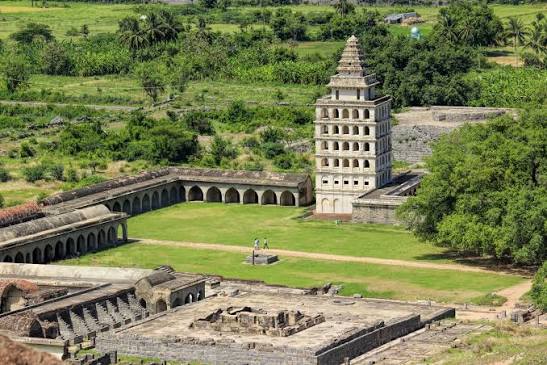
Gingee Fort is the most prominent architectural landmark in the region. Its defensive system spreads across three major hills—Rajagiri, Krishnagiri and Chakkilidurg—connected by massive walls and fortifications.
Kalyana Mahal
The Kalyana Mahal within Gingee Fort is an impressive Indo-Islamic-style structure. Its tall central tower, stone construction and surrounding chambers demonstrate the architectural diversity of the fort complex.
Venkataramana Temple
The Venkataramana Temple at Gingee is a major example of Nayak-period temple architecture. Its carved pillars, mandapas, sculptures and inscriptions showcase the artistic traditions of the period.
Singavaram Ranganatha Temple
Singavaram is known for its hilltop rock-cut shrine dedicated to Lord Ranganatha. The reclining image of Ranganatha is carved from the rock and is one of the notable architectural features of the site.
Mandagapattu Cave Temple
Mandagapattu is an important Pallava archaeological site associated with King Mahendravarman I. The rock-cut temple provides an early example of Pallava architectural experimentation.
Thiruvakkarai Temple
The temple at Thiruvakkarai is associated with the Chola period and is dedicated to Lord Shiva. Its sculptures, mandapas and traditional architectural features add to the historical importance of the geological park surrounding it.
Famous Places
Gingee Fort
Gingee Fort is Viluppuram's most famous attraction and one of the region's greatest historical landmarks. Spread across three hills, the fort includes massive defensive walls, gateways, temples, granaries, ponds, watchtowers and palatial ruins.
The Rajagiri citadel is particularly impressive because of its elevated position and difficult approach. The entire complex reflects Gingee's importance as a strategic military stronghold.
Melmalayanur Angala Parameswari Temple
Melmalayanur is one of the major pilgrimage centres in Viluppuram district. The Angala Parameswari Temple is particularly famous for its gatherings on Amavasai, or new-moon days, when large numbers of devotees visit the temple.
The annual festival held around February and March includes the distinctive Simimasana Kollai tradition.
Arulmigu Subramaniya Swami Temple, Mailam
The Mailam Murugan Temple is situated on a small hill and is an important pilgrimage destination. The temple is particularly busy during the Panguni Uthiram festival held around March or April.
Thiruvakkarai Geological Park
Thiruvakkarai is known for its collection of fossilised tree trunks and geological formations. The area is recognised as a national geological park and offers visitors an unusual opportunity to explore the geological history of the region.
Auroville
Auroville is an international township situated near the Tamil Nadu–Puducherry border. Founded in 1968, it was envisioned as an international community dedicated to human unity, sustainable living, education and alternative approaches to community development.
Mandagapattu
Mandagapattu is home to an early Pallava rock-cut temple attributed to Mahendravarman I. It is an important archaeological destination for travellers interested in the evolution of South Indian temple architecture.
Singavaram
Singavaram is known for its hilltop Ranganatha temple. The reclining image of Lord Ranganatha is carved into the rock and forms the centrepiece of this historic shrine.
Thiruvennainallur
Thiruvennainallur is associated with Sadayappar, the patron of the famous Tamil poet Kambar. The town also contains an ancient Shiva temple and is of interest to travellers exploring Tamil literary and religious history.
Thiruvaamathur
Thiruvaamathur is home to the ancient Abirameswarar Temple, a historic Shiva temple associated with the Chola period. The temple and its surroundings provide an opportunity to explore traditional Tamil temple architecture.
Marakkanam Beach
Marakkanam is a coastal destination known for its beach and extensive salt fields. Its coastal landscape provides a different experience from the inland historical attractions of Viluppuram.
Mangala Buddha Vihar
Mangala Buddha Vihar at Pulichapallam, near Auroville, is a Buddhist complex featuring a temple, meditation hall, library and large Buddha statues. It provides a peaceful setting for visitors interested in meditation and Buddhist traditions.
Famous Dishes
South Indian Breakfast
Traditional Tamil breakfast dishes such as idli, dosa, vada and pongal are widely available across Viluppuram. They are commonly served with sambar, coconut chutney and other accompaniments.
Ven Pongal
Ven Pongal is a popular rice-and-lentil preparation seasoned with ingredients such as pepper, cumin and ghee. It is commonly eaten for breakfast and is also associated with temple and festive food traditions.
Parotta and Salna
Parotta served with spicy salna is a familiar Tamil Nadu roadside and restaurant favourite. It is especially popular as an evening or dinner meal.
Sambar Rice
Sambar rice combines rice and a lentil-based vegetable preparation flavoured with tamarind and spices. It is a simple and widely enjoyed South Indian meal.
Curd Rice
Curd rice is a traditional South Indian preparation of cooked rice mixed with yoghurt and seasoned with spices. It is commonly enjoyed as a light meal, particularly in the warmer months.
Murukku
Murukku is a crisp, savoury Tamil snack made from rice flour and other ingredients. It is especially popular during festivals and celebrations.
Traditional Tamil Sweets
Traditional sweets such as adhirasam, jangiri and laddu are commonly found during temple festivals, celebrations and special occasions.
Famous Personalities
Karikala Chola
Karikala Chola was one of the prominent early Chola rulers associated with the wider historical region. He is remembered in Tamil tradition as an influential Chola king.
Kambar
Kambar is one of the greatest names in Tamil literature and is best known for the Kamba Ramayanam. Viluppuram district has an important literary connection with him through Thiruvennainallur and his patron Sadayappar.
Sadayappar
Sadayappar is remembered as the patron of Kambar. Thiruvennainallur is traditionally associated with Sadayappar and remains an important destination for visitors interested in Tamil literary heritage.
Raja Desingh
Raja Desingh, the historic ruler associated with Gingee, became a legendary figure in Tamil popular tradition because of his resistance against the Nawab of Arcot. His story has been preserved through folk songs and historical narratives.
Chhatrapati Shivaji
Chhatrapati Shivaji captured Gingee in 1677, adding another important chapter to the history of the fort. His association with Gingee is an important part of the site's military history.
Festivals
Melmalayanur Amavasai Festival
Melmalayanur Angala Parameswari Temple attracts large numbers of devotees on Amavasai, or new-moon days. The annual festival around February and March is particularly notable for the Simimasana Kollai tradition.
Melmalayanur Car Festival
The temple festival at Melmalayanur includes a traditional car procession and other religious events. The celebration attracts devotees from different parts of Tamil Nadu.
Panguni Uthiram at Mailam
The Panguni Uthiram festival at Mailam Murugan Temple is celebrated around March and April. Devotees gather at the hill temple for religious ceremonies and festival activities.
Koovagam Festival
The Koovagam Festival is one of the most distinctive annual cultural gatherings associated with the wider Viluppuram region. Held over approximately 18 days, it is centred on the Koovagam temple and the traditional story of Aravan from the Mahabharata.
The festival attracts transgender communities from different parts of India and other countries and has become an important cultural event associated with community identity and tradition.
Thiruvakkarai Full-Moon Observances
Thiruvakkarai attracts devotees during full-moon periods for special prayers associated with the temple. The religious traditions of the site continue alongside its geological significance.
Deepavali
Deepavali is celebrated widely across Viluppuram with traditional sweets, lamps, new clothes, family gatherings and fireworks.
Pongal
Pongal is an important Tamil harvest festival celebrated throughout the region. Homes and villages are decorated, traditional dishes are prepared and agricultural traditions are celebrated.
Things to Do
- Explore the massive fortifications of Gingee Fort.
- Climb the historic citadels and enjoy panoramic views around Gingee.
- Visit the Venkataramana Temple and other historic structures within the Gingee complex.
- Visit Melmalayanur Angala Parameswari Temple.
- Experience the atmosphere of Melmalayanur during an Amavasai gathering.
- Visit Mailam Murugan Temple.
- Explore the fossilised tree trunks at Thiruvakkarai Geological Park.
- Visit the ancient Pallava cave temple at Mandagapattu.
- Explore the rock-cut Ranganatha temple at Singavaram.
- Discover the Tamil literary heritage of Thiruvennainallur.
- Explore Auroville and its distinctive international community environment.
- Visit Mangala Buddha Vihar for a peaceful meditation experience.
- Explore the historic temples at Thiruvaamathur and Esalam.
- Visit Marakkanam Beach and its surrounding salt fields.
- Try traditional Tamil Nadu food at local restaurants and eateries.
Where to Eat, Shop, and Stay
Where to Eat
Viluppuram town and the surrounding towns have restaurants serving traditional Tamil Nadu, South Indian and other Indian cuisines. Travellers can easily find dishes such as dosa, idli, pongal, meals, parotta, biryani and traditional snacks.
For a more local experience, explore traditional vegetarian restaurants, small eateries and roadside establishments serving freshly prepared Tamil meals.
Where to Shop
Visitors can shop for traditional Tamil snacks, handicrafts, textiles, religious items, brass products and locally available agricultural products. Gingee and other heritage centres also have small shops selling souvenirs associated with temples and local culture.
Travellers visiting Auroville can explore its specialised shops and community-oriented products, including handicrafts, handmade goods, clothing and wellness-related products.
Where to Stay
Viluppuram town is a convenient base for travellers who want easy access to railway and road connections. Gingee is suitable for visitors focusing on the fort and surrounding heritage attractions.
Travellers interested in Auroville can choose accommodation in and around the Auroville–Puducherry region, while those exploring the coastal side can consider stays closer to Marakkanam and the East Coast Road.
What is Viluppuram Famous For?
Viluppuram is famous for its Gingee Fort, ancient temples, Melmalayanur Angala Parameswari Temple, Auroville, Thiruvakkarai Geological Park, Mailam Murugan Temple and rich Tamil historical heritage.
The region is particularly significant for its concentration of ancient and medieval monuments. Gingee Fort represents its military history, while Mandagapattu, Thiruvakkarai, Thiruvennainallur and other sites showcase its religious, architectural and literary heritage.
Its location between Chennai, Puducherry and central Tamil Nadu also makes Viluppuram an important travel junction and a useful base for exploring several destinations in the region.
Best Time to Visit
The best time to visit Viluppuram for general sightseeing is generally between October and February, when temperatures are more comfortable for exploring forts, temples, archaeological sites and outdoor attractions.
The winter months are particularly suitable for exploring Gingee Fort, as climbing the hills and walking around the large fort complex can become uncomfortable during the hotter part of the year.
Travellers interested in festivals should plan according to the relevant temple and event calendars. Melmalayanur is especially busy on Amavasai days, while Mailam attracts large crowds during Panguni Uthiram.
The summer months can be hot, so visitors planning outdoor sightseeing should begin early in the day, carry sufficient drinking water and protect themselves from the sun.
How to Reach
By Air
Viluppuram does not have its own major commercial airport. The nearest international airport is Chennai International Airport, approximately 147 km away according to the Viluppuram district administration. Puducherry Airport is closer at approximately 43 km, although flight availability is more limited.
By Train
Viluppuram Railway Junction is one of the important railway junctions in Tamil Nadu. It provides rail connections towards Chennai, Puducherry, Tiruchirappalli, Madurai and several other destinations in southern India.
By Road
Viluppuram is well connected by road with major cities and towns in Tamil Nadu. The district administration identifies important highway connections including routes towards Chennai, Puducherry, Nagapattinam, Ulundurpet and other parts of the state.
By Bus
The main bus stand is located in the central part of Viluppuram and provides mofussil and intercity services. Local town buses also connect the city with surrounding areas.
Nearby Places
Puducherry
Puducherry is one of the most convenient additions to a Viluppuram itinerary. Its French colonial architecture, beaches, cafés, promenade and spiritual heritage provide a contrast to Viluppuram's forts and temples.
Auroville
Auroville lies near the Tamil Nadu–Puducherry border and can be combined with a Viluppuram or Puducherry trip. Its international community, Matrimandir and sustainable-living initiatives make it a distinctive destination.
Gingee
Gingee is one of the most important nearby destinations and should be included in any itinerary focused on Viluppuram's history. Its fort complex is the major attraction.
Thiruvannamalai
Thiruvannamalai is a major pilgrimage destination known for the Arunachaleswarar Temple and Arunachala Hill. It can be combined with Gingee as part of a heritage and temple-focused journey.
Cuddalore
Cuddalore lies to the east of Viluppuram and provides access to coastal landscapes, beaches and historic sites along the Bay of Bengal.
Marakkanam
Marakkanam is a coastal destination known for its beach and salt-producing landscape. It offers a quieter coastal experience compared with larger beach destinations.
Chidambaram
Chidambaram is a major temple town in Tamil Nadu, famous for the Nataraja Temple and its important Shaiva traditions. It can be added to a longer heritage itinerary through the region.
Best Duration for a Trip
2 to 3 days is a good duration for exploring the major attractions of Viluppuram.
A two-day itinerary can focus on Gingee Fort, Melmalayanur, Mailam and selected historic temples. Travellers interested in archaeology and architecture can add Mandagapattu and Thiruvakkarai.
A three-day itinerary provides enough time to combine Viluppuram's heritage attractions with Auroville, Marakkanam or other nearby destinations.
Travellers planning to combine Viluppuram with Puducherry and Thiruvannamalai can consider 4 to 5 days for a more relaxed regional trip.
Travel Tips
- Start early when visiting Gingee Fort, especially during warmer months.
- Carry sufficient drinking water while exploring the fort's hill sections.
- Wear comfortable footwear because many heritage attractions involve walking over uneven surfaces and steps.
- Carry sun protection such as a hat, sunglasses and sunscreen.
- Check temple timings before visiting major religious attractions.
- Expect large crowds at Melmalayanur on Amavasai and during major festivals.
- Respect local customs and dress appropriately when visiting temples and other religious places.
- Check current access arrangements before visiting archaeological monuments.
- Keep additional time for travelling between different attractions because they are spread across the district.
- Visit Auroville respectfully and follow visitor guidelines for its restricted or specialised areas.
- Carry cash for smaller shops, local eateries and rural attractions.
- Try traditional Tamil Nadu meals and snacks during your visit.
- Plan coastal visits around weather conditions, particularly during periods of heavy rain or strong winds.
Why Visit Viluppuram?
Viluppuram is an excellent destination for travellers interested in history, architecture, temples, archaeology and cultural heritage. Its biggest attraction, Gingee Fort, offers an extraordinary glimpse into the military history of South India.
But the region goes far beyond the fort. Ancient Pallava and Chola monuments, rock-cut temples, historic pilgrimage centres, Auroville, geological formations and coastal landscapes create a varied travel experience.
Viluppuram is particularly appealing to travellers who enjoy discovering destinations through their stories. The region's history includes Cholas, Pallavas, Vijayanagara rulers, Nayaks, Marathas, Mughals, Nawabs and European powers, leaving behind a fascinating collection of monuments and traditions.
Its location and excellent rail and road connectivity also make it convenient to combine with Puducherry, Thiruvannamalai, Cuddalore and other destinations in northern and central Tamil Nadu.
Conclusion
Viluppuram is a destination where the history of Tamil Nadu can be experienced through forts, temples, archaeological monuments, religious traditions and ancient landscapes. The magnificent Gingee Fort stands at the centre of its historical identity, while places such as Mandagapattu, Thiruvakkarai, Singavaram and Thiruvennainallur reveal different chapters of the region's cultural past.
The destination also offers a different side of Tamil Nadu through the spiritual atmosphere of Melmalayanur, the international community of Auroville, the coastal landscape of Marakkanam and the peaceful surroundings of Mangala Buddha Vihar.
For travellers who enjoy heritage, architecture, spirituality, archaeology and authentic regional experiences, Viluppuram provides an interesting journey through centuries of South Indian history and culture.
"Travel is the only thing you buy that makes you richer."