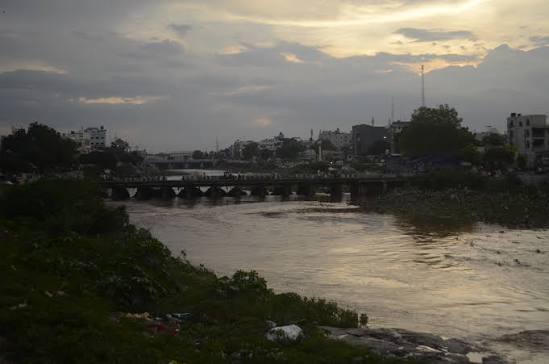
Where Industry Meets the Western Ghats
Tirupur is one of Tamil Nadu's most important industrial cities and is widely recognised for its textile and knitwear industry. The city combines a fast-growing commercial environment with the cultural traditions of Kongu Nadu, historic temples, agricultural landscapes and access to the Western Ghats.
Beyond its industrial identity, the wider Tirupur region offers scenic destinations such as Thirumoorthy Dam, Amaravathi Dam and Panchalinga Waterfalls, while temples at Avinashi, Tirumuruganpoondi, Sivanmalai and other locations preserve centuries of religious and architectural heritage.
History
Tirupur and the surrounding Kongu region have a long history shaped by agriculture, trade, temples and changing South Indian kingdoms. The area was associated with the Kongu country and came under the influence of several historic dynasties, including the Cholas, Pandyas and later regional rulers.
The modern identity of Tirupur developed strongly during the growth of its textile and garment industries. During the 1990s, rapid growth in exports and the expansion of the city's infrastructure led to demands for a separate district.
Tiruppur District was officially created in 2009 by reorganising parts of the former Coimbatore and Erode districts. The new district was inaugurated on 22 February 2009.
Geography
Tirupur lies in western Tamil Nadu and forms part of the Kongu Nadu region. The city is surrounded by agricultural areas, villages and industrial settlements, while the western and southern parts of the district extend towards the foothills and landscapes of the Western Ghats.
The district includes areas around Udumalpet, Dharapuram, Kangeyam, Avinashi, Palladam and other towns, creating a diverse landscape of textile centres, agricultural plains, dams, forests and hill regions.
Culture and Traditions
Tirupur's culture reflects the traditions of Kongu Nadu, where agriculture, temple worship, cattle-rearing, local markets and community festivals have traditionally played an important role.
Kongu Heritage
Traditional rural life remains visible in villages around Tirupur through agriculture, cattle-rearing, temple festivals and local food traditions. The region's connection with farming continues alongside its modern industrial economy.
Kangayam Cattle Tradition
The Kangayam region is particularly associated with the indigenous Kangayam breed of cattle. These animals have historically been important to agriculture and transport in the Kongu region and remain an important part of the area's rural heritage.
Temple Traditions
Historic temples across the district continue to serve as important centres of worship and community life. Annual festivals bring together residents and visitors through processions, rituals and traditional celebrations.
Architecture
Tirupur's architectural heritage is particularly visible in its historic temples. Many shrines feature traditional Dravidian elements, stone sculptures, inscriptions, mandapams and hilltop settings.
Avinashi Temple Architecture
The Avinashi Lingeswarar Temple is an important Shaivite shrine in the Kongu region. Its history is connected with the Cholas, Pandyas and Hoysalas, and inscriptions record historical endowments to the temple.
Thirumuruganpoondi Temple
The Thirumuruganpoondi temple dates back to the 9th century and is dedicated to Lord Shiva. Its historical association with Sundaramurthy Nayanar adds to its importance in the religious heritage of Kongu Nadu.
Hill Temples
Sivanmalai, Kaithamalai, Alagumalai and Thirumoorthy Malai are among the hill-associated temple destinations of the district, combining religious architecture with distinctive natural settings.
Famous Places
Avinashi Lingeswarar Temple
The Arulmigu Avinashi Lingeswarar Temple is one of the important Shiva temples of the Kongu region. Avinashi is associated with the traditional legend of Sundaramurthy Nayanar and is regarded as one of the Kongu-region Thevara sites.
Thirumuruganpoondi Temple
Thirumuruganpoondi is known for its historic Murugan and Shiva traditions. The temple is believed to date to the 9th century and is closely associated with the devotional history of Sundaramurthy Nayanar.
Sivanmalai
Sivanmalai is a hill temple associated with Lord Murugan. The elevated setting provides the shrine with a distinctive cultural and scenic character.
Thirumoorthy Dam
Thirumoorthy Dam is a popular day-trip destination in the district. The reservoir is built across the Palar River and is surrounded by agricultural landscapes, coconut groves and hills. Boating and scenic outings are among the attractions described by the district administration.
Amaravathi Dam
Amaravathi Dam is located near Amaravathinagar south of Udumalpet. Its reservoir is surrounded by the Western Ghats landscape and is notable for its population of mugger crocodiles. A park near the dam provides views across the surrounding plains and hills.
Panchalinga Waterfalls
Panchalinga Waterfalls is located near Udumalpet and is associated with waterfalls, a temple, meditation traditions and the surrounding natural landscape.
Amaravathi Crocodile Farm
The Amaravathi Crocodile Farm is associated with the crocodile population of the Amaravathi reservoir and surrounding areas. It forms part of the wildlife attractions of the Udumalpet region.
Indira Gandhi Wildlife Sanctuary
The Western Ghats landscapes around the district connect with the Indira Gandhi Wildlife Sanctuary region, offering forested terrain and wildlife habitats. Access to protected areas should follow current forest department regulations.
Famous Dishes
Kongu-Style Vegetarian Food
Traditional Kongu cuisine uses locally available vegetables, grains, lentils and spices. Simple vegetarian meals served with rice, sambar, rasam and regional accompaniments are common across the region.
Kongu Non-Vegetarian Cuisine
Non-vegetarian dishes prepared with chicken, mutton and country-style spices are also part of the wider Kongu food tradition. Local preparation styles often emphasise freshly ground spices and straightforward cooking.
Parotta and Regional Curries
Parotta served with spicy vegetarian or non-vegetarian gravies is widely available in Tirupur and makes a familiar choice for an evening meal.
Traditional Snacks
Local bakeries, tea shops and markets offer a range of Tamil snacks, savouries and sweets that are commonly enjoyed with tea or as quick refreshments.
Famous Personalities
Thiruppur Kumaran
Thiruppur Kumaran, popularly known as Kodi Kaatha Kumaran, was born in Chennimalai in the present-day Tirupur region. He participated in India's freedom movement and died in 1932 after sustaining injuries during a protest while holding the national flag. He is remembered as an important freedom fighter associated with the region.
Udumalai Narayana Kavi
Udumalai Narayana Kavi was a prominent Tamil poet and lyricist associated with Udumalpet. His contribution to Tamil poetry and popular music forms part of the cultural heritage of the Tirupur region.
Local Textile Entrepreneurs
Tirupur's modern history has also been shaped by generations of textile entrepreneurs, manufacturers and workers who helped establish the city as a major centre for knitwear and garment production.
Festivals
Avinashi Temple Festivals
The Avinashi Lingeswarar Temple observes traditional Shaivite festivals and ceremonies throughout the year. Major celebrations attract devotees from the surrounding Kongu region.
Thirumuruganpoondi Temple Festivals
Annual celebrations at Thirumuruganpoondi preserve the temple's long-standing Murugan and Shiva traditions through rituals and processions.
Murugan Festivals
Temples such as Sivanmalai and other Murugan shrines observe important Tamil religious occasions including Thai Poosam and other festivals according to the temple calendar.
Local Village Festivals
Village temples throughout the district celebrate annual festivals that bring together agricultural communities, local families and visitors through rituals, cultural activities and processions.
Harvest Traditions
Pongal remains an important cultural celebration across the region, reflecting Tirupur's connection with agriculture, cattle and rural traditions despite the city's modern industrial character.
Things to Do
- Explore the textile and garment heritage of Tirupur.
- Visit the historic Avinashi Lingeswarar Temple.
- Explore Thirumuruganpoondi Temple and its heritage.
- Visit the hill temple at Sivanmalai.
- Plan a scenic outing to Thirumoorthy Dam.
- Visit Amaravathi Dam and the surrounding landscape.
- Explore Panchalinga Waterfalls when conditions permit.
- Discover the agricultural and rural landscapes around Kangeyam and Udumalpet.
- Explore local markets and taste Kongu-style food.
- Use Tirupur as a base for exploring the Western Ghats region.
Where to Eat, Shop, and Stay
Where to Eat
Tirupur has a wide range of restaurants and local eateries serving South Indian breakfasts, Tamil meals, Kongu-style dishes, biryani, parotta and snacks. The city centre and major commercial areas provide plenty of everyday dining options.
Where to Shop
Shopping in Tirupur is strongly connected with its textile and garment industry. Visitors can explore clothing markets and retail outlets for knitwear, garments and other textile products. Local markets also offer traditional food products and everyday goods.
Where to Stay
Tirupur has accommodation options ranging from budget hotels and lodges to business-oriented hotels. Staying within the city is convenient for travellers combining sightseeing with shopping or business visits, while Udumalpet provides a useful base for exploring the southern part of the district.
What is Tirupur Famous For?
Tirupur is most famous for its textile and knitwear industry and is widely recognised as one of India's major garment manufacturing and export centres. The wider district is also known for its historic temples, Kangayam cattle, agricultural landscapes, dams and access to Western Ghats destinations.
Best Time to Visit
The period from roughly October to March is generally more comfortable for sightseeing and outdoor excursions around Tirupur and Udumalpet.
For waterfalls, dams and hill destinations, conditions can change with rainfall and local regulations. Visitors should check current weather and access information before travelling.
How to Reach
By Air
The nearest airport is Coimbatore International Airport, approximately 43 km from Tirupur according to the district administration. Tiruchirappalli and Madurai airports are also available at greater distances.
By Train
Tiruppur Railway Station, with station code TUP, falls under the Salem Railway Division. The station provides rail connectivity with cities including Chennai, Bengaluru, Coimbatore, Tiruchirappalli, Madurai, Salem, Ernakulam, Mysuru and Mangaluru.
By Road
Tirupur is well connected by road through routes including Palladam–Tiruppur–Avinashi, Tirupur–Dharapuram, Tirupur–Gobichettipalayam, Tirupur–Somanur and Tirupur–Kangeyam. Bus services connect the city with major destinations across Tamil Nadu and neighbouring states.
Nearby Places
Avinashi
Avinashi is located close to Tirupur and is known for the historic Avinashi Lingeswarar Temple and its importance in the religious heritage of Kongu Nadu.
Udumalpet
Udumalpet is an important town in the southern part of the district and provides access to dams, waterfalls, wildlife areas and Western Ghats landscapes.
Kangeyam
Kangeyam is associated with the famous Kangayam breed of cattle and the agricultural traditions of Kongu Nadu.
Dharapuram
Dharapuram is a historic town in the district surrounded by agricultural landscapes and traditional temples.
Chennimalai
Chennimalai is associated with the birthplace of freedom fighter Thiruppur Kumaran and is also known for its Murugan temple and hill setting.
Thirumoorthy Hills
The Thirumoorthy Hills region combines a reservoir, temple and scenic Western Ghats landscapes, making it suitable for a nature-oriented day trip.
Best Duration for a Trip
A 2-day trip is suitable for experiencing Tirupur city and some of the nearby heritage attractions. A 3-day itinerary allows additional time for Avinashi, Thirumuruganpoondi, Sivanmalai and a scenic excursion towards Thirumoorthy or Amaravathi.
Travel Tips
- Carry comfortable clothing and footwear for temple and outdoor visits.
- Start early for dam, waterfall and hill excursions.
- Check current weather and access conditions before visiting natural attractions.
- Respect temple customs and dress appropriately at religious sites.
- Do not enter restricted forest areas or follow unofficial trekking routes.
- Carry sufficient drinking water during outdoor excursions.
- Allow additional time for textile shopping if garments are part of your travel plan.
- Check temple timings and festival schedules before visiting specific shrines.
- Support local businesses and traditional markets when shopping.
Why Visit Tirupur?
Tirupur offers a different travel experience from many of Tamil Nadu's traditional heritage cities. It combines a dynamic textile industry and modern commercial environment with Kongu cultural traditions, historic temples and easy access to scenic Western Ghats landscapes.
For travellers interested in textiles, local culture, temple heritage, food and short nature excursions, Tirupur provides a useful combination of urban and rural experiences.
Conclusion
Tirupur is a city shaped by enterprise, textiles and the traditions of Kongu Nadu. Its identity extends beyond the garment industry to include historic temples, agricultural landscapes, cattle traditions, dams and the scenic hills around Udumalpet.
Whether visiting for business, textile shopping, cultural exploration or a wider Tamil Nadu road trip, Tirupur offers an interesting meeting point between modern industry and the natural and cultural heritage of western Tamil Nadu.
"Travel is the only thing you buy that makes you richer."