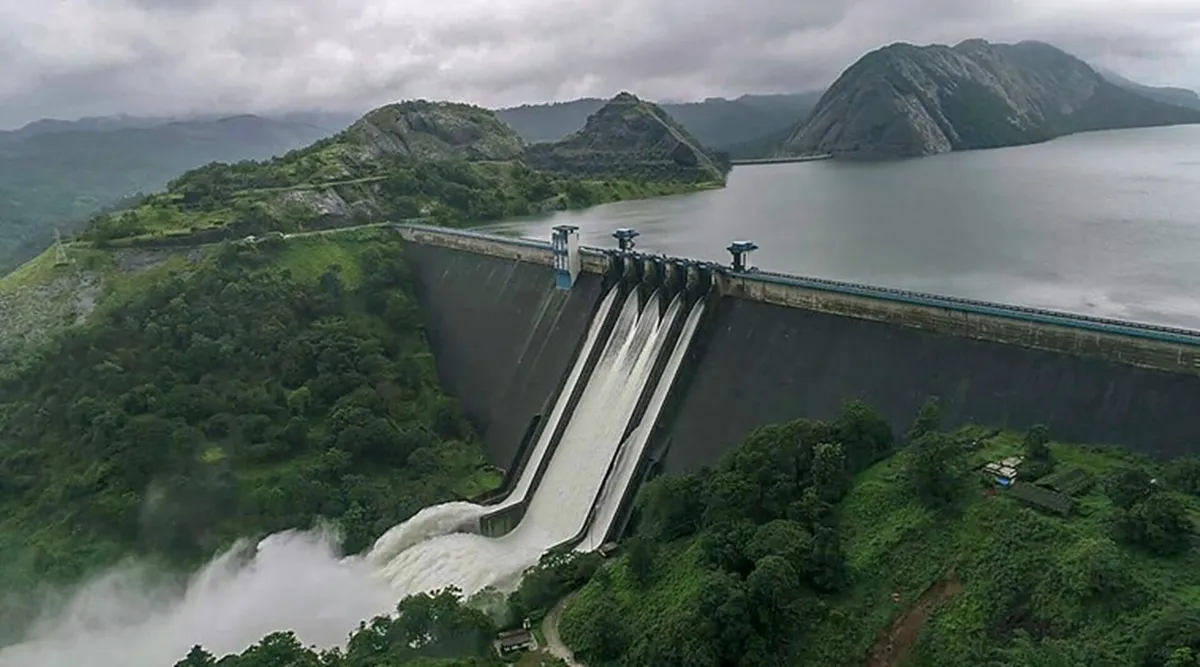
Idukki – Where Misty Mountains, Forests and Spice Plantations Meet
Idukki is one of Kerala’s most scenic high-range destinations, known for its mist-covered mountains, dense forests, tea and spice plantations, waterfalls, wildlife sanctuaries and dramatic valleys. Located in the Western Ghats, the district offers a very different experience from Kerala’s coastal cities and backwater destinations.
Idukki is particularly famous for destinations such as Munnar, Thekkady, Periyar Tiger Reserve, Idukki Arch Dam and Vagamon. The region is also known as the “Spice Garden of Kerala” because of its extensive cultivation of cardamom, pepper and other plantation crops.
Whether you want to walk through tea gardens, explore wildlife, visit spectacular dams, discover tribal and plantation culture, enjoy mountain viewpoints or simply relax among misty hills, Idukki offers a wide variety of experiences for nature-loving travellers.
History
The history of Idukki is closely connected with the high ranges of the Western Ghats, ancient spice trade, regional kingdoms, migration and plantation development. Archaeological remains found in different parts of the district indicate the presence of prehistoric communities.
Prehistoric Heritage
Dolmens, menhirs, burial sites and other megalithic remains found in areas such as Marayoor, Bison Valley, Vandiperiyar and Thondermalai indicate that human communities lived in the high ranges many centuries ago.
Ancient Spice Trade
The high ranges of Idukki have long been associated with the cultivation and trade of pepper, cardamom and other spices. The abundance of spices made the region commercially important and attracted traders from different parts of India and beyond.
Early Kingdoms
Parts of present-day Idukki were associated with ancient and medieval political regions including the Chera and Kulasekhara kingdoms. Later, areas around Thodupuzha were associated with the Vadakkumkur and Thekkumkur kingdoms.
European Spice Connections
The Dutch East India Company developed commercial interests in the high ranges because of the region's valuable pepper production. Historical records also mention trade agreements involving spices such as pepper and cinnamon.
Travancore Period
The Poonjar principality acquired extensive high-range territories between Peerumade and Devikulam. These territories later became associated with Travancore after the annexation of the Poonjar principality in the 18th century.
Migration and Plantation Development
Modern settlement in Idukki expanded significantly during the 20th century. Migrant communities settled in the high ranges, cleared land for agriculture and helped develop plantations of tea, cardamom, coffee and other crops.
Formation of Idukki District
Idukki district was officially formed on 26 January 1972. It was created by combining parts of the erstwhile Kottayam and Ernakulam districts. The name Idukki is derived from the Malayalam word “Idukku,” meaning a gorge.
Development of Hydroelectric Power
The construction of the Idukki Hydroelectric Project became one of the most important developments in the modern history of the district. The project transformed Idukki into one of Kerala's most important centres for hydroelectric power generation.
Geography
Idukki lies predominantly in the Western Ghats and is characterised by high mountains, deep valleys, forests, plantations, rivers and reservoirs. It is one of Kerala's most mountainous regions.
Mountainous Landscape
The district is dominated by hills and valleys, with several high-altitude destinations including Munnar, Devikulam, Vagamon and Peerumade. The changing elevation creates cool mountain climates in many areas.
Dense Forests
A large portion of Idukki is covered by forests. These forests support elephants, tigers, gaur, sambar deer, Nilgiri langurs, birds and many other species.
Major Rivers
The district is associated with major rivers including the Periyar, Thalayar and Thodupuzhayar and their tributaries. The Pamba River also originates in the high ranges of the region.
Plantation Landscape
Tea, cardamom, pepper, coffee and other plantation crops are an important part of Idukki's geography and economy. The extensive plantations create some of the region's most recognisable landscapes.
Mountain Climate
Higher areas such as Munnar and Peerumade generally experience cooler conditions than Kerala's coastal plains. Mist, rain and changing temperatures contribute to the distinctive atmosphere of the high ranges.
Culture and Traditions
Idukki has a diverse cultural landscape shaped by indigenous communities, migrant settlers, plantation workers and long-established Kerala traditions.
Tribal Heritage
The district is home to several indigenous communities with distinct traditions, customs, knowledge systems, art forms and relationships with the surrounding forests.
Plantation Culture
Tea, cardamom and other plantations have strongly influenced everyday life in the high ranges. Plantation communities have contributed to the social and economic development of places such as Munnar, Peerumade and Thekkady.
Traditional Agriculture
Farming remains important in many parts of Idukki. Farmers cultivate spices, tea, coffee, vegetables and other crops suited to the mountainous terrain.
Temple and Church Traditions
Temples and churches are found throughout the district, and local festivals often combine religious traditions with community gatherings, processions, music and cultural programmes.
Traditional Knowledge
Indigenous and rural communities have developed extensive knowledge of medicinal plants, forest resources, farming practices and the natural environment.
Architecture
Idukki's architecture is closely connected with its mountain environment, plantation history, religious traditions and hydroelectric development.
Idukki Arch Dam
The Idukki Arch Dam is the district's most iconic engineering landmark. The massive concrete arch rises between the Kuravan and Kurathi hills and forms part of the Idukki Hydroelectric Project.
Traditional Kerala Houses
Traditional houses in the rural areas of Idukki often use sloping roofs and designs suited to the region's heavy rainfall. Older homes also reflect Kerala's traditional use of wood and locally available materials.
Colonial Plantation Buildings
Several older plantation areas around Munnar and other high-range settlements retain buildings and estates associated with the British-era development of tea and other plantations.
Hill Station Architecture
Munnar and other high-range towns feature cottages, resorts, churches, old plantation bungalows and other buildings influenced by their colonial-era hill-station history.
Religious Architecture
Temples and churches throughout Idukki reflect a mixture of traditional Kerala styles and regional influences. Several pilgrimage centres are also surrounded by scenic mountain landscapes.
Famous Places
Munnar
Munnar is one of Kerala's most famous hill stations and one of Idukki's biggest tourist attractions. Located at a high altitude, it is known for rolling tea plantations, misty mountains, waterfalls and cool weather.
Eravikulam National Park
Eravikulam National Park near Munnar is famous for its mountain ecosystem and the endangered Nilgiri tahr. The park is also associated with the spectacular flowering of Neelakurinji at intervals.
Thekkady
Thekkady is one of India's best-known wildlife and nature destinations. It provides access to the Periyar Tiger Reserve and is surrounded by forests, spice plantations and mountain landscapes.
Periyar Tiger Reserve
Periyar Tiger Reserve is known for its rich biodiversity and significant populations of elephants, tigers, gaur, sambar and several species of birds and mammals.
Periyar Lake
Periyar Lake lies within the wildlife reserve and provides a unique opportunity to observe forest landscapes from the water. Boat-based wildlife viewing is one of the popular activities in Thekkady.
Idukki Arch Dam
The Idukki Arch Dam is one of Kerala's most important engineering landmarks. It stands between the Kuravan and Kurathi hills and is part of the Idukki Hydroelectric Project.
Cheruthoni Dam
Cheruthoni Dam forms an important part of the Idukki Hydroelectric Project and is located close to the district headquarters area.
Kulamaavu Dam
Kulamaavu Dam is another important component of the Idukki Hydroelectric Project. The surrounding hills and reservoir create an attractive scenic landscape.
Vagamon
Vagamon is a peaceful hill destination known for rolling meadows, pine forests, misty hills and viewpoints. It is popular with travellers looking for a relaxed mountain escape.
Ramakalmedu
Ramakalmedu is a scenic mountain destination known for strong winds, panoramic views and rolling hills. The viewpoint offers broad vistas of the surrounding countryside.
Marayoor
Marayoor is known for natural sandalwood forests, sugarcane cultivation, jaggery production and ancient dolmens. Its distinctive dry mountain landscape makes it different from many other parts of Idukki.
Chinnar Wildlife Sanctuary
Chinnar Wildlife Sanctuary is known for its diverse dry forest ecosystem and wildlife. It is also part of the important protected landscape of the Western Ghats.
Mattupetty
Mattupetty near Munnar is known for its dam, reservoir, green hills and dairy farm. The area is popular for sightseeing and boating.
Top Station
Top Station offers spectacular mountain views from the Munnar region. On clear days, travellers can see expansive views across the Western Ghats.
Echo Point
Echo Point is a popular scenic stop near Munnar, known for its lake, surrounding hills and the natural echo effect.
Hill View Park
Hill View Park near Idukki provides scenic views of the surrounding reservoir and mountainous terrain. It is a convenient viewpoint for travellers exploring the Idukki Dam region.
Famous Dishes
Idukki's cuisine combines traditional Kerala flavours with food traditions influenced by plantation communities and the high-range lifestyle. Fresh local produce, spices, tapioca, coconut and meat are commonly used.
Ellum Kappayum
Ellum Kappayum is a popular high-range preparation combining meat and tapioca. It is particularly associated with the food culture of central Kerala's plantation regions.
Kappa Biriyani
Kappa Biriyani combines tapioca with meat and spices to create a hearty traditional dish enjoyed in parts of Idukki.
Idiyirachi
Idiyirachi is a traditional preparation made from sun-dried meat and spices. It is an example of food traditions developed to preserve meat for longer periods.
Karimeen Pollichathu
Karimeen Pollichathu is a popular Kerala fish preparation in which pearl spot is marinated with spices and cooked in a banana leaf.
Appam and Stew
Appam and stew is a classic Kerala combination in which soft rice-and-coconut appams are served with a mildly spiced vegetable, chicken or meat stew.
Puttu and Kadala Curry
Puttu and Kadala Curry is a traditional Kerala breakfast made with steamed rice flour and coconut, served with spiced black chickpea curry.
Kappa and Fish Curry
Kappa and fish curry combines boiled tapioca with a spicy Kerala-style fish curry and is a familiar traditional meal across Kerala.
Spice Tea
Tea made with locally grown leaves and aromatic spices is a natural part of the high-range food experience, particularly around Munnar and plantation areas.
Local Jaggery
Marayoor jaggery is a well-known regional product made from sugarcane cultivated in the Marayoor area. It is traditionally produced using locally grown sugarcane.
Famous Personalities
Columban
Columban, traditionally identified as the head of the Araya community, is associated with the early history of the Idukki Arch Dam. According to the district's historical account, he showed the location of the present dam site to officials and visitors during the early 20th century.
John Daniel Munro
John Daniel Munro played an important role in the early development of the high-range plantation economy. His work and the activities of the Kannan Devan Hills Produce Company contributed to the growth of tea plantations around Munnar.
John Joseph Murphy
John Joseph Murphy is remembered in connection with the development of tea plantations and agricultural enterprises in the Munnar high ranges during the plantation era.
Adi Shankaracharya
Adi Shankaracharya is traditionally associated with Kalady in present-day Ernakulam district rather than Idukki itself, but his philosophical and spiritual influence extends across Kerala and the wider region.
Festivals
Onam
Onam is Kerala's major harvest and cultural festival and is celebrated throughout Idukki with traditional food, cultural programmes, games and community gatherings.
Makaravilakku Season
The high-range region around Idukki is closely connected with the pilgrimage routes leading towards Sabarimala. The Makaravilakku season brings large numbers of pilgrims through parts of the district.
Vagamon Cultural Celebrations
Vagamon and other hill destinations host cultural, tourism and community events during different periods of the year. Programmes can include local arts, music and outdoor activities.
Temple Festivals
Temples across Idukki conduct annual festivals featuring traditional rituals, processions, music and community gatherings. Dates vary according to local temple calendars.
Church Feasts
Christian communities across the district celebrate annual church feasts with religious services, processions and community programmes.
Tribal Cultural Events
Various indigenous communities in Idukki maintain traditional cultural practices, music, dance and celebrations. Responsible cultural tourism can provide visitors with opportunities to learn about these traditions.
Festival dates can change each year according to local and Malayalam calendars. Travellers should check the current official schedule before planning a festival-focused visit.
Things to Do
Explore Munnar Tea Plantations
Walk through or visit the scenic tea plantations around Munnar and learn about the cultivation and processing of tea.
Go Wildlife Watching in Thekkady
Visit Periyar Tiger Reserve to experience one of Kerala's best-known wildlife landscapes. Boat rides and other permitted nature activities offer opportunities to observe animals and birds.
Visit Idukki Dam
Explore the Idukki Arch Dam area and enjoy views of the surrounding mountains and reservoir. Public access to the dam itself is subject to official restrictions and visiting schedules.
Enjoy Mountain Viewpoints
Visit destinations such as Ramakalmedu, Top Station, Echo Point and Vagamon for panoramic mountain scenery.
Explore Spice Plantations
Take a guided tour of a cardamom, pepper or other spice plantation to learn how spices are cultivated, harvested and processed.
Visit Waterfalls
Idukki's mountainous landscape contains several scenic waterfalls. Visiting them during suitable weather provides a refreshing nature experience.
Experience Village Life
Explore rural communities, farms and plantation settlements to understand the everyday life of people living in the high ranges.
Enjoy Trekking
Idukki offers trekking opportunities ranging from relatively easy nature walks to more challenging mountain trails. Always use authorised guides where required.
Try Local Food
Sample traditional dishes such as ellum kappayum, kappa biriyani, idiyirachi, appam and stew and kappa with fish curry.
Visit Marayoor
Explore the unique landscape of Marayoor, known for sandalwood, sugarcane, jaggery and ancient megalithic remains.
- Explore Munnar's tea plantations
- Visit Eravikulam National Park
- Go wildlife watching at Periyar Tiger Reserve
- Enjoy a boat ride on Periyar Lake
- Visit Idukki Arch Dam
- Explore Cheruthoni and Kulamavu
- Visit Vagamon and its viewpoints
- Explore Ramakalmedu
- Take a spice plantation tour
- Visit Marayoor and its sandalwood region
- Enjoy trekking and nature walks
- Try traditional high-range cuisine
Where to Eat, Shop, and Stay
Where to Eat
Idukki offers a combination of traditional Kerala restaurants, small local eateries, homestays, resorts and cafés, particularly in major tourist centres such as Munnar, Thekkady, Kumily and Vagamon.
Travellers should try local specialities such as ellum kappayum, kappa biriyani, fish curry, appam and stew, puttu and kadala curry and other Kerala dishes.
Where to Shop
Idukki is an excellent destination for buying spices, tea, coffee, homemade chocolates, natural products and locally produced agricultural items.
Markets and shops in Munnar and Thekkady are particularly popular for cardamom, pepper, tea and other plantation products.
In Marayoor, travellers can look for locally produced sugarcane jaggery and other regional products.
Where to Stay
Idukki offers a wide range of accommodation, including hotels, resorts, homestays, plantation stays, cottages, eco-lodges and nature-oriented properties.
Munnar is convenient for travellers focused on tea plantations, hill stations and sightseeing. Thekkady and Kumily are better suited to visitors planning wildlife and spice-plantation experiences.
Vagamon and Peerumade are suitable for travellers seeking quieter mountain stays, while homestays and eco-friendly properties can provide a more local experience.
What is Idukki Famous For?
Idukki is famous for its mountains, forests, wildlife, tea plantations, spices, dams and high-range destinations. It is one of Kerala's most important nature and adventure tourism regions.
Munnar
Munnar is one of South India's most famous hill stations and is recognised for its extensive tea plantations, misty mountains and cool climate.
Thekkady and Periyar Tiger Reserve
Thekkady is famous for the Periyar Tiger Reserve, wildlife experiences, boating and spice plantations.
Idukki Arch Dam
The Idukki Arch Dam is one of the district's most recognisable landmarks and a major part of Kerala's hydroelectric infrastructure.
Spice Plantations
Idukki is widely known as the “Spice Garden of Kerala”, particularly for cardamom and pepper cultivation.
Tea Plantations
The extensive tea estates around Munnar create some of the most recognisable landscapes in Kerala and are an important part of the region's economy and tourism.
Wildlife
Protected areas such as Periyar Tiger Reserve, Eravikulam National Park and Chinnar Wildlife Sanctuary make Idukki an important destination for wildlife and biodiversity.
Vagamon
Vagamon is famous for its green meadows, pine forests, rolling hills and peaceful mountain atmosphere.
Marayoor
Marayoor is known for sandalwood, sugarcane cultivation, jaggery and ancient megalithic monuments.
Best Time to Visit
The best time to visit Idukki depends on the experiences you want, but October to February is generally the most comfortable period for sightseeing, trekking, wildlife activities and exploring the hill stations.
October to February – Best Overall
The weather is generally pleasant in the high ranges, making this period suitable for Munnar, Thekkady, Vagamon, Idukki Dam and outdoor activities.
March to May – Warm but Scenic
Lower parts of the district can become warm, while higher areas remain comparatively pleasant. Early mornings and evenings are suitable for sightseeing.
June to September – Monsoon
The monsoon brings heavy rainfall and dramatic greenery to Idukki. Waterfalls become more attractive, but trekking and road travel may be affected by rain and landslides.
September to November – Lush Landscapes
After the heavier monsoon period, the landscape remains particularly green and scenic. This can be a rewarding period for nature lovers who prefer fewer crowds.
December to January – Cool Mountain Weather
Higher areas such as Munnar can become noticeably cool during winter. Travellers should carry warm clothing, especially for early mornings and nights.
How to Reach
By Air
Idukki does not have a major commercial airport of its own. The nearest practical airports depend on the destination within the district. Cochin International Airport is an important gateway for travellers heading towards Munnar and central Idukki, while Madurai Airport can be convenient for the Thekkady and Kumily side.
By Train
Idukki does not have a railway line serving its major hill destinations. Travellers generally use railway stations such as Kottayam, Aluva, Changanassery, Madurai or Theni and continue the journey by road.
By Road
Road travel is the primary way to explore Idukki. The district is connected to Kottayam, Kochi, Alappuzha, Madurai, Theni, Kodaikanal and other nearby destinations.
Reaching Munnar
Munnar can be reached by road from Kochi, Aluva and other parts of Kerala. The mountain roads provide scenic views but can be winding, so travellers should allow sufficient time.
Reaching Thekkady
Kumily is the main gateway to Thekkady and is connected by road with Kottayam, Madurai, Munnar and other destinations.
Getting Around Idukki
Because Idukki is a large and mountainous district, taxis and private vehicles are convenient for sightseeing. Local buses connect many towns, while guided tours are useful for wildlife reserves and plantation visits.
Nearby Places
Kottayam
Kottayam is a nearby gateway to the high ranges and is known for rubber plantations, churches, temples and scenic landscapes.
Alappuzha
Alappuzha offers a contrasting Kerala experience with backwaters, houseboats, beaches and waterways. It can be combined with Idukki for a hill-and-backwater itinerary.
Kumarakom
Kumarakom is a popular backwater destination on Vembanad Lake and can be paired with an Idukki trip for a combination of mountains and waterways.
Kodaikanal
Kodaikanal in Tamil Nadu is another popular hill station that can be combined with the eastern parts of Idukki depending on the route.
Madurai
Madurai is an important cultural city in Tamil Nadu and provides convenient air and road connections for travellers visiting Thekkady and Kumily.
Vagamon
Vagamon is an easy addition to an Idukki itinerary for travellers looking for meadows, viewpoints and peaceful mountain scenery.
Munnar
Munnar is one of the most important destinations to combine with other Idukki attractions, particularly for travellers interested in tea plantations and high-altitude landscapes.
Thekkady
Thekkady is an ideal addition for wildlife lovers and travellers interested in Periyar Tiger Reserve, boating and spice plantations.
Best Duration for a Trip
Idukki is a large district with attractions spread across different mountain regions. A 3–5 day trip is suitable for experiencing the major highlights, while longer trips allow deeper exploration.
2 Days – Short Mountain Escape
A two-day trip can focus on one major destination such as Munnar or Thekkady.
- Day 1: Arrive and explore the main hill-station attractions
- Day 2: Nature activity, plantation visit or nearby sightseeing
3 Days – Munnar Focus
Three days are suitable for travellers who want to explore Munnar and its surrounding attractions at a comfortable pace.
- Day 1: Munnar town and tea plantations
- Day 2: Mattupetty, Echo Point and nearby attractions
- Day 3: Eravikulam National Park or Top Station
4 Days – Munnar and Thekkady
Four days allow travellers to combine the two most famous tourism regions of Idukki.
- Day 1: Munnar arrival and sightseeing
- Day 2: Munnar tea plantations and viewpoints
- Day 3: Travel towards Thekkady and explore spice plantations
- Day 4: Periyar Tiger Reserve and departure
5 Days – Complete High-Range Experience
Five days provide enough time to combine Munnar, Thekkady, Idukki Dam or Vagamon without making the itinerary excessively rushed.
Recommended Duration: 4–5 days is ideal for travellers who want to experience several major regions of Idukki rather than concentrating on just one destination.
Travel Tips
Plan Around Distances
Idukki is a large mountainous district and attractions can be far apart. Avoid trying to cover too many destinations in a single day.
Carry Warm Clothing
Higher destinations such as Munnar can become cool, particularly during early mornings and winter nights. Carry a light jacket or warm clothing.
Carry Rain Protection
Rain can occur throughout the year in the mountains. A compact umbrella or waterproof jacket is useful.
Be Careful on Mountain Roads
Many roads in Idukki are winding and pass through steep terrain. Drive carefully and allow additional travel time.
Check Weather Before Trekking
Weather conditions can change quickly in the high ranges. Check local conditions before beginning a trek or visiting remote viewpoints.
Use Authorised Wildlife Activities
Inside protected areas such as Periyar Tiger Reserve and Eravikulam National Park, follow official rules and use authorised guides or tourism services.
Do Not Disturb Wildlife
Maintain a safe distance from animals, avoid loud noise and never attempt to feed or approach wildlife.
Buy Spices Responsibly
Idukki is famous for cardamom, pepper and other spices. Purchase plantation products from reliable local shops and ask about quality and packaging.
Respect Local Communities
When visiting tribal or rural areas, respect local customs and privacy. Photography should be done only when permitted.
Carry Essential Medicines
Travellers prone to motion sickness may find mountain roads challenging. Carry necessary personal medicines and basic travel essentials.
Book Popular Stays Early
Accommodation in Munnar and Thekkady can become busy during holidays, winter and peak tourist periods. Advance booking is recommended.
Protect the Environment
Avoid single-use plastic, do not litter and follow responsible tourism practices when visiting forests, waterfalls, plantations and mountain areas.
Why Visit Idukki?
Idukki is ideal for travellers who want to experience Kerala's mountains, forests and plantation landscapes rather than only its beaches and backwaters.
The district brings together some of Kerala's most famous nature experiences, including Munnar's tea gardens, Thekkady's wildlife, Idukki Dam's dramatic mountain setting, Vagamon's meadows and the spice plantations of the high ranges.
It is also a destination where travellers can slow down and enjoy cooler weather, scenic drives, fresh mountain air, local food and peaceful natural surroundings.
For adventure lovers, Idukki offers trekking and outdoor activities. For families, it provides scenic attractions and wildlife experiences. For couples, the misty mountains and plantation stays create a relaxed atmosphere. For nature lovers, the forests and protected areas offer some of Kerala's richest biodiversity.
Conclusion
Idukki is one of Kerala's most spectacular high-range destinations, combining mountains, forests, plantations, wildlife, waterfalls, reservoirs and traditional communities in a single region.
From the tea-covered hills of Munnar and the wildlife-rich forests of Thekkady to the engineering marvel of the Idukki Arch Dam, the peaceful landscapes of Vagamon and the distinctive culture of Marayoor, the district offers experiences for almost every kind of traveller.
A well-planned trip that combines nature, wildlife, plantations, local food and mountain viewpoints is the best way to experience Idukki. Because the attractions are spread across a large and mountainous area, allowing enough time between destinations will make the journey more comfortable and enjoyable.
With its misty hills, spice-scented plantations, dense forests and remarkable biodiversity, Idukki truly represents one of the most beautiful sides of Kerala's Western Ghats.
"Travel is the only thing you buy that makes you richer."