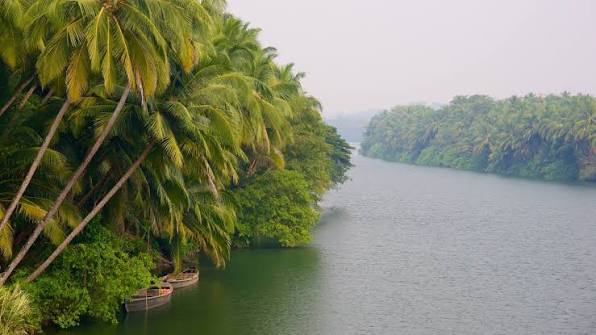
Where Malabar Heritage Meets Hills, Rivers and the Sea
Malappuram is a culturally rich destination in northern Kerala where history, literature, religion and natural beauty come together. The name Malappuram literally refers to a land of hills, and the region lives up to its name with rolling highlands, forests, rivers and green landscapes stretching towards the Arabian Sea.
Malappuram is particularly known for its strong Malabar and Mappila cultural heritage, historic mosques and temples, literary traditions, traditional arts, vibrant festivals and distinctive cuisine. From the historic banks of the Bharathapuzha to the teak forests of Nilambur and the beaches of the western coast, the district offers a wide range of experiences.
For travellers, Malappuram provides opportunities to explore heritage sites, enjoy waterfalls and forests, discover traditional art forms, taste authentic Malabar food, visit important pilgrimage centres and experience the everyday culture of northern Kerala.
History
Malappuram has a long and eventful history shaped by kingdoms, trade, religion and resistance movements. The region was historically connected with areas such as Ernad, Valluvanad and Ponnani and was associated with the political and military influence of the Zamorins of Kozhikode.
Malappuram was an important military headquarters of the Zamorins from ancient times. Later, the region came under European and British influence. The town itself served as a headquarters for European and British troops and subsequently became associated with the Malabar Special Police.
The remains of an old fort associated with Tipu Sultan can still be found at Malappuram. The region also became an important centre during the resistance movements against British rule.
The Malabar Rebellion of 1921 is one of the most significant and complex events in the modern history of the region. Places such as Pookkottur, Tirurangadi and Mampuram are closely associated with the events and memories of this period.
Before Indian independence, the area that now forms Malappuram district belonged to different taluks of the erstwhile Madras Presidency. The modern district of Malappuram was formed on 16 June 1969 with Ernad, Perinthalmanna, Tirur and Ponnani taluks. Tirurangadi and Nilambur taluks were subsequently formed through further administrative reorganisation.
Geography
Malappuram is located in northern Kerala, with the Nilgiri hills to the east and the Arabian Sea to the west. It shares boundaries with Kozhikode and Wayanad in the north and Palakkad and Thrissur in the south.
The district has a varied landscape consisting of lowlands, midlands and highlands. Coconut plantations, paddy fields, rolling hills, rivers, forests and coastal areas create a diverse geographical character.
Three major rivers—the Chaliyar, Kadalundi and Bharathapuzha—are important features of the region. These waterways support agriculture, village life, wetlands and several scenic destinations.
The eastern areas around Nilambur contain extensive forests and plantations, while the western part of the district includes beaches, estuaries and coastal settlements. This geographical diversity makes Malappuram suitable for both nature and cultural tourism.
Culture and Traditions
Malappuram has one of the most distinctive cultural identities in Kerala. Its heritage has been shaped by Hindu, Muslim and other communities, along with centuries of trade and interaction across the Malabar Coast.
Mappila Culture
Mappila culture is an important part of Malappuram's identity. Its traditions can be seen in music, food, literature, religious celebrations, architecture and folk performances.
Mappilappattu
Mappilappattu is a traditional musical and literary form associated with the Mappila community. It has a rich history of devotional, romantic, historical and social themes and remains an important part of Malabar's cultural heritage.
Kolkali
Kolkali is a traditional folk performance in which performers move rhythmically in a circle while striking small wooden sticks together. It is commonly associated with the cultural traditions of northern Kerala.
Daffmuttu
Daffmuttu is a popular Muslim folk performance accompanied by the rhythmic playing of the daff. It is often performed during celebrations and cultural events.
Arbanamuttu
Arbanamuttu is another traditional percussion-based art form associated with Malappuram's Mappila cultural traditions.
Kerala Temple Traditions
The district also has a strong Hindu temple culture. Major temples such as Thirunavaya Navamukunda Temple, Thirumandhamkunnu Bhagavathy Temple and Kadampuzha Bhagavathy Temple attract devotees throughout the year.
Ayurvedic Heritage
Kottakkal has gained international recognition for Ayurveda through the Kottakkal Arya Vaidya Sala, founded by P. S. Varier. The town remains an important centre for Ayurvedic treatment, education and research.
Architecture
Malappuram's architecture reflects its long history of Hindu, Islamic, colonial and traditional Kerala influences. Temples, mosques, traditional homes and heritage buildings provide an interesting architectural journey through the region.
Pazhayangadi Mosque
Pazhayangadi Mosque near Kondotty is an important historic mosque known for its traditional Kerala architectural character and annual Nercha celebrations.
Ponnani Juma Masjid
Ponnani Juma Masjid is one of the most important historic mosques of the Malabar region. Ponnani was once a renowned centre of Islamic learning and attracted students from different parts of the region.
Thirunavaya Navamukunda Temple
The Navamukunda Temple at Thirunavaya is an important Vaishnava temple located on the banks of the Bharathapuzha. Its traditional architecture and historic surroundings contribute to the cultural character of Thirunavaya.
Thirumandhamkunnu Bhagavathy Temple
Located near Angadipuram, the Thirumandhamkunnu Bhagavathy Temple is one of the important Bhagavathy temples of Kerala. The temple and its annual festival attract large numbers of devotees.
Traditional Malabar Houses
Traditional homes across Malappuram often feature courtyards, tiled roofs, timber elements and climate-sensitive Kerala architectural techniques. Older Muslim houses in the Malabar region also display distinctive spatial and decorative traditions.
Famous Places
Kottakkunnu
Kottakkunnu is one of the most popular attractions in Malappuram town. The hilltop location was historically associated with a fort and today functions as a recreational area with gardens, viewpoints and entertainment facilities.
Thirunavaya
Thirunavaya is one of Malappuram's most historically significant destinations. Located on the banks of the Bharathapuzha, it was the venue of the medieval Mamangam, a major gathering held once every twelve years.
Thunchan Parambu
Thunchan Parambu in Tirur is the birthplace of Thunchath Ezhuthachan, widely regarded as the father of the Malayalam language. The memorial preserves his literary legacy and becomes especially significant during Vijayadasami, when children participate in Vidyarambham.
Nilambur
Nilambur is famous for its teak forests, plantations, rivers, waterfalls and forest landscapes. The town is situated beside the Chaliyar River and is an important gateway to the forests of eastern Malappuram.
Canoli's Plot
Canoli's Plot in Nilambur is one of the region's best-known teak plantations. Established during the British period, it represents the long association between Nilambur and teak cultivation.
Teak Museum
The Teak Museum at Nilambur presents the history, cultivation and uses of teak. It provides visitors with an insight into the importance of the timber and forestry traditions of the region.
Nedumkayam Rainforest
Nedumkayam is a beautiful forest destination near Nilambur. The dense rainforest, wildlife and trekking opportunities make it attractive to nature lovers and adventure travellers.
Adyanpara Waterfalls
Adyanpara Waterfalls is a scenic natural attraction surrounded by forested hills. The waterfall and its rocky surroundings make it a popular destination for picnics, photography and nature walks.
Keralamkundu Waterfalls
Keralamkundu Waterfalls is a scenic waterfall in the highland region of Malappuram. The surrounding greenery and natural pools make it an attractive destination for travellers seeking a quieter nature experience.
Kadikuthimala
Kodikuthimala is a scenic hill destination known for its green slopes, natural springs and panoramic views. Often compared to a hill retreat of Malabar, it is popular among trekkers and nature lovers.
Padinjarekkara Beach
Padinjarekkara Beach lies near the meeting point of the Bharathapuzha, Tirur River and Arabian Sea. It is known for its coastal scenery, birdwatching opportunities and water-based activities.
Vakkad Beach
Vakkad Beach lies near the mouth of the Tirur River. Visitors can enjoy the surrounding backwaters and coastal landscape, making it an interesting destination for a relaxed day trip.
Kadalundi Bird Sanctuary
The Kadalundi region is known for its wetlands, mangroves and birdlife. Migratory birds can be seen here during the appropriate season, making it an attractive destination for birdwatchers and photographers.
Ponnani
Ponnani is a historic coastal town that was once an important centre of Islamic learning and maritime trade. Its mosques, riverfront setting and cultural heritage make it an important destination in Malappuram.
Mampuram
Mampuram is an important religious and historical centre associated with the Thangals of Malabar. The site attracts visitors and devotees and also has a strong connection with the region's social and political history.
Famous Dishes
Malabar Biryani
Malabar Biryani is one of the region's most celebrated dishes. It is prepared with fragrant rice, meat or chicken and a distinctive blend of spices, fried onions and local flavours.
Pathiri
Pathiri is a soft, thin rice-based flatbread that is an important part of Malabar cuisine. It is commonly served with chicken, meat or seafood curries.
Chicken Curry
Malabar-style chicken curry combines coconut, spices and roasted aromatics to create a rich and flavourful dish. It is frequently enjoyed with pathiri, parotta or rice-based dishes.
Unnakkaya
Unnakkaya is a traditional Malabar sweet made from ripe plantains stuffed with ingredients such as coconut and sugar before being steamed or fried. It is especially popular during festive occasions.
Chatti Pathiri
Chatti Pathiri is a layered Malabar pastry that can be prepared in sweet or savoury versions. Thin layers are combined with a filling and baked into a distinctive celebratory dish.
Malabar Parotta
Malabar Parotta is a flaky, layered flatbread commonly served with meat, chicken or vegetable curries. It is a popular part of the region's street-food and restaurant culture.
Seafood
With its Arabian Sea coastline and rivers, Malappuram has a strong seafood tradition. Fish, prawns and other seafood are prepared with coconut, chilli and traditional Malabar spices.
Pathiri with Fish Curry
Soft pathiri served with spicy fish curry is a simple but delicious combination that reflects the coastal and Mappila food traditions of Malabar.
Famous Personalities
Thunchath Ezhuthachan
Thunchath Ezhuthachan is one of the most important literary figures associated with Kerala. Born at Tirur, he is widely regarded as the father of the Malayalam language. His birthplace, Thunchan Parambu, is now an important literary and cultural centre.
Poonthanam Namboothiri
Poonthanam Namboothiri was a celebrated Malayalam poet associated with the Bhakti movement. His famous work Jnanappana remains an important part of Malayalam devotional literature.
Vallathol Narayana Menon
Vallathol Narayana Menon was one of Kerala's greatest modern poets and a major figure in the revival of Kerala's classical arts. His birthplace is preserved as the Vallathol Smarakam near Tirur.
Moyinkutty Vaidyar
Moyinkutty Vaidyar was a celebrated Mappila poet known for his contribution to Mappilappattu. His birthplace and literary legacy are commemorated at the Moyinkutty Vaidyar Smarakam.
Melpathur Narayana Bhattathiri
Melpathur Narayana Bhattathiri was a renowned Sanskrit scholar and poet associated with Kerala's classical literary tradition. His birthplace at Chennara near Kuttippuram is preserved as a cultural landmark.
P. S. Varier
P. S. Varier was a physician and cultural figure who founded the Kottakkal Arya Vaidya Sala. His work played a major role in establishing Kottakkal as an internationally recognised centre of Ayurveda.
Uroob
P. C. Kuttikrishnan, better known by his pen name Uroob, was an important Malayalam novelist and short-story writer from Ponnani. His works made a significant contribution to Malayalam literature.
Festivals
Thirumandhamkunnu Pooram
Thirumandhamkunnu Pooram is one of the important temple festivals of central Malabar. Held around March-April, the week-long celebrations include rituals, cultural programmes and the famous Mangalya Pooja.
Kottakkal Pooram
Kottakkal Pooram is celebrated at Kottakkal during March-April. The festival is known for its cultural programmes and performances by classical artists.
Kondotty Nercha
Kondotty Nercha is a major local religious and cultural celebration associated with the historic Pazhayangadi Mosque. The event attracts large numbers of devotees and visitors.
Ponnani Nercha
Ponnani's historic mosques and religious institutions host traditional Nercha celebrations that reflect the area's long-standing Islamic and maritime heritage.
Vaikathashtami and Temple Festivals
Various temples across Malappuram celebrate annual festivals featuring processions, traditional music, rituals and cultural performances. These festivals provide an opportunity to experience Kerala's living temple traditions.
Onam
Onam is celebrated throughout Malappuram with traditional meals, floral decorations, cultural programmes and community gatherings. The festival brings together the district's diverse communities in a festive atmosphere.
Eid Celebrations
Eid is celebrated widely across Malappuram, which has a strong Mappila Muslim cultural heritage. Mosques, homes, markets and local communities come alive with prayers, food and family gatherings.
Things to Do
- Explore the historic hilltop setting of Kottakkunnu in Malappuram town.
- Visit Thunchan Parambu and learn about Malayalam literary history.
- Explore the historic landscape of Thirunavaya and the Bharathapuzha riverbank.
- Visit the ancient Navamukunda Temple at Thirunavaya.
- Explore the teak forests and heritage attractions of Nilambur.
- Visit Canoli's Plot and the Teak Museum.
- Explore the forests around Nedumkayam.
- Enjoy the scenery at Adyanpara Waterfalls.
- Visit Keralamkundu Waterfalls during suitable weather conditions.
- Trek through the scenic hills of Kodikuthimala.
- Relax at Padinjarekkara Beach or Vakkad Beach.
- Enjoy birdwatching around the Kadalundi wetlands.
- Explore the historic town of Ponnani.
- Visit Kottakkal to learn about Kerala's Ayurvedic traditions.
- Try authentic Malabar cuisine, especially biryani, pathiri, seafood and traditional snacks.
- Experience local folk arts such as Kolkali, Daffmuttu and Mappilappattu when performances are available.
Where to Eat, Shop, and Stay
Where to Eat
Malappuram is an excellent destination for travellers who enjoy Malabar cuisine. Local restaurants and eateries serve biryani, pathiri, Malabar parotta, seafood, chicken dishes and traditional snacks.
For a more authentic experience, explore local eateries in Malappuram town, Tirur, Kottakkal, Kondotty and Ponnani. Visitors should also try traditional Mappila snacks such as unnakkaya and chatti pathiri.
Where to Shop
Malappuram offers a variety of shopping experiences, from busy town markets to specialised stores. Visitors can shop for spices, textiles, traditional clothing, handicrafts, sweets, snacks and local food products.
Kottakkal is particularly notable for Ayurvedic products associated with its long-established Ayurveda tradition. Nilambur and other rural areas also offer opportunities to discover local handicrafts and forest-related products.
Where to Stay
Malappuram town is convenient for travellers who want easy access to transport, restaurants and urban facilities. Kottakkal, Tirur, Perinthalmanna, Nilambur and Ponnani provide additional accommodation options depending on the itinerary.
Travellers interested in nature can choose accommodation around Nilambur or other eastern areas, while visitors focused on beaches and coastal experiences can consider staying around Ponnani, Tanur or nearby coastal towns.
What is Malappuram Famous For?
Malappuram is famous for its rich Mappila heritage, Malabar cuisine, literary traditions, historic mosques and temples, Nilambur teak forests, Kottakkal Ayurveda, beaches, waterfalls and cultural festivals.
The district is also closely associated with important figures in Malayalam literature, including Thunchath Ezhuthachan, Poonthanam and Vallathol Narayana Menon, while places such as Thirunavaya preserve memories of the historic Mamankam.
Its combination of hills, rivers, forests and coastline makes Malappuram one of the most geographically diverse destinations in northern Kerala.
Best Time to Visit
The official Malappuram district tourism information identifies August to November as the best season to visit the district.
For general sightseeing, the period from October to March can also be comfortable, particularly for heritage exploration, cultural visits and outdoor activities.
The monsoon months can make waterfalls, forests and hill landscapes especially attractive, but heavy rainfall may affect trekking and access to some nature destinations. Travellers should check local weather conditions before visiting waterfalls or forest areas.
Festival periods can be particularly rewarding for travellers interested in local traditions, although exact festival dates vary according to the Malayalam and religious calendars.
How to Reach
By Air
Calicut International Airport at Karipur is the nearest major airport, located approximately 26 km from Malappuram town according to the district administration. The airport provides connections to major Indian cities as well as several destinations in the Gulf.
By Train
Malappuram district has several railway stations along the coastal railway line, including Tirur, Tanur, Kuttippuram, Parappanangadi and Nilambur. These stations connect the district with other parts of Kerala and major cities further north and south.
By Road
Malappuram is well connected by road with Kozhikode, Palakkad and other major towns of Kerala. The district administration lists the road distance from Kozhikode at approximately 50 km and from Palakkad at approximately 90 km.
Regular bus services connect Malappuram with different parts of Kerala, Karnataka and Tamil Nadu.
Nearby Places
Kozhikode
Kozhikode lies to the north of Malappuram and offers beaches, historic trading heritage, traditional Malabar cuisine and cultural attractions. It makes an excellent addition to a northern Kerala itinerary.
Wayanad
Wayanad lies towards the north-east and offers forests, wildlife sanctuaries, waterfalls, plantations and mountain landscapes. It is suitable for travellers looking to combine Malappuram's cultural attractions with a hill destination.
Palakkad
Palakkad lies to the south-east and is known for its fort, paddy fields, Western Ghats landscapes and forest destinations. It can easily be combined with eastern Malappuram attractions.
Nilambur
Nilambur is one of the most important nature destinations within Malappuram district. Its teak forests, waterfalls and Chaliyar River landscapes make it a natural extension of a Malappuram trip.
Ponnani
Ponnani is a historic coastal town known for its Islamic learning traditions, mosques, river and maritime heritage. It is ideal for travellers interested in Malabar's history and coastal culture.
Thirunavaya
Thirunavaya is close to Tirur and is particularly valuable for travellers interested in Kerala's ancient history, temple traditions, the Bharathapuzha and the legacy of Mamankam.
Kottakkal
Kottakkal is a short journey from Malappuram town and is famous for Ayurveda, traditional medicine and the Kottakkal Arya Vaidya Sala.
Best Duration for a Trip
2 to 3 days is a good duration for exploring the major attractions around Malappuram.
A two-day itinerary can cover Malappuram town, Kottakkunnu, Thirunavaya, Thunchan Parambu and selected cultural or religious attractions. A three-day itinerary can add Kottakkal, Ponnani or one of the nearby waterfalls.
Travellers interested in Nilambur's forests and eastern highlands should consider 4 to 5 days to explore the region without rushing.
For a broader northern Kerala trip combining Malappuram with Kozhikode, Wayanad or Palakkad, a longer itinerary of around one week can provide a more complete experience.
Travel Tips
- Plan your itinerary according to the areas you want to visit because Malappuram is geographically spread out.
- Carry light cotton clothing for the warmer months.
- Keep rain protection with you during the monsoon season.
- Wear comfortable footwear when visiting waterfalls, forests and hill destinations.
- Check local weather and access conditions before travelling to forest or waterfall areas.
- Respect local customs when visiting temples, mosques, churches and other religious sites.
- Dress modestly when visiting religious and pilgrimage destinations.
- Try authentic Malabar dishes from established local eateries.
- Keep extra travel time for journeys through the hill regions and rural roads.
- Book accommodation in advance if travelling during major festivals.
- If visiting Kottakkal, consider learning about its long-standing Ayurveda tradition.
- Carry binoculars if you plan to explore Kadalundi or other birdwatching areas.
- Do not litter in forests, waterfalls, beaches or other natural areas.
- For heritage sites connected with historical events, take time to understand the local history rather than treating them only as sightseeing spots.
Why Visit Malappuram?
Malappuram is an excellent destination for travellers who want to experience the cultural depth of northern Kerala. It offers a combination of literature, Mappila traditions, religious heritage, forests, rivers, beaches, Ayurveda and Malabar cuisine.
The district is particularly rewarding for travellers who enjoy discovering places beyond Kerala's most frequently visited tourist circuits. A journey through Malappuram can take you from the literary world of Thunchan Parambu to the historic banks of the Bharathapuzha, from the teak forests of Nilambur to the coastal landscapes of Ponnani and Padinjarekkara.
Its food is another major attraction. Malabar biryani, pathiri, seafood, unnakkaya and chatti pathiri provide a distinctive culinary experience that reflects centuries of cultural interaction along the Malabar Coast.
Whether you are interested in history, literature, religion, nature, food or traditional arts, Malappuram offers a remarkably varied travel experience.
Conclusion
Malappuram is a destination where the cultural soul of Malabar can be experienced alongside some of northern Kerala's most beautiful landscapes. Its historic towns, temples, mosques, literary memorials, forests, waterfalls, beaches and rivers reveal different chapters of the region's story.
From the legacy of Thunchath Ezhuthachan and the historic Mamankam at Thirunavaya to the teak forests of Nilambur and the Ayurveda traditions of Kottakkal, Malappuram offers experiences that are both diverse and deeply rooted in local heritage.
For travellers looking beyond conventional tourist destinations, Malappuram provides an opportunity to discover the history, food, traditions and natural beauty of Kerala's Malabar region at its own relaxed pace.
"Travel is the only thing you buy that makes you richer."