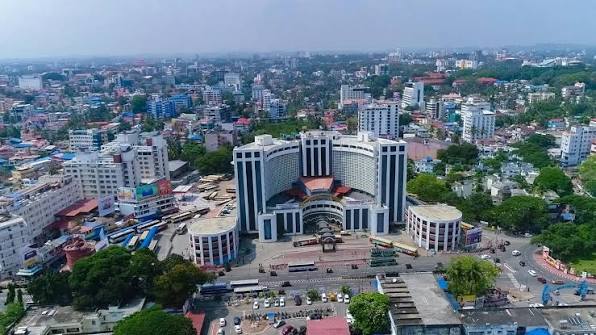
Thiruvananthapuram – Kerala's Regal Capital Where Heritage Meets the Sea
Thiruvananthapuram, also known as Trivandrum, is the capital of Kerala and one of the state's most culturally rich destinations. Spread across gentle hills near the Arabian Sea, the city brings together royal heritage, ancient temples, museums, traditional arts, beaches, markets and modern urban life.
The city's name comes from Thiru Anantha Puram, meaning the "City of Lord Ananta", referring to Lord Vishnu reclining on the serpent Ananta at the famous Sree Padmanabhaswamy Temple. Once the capital of the historic Travancore kingdom, Thiruvananthapuram still retains its royal character around the East Fort while its wider streets and neighbourhoods showcase Kerala's modern capital.
From the architectural grandeur of Sree Padmanabhaswamy Temple and Kuthira Malika to the collections of Napier Museum and Sree Chitra Art Gallery, and from the beaches of Shangumugham and nearby Kovalam to the green hills of Ponmudi, Thiruvananthapuram offers a varied travel experience that combines history, spirituality, culture and nature.
History
Thiruvananthapuram has a long history closely connected with the Travancore royal family and the cultural development of southern Kerala. The city was historically known as Thiruvananthapuram, while the name "Trivandrum" became commonly used during the British period.
The city's modern political importance grew significantly under Maharaja Marthanda Varma, who expanded the Travancore kingdom and shifted its capital from Padmanabhapuram to Thiruvananthapuram in 1745. He dedicated the kingdom to Lord Padmanabha and adopted the title of Padmanabha Dasa, or servant of Lord Padmanabha.
The area around the Sree Padmanabhaswamy Temple became the heart of the royal city. The East Fort and surrounding palace buildings developed as important centres of administration, culture and religious life.
During the Travancore period, Thiruvananthapuram developed into an important centre for education, literature, music, painting and the arts. The contributions of personalities such as Swathi Thirunal Rama Varma, Raja Ravi Varma and other scholars and artists helped strengthen the city's cultural identity.
After Indian independence, Travancore became part of the Indian Union. When the state of Kerala was formed in 1956, Thiruvananthapuram became the capital of the new state and continues to serve as its political and administrative centre.
Geography
Thiruvananthapuram lies in the southern part of Kerala on the southwestern coast of India. The Arabian Sea lies to the west, while the Western Ghats rise towards the eastern and northeastern parts of the district.
The city itself is spread across a series of low hills, which is one reason for its distinctive landscape. The wider district includes beaches, coastal plains, backwaters, rivers, forests, hills and wildlife areas.
The city's location gives travellers access to both coastal and highland environments. Beaches such as Shangumugham are close to the urban centre, while Kovalam and Poovar offer coastal and backwater experiences further south. Ponmudi and Peppara provide access to the greener highland landscapes.
The district covers approximately 2,192 square kilometres and includes several different geographical zones ranging from the Arabian Sea coast to the Western Ghats.
Culture and Traditions
Thiruvananthapuram is one of Kerala's major centres of traditional culture, classical arts, literature and music. Malayalam is the principal language, while English, Hindi and Tamil are also widely understood in the city.
The city's cultural identity has been strongly influenced by the Travancore royal tradition. Classical music, temple festivals, traditional architecture, painting, dance and theatre continue to play an important role in local life.
Kathakali
Kathakali is one of Kerala's most recognised classical dance-drama traditions. Elaborate costumes, detailed facial makeup, expressive gestures and traditional percussion are used to tell stories drawn mainly from Indian epics and mythology.
Mohiniyattam
Mohiniyattam is Kerala's graceful classical dance tradition traditionally performed by women. Its gentle movements, expressive storytelling and distinctive costume make it an important part of Kerala's performing arts heritage.
Koodiyattam
Koodiyattam is an ancient Sanskrit theatre tradition of Kerala and one of India's important classical performance traditions. The art form uses elaborate acting techniques, facial expressions and gestures to present stories from Sanskrit literature.
Onavillu
Onavillu is a traditional painted wooden bow associated with the cultural and religious traditions of Thiruvananthapuram. Artisans create these colourful bows with images connected to the story of Lord Vishnu and the festival of Onam.
Traditional Temple Arts
Temple festivals around Thiruvananthapuram feature traditional music, percussion, processions and ritual performances. These celebrations provide visitors with an opportunity to experience the living cultural traditions of Kerala beyond museums and monuments.
Architecture
Thiruvananthapuram is known for its distinctive combination of traditional Kerala architecture, Dravidian temple design, colonial-era buildings and royal Travancore structures.
Sree Padmanabhaswamy Temple
The Sree Padmanabhaswamy Temple is the city's most important architectural and religious landmark. The temple combines traditional Kerala architectural elements with a monumental Dravidian-style gopuram and intricate carvings. The principal deity, Lord Padmanabha, is represented in the Anantha Shayanam posture.
Kuthira Malika
Kuthira Malika, also known as the Kuthiramalika Palace, was built by Maharaja Swathi Thirunal. Its traditional Kerala architecture is characterised by carved wooden details, sloping roofs, ornate pillars and distinctive horse-shaped brackets, which gave the palace its popular name.
East Fort
East Fort forms the historic heart of Thiruvananthapuram. The fort area developed around the Sree Padmanabhaswamy Temple and preserves several structures connected with the Travancore royal period.
Napier Museum
Napier Museum is one of the city's most recognisable heritage buildings. Its Indo-Saracenic architectural style combines elements from Indian, Chinese, Kerala and Mughal traditions with European influences, creating a distinctive landmark in the museum complex.
Kanakakunnu Palace
Kanakakunnu Palace is a historic royal-era building set among landscaped grounds near the city centre. Today, the palace and its grounds are used for cultural programmes, festivals and public events.
Famous Places
Sree Padmanabhaswamy Temple
Sree Padmanabhaswamy Temple is the spiritual heart of Thiruvananthapuram and one of Kerala's most important religious landmarks. Dedicated to Lord Vishnu in the Anantha Shayanam posture, the temple is renowned for its history, architecture, traditions and association with the former Travancore royal family.
Kuthira Malika Palace Museum
Kuthira Malika is a beautiful example of traditional Travancore architecture. Built by Maharaja Swathi Thirunal, the palace contains royal artefacts, paintings, furniture and other objects associated with the Travancore period.
Napier Museum
Napier Museum houses an important collection of archaeological and historical objects, traditional art, bronzes, ivory works and other cultural exhibits. The building itself is also an attraction because of its distinctive architecture.
Sree Chitra Art Gallery
Sree Chitra Art Gallery contains an impressive collection of Indian paintings and works representing different artistic traditions. Visitors can see works associated with artists such as Raja Ravi Varma as well as collections influenced by Mughal, Rajput, Tanjore and other Indian schools of art.
Thiruvananthapuram Zoo
The Thiruvananthapuram Zoo is one of the oldest zoological gardens in India. Located within the museum and zoo complex, it occupies a large green area in the heart of the city and provides visitors with an opportunity to see a variety of animals and birds.
Kanakakunnu Palace
Kanakakunnu Palace is surrounded by landscaped gardens and is a popular venue for cultural events and public programmes. The palace grounds are also a pleasant place for an evening visit.
Shangumugham Beach
Shangumugham Beach is a long sandy beach close to Thiruvananthapuram International Airport. It is a popular place for watching the sunset, taking a walk and enjoying the Arabian Sea.
Veli Tourist Village
Veli Tourist Village is located where Veli Lake meets the Arabian Sea. The area combines backwaters, gardens, open spaces and boating facilities, making it a popular recreational destination for families and travellers.
Palayam
Palayam is one of the city's historic neighbourhoods and an interesting example of Thiruvananthapuram's religious diversity. The area brings together places of worship belonging to different faith traditions and reflects the city's long-standing multicultural character.
Priyadarshini Planetarium
Priyadarshini Planetarium is located within the Kerala State Science and Technology Museum complex. It offers educational programmes and astronomy shows and is a good attraction for families and visitors interested in science.
Chalai Bazaar
Chalai Bazaar is one of Thiruvananthapuram's oldest and busiest traditional markets. Located close to East Fort, the market is known for its shops selling clothing, household goods, fruits, vegetables, spices and everyday products.
Kerala Legislative Assembly
The Kerala Legislative Assembly complex at Palayam is an important modern landmark of the capital city. The building and surrounding area represent Thiruvananthapuram's role as the political centre of Kerala.
Famous Dishes
Kerala Sadya
Sadya is Kerala's traditional vegetarian feast, usually served on a banana leaf. It includes a variety of vegetable preparations, curries, pickles, thoran, avial, sambar, rice and desserts such as payasam. It is especially associated with festivals, weddings and other celebrations.
Travancore Appam
Travancore-style appam is a soft, fermented rice preparation with a delicate texture and slightly crisp edges. It is commonly served with vegetable or meat-based stews and is an important part of Kerala's traditional breakfast and meal culture.
Avial
Avial is a traditional Kerala vegetable preparation made with mixed vegetables, coconut and yoghurt, along with a mild blend of spices. It is one of the signature dishes served as part of a traditional Sadya.
Kappa and Fish Curry
Kappa, or tapioca, served with spicy Kerala fish curry is a classic combination found across the state. The earthy flavour of boiled tapioca works particularly well with the tangy and spicy fish curry.
Karimeen Pollichathu
Karimeen Pollichathu is a popular Kerala fish preparation in which pearl spot is marinated with spices and cooked, traditionally wrapped in a banana leaf. It is valued for its rich flavour and distinctive presentation.
Appam and Stew
Appam served with vegetable, chicken or mutton stew is one of Kerala's best-known food combinations. The mild, coconut-based stew balances the slightly sweet and soft texture of the appam.
Puttu and Kadala Curry
Puttu is a steamed preparation made primarily from rice flour and coconut. It is traditionally served with kadala curry, a spiced black chickpea preparation, and is one of Kerala's most popular breakfast combinations.
Palada Pradhaman
Palada Pradhaman is a rich Kerala dessert made with rice ada, milk and sugar. It is especially popular during festive meals and is a familiar part of traditional Sadya celebrations.
Banana Chips
Kerala-style banana chips are thinly sliced raw bananas fried until crisp. They are a popular snack and a common souvenir for visitors looking to take home a taste of Kerala.
Famous Personalities
Maharaja Swathi Thirunal Rama Varma
Swathi Thirunal Rama Varma was the Maharaja of Travancore and a celebrated composer and patron of music. His compositions in Carnatic and Hindustani traditions remain an important part of Indian classical music. His palace, Kuthira Malika, is one of Thiruvananthapuram's major heritage attractions.
Raja Ravi Varma
Raja Ravi Varma was one of India's most influential painters and is particularly known for combining Indian subjects and mythology with European academic painting techniques. He was born at Kilimanoor in the present-day Thiruvananthapuram district, and his artistic legacy remains strongly connected with Kerala.
Ayyankali
Ayyankali was a major social reformer from Kerala who worked for the rights and social advancement of oppressed communities. Born at Venganoor in the Thiruvananthapuram region, he became an important figure in Kerala's social reform history.
Sree Narayana Guru
Sree Narayana Guru was a prominent spiritual leader and social reformer whose teachings had a profound influence on Kerala society. He was born at Chempazhanthy near Thiruvananthapuram and is remembered for promoting social equality, education and human dignity.
Kumaran Asan
Kumaran Asan was one of the major figures of modern Malayalam literature and a leading poet associated with Kerala's social reform movement. He was born in Kayikkara in the Thiruvananthapuram region and played an important role in the development of modern Malayalam poetry.
Festivals
Attukal Pongala
Attukal Pongala is one of the most distinctive festivals of Thiruvananthapuram. Held at the Attukal Bhagavathi Temple, the festival brings together a huge number of women devotees who prepare Pongala, a sweet offering made with rice, jaggery, coconut and other ingredients. The ritual transforms streets across the city into a vast space of devotion and celebration.
Onam
Onam is Kerala's most widely celebrated festival and has a special place in the cultural life of Thiruvananthapuram. The city comes alive with floral decorations, traditional food, cultural programmes, music and dance. Kathakali, Mohiniyattam and other traditional performances are often part of the festive season.
Navarathri Festival
Navarathri is celebrated with music, devotional programmes and cultural performances in Thiruvananthapuram. The Navarathri Mandapam near the Sree Padmanabhaswamy Temple is particularly associated with classical music performances during the festival period.
Alpashi Utsavam
Alpashi Utsavam is an important annual festival at Sree Padmanabhaswamy Temple. The celebration includes traditional rituals and processions and forms an important part of the temple's religious calendar.
Beemapally Uroos
Beemapally Uroos, also known as Chandanakkudam Mahotsavam, is an important annual Muslim festival held at Beemapally Dargah Shareef. The multi-day celebration features religious observances and the distinctive tradition of decorated earthen pots covered with sandalwood paste being offered by devotees.
Swathi Thirunal Music Festival
The Swathi Thirunal Music Festival celebrates the musical legacy of Maharaja Swathi Thirunal, the composer-king of Travancore. Classical music performances honour his compositions and his contribution to the musical traditions of South India.
Things to Do
- Visit the historic Sree Padmanabhaswamy Temple and explore the heritage of East Fort.
- Explore the royal architecture and collections at Kuthira Malika.
- Visit Napier Museum and Sree Chitra Art Gallery.
- Spend time at the Thiruvananthapuram Zoo.
- Walk through the historic streets and shops of Chalai Bazaar.
- Watch the sunset at Shangumugham Beach.
- Enjoy boating and leisure activities at Veli Tourist Village.
- Attend classical music, dance or traditional cultural performances when available.
- Experience the city's religious diversity around Palayam.
- Visit Kanakakunnu Palace and its surrounding gardens.
- Explore local markets for spices, handicrafts, traditional products and Kerala snacks.
- Enjoy a traditional Kerala meal or Sadya at a local restaurant.
- Take a day trip to nearby beaches, backwaters or hill destinations.
- Visit during a major festival to experience the city's cultural traditions first-hand.
- Explore the city's heritage streets around East Fort on foot.
Where to Eat, Shop, and Stay
Where to Eat
Thiruvananthapuram offers a wide range of restaurants, traditional vegetarian eateries, cafés and local food establishments. The areas around East Fort, Chalai, Thampanoor, Palayam and MG Road are convenient for finding different types of food.
Visitors should try traditional Kerala dishes such as Sadya, appam and stew, puttu and kadala curry, kappa and fish curry, avial and Kerala-style seafood. Local eateries also provide an opportunity to experience everyday Kerala cuisine at reasonable prices.
Where to Shop
Chalai Bazaar is one of the best places to experience traditional market life in Thiruvananthapuram. Visitors can shop for spices, fruits, vegetables, clothing, household goods and local products.
The areas around East Fort and MG Road offer a mix of traditional shops, handicrafts, textiles, jewellery and modern retail stores. Visitors can also look for Kerala handicrafts, coir products, spices, banana chips and traditional souvenirs.
Where to Stay
Thampanoor is a convenient area for budget and mid-range travellers because of its proximity to the central railway station and major bus facilities. East Fort is suitable for visitors who want to stay close to the city's historic and religious attractions.
Vazhuthacaud, Kowdiar and the city centre offer a range of comfortable hotels and higher-end accommodation. Travellers looking for a beach resort experience can choose accommodation around Kovalam, while those seeking a quieter natural setting can consider properties around Veli, Poovar or the city's outskirts.
What is Thiruvananthapuram Famous For?
Thiruvananthapuram is famous for its Sree Padmanabhaswamy Temple, Travancore royal heritage, traditional architecture, museums, classical arts, beaches and cultural festivals.
The city is particularly associated with landmarks such as Kuthira Malika, Napier Museum, Sree Chitra Art Gallery, Kanakakunnu Palace, Thiruvananthapuram Zoo, Shangumugham Beach and Veli Tourist Village.
It is also known for major cultural celebrations such as Attukal Pongala, Onam, Navarathri and the Swathi Thirunal music celebrations. Its combination of royal history, spirituality, arts and coastal scenery makes it one of Kerala's most distinctive cities.
Best Time to Visit
The best time to visit Thiruvananthapuram is generally from October to February, when the weather is more comfortable for sightseeing, heritage walks, beach visits and day trips.
October and November can be especially interesting for visitors interested in cultural experiences because the festival calendar includes celebrations connected with the Sree Padmanabhaswamy Temple and Navarathri.
December to February is a pleasant period for exploring the city, beaches and nearby attractions, with relatively comfortable weather for outdoor activities.
The monsoon months from June to September bring heavier rainfall and lush greenery. The city can still be visited during this period, although travellers should expect wet weather and plan outdoor activities accordingly.
Travellers interested in experiencing Attukal Pongala should plan around the festival dates, which change each year according to the Malayalam calendar and temple traditions.
How to Reach
By Air
Trivandrum International Airport is located within the city and is the most convenient airport for reaching Thiruvananthapuram. It provides domestic and international connectivity and is close to several major tourist areas.
By Train
Thiruvananthapuram Central Railway Station is one of the major railway stations in southern India and provides rail connections to several important cities across Kerala and the rest of the country. The railway station is located close to Thampanoor and the main city centre.
By Road
Thiruvananthapuram has extensive road connections with other parts of Kerala and neighbouring states. Important road corridors include NH 66, the Main Central Road and other major city routes. Long-distance and local buses operate from major bus terminals including Thampanoor and East Fort.
Nearby Places
Kovalam
Kovalam is one of Kerala's most famous beach destinations and lies south of Thiruvananthapuram. Its crescent-shaped beaches, lighthouse, resorts and Arabian Sea views make it an easy day trip from the capital.
Poovar
Poovar is known for its beautiful combination of beach, backwaters, mangroves and river landscapes. Boat trips through the backwaters provide a peaceful way to explore the area's natural scenery.
Ponmudi
Ponmudi is a scenic hill station in the Western Ghats, located around 55 km from Thiruvananthapuram city. Winding roads, forested hills, tea plantations and viewpoints make it popular with nature lovers and road-trip enthusiasts.
Neyyar Dam
Neyyar Dam is surrounded by forests and hills and offers a peaceful setting for boating, picnics and nature experiences. The area is also associated with the Neyyar Wildlife Sanctuary.
Peppara Wildlife Sanctuary
Peppara Wildlife Sanctuary lies in the Western Ghats and protects a rich forest ecosystem. It is a suitable destination for visitors interested in wildlife, forests, birdwatching and scenic landscapes.
Varkala
Varkala is a popular coastal destination north of Thiruvananthapuram, known for its dramatic laterite cliffs, beach, spiritual attractions and lively cliffside atmosphere.
Kappil
Kappil combines a beautiful beach with a scenic backwater lake and is a quieter alternative to some of Kerala's more crowded coastal destinations.
Veli
Veli Tourist Village is close to the city and provides a combination of lake, beach, gardens and boating experiences. It is especially suitable for families and short leisure outings.
Azhimala
Azhimala is known for its coastal scenery and the Azhimala Shiva Temple. The location offers a combination of religious significance and Arabian Sea views.
Best Duration for a Trip
3 days is a comfortable duration for exploring Thiruvananthapuram's major attractions without rushing.
A 2-day trip can cover the Sree Padmanabhaswamy Temple, East Fort, Kuthira Malika, Napier Museum, Sree Chitra Art Gallery, Chalai Bazaar and one or two nearby attractions.
A 4-day trip is ideal for travellers who want to combine the city's heritage and cultural attractions with day trips to Kovalam, Poovar, Ponmudi or Neyyar.
Travel Tips
- Wear modest and appropriate clothing when visiting temples and religious places.
- Check the current visitor and dress regulations of the Sree Padmanabhaswamy Temple before visiting.
- Carry comfortable footwear for heritage walks, markets and sightseeing.
- Keep an umbrella or rain protection handy during the monsoon season.
- Start sightseeing early when visiting popular attractions, especially during peak travel periods.
- Use local buses, taxis, auto-rickshaws or app-based transport for moving around the city.
- Be prepared for traffic around busy areas such as East Fort, Chalai and Thampanoor.
- Respect local customs when attending temple festivals and religious celebrations.
- Carry drinking water during long sightseeing days, particularly during warmer months.
- Try local Kerala food from established restaurants and hygienic local eateries.
- Book hotels in advance during festivals, holidays and peak tourist periods.
- Carry some cash for traditional markets, small shops and local transport.
- Keep beaches, heritage sites and public spaces clean and avoid leaving plastic waste behind.
- When visiting wildlife and forest areas outside the city, follow local forest and safety instructions.
Why Visit Thiruvananthapuram?
Thiruvananthapuram is worth visiting because it offers an unusually rich combination of history, spirituality, culture and nature within and around one city. The legacy of Travancore can be seen in its palaces, temples, museums and historic neighbourhoods, while Kerala's modern identity is visible in its role as the state's political and cultural capital.
The city is also different from many other Indian capitals because beaches, backwaters and Western Ghats landscapes are all within easy reach. A traveller can spend the morning exploring a historic palace, enjoy a traditional Kerala meal for lunch and watch the sunset beside the Arabian Sea in the evening.
Its festivals add another dimension to the experience. Attukal Pongala, Onam, Navarathri and temple celebrations bring music, rituals, traditional arts and community participation into the city's streets and public spaces.
Conclusion
Thiruvananthapuram is a city where Kerala's royal past and modern present exist side by side. The grandeur of Sree Padmanabhaswamy Temple, the elegance of Kuthira Malika, the collections of Napier Museum and Sree Chitra Art Gallery and the historic atmosphere of East Fort reveal the city's deep cultural roots.
Beyond its heritage, the capital opens the door to beaches, backwaters, forests and hill stations. Kovalam, Poovar, Veli, Neyyar and Ponmudi provide very different experiences within easy reach of the city.
Whether you are travelling for history, spirituality, architecture, food, art, festivals or simply a relaxed Kerala holiday, Thiruvananthapuram offers a balanced introduction to the many sides of the state. It is a destination where royal heritage, living traditions, natural beauty and modern city life come together.
"Travel is the only thing you buy that makes you richer."