Kasaragod – Where Forts, Beaches and Many Cultures Meet
Kasaragod, the northernmost district of Kerala, is a fascinating destination where beaches, forts, hills, rivers, backwaters and diverse cultural traditions come together. Often described as the “Land of Gods”, the region is known for its historic forts, beautiful coastline, Theyyam traditions, temples, mosques and multilingual heritage.
Kasaragod is particularly famous for the magnificent Bekal Fort, one of Kerala's most recognisable historical landmarks. Beyond the fort, travellers can explore Bekal Beach, Chandragiri Fort, Valiyaparamba Backwaters, Ranipuram Hills, Ananthapura Lake Temple and Nileshwaram.
The region is also known as Saptha Bhasha Sangama Bhoomi, or the land where seven languages meet. Malayalam, Kannada, Tulu, Konkani and other linguistic and cultural traditions have shaped the identity of this unique part of Kerala.
From watching Theyyam and exploring ancient temples to relaxing on quiet beaches and cruising through backwaters, Kasaragod offers an offbeat Kerala experience filled with history, nature and living traditions.
History
Kasaragod has a long history extending back to the Great Stone Age. Archaeological remains including laterite burial structures, pottery, iron objects and other megalithic remains provide evidence of early settlements in the region.
Ancient Settlements
The region was inhabited by several indigenous communities and early agricultural societies. Megalithic monuments such as chenkallara, nannangadi and muniyara provide evidence of ancient cultural practices.
Early Kingdoms
Parts of present-day Kasaragod were associated with several historic kingdoms and dynasties, including the Ezhimala, Kolathiri, Kumbala and Nileshwaram royal traditions.
Arab Trade
Arab travellers visited the Malabar Coast between the 9th and 14th centuries, and Kasaragod developed as an important centre for maritime trade. Spices, rice and other regional products were exchanged through coastal trading networks.
Vijayanagara Influence
The region came under the influence of the Vijayanagara Empire during its period of expansion. Later, the decline of Vijayanagara power allowed local and regional rulers to strengthen their control over northern Kerala.
Ikkeri Nayakas
The Ikkeri Nayakas controlled large parts of the region following the decline of Vijayanagara power. Their period is closely associated with the construction and strengthening of several forts in northern Kerala.
Bekal Fort
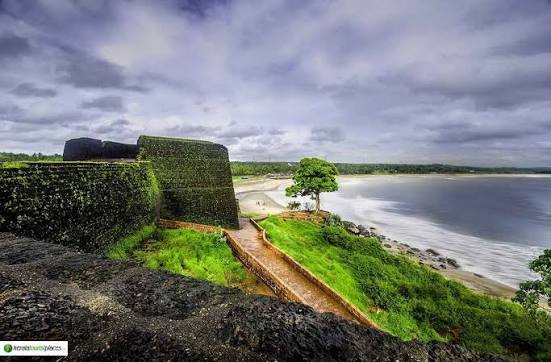
Bekal Fort became one of the most important military and strategic structures in the region. Its massive laterite walls and location overlooking the Arabian Sea reflect the importance of Kasaragod's coastal position.
Mysore and Tipu Sultan
The region experienced the expansion of the Mysore kingdom under Hyder Ali and Tipu Sultan. Tipu Sultan's campaigns brought much of Malabar under Mysore control before the territory was transferred to the British following the Treaty of Srirangapatna.
British Period
By the beginning of the 19th century, Kasaragod and surrounding areas came under British administration. The region subsequently became part of the Madras Presidency.
Formation of Kasaragod District
Kasaragod district was officially formed on 24 May 1984 from the former Kasaragod and Hosdurg taluks of Kannur district. It became Kerala's northernmost district.
Geography
Kasaragod occupies the northern tip of Kerala and has a landscape that stretches from the Arabian Sea in the west to the Western Ghats in the east.
Coastal Landscape
The district has a scenic coastline with sandy beaches, rocky shores, fishing villages and coastal backwaters. Bekal, Kappil and Pallikere are among the popular beach areas.
Rivers
Kasaragod is crossed by several rivers. The Chandragiri River is the longest among the district's rivers and flows into the Arabian Sea near Kasaragod town.
Western Ghats
The eastern part of the district rises towards the Western Ghats, creating forested hills and highland destinations such as Ranipuram and Possadi Gumpe.
Backwaters
The district's backwaters create scenic waterways around places such as Valiyaparamba. Coconut palms, small islands and fishing villages form an important part of the landscape.
Laterite Terrain
Laterite formations are common across the district and were traditionally used as a building material. The massive walls of Bekal Fort are one of the best examples of laterite architecture in the region.
Culture and Traditions
Kasaragod has one of the most diverse cultural identities in Kerala. Its location close to Karnataka and its historic links with Tulu Nadu have created a distinctive mixture of Malayalam, Kannada, Tulu, Konkani and other cultural traditions.
Seven-Language Heritage
Kasaragod is popularly known as Saptha Bhasha Sangama Bhoomi, meaning the meeting place of seven languages. This multilingual character is one of the defining features of the region.
Theyyam
Theyyam is an important ritual tradition of northern Kerala. Performers wear elaborate costumes and face decorations and enact stories connected with local deities, heroes and ancestral traditions.
Yakshagana
Yakshagana, a traditional dance-drama form strongly associated with coastal Karnataka, has significant cultural influence in northern Kasaragod.
Bhuta and Spirit Worship
Traditional forms of spirit worship and sacred-grove rituals remain part of the cultural landscape of northern Kasaragod. These traditions demonstrate the close relationship between community, nature and religious practice.
Temple Traditions
Ancient temples throughout the district conduct annual festivals featuring rituals, processions, music and traditional art forms.
Mappila Culture
The Muslim communities of Kasaragod have contributed significantly to the region's food, architecture, music and trading heritage. Mosques and annual Uroos celebrations are important parts of the cultural landscape.
Handicrafts and Traditional Arts
Traditional crafts, temple arts, folk performances and local textile practices continue to contribute to Kasaragod's cultural identity.
Architecture
Kasaragod's architecture reflects its military history, religious traditions, coastal trade and connection with neighbouring Karnataka.
Bekal Fort
Bekal Fort is Kerala's largest fort and one of the finest examples of laterite military architecture in the state. Its massive walls, observation points and sea-facing position make it particularly impressive.
Chandragiri Fort
Chandragiri Fort stands above the Chandragiri River and offers views towards the Arabian Sea. The fort is associated with the historical rivalry between the Kolathiri rulers and the rulers of the neighbouring regions.
Ananthapura Lake Temple
Ananthapura Lake Temple is Kerala's only lake temple. The temple stands in the middle of a small lake and is surrounded by a peaceful natural setting.
Archaeological and Laterite Structures
Laterite blocks have traditionally been used throughout Kasaragod for forts, homes and other structures. The local building style often combines laterite walls with tiled roofs and detailed wooden elements.
Traditional Houses
Older homes in Kasaragod often feature sloping tiled roofs, courtyards, wooden detailing and spacious layouts designed to suit the region's tropical climate.
Famous Places
Bekal Fort
Bekal Fort is the largest fort in Kerala and the most famous attraction in Kasaragod. The fort's enormous laterite walls overlook the Arabian Sea and provide spectacular coastal views.
Bekal Beach
Bekal Beach is located beside the famous fort and offers a beautiful combination of golden sand, sea views and historic surroundings.
Kappil Beach
Kappil Beach is a quieter coastal destination known for its sandy shoreline, coconut trees and scenic surroundings. The nearby Kodi cliff provides panoramic views of the Arabian Sea.
Chandragiri Fort
Chandragiri Fort overlooks the Chandragiri River and offers scenic views of the surrounding landscape. The fort is particularly attractive around sunset.
Valiyaparamba Backwaters
Valiyaparamba is a beautiful backwater destination separated from the mainland by waterways. The island landscape, fishing villages and coconut palms create a peaceful setting for boat journeys.
Ranipuram
Ranipuram is a scenic hill station located around 780 metres above sea level. It is known for rolling grasslands, forests, trekking trails and panoramic mountain views.
Possadi Gumpe
Possadi Gumpe is a scenic hill destination offering broad views of the surrounding countryside, forests and distant coastline.
Ananthapura Lake Temple
Ananthapura Lake Temple near Kumbla is Kerala's only temple situated in the middle of a lake. The temple is traditionally regarded as the original seat, or Moolasthanam, associated with the Ananthapadmanabha tradition.
Chandragiri River
The Chandragiri River flows through the region before reaching the Arabian Sea. The surrounding areas provide attractive views and opportunities for peaceful riverside experiences.
Nileshwaram
Nileshwaram is an important cultural centre of Kasaragod and was historically associated with the Nileshwaram royal family. The area is known for sacred groves, temples, folk traditions and festivals.
Malik Dinar Mosque
Malik Dinar Mosque at Thalangara is one of the important historic Muslim pilgrimage sites in Kerala. It is traditionally associated with Malik Dinar and the early spread of Islam along the Malabar Coast.
Madhur Temple
Madhur Sree Madanantheshwara Siddhivinayaka Temple is a famous temple near Kasaragod known for its distinctive architecture, religious traditions and annual festivals.
Mallikarjuna Temple
Mallikarjuna Temple is located in the heart of Kasaragod town and is an important Shiva temple. Its annual festival and cultural performances attract visitors and devotees.
Nellikunnu Mosque
Nellikunnu Mosque is known for its annual Uroos celebration, which attracts large numbers of devotees and visitors.
Adoor Mahalingeswara Temple
Adoor Mahalingeswara Temple is an ancient Shiva temple located amid scenic natural surroundings. The temple is associated with local legends involving Arjuna and Lord Shiva.
Kottancheri Hills
Kottancheri Hills offer forested mountain landscapes, trekking opportunities and panoramic views. The area is suitable for travellers looking for a quieter nature experience.
Famous Dishes
Kasaragod's cuisine reflects the culinary traditions of North Malabar, Tulu Nadu and the Mappila community. Coconut, rice, seafood and aromatic spices are widely used.
Kasaragod Chicken Biryani
Kasaragod-style biryani reflects the broader Malabar culinary tradition, combining fragrant rice, meat, spices and local cooking techniques.
Neer Dosa
Neer Dosa is a thin, soft rice crepe strongly associated with the coastal Karnataka and northern Kerala region. It is commonly served with chicken, fish or coconut-based curries.
Pathiri
Pathiri is a soft rice-based flatbread popular across North Kerala. It is commonly served with meat, fish or vegetable curries.
Malabar Parotta
Malabar Parotta is a layered flatbread with a flaky texture and is often served with spicy meat or vegetable curries.
Kori Ghee Roast
Kori Ghee Roast is a Mangalorean-influenced chicken preparation found in the northern Kerala region. It combines chicken with roasted spices and ghee for a rich and aromatic flavour.
Fish Curry
Fresh coastal fish is commonly prepared with coconut, chilli, tamarind and other regional spices. Traditional fish curry is a staple of Kasaragod's coastal cuisine.
Seafood
Prawns, mussels, crab and other seafood are widely available in Kasaragod. Local preparations often combine fresh seafood with coconut and Malabar spices.
Unnakkaya
Unnakkaya is a traditional Malabar sweet snack made from ripe plantain and commonly filled with coconut and other ingredients.
Chatti Pathiri
Chatti Pathiri is a layered Malabar delicacy prepared using thin crepes and sweet or savoury fillings. It is particularly popular during celebrations.
Famous Personalities
Rashtra Kavi Govinda Pai
Govinda Pai, popularly known as Rashtra Kavi Govinda Pai, was a major Kannada poet and literary figure. He was born at Manjeshwar in the Kasaragod region and made significant contributions to Kannada literature.
Kayyara Kinhanna Rai
Kayyara Kinhanna Rai was a renowned Kannada poet, writer and freedom fighter associated with Kasaragod. His works reflected the cultural and linguistic identity of the region.
A. K. Gopalan
A. K. Gopalan, popularly known as AKG, was an important Indian freedom fighter and communist leader. He was born in Peralasseri in the broader North Malabar region and became one of the prominent political figures of Kerala.
Uppala Lakshmana Rao
Uppala Lakshmana Rao was an important social and cultural figure associated with the multilingual heritage of northern Kerala and the Kannada-speaking region.
Malik Dinar
Malik Dinar is traditionally remembered in Kerala's Islamic history as one of the early Islamic missionaries who arrived on the Malabar Coast. Kasaragod's Malik Dinar Mosque is closely associated with his legacy.
Festivals
Bekal International Beach Festival
The Bekal International Beach Festival is a major cultural and tourism event featuring artistic performances, food festivals, shopping, beach activities, exhibitions and water-based experiences.
Theyyam Festivals
Theyyam is performed at numerous temples and sacred groves across Kasaragod. Performances form an important part of the region's religious and cultural calendar.
Yakshagana Celebrations
Yakshagana performances are an important part of the cultural traditions of northern Kasaragod, reflecting the region's close relationship with coastal Karnataka.
Nellikunnu Uroos
The annual Nellikunnu Mosque Uroos is a major religious celebration held near Kasaragod town. The event attracts large numbers of devotees and visitors.
Bekal Maqam Uroos
Bekal Maqam Uroos is an important religious gathering associated with the Bekal Maqam and forms part of the region's Islamic cultural traditions.
Madhur Temple Festival
The annual festival at Madhur Temple features traditional rituals and cultural celebrations and attracts devotees from across the region.
Mallikarjuna Temple Festival
The annual festival at Mallikarjuna Temple in Kasaragod town includes religious ceremonies and cultural performances such as Yakshagana.
Kambala
Kambala, the traditional buffalo race of the coastal Karnataka and Tulu Nadu region, is also associated with northern Kasaragod and reflects the cultural links between Kasaragod and neighbouring Karnataka.
Malabar International Kite Festival
The Malabar International Kite Festival at Bekal brings together kite enthusiasts and visitors for a colourful coastal celebration.
Festival dates vary from year to year according to local, temple and Malayalam calendars. Travellers should confirm the current schedule before planning a festival-focused visit.
Things to Do
Explore Bekal Fort
Walk along the massive laterite walls of Bekal Fort, explore its observation points and enjoy panoramic views of the Arabian Sea.
Relax at Bekal Beach
Spend time at Bekal Beach and combine a coastal sunset with a visit to the historic fort.
Enjoy the Valiyaparamba Backwaters
Take a boat journey through the Valiyaparamba backwaters to experience islands, fishing villages, coconut groves and peaceful waterways.
Trek at Ranipuram
Explore the trails of Ranipuram Hills and enjoy views of the Western Ghats and surrounding landscapes.
Visit Ananthapura Lake Temple
Explore Kerala's unique lake temple and experience the peaceful atmosphere around the water.
Explore Chandragiri Fort
Visit Chandragiri Fort for its historic significance and scenic views of the river and surrounding landscape.
Experience Theyyam
Attend an authentic Theyyam performance during the appropriate season and learn about the ritual traditions of northern Kerala.
Watch Yakshagana
Experience a traditional Yakshagana performance and discover the cultural links between Kasaragod and coastal Karnataka.
Explore the Beaches
Visit Kappil, Pallikere and Bekal beaches for quieter coastal experiences away from crowded urban destinations.
Explore Nileshwaram
Discover Nileshwaram's temples, sacred groves, folk traditions and cultural heritage.
Try Local Cuisine
Explore local restaurants and try Malabar biryani, pathiri, seafood, neer dosa, Malabar parotta and traditional snacks.
- Explore Bekal Fort
- Relax at Bekal Beach
- Visit Kappil Beach
- Explore Chandragiri Fort
- Enjoy a Valiyaparamba backwater cruise
- Trek at Ranipuram Hills
- Visit Ananthapura Lake Temple
- Experience Theyyam
- Watch Yakshagana
- Explore Nileshwaram
- Visit Madhur Temple
- Try traditional Malabar cuisine
Where to Eat, Shop, and Stay
Where to Eat
Kasaragod offers traditional restaurants, local eateries, seafood restaurants, cafés and family-run food establishments. For the most authentic regional flavours, explore Kasaragod town, Kanhangad, Nileshwaram and Bekal.
Travellers should try Malabar biryani, fish curry, seafood, pathiri, neer dosa, Malabar parotta and traditional Mappila snacks.
Where to Shop
Kasaragod's markets are suitable for purchasing spices, coconut products, traditional snacks, textiles, handicrafts and local souvenirs.
Travellers interested in the region's cultural heritage can also look for traditional products associated with the local handloom and craft traditions.
Markets around Kasaragod town, Kanhangad and Nileshwaram are convenient places for everyday shopping and regional products.
Where to Stay
Kasaragod offers hotels, resorts, homestays, heritage-style properties and beach resorts across different budgets.
Bekal is ideal for travellers looking for a beach-and-fort holiday, while Kasaragod town is convenient for transport, markets and city attractions.
Nileshwaram and Valiyaparamba are suitable for travellers seeking a quieter cultural or backwater experience, while Ranipuram is better suited to visitors interested in hills and nature.
Accommodation near Bekal can become busy during major festivals and holiday periods, so advance booking is recommended.
What is Kasaragod Famous For?
Kasaragod is famous for its magnificent forts, beaches, multilingual culture, Theyyam traditions, temples, backwaters and scenic Western Ghats landscapes.
Bekal Fort
Bekal Fort is the largest fort in Kerala and the destination's most famous landmark. Its dramatic location overlooking the Arabian Sea makes it particularly popular with visitors.
Land of Gods
Kasaragod is popularly known as the “Land of Gods” because of its large number of temples, sacred groves, ritual traditions and religious heritage sites.
Seven-Language Heritage
The district is known as Saptha Bhasha Sangama Bhoomi, reflecting the coexistence of several languages and cultural traditions.
Theyyam
Theyyam is one of the most important living traditions of Kasaragod and northern Kerala. Its elaborate costumes, rituals and performances make it a major cultural attraction.
Beaches
Kasaragod is known for its long coastline and relatively peaceful beaches, including Bekal, Kappil and Pallikere.
Valiyaparamba Backwaters
The scenic backwaters around Valiyaparamba provide a quieter alternative to Kerala's more crowded backwater destinations.
Ranipuram Hills
Ranipuram is famous for its green hills, trekking trails and panoramic views of the Western Ghats.
Multicultural Heritage
The coexistence of Hindu, Muslim and Christian traditions, along with strong Tulu, Kannada and Malayalam influences, gives Kasaragod a distinctive cultural identity.
Best Time to Visit
The best time to visit Kasaragod is generally from October to March, when the weather is more comfortable for beaches, forts, sightseeing and outdoor activities.
October to March – Best Overall
The relatively pleasant weather makes this period suitable for exploring Bekal Fort, beaches, temples, backwaters and hill destinations.
October to February – Cultural Experiences
This period can be particularly rewarding for travellers interested in Theyyam, as many performances take place during the cooler months. Individual performance dates vary by temple and sacred grove.
March to May – Warm Season
The weather becomes warmer and humid, particularly along the coast. Early mornings and evenings are more comfortable for sightseeing.
June to September – Monsoon
The southwest monsoon brings heavy rainfall to Kasaragod. The landscape becomes lush and green, but beach activities, trekking and road travel can be affected by rain.
December to January – Festival Atmosphere
The winter period can be particularly lively around Bekal because of cultural and tourism events, including the Bekal International Beach Festival when scheduled.
Festival dates can vary each year, so travellers should confirm current dates before making bookings around a specific event.
How to Reach
By Air
Kannur International Airport is one of the nearest airports serving Kasaragod. Mangaluru International Airport in neighbouring Karnataka is also a convenient option for many travellers, especially for northern Kasaragod.
By Train
Kasaragod has excellent railway connectivity along the coastal railway route. Major stations include Kasaragod, Kumbla, Uppala, Manjeshwar, Kanhangad, Nileshwar and Cheruvathur.
By Road
NH 66 passes through Kasaragod district and connects major towns including Trikaripur, Cheruvathur, Nileshwar, Kanhangad, Kasaragod, Kumbla, Uppala and Manjeshwar before entering Karnataka.
Getting Around Kasaragod
Buses, taxis, auto-rickshaws and private vehicles are useful for exploring the district. A private vehicle or taxi is particularly convenient for visiting forts, beaches, hill stations and rural attractions spread across different areas.
Exploring the Backwaters
Boat services are available in selected backwater areas such as Valiyaparamba. Travellers should check current operating schedules and weather conditions before planning a boat trip.
Nearby Places
Kannur
Kannur lies south of Kasaragod and is known for Theyyam, St. Angelo Fort, Payyambalam Beach and Muzhappilangad Drive-in Beach.
Wayanad
Wayanad is a scenic hill district further inland and is known for forests, waterfalls, wildlife, tea and coffee plantations and mountain landscapes.
Mangaluru
Mangaluru in Karnataka is a major coastal city located north of Kasaragod. It is known for beaches, temples, churches, seafood and strong Tulu cultural traditions.
Bekal
Bekal is one of the most important nearby destinations and can be explored as a dedicated fort-and-beach experience.
Thalassery
Thalassery is a historic coastal town south of Kannur known for Malabar cuisine, colonial heritage, spice-trade history and cultural traditions.
Ranipuram
Ranipuram is an ideal nearby destination for travellers who want to combine Kasaragod's beaches and forts with mountain scenery and trekking.
Madikeri
Madikeri in Kodagu, Karnataka, can be considered for a longer cross-border itinerary combining Kasaragod with the Western Ghats and coffee-growing regions.
Best Duration for a Trip
A 2–3 day trip is suitable for first-time visitors who want to experience Kasaragod's major forts, beaches and cultural attractions. A longer stay is recommended for travellers interested in backwaters, hills and local traditions.
1 Day – Quick Visit
A one-day trip can focus on Bekal and its surrounding attractions.
- Visit Bekal Fort
- Explore Bekal Beach
- Visit nearby Kappil Beach
- Enjoy a local Malabar meal
- Watch the sunset
2 Days – Recommended
Two days allow travellers to combine the coast with heritage and culture.
- Day 1: Bekal Fort, Bekal Beach and Kappil
- Day 2: Kasaragod town, Ananthapura Lake Temple, Chandragiri Fort or nearby cultural attractions
3 Days – Culture and Nature
Three days allow a more relaxed itinerary including hills or backwaters.
- Day 1: Bekal Fort, Bekal Beach and Pallikere
- Day 2: Kasaragod town, Ananthapura Lake Temple and Chandragiri
- Day 3: Valiyaparamba, Nileshwaram or Ranipuram
4 Days – Complete Experience
Four days are ideal for travellers who want to explore the major attractions without rushing and include both the coast and the hills.
Recommended Duration: 3 days is ideal for a first visit, while 4 days or more is better for travellers who want to experience Kasaragod's cultural and natural diversity.
Travel Tips
Plan Around Cultural Events
If Theyyam or another traditional festival is an important part of your trip, check the exact performance schedule before booking your accommodation.
Respect Ritual Traditions
Theyyam and other temple rituals are sacred traditions. Maintain respectful behaviour, follow local instructions and ask before taking photographs.
Start Fort Visits Early
Bekal Fort can become warm during the day. Visiting in the morning or late afternoon is more comfortable and provides better light for photography.
Carry Sun Protection
Coastal Kasaragod can be hot and humid. Carry sunscreen, sunglasses, a hat and drinking water during sightseeing.
Carry Rain Protection
Rainfall can be significant during the monsoon. A compact umbrella or waterproof jacket is useful.
Wear Comfortable Footwear
Comfortable shoes are useful for exploring forts, temples, beaches and hill trails.
Respect Religious Sites
Temples, mosques and sacred groves may have specific dress and photography rules. Follow local instructions at all times.
Try Local Food
Do not miss the opportunity to experience North Malabar and Mappila cuisine, particularly biryani, seafood, pathiri and traditional snacks.
Plan Long-Distance Journeys
Kasaragod's attractions are spread across the district. Allow sufficient time when travelling between coastal, backwater and hill destinations.
Check Beach Conditions
Sea conditions and tides can affect swimming and other coastal activities. Follow local safety instructions and avoid entering the water when conditions are unsafe.
Respect Local Communities
When visiting villages, sacred groves and traditional cultural spaces, respect local customs and avoid disturbing ceremonies or private activities.
Keep Nature Clean
Avoid plastic waste and dispose of rubbish responsibly. Protect the beaches, backwaters, forests and hill areas that make Kasaragod special.
Why Visit Kasaragod?
Kasaragod offers a different side of Kerala, combining dramatic forts, quiet beaches, ancient temples, vibrant ritual traditions, backwaters and Western Ghats landscapes.
History lovers can explore Bekal and Chandragiri forts, while culture enthusiasts can experience Theyyam, Yakshagana and the multilingual heritage of the region. Nature lovers can explore Ranipuram, Valiyaparamba and the district's beaches.
The destination is also ideal for food lovers who want to discover the distinctive flavours of North Malabar and Mappila cuisine.
Because Kasaragod receives fewer visitors than some of Kerala's more famous destinations, it can also provide a more relaxed and offbeat travel experience.
Conclusion
Kasaragod is one of Kerala's most culturally diverse and visually striking destinations. Its identity has been shaped by ancient settlements, maritime trade, regional kingdoms, European powers and centuries of interaction between different communities.
The magnificent Bekal Fort, peaceful beaches, scenic Valiyaparamba Backwaters, green Ranipuram Hills, historic temples and vibrant Theyyam traditions together make the region exceptionally varied.
For first-time visitors, a combination of Bekal Fort, the beaches, a cultural attraction, local cuisine and either the backwaters or hills provides a well-rounded introduction to Kasaragod.
With its many languages, living traditions, historic monuments and beautiful natural landscapes, Kasaragod is a destination that reveals a quieter and deeply cultural side of Kerala.
"Travel is the only thing you buy that makes you richer."