Where Kerala’s Backwaters Meet Centuries of History
Kollam, also known as Quilon, is one of the most fascinating destinations in southern Kerala. Set along the Arabian Sea and the beautiful Ashtamudi Lake, the city combines historic trading traditions, peaceful backwaters, beaches, temples, colonial landmarks and lush natural landscapes. Kollam is also closely associated with Kerala’s cashew industry and has long been an important centre of commerce and culture.
For travellers, Kollam offers a wonderful mix of experiences. You can enjoy a backwater cruise, explore historic Thangassery, relax beside the sea, visit traditional temples, discover waterfalls and eco-tourism destinations, or simply experience the slower pace of life around Ashtamudi Lake.
History
Kollam has a long and fascinating history that goes back to ancient times. The city was once an important centre of the ancient Venad kingdom and served as its capital between the 9th and 12th centuries. Its natural harbour and location on the Arabian Sea helped it develop into an important international trading centre.
Ancient Roman and Phoenician accounts mention Kollam, while later travellers including Marco Polo and Ibn Battuta also wrote about the region. The city became an important centre for the spice trade, particularly pepper, and maintained commercial links with traders from different parts of Asia and Europe.
Kollam later came under Portuguese, Dutch and British influence. The Portuguese established a settlement and fort in the region, followed by Dutch control in the 17th century. Kollam was also closely connected with the Travancore kingdom.
The city played an important role in Kerala's social and political history. The Kundara Proclamation of 1809 by Velu Thampi Dalawa was an important episode in the resistance against British power. Kollam also witnessed social reform movements and freedom struggles during the 19th and 20th centuries.
Kollam has another remarkable historical connection with the Malayalam calendar. The Malayalam Era, known as Kollavarsham, was traditionally associated with a royal decision taken at Kollam in 825 CE.
Geography
Kollam is located in southern Kerala, approximately 70 km north of Thiruvananthapuram. The district is bordered by the Arabian Sea to the west, Tamil Nadu to the east, Alappuzha and Pathanamthitta to the north, and Thiruvananthapuram to the south.
The landscape of Kollam includes coastline, beaches, backwaters, lakes, rivers, forests and the foothills of the Western Ghats. The magnificent Ashtamudi Lake is one of the defining geographical features of the region and forms an important part of Kollam's tourism identity.
The eastern part of the district becomes increasingly hilly and forested, creating destinations such as Thenmala, Palaruvi and Shendurney. This combination of water, coastline and hills gives Kollam an unusually diverse landscape.
Culture and Traditions
Kollam has a rich cultural identity shaped by centuries of trade, religion, literature and social movements. The city and surrounding region have been home to communities with diverse religious and cultural traditions.
Traditional Kerala Culture
Traditional Kerala architecture, temple festivals, classical performing arts, local cuisine and village traditions remain important parts of life in Kollam. The region provides opportunities to experience both urban Kerala and quieter village landscapes.
Kathakali and Performing Arts
Kollam has made important contributions to Kerala's performing arts. Kottarakkara Thampuran is traditionally associated with the development of Ramanattam, an important stage in the evolution of modern Kathakali.
Literary Heritage
Kollam has produced several important Malayalam writers, poets, journalists and scholars. The district's literary contribution reflects its long history as a centre of learning and culture.
Backwater and Village Traditions
Life around Ashtamudi Lake and Munroe Island remains closely connected with fishing, coir-making, farming, canals and traditional water transport. Exploring these areas offers visitors a glimpse into everyday Kerala beyond conventional sightseeing.
Architecture
Kollam's architecture reflects its long history as a royal centre, trading port and colonial settlement. Visitors can find traditional Kerala-style buildings alongside Portuguese, Dutch and British-era structures.
Thangassery Lighthouse and Heritage Area
Thangassery is one of Kollam's most recognisable heritage areas. Its historic lighthouse and remnants of Portuguese and Dutch fortifications reflect the city's maritime past.
Thevally Palace
Thevally Palace is associated with the Travancore royal period and represents the historical architecture found around Kollam. Its setting near the backwaters adds to its visual appeal.
Punalur Suspension Bridge
The historic Punalur Suspension Bridge over the Kallada River was commissioned in 1877. The bridge is an important example of British-era engineering and remains one of the notable heritage structures in Kollam district.
Traditional Temple Architecture
Several temples across Kollam display traditional Kerala architectural features, including sloping roofs, wooden detailing, courtyards and elaborately decorated festival structures.
Famous Places
Ashtamudi Lake
Ashtamudi Lake is the heart of Kollam's backwater experience. Its branching waterways, islands, coconut-lined shores and traditional villages make it ideal for boating and relaxed sightseeing.
Munroe Island
Munroe Island, also known as Munrothuruthu, lies at the meeting point of Ashtamudi Lake and the Kallada River. The island is known for narrow canals, coconut groves, village landscapes, coir-making traditions and peaceful canoe or boat cruises.
Thangassery
Thangassery is a historic coastal neighbourhood known for its lighthouse, churches and remnants of European fortifications. It is an excellent place to explore Kollam's maritime and colonial past.
Kollam Beach
Kollam Beach is a popular seaside destination where visitors can enjoy the Arabian Sea, evening walks and relaxing coastal views. It is especially pleasant around sunset.
Thirumullavaram Beach
Thirumullavaram Beach offers a quieter coastal experience and is suitable for travellers looking for a more peaceful beach setting.
Thenmala
Thenmala is recognised as India's first planned eco-tourism destination. Surrounded by forests, plantations and the Western Ghats, it offers opportunities for nature walks, adventure activities and scenic exploration.
Palaruvi Waterfalls
Palaruvi means “Stream of Milk” and the waterfall descends through the forested landscape from a height of around 300 feet. It is one of Kollam's best-known natural attractions.
Jatayu Earth's Center
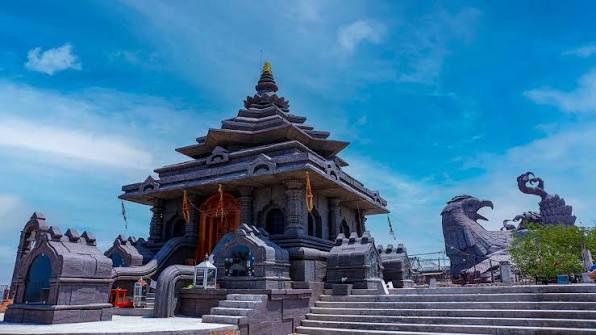
Located at Chadayamangalam, Jatayu Earth's Center is known for its massive bird-shaped sculpture, panoramic views and adventure activities. It combines mythology, landscape and modern tourism experiences.
Sasthamcotta Lake
Sasthamcotta Lake is Kerala's largest freshwater lake and is surrounded by scenic hills and greenery. The lake is also an important source of drinking water for the region.
Shendurney Wildlife Sanctuary
Shendurney Wildlife Sanctuary lies in the Western Ghats and offers a forest experience rich in biodiversity. It is particularly attractive to nature lovers and wildlife enthusiasts.
Famous Dishes
Kerala Fish Curry
Spicy Kerala-style fish curry is a natural choice in Kollam, where coastal and backwater influences shape the local food culture. It is commonly enjoyed with rice or traditional accompaniments.
Prawn Curry
Fresh prawns cooked with coconut, spices and regional flavours are among the seafood highlights visitors can try around Kollam.
Karimeen Preparations
Karimeen, or pearl spot fish, is a popular Kerala delicacy. It may be prepared with coconut milk, spices or grilled and served with traditional accompaniments.
Kappa and Fish Curry
Boiled tapioca served with spicy fish curry is a classic Kerala combination and a good option for travellers who want to experience a traditional local meal.
Appam and Stew
Soft, lacy appams paired with a mild vegetable, chicken or meat stew are a popular Kerala breakfast or dinner option.
Avial
Avial is a traditional vegetarian preparation made with mixed vegetables, coconut and a lightly seasoned gravy. It is an important part of a traditional Kerala Sadya.
Pazhampori
Pazhampori, or banana fritters, is one of Kerala's favourite evening snacks. The sweet banana is coated in batter and fried until crisp on the outside.
Payasam
Traditional payasam made with ingredients such as rice, milk or jaggery is a popular dessert served during celebrations and festive meals.
Famous Personalities
Velu Thampi Dalawa
Velu Thampi Dalawa was an influential prime minister of Travancore and an important figure in the resistance against British rule. His famous Kundara Proclamation was issued in Kollam in 1809.
Sree Narayana Guru
Sree Narayana Guru, one of Kerala's most influential social reformers, worked among marginalised communities in Kollam and played an important role in the region's social renaissance.
Ayyankali
Ayyankali was a major social reformer who worked for the rights and education of oppressed communities in Kerala. Kollam was among the places where his reform movement found an important social setting.
Kottarakkara Thampuran
Kottarakkara Thampuran is remembered for his contribution to Kerala's performing arts and for his association with Ramanattam, which played a significant role in the evolution of Kathakali.
C. Kesavan
C. Kesavan was a prominent social reformer and political leader associated with Kerala's social and political movements. He was one of the important figures connected with Kollam's modern history.
Festivals
Kollam Pooram
Kollam Pooram is a colourful festival associated with the Asramam temple. Processions, cultural activities and fireworks create a lively festive atmosphere.
Oachirakkali
Oachirakkali is a traditional mock sword-fighting festival held at Oachira. It commemorates the region's martial traditions and historical association with the battles of Travancore.
Kottamkulangara Chamayavilakku
The Kottamkulangara festival is known for the distinctive tradition of men dressing in women's attire and carrying decorated lamps as part of the celebrations.
Ashtami Rohini
Ashtami Rohini is celebrated at temples in the region with religious ceremonies, traditional festivities and cultural programmes.
Boat Races
Boat races are an important part of Kollam's water-based culture. Traditional snake boats and other racing boats bring large crowds together during the festive season, particularly around Onam.
Crafts Festival
The annual crafts festival showcases traditional handicrafts and works of artisans from different parts of India, offering visitors an opportunity to explore India's diverse craft traditions.
Things to Do
- Take a scenic backwater cruise on Ashtamudi Lake.
- Explore the narrow waterways and village landscapes of Munroe Island.
- Watch the sunset at Kollam or Thirumullavaram Beach.
- Visit the historic Thangassery Lighthouse and surrounding heritage area.
- Explore the forests and eco-tourism attractions around Thenmala.
- Visit Palaruvi Waterfalls during a suitable season.
- Explore the giant sculpture and adventure activities at Jatayu Earth's Center.
- Visit Sasthamcotta Lake and enjoy its peaceful surroundings.
- Explore historic structures such as the Punalur Suspension Bridge.
- Try local seafood and traditional Kerala cuisine.
- Experience village life, coir-making and traditional backwater activities around Munroe Island.
Where to Eat, Shop, and Stay
Where to Eat
Kollam city, the beach areas and major tourist zones have restaurants serving Kerala, South Indian, North Indian and seafood dishes. For a more local experience, try traditional eateries and homestyle food around the city and backwater villages.
Where to Shop
Visitors can shop for cashew products, Kerala snacks, spices, handicrafts, coir products, traditional clothing and locally made souvenirs. Kollam's long association with the cashew industry makes processed cashews a popular purchase.
Where to Stay
Kollam city is convenient for travellers who want easy access to transport and urban facilities. Backwater resorts around Ashtamudi and Munroe Island are better suited to travellers seeking a peaceful stay surrounded by nature. Thenmala and nearby areas offer options for visitors interested in eco-tourism and the Western Ghats.
What is Kollam Famous For?
Kollam is best known for its Ashtamudi Backwaters, historic port heritage, cashew industry, beaches, Munroe Island, traditional boat races and natural attractions.
The city is also famous for its connection with the ancient spice trade and the Malayalam calendar known as Kollavarsham. Its combination of backwaters, coastline, forests and heritage makes it one of the most diverse destinations in southern Kerala.
Best Time to Visit
The best time to visit Kollam is generally from October to March, when the weather is more comfortable for sightseeing, beaches, backwater cruises and outdoor activities.
The wider Kollam tourism season is often considered to extend from around August to March. The monsoon months can bring heavy rainfall, but they also make the backwaters, forests and waterfalls especially lush. Visitors planning waterfall trips should check local conditions and access before travelling.
Festival periods can also be an interesting time to visit if you want to experience Kollam's cultural traditions, although exact dates vary according to the local calendar.
How to Reach
By Air
Kollam does not have a regular commercial airport. The nearest major airport is Thiruvananthapuram International Airport, approximately 51 km from Kollam city. Cochin International Airport is another option and is approximately 129 km away.
By Train
Kollam is very well connected by rail to major cities in Kerala and other parts of India. Kollam Junction Railway Station is the principal railway station serving the city, while Eravipuram is another station in the area.
By Road
Kollam is well connected by road with Thiruvananthapuram, Alappuzha, Kochi and other major towns in Kerala. Regular buses and long-distance services make road travel convenient.
By Water
Kollam's backwater network also provides opportunities for water-based travel and cruises. The waterways around Ashtamudi and Munroe Island are an important part of the destination's tourism experience.
Nearby Places
Thenmala
Located in the eastern part of Kollam district, Thenmala is an excellent destination for eco-tourism, forests, adventure activities and scenic landscapes.
Palaruvi
Palaruvi Waterfalls is a popular nature destination surrounded by forested hills and is suitable for travellers interested in waterfalls and outdoor experiences.
Jatayu Earth's Center
Chadayamangalam is home to Jatayu Earth's Center, a distinctive attraction combining a massive sculpture, mythology, adventure and panoramic scenery.
Sasthamcotta
Sasthamcotta is known for its large freshwater lake and peaceful natural surroundings. It makes a good addition to a Kollam itinerary for travellers interested in lakes and landscapes.
Punalur
Punalur is known for its historic suspension bridge, Kallada River and connection with the eastern parts of Kollam district.
Achankovil
Achankovil is an important pilgrimage destination surrounded by forested landscapes and is associated with the Sastha temple and traditional temple festivals.
Paravur
Paravur offers a combination of backwaters and coastal scenery. Its location near the sea and waterways makes it a pleasant destination for a relaxed day trip.
Best Duration for a Trip
2 to 3 days is a good duration for exploring the main attractions of Kollam.
A two-day trip can cover Ashtamudi Lake, Kollam Beach, Thangassery, Munroe Island and selected heritage attractions. With three days, travellers can add Thenmala, Palaruvi Waterfalls or Jatayu Earth's Center depending on their interests.
Travellers interested in a slower backwater holiday, village experiences or eco-tourism can comfortably spend 4 to 5 days exploring Kollam and its surrounding destinations.
Travel Tips
- Plan backwater cruises and Munroe Island activities in advance during busy travel periods.
- Carry light cotton clothing for most of the year because Kollam has a tropical climate.
- Carry rain protection during the monsoon season.
- Wear comfortable footwear when visiting waterfalls, forests and heritage sites.
- Check local weather and access conditions before travelling to Palaruvi or forest destinations.
- Respect temple customs and dress appropriately when visiting religious sites.
- Try local seafood and traditional Kerala dishes during your stay.
- Keep some time for a relaxed sunset at the beach or beside the backwaters.
- Buy cashews and local handicrafts from reliable shops.
- For nature destinations, avoid littering and follow local eco-tourism guidelines.
- If travelling during a major festival, expect larger crowds and plan transport and accommodation accordingly.
Why Visit Kollam?
Kollam is an ideal destination for travellers who want to experience several sides of Kerala in one trip. Its peaceful backwaters, historic port heritage, beaches, forests, waterfalls, temples and traditional food create a varied travel experience.
The city is particularly attractive for travellers who prefer experiences over rushed sightseeing. A slow boat ride through Ashtamudi, a village cruise around Munroe Island, an evening at the beach or a journey into the forests of eastern Kollam can each reveal a different side of the region.
With its unique combination of waterways, history, culture, nature and cuisine, Kollam offers a quieter and deeply rewarding alternative to some of Kerala's more crowded tourist destinations.
Conclusion
Kollam is a destination where Kerala's maritime history, backwater lifestyle and natural beauty come together. From the historic trading port and Thangassery lighthouse to the peaceful waters of Ashtamudi and Munroe Island, the region offers experiences that appeal to both first-time visitors and travellers looking for something beyond the usual tourist route.
Whether you come for a backwater cruise, a beach evening, a heritage walk, a waterfall adventure, local seafood or simply the peaceful rhythm of Kerala's waterways, Kollam has something memorable to offer. A visit here is not just about seeing attractions—it is about experiencing the history, landscapes and everyday culture that have shaped this remarkable part of Kerala.
"Travel is the only thing you buy that makes you richer."