Kannur – Where Theyyam, Sea and Malabar Heritage Come Alive
Kannur, located on the northern coast of Kerala, is a destination where ancient traditions, dramatic beaches, historic forts and vibrant Malabar culture come together. Known as the “Land of Theyyam,” Kannur is one of the best places in Kerala to experience this distinctive ritual art form.
The city and its surrounding region are known for St. Angelo Fort, Payyambalam Beach, Muzhappilangad Drive-in Beach, Arakkal heritage, Theyyam, handloom traditions, Kalaripayattu and Malabar cuisine.
Kannur also has a fascinating maritime history shaped by the Cheras, Kolathiri rulers, Arakkal dynasty, Portuguese, Dutch and British. Today, visitors can combine heritage sightseeing with beaches, backwaters, hill destinations and authentic North Malabar food.
History
Kannur has a long and fascinating history stretching back to prehistoric times. Rock-cut caves, dolmens, burial stone circles and menhirs found in the Taliparamba-Kannur-Thalassery region provide evidence of ancient human settlement.
Ancient Kannur
The region was part of the Chera kingdom during the early centuries of the Common Era. Later, Kannur became the capital of the Kolattiri Rajas, whose kingdom maintained important trading relationships with Arabia and Persia.
Arab and Persian Trade
Kannur's position on the Malabar Coast made it an important centre for maritime trade. Arab and Persian traders visited the region for spices and other goods, contributing to the development of a multicultural coastal society.
Portuguese Period
The Portuguese established a strong presence in Kannur during the early 16th century. In 1505, Francisco de Almeida, the first Portuguese Viceroy of India, built St. Angelo Fort.
Dutch Period
The Dutch captured St. Angelo Fort from the Portuguese in 1663. They modified and strengthened the fort before eventually selling it to the Arakkal royal family in 1772.
Arakkal Dynasty
During the 17th century, Kannur became the capital of the Arakkal Sultanate, the only Muslim royal dynasty in Kerala. The Arakkal royal family followed a matrilineal succession system, with female rulers known as Arakkal Beevis.
British Period
The British conquered St. Angelo Fort in 1790 and used it as an important military station on the Malabar Coast. Kannur later became part of the Madras Presidency under British rule.
Pazhassi Raja and Resistance
Kannur played an important role in resistance against British rule. The legendary Pazhassi Raja led a prolonged struggle against the British between 1792 and 1806, with large parts of the region becoming centres of resistance.
Freedom Movement
Kannur also participated actively in India's freedom movement. Payyannur became an important centre of the Salt Satyagraha in 1930, while political and social movements spread across Kannur, Thalassery and other parts of North Malabar.
Geography
Kannur lies in northern Kerala along the Arabian Sea. The region combines a long coastline with laterite hills, rivers, backwaters, forests, agricultural areas and Western Ghats landscapes.
Coastal Landscape
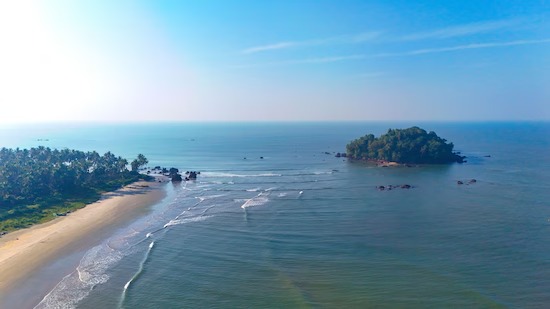
The Kannur coastline is dotted with beaches, fishing communities, rocky shores and scenic viewpoints. Beaches such as Payyambalam and Muzhappilangad are among the most popular coastal attractions.
Rivers and Backwaters
Rivers such as the Valapattanam and Kuppam flow through the region. Their backwaters and surrounding coconut groves provide opportunities for boating and exploring rural landscapes.
Western Ghats
The eastern part of Kannur rises towards the Western Ghats, creating scenic hill destinations such as Paithalmala.
Mangrove Ecosystems
Kannur has extensive mangrove habitats and waterways. Mangrove kayaking is one of the nature-based activities available in the district.
Tropical Climate
Kannur has a humid tropical climate with a strong monsoon influence. Coastal areas are generally warm, while the hill regions can be cooler and more comfortable.
Culture and Traditions
Kannur is one of Kerala's richest cultural regions, with traditions influenced by indigenous communities, Hindu temple culture, Muslim Mappila heritage, maritime trade and colonial encounters.
Theyyam
Theyyam is Kannur's most distinctive cultural tradition. It is a ritual performance combining dance, music, elaborate costumes, face painting and spiritual traditions. Different Theyyam forms honour deities, heroes, ancestral figures and local spirits.
Kalaripayattu
Kalaripayattu, Kerala's traditional martial art, has deep historical connections with North Malabar. Kannur and nearby Thalassery are important centres for learning and experiencing this ancient martial tradition.
Mappila Culture
The Muslim communities of North Malabar have contributed significantly to Kannur's cuisine, music, literature, architecture and trading traditions. Mappila culture remains an important part of the region's identity.
Handloom Tradition
Kannur has a long-established handloom industry. Traditional weaving centres produce cotton fabrics, towels, furnishings and other textile products.
Temple Traditions
Kannur has numerous sacred groves, temples and shrines where traditional rituals and annual festivals continue to be observed. Many Theyyam performances are associated with these sacred spaces.
Folk Arts
Folk music, traditional dances, ritual performances and storytelling remain important parts of Kannur's cultural heritage. These traditions provide visitors with an insight into the social history of North Malabar.
Architecture
Kannur's architecture reflects its long history of local kingdoms, maritime trade and European colonial influence.
St. Angelo Fort
St. Angelo Fort is a striking laterite fort built by the Portuguese in 1505. Its triangular form, thick walls and sea-facing location make it one of Kannur's most recognisable landmarks.
Arakkal Kettu
Arakkal Kettu, the former palace complex of the Arakkal royal family, combines Kerala architectural elements with colonial influences. The complex includes courtyards, mosques, halls and administrative buildings.
Gundert Bungalow
Gundert Bungalow near Thalassery is associated with German missionary and Malayalam scholar Dr. Hermann Gundert. The historic building reflects the cultural and educational history of the region.
Traditional Kerala Homes
Traditional houses across Kannur often feature sloping tiled roofs, wooden details, courtyards and designs adapted to the region's heavy monsoon rainfall.
Colonial Heritage
Old trading establishments, churches, administrative buildings and warehouses around Kannur and Thalassery reflect the influence of Portuguese, Dutch and British maritime activity.
Famous Places
St. Angelo Fort
St. Angelo Fort, also known as Kannur Fort, was built by Francisco de Almeida in 1505. The fort overlooks the Arabian Sea, Mapilla Bay and the harbour and is one of the city's most important historical attractions.
Payyambalam Beach
Payyambalam Beach is a well-maintained coastal destination close to Kannur town. It is suitable for relaxing, walking, enjoying the sea and spending time with family.
Muzhappilangad Drive-in Beach
Muzhappilangad Beach is Kerala's famous drive-in beach. The long sandy shoreline, black rocks and relatively calm waters make it a popular destination for beach lovers and adventure enthusiasts.
Arakkal Museum
Arakkal Museum provides an insight into the history of the Arakkal royal family, Kerala's only Muslim royal dynasty. The exhibits include artefacts, royal objects, portraits and historical materials.
Paithalmala
Paithalmala is a scenic hill destination in the Western Ghats. The trek passes through forested terrain before opening into expansive mountain views.
Parassinikadavu Sree Muthappan Temple
Parassinikadavu Sree Muthappan Temple, located on the banks of the Valapattanam River, is an important pilgrimage centre famous for its distinctive Muthappan traditions and Theyyam performances.
Parassinikadavu Snake Park
Parassinikadavu Snake Park is a popular attraction for visitors interested in reptiles. The park focuses on the conservation and display of different snake species.
Madayipara
Madayipara is a laterite hill landscape known for its seasonal colours, biodiversity, historic significance and panoramic views. Its appearance changes considerably with the seasons.
Dharmadam Island
Dharmadam Island is a small green island located near the coast. It can be viewed from nearby beaches and is especially attractive when the tide permits access to its surroundings.
Valapattanam
Valapattanam is associated with rivers, backwaters, fishing and traditional industries. The area offers a quieter perspective of Kannur's water-based landscape.
Kottiyoor
Kottiyoor is an important pilgrimage destination surrounded by forested hills and known for its temple traditions and annual festival.
Thalassery
Thalassery, around 22 km south of Kannur, is famous for its colonial heritage, Malabar cuisine, cricket history, circus tradition and connection with the spice trade.
Gundert Bungalow
The historic Gundert Bungalow near Thalassery is associated with Hermann Gundert, who made significant contributions to Malayalam language studies and education.
Famous Dishes
Kannur's cuisine is an important part of the wider Malabar culinary tradition. It reflects centuries of interaction between local Kerala food traditions and Arab, Persian and other maritime influences.
Malabar Biryani
Malabar Biryani is one of the region's best-known dishes. It is prepared using fragrant rice, meat or seafood and a distinctive blend of spices and aromatics.
Thalassery Biryani
Thalassery Biryani is a celebrated North Malabar speciality traditionally prepared with short-grained fragrant rice, meat and a carefully balanced spice mixture.
Pathiri
Pathiri is a soft, thin rice-based flatbread that is commonly served with meat, chicken, fish or vegetable curries in Malabar cuisine.
Malabar Parotta
Malabar Parotta is a layered, flaky flatbread commonly enjoyed with spicy curries and meat-based dishes.
Unnakkaya
Unnakkaya is a traditional Malabar snack made from ripe plantain, usually filled with coconut and other ingredients before being cooked.
Chatti Pathiri
Chatti Pathiri is a layered Malabar pastry made with thin crepes and sweet or savoury fillings. It is especially popular during celebrations and special occasions.
Kalathappam
Kalathappam is a traditional Malabar rice cake prepared with rice, coconut and other ingredients. It is enjoyed as a snack or part of a meal.
Seafood
With its long coastline, Kannur offers a wide variety of fresh seafood. Fish, prawns, mussels and other seafood are commonly prepared using coconut, chilli and traditional Malabar spices.
Malabar Snacks
Kannur's tea-time food culture includes a variety of snacks influenced by Mappila culinary traditions, including fried and steamed rice-based preparations, plantain snacks and sweet delicacies.
Famous Personalities
Pazhassi Raja
Kerala Varma Pazhassi Raja is one of the most important historical figures associated with Kannur and the surrounding Malabar region. He led prolonged resistance against British expansion between 1792 and 1806 and is remembered as the “Lion of Kerala.”
Hermann Gundert
Dr. Hermann Gundert was a German missionary, scholar and lexicographer who made major contributions to Malayalam language studies. His association with Thalassery remains an important part of the region's literary and educational history.
V. K. Krishna Menon
V. K. Krishna Menon, an influential Indian diplomat and politician, had early political connections with the Malabar region and was active in the Home Rule movement in Thalassery.
Thacholi Othenan
Thacholi Othenan is a legendary figure of North Malabar's martial folklore and is closely associated with the traditions of Kalaripayattu and the ballads of the region.
Keeleri Kunhikannan
Keeleri Kunhikannan from Thalassery is remembered as an important pioneer of circus training in Kerala and is widely associated with the development of the state's circus tradition.
Festivals
Theyyam Season
Theyyam is the most distinctive ritual tradition of Kannur. Performances are usually associated with sacred groves and temples and are held according to local temple calendars, with the season generally concentrated during the cooler months.
Kottiyoor Festival
The annual Kottiyoor festival is one of the important religious celebrations in Kannur district. The temple is situated in a forested environment and the festival attracts devotees from across Kerala.
Parassinikadavu Festival
The annual celebrations at Parassinikadavu Sree Muthappan Temple are closely associated with Muthappan worship and traditional ritual performances.
Andalur Kavu Festival
Andalur Kavu near Thalassery hosts an important annual temple festival featuring traditional rituals and Theyyam performances depicting stories from the Ramayana.
Muzhappilangad Beach Festival
The Muzhappilangad Beach Festival is a popular coastal event featuring cultural programmes, automobile and motorcycle activities and entertainment. It is generally associated with April.
Onam
Onam is celebrated throughout Kannur with traditional food, cultural programmes, games and community gatherings.
Christmas and Eid
Kannur's diverse communities celebrate Christmas and Eid with strong local participation. The region's Mappila heritage gives Eid celebrations a distinctive cultural and culinary character.
The dates of temple festivals and Theyyam performances vary according to local calendars. Travellers planning a trip specifically around a festival should verify the current schedule before travelling.
Things to Do
Experience Theyyam
Witnessing an authentic Theyyam performance is one of the most memorable cultural experiences in Kannur. Performances take place at different temples and sacred groves during the Theyyam season.
Explore St. Angelo Fort
Walk through the historic fort, explore its laterite walls and enjoy views of the Arabian Sea and surrounding harbour.
Drive Along Muzhappilangad Beach
Experience Kerala's famous drive-in beach and enjoy the long coastal stretch, especially during suitable tide and weather conditions.
Relax at Payyambalam Beach
Spend a peaceful evening at Payyambalam Beach, enjoy the sea breeze and take a long walk along the shoreline.
Explore Arakkal Heritage
Visit the Arakkal Museum and learn about Kerala's only Muslim royal dynasty and its maritime connections.
Go Trekking at Paithalmala
Explore the forest trail leading to Paithalmala and enjoy panoramic views from the hilltop.
Explore Mangroves
Take a guided mangrove kayaking experience through Kannur's waterways and learn about the importance of mangrove ecosystems.
Watch Kalaripayattu
Attend a traditional Kalaripayattu performance to experience one of Kerala's oldest martial arts.
Explore Thalassery
Take a day trip to Thalassery for its colonial heritage, cuisine, Gundert Bungalow, circus history and cultural attractions.
Try Malabar Cuisine
Explore local eateries and try Thalassery biryani, pathiri, Malabar parotta, seafood and traditional Mappila snacks.
- Watch a traditional Theyyam performance
- Explore St. Angelo Fort
- Visit Payyambalam Beach
- Drive along Muzhappilangad Beach
- Visit Arakkal Museum
- Explore Parassinikadavu
- Trek at Paithalmala
- Explore Madayipara
- Try mangrove kayaking
- Experience Kalaripayattu
- Take a day trip to Thalassery
- Try authentic Malabar cuisine
Where to Eat, Shop, and Stay
Where to Eat
Kannur offers a wide range of restaurants, local eateries and traditional Malabar food establishments. The best places to explore regional flavours include Kannur town, Thalassery and the coastal areas.
Travellers should try Thalassery biryani, Malabar parotta, pathiri, seafood, chatti pathiri and traditional Mappila snacks.
Where to Shop
Kannur is particularly known for its handloom products. Travellers can look for traditional cotton fabrics, towels, furnishings and other woven products.
Local markets also offer spices, banana chips, traditional snacks, handicrafts and souvenirs.
For a more heritage-oriented shopping experience, explore the markets around Thalassery and Kannur town.
Where to Stay
Kannur offers accommodation ranging from budget hotels and homestays to resorts and heritage-style properties.
Kannur town is convenient for travellers who want easy access to the railway station, restaurants, markets, beaches and major city attractions.
Travellers interested in beaches can consider accommodation near Payyambalam or Muzhappilangad, while those looking for a quieter nature experience can choose stays near hill or backwater destinations.
During the Theyyam season and major festivals, accommodation near popular performance locations can become limited, so advance booking is advisable.
What is Kannur Famous For?
Kannur is famous for its rich combination of ritual traditions, colonial history, beaches, handloom culture, martial arts and Malabar cuisine.
Theyyam
Kannur is widely known as the “Land of Theyyam.” The ritual performance is one of the most distinctive cultural traditions of North Kerala.
St. Angelo Fort
The historic St. Angelo Fort is one of Kannur's most important landmarks and reflects the region's Portuguese, Dutch and British history.
Muzhappilangad Drive-in Beach
Muzhappilangad is Kerala's famous drive-in beach and one of the most unique coastal attractions in the state.
Malabar Cuisine
Kannur and nearby Thalassery are famous for Malabar and Mappila cuisine, particularly biryani, seafood, pathiri and traditional snacks.
Arakkal Dynasty
Kannur is famous for its connection with the Arakkal dynasty, the only Muslim royal family in Kerala.
Kalaripayattu
Kannur and Thalassery are important destinations for experiencing Kalaripayattu, Kerala's traditional martial art.
Handloom
Kannur has a long-standing handloom tradition and is known for its quality woven products.
Beaches
Beaches such as Payyambalam, Muzhappilangad and nearby coastal destinations make Kannur an attractive destination for beach and nature lovers.
Best Time to Visit
The best time to visit Kannur is generally from October to March, when the weather is more comfortable for beaches, sightseeing, heritage walks and outdoor activities.
October to March – Best Overall
The cooler and relatively pleasant weather makes this period suitable for exploring forts, beaches, hills and cultural attractions.
October to February – Theyyam Season
This period is particularly important for travellers interested in Theyyam. Performances take place at different temples and sacred groves according to their individual calendars.
April to May – Warm Season
The weather becomes warmer and more humid. Beach visits and sightseeing are still possible, but mornings and evenings are generally more comfortable.
June to September – Monsoon
The southwest monsoon brings heavy rainfall to Kannur. The landscape becomes lush and green, but outdoor activities and road journeys may be affected by rain.
April – Muzhappilangad Beach Festival
Travellers interested in the Muzhappilangad Beach Festival may consider April, subject to the official event schedule for the year.
How to Reach
By Air
Kannur International Airport is the nearest airport to Kannur and is located approximately 25 km from the city. The airport provides convenient domestic and international connectivity.
Calicut International Airport and Mangalore Airport are additional options for travellers depending on their route and flight availability.
By Train
Kannur Railway Station is well connected to major cities across Kerala and other parts of India through regular train services.
By Road
Kannur is well connected by road with Kozhikode, Thalassery, Kasaragod, Wayanad, Mysuru and Mangaluru. National and state highways provide access to the city and surrounding attractions.
Getting Around Kannur
Auto-rickshaws, taxis, buses and rental vehicles are useful for exploring Kannur. For destinations such as Paithalmala, hill areas and remote cultural sites, a private vehicle or organised tour can be more convenient.
Nearby Places
Thalassery
Thalassery is one of the most important nearby destinations and is known for its heritage buildings, cuisine, cricket history, circus tradition and spice-trade heritage.
Wayanad
Wayanad lies east of Kannur and offers forests, waterfalls, caves, wildlife sanctuaries and mountain landscapes.
Kasaragod
Kasaragod to the north is known for Bekal Fort, beaches, backwaters and the cultural traditions of northern Kerala.
Mahe
Mahe, a small Union Territory enclave surrounded by Kerala, is located near the Kannur-Thalassery region and reflects a distinctive French colonial heritage.
Payyannur
Payyannur is a historic town associated with the freedom movement, traditional culture and the Salt Satyagraha of 1930.
Vythiri
Vythiri in Wayanad can be combined with Kannur for travellers looking to explore both the northern coast and Western Ghats.
Bekal
Bekal in Kasaragod is famous for the impressive Bekal Fort and scenic Arabian Sea coastline.
Best Duration for a Trip
A 2–3 day trip is suitable for experiencing Kannur's major attractions, while 4 days or more allows travellers to include hill destinations, cultural experiences and nearby Thalassery.
1 Day – Quick Kannur Experience
A one-day visit can focus on the city's major historical and coastal attractions.
- Visit St. Angelo Fort
- Explore Payyambalam Beach
- Visit Arakkal Museum
- Enjoy local Malabar food
- Watch the sunset by the coast
2 Days – Recommended
Two days allow travellers to combine Kannur's heritage and beaches.
- Day 1: St. Angelo Fort, Arakkal Museum, Kannur town and Payyambalam Beach
- Day 2: Muzhappilangad Beach, Dharmadam and nearby cultural attractions
3 Days – Culture and Nature
Three days provide enough time to include a cultural experience and a hill or nature excursion.
- Day 1: Kannur Fort, Arakkal heritage and Payyambalam
- Day 2: Muzhappilangad, Dharmadam and coastal sightseeing
- Day 3: Paithalmala, Parassinikadavu or a Theyyam experience, depending on the season
4 Days – Extended Kannur Experience
Four days are suitable for travellers who want to explore Kannur at a slower pace and include a day trip to Thalassery or nearby destinations.
Recommended Duration: 3 days is ideal for a first visit to experience Kannur's beaches, heritage and culture without rushing.
Travel Tips
Check the Theyyam Calendar
If experiencing Theyyam is a major reason for your visit, check the performance schedule before booking accommodation and transport because performances are tied to individual temple and sacred-grove calendars.
Respect Ritual Traditions
Theyyam is a sacred ritual rather than simply a tourist performance. Maintain respectful behaviour, follow local instructions and ask before taking photographs.
Plan Beach Visits Around Conditions
Sea conditions and tides can affect swimming, water sports and access to coastal areas. Follow local safety instructions and lifeguard guidance.
Drive Carefully on Beaches
At Muzhappilangad, follow the designated driving rules and avoid reckless driving or speeding on the beach.
Carry Sun Protection
Kannur's coastal areas can become hot during the day. Carry sunscreen, sunglasses, a hat and drinking water.
Carry Rain Protection
The monsoon can bring heavy rain, so a compact umbrella or waterproof jacket is useful.
Wear Comfortable Footwear
Comfortable footwear is useful for fort visits, heritage walks and hill destinations such as Paithalmala.
Respect Religious Customs
Temples, sacred groves and other religious sites may have specific rules regarding dress, photography and entry. Follow local instructions.
Try Local Food
Make time to explore authentic Malabar cuisine instead of limiting your meals to standard tourist restaurants.
Buy Handloom Products Responsibly
Kannur's handloom products make useful souvenirs. Look for genuine locally produced textiles and support traditional weaving communities.
Allow Extra Travel Time
Attractions are spread across the district. Hill destinations and rural cultural sites can take considerably longer to reach than city attractions.
Keep Beaches and Nature Areas Clean
Avoid plastic waste and dispose of rubbish responsibly to help protect Kannur's beaches, mangroves, forests and backwaters.
Why Visit Kannur?
Kannur offers a side of Kerala that feels distinctly different from the state's better-known backwater and southern destinations. Its identity is deeply connected with ritual traditions, maritime history, Malabar food, beaches and North Kerala's cultural heritage.
History lovers can explore St. Angelo Fort and Arakkal heritage, while culture enthusiasts can experience Theyyam and Kalaripayattu. Beach lovers have Payyambalam and Muzhappilangad, while nature lovers can explore Paithalmala, Madayipara and Kannur's mangrove ecosystems.
The region's food is another major attraction. From Thalassery biryani and pathiri to seafood and traditional Mappila snacks, Kannur offers a rich culinary experience that reflects centuries of cultural exchange.
Kannur is therefore an excellent choice for travellers who want to combine heritage, culture, beaches, food and nature in one northern Kerala journey.
Conclusion
Kannur is a destination where Kerala's history and living traditions remain closely connected. Its Portuguese fort, Arakkal heritage, ancient ritual traditions, handloom industry and Malabar cuisine tell the story of a region shaped by centuries of cultural exchange.
From the spiritual intensity of Theyyam and the historic walls of St. Angelo Fort to the relaxed shores of Payyambalam and the unique experience of driving along Muzhappilangad Beach, Kannur offers a diverse range of experiences.
A well-planned trip combining heritage, beaches, local cuisine and cultural experiences provides the best introduction to the destination. Travellers with additional time can extend the journey towards Paithalmala, Thalassery, Wayanad or Kasaragod.
With its powerful traditions, beautiful coastline and fascinating Malabar heritage, Kannur is one of Kerala's most rewarding destinations for travellers looking to experience the state's culture beyond its most familiar tourist routes.
"Travel is the only thing you buy that makes you richer."