Explore Kerala
Discover Kerala
Cities of Kerala
Kerala – God's Own Country: Where Backwaters, Beaches and Green Hills Meet
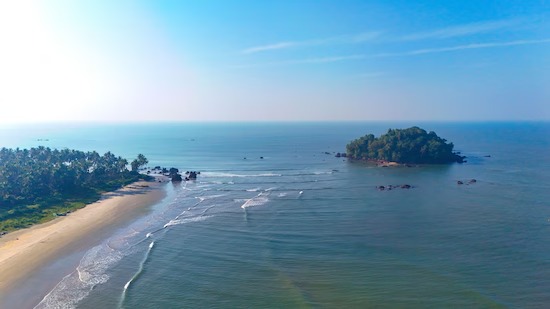
Kerala, located on the southwestern coast of India, is one of the country's most distinctive travel destinations. Known popularly as “God's Own Country”, Kerala is famous for its peaceful backwaters, palm-fringed beaches, misty hill stations, tropical forests, wildlife, Ayurveda, traditional art forms and delicious cuisine.
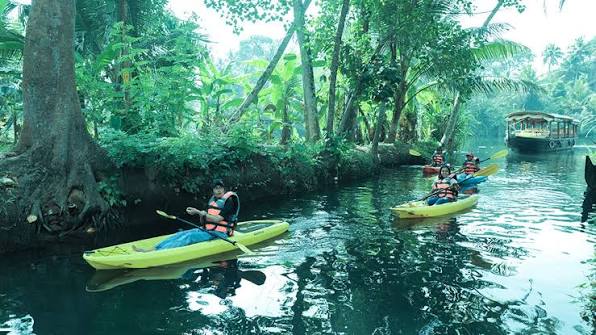
With the Arabian Sea on one side and the Western Ghats on the other, Kerala offers an extraordinary variety of landscapes within a relatively compact area. Travellers can experience houseboat journeys through quiet backwaters, tea plantations in the hills, wildlife safaris, historic port towns, ancient temples and colourful cultural festivals during the same trip.
Thiruvananthapuram is the capital of Kerala, while cities such as Kochi, Kozhikode, Thrissur, Kollam and Alappuzha are important cultural, commercial and tourism centres.
Kerala is especially attractive for travellers looking for a combination of nature, culture, food, wellness, history and slow travel.
Why Is Kerala Famous and Why Should You Visit?
Kerala is famous for its diverse natural beauty and strong cultural identity. From the backwaters of Alappuzha to the tea gardens of Munnar and the beaches of Kovalam, the state offers experiences for different types of travellers.
- Backwaters: Kerala's interconnected lakes, canals, lagoons and rivers are among its most recognisable attractions.
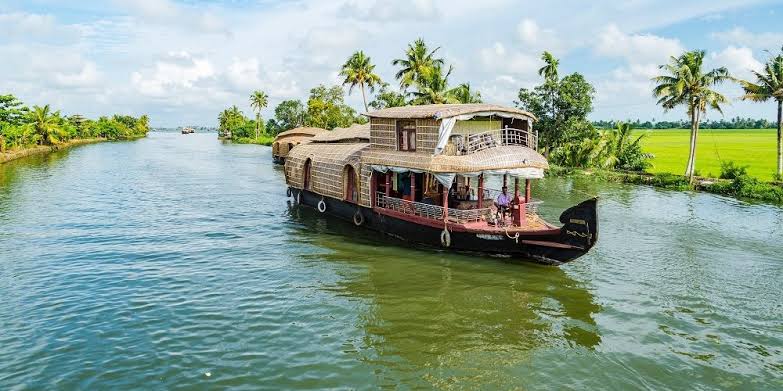
- Houseboats: Traditional-style houseboats provide a unique way to explore the backwater landscape.
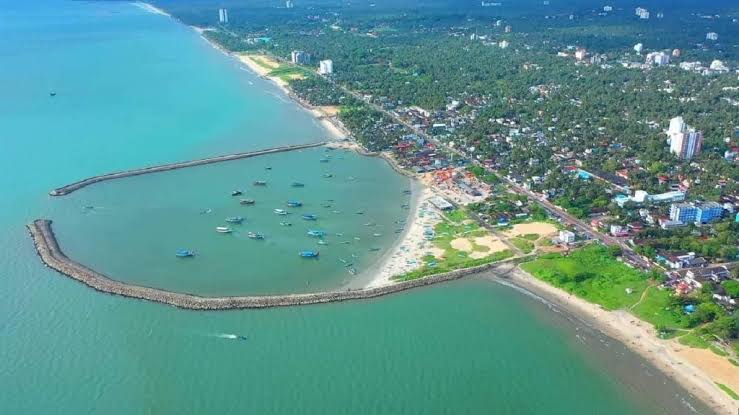
- Beaches: Kovalam, Varkala, Marari and Bekal are among the state's popular coastal destinations.
- Hill Stations: Munnar, Wayanad, Vagamon and Thekkady offer green hills, plantations and cooler weather.
- Wildlife: Kerala has several protected areas where visitors can experience forests and wildlife.
- Ayurveda: The state has a long association with traditional Ayurvedic wellness and treatments.
- Traditional Arts: Kathakali, Mohiniyattam, Theyyam and Kalaripayattu are important parts of Kerala's cultural heritage.
- Festivals: Onam, Vishu and Thrissur Pooram are among Kerala's best-known celebrations.
- Cuisine: Kerala is known for appam, puttu, sadya, seafood, Malabar dishes and coconut-based preparations.
- Historic Towns: Kochi and other coastal settlements preserve centuries of maritime and cultural connections.
- Tea and Spice Plantations: The highlands are known for tea, coffee, cardamom, pepper and other plantation crops.
- Responsible and Nature Travel: Kerala offers many opportunities for village experiences, nature tourism and wellness-focused travel.
History of Kerala
Ancient Kerala
Kerala has a long and fascinating history shaped by its location along the Arabian Sea. The region was historically connected to maritime trade routes linking India with the Middle East, Africa and parts of Europe.
Ancient Kerala was particularly famous for its spices, especially black pepper. Traders from different parts of the world travelled to the Malabar Coast in search of these valuable commodities.
Chera Kingdom
Much of ancient Kerala was associated with the Chera dynasty, one of the important political powers of ancient southern India.
The Cheras played a significant role in the region's political, cultural and commercial development, while trade through the Malabar Coast connected Kerala with distant parts of the world.
Spice Trade and International Connections
For centuries, Kerala's spices attracted Arab, Chinese and European traders. Ports along the Malabar Coast became important centres of international commerce.
This long history of trade contributed to Kerala's cultural diversity and influenced its architecture, cuisine, religions and communities.
Arrival of the Portuguese
In 1498, Vasco da Gama reached the Malabar Coast near present-day Kozhikode. His arrival marked an important stage in the history of European involvement in the Indian spice trade.
The Portuguese established commercial and political influence in parts of the region and competed with existing Arab and local trading networks.
Dutch and British Influence
The Dutch later challenged Portuguese influence on the Malabar Coast. Eventually, British power expanded across the region, with different parts of present-day Kerala becoming associated with the Madras Presidency and princely states such as Travancore and Cochin.
Formation of Kerala
Modern Kerala was formed on 1 November 1956 following the reorganisation of Indian states primarily on linguistic lines. Malayalam-speaking regions were brought together to form the new state.
The creation of Kerala brought together the former regions of Travancore-Cochin with the Malabar district and the Kasaragod area, creating the modern state of Kerala.
Geography of Kerala
Kerala occupies a narrow strip along the southwestern coast of India. It is bordered by Karnataka to the north and northeast, Tamil Nadu to the east and the Arabian Sea to the west.
The state has a remarkable geographical variety, ranging from coastal plains and beaches to midland regions, forests and the high mountains of the Western Ghats.
| Geographical Feature | Details |
|---|---|
| Region | Southwestern India |
| Capital | Thiruvananthapuram |
| Area | Approximately 38,863 sq. km. |
| Districts | 14 |
| Coastline | Approximately 590 km |
| Major Mountain Range | Western Ghats |
| Major Water Features | Backwaters, lakes, rivers and lagoons |
| Major Sea | Arabian Sea |
Western Ghats
The Western Ghats run along the eastern part of Kerala and contain some of the state's most beautiful landscapes. The mountains support forests, wildlife and extensive plantations of tea, coffee and spices.
Backwaters of Kerala
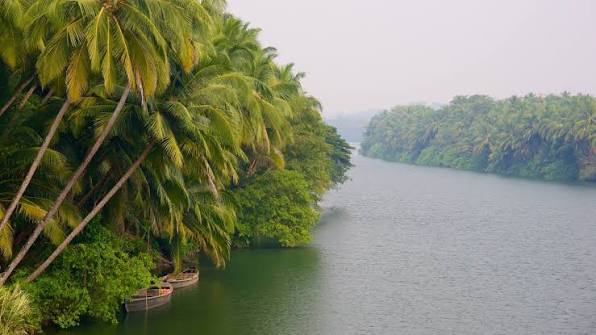
The Kerala backwaters are a network of interconnected lakes, canals, lagoons and rivers. Alappuzha, Kumarakom and Kollam are among the most popular areas for exploring this unique environment.
Coastal Kerala
The western side of the state is characterised by beaches, fishing villages, coastal towns and historic ports. The Arabian Sea has played an important role in Kerala's economy and history for centuries.
Climate of Kerala
Kerala has a predominantly tropical climate with warm weather throughout much of the year. The state's climate varies according to elevation, with the highlands generally cooler than the coastal plains.
| Season | Approximate Period | General Conditions |
|---|---|---|
| Winter | November – February | Generally pleasant, particularly in the hills and coastal areas. |
| Summer | March – May | Warm and humid, with higher temperatures in the plains. |
| Southwest Monsoon | June – September | Heavy rainfall and lush green landscapes across much of the state. |
| Northeast Monsoon | October – November | Additional rainfall, particularly in southern and central areas. |
Kerala receives substantial rainfall, which contributes to its lush vegetation, rivers, plantations and agricultural landscapes.
Culture and Traditions of Kerala
Kerala has a rich cultural heritage shaped by Malayalam language and literature, indigenous traditions, religion, maritime connections and centuries of interaction with different communities.
Malayalam Language
Malayalam is the principal language of Kerala. The language has a rich literary tradition and plays an important role in the state's cultural identity.
Traditional Clothing
Traditional Kerala clothing includes the mundu and kasavu saree. White and cream-coloured garments with golden borders are particularly associated with festivals and ceremonial occasions.
Traditional Music
Kerala has several classical and folk musical traditions. Temple percussion ensembles, traditional drums and devotional music are important parts of cultural celebrations.
Kathakali
Kathakali is one of Kerala's most famous classical dance-drama traditions. Performers use elaborate costumes, colourful makeup, expressive gestures and facial expressions to tell stories.
Mohiniyattam
Mohiniyattam is a classical dance form associated with Kerala. It is recognised for graceful movements and expressive storytelling.
Theyyam
Theyyam is a vibrant ritual performance tradition particularly associated with northern Kerala. Elaborate costumes, face painting, music and ritual practices make it one of the state's most distinctive cultural experiences.
Kalaripayattu
Kalaripayattu is a traditional martial art of Kerala. It is known for its combination of physical training, weapon techniques, flexibility and disciplined movement.
Architecture of Kerala
Kerala's architecture reflects its climate, geography, religious traditions and historical connections. Traditional buildings often feature sloping roofs, wooden elements, courtyards and designs suited to the region's heavy rainfall.
Traditional Kerala Houses
Traditional homes such as nalukettu are built around an internal courtyard and are designed to provide ventilation, shade and protection from the tropical climate.
Temple Architecture
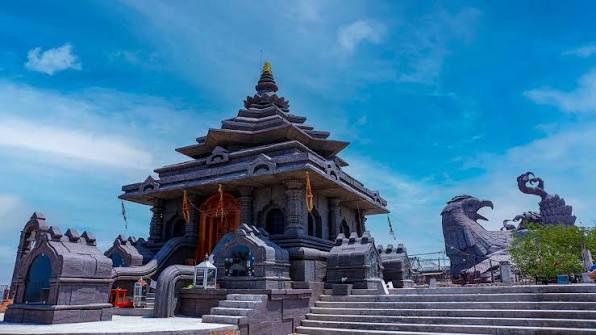
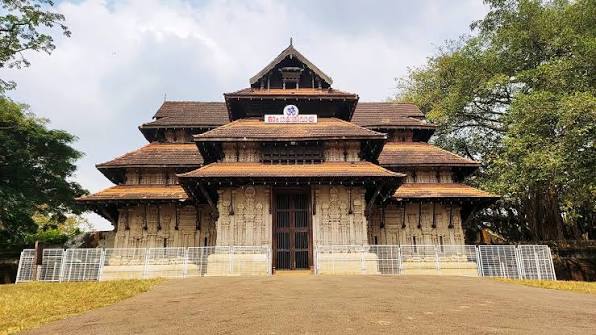
Kerala's temples often feature distinctive roof structures and wooden architectural elements adapted to the state's rainy climate.
Fort Kochi
Fort Kochi contains a fascinating mixture of Portuguese, Dutch, British and local architectural influences. Historic churches, colonial buildings and traditional streets reflect the area's long maritime history.
Famous Places to Visit in Kerala
1. Thiruvananthapuram
Thiruvananthapuram, the capital of Kerala, combines temples, museums, palaces, beaches and cultural institutions.
The Sree Padmanabhaswamy Temple, Napier Museum, Kuthira Malika Palace and nearby Kovalam make the capital an important starting point for exploring southern Kerala.
2. Kochi
Kochi is one of Kerala's most historically significant cities. Its maritime history has created a unique cultural landscape influenced by Indian, Arab, Chinese, Portuguese, Dutch and British connections.
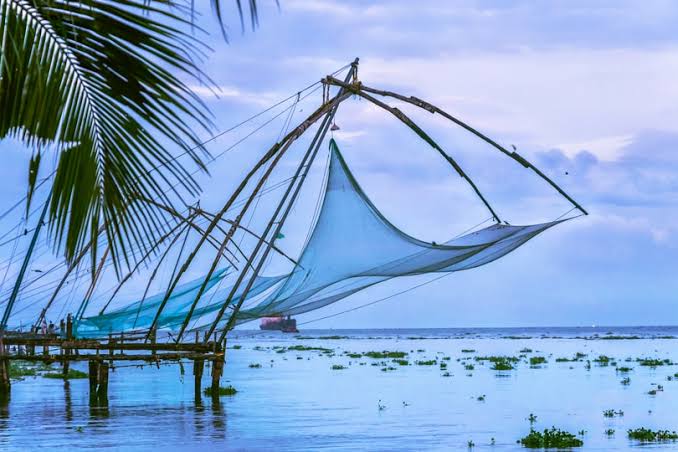
Fort Kochi, Mattancherry Palace, the Jewish heritage area and the famous Chinese fishing nets are among its major attractions.
3. Munnar
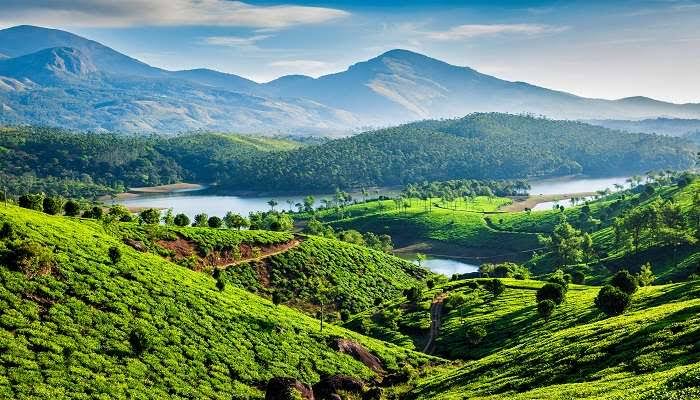
Munnar is one of Kerala's most popular hill destinations. Surrounded by tea plantations, misty mountains and green valleys, it is particularly attractive for nature lovers and photographers.
4. Alappuzha
Often associated with Kerala's backwaters, Alappuzha is famous for houseboats, canals, lagoons and traditional village landscapes.
5. Kumarakom
Kumarakom is a peaceful backwater destination located on the shores of Vembanad Lake. It is known for houseboats, resorts, birdwatching and beautiful waterways.
6. Wayanad
Wayanad is a green highland region known for forests, waterfalls, caves, plantations and wildlife. It is an excellent destination for travellers looking for nature and outdoor experiences.
7. Thekkady
Thekkady is the gateway to the Periyar region and is known for wildlife, forests, spice plantations and boating experiences around Periyar Lake.
8. Varkala
Varkala is famous for its dramatic cliff overlooking the Arabian Sea. The destination combines beaches, coastal views, spiritual attractions, cafés and wellness experiences.
9. Kovalam
Kovalam is one of Kerala's best-known beach destinations. Its curved coastline, lighthouse and palm-lined beaches attract both domestic and international travellers.
10. Bekal
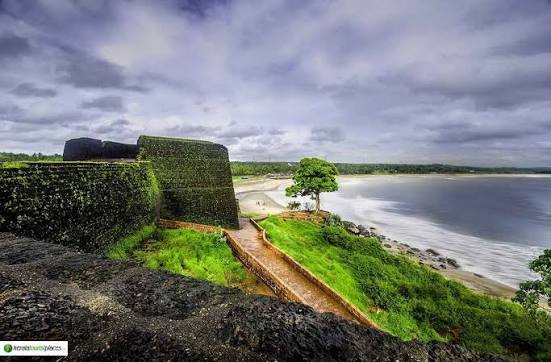
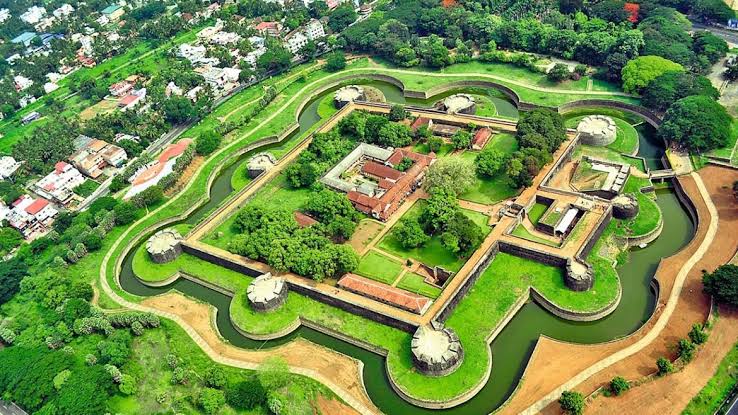
Bekal** is known for the impressive Bekal Fort, which overlooks the Arabian Sea. The surrounding coastline provides beautiful views and opportunities for relaxed beach experiences.
11. Thrissur
Thrissur is widely recognised as the cultural capital of Kerala. The city is particularly famous for Thrissur Pooram, one of the state's most spectacular festivals.
12. Kozhikode
Kozhikode, historically known as Calicut, was an important centre of the Malabar spice trade. Today it is known for its food, beaches, history and cultural heritage.
13. Kollam
Kollam is an important backwater and coastal destination. Ashtamudi Lake and the surrounding waterways make the district popular among travellers seeking a quieter backwater experience.
14. Vagamon
Vagamon is a peaceful hill station known for rolling meadows, pine forests, valleys and pleasant weather.
Famous Backwater Destinations in Kerala
Alappuzha Backwaters
Alappuzha is one of the most famous backwater destinations in Kerala. Travellers can explore narrow canals, lagoons, paddy fields and village landscapes by traditional houseboat.
Kumarakom
Kumarakom sits beside Vembanad Lake and offers a peaceful combination of waterways, birdwatching, resorts and village scenery.
Ashtamudi Lake
Ashtamudi Lake near Kollam is one of Kerala's major backwater systems. The lake is surrounded by coconut palms, villages and waterways.
Famous Beaches of Kerala
Kovalam Beach
Kovalam is one of the state's most popular beach destinations and is known for its lighthouse, coastal scenery and tourism facilities.
Varkala Beach
Varkala is particularly famous for its red laterite cliffs overlooking the Arabian Sea. The area around the cliff has cafés, shops and wellness centres.
Marari Beach
Marari is a quieter coastal destination near Alappuzha, known for its sandy beach, coconut palms and relaxed atmosphere.
Bekal Beach
Bekal offers beautiful coastal views around the historic Bekal Fort and is particularly attractive for travellers interested in combining heritage with beach scenery.
Famous Hill Stations of Kerala
Munnar
Munnar is famous for its vast tea plantations, misty hills and cool mountain climate. It is one of Kerala's most visited highland destinations.
Wayanad
Wayanad combines forests, plantations, waterfalls, caves and wildlife with beautiful mountain scenery.
Vagamon
Vagamon is known for green meadows, pine forests, valleys and a peaceful hill-station atmosphere.
Ponmudi
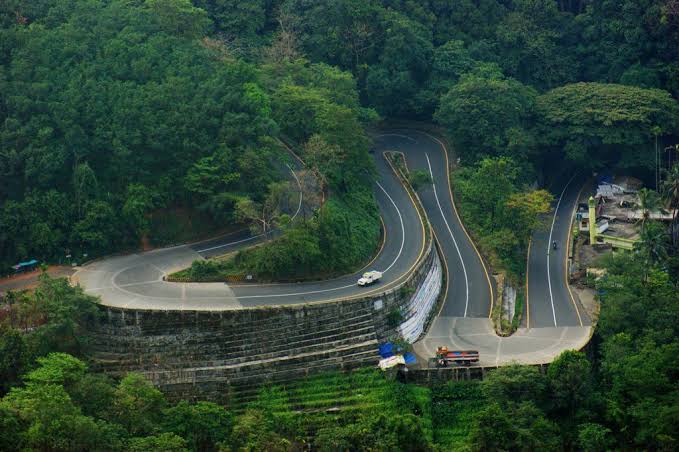
Located near Thiruvananthapuram, Ponmudi is a scenic hill destination surrounded by forests and winding mountain roads.
Wildlife and Nature in Kerala
Kerala's Western Ghats contain important forests and wildlife habitats. The state's protected areas provide opportunities to experience elephants, deer, birds and other wildlife in their natural surroundings.
Periyar Wildlife Sanctuary
The Periyar region around Thekkady is one of Kerala's most popular wildlife destinations. The forest landscape around Periyar Lake provides opportunities for boating, nature walks and wildlife experiences.
Eravikulam National Park
Located near Munnar, Eravikulam National Park is known for its mountain landscapes and the endangered Nilgiri tahr.
Silent Valley National Park
Silent Valley National Park in the Western Ghats protects an important area of tropical evergreen forest and supports diverse flora and fauna.
Wayanad Wildlife Sanctuary
The Wayanad Wildlife Sanctuary is part of a larger forest landscape connecting protected areas of Kerala and neighbouring Karnataka and Tamil Nadu.
Famous Food of Kerala
Kerala cuisine is one of the major attractions of the state. Coconut, rice, seafood, spices, curry leaves and locally grown vegetables play important roles in traditional cooking.
Sadya
Sadya is a traditional vegetarian feast served on a banana leaf. It can include rice, sambar, avial, thoran, olan, pachadi, pickles, payasam and several other preparations.
Appam and Stew
Appam is a soft, bowl-shaped rice pancake with crispy edges. It is commonly enjoyed with vegetable, chicken or meat stew.
Puttu and Kadala Curry
Puttu is a steamed preparation made with rice flour and coconut. It is traditionally served with spicy chickpea curry known as kadala curry.
Kerala Parotta and Curry
Kerala parotta is a layered flatbread with a flaky texture. It is commonly served with vegetable, chicken, beef or other regional curries.
Karimeen Pollichathu
Karimeen Pollichathu is a traditional preparation of pearl spot fish cooked with spices and wrapped in banana leaves.
Malabar Biryani
Malabar Biryani is particularly associated with northern Kerala. It is known for its fragrant rice, spices and distinctive regional preparation.
Fish Curry
Kerala-style fish curry is prepared in many regional variations, often using coconut, tamarind or kokum and aromatic spices.
Payasam
Payasam is a traditional Kerala dessert made in several varieties using ingredients such as rice, milk, jaggery, coconut milk and lentils.
Famous Personalities Associated with Kerala
Sree Narayana Guru
Sree Narayana Guru was a prominent spiritual leader, philosopher and social reformer from Kerala. His teachings emphasised social equality, education and human dignity.
Adi Shankaracharya
Adi Shankaracharya, one of India's most influential philosophers, is traditionally believed to have been born at Kalady in present-day Kerala. He played a major role in the development and spread of Advaita Vedanta.
Vallathol Narayana Menon
Vallathol Narayana Menon was a major Malayalam poet and an important figure in Kerala's literary and cultural history. He was also instrumental in establishing Kerala Kalamandalam.
Thakazhi Sivasankara Pillai
Thakazhi Sivasankara Pillai was a celebrated Malayalam writer whose works portrayed Kerala's social life, rural communities and changing society.
Vaikom Muhammad Basheer
Vaikom Muhammad Basheer was one of Malayalam literature's most beloved writers. His simple and distinctive writing style focused on ordinary people, relationships and everyday life.
Adoor Gopalakrishnan
Adoor Gopalakrishnan is an internationally respected filmmaker from Kerala and an important figure in Indian parallel cinema.
P. T. Usha
P. T. Usha, known as the “Payyoli Express”, is one of India's most celebrated athletes. She represented India internationally in athletics and became an important sporting icon.
Famous Festivals of Kerala
Onam
Onam is Kerala's most famous festival and is celebrated across the state. It is associated with the legendary King Mahabali and includes traditional feasts, flower decorations, cultural programmes and sporting activities.
Vishu
Vishu marks the traditional Malayalam New Year period. The Vishukkani, traditional celebrations and family gatherings are important parts of the festival.
Thrissur Pooram
Thrissur Pooram is one of Kerala's most spectacular temple festivals. It is famous for decorated elephants, traditional percussion, colourful umbrellas and large public gatherings.
Vallam Kali
Vallam Kali, or traditional boat racing, is closely associated with Kerala's backwater culture. Long snake boats compete in races accompanied by rhythmic songs and enthusiastic crowds.
Theyyam Season
Theyyam performances are particularly associated with northern Kerala and take place during a specific annual season. The elaborate costumes, makeup and ritual performances create a unique cultural experience.
Attukal Pongala
Attukal Pongala is a major religious gathering in Thiruvananthapuram associated with the Attukal Bhagavathy Temple. Large numbers of women participate in the traditional offering during the festival.
Ayurveda and Wellness in Kerala
Kerala has a strong association with Ayurveda, India's traditional system of medicine and wellness. The state's tropical climate, medicinal plants and long-standing traditions have contributed to its reputation as a wellness destination.
Visitors can find Ayurvedic centres and wellness resorts offering traditional therapies, massages, yoga and relaxation programmes.
Travellers should choose properly qualified and reputable practitioners when seeking Ayurvedic medical or therapeutic services.
Things to Do in Kerala
- Stay overnight on a traditional houseboat in the backwaters.
- Explore the historic streets of Fort Kochi.
- Visit tea plantations in Munnar.
- Enjoy a relaxing day at Varkala or Kovalam Beach.
- Explore the forests of Thekkady.
- Go wildlife watching in Kerala's protected areas.
- Experience traditional Kathakali performances.
- Watch a Theyyam performance in northern Kerala during the appropriate season.
- Experience traditional Kerala cuisine.
- Attend a temple festival.
- Watch a traditional snake boat race during the racing season.
- Explore Kerala's spice plantations.
- Enjoy Ayurveda and wellness experiences.
- Explore waterfalls and trekking trails in the Western Ghats.
- Shop for traditional handicrafts, spices, textiles and souvenirs.
Where to Eat, Shop and Stay in Kerala
Where to Eat
Kerala has everything from traditional local restaurants to modern cafés and fine-dining establishments.
- Kochi: Excellent for traditional Kerala food, seafood, cafés and international cuisine.
- Kozhikode: Famous for Malabar cuisine and traditional sweets.
- Thiruvananthapuram: Offers a wide variety of vegetarian and non-vegetarian Kerala dishes.
- Alappuzha: Ideal for seafood and traditional backwater-region cuisine.
- Thrissur: Known for traditional Kerala meals and local snacks.
Shopping in Kerala
Visitors can shop for a variety of traditional Kerala products.
- Kerala spices
- Tea and coffee
- Banana chips
- Kasavu sarees
- Mundu
- Coir products
- Traditional handicrafts
- Wooden sculptures
- Aranmula metal mirrors
- Ayurvedic products from reputable sources
Where to Stay
Kerala offers accommodation for different budgets and travel styles.
- Budget: Guesthouses, homestays and affordable hotels.
- Mid-Range: Comfortable hotels, resorts and boutique properties.
- Luxury: Beach resorts, heritage properties, wellness resorts and premium backwater resorts.
- Unique: Houseboats and traditional-style homestays.
What Is Kerala Famous For?
- Kerala Backwaters
- Houseboats
- Munnar Tea Plantations
- Varkala and Kovalam Beaches
- Ayurveda
- Kathakali
- Mohiniyattam
- Theyyam
- Kalaripayattu
- Onam
- Thrissur Pooram
- Sadya
- Appam and Puttu
- Spices and plantations
- Western Ghats and wildlife
- Fort Kochi
Best Time to Visit Kerala
Kerala can be visited throughout much of the year, but the ideal season depends on the experience you want.
| Season | Months | Travel Experience |
|---|---|---|
| Winter | November – February | Pleasant weather for sightseeing, beaches, backwaters and hill stations. |
| Summer | March – May | Warm and humid; hill stations can be more comfortable. |
| Monsoon | June – September | Lush green landscapes, dramatic rain and a popular season for wellness experiences. |
| Post-Monsoon | October – November | Green surroundings and generally improving weather conditions. |
October to February is generally considered a comfortable period for exploring many parts of Kerala. However, the monsoon season can also be attractive for travellers who enjoy lush landscapes and traditional wellness experiences.
How to Reach Kerala
By Air
Kerala has several major airports, making the state easily accessible from different parts of India and international destinations.
- Cochin International Airport
- Thiruvananthapuram International Airport
- Calicut International Airport
- Kannur International Airport
By Train
Kerala has an extensive railway network running along much of the state. Major railway stations include Thiruvananthapuram Central, Ernakulam Junction, Ernakulam Town, Kozhikode, Thrissur, Kollam and Kannur.
By Road
Kerala is well connected to neighbouring Karnataka and Tamil Nadu through a network of national highways and state roads. Road travel is particularly useful for exploring hill stations, beaches and rural destinations.
Local Transportation in Kerala
- Government and private buses
- Auto-rickshaws
- Taxis
- App-based cab services in major cities
- Rental cars
- Local trains
- Ferries and boats in backwater regions
- Houseboats for backwater stays
Public transport is useful for travelling between major towns, while private vehicles or taxis can be more convenient for multi-destination trips involving hill stations and rural areas.
Nearby Places to Explore from Kerala
Coorg, Karnataka
Coorg is a scenic hill destination known for coffee plantations, forests, waterfalls and pleasant weather.
Mysuru, Karnataka
Mysuru is famous for its palace, heritage architecture, markets and cultural traditions.
Ooty, Tamil Nadu
Ooty is a popular hill station in the Nilgiris, known for tea gardens, mountain scenery and a cool climate.
Kanyakumari, Tamil Nadu
Kanyakumari is located at the southern tip of mainland India and is known for its coastal landscape and sunrise and sunset views.
Madurai, Tamil Nadu
Madurai is one of South India's important cultural and religious destinations, particularly known for the Meenakshi Amman Temple.
Best Duration for a Kerala Trip
The ideal duration depends on how much of the state you want to explore.
| Duration | Suggested Experience |
|---|---|
| 3 Days | Kochi + nearby attractions or a short Munnar trip. |
| 5 Days | Kochi + Munnar + Thekkady or Alappuzha. |
| 7 Days | Kochi + Munnar + Thekkady + Alleppey + Kovalam. |
| 10 Days or More | A broader Kerala journey covering hills, wildlife, backwaters, beaches and cultural destinations. |
Travel Tips for Kerala
- Check the season: Kerala receives heavy monsoon rainfall, so plan outdoor activities according to weather conditions.
- Carry light clothing: Coastal areas are generally warm and humid.
- Carry rain protection: An umbrella or rain jacket can be useful, particularly during the monsoon.
- Carry comfortable footwear: Useful for waterfalls, hill stations, temples and nature trails.
- Respect temple customs: Some temples have specific dress codes and entry restrictions.
- Book houseboats in advance: Popular backwater destinations can become busy during peak travel periods.
- Respect local culture: Ask permission before photographing people during cultural or religious events.
- Try local food: Explore regional dishes rather than limiting your meals to familiar cuisines.
- Protect nature: Avoid plastic waste around beaches, forests, waterfalls and backwaters.
- Wildlife etiquette: Follow park rules and maintain a safe distance from animals.
- Plan hill journeys carefully: Mountain roads can be affected by heavy rain.
- Use reputable wellness centres: Choose qualified professionals for Ayurvedic treatments.
Why Visit Kerala?
Kerala offers a rare combination of coastline, mountains, forests, backwaters, wildlife, food and culture within one state.
A traveller can begin the journey in historic Kochi, travel through the tea plantations of Munnar, explore wildlife around Thekkady, relax on a houseboat in Alappuzha and finish the trip beside the Arabian Sea at Varkala or Kovalam.
Beyond its landscapes, Kerala provides opportunities to experience Ayurveda, Kathakali, Theyyam, traditional cuisine, temple festivals, village life and centuries-old maritime heritage.
The state's combination of natural beauty and cultural depth makes it suitable for family holidays, honeymoon trips, wellness journeys, wildlife adventures, cultural tourism and relaxed solo travel.
Conclusion
Kerala is much more than a collection of beautiful tourist destinations. It is a state where backwaters, beaches, mountains, forests, food, festivals and living cultural traditions come together to create a distinctive travel experience.
From the peaceful waterways of Alappuzha and Kumarakom to the tea-covered hills of Munnar, the historic streets of Kochi, the wildlife of Thekkady and the dramatic cliffs of Varkala, every part of Kerala offers something different.
Its rich traditions of Ayurveda, Kathakali, Theyyam, Kalaripayattu, temple festivals and regional cuisine make the state equally fascinating for travellers interested in culture and heritage.
Whether you are looking for a peaceful backwater escape, a beach holiday, a mountain adventure, a wildlife experience, a cultural journey or simply a taste of South Indian hospitality, Kerala offers an unforgettable experience.