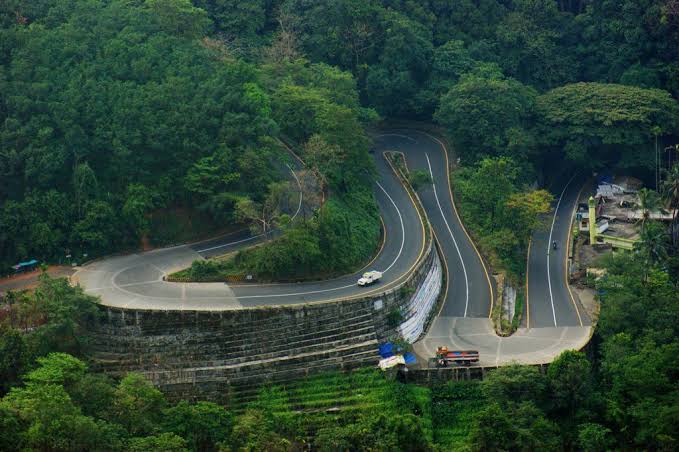
Wayanad – Kerala's Green Paradise of Forests, Hills and Ancient Heritage
Wayanad is one of Kerala's most beautiful highland destinations, where mist-covered mountains, dense forests, spice plantations, waterfalls and peaceful valleys come together. Nestled in the Western Ghats of northern Kerala, Wayanad is known for its natural beauty, rich tribal heritage, ancient caves and adventurous landscapes.
The name Wayanad comes from Vayal Nadu, meaning the "land of paddy fields". The region combines rolling hills and valleys with coffee, tea, pepper, cardamom and other spice plantations. From the prehistoric carvings of Edakkal Caves and the scenic beauty of Pookode Lake to the forests of Muthanga and Tholpetty, Wayanad offers a wide range of experiences for nature lovers, history enthusiasts, adventure seekers and travellers looking for a peaceful escape.
History
Wayanad has a history that goes back thousands of years. Archaeological evidence suggests that organised human settlements existed in the region at least as early as the New Stone Age. The ancient rock engravings and pictorial writings at Edakkal Caves provide some of the most important evidence of prehistoric life in the area.
In the early historical period, Wayanad was associated with the Rajas of the Veda tribe. Later, the region came under the influence of the Kottayam royal dynasty. Wayanad also witnessed the expansion of the Mysore rulers under Hyder Ali and Tipu Sultan.
The region became particularly important during the resistance led by Kerala Varma Pazhassi Raja against the British. Supported by the Kurichiya tribal community and using the forests and hills of Wayanad as natural protection, Pazhassi Raja fought the British through guerrilla warfare.
After the British gained control of the region, they introduced new roads and expanded commercial cultivation. Tea and other cash crops became increasingly important, while settlers from different parts of Kerala moved into the region. When Kerala was formed in 1956, Wayanad was initially part of Kannur district, while parts of southern Wayanad were associated with Kozhikode. The present Wayanad district was officially formed on 1 November 1980 as Kerala's 12th district.
Geography
Wayanad is located in the northern part of Kerala and forms part of the Western Ghats. It shares borders with Karnataka to the north and east and Tamil Nadu to the southeast, while the Kerala districts of Kozhikode, Kannur and Malappuram lie around its western and southern sides.
The district covers an area of approximately 2,132 square kilometres and has an elevation ranging from around 700 metres to 2,100 metres above sea level. Its landscape includes mountains, valleys, forests, meadows, rivers, waterfalls and agricultural areas.
Some of the prominent highlands include Chembra Peak, Banasura, Brahmagiri and Vellarimala. The lower valleys are suitable for paddy cultivation, while the hill slopes support extensive plantations of coffee, tea, pepper, cardamom and other spices.
Large areas of Wayanad remain covered by forests, giving the district its distinctive green character and supporting a rich variety of plants and wildlife.
Culture and Traditions
Wayanad has a strong indigenous cultural identity. Tribal communities including the Paniyas, Kurichiyas, Kurumas and Adiyas have contributed greatly to the cultural heritage of the region. Their traditional knowledge, agricultural practices, music, dance, handicrafts and rituals continue to form an important part of Wayanad's identity.
The Kurichiyas are particularly known for their traditional martial skills and archery. Their cultural traditions include Nellukuthu Pattu, while other communities have their own distinctive songs, dances and rituals.
Gadhika
Gadhika is a traditional ritual art form associated with the Adiya community of Wayanad. It combines dance, music, percussion and ritual performance and has traditionally been performed as part of ceremonies connected with the community's spiritual beliefs.
Vattakali and Koodiyattam
Vattakali and Koodiyattam are among the traditional art forms associated with the tribal communities of Wayanad. These performances use traditional instruments and movements to express stories, rituals and community traditions.
Nellukuthu Pattu
Nellukuthu Pattu is associated with the Kurichiya community and reflects the close relationship between agriculture, music and community life in Wayanad.
Tribal Handicrafts
Bamboo, reeds, natural fibres and locally available materials are traditionally used by tribal communities to create baskets, mats, household articles and other handicrafts. Places such as En Ooru provide visitors with an opportunity to learn more about these traditions.
Architecture
Wayanad's architectural heritage ranges from ancient temples and Jain monuments to traditional tribal houses and historic structures connected with the region's religious and cultural traditions.
Thirunelli Temple
Thirunelli Temple is an ancient temple dedicated to Lord Vishnu and is surrounded by the forests and mountains of the Brahmagiri region. Its traditional Kerala temple architecture and peaceful natural setting make it one of Wayanad's most important heritage sites.
Thirssilery Shiva Temple
Thirssilery Shiva Temple is known for its traditional architectural proportions and its religious connection with Thirunelli Temple. The temple complex also includes a shrine dedicated to Jala Durga.
Bathery Jain Temple
The Jain temple at Sulthan Bathery represents the historical influence of Jainism in Wayanad. Its stone architecture and historical associations make it an interesting stop for visitors exploring the region's heritage.
Traditional Tribal Houses
Traditional tribal settlements provide another important part of Wayanad's architectural heritage. At En Ooru, visitors can see traditional tribal huts with thatched roofs and learn about indigenous lifestyles, crafts and building traditions.
Famous Places
Edakkal Caves
Edakkal Caves are among Wayanad's most important historical attractions. Located in the Ambukuthi Hills, the site contains prehistoric engravings and pictorial representations. Despite their name, the Edakkal Caves are actually a natural rock shelter formed by a large boulder positioned between two larger rocks. The carvings provide evidence of ancient human settlement in the region.
Chembra Peak
Chembra Peak is the highest hill in Wayanad and one of the district's best-known trekking destinations. The mountain offers panoramic views of the surrounding hills and valleys and is especially popular among adventure and nature enthusiasts.
Banasura Sagar Dam
Banasura Sagar Dam is built across the Karamanathodu tributary of the Kabini River. Surrounded by green hills and islands created by the reservoir, the dam is one of Wayanad's most scenic attractions. The area is also popular for boating and outdoor activities.
Pookode Lake
Pookode Lake is a beautiful natural freshwater lake surrounded by forested hills near Vythiri. Visitors can enjoy boating and spend time appreciating the peaceful landscape around the lake.
Kuruva Island
Kuruva Island, also known as Kuruva Dweep, is a group of small islands on the Kabini River. The area is known for its bamboo bridges, forest surroundings and peaceful natural setting. Bamboo rafting and nature activities make it a popular destination for visitors.
Muthanga Wildlife Sanctuary
Muthanga Wildlife Sanctuary is part of the Nilgiri Biosphere Reserve and is known for its forests and wildlife. Visitors may encounter elephants, deer, gaur and other animals during permitted safari experiences.
Tholpetty Wildlife Sanctuary
Tholpetty Wildlife Sanctuary is another major wildlife destination in northern Wayanad. The sanctuary's forests provide habitat for elephants, deer, wild boar, gaur and several species of birds and other wildlife.
Meenmutty Waterfalls
Meenmutty Waterfalls is one of the spectacular waterfalls of Wayanad. Surrounded by forest and rocky terrain, it is an attractive destination for travellers interested in nature, trekking and photography.
Soochipara Waterfalls
Soochipara Waterfalls, also known as Sentinel Rock Waterfalls, is a three-tiered waterfall surrounded by forests near Meppadi. The area is particularly attractive during the monsoon and is popular among nature lovers.
Kanthapara Waterfalls
Kanthapara Waterfalls is a smaller and peaceful waterfall surrounded by greenery. Its scenic setting makes it a pleasant stop for visitors exploring the waterfalls around Meppadi.
Lakkidi View Point
Lakkidi View Point is one of the popular viewpoints in Wayanad. Located at the gateway to the hill district, it offers sweeping views of the winding roads, valleys and forested landscape below.
En Ooru Tribal Heritage Village
En Ooru at Pookode is a tribal heritage village created to showcase the traditions, lifestyle, crafts and food of indigenous communities. Visitors can explore traditional huts, tribal handicrafts, ethnic food and cultural performances.
Wayanad Heritage Museum
The Wayanad Heritage Museum at Ambalavayal provides an introduction to the region's archaeological and tribal heritage. Its collections help visitors understand the history, lifestyle and material culture of the communities that have lived in Wayanad.
Thirunelli Temple
Thirunelli Temple is one of the most important pilgrimage destinations in Wayanad. Set among the Brahmagiri Hills and forests, the temple is dedicated to Lord Vishnu and is traditionally associated with ancestral rites.
Famous Dishes
Malabar Duck Roast
Malabar Duck Roast is a richly flavoured dish associated with the cuisine of northern Kerala. The duck is cooked with aromatic spices and offers a hearty taste influenced by the wider Malabar food tradition.
Chattipathiri
Chattipathiri is a layered Malabar delicacy prepared with thin pastry-like layers and a sweet or savoury filling. It is especially popular during celebrations and is a good dish to try while exploring the food culture of northern Kerala.
Kerala Fish Curry
Fish curry is one of Kerala's most recognisable dishes. The use of local spices, curry leaves and traditional cooking methods gives the dish its distinctive flavour and makes it a popular choice at restaurants and local eateries.
Kerala Biryani
Kerala-style biryani combines fragrant rice with meat, vegetables and aromatic spices. In the Malabar region, biryani is an important part of the local culinary tradition and is widely enjoyed during celebrations and special occasions.
Killikoodu
Killikoodu is a popular snack made using vermicelli, mashed vegetables and a filling that can include meat or other ingredients. It is a good example of the variety found in Kerala's snack culture.
Appam and Stew
Appam is a soft, lacy rice pancake traditionally served with vegetable or meat stew. The combination of lightly fermented appam and gently spiced stew is a classic Kerala meal that visitors can enjoy in Wayanad.
Puttu and Kadala Curry
Puttu is a steamed rice-and-coconut preparation commonly eaten for breakfast in Kerala. It is often served with kadala curry, creating a simple but filling combination that is widely available in local eateries.
Wayanad Coffee
Wayanad is one of Kerala's important coffee-growing regions. Freshly prepared local coffee is a natural choice for visitors who want to experience the plantation culture and agricultural identity of the district.
Famous Personalities
Kerala Varma Pazhassi Raja
Kerala Varma Pazhassi Raja, popularly known as Pazhassi Raja, is the most prominent historical personality associated with Wayanad. The Kottayam royal resisted British expansion and used the forests of Wayanad as a base for guerrilla warfare. His alliance with the Kurichiya community became an important part of the region's resistance history.
Kurichiya Tribal Warriors
The Kurichiya community played an important role in the resistance led by Pazhassi Raja. Known for their traditional archery and martial skills, the Kurichiyas used their knowledge of Wayanad's forests and terrain during the struggles against British forces.
Festivals
Valliyoorkavu Festival
Valliyoorkavu Festival is one of Wayanad's most important traditional celebrations and is closely associated with the tribal communities of the district. The annual festival at Valliyoorkavu Bhagavathy Temple takes place around March and April and includes religious rituals, gatherings and cultural activities.
Onam
Onam is celebrated throughout Kerala and has a strong agricultural connection in Wayanad. Traditional farming practices, harvest-related customs and community celebrations form an important part of the festival season.
Vishu
Vishu marks the beginning of a new year in the traditional Malayalam calendar and is celebrated with rituals, family gatherings and the traditional Vishukkani. In Wayanad, the festival also reflects the region's agricultural and rural traditions.
Kambala Natti
Kambala Natti is an agricultural celebration associated with rice cultivation among communities in Wayanad. Men and women participate in activities connected with planting rice seedlings, accompanied by traditional customs, prayers, music and dance.
Wayanad Tourism Festival
The Wayanad Tourism Festival has been organised to showcase the district's natural beauty, culture, food, adventure activities and local traditions. Cultural programmes and outdoor activities add to the festival experience when the event is held.
Wayanad Vibes
Wayanad Vibes is a cultural initiative that brings together tribal heritage, indigenous music and contemporary performances. The event highlights Wayanad's cultural diversity and provides a platform for local artists and traditions.
Things to Do
- Explore the prehistoric carvings and rock formations at Edakkal Caves.
- Trek through the hills around Chembra Peak with authorised local arrangements.
- Enjoy boating and the peaceful surroundings of Pookode Lake.
- Visit Banasura Sagar Dam and explore the scenic reservoir and surrounding hills.
- Experience wildlife through permitted safaris at Muthanga and Tholpetty.
- Explore the forests and islands of Kuruva Island.
- Visit the waterfalls around Meppadi, including Soochipara, Meenmutty and Kanthapara.
- Stop at Lakkidi View Point for panoramic views of the Western Ghats.
- Visit En Ooru Tribal Heritage Village to learn about indigenous culture, crafts and food.
- Explore the archaeological collections at the Wayanad Heritage Museum.
- Visit ancient temples such as Thirunelli Temple and Thirssilery Shiva Temple.
- Enjoy coffee, spices and plantation experiences in the countryside.
- Try traditional Kerala and Malabar cuisine at local restaurants and thattukadas.
- Take photographs of misty mountains, plantations, forests, lakes and waterfalls.
Where to Eat, Shop, and Stay
Where to Eat
Kalpetta, Sulthan Bathery, Mananthavady and Vythiri are convenient areas for finding restaurants and local eateries. Travellers can enjoy traditional Kerala meals, Malabar dishes, biryani, fish curry, appam, puttu and locally grown coffee.
For a more local experience, visitors can also explore thattukadas and small eateries serving regional snacks and everyday Kerala food. En Ooru also offers opportunities to experience ethnic tribal cuisine.
Where to Shop
Wayanad is known for coffee, pepper, cardamom, spices, tea, herbal products and locally made handicrafts. Markets around Kalpetta, Sulthan Bathery and Mananthavady are useful for purchasing local products.
En Ooru Tribal Heritage Village is another good place to look for tribal handicrafts, bamboo products, souvenirs and locally made items while supporting indigenous artisan communities.
Where to Stay
Wayanad offers accommodation for different budgets and travel styles. Kalpetta is a convenient base for travellers who want access to restaurants, transport and several attractions. Vythiri is popular for resorts, nature stays and plantation surroundings, while Sulthan Bathery and Mananthavady are useful bases for exploring attractions in their respective parts of the district.
Travellers can choose from budget hotels and guesthouses to homestays, plantation stays, eco-friendly properties and luxury resorts. During holidays and peak travel periods, advance booking is recommended.
What is Wayanad Famous For?
Wayanad is famous for its misty Western Ghats, forests, wildlife, waterfalls, spice and coffee plantations, prehistoric Edakkal Caves and rich tribal heritage.
The destination is particularly known for attractions such as Edakkal Caves, Chembra Peak, Pookode Lake, Banasura Sagar Dam, Kuruva Island, Muthanga Wildlife Sanctuary, Tholpetty Wildlife Sanctuary, Soochipara Waterfalls and Thirunelli Temple.
Its combination of natural beauty, adventure, ancient history and indigenous culture makes Wayanad one of Kerala's most distinctive hill destinations.
Best Time to Visit
The best time to visit Wayanad is generally from October to May. During these months, the weather is comparatively comfortable for sightseeing, trekking, wildlife experiences and outdoor activities.
October to February is particularly suitable for travellers looking for pleasant weather, scenic drives, sightseeing and nature activities.
March to May can be warmer, but mornings and evenings in the hills can still be pleasant. This period is also suitable for exploring the cultural and religious attractions of the district.
The monsoon season from June to September transforms Wayanad into a lush green landscape. Waterfalls become more dramatic and the forests look especially beautiful, but heavy rainfall can affect trekking, road travel and some outdoor activities. Visitors should check local weather and attraction conditions before planning monsoon trips.
How to Reach
By Air
Calicut International Airport is the nearest major airport for Wayanad and is approximately 65–90 km from different parts of the district depending on the destination. Kannur International Airport is another useful option, particularly for travellers heading towards northern Wayanad.
By Train
Wayanad district does not have a railway line. The nearest major railway station is Kozhikode Railway Station, which has connections to several major cities. From Kozhikode, travellers can continue to Wayanad by bus, taxi or other road transport.
By Road
Road travel is the main way to reach Wayanad. The district is connected with cities including Kozhikode, Mysuru, Bengaluru, Kochi and Ooty. The hill roads offer scenic views, but travellers should drive carefully on winding mountain sections, particularly during heavy rain.
Nearby Places
Kozhikode
Kozhikode is the main coastal gateway to Wayanad and offers a contrasting experience of Malabar's beaches, food, history and urban culture. It is also an important transport point for travellers arriving by train or air.
Mysuru
Mysuru in Karnataka is a popular heritage city known for its palaces, gardens, markets and royal history. It is well connected to Wayanad by road and can be combined with a Wayanad trip.
Ooty
Ooty in Tamil Nadu is another famous hill destination that can be reached by road from Wayanad. Its tea gardens, cool climate and mountain scenery make it a popular addition to a South India hill-station itinerary.
Coorg
Coorg in Karnataka is known for coffee plantations, forests, hills and waterfalls. Its landscape and plantation culture make it a natural companion destination for a Wayanad trip.
Kannur
Kannur offers a different side of northern Kerala with beaches, forts, handloom traditions and the cultural heritage of North Malabar. It can be combined with Wayanad for a wider exploration of the region.
Kabini
The Kabini region in Karnataka is known for its forests, river landscapes and wildlife experiences. Kuruva Island and other parts of Wayanad are connected to the wider Kabini landscape, making the region interesting for wildlife enthusiasts.
Best Duration for a Trip
3 days is a good duration for a first Wayanad trip covering the major attractions at a comfortable pace.
A 2-day trip can cover selected highlights such as Pookode Lake, Lakkidi, Banasura Sagar Dam or Edakkal Caves, depending on the chosen route.
A 4 to 5-day trip is better for travellers who want to combine waterfalls, wildlife sanctuaries, trekking, temples, tribal heritage experiences and plantation visits without rushing between destinations.
Travel Tips
- Carry light woollens or a jacket because hill temperatures can be cooler, especially in the mornings and evenings.
- Carry rain protection when travelling during the monsoon.
- Wear comfortable shoes for caves, waterfalls, viewpoints and trekking routes.
- Check trekking permissions and local conditions before attempting Chembra Peak or other forest trails.
- Follow all rules and instructions during wildlife safaris at Muthanga and Tholpetty.
- Do not feed or approach wild animals.
- Respect tribal communities, their customs, privacy and traditional practices.
- Dress respectfully when visiting temples and other religious sites.
- Book accommodation in advance during weekends, holidays and peak tourist seasons.
- Mountain roads can be winding and slippery during heavy rain, so drive carefully.
- Keep drinking water and basic medicines with you during long sightseeing trips.
- Carry some cash when travelling to remote areas where digital payment facilities may be limited.
- Buy local spices, coffee and handicrafts responsibly and support local artisans and community-based tourism initiatives.
- Avoid plastic waste and help preserve Wayanad's forests, waterfalls and lakes.
Why Visit Wayanad?
Wayanad is worth visiting because it brings together several different travel experiences within one beautiful hill region. It offers ancient history through Edakkal Caves, wildlife through Muthanga and Tholpetty, adventure through trekking and rafting, peaceful landscapes through Pookode Lake and Banasura, and spiritual experiences through temples such as Thirunelli.
What makes Wayanad particularly special is the connection between its natural environment and indigenous culture. Tribal communities, traditional arts, agriculture, forests and plantations are all part of the region's identity.
For travellers who want more than conventional sightseeing, Wayanad offers opportunities to slow down, explore nature, discover local traditions, taste Malabar cuisine and experience the quieter side of Kerala.
Conclusion
Wayanad is a destination where the Western Ghats, ancient history and living cultural traditions come together. Its misty mountains, forests, plantations, waterfalls and wildlife create a landscape that feels distinctly different from the coastal parts of Kerala.
From the prehistoric engravings of Edakkal Caves and the heights of Chembra Peak to the peaceful waters of Pookode Lake, the forests of Muthanga and Tholpetty and the spiritual atmosphere of Thirunelli, Wayanad offers something for every kind of traveller.
Whether you visit for adventure, wildlife, history, food, culture or simply a peaceful escape into nature, Wayanad provides a memorable journey into one of Kerala's most beautiful and culturally rich highland regions.
"Travel is the only thing you buy that makes you richer."