Chamba, Himachal Pradesh – Complete Travel, Tourism, Culture and Heritage Guide
Chamba is a historic town and district in Himachal Pradesh, situated on the banks of the Ravi River and surrounded by the mountains of the western Himalayas. Known for its ancient temples, royal heritage, traditional crafts, miniature paintings, Chamba Rumal embroidery, vibrant festivals and scenic valleys, Chamba offers a unique combination of history, culture, spirituality, nature and adventure. The town was founded by Raja Sahil Varman in the 10th century and remains one of the most culturally distinctive destinations in Himachal Pradesh.
Chamba Tourism and Travel Guide
Chamba offers travellers an opportunity to explore centuries-old temples, historic palaces, traditional markets, museums, mountain landscapes, rivers, forests and local villages. The wider Chamba region also provides access to popular destinations such as Khajjiar, Dalhousie, Bharmaur, Manimahesh and Chamera, making Chamba an important base for exploring the surrounding Himalayan region.
Best Places to Visit in Chamba
Popular places to visit in and around Chamba include Lakshmi Narayan Temple, Hari Rai Temple, Chamunda Devi Temple, Bhuri Singh Museum, Chaugan, Rang Mahal, Sui Mata Temple, Chamera Lake, Khajjiar, Bharmaur and other historical and natural attractions.
Lakshmi Narayan Temple
The Lakshmi Narayan Temple complex is one of the most important historical and architectural landmarks in Chamba town. Built in the traditional North Indian Shikhara style, the complex contains several temples dedicated to Vishnu, Shiva and other deities. Its stone construction, wooden elements and detailed carvings reflect the distinctive architectural heritage of Chamba.
Architectural Heritage of Lakshmi Narayan Temple
The temple complex demonstrates the craftsmanship and architectural traditions that developed under the rulers of Chamba. The combination of stone, wood and traditional roofing reflects the region's adaptation to its Himalayan climate.
Religious Heritage of Chamba
The temples of Chamba continue to play an important role in local religious and cultural life. Visitors can experience traditional worship, festivals and architectural heritage while exploring the historic town.
Hari Rai Temple
Hari Rai Temple is a historic Vishnu temple located near the Chaugan in Chamba. The temple is known for its traditional Shikhara architecture and bronze image of Lord Vishnu. Its location in the historic centre of Chamba makes it an important stop for travellers exploring the town's religious and architectural heritage.
Chamunda Devi Temple
Chamunda Devi Temple is an old temple overlooking Chamba town. Dedicated to Goddess Chamunda, the temple is known for its traditional stone and wood architecture and detailed wooden carvings. Its elevated location also provides scenic views of the surrounding landscape.
Bhuri Singh Museum
Bhuri Singh Museum is one of the most important cultural attractions in Chamba. The museum preserves paintings, historical documents, coins, jewellery, musical instruments, inscriptions, weapons and other objects connected with the history and culture of the region.
Chamba Miniature Paintings
Chamba has a distinguished tradition of miniature painting. The Chamba school of painting forms an important part of the region's artistic heritage and depicts religious themes, mythology, royal life, nature and traditional subjects.
Historical Collections
The museum's collections provide visitors with an opportunity to understand the history of the Chamba kingdom, its rulers, religious traditions, artistic development and cultural life.
Chamba Chowgan
Chamba Chowgan is the large open meadow at the heart of the historic town and has traditionally served as an important public, cultural and recreational space. The Chaugan becomes especially lively during major festivals and fairs, including the famous Minjar Mela.
Chaugan and Local Life
The Chaugan is used for public gatherings, cultural programmes, sporting activities and community celebrations. During festival periods, temporary markets and stalls add to the traditional atmosphere of the town.
History of Chamba
Chamba has one of the most distinctive historical identities in Himachal Pradesh. The region has a well-documented history extending back many centuries, with ancient temples, inscriptions, royal traditions and architectural remains preserving evidence of its past.
Foundation of Chamba
Chamba town was founded by Raja Sahil Varman in the 10th century. The town developed as the capital of the Chamba kingdom and gradually became an important centre of administration, religion, art and trade in the western Himalayan region.
Chamba Princely State
The former Chamba state was ruled by a long succession of rulers whose patronage contributed to the development of temples, palaces, paintings, crafts and religious institutions. Many of these traditions remain visible in the town today.
Medieval Heritage of Chamba
The historic temples, royal buildings, inscriptions and traditional settlements of Chamba provide a window into medieval Himalayan society. The continued worship at several ancient temples makes the heritage of Chamba particularly distinctive.
Chamba Heritage and Architecture
Chamba is renowned for its architectural heritage, particularly its temples, palaces and traditional buildings. Stone carving, wooden craftsmanship, Shikhara-style temples and traditional Himalayan construction techniques can be seen throughout the region.
Rang Mahal
Rang Mahal is an important historical building in Chamba associated with the former royal heritage of the region. Its architecture and historical significance make it an interesting destination for visitors exploring Chamba's royal past.
Traditional Temple Architecture
The temples of Chamba combine stone construction, wooden elements, carved details and traditional Himalayan design. Their architecture reflects the artistic skills of local craftsmen and the religious patronage of the former rulers.
Royal Heritage
Historic palaces, temples, courtyards and public spaces demonstrate the relationship between royal administration, religion and artistic development in Chamba.
Chamba Rumal and Traditional Crafts
Chamba is internationally recognized for the traditional Chamba Rumal, an embroidered textile associated with the region's artistic heritage. The craft is known for detailed needlework and compositions depicting religious, mythological and cultural themes.
Chamba Rumal Embroidery
Chamba Rumal embroidery traditionally uses fine needlework to create detailed designs on fabric. The craft developed under royal patronage and became an important expression of the region's artistic traditions.
Traditional Handicrafts of Chamba
Visitors can explore traditional handicrafts, textiles, embroidery, paintings, woodwork and locally produced products while visiting Chamba's markets and cultural centres.
Shopping for Chamba Crafts
Travellers interested in local crafts can look for authentic Chamba Rumal products, traditional artwork, handicrafts and locally made souvenirs. Purchasing genuine local products can help support artisans and preserve traditional skills.
Minjar Mela and Festivals in Chamba
Festivals and fairs are central to the cultural identity of Chamba. The town becomes particularly lively during traditional celebrations, when religious ceremonies, processions, cultural performances, local markets and community gatherings bring together residents and visitors.
Minjar Mela
Minjar Mela is the most famous festival of Chamba and is traditionally held during the monsoon season. The week-long celebration takes place around the historic Chaugan and includes religious ceremonies, cultural programmes, traditional music, sports, markets and a colourful procession.
Minjar Festival Traditions
The Minjar silk tassel symbolizes the shoots of paddy and maize and is an important part of the festival. The celebration reflects Chamba's agricultural traditions, cultural identity and historical heritage.
Sui Mela
Sui Mela is held in Chamba in honour of Rani Sunayana, whose traditional story is closely associated with the town's historical water supply. The fair is particularly associated with women and children and provides an opportunity to experience local traditions, music and cultural practices.
Chattradi Jatar
Chattradi Jatar is a traditional fair associated with the Chhatrari area of Chamba district. The celebration includes religious activities and traditional cultural performances, including masked dance traditions.
Manimahesh Yatra
The Manimahesh Yatra is one of the major pilgrimages associated with Chamba district. Pilgrims travel toward Manimahesh Lake at the foot of Mount Kailash in the Bharmaur region. The pilgrimage combines religious devotion with a challenging Himalayan journey.
Chamba Culture and Traditions
Chamba has a rich cultural identity shaped by its ancient kingdom, Himalayan geography, religious traditions, agriculture, crafts and village communities. Local festivals, temples, music, dance, food, clothing and handicrafts continue to preserve the region's distinctive traditions.
Traditional Music and Dance
Traditional music and dance form an important part of festivals and community celebrations in Chamba. Local instruments, folk songs and traditional performances are commonly seen during fairs and cultural programmes.
Gaddi Culture
The wider Chamba region is home to Gaddi communities whose traditional lifestyle is closely connected with the Himalayan mountains, pastoralism and seasonal movement. Their cultural traditions contribute significantly to the identity of the district.
Village Life in Chamba
Villages across Chamba offer a quieter experience of Himalayan life, with terraced fields, traditional homes, temples, forests, orchards and mountain landscapes. Rural exploration provides opportunities to understand local customs and everyday life.
Nature and Landscapes Around Chamba
Chamba is surrounded by dramatic Himalayan landscapes including river valleys, alpine meadows, dense forests, mountain slopes and high-altitude areas. The Ravi River and its tributary valleys form an important part of the region's geography.
Ravi River
The Ravi River flows through the Chamba region and has played an important role in the settlement, agriculture, culture and history of the valley. Its surrounding landscapes provide opportunities for photography and scenic travel.
Ravi Valley
The Ravi Valley offers a mixture of mountain villages, forests, agricultural land and river landscapes. Scenic roads through the valley provide opportunities for photography and nature exploration.
Alpine Meadows
The higher areas of Chamba district contain alpine meadows and mountain landscapes that become particularly attractive during the warmer months. These areas are important for trekking, pastoral traditions and nature tourism.
Khajjiar Near Chamba
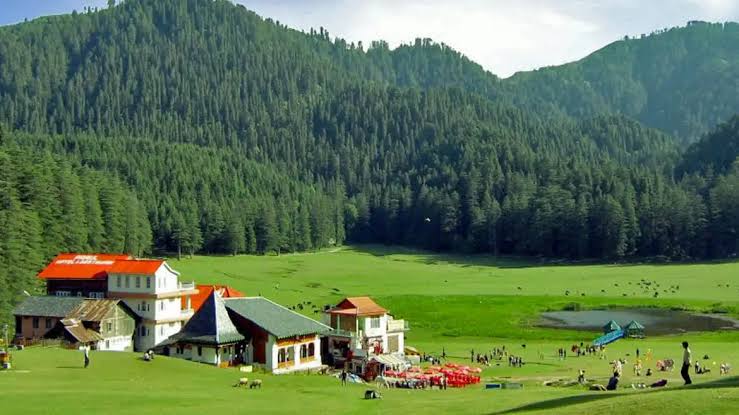
Khajjiar is one of the most famous natural attractions in the wider Chamba region. The destination is known for its grassy meadow, surrounding cedar forests, small lake and mountain scenery. It is located approximately 26 kilometres from Chamba town.
Khajjiar Lake
The small lake in the centre of Khajjiar meadow adds to the scenic character of the destination. The surrounding landscape is suitable for photography, nature walks and relaxed sightseeing.
Khajji Nag Temple
Khajji Nag Temple is a historic temple located near the meadow and is dedicated to the serpent deity Khajji Nag. The temple's traditional architecture and religious significance add a cultural dimension to the natural surroundings.
Bharmaur and Manimahesh
Bharmaur is an important historical and spiritual destination in Chamba district. Once the seat of the Chamba kingdom, Bharmaur is known for its ancient temples, Gaddi culture, mountain landscapes and connection with the Manimahesh pilgrimage.
Chaurasi Temple Complex
The Chaurasi Temple Complex in Bharmaur contains a group of historic temples and shrines associated with the region's religious heritage. The complex is one of the most significant cultural and spiritual landmarks in the Chamba region.
Manimahesh Lake
Manimahesh Lake is a high-altitude pilgrimage destination situated at the foot of Mount Kailash in the Bharmaur region. The lake is considered sacred and attracts pilgrims during the annual Manimahesh Yatra.
Manimahesh Trek
The journey toward Manimahesh Lake involves mountain trekking and can be physically demanding. Travellers should prepare appropriately, check weather conditions and follow local instructions before undertaking the pilgrimage.
Chamera Lake and Water Activities
Chamera Lake is a reservoir created by the Chamera Dam on the Ravi River. Located on the route between Chamba and Dalhousie, the lake is known for its scenic mountain surroundings and recreational opportunities.
Boating at Chamera Lake
Boating is one of the popular recreational experiences at Chamera Lake. Depending on local operating conditions, visitors may also find opportunities for kayaking, canoeing and other water-based activities.
Sunset at Chamera Lake
The calm waters of Chamera Lake surrounded by mountains provide attractive views during the evening. The location is particularly suitable for landscape photography and relaxed sightseeing.
Wildlife and Bird Watching in Chamba
Chamba district contains diverse Himalayan habitats ranging from subtropical forests to alpine landscapes. These environments support a variety of birds, mammals, plants and other wildlife.
Gamgul Siahehi Wildlife Sanctuary
Gamgul Siahehi Wildlife Sanctuary is an important protected area in Chamba district. The sanctuary provides habitat for Himalayan wildlife and is known for its rich natural environment.
Wildlife of Chamba
The wider Chamba region supports species such as musk deer, barking deer, Himalayan monal and other mountain wildlife. Higher and remote areas also provide habitat for species adapted to the Himalayan environment.
Bird Watching in Chamba
The forests, valleys and alpine habitats around Chamba provide opportunities for bird watching. Bird enthusiasts can explore suitable forest edges, mountain trails and quieter natural areas while following local regulations.
Responsible Wildlife Tourism
Visitors should maintain a safe distance from wildlife, avoid feeding animals, minimize noise, prevent littering and follow all forest and wildlife regulations when exploring natural areas.
Trekking and Adventure in Chamba
Chamba is an excellent destination for travellers interested in trekking, hiking, camping, mountain photography and other outdoor activities. The district contains routes ranging from gentle nature walks to challenging high-altitude journeys.
Trekking Around Chamba
Treks around Chamba can lead through forests, villages, valleys, alpine meadows and high mountain landscapes. Popular trekking areas include routes toward Khajjiar, Bharmaur, Manimahesh and the remote valleys of the district.
Hiking and Nature Walks
Short walks around Chamba's forests, villages and scenic areas provide an accessible way to experience the landscape. Early morning walks can be especially suitable for photography and bird watching.
Camping in Chamba
Camping can provide an immersive experience in the Himalayan landscape when undertaken at permitted locations. Travellers should use established campsites where possible and follow environmental and safety regulations.
Mountain Road Trips
Chamba is well suited to scenic road trips through mountain valleys and historic settlements. Routes toward Khajjiar, Dalhousie, Bharmaur, Salooni and Chamera provide changing views of forests, rivers and mountains.
Food in Chamba, Himachal Pradesh
Food in Chamba reflects traditional Himachali cooking together with North Indian influences. Local meals, seasonal ingredients, traditional preparations, sweets, snacks and festival foods can be explored in homes, markets, restaurants and community gatherings.
Traditional Himachali Food
Travellers can explore traditional Himachali dishes prepared using locally available grains, vegetables, pulses and spices. Regional food is particularly prominent during festivals and community celebrations.
Local Cuisine of Chamba
The cuisine of Chamba is influenced by mountain agriculture and seasonal availability. Traditional cooking methods and locally sourced ingredients form an important part of the region's food culture.
Street Food in Chamba
Markets around Chamba offer snacks, tea, sweets and popular North Indian street food. Local markets can be a good place to experience everyday food culture while exploring the historic town.
Festival Food
Traditional foods become particularly important during fairs and religious celebrations. Visitors can experience local culinary traditions while attending festivals such as Minjar Mela and other community events.
Chamba Art and Miniature Paintings
Chamba has a distinguished artistic tradition that includes miniature paintings, temple art, wood carving, metalwork and embroidered textiles. The region's royal courts historically supported artists and craftsmen, helping preserve distinctive forms of Himalayan art.
Chamba School of Painting
The Chamba school of miniature painting developed under royal patronage and is known for detailed compositions inspired by Hindu mythology, religious stories, nature and courtly life. The tradition forms an important part of the artistic heritage of the region.
Wood Carving and Temple Art
Traditional wood carving can be seen in temples and heritage buildings throughout the Chamba region. Intricate wooden details demonstrate the craftsmanship of local artisans and the importance of wood as a traditional Himalayan building material.
Photography in Chamba
Chamba provides a wide variety of photography opportunities, including ancient temples, royal buildings, mountain landscapes, rivers, forests, festivals, traditional crafts, villages and wildlife habitats.
Heritage Photography
The historic temples, Chaugan, museums, palaces and traditional buildings provide excellent subjects for architectural and heritage photography.
Mountain Photography
The Ravi Valley, surrounding hills, alpine meadows and forest landscapes provide opportunities for landscape photography throughout the year.
Festival Photography
Minjar Mela and other local fairs provide colourful scenes involving traditional clothing, processions, cultural performances, markets and religious ceremonies. Photographers should respect local customs and ask permission before photographing people in sensitive situations.
Family Trips and Weekend Getaways
Chamba can be included in family holidays and longer Himachal Pradesh itineraries because it combines heritage attractions, temples, scenic landscapes, museums, markets and nearby natural destinations.
Chamba for Families
Families can explore the historic town, temples, museums, Chaugan, nearby scenic destinations and local markets. Short excursions to Khajjiar and Chamera can add nature and recreation to a family itinerary.
Chamba for Couples
The historic architecture, mountain scenery, quiet villages, rivers and nearby destinations provide opportunities for couples seeking a relaxed Himalayan experience.
Chamba as a Weekend Destination
Chamba can be explored as part of a short mountain getaway or as a longer base for visiting Khajjiar, Dalhousie, Bharmaur and other destinations in the region.
Offbeat Chamba and Rural Experiences
Travellers seeking less crowded experiences can explore rural villages, traditional temples, forest roads, lesser-known valleys, historic sites and local markets away from the busiest tourist destinations.
Saho Village
Saho is a historic village located near Chamba and is known for its ancient Chandrashekhar Temple. The village offers a combination of religious heritage, rural landscapes and traditional culture.
Salooni and Bhandal Valley
Salooni and the Bhandal Valley offer scenic mountain landscapes, forests, villages and opportunities for trekking and nature exploration. The region is particularly attractive for travellers interested in quieter Himalayan experiences.
Eco Tourism and Responsible Travel
Chamba's forests, wildlife habitats, rivers, alpine landscapes and cultural heritage require responsible tourism practices. Visitors should avoid littering, reduce plastic use, conserve water, respect religious places and follow local environmental regulations.
Nature-Friendly Travel
Travellers can support sustainable tourism by choosing local accommodation and businesses, carrying reusable items, avoiding damage to natural habitats and respecting wildlife and local communities.
Shopping in Chamba
Shopping in Chamba offers opportunities to discover traditional crafts, embroidered textiles, paintings, local food products, religious souvenirs, handicrafts and other regional products.
Chamba Rumal Shopping
Chamba Rumal is one of the most distinctive traditional products associated with the region. Visitors interested in the craft should look for authentic products made by local artisans and support genuine traditional craftsmanship.
Local Markets of Chamba
Markets around the historic town provide an opportunity to explore traditional products, clothing, food, handicrafts and everyday goods while experiencing the atmosphere of a Himalayan market town.
Best Time to Visit Chamba
Chamba can be visited throughout much of the year, although the ideal season depends on the purpose of the trip. Spring and summer are suitable for sightseeing, trekking and exploring mountain landscapes, while festival periods are ideal for travellers interested in experiencing Chamba's cultural traditions.
Chamba in Summer
Summer provides comfortable conditions for sightseeing in Chamba town and exploring nearby valleys and mountain destinations. Higher areas can remain considerably cooler, particularly in the mornings and evenings.
Chamba During Monsoon
Monsoon brings rainfall and greener landscapes to the region. Travellers should check weather and road conditions before travelling through mountainous areas because heavy rainfall can affect roads and outdoor activities.
Chamba in Winter
Winter brings cooler temperatures to Chamba, while higher destinations can experience very cold conditions and snowfall. Travellers visiting higher areas should carry suitable winter clothing and check current road conditions.
How to Reach Chamba
Chamba is primarily accessible by road and is connected with major towns in Himachal Pradesh and neighbouring states. The mountain journey offers scenic views of valleys, forests and rivers.
Chamba by Road
Regular buses, taxis and private vehicles connect Chamba with destinations including Dalhousie, Pathankot, Dharamshala and other parts of Himachal Pradesh. Road travel is the main way to reach the town.
Chamba by Train
The nearest major railway station is Pathankot, from where travellers can continue to Chamba by road. The journey from Pathankot provides access to the mountain roads leading into the Chamba region.
Chamba by Air
Travellers arriving by air can consider nearby airports such as Pathankot and Kangra Airport, followed by road travel to Chamba. Travel time depends on weather, traffic and mountain road conditions.
Chamba Travel Tips
Travellers should check weather and road conditions before travelling, particularly during monsoon and winter. Mountain journeys can take longer than expected, so visitors should allow sufficient time between destinations.
Travel During Festivals
Accommodation and transportation can become busier during major festivals such as Minjar Mela and the Manimahesh Yatra. Travellers planning trips around these events should make arrangements in advance and check official announcements for current dates.
Responsible Heritage Tourism
Visitors should respect historic buildings, temples, museums and cultural sites. Avoid touching delicate artwork, damaging structures, littering or photographing restricted areas without permission.
Why Visit Chamba, Himachal Pradesh?
Chamba offers one of the richest combinations of history, architecture, spirituality, art, culture and natural beauty in Himachal Pradesh. Its ancient temples, royal heritage, Chamba Rumal, miniature paintings, traditional festivals, Ravi Valley, wildlife and surrounding mountain destinations make it suitable for travellers with a wide range of interests.
Whether you are exploring ancient temples, attending Minjar Mela, discovering Chamba Rumal embroidery, visiting Bhuri Singh Museum, trekking toward Manimahesh, photographing the Ravi Valley, exploring Khajjiar or experiencing traditional Himalayan village life, Chamba provides a diverse and culturally rich travel experience.
Chamba Travel Guide: Quick Overview
Destination: Chamba, Himachal Pradesh
Region: Ravi Valley and Western Himalayas
Known For: Ancient temples, Chamba Rumal, miniature paintings, Minjar Mela, Bhuri Singh Museum, royal heritage, Ravi River and Himalayan landscapes
Best For: Heritage tourism, pilgrimage, culture, history, nature, trekking, photography, festivals and family travel
Nearby Experiences: Khajjiar, Dalhousie, Bharmaur, Manimahesh, Chamera Lake, Salooni, Bhandal Valley, temples, forests and mountain villages
Languages: Hindi and English are commonly used in tourism, while Chambyali and other local languages and dialects are spoken by communities across the region.
"Travel is the only thing you buy that makes you richer."