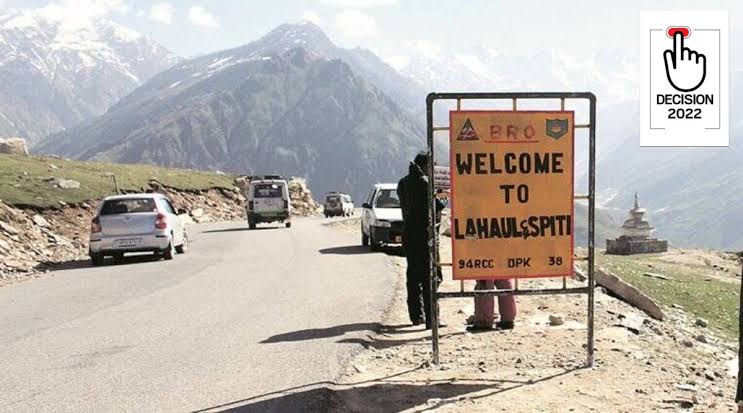
Lahaul and Spiti – Where High Himalayan Deserts, Ancient Monasteries and Remote Villages Meet
Lahaul and Spiti is one of the most extraordinary regions of Himachal Pradesh, known for its high-altitude valleys, barren mountain landscapes, ancient Buddhist monasteries, turquoise rivers, remote villages and dramatic Himalayan passes. The region combines the green valleys of Lahaul with the rugged cold desert of Spiti, creating a landscape that looks completely different from the forests and lower hills of Himachal Pradesh.
From the ancient monasteries of Tabo and Key to the high-altitude villages of Kaza, Kibber and Langza, Lahaul and Spiti offers a journey through some of India's most remote mountain landscapes. Visitors can explore Buddhist culture, trek to Chandratal Lake, cross spectacular mountain passes, discover traditional villages, taste local food and experience a slower way of life in the high Himalayas.
History
Lahaul and Spiti have a long history shaped by Himalayan kingdoms, Tibetan Buddhism, ancient trade routes and communities living in some of the highest inhabited areas of India. The region historically maintained strong cultural and commercial connections with Tibet, Ladakh and other Himalayan areas.
The valleys were divided into numerous small territories and communities before becoming part of larger political arrangements. Buddhism gradually became one of the strongest influences on the culture, architecture and traditions of Spiti and parts of Lahaul.
Ancient Himalayan Trade Routes
Lahaul and Spiti historically formed part of mountain trade routes connecting the Indian Himalayas with Tibet and Ladakh. Traders travelled through difficult passes carrying wool, salt, grains, spices and other goods.
Buddhist Influence
Tibetan Buddhism has played a central role in the cultural development of Spiti. Monasteries became important centres of religion, education, art and community life.
Kingdoms of the Western Himalayas
The valleys were influenced at different times by neighbouring Himalayan kingdoms and rulers. Their political history was closely connected with the strategic mountain passes and trade routes surrounding the region.
British Period
The region eventually came under British influence as part of the changing political structure of the western Himalayas. The difficult terrain meant that Lahaul and Spiti remained relatively remote compared with the lower hill regions.
Lahaul and Spiti District
Lahaul and Spiti became one of the districts of Himachal Pradesh after the reorganization of the state. The district remains one of the largest and least densely populated regions of the state.
Geography
Lahaul and Spiti is located in the high Himalayas of northern Himachal Pradesh. The region is surrounded by some of the highest mountain ranges in India and contains deep valleys, glaciers, rivers, high passes and cold desert landscapes.
The district includes two culturally and geographically distinct areas. Lahaul is generally greener and receives somewhat greater precipitation, while Spiti has a much drier cold-desert landscape because it lies in the rain-shadow of the Himalayas.
Spiti Valley
Spiti Valley is a high-altitude cold desert characterized by barren mountains, deep gorges, dramatic cliffs and scattered green villages. The Spiti River flows through the valley and supports settlements along its banks.
Lahaul Valley
Lahaul contains broader valleys, glacial rivers, green fields and mountain settlements. The landscape becomes particularly striking around Keylong and the roads leading towards the high mountain passes.
Spiti River
The Spiti River is the principal river of Spiti Valley. It flows through the cold desert landscape and provides water to many of the villages scattered along the valley.
Chandra River
The Chandra River flows through Lahaul and is one of the major tributaries that eventually form the Chenab River. Its valley provides spectacular mountain scenery.
Bhaga River
The Bhaga River flows through the Lahaul Valley and joins the Chandra River near Tandi. Together, the Chandra and Bhaga form the Chandrabhaga, which later becomes the Chenab.
Chandratal Lake
Chandratal is a high-altitude freshwater lake surrounded by mountains and open alpine landscapes. Its striking blue-green water and remote location make it one of the most famous natural attractions of Himachal Pradesh.
High Mountain Passes
Lahaul and Spiti are connected by several spectacular mountain passes, including Kunzum Pass and Rohtang Pass. These routes are highly seasonal and can remain closed during heavy winter snowfall.
Cold Desert Landscape
Spiti is one of India's most distinctive cold-desert regions. Its dry climate creates vast areas of bare rock, sand and high mountain slopes, interrupted by small green settlements supported by irrigation.
Climate
Lahaul and Spiti has a cold mountain climate. Winters are extremely cold and bring heavy snowfall, while summers are short and comparatively mild. Spiti receives relatively little monsoon rainfall because of the Himalayan rain shadow.
Culture and Traditions
The culture of Lahaul and Spiti is deeply connected with Himalayan Buddhism, local village traditions, agriculture, pastoral life and the difficult environment of the high mountains.
Tibetan Buddhist Culture
Buddhist traditions strongly influence the architecture, festivals, art and everyday life of Spiti. Monasteries remain important centres of religious and cultural activity.
Lahauli Culture
Lahaul contains several communities with distinct languages, customs and religious traditions. Hindu and Buddhist practices coexist in different parts of the valley.
Traditional Clothing
Heavy woollen clothing is essential in the cold Himalayan climate. Traditional dresses, woollen caps, shawls and woven fabrics remain important during festivals and community celebrations.
Village Life
Life in the villages revolves around agriculture, livestock, monasteries, temples and community traditions. Barley, peas, potatoes and other crops are grown during the short agricultural season.
Traditional Architecture
Traditional houses are designed to withstand cold temperatures and heavy winter conditions. Stone, mud, timber and compact building forms are commonly used in older settlements.
Local Languages
Several Himalayan languages and dialects are spoken across Lahaul and Spiti. Hindi is widely understood, while Tibetan-related languages and local dialects remain important to cultural identity.
Folk Music and Dance
Traditional music and group dances are performed during festivals and important community events. Religious ceremonies may also include chanting, traditional instruments and masked performances.
Architecture
The architecture of Lahaul and Spiti is strongly influenced by Tibetan Buddhism and the harsh Himalayan environment. Ancient monasteries, village houses, temples and fortified structures are among the region's most important architectural attractions.
Tabo Monastery
Tabo Monastery is one of the oldest continuously functioning Buddhist monasteries in the Himalayan region. Its ancient murals, sculptures and traditional buildings make it one of the most important cultural landmarks of Spiti.
Key Monastery
Key Monastery is the largest and one of the most famous monasteries in Spiti. Built dramatically on a hill above the Spiti River, the monastery combines religious importance with spectacular mountain scenery.
Dhankar Monastery
Dhankar Monastery is dramatically positioned on a rocky cliff overlooking the confluence of the Spiti and Pin rivers. Its location is one of the most spectacular monastery settings in the region.
Kardang Monastery
Kardang Monastery is one of the major Buddhist monasteries of Lahaul. Located near Keylong, it overlooks the Bhaga Valley and remains an important religious centre.
Shashur Monastery
Shashur Monastery is situated near Keylong and is surrounded by mountains and forests. Its traditional architecture and religious artwork make it an important cultural attraction in Lahaul.
Gandhola Fort
Gandhola Fort is a historic structure near the confluence of the Chandra and Bhaga rivers. It reflects the older political and architectural traditions of Lahaul.
Traditional Village Houses
Older villages in Lahaul and Spiti contain compact stone and mud houses designed to provide insulation against the extreme cold. Their simple architecture reflects generations of adaptation to the Himalayan environment.
Famous Places
Kaza
Kaza is the administrative and commercial centre of Spiti Valley and one of the main bases for exploring the region. It has hotels, homestays, restaurants, markets and access to surrounding villages and monasteries.
Key Monastery
Key Monastery is one of Spiti's most famous landmarks. Perched above the valley, it provides extraordinary views while remaining an important centre of Tibetan Buddhist learning and worship.
Tabo
Tabo is famous for its ancient monastery, traditional village and high-altitude desert surroundings. The settlement is one of the most culturally important places in Spiti.
Tabo Monastery
Tabo Monastery is renowned for its ancient paintings, sculptures and religious chambers. The monastery's long history has earned it a special place in Himalayan Buddhist heritage.
Dhankar
Dhankar is a dramatic mountain settlement located high above the Spiti Valley. Its monastery, fort-like structures and spectacular views make it an essential stop on a Spiti itinerary.
Dhankar Lake
Dhankar Lake is a high-altitude lake reached by a trek from Dhankar. The trail offers expansive views of the surrounding mountains and Spiti Valley.
Langza
Langza is one of Spiti's most recognizable villages, known for its enormous Buddha statue, traditional houses, fossils and spectacular views of the surrounding mountains.
Hikkim
Hikkim is famous for its high-altitude post office and remote Himalayan setting. The village provides dramatic views of the surrounding Spiti mountains.
Komic
Komic is one of the world's highest inhabited villages connected by a motorable road. Its monastery, traditional houses and high-altitude landscape make it a popular stop near Kaza.
Chicham Bridge
Chicham Bridge crosses a deep gorge near the village of Chicham. Its spectacular height and surrounding mountain scenery make it one of the most photographed modern structures in Spiti.
Pin Valley National Park
Pin Valley National Park protects a high-altitude cold-desert ecosystem and is known for rare Himalayan wildlife, including the elusive snow leopard.
Chandratal Lake
Chandratal is one of the most famous high-altitude lakes in Himachal Pradesh. The lake is surrounded by open mountains and alpine landscapes and is particularly popular with trekkers and photographers.
Keylong
Keylong is the main town of Lahaul and an important base for exploring the surrounding valleys and monasteries. Its greener mountain landscape contrasts with the dry terrain of Spiti.
Sissu
Sissu is a scenic village in Lahaul known for its waterfall, mountain views and location beside the Chandra River. It is one of the most accessible attractions in Lahaul after crossing the Atal Tunnel.
Jispa
Jispa is a peaceful Lahaul village beside the Bhaga River. Its riverside setting, mountain views and simple accommodation make it popular with road-trip travellers.
Darcha
Darcha is a high-altitude settlement and traditional stopping point on the route towards Ladakh. It is also associated with trekking routes in the surrounding mountains.
Udaipur
Udaipur in Lahaul is known for the ancient Triloknath Temple and its green valley surroundings. It provides an interesting contrast to the drier landscapes of upper Lahaul.
Triloknath Temple
Triloknath Temple is a unique religious site revered by both Hindus and Buddhists. The temple is an important example of the shared religious traditions of Lahaul.
Gue Village
Gue is a remote village near the Spiti border region known for its ancient mummy preserved in a small shrine. The site attracts visitors interested in unusual historical and cultural attractions.
Famous Dishes
The cuisine of Lahaul and Spiti is adapted to the cold, dry mountain climate and short agricultural season. Barley, peas, potatoes, wheat, dairy products and locally available ingredients are important parts of traditional food.
Thukpa
Thukpa is a warm noodle soup commonly eaten in Himalayan and Tibetan communities. It is particularly comforting during the cold temperatures of Lahaul and Spiti.
Thenthuk
Thenthuk is a Tibetan-style noodle soup made with hand-pulled pieces of dough, vegetables and broth. It is a popular cold-weather meal in Spiti.
Momos
Momos are steamed dumplings filled with vegetables or other ingredients. They are widely available in Kaza and other tourist centres and are particularly popular with travellers.
Tingmo
Tingmo is a soft steamed Tibetan bread commonly served with vegetables, dal or spicy dishes. It is an important part of Tibetan-influenced mountain cuisine.
Chha Gosht
Chha Gosht is a traditional Himachali meat curry prepared using yoghurt and aromatic spices. It can be found in regional restaurants serving Himachali cuisine.
Siddu
Siddu is a steamed wheat-based bread traditionally filled with ingredients such as walnuts or poppy seeds. It is common in Himachali cuisine and is especially satisfying in cold mountain weather.
Aktori
Aktori is a traditional buckwheat preparation associated with the higher Himalayan areas. Its use of locally grown grain reflects the agricultural traditions of mountain communities.
Tsampa
Tsampa is roasted barley flour traditionally associated with Tibetan cuisine. It is an important traditional food in Himalayan Buddhist communities and can be found in some parts of Spiti.
Butter Tea
Butter tea is a traditional Himalayan drink prepared with tea, butter and salt. It is especially suited to cold high-altitude environments and remains part of the traditional food culture of the region.
Barley Products
Barley is one of the important traditional crops of the high Himalayas. It is used in flour, roasted preparations and other local foods.
Local Peas and Potatoes
Peas and potatoes are important agricultural products in the short growing season of Lahaul and Spiti. Fresh local produce can be found during the summer and autumn months.
Famous Personalities
Padma Sambhava
Padmasambhava, also known as Guru Rinpoche, is one of the most important figures in Tibetan Buddhism. He is deeply revered throughout the Himalayan Buddhist world, including traditions preserved in monasteries across Spiti and Lahaul.
Lotsawa Rinchen Zangpo
Rinchen Zangpo was an important Buddhist translator associated with the revival of Buddhism in the western Himalayas. His legacy is particularly important to the monasteries and Buddhist heritage of Spiti.
Atiśa
Atiśa was a major Buddhist scholar whose teachings influenced the development of Tibetan Buddhism. The broader Himalayan Buddhist tradition associated with Spiti preserves connections with this intellectual and religious history.
Local Lamas and Monastic Scholars
Monks and lamas have played a central role in preserving Buddhist philosophy, art, manuscripts, rituals and education in Lahaul and Spiti. Monasteries continue to serve as important cultural institutions.
Festivals
Losar
Losar is the Tibetan Buddhist New Year and one of the most important celebrations in Spiti and other Himalayan Buddhist communities. Monasteries hold prayers, rituals and cultural activities while villages celebrate with traditional food and gatherings.
Fagli
Fagli is a traditional winter festival celebrated in parts of Lahaul. It marks the arrival of a new seasonal cycle and includes traditional clothing, rituals, music and community celebrations.
Halda Festival
Halda is an important winter festival in Lahaul. Communities gather to light traditional wooden torches and participate in celebrations connected with local beliefs and the beginning of a new year.
Tribal Festival
The annual Tribal Festival showcases the traditional culture of the tribal communities of Lahaul and Spiti. Folk music, dance, handicrafts, food and cultural performances form part of the celebrations.
Ladarcha Fair
The Ladarcha Fair has historical connections with the traditional trade routes between Spiti, Ladakh and Tibet. Today it represents the commercial and cultural heritage of the region.
Gochi Festival
Gochi is a traditional festival celebrated in parts of Lahaul. It is associated with community traditions and agricultural life and includes local ceremonies and celebrations.
Phagli
Phagli is celebrated in several villages of Lahaul with masks, traditional costumes, music and community gatherings. The exact customs can vary between villages.
Monastery Festivals
Monasteries throughout Spiti and Lahaul hold annual religious festivals featuring prayers, masked dances, traditional music and elaborate Buddhist ceremonies.
Things to Do
Explore Kaza
Use Kaza as a base to explore the surrounding villages, monasteries, markets and high-altitude landscapes of Spiti.
Visit Key Monastery
Explore the monastery's ancient religious spaces and enjoy panoramic views over the Spiti River and surrounding mountains.
Visit Tabo Monastery
Discover ancient Buddhist murals, sculptures and meditation spaces at one of the Himalayan region's most historically significant monasteries.
Explore Dhankar
Visit the historic monastery, explore the dramatic cliffside landscape and trek towards Dhankar Lake if conditions permit.
Visit Langza
Explore the village, see its large Buddha statue, search for fossils and enjoy views of the surrounding mountains.
Visit Hikkim
Visit the famous high-altitude post office and experience the remote landscape surrounding the village.
Visit Komic
Travel to Komic to experience one of Spiti's highest inhabited settlements and visit its monastery.
Cross Kunzum Pass
When the route is open, crossing Kunzum Pass provides spectacular views of the high Himalayas and connects the Spiti region with Lahaul.
Trek to Chandratal
Trekking or travelling to Chandratal Lake is one of the most memorable experiences in the region. The lake's turquoise water and surrounding mountains create spectacular scenery.
Explore Pin Valley
Travel through Pin Valley to experience a quieter cold-desert landscape and explore villages such as Mud and Kungri.
Wildlife Watching
Lahaul and Spiti contain habitats for rare Himalayan species. With patience and appropriate guidance, visitors may encounter Himalayan ibex, blue sheep, red foxes and, very rarely, the elusive snow leopard.
Mountain Photography
The region offers extraordinary photography opportunities, from barren mountains and monasteries to turquoise lakes, traditional villages and star-filled night skies.
Stargazing
Spiti's dry climate, high altitude and relatively low light pollution create excellent conditions for observing the night sky on clear nights.
Stay in a Homestay
Homestays provide an opportunity to experience traditional food, village life and local hospitality while supporting mountain communities.
Where to Eat, Shop, and Stay
Where to Eat in Kaza
Kaza has the widest selection of restaurants in Spiti, including Tibetan, Indian, Himachali and simple international food. Cafes and local eateries are concentrated around the town centre.
Where to Eat in Keylong
Keylong has local restaurants and hotel dining rooms serving Tibetan, Himachali and North Indian food.
Village Homestay Food
Homestays in villages such as Langza, Hikkim, Komic and other settlements can provide simple traditional meals prepared by local families.
Where to Shop
Kaza and Keylong are the main shopping centres for local handicrafts, woollens, Buddhist souvenirs, prayer items, caps and locally produced products.
Local Handicrafts
Visitors can look for woollen shawls, socks, caps, carpets, handmade jewellery, Buddhist handicrafts and traditional decorative items.
Local Woollens
Woollen products are practical souvenirs from Lahaul and Spiti because they reflect the region's traditional adaptation to cold mountain conditions.
Budget Stays
Guesthouses, hostels and homestays are available in Kaza, Keylong and several villages. Homestays are particularly useful for travellers looking for an authentic local experience.
Mid-Range Stays
Comfortable hotels and guesthouses are available in Kaza and Keylong. Options become more limited as travellers move into remote villages.
Luxury Stays
Lahaul and Spiti has fewer conventional luxury hotels than destinations such as Shimla or Manali. Premium stays are generally found in select properties around Keylong, Sissu and other accessible areas.
What is Lahaul and Spiti Famous For?
Lahaul and Spiti is famous for its **high-altitude cold desert landscapes, ancient Buddhist monasteries, Kaza, Key Monastery, Tabo Monastery, Dhankar, Chandratal Lake, Kunzum Pass and remote Himalayan villages**.
The region is also known for **Losar, Halda, Fagli and other traditional festivals, Tibetan-influenced food, traditional woollens, high-altitude agriculture, stargazing, trekking and rare Himalayan wildlife**.
Spiti's combination of barren mountains, green villages and ancient monasteries makes it one of the most visually and culturally distinctive regions of India.
Best Time to Visit
May to June
Late spring and early summer are among the best periods for exploring Lahaul and Spiti. Roads begin opening after winter, temperatures become more comfortable and the valleys become accessible.
July to September
Spiti remains relatively dry compared with much of Himachal Pradesh because of the rain shadow, making summer monsoon months suitable for exploring many parts of the valley. However, roads from the Manali side can be affected by weather and landslides.
September to October
Early autumn is one of the most beautiful times to visit. The skies can be clear, temperatures are still manageable and the landscapes take on strong autumn colours.
November to March
Winter transforms the region into a snow-covered high-altitude landscape. However, many roads and passes close because of heavy snowfall, and travel becomes significantly more difficult.
Best Time for Chandratal
Chandratal is generally accessible only during the warmer months when the route is open. Travellers should check current road and weather conditions before planning the journey.
Best Time for Wildlife
Wildlife sightings are unpredictable, but winter can provide opportunities to look for animals that move towards lower elevations. Snow leopard sightings remain rare and should never be guaranteed by tour operators.
How to Reach
Lahaul and Spiti by Air
The region does not have a major commercial airport. Travellers commonly use airports such as Kullu-Manali Airport or Chandigarh Airport and continue by road.
Lahaul and Spiti by Train
There is no railway line reaching Lahaul and Spiti. Travellers arriving by train generally use Chandigarh, Kalka or Pathankot and continue by road.
Spiti by Road from Shimla
The Shimla-Kinnaur-Spiti route is traditionally one of the important approaches to Spiti. The journey passes through Kinnaur before entering the high-altitude Spiti landscape.
Spiti by Road from Manali
The Manali route enters Spiti through the high mountain terrain of Lahaul and Kunzum Pass when the route is open. The Atal Tunnel has improved access to Lahaul, although the higher route remains highly seasonal.
Lahaul by Road
Lahaul has become considerably more accessible from Manali following the opening of the Atal Tunnel. Sissu, Keylong and other destinations can be reached by road when conditions permit.
Travelling Around the Region
Private vehicles, taxis and buses are used to travel through Lahaul and Spiti. Because distances are large and roads are mountainous, travellers should allow plenty of time for each journey.
Nearby Places
Manali
Manali is one of the main gateways to Lahaul and provides access to the Atal Tunnel and the road towards Sissu and Keylong.
Sissu
Sissu is a scenic Lahaul destination known for its waterfall, Chandra River and dramatic mountain scenery.
Keylong
Keylong is the main town of Lahaul and a convenient base for exploring nearby monasteries, villages and mountain valleys.
Kaza
Kaza is the main centre of Spiti and provides access to Key Monastery, Langza, Hikkim, Komic and other famous villages.
Pin Valley
Pin Valley is known for its cold-desert landscape, Buddhist villages and wildlife habitat within Pin Valley National Park.
Kinnaur
Kinnaur lies to the south of Spiti and offers a very different landscape of orchards, forests, high mountains, Buddhist monasteries and traditional villages.
Chandratal
Chandratal is one of the most famous natural attractions accessible from the Lahaul side when the seasonal road is open.
Ladakh
Lahaul and Spiti have historical and geographical connections with the wider Trans-Himalayan region. Travellers can continue towards Ladakh through high mountain routes when roads and permits allow.
Best Duration for a Trip
3 Days
Three days are suitable for a short Lahaul trip covering Sissu, Keylong and nearby attractions, but they are not enough to explore Spiti properly.
5 Days
Five days can provide a quick Spiti experience covering Kaza and selected nearby villages and monasteries.
7 Days
Seven days are a better minimum for exploring major Spiti attractions such as Kaza, Key Monastery, Tabo, Dhankar and selected high-altitude villages.
8 to 10 Days
Eight to ten days allow travellers to combine Lahaul and Spiti more comfortably, including Sissu, Keylong, Chandratal, Kaza, Tabo and several villages.
10 to 14 Days
A longer itinerary is ideal for travellers who want to explore the region slowly, include trekking, stay in homestays and spend more time experiencing local culture.
Travel Tips
Check Road Conditions
Road conditions are one of the most important considerations when travelling through Lahaul and Spiti. Snow, landslides, rockfall and weather can cause sudden closures.
Check Pass Openings
High mountain passes such as Kunzum Pass are seasonal. Always confirm whether the route is open before planning a journey through the pass.
Prepare for High Altitude
Many destinations in Spiti are located at elevations above 3,000 metres. Allow your body time to adjust and avoid strenuous activity immediately after reaching high-altitude areas.
Stay Hydrated
The dry mountain climate can cause dehydration more quickly than visitors expect. Drink enough water and avoid excessive exertion during the first part of a high-altitude journey.
Carry Warm Clothing
Temperatures can fall dramatically after sunset, even during summer. Carry warm layers, gloves and suitable footwear.
Carry Essential Medicines
Medical facilities are limited in remote parts of the region. Carry personal medicines and basic first-aid supplies.
Keep Offline Maps
Mobile connectivity can be limited or unavailable in remote valleys and villages. Download maps and important information before leaving major towns.
Carry Cash
Digital payments are not equally reliable throughout remote Lahaul and Spiti. Carry enough cash for food, accommodation, transport and emergencies.
Respect Monasteries
Visitors should dress respectfully, maintain quiet surroundings and follow local instructions when visiting monasteries and religious sites.
Respect Local Customs
Many villages have strong community traditions. Ask before photographing people, religious ceremonies or private property.
Do Not Litter
The cold desert environment is fragile and waste decomposes slowly. Carry your waste with you and avoid single-use plastic wherever possible.
Do Not Disturb Wildlife
Never chase, feed or approach wild animals. Wildlife such as snow leopards should be observed from a safe distance with trained guides.
Use Local Guides
Local guides are particularly valuable for trekking, remote villages and wildlife experiences. They understand local terrain, weather and cultural practices.
Do Not Rely on Exact Travel Times
Mountain roads can make journeys much slower than expected. Keep your itinerary flexible and avoid scheduling important connections immediately after long road journeys.
Why Visit Lahaul and Spiti?
Lahaul and Spiti is one of the few regions in India where travellers can experience a landscape that resembles the high-altitude deserts of Tibet while remaining within Himachal Pradesh. Its enormous mountains, ancient monasteries, remote villages and clear skies create an atmosphere unlike the greener hill stations of the state.
The region is also valuable for its living culture. Buddhist monasteries continue to function as centres of religious education, while traditional village communities maintain festivals, architecture, clothing, food and agricultural practices that have developed over centuries.
For adventure travellers, Lahaul and Spiti offers trekking, high mountain drives, camping and challenging road journeys. For photographers, it provides extraordinary landscapes. For wildlife enthusiasts, the region contains rare Himalayan species. For cultural travellers, the monasteries and villages offer an opportunity to experience a very different side of Himachal Pradesh.
Conclusion
Lahaul and Spiti is a destination for travellers who want to go beyond the conventional Himalayan holiday. Its high-altitude deserts, ancient monasteries, remote villages, sacred lakes, dramatic passes and traditional communities create an experience that is both adventurous and deeply cultural.
From the green valleys of Lahaul and the riverside villages around Keylong to the barren mountains of Spiti, every part of the region offers a different landscape. Kaza, Key Monastery, Tabo, Dhankar, Langza, Komic, Hikkim and Chandratal each provide their own perspective on this extraordinary Himalayan world.
A journey through Lahaul and Spiti requires patience, preparation and respect for the mountains, but for travellers willing to make the journey, it can become one of the most memorable experiences in Himachal Pradesh.
"Travel is the only thing you buy that makes you richer."