Sirmaur, Himachal Pradesh – Complete Travel, Tourism, Nature, Culture and Local Guide
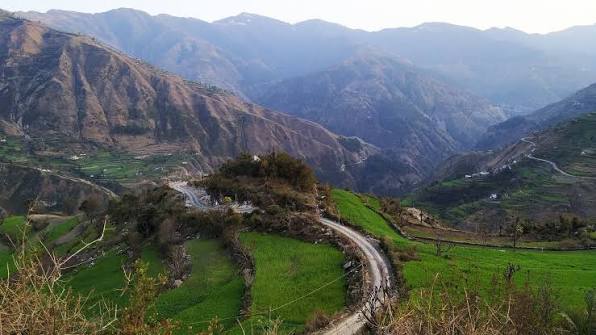
Sirmaur is a scenic and culturally rich district in southern Himachal Pradesh, known for its mountains, forests, lakes, rivers, temples, wildlife, historic towns, traditional fairs and diverse landscapes. From the peaceful waters of Renuka Lake and the forests of Renuka Wildlife Sanctuary to the high mountain trails of Churdhar, the historic town of Nahan and the spiritual heritage of Paonta Sahib, Sirmaur offers a wide range of experiences for nature lovers, pilgrims, adventure travellers, families and culture enthusiasts.
Sirmaur Tourism and Travel Guide
Sirmaur is one of the most geographically diverse regions of Himachal Pradesh. The district includes lower Shivalik hills, forested mountains, river valleys, orchards, wildlife habitats and higher Himalayan landscapes. Its cultural identity is equally diverse, with ancient temples, Sikh heritage, local deities, traditional festivals, historic settlements and village traditions forming an important part of everyday life.
Best Places to Visit in Sirmaur
Popular places to visit in Sirmaur include Nahan, Renuka Lake, Renuka Ji Temple, Churdhar, Paonta Sahib, Trilokpur, Haripurdhar, Rajgarh, Jaitak Fort, Suketi Fossil Park, Simbalbara National Park, Baru Sahib, Sirmouri Tal and several scenic villages and valleys.
Nahan
Nahan is the district headquarters of Sirmaur and a historic hill town founded by Raja Karam Prakash in 1621. The town is known for its pleasant surroundings, temples, gardens, historic buildings, traditional markets and colonial and princely heritage.
Nahan Heritage
Nahan's heritage reflects the history of the former Sirmaur princely state. Historic buildings, temples, palace structures, gardens and traditional streets provide opportunities to explore the cultural and architectural character of the town.
Nahan Walking Experiences
The traditional walks and quiet streets of Nahan provide a relaxed way to experience the town. Visitors can combine heritage exploration with local markets, temples, gardens and viewpoints.
Renuka Lake
Renuka Lake is one of the most important natural and religious attractions in Sirmaur. Surrounded by green hills and forests, the lake is associated with Mata Renuka and Lord Parshuram and is an important pilgrimage and tourism destination in the district.
Renuka Ji Temple
Renuka Ji Temple stands near the lake and is dedicated to Mata Renuka, the mother of Lord Parshuram. The temple and lake together form one of the most important spiritual and cultural landscapes of Sirmaur.
Boating at Renuka Lake
Boating is one of the popular recreational activities at Renuka Lake. Visitors can enjoy the peaceful lake surrounded by forests and hills while following current local safety and operating guidelines.
Renuka Lake Photography
The oval-shaped lake, surrounding forests and mountain landscape provide excellent opportunities for nature and landscape photography. Sunrise, sunset and changing seasonal colours can create distinctive views around the lake.
Renuka Fair and Festivals
Festivals and fairs are an important part of Sirmaur's cultural identity. Religious celebrations bring together pilgrims, local communities, traditional performers, artisans, traders and visitors from different parts of Himachal Pradesh and neighbouring states.
Renuka Fair
The Renuka Fair is one of the most important annual festivals of Sirmaur and is traditionally held around Renuka Lake in November. The festival celebrates the reunion of Mata Renuka and Lord Parshuram and includes religious ceremonies, processions, traditional music, cultural activities and local markets.
Bawan Dwadashi Fair
Bawan Dwadashi is a traditional fair held in Nahan in which local deities are brought together in a colourful religious gathering. The event reflects the strong connection between village traditions, local deities and community culture in Sirmaur.
Balasundari Fair at Trilokpur
The Balasundari Fair is held at Trilokpur during the Chaitra and Ashwin Navratri periods. Devotees visit the Mata Bala Sundari Temple to seek blessings, while the surrounding area becomes active with religious ceremonies, markets and community gatherings.
Bishu Festival
Bishu is a traditional spring festival celebrated in parts of Sirmaur. The festival is associated with community gatherings, folk dances such as Nati and traditional sporting activities including Thoda archery.
Churdhar Mountain
Churdhar is the highest peak in Sirmaur and one of the highest mountains in the Shivalik range, rising to approximately 3,647 metres. Known locally as Churichandni or the Bangle of Snow, Churdhar offers spectacular views of surrounding valleys, forests and distant Himalayan ranges.
Churdhar Trek
The Churdhar trek is one of the most popular trekking experiences in Sirmaur. Routes pass through villages, cultivated fields, forests, alpine landscapes and mountain terrain before reaching the summit.
Chooreshwar Mahadev Temple
Near the summit of Churdhar is the historic temple dedicated to Shirgul or Chooreshwar Mahadev. The temple is an important spiritual destination for local communities and pilgrims who undertake the Churdhar journey.
Churdhar Wildlife and Alpine Landscape
The higher slopes of Churdhar contain forests and alpine vegetation that support Himalayan wildlife and birds. The landscape changes significantly with elevation, creating opportunities for trekking, nature observation and photography.
Paonta Sahib
Paonta Sahib is one of the most important religious destinations in Sirmaur and has a strong connection with Sikh history. The town is situated on the banks of the Yamuna River and attracts pilgrims and visitors throughout the year.
Gurudwara Paonta Sahib
Gurudwara Paonta Sahib is a major Sikh pilgrimage destination associated with Guru Gobind Singh. The historic site contains important religious associations and attracts devotees from across India and abroad.
Paonta Sahib Heritage
The history of Paonta Sahib is closely connected with the life and activities of Guru Gobind Singh. The town's religious institutions and surrounding sites form an important part of Sirmaur's spiritual heritage.
Yamuna River
The Yamuna River flows alongside Paonta Sahib and contributes to the town's scenic and geographical character. River landscapes around the area provide opportunities for photography and peaceful sightseeing.
Trilokpur and Mata Bala Sundari Temple
Trilokpur is a historic religious destination located near Nahan and is famous for the temple of Goddess Mahamaya Bala Sundari. The temple stands on a hill and is an important pilgrimage centre in Sirmaur.
Bala Sundari Temple
The Bala Sundari Temple is known for its religious importance and traditional architecture. Numerous bells hang at the entrance of the temple, reflecting the devotional traditions associated with the site.
Navratri Celebrations at Trilokpur
The temple attracts large numbers of devotees during the Chaitra and Ashwin Navratri periods. Religious ceremonies, markets and community gatherings create a lively festival atmosphere.
Suketi Fossil Park
Suketi Fossil Park is one of the most unusual attractions in Sirmaur and is associated with prehistoric fossil discoveries. The park is located near Nahan and was developed at the site where fossil remains of prehistoric animals were discovered.
Prehistoric Fossils of Sirmaur
Fossil discoveries in the Suketi region provide evidence of prehistoric animals that lived millions of years ago. The site offers an opportunity to learn about prehistoric life, evolution and the geological history of the Himalayan foothills.
Suketi Fossil Park Museum
The park includes a museum and life-size models representing extinct prehistoric animals. It provides an educational experience for families, students, history enthusiasts and visitors interested in geology and natural history.
Wildlife and Bird Watching in Sirmaur
Sirmaur contains a variety of forests, wetlands, mountain habitats and protected areas that support diverse wildlife. The district is particularly suitable for nature lovers interested in birds, mammals, forests and Himalayan biodiversity.
Renuka Wildlife Sanctuary
Renuka Wildlife Sanctuary surrounds the Renuka Lake region and contains mixed forests and diverse wildlife habitats. Species reported in the sanctuary include leopard, sambar, spotted deer, barking deer, jackal, black bear and porcupine, along with a variety of birds.
Churdhar Wildlife Sanctuary
Churdhar Wildlife Sanctuary covers the forested slopes of the Churdhar range. Its habitats include cedar, blue pine, spruce and oak forests and support species such as leopard, Himalayan black bear, barking deer, goral, musk deer, monal and other Himalayan birds.
Simbalbara National Park
Simbalbara National Park is located in the Shivalik region of Sirmaur and is known for its Sal forests, grasslands and wildlife. The park provides habitat for animals including sambar, spotted deer, goral, wild boar, leopard and other species.
Bird Watching in Sirmaur
Sirmaur's forests, rivers, lakes and agricultural landscapes provide opportunities for bird watching. Visitors may encounter species such as pheasants, jungle fowl, drongos, bulbuls, parakeets, hornbills and other Himalayan and North Indian birds.
Responsible Wildlife Tourism
Visitors should observe wildlife responsibly by maintaining distance from animals, avoiding loud noise, not feeding wildlife, carrying back waste and following instructions issued by forest and wildlife authorities.
Nature and Landscapes Around Sirmaur
Sirmaur contains some of the most varied landscapes in southern Himachal Pradesh. The district includes Shivalik hills, forested ridges, river valleys, lakes, orchards, agricultural fields and higher mountain terrain.
Giri River
The Giri River is an important geographical feature of Sirmaur. It flows through the district and contributes to the region's valleys, agriculture, settlements and natural landscapes before joining the Yamuna system.
Yamuna River
The Yamuna River forms an important part of the landscape around Paonta Sahib. Its presence has influenced the history, settlement and religious importance of the area.
Forests of Sirmaur
The forests of Sirmaur range from subtropical Sal forests in lower areas to pine, oak, deodar and other Himalayan vegetation at higher elevations. These forests provide habitats for wildlife and create opportunities for hiking and nature exploration.
Rajgarh Valley
Rajgarh is a peaceful valley destination in Sirmaur surrounded by pine forests, orchards and mountain landscapes. The region is particularly known for fruit cultivation, including peaches and apples, and offers a quieter alternative to crowded hill destinations.
Fruit Orchards of Rajgarh
Rajgarh is known for its orchards and agricultural landscapes. Peaches and other stone fruits are important products of the region and contribute to the local rural economy.
Offbeat Rajgarh
The quiet roads, forests, orchards and villages around Rajgarh make the valley suitable for travellers seeking nature, photography, camping and peaceful mountain experiences.
Haripurdhar
Haripurdhar is a scenic hill destination situated on a ridge in Sirmaur. The area offers wide views of the surrounding valleys and mountains and is also used as a base for trekking toward Churdhar.
Bhangayani Temple
The temple of Devi Bhangayani is an important spiritual landmark of Haripurdhar. The goddess is traditionally associated with the religious heritage of the Churdhar region.
Habban Valley
Habban Valley is a scenic village area surrounded by deodar forests and mountain landscapes. The valley is known for its peaceful environment, orchards and trekking opportunities.
Habban Valley Trekking
Habban provides access to trekking and nature experiences through forested mountain terrain. The area is suitable for travellers looking for quieter outdoor experiences away from major tourist centres.
Baru Sahib
Baru Sahib is a prominent spiritual and educational centre in Sirmaur surrounded by forests and mountain landscapes. The campus has developed into an important centre for education, spirituality and community service.
Spiritual Experience at Baru Sahib
Visitors interested in spirituality and peaceful mountain environments can explore the surroundings of Baru Sahib while respecting the rules and practices of the institution.
Jaitak Fort
Jaitak Fort is a historic fort located near Nahan on a steep ridge. The fort is associated with the history of the Sirmaur kingdom and the conflicts involving Gurkha forces and the British during the early nineteenth century.
History of Jaitak Fort
The fort occupies an important position in the military history of the region. Its hilltop location and surviving historical remains make it an interesting destination for travellers interested in heritage and history.
Sirmaur History and Heritage
Sirmaur has a rich history shaped by the former Sirmaur princely state, local rulers, religious traditions, trade routes and mountain communities. Historic towns, forts, temples and old settlements preserve different aspects of the region's past.
History of Nahan
Nahan was founded by Raja Karam Prakash in 1621 and became the capital of the Sirmaur state. The town's temples, gardens, palace structures and historic streets reflect its royal heritage.
Sirmouri Tal
Sirmouri Tal is an old settlement associated with the historical identity of Sirmaur. The remains of the former settlement provide insight into the early history and traditions of the region.
Colonial Heritage
Parts of Sirmaur also preserve architectural and historical influences from the British period. Historic cantonments, buildings, roads and administrative structures can be found in different parts of the district.
Sirmaur Culture and Traditions
The culture of Sirmaur reflects its Himalayan geography, agricultural communities, local deities and long royal history. Traditional festivals, folk music, dance, village fairs, religious ceremonies and local crafts continue to play an important role in community life.
Sirmauri Language and Dialect
Sirmauri is a regional language and dialect spoken by local communities across the district. Hindi is widely understood, while Punjabi is also spoken in some parts of the region.
Traditional Music and Nati Dance
Nati folk dance is an important part of Himachali cultural celebrations and can be experienced during festivals and community gatherings in Sirmaur. Traditional songs and musical instruments contribute to the atmosphere of local fairs.
Thoda Archery Tradition
Thoda is a traditional Himalayan archery game associated with cultural celebrations in parts of Himachal Pradesh. The activity combines sporting skill, traditional practices and community participation.
Village Life in Sirmaur
Village life across Sirmaur is closely connected with agriculture, horticulture, forests, temples and local community traditions. Rural areas offer opportunities for travellers to experience a quieter side of Himachal Pradesh.
Food in Sirmaur, Himachal Pradesh
Food in Sirmaur reflects traditional Himachali cooking together with North Indian and neighbouring regional influences. Visitors can find local meals, vegetarian dishes, snacks, sweets, seasonal fruits and roadside food in towns and villages.
Traditional Himachali Food
Travellers can explore traditional Himachali preparations made with locally available grains, pulses, vegetables and seasonal ingredients. Regional food is particularly important during festivals and community gatherings.
Local Cuisine of Sirmaur
The local cuisine varies between villages and towns and is influenced by the agricultural products available in different parts of the district. Mountain cooking traditions and seasonal ingredients remain important parts of local food culture.
Street Food in Sirmaur
Nahan, Paonta Sahib and other towns have markets and roadside eateries serving North Indian snacks, tea, sweets and quick meals. Local markets provide an easy way to experience everyday food culture.
Fruits and Agricultural Produce
Sirmaur is known for orchards and agricultural production, particularly around areas such as Rajgarh and Dhaula Kuan. Peaches, apples, citrus fruits, mangoes and other seasonal produce contribute to the region's food and agricultural identity.
Dhaula Kuan and Fruit Orchards
Dhaula Kuan is known for its orchards and fruit production and is located along the route toward Paonta Sahib. Visitors can explore the agricultural landscape and locally produced fruit products available in the region.
Local Fruit Products
Juices, jams, pickles and other fruit-based products are associated with the agricultural economy of the area. Seasonal availability can vary throughout the year.
Adventure, Trekking and Outdoor Activities
Sirmaur is an excellent destination for travellers interested in trekking, hiking, camping, nature walks, mountain photography and scenic road trips. The district's varied elevation provides outdoor experiences ranging from easy walks to challenging high-altitude treks.
Churdhar Trekking
The Churdhar trek is one of the most significant adventure experiences in Sirmaur. The route passes through forests, villages, cultivated areas and alpine landscapes before reaching the high mountain summit.
Hiking Around Rajgarh
The forests and valleys around Rajgarh provide opportunities for short hikes, nature walks and photography. The area's orchards and mountain scenery make outdoor exploration particularly attractive.
Camping in Sirmaur
Camping can be enjoyed at suitable permitted locations around Rajgarh, Habban Valley and other nature-oriented destinations. Travellers should use established campsites where possible and follow local environmental and safety regulations.
Road Trips Around Sirmaur
Sirmaur is well suited to scenic road trips connecting Nahan, Renuka, Paonta Sahib, Rajgarh, Churdhar, Haripurdhar and other destinations. Mountain roads provide changing views of forests, valleys, orchards and rivers.
Photography in Sirmaur
Sirmaur provides diverse photography opportunities ranging from lakes and rivers to forests, temples, wildlife, orchards, historic towns, festivals and mountain landscapes.
Renuka Lake Photography
The calm waters of Renuka Lake surrounded by green forests create excellent landscape photography opportunities. Reflections, changing light and seasonal vegetation add variety to the scenery.
Churdhar Mountain Photography
Churdhar provides panoramic mountain views and dramatic landscapes. Clear days can reveal distant Himalayan peaks, valleys and plains from elevated viewpoints.
Nahan Heritage Photography
Historic buildings, temples, gardens and traditional streets in Nahan provide opportunities for architectural and cultural photography.
Festival Photography
Renuka Fair, Balasundari Fair, Bawan Dwadashi and other local events provide colourful scenes involving traditional clothing, religious processions, cultural performances and community gatherings. Photographers should respect local customs and seek permission before photographing people in sensitive situations.
Family Trips and Weekend Getaways
Sirmaur is suitable for family holidays and weekend trips because it combines lakes, temples, wildlife, museums, historic sites, forests and scenic mountain destinations.
Sirmaur for Families
Families can explore Renuka Lake, the wildlife sanctuary, Suketi Fossil Park, Nahan and other accessible attractions. These destinations provide a mixture of education, nature, culture and recreation.
Sirmaur for Couples
Renuka Lake, Rajgarh, Habban Valley and the forested hills provide peaceful settings for couples looking for a relaxed mountain escape. Scenic drives, nature walks and photography can be combined into a short itinerary.
Sirmaur as a Weekend Destination
Sirmaur can be explored as a weekend destination from Chandigarh, Dehradun, Solan and nearby regions. A short trip can combine Nahan, Renuka Lake, temples, wildlife and local food.
Offbeat Sirmaur and Rural Experiences
Travellers seeking quieter experiences can explore lesser-known villages, forest roads, orchards, temples, historic sites and mountain valleys away from the busiest tourist locations.
Rural Sirmaur
Rural areas around Rajgarh, Haripurdhar, Habban and other mountain settlements provide opportunities to experience traditional agriculture, orchards, village temples and local community life.
Eco Tourism and Responsible Travel
Sirmaur's forests, wildlife sanctuaries, lakes, rivers and mountain ecosystems should be explored responsibly. Visitors should avoid littering, reduce plastic use, conserve water, respect wildlife and follow forest and environmental regulations.
Nature-Friendly Travel
Using reusable products, choosing local businesses, staying on designated trails, avoiding damage to vegetation and respecting wildlife are simple ways travellers can support sustainable tourism in Sirmaur.
Shopping in Sirmaur
Shopping in Sirmaur can include local food products, fruit-based products, handicrafts, religious items, traditional clothing, souvenirs and products from local markets.
Local Markets of Nahan
Nahan's markets provide an opportunity to experience everyday life in the district and explore local food, clothing, traditional products and souvenirs.
Fruit Products
Visitors can look for locally produced juices, jams, pickles and seasonal fruit products, particularly around orchard regions such as Dhaula Kuan and Rajgarh.
Best Time to Visit Sirmaur
Sirmaur can be visited throughout much of the year, although the best season depends on the destination and activity. Spring and autumn are suitable for sightseeing and outdoor exploration, while summer is popular for higher mountain areas. Festival periods are ideal for travellers interested in experiencing the cultural traditions of the district.
Sirmaur in Summer
Higher destinations such as Churdhar and mountain areas around Rajgarh can provide cooler conditions during summer. Lower areas such as Paonta Sahib can be considerably warmer.
Sirmaur During Monsoon
Monsoon brings rainfall and greener landscapes to Sirmaur. Travellers should check weather and road conditions before travelling through mountain areas because heavy rainfall can affect roads and outdoor activities.
Sirmaur in Winter
Winter brings cooler temperatures to the district, while higher areas such as Churdhar can experience snowfall and very cold conditions. Visitors planning high-altitude trips should carry suitable winter equipment and check current conditions.
How to Reach Sirmaur
Sirmaur is primarily accessible by road and has connections with Chandigarh, Dehradun, Delhi, Shimla, Solan and other parts of Himachal Pradesh. The best route depends on the destination within the district.
Sirmaur by Road
Road travel is the main way to explore Sirmaur. Regular buses, taxis and private vehicles connect Nahan, Paonta Sahib, Renuka, Rajgarh and other towns with neighbouring cities and destinations.
Sirmaur by Train
The nearest major railway access for much of Sirmaur is through Chandigarh and Ambala. Barog and Solan railway stations on the Kalka-Shimla narrow-gauge route can also provide access to parts of the district.
Sirmaur by Air
Travellers arriving by air can consider Chandigarh Airport or Dehradun Airport depending on their destination within Sirmaur. The remaining journey can be completed by road.
Sirmaur Travel Tips
Travellers should plan according to elevation and season because weather conditions vary significantly between lower areas such as Paonta Sahib and higher destinations such as Churdhar. Mountain journeys may take longer than expected, so sufficient travel time should be kept between destinations.
Travel During Festivals
Accommodation and transport can become busier during Renuka Fair, Navratri celebrations at Trilokpur and other major events. Travellers planning festival visits should check current dates and local arrangements before travelling.
Responsible Nature Tourism
Visitors should respect forests, wildlife sanctuaries, lakes, temples and local communities. Avoid littering, disturbing wildlife, entering restricted areas or damaging plants and natural habitats.
Why Visit Sirmaur, Himachal Pradesh?
Sirmaur offers an unusually broad combination of nature, spirituality, wildlife, adventure, history and culture. From the peaceful waters of Renuka Lake and the forests of Simbalbara to the high-altitude landscapes of Churdhar, the historic streets of Nahan and the spiritual heritage of Paonta Sahib and Trilokpur, the district offers experiences for many different types of travellers.
Whether you are planning a nature holiday, trekking adventure, pilgrimage, wildlife trip, cultural journey, family vacation, photography tour or scenic road trip, Sirmaur provides a diverse way to experience the landscapes and traditions of southern Himachal Pradesh.
Sirmaur Travel Guide: Quick Overview
Destination: Sirmaur, Himachal Pradesh
Region: Shivalik Hills and Southern Himachal Pradesh
Known For: Renuka Lake, Churdhar, Nahan, Paonta Sahib, Trilokpur, wildlife, forests, fairs, temples, orchards and scenic landscapes
Best For: Nature tourism, pilgrimage, trekking, wildlife, culture, heritage, photography, family travel and road trips
Nearby Experiences: Renuka Lake, Churdhar, Nahan, Paonta Sahib, Rajgarh, Haripurdhar, Habban Valley, Suketi Fossil Park, Simbalbara National Park and Trilokpur
Languages: Sirmauri and Hindi are commonly spoken, while Punjabi and English are also understood in many parts of the district and tourism sector.
"Travel is the only thing you buy that makes you richer."