Kullu – The Valley of Gods Where Rivers, Festivals and Himalayan Adventure Come Together
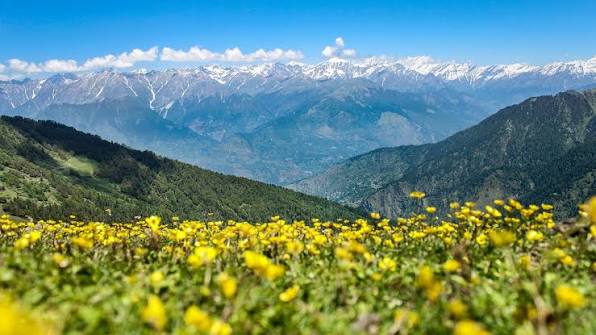
Kullu is one of the most beautiful valleys in Himachal Pradesh, surrounded by Himalayan mountains, pine and deodar forests, apple orchards and the flowing Beas River. Often called the Valley of Gods, Kullu is known for its ancient temples, traditional village culture, colourful festivals, handwoven woollens, spectacular landscapes and adventure activities.
The Kullu Valley offers much more than scenic mountain views. Visitors can explore the historic town of Kullu, experience the world-famous Kullu Dussehra, visit ancient temples, walk through forests and villages, enjoy river activities and discover the Great Himalayan National Park. The nearby destinations of Manali, Naggar, Kasol, Malana and Manikaran also make Kullu an excellent base for exploring the wider Himalayan region.
History
Kullu has a long history connected with ancient Himalayan kingdoms, local village deities and religious traditions. The valley has traditionally been known as Kullu and is closely associated with the worship of Lord Raghunath and numerous local gods and goddesses.
The region was historically divided into several small areas ruled by local chiefs. The Kullu rulers gradually established a larger kingdom in the valley, with Sultanpur and later Kullu becoming important centres of administration.
Ancient Kullu
Kullu's history is closely connected with ancient Hindu traditions and the Himalayan trade routes. The valley's location along routes connecting different parts of the western Himalayas contributed to its cultural development.
Kullu Kingdom
The Kullu kingdom developed as a local Himalayan state ruled by the Kullu Rajas. Numerous temples and traditional institutions in the valley preserve memories of this period.
Raja Jagat Singh
Raja Jagat Singh is one of the most important historical rulers of Kullu. According to local tradition, he brought the idol of Lord Raghunath from Ayodhya and established Raghunath as the principal deity of the Kullu kingdom.
Raghunath Tradition
The worship of Lord Raghunath became central to Kullu's royal and religious identity. This tradition eventually became closely connected with the famous Kullu Dussehra festival.
British Period
Kullu came under British influence during the nineteenth century. The region gradually developed as a destination for travellers, administrators and people interested in the Himalayan landscape.
Kullu After Independence
After independence, Kullu became part of Himachal Pradesh and developed into an important centre for tourism, horticulture, handicrafts and regional trade.
Geography
Kullu is situated in the central Himalayan region of Himachal Pradesh and occupies a long valley formed by the Beas River. Mountains rise steeply on both sides of the valley, creating dramatic scenery throughout the region.
The landscape includes river valleys, forests, orchards, agricultural terraces, alpine meadows and high Himalayan peaks. The Great Himalayan National Park adds another important dimension to the region's natural environment.
Beas River
The Beas River is the defining geographical feature of Kullu Valley. It flows through the valley and provides scenic river landscapes while supporting agriculture and tourism.
Kullu Valley
The valley stretches between the lower Himalayan foothills and the higher mountains around Manali. Its combination of forests, orchards, villages and rivers makes it one of Himachal Pradesh's most scenic landscapes.
Great Himalayan National Park
The Great Himalayan National Park is a UNESCO World Heritage Site located in the Kullu region. It protects high-altitude ecosystems, forests, rivers and a remarkable variety of Himalayan wildlife.
Forest Landscape
Deodar, pine, oak, fir and other Himalayan trees cover large parts of the surrounding mountains. The forests provide habitats for birds and wildlife while creating excellent scenery for trekking and nature walks.
Apple Orchards
Apple orchards are an important part of Kullu's agricultural landscape. During harvest season, the valleys become particularly attractive as orchards fill with ripe fruit.
Climate
Kullu has a pleasant mountain climate compared with the plains. Summers are generally comfortable, monsoon brings rainfall and greenery, while winters are cold and higher areas can receive snowfall.
Culture and Traditions
Kullu has a strong traditional culture based around local deities, village communities, temples, festivals, handicrafts, folk music and dance. Religion and community traditions remain closely connected in many villages.
Devta Culture
Local village deities are an important part of Kullu society. Many villages have their own deity, temple and traditions, and these deities are carried in processions during important festivals and community events.
Kullu Dussehra Tradition
Kullu Dussehra is the valley's most famous cultural celebration. Unlike many parts of India where Dussehra marks the end of the festival period, Kullu Dussehra begins after Vijay Dashami and continues for several days.
Nati Dance
Nati is one of the most important folk dances of Himachal Pradesh. Kullu Nati is performed during festivals and celebrations, with groups of dancers moving together to traditional music.
Kullu Folk Music
Traditional instruments, singing and devotional music accompany village festivals and deity processions. Folk performances help preserve the cultural identity of the valley.
Traditional Clothing
Kullu is famous for woollen shawls, caps, traditional dresses and handwoven textiles. These products are both part of local culture and important handicrafts sold to visitors.
Kullu Cap
The Kullu cap is one of the most recognizable traditional products of Himachal Pradesh. Its colourful designs and woollen construction make it a popular souvenir.
Village Life
Traditional village life remains visible throughout Kullu Valley. Temples, orchards, farms, traditional houses and community gatherings continue to shape everyday life in many mountain settlements.
Architecture
Kullu's architecture reflects Himalayan construction traditions, religious beliefs and the history of the valley's local rulers. Temples often combine wood and stone and are designed to withstand the mountain climate.
Raghunath Temple
Raghunath Temple in Sultanpur is one of Kullu's most important religious sites. The temple is dedicated to Lord Raghunath and is closely connected with the history of Kullu Dussehra.
Bijli Mahadev Temple
Bijli Mahadev Temple stands on a mountain above Kullu Valley. The temple is dedicated to Lord Shiva and is famous for its panoramic views and traditional religious architecture.
Hidimba Devi Temple
Hidimba Devi Temple in nearby Manali is a distinctive wooden temple surrounded by cedar forest. Its architecture reflects traditional Himalayan craftsmanship and is associated with the Mahabharata character Hidimba.
Naggar Castle
Naggar Castle is a historic stone and timber structure overlooking the Kullu Valley. Built during the period of the Kullu rulers, it combines traditional Himalayan construction with a strong royal character.
Traditional Kullu Temples
Villages throughout Kullu contain traditional temples dedicated to local deities. Their wooden carvings, stone foundations and distinctive tower-like forms are important examples of Himalayan architecture.
Famous Places
Raghunath Temple
Raghunath Temple in Sultanpur is one of the most important temples in Kullu. It is closely connected with the valley's royal history and the traditions of Kullu Dussehra.
Bijli Mahadev Temple
Bijli Mahadev is situated on a hilltop overlooking the Kullu and Parvati valleys. The temple is dedicated to Lord Shiva and is famous for its spectacular mountain views.
Kullu Dussehra Ground
Dhalpur Ground in Kullu becomes the centre of the famous Kullu Dussehra celebrations. During the festival, hundreds of people gather along with decorated deity processions, cultural performances and markets.
Great Himalayan National Park
The Great Himalayan National Park is one of Kullu's most important natural attractions. Its protected forests, alpine meadows, rivers and wildlife make it a major destination for trekking and nature tourism.
Kasol
Kasol lies in the Parvati Valley and is known for mountain scenery, trekking routes, cafes and its backpacker atmosphere. It provides a very different experience from the traditional cultural centre of Kullu.
Manikaran
Manikaran is a major pilgrimage destination in the Parvati Valley, famous for its hot springs, temples and Sikh gurdwara. The surrounding mountains and river create a dramatic setting.
Manali
Manali is one of India's most popular Himalayan destinations and lies at the upper end of the Kullu Valley. It is known for mountains, forests, temples, adventure activities and access to higher Himalayan routes.
Naggar
Naggar is a historic village overlooking the Kullu Valley. It is known for Naggar Castle, temples, art galleries and peaceful mountain surroundings.
Solang Valley
Solang Valley near Manali is famous for mountain scenery and adventure activities. Depending on the season, visitors can enjoy paragliding, skiing and other outdoor experiences.
Rohtang Pass
Rohtang Pass is a high-altitude mountain pass beyond Manali. When accessible, it provides dramatic views of snow-covered mountains and high Himalayan landscapes.
Malana Village
Malana is a remote mountain village in the Parvati Valley known for its distinctive social traditions, language and cultural identity. Visitors should respect local rules and customs while visiting.
Jana Waterfall
Jana Waterfall near Naggar is surrounded by forests and traditional villages. It provides a peaceful nature experience away from the busiest tourist areas.
Famous Dishes
Kullu's food culture combines traditional Himachali cuisine with North Indian and Tibetan influences. Mountain ingredients, pulses, grains, vegetables and dairy products are common in local cooking.
Dham
Dham is a traditional Himachali vegetarian feast served during weddings, festivals and important community occasions. It includes several dishes prepared and served according to traditional customs.
Kullu Trout
Trout is one of the region's best-known foods, particularly around the rivers and streams of the Kullu and Manali area. It is commonly prepared simply to preserve the flavour of the fish.
Siddu
Siddu is a steamed wheat-based bread made with fermented dough. It may be filled with walnuts, poppy seeds or other ingredients and is traditionally served with ghee, dal or chutney.
Chana Madra
Chana Madra is a traditional Himachali dish made with chickpeas cooked in a yoghurt-based gravy and aromatic spices.
Rajma Madra
Rajma Madra consists of kidney beans cooked in a rich yoghurt-based gravy. It is a popular traditional dish and is often enjoyed with rice.
Babru
Babru is a fried wheat-based bread traditionally filled with black gram. It is a popular Himachali snack and can be served with chutney.
Aktori
Aktori is a traditional buckwheat preparation associated with Himalayan cuisine. It is particularly associated with the higher mountain regions and is worth trying when available.
Local Apples
Kullu apples are an important agricultural product of the valley. During harvest season, visitors can purchase locally grown apples and other orchard produce.
Apricots and Plums
Apricots, plums and other temperate fruits are grown in the Kullu region. Seasonal fruit products and dried versions are commonly available in local markets.
Famous Personalities
Raja Jagat Singh
Raja Jagat Singh was a prominent ruler of Kullu and is closely associated with the establishment of Lord Raghunath's worship in the valley. His legacy remains central to the traditions of Kullu Dussehra.
Raja Bahadur Singh
Raja Bahadur Singh was an important ruler associated with the later history of the Kullu kingdom. The royal traditions of Kullu continued to influence local culture during his period.
Rudyard Kipling
Rudyard Kipling's writings included references to the Himalayan region and the culture of British India. His literary connection with the wider Himalayan landscape has contributed to international interest in northern India's mountain regions.
Nicholas Roerich
Nicholas Roerich was a Russian artist, philosopher and explorer who lived in Naggar in the Kullu Valley. His former estate and museum remain important cultural attractions near Naggar.
Devika Rani
Devika Rani, one of the early stars of Indian cinema, spent part of her later life in the Kullu Valley with her husband Svetoslav Roerich. Their connection with Naggar contributed to the area's artistic history.
Festivals
Kullu Dussehra
Kullu Dussehra is the most famous festival of the valley and one of Himachal Pradesh's largest cultural celebrations. The festival begins on Vijay Dashami and brings together hundreds of local deities, traditional processions, music, dance, cultural performances and large public gatherings.
International Kullu Dussehra
The modern Kullu Dussehra celebration has grown into an internationally recognized cultural event. The Dhalpur grounds become a major centre for performances, exhibitions, markets and traditional deity gatherings.
Holi
Holi is celebrated across Kullu with colours, music, community gatherings and religious traditions. Villages and towns develop their own local celebrations.
Shivratri
Maha Shivratri is celebrated at temples throughout the valley, particularly at Shiva temples such as Bijli Mahadev. Devotees participate in prayers and religious ceremonies.
Phagli
Phagli is a traditional winter festival celebrated in parts of the Himalayan region. It involves local deities, traditional costumes, music and community gatherings.
Winter Carnival
The winter season brings cultural and entertainment events to the wider Kullu-Manali region. Music, traditional performances and winter activities create a lively atmosphere during the tourist season.
Local Devta Fairs
Villages across Kullu organize annual fairs dedicated to their local deities. These events provide some of the best opportunities to experience traditional music, dance, religious processions and local food.
Things to Do
Experience Kullu Dussehra
Visiting during Kullu Dussehra provides an opportunity to witness one of the most distinctive religious and cultural celebrations in India.
Visit Raghunath Temple
Explore the temple associated with Kullu's royal history and the traditions of Lord Raghunath.
Trek to Bijli Mahadev
The trek to Bijli Mahadev passes through mountain landscapes and leads to a hilltop temple with spectacular views of the surrounding valleys.
Explore the Great Himalayan National Park
Explore protected forests, alpine landscapes and trekking routes in the UNESCO World Heritage-listed national park.
Go River Rafting
The Beas River provides opportunities for river rafting in suitable sections and seasons. Visitors should use authorized adventure operators and follow current safety instructions.
Explore Naggar
Visit Naggar Castle, the Nicholas Roerich Art Gallery and traditional temples while enjoying views over the Kullu Valley.
Visit Kasol
Explore the cafes, mountain trails and villages of the Parvati Valley around Kasol.
Visit Manikaran
Experience the hot springs, temples and gurdwara of Manikaran while exploring the dramatic Parvati Valley.
Go Paragliding
Paragliding is available in selected areas of the Kullu-Manali region, particularly around Solang and nearby mountain destinations. Always use authorized operators.
Go Skiing
During suitable winter conditions, skiing is available in higher areas around Manali. Snow conditions vary each year, so visitors should check current conditions before planning an activity.
Explore Apple Orchards
Visit orchards around Kullu Valley during the fruit-growing season and experience one of the region's most important agricultural traditions.
Shop for Woollens
Browse local shops and cooperatives for Kullu shawls, caps, woollen clothing and handwoven textiles.
Photography
Kullu offers excellent photography opportunities, from the Beas River and mountain peaks to temples, orchards, traditional villages, forests and colourful festivals.
Where to Eat, Shop, and Stay
Where to Eat in Kullu
Kullu town has restaurants and local eateries serving Himachali, North Indian and Tibetan-influenced dishes. Local markets are also useful for snacks, sweets and seasonal fruit.
Where to Eat in Naggar
Naggar has cafes and restaurants with mountain views and a relaxed atmosphere. The area is popular with travellers interested in art, heritage and peaceful stays.
Where to Eat in Manali
Manali provides the widest range of dining options in the Kullu Valley, including Himachali food, Tibetan dishes, Indian cuisine, bakeries and international restaurants.
Where to Shop in Kullu
Kullu markets are famous for handwoven shawls, woollens, caps, blankets, carpets, handicrafts and local fruit products.
Kullu Shawls
Kullu shawls are among the region's most famous handicrafts. Traditional patterns, woollen fabrics and detailed weaving make them popular souvenirs.
Kullu Caps
Kullu caps are lightweight traditional woollen caps available in a range of colours and patterns. They are one of the easiest cultural souvenirs to carry home.
Budget Stays
Budget hotels, guesthouses and homestays are available in Kullu, Naggar, Kasol and Manali. Travellers should compare location and transport access before booking.
Mid-Range Stays
Mid-range hotels and mountain resorts are widely available throughout the valley. Naggar and quieter parts of Kullu offer a more relaxed atmosphere than central Manali.
Luxury Stays
Luxury resorts and heritage-style properties are available around Manali, Naggar and parts of Kullu Valley. Many offer mountain views, gardens and wellness facilities.
What is Kullu Famous For?
Kullu is famous for the **Kullu Valley, Kullu Dussehra, Raghunath Temple, Bijli Mahadev, Kullu shawls, Kullu caps, apple orchards, the Beas River and the Great Himalayan National Park**.
The wider valley is also known for **Manali, Naggar, Kasol, Manikaran, Malana, river rafting, trekking, paragliding, skiing and traditional Himachali cuisine**.
Kullu's strongest identity comes from its combination of mountain scenery and living religious traditions. The hundreds of local village deities, colourful festivals and traditional handicrafts make the valley culturally different from many other Himalayan destinations.
Best Time to Visit
March to June
Spring and summer are excellent for sightseeing, trekking, river activities, village exploration and visiting the valley's temples and orchards. The weather is generally comfortable for outdoor activities.
July to September
Monsoon brings heavy rainfall and makes the valley exceptionally green. However, landslides and road disruptions can occur, so travellers should check weather and road conditions before travelling.
October to November
Autumn is one of the best seasons to visit Kullu. The weather is pleasant, mountain views can be clear and the famous Kullu Dussehra takes place during this period.
December to February
Winter is suitable for travellers who enjoy cold weather and snow. Higher destinations around Manali can receive significant snowfall and offer winter sports when conditions permit.
Best Time for Kullu Dussehra
The festival follows the Hindu lunar calendar, so its dates change every year. Travellers should check the official festival schedule before planning their trip.
Best Time for Apple Orchards
Late summer and early autumn are particularly attractive for experiencing Kullu's apple-growing areas. Harvesting dates can vary according to altitude and weather.
How to Reach
Kullu by Air
Kullu-Manali Airport at Bhuntar is the nearest airport serving the valley. It is located near the Beas River and provides access to Kullu, Manali and surrounding destinations, subject to current flight schedules.
Kullu by Train
Kullu does not have a major broad-gauge railway station. Travellers commonly use railway connections at Chandigarh, Kalka or Pathankot and continue to Kullu by road.
Kullu by Road
Road travel is one of the easiest ways to reach Kullu. Buses, taxis and private vehicles connect Kullu with Chandigarh, Delhi, Shimla, Mandi, Manali and other parts of Himachal Pradesh.
Travelling Around Kullu
Local buses are useful for budget travellers, while taxis and private vehicles provide greater flexibility for visiting temples, villages, national parks and nearby valleys.
Nearby Places
Manali
Manali is the most famous destination in the upper Kullu Valley and is known for mountain scenery, temples, forests, adventure activities and access to higher Himalayan areas.
Naggar
Naggar is a historic mountain village famous for Naggar Castle, traditional temples and the Nicholas Roerich Art Gallery.
Kasol
Kasol is a popular destination in the Parvati Valley known for mountain scenery, trekking, cafes and a relaxed backpacker atmosphere.
Manikaran
Manikaran is famous for its hot springs, temples and gurdwara and is an important pilgrimage destination in the Parvati Valley.
Malana
Malana is a remote village known for its distinctive culture, traditions and mountain environment. Visitors should respect local customs and rules.
Solang Valley
Solang Valley is famous for adventure activities, mountain views and winter snow. It is particularly popular with visitors staying in Manali.
Rohtang Pass
Rohtang Pass is a high mountain pass beyond Manali. When open and accessible, it provides dramatic Himalayan scenery and snow-covered landscapes.
Great Himalayan National Park
The national park provides opportunities for trekking, wildlife observation and exploring protected Himalayan ecosystems.
Best Duration for a Trip
2 Days
Two days are enough for a quick introduction to Kullu town, Raghunath Temple, local markets and one nearby attraction.
3 Days
Three days allow travellers to explore Kullu, Naggar and one or two nearby attractions at a comfortable pace.
4 to 5 Days
Four to five days are ideal for combining Kullu with Manali, Naggar, Solang Valley or other nearby destinations.
6 to 7 Days
A week allows travellers to explore Kullu Valley more deeply while adding Kasol, Manikaran, Great Himalayan National Park or selected trekking experiences.
8 to 10 Days
A longer itinerary is suitable for travellers who want to combine Kullu with Parvati Valley, Manali and several adventure or trekking experiences without rushing.
Travel Tips
Check Weather and Road Conditions
Mountain weather can change quickly, particularly during monsoon and winter. Check current weather and road conditions before travelling.
Allow Extra Travel Time
Road journeys through Kullu can take longer than expected because of mountain roads, traffic and weather. Avoid planning too many activities in a single day.
Book During Peak Seasons
Hotels can become busy during summer holidays, Christmas, New Year, snowfall periods and Kullu Dussehra. Advance booking is recommended during these periods.
Carry Warm Clothing
Temperatures can drop significantly in the evening, especially in higher areas. Warm layers are useful throughout the year.
Respect Local Deity Traditions
Many Kullu villages have sacred temples and strong local deity traditions. Visitors should follow local instructions regarding photography, entry and religious ceremonies.
Be Careful Near Rivers
River conditions can become dangerous during heavy rainfall. Do not enter fast-flowing water and use authorized operators for rafting and other river activities.
Use Authorized Adventure Operators
For rafting, paragliding, trekking and other adventure activities, use authorized operators and follow their safety instructions.
Carry Comfortable Shoes
Many Kullu attractions involve walking on uneven paths, village roads and mountain trails. Comfortable footwear is essential.
Carry Cash
Digital payments are common in major tourist towns, but cash remains useful in villages and smaller markets.
Protect the Environment
Avoid littering in forests, rivers, trekking routes and villages. Carry reusable bottles and dispose of waste responsibly.
Respect Wildlife
The Kullu region contains important wildlife habitats. Never feed wild animals, disturb birds or enter protected areas without permission.
Why Visit Kullu?
Kullu is worth visiting because it offers a rare combination of natural beauty, living traditions and outdoor adventure. The valley is not simply a gateway to Manali; it has its own identity shaped by local deities, ancient temples, traditional villages, festivals and handicrafts.
The Beas River, mountain forests, apple orchards and surrounding peaks create an extraordinary natural setting. At the same time, festivals such as Kullu Dussehra bring together hundreds of village deities and thousands of people in one of India's most distinctive cultural celebrations.
Adventure travellers can go trekking, rafting, paragliding and skiing, while travellers interested in culture can explore temples, villages, handicrafts and local food. Nature lovers can discover the Great Himalayan National Park and the forests surrounding the valley.
Conclusion
Kullu is a destination where Himalayan nature and traditional culture remain deeply connected. From the sacred traditions of Raghunath Temple and the colourful celebrations of Kullu Dussehra to the forests of the Great Himalayan National Park and the peaceful villages of the valley, there is much more to discover than mountain scenery alone.
Whether you visit for festivals, temples, trekking, river adventures, food, handicrafts, wildlife or simply the beauty of the Beas Valley, Kullu provides an unforgettable experience in Himachal Pradesh.
For travellers looking to explore the wider region, Kullu also serves as an excellent starting point for Manali, Naggar, Kasol, Manikaran, Malana and other Himalayan destinations.
"Travel is the only thing you buy that makes you richer."